The Audit Trap
Most new PMs start by looking at the UI or suggesting "cool features." Stop. This is a "Surface-Level" audit. A professional audit looks at the Engine, not the paint job. You must evaluate the product through the lens of Value, Viability, and Velocity.
The Core Framework: The "3-Axis" Audit
1. The Quantitative Axis (The "What")
Ignore what people say and look at what users do.
- The Strategy: Audit the Funnel and Retention.
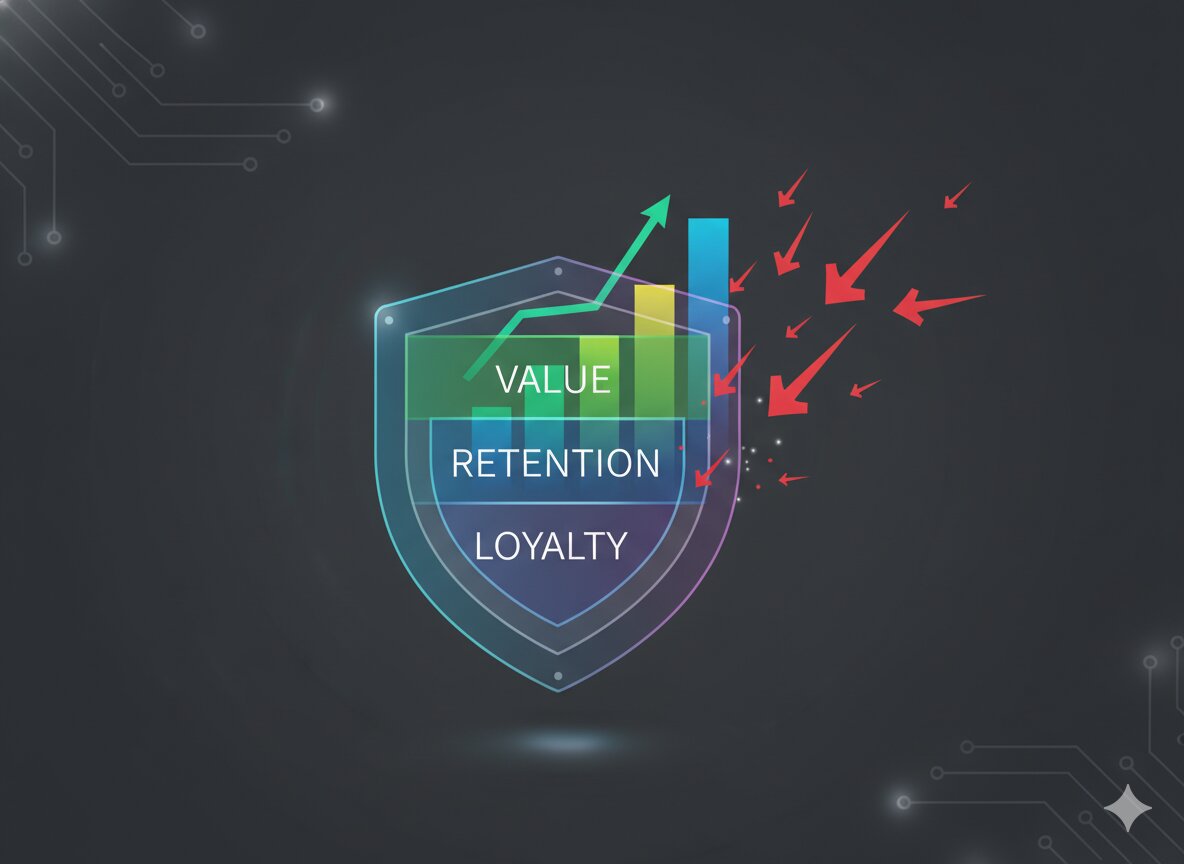
- The Soundbite: "I don't look at 'Total Users'; I look at the 'Critical Path.' I want to see the conversion rate from 'Sign-up' to 'Core Action' (The Aha! Moment). If our 30-day retention is below the industry benchmark for this category, we don't have a growth problem—we have a value problem."
2. The Qualitative Axis (The "Why")
Why are the numbers doing what they're doing?
- The Tactics: Audit Support Tickets and Sales Refusals.
- The Soundbite: "I spend Day 10-15 reading the last 100 '1-star' reviews and sitting in on 5 Sales calls. I want to hear the exact words customers use when they say 'No.' This tells me where our marketing promise is disconnected from our product reality."
3. The Operational Axis (The "How")
How fast can we actually fix the problems we found?
- The Strategy: Audit Technical Debt and Deployment Velocity.
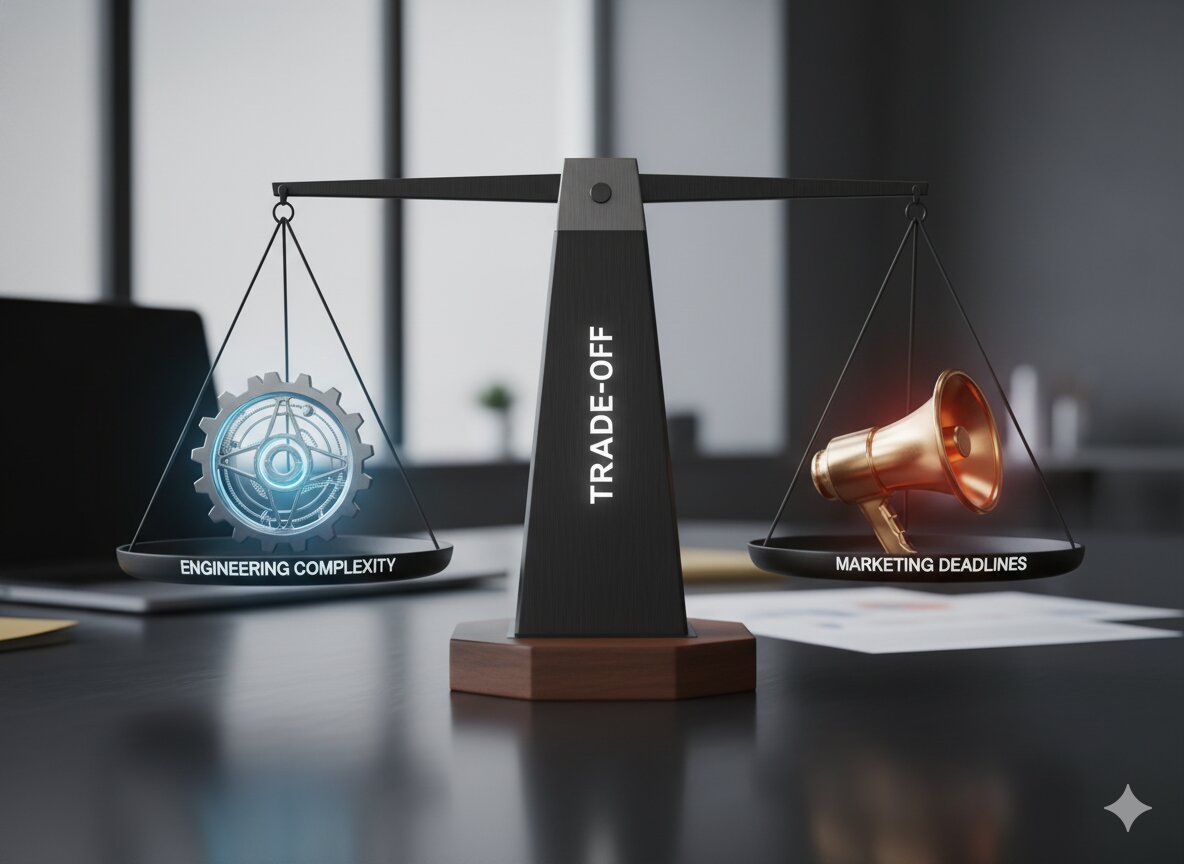
- The Soundbite: "I audit our 'Lead Time to Deployment.' If it takes 3 weeks to push a CSS change, we can't be an agile product org. I need to know if our infrastructure is a strategic asset or a bottleneck before I commit to a roadmap."
The "Junior" AuditThe "L6/L7" AuditFocuses on UI/UX and "Small Wins."Focuses on Unit Economics and Retention.Asks "What features can we add?"Asks "What features should we kill?"Takes 3 months to form an opinion.Delivers a Strategic Point of View (POV) in 14 days.
Own the Roadmap from Day 1
A product audit isn't just about finding bugs; it's about finding Leverage. You need to show that you can separate the "Noise" from the "Signals" that move the needle.
Our kits give you the "30-60-90 Day Plan" and "Audit Checklists" used by Senior PMs to hit the ground running at companies like Meta and Netflix.
- For PMs: Diagnose product-market fit issues with the PM Prep Guide.
- For TPMs: Audit technical execution and system health with the TPM Prep Kit.
FAQs
Q: What is the most important document to read first?
A: The Product Strategy/Vision (if it exists) vs. the Last 3 Months of Post-Mortems. The gap between the "Vision" and the "Reality" is where your audit lives.
Q: Should I share my audit with the whole team?
A: Start with your manager and key engineering/design leads. Frame it as "Initial Observations" to invite feedback. You want to be seen as a Collaborator, not a Judge.
Q: How do I handle "Old" features that are clearly failing?
A: Don't attack them. Use data. "This feature represents 15% of our maintenance cost but only 0.5% of our MAU. I suggest we 'Sunset' it to free up resources for Project X."





















.jpg)