The Interview Trap: The "Feature Factory" Stagnation
The interviewer corners you with a classic product velocity bottleneck: "Your core user acquisition funnel has slowed to a crawl. The engineering team claims that over years of rushing MVP features to market, the codebase has accumulated massive technical debt. They want to pause the entire product roadmap for the next two quarters to refactor the legacy codebase. Meanwhile, business stakeholders are demanding new revenue-generating features to hit quarterly targets. How do you resolve this misalignment?"
Most candidates fail this technical execution round by playing a weak middleman: "I would set up a negotiation meeting between the product managers and engineering leads, ask engineering to make a list of their top priorities, and try to allocate 20% of every sprint to tech debt." Stop. Arbitrary percentage allocations or treating technical debt as a pure engineering grievance ignores the business reality. In elite platform execution and technical program operations loops at high-velocity tech giants like Stripe, Meta, and Microsoft, panel judges are evaluating your Technical Debt Quantification, Financialization of Refactoring, and Strategic Use of Generative AI to Catalog and Prioritize Code Smells.
The Core Framework: The "PAY-DOWN" Method
Elite PMs and TPMs do not look at tech debt as an abstract engineering problem; they translate it into a financial and velocity framework. They co-pilot with Large Language Models to scan legacy repositories, classify structural code smells, calculate the actual cost of engineering friction, and generate clear impact metrics to align business stakeholders.
1. P-rofiled Codebase and Static Analysis Ingestion
Feed raw application code manifests, pull request cycle times, and linter warning logs directly into your AI workspace to map hidden architectural rot.
- The Strategy: Drop unstructured static analysis report outputs (from tools like SonarQube or CodeClimate) into an LLM context window to automatically group code complexities by business domain impact.
- The Prompt Pattern: "Act as a Principal Software Quality Architect. Analyze the attached SonarQube static code analysis report and git commit history: [Insert Report Snippets]. Categorize the detected code complexities, duplication hotspots, and circular dependencies by functional product domains."
2. A-ssessment of Engineering Friction Metrics
Translate vague engineering complaints like "the code is messy" into precise, data-driven operational metrics.
- The Strategy: Instruct the AI to correlate code complexity hotspots with real-world delivery delays, parsing ticket cycle times to measure the exact cost of technical debt.
- The Prompt Pattern: "Review our team's velocity log data: [Insert Ticket Metrics / Jira Export]. Correlate the code complexity hotspots identified in the previous analysis with our average ticket cycle time (Time to Market). Calculate the exact engineering velocity penalty we are paying weekly due to maintaining this legacy architecture."
3. Y-ield and Business Case Financialization
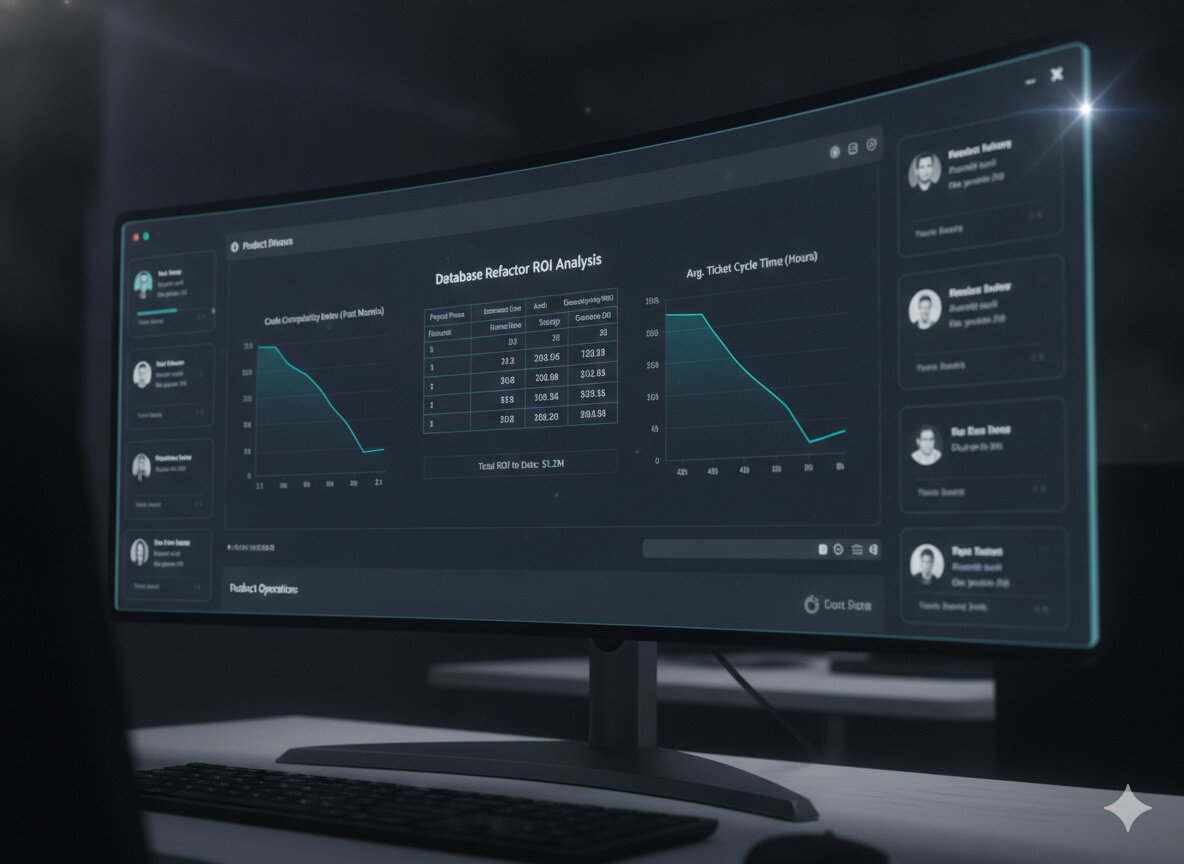
Convert abstract technical debt items into a formal, ROI-driven business case that non-technical business executives can easily understand.
- The Strategy: Use the model to frame refactoring tasks in terms of revenue protection, infrastructure cost reduction, and engineering hours saved.
- The Prompt Pattern: "Act as a Platform Product Director. Convert the engineering velocity penalty calculated above into a formal financial business case in Markdown. Frame the refactoring project as a revenue-enabling investment by calculating: annual developer hours reclaimed, cloud infrastructure cost savings from code optimization, and the accelerated feature delivery timeline post-refactoring."
4. D-omain Slicing and Modular Categorization
Break down the massive refactoring backlog into distinct, isolated modules using a structured data matrix to avoid "all-or-nothing" engineering roadmaps.
- The Strategy: Have the model construct an explicit risk-reward prioritization matrix so teams can address the highest-leverage code segments first.
- The Prompt Pattern: "Generate a structural Markdown table modeling our refactoring backlog prioritization. The columns must be:
| Target Module | Core Code Smell | Refactoring Effort (S/M/L) | Blocked Product Features | Blast Radius Risk | Priority Score (1-100) |. Prioritize the rows by the highest impact on our core acquisition funnel."
5. O-ptimized Refactoring Code Blueprinting
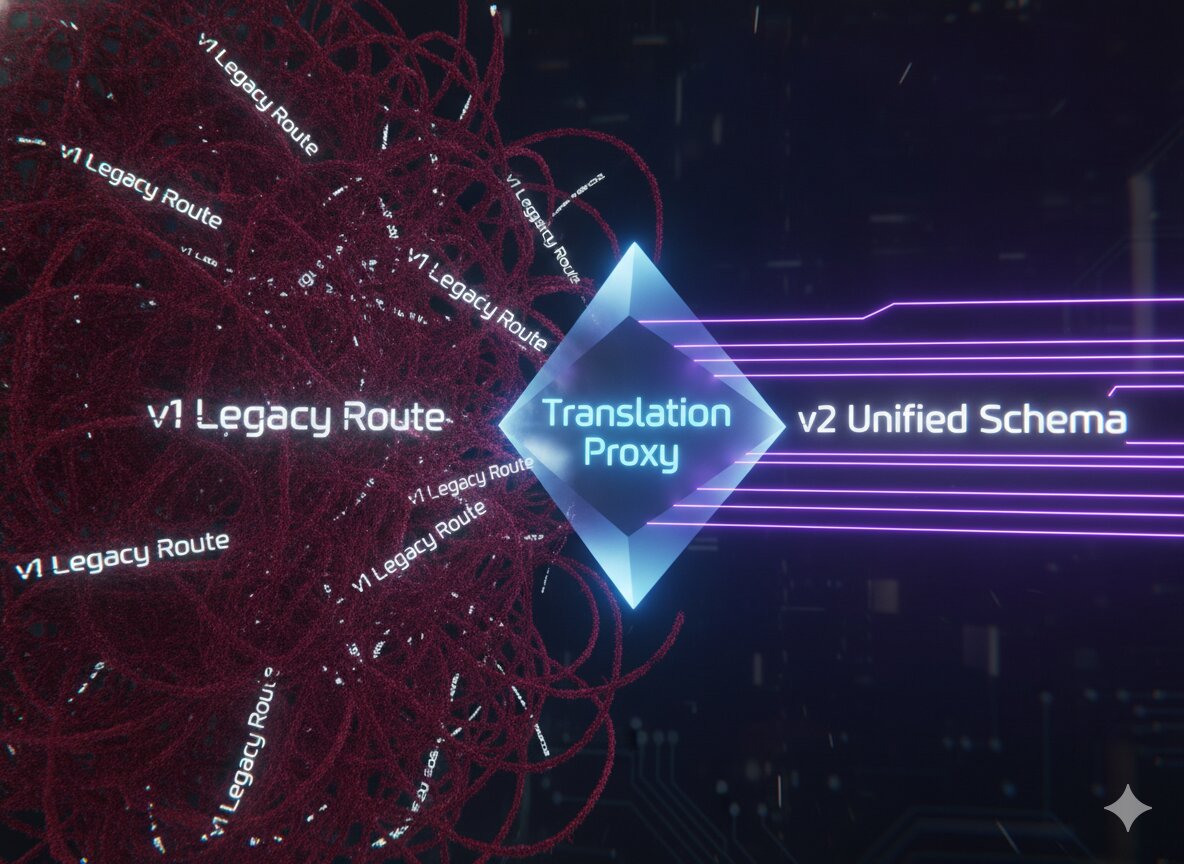
Accelerate engineering execution by using the AI to auto-generate cleaner, decoupled design patterns to replace legacy spaghetti code blocks.
- The Strategy: Provide the AI with a complex, legacy function and have it output an optimized, highly scalable, and fully unit-tested version utilizing modern clean-code principles.
- The Prompt Pattern: "Act as a Staff Backend Engineer. Review this tightly coupled legacy payment processing function: [Insert Code Block]. Rewrite it in clean, decoupled Go or TypeScript applying the Strategy Pattern to isolate payment gateways. Include comprehensive unit test stubs using standard testing libraries."
6. W-orkflow Automation and Ticket Generation
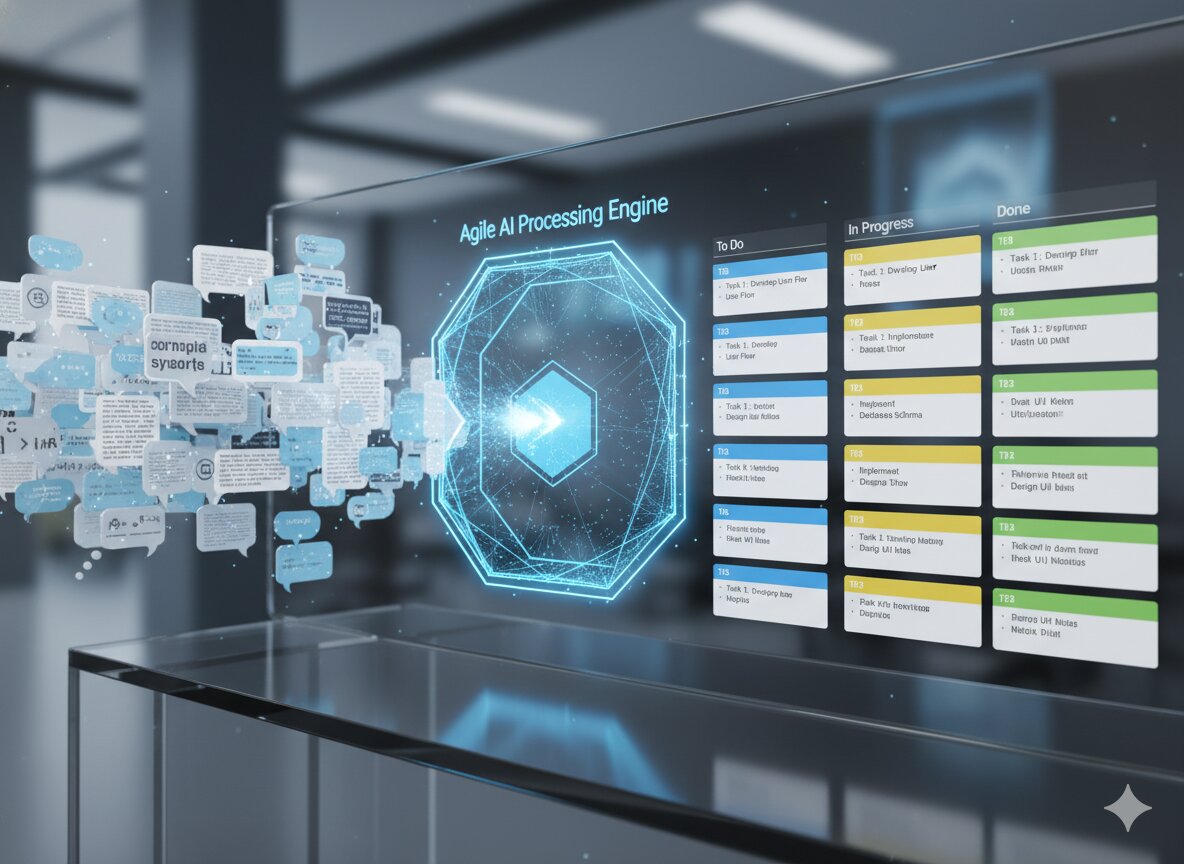
Deconstruct the prioritized refactoring blueprint into highly structured, implementation-ready engineering tickets with explicit validation criteria.
- The Strategy: Automatically generate decoupled engineering issues categorized by track, ensuring that developers can pick up refactoring tasks without sprint planning friction.
- The Prompt Pattern: "Slice the finalized refactoring blueprint into a set of 4 distinct engineering sub-tasks in Markdown. For each ticket, provide a clear
### Technical Scope, a### Testing Strategy, and an explicit### Definition of Doneto prevent technical scope creep during execution."
7. N-ative Telemetry and Regression Safeguards
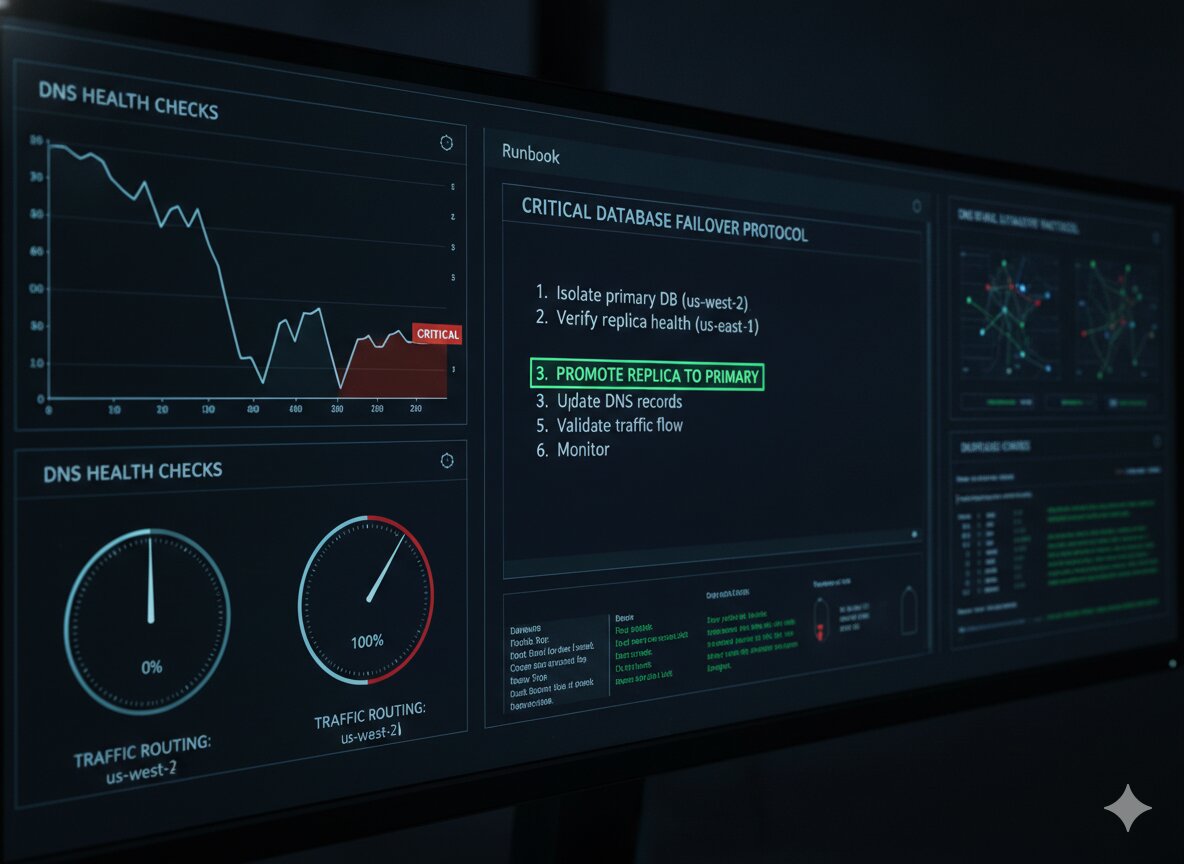
Anchor your long-term refactoring program health in live system telemetry and automated testing gates to ensure modifications never break production traffic.
- The Strategy: Use the model to define the precise performance benchmarks and automated regression test checks needed to monitor the health of the newly refactored services.
- The Play: "We secure our refactoring execution by embedding automated quality gates straight into our CI/CD pipeline. The intelligence engine defines specific pre-deployment validation rules—such as enforcing a mandatory 85% unit test coverage floor and zero new static analysis errors—ensuring that refactored code scales safely without introducing production regressions."
The Comparison: Bad vs. Good
- Bad Answer: "I would schedule an alignment meeting, tell the developers to spend 20% of every sprint fixing random messy code files, and write a status update to stakeholders asking them to understand that the engineering team is working hard to clean up the codebase." (Highly manual, unquantified, slows down roadmap velocity without a clear ROI, and fails to align business incentives).
- Good Answer: "I will resolve our technical debt bottleneck by deploying the PAY-DOWN framework—utilizing Generative AI to ingest static analysis logs, financializing code complexity into an engineering velocity penalty matrix, structuring a clear domain-sliced prioritization table, and auto-generating decoupled engineering tickets complete with strict Definitions of Done before sprint grooming begins." (Highly strategic, financially mature, data-driven, and focused on platform scale).






















.jpg)