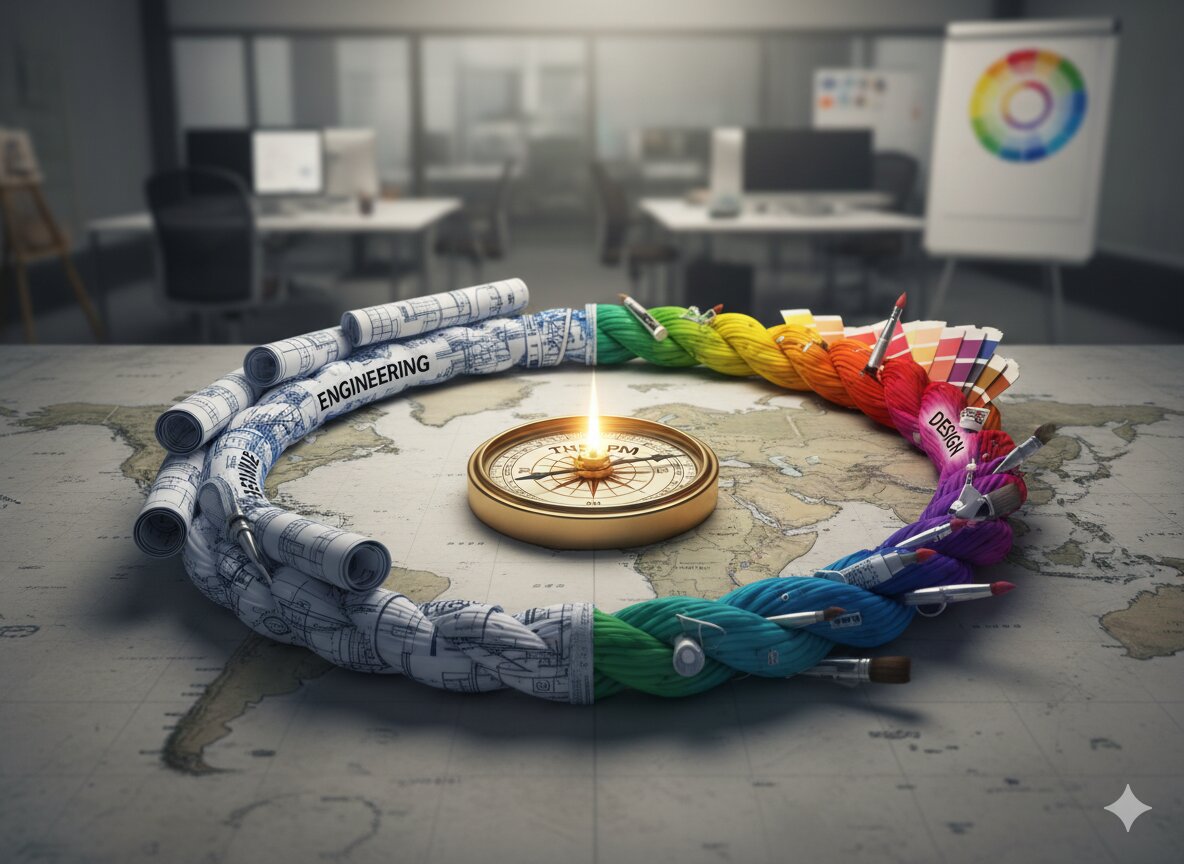
The Platform Trap
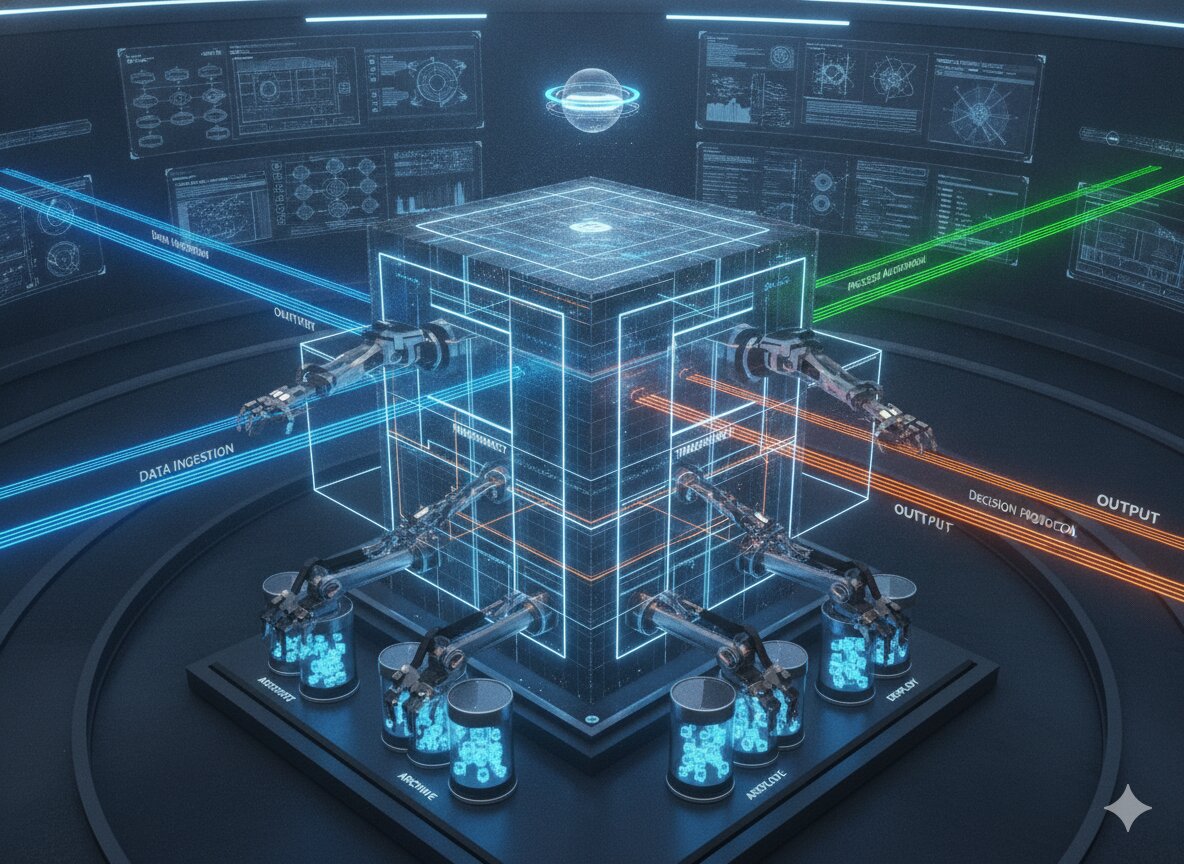
Most PMs think "Platform" just means "Adding an API." Stop. If you build an API without a Developer Experience (DX) or a Marketplace, no one will use it. A platform is only as strong as the value it creates for the people building on top of it.
The Core Framework: The "3-P" Platform Model
1. Public APIs & SDKs (The "Plumbing" Layer)
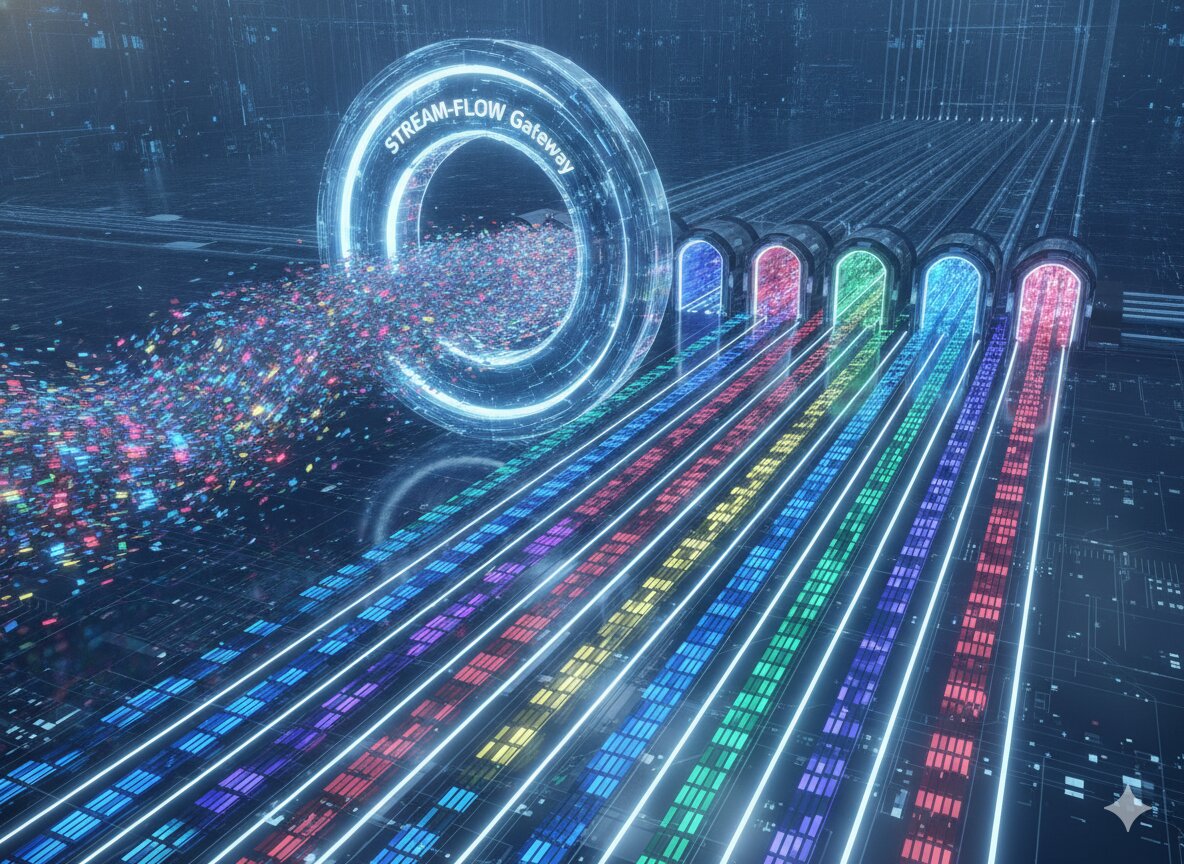
This is your entry point. It must be stable, documented, and secure.
- The Soundbite: "I don't just 'release an API'; I treat 'Developer Experience' as a product. We need clear documentation, robust SDKs in multiple languages, and a 'Sandbox Environment' where developers can test without breaking production data. If the 'Time-to-First-Hello-World' is over 30 minutes, our platform will fail."
2. Partnerships & Marketplace (The "Monetization" Layer)
Why should a developer spend their time building on your product?
- The Strategy: Create a Distribution Channel.
- The Soundbite: "A platform is a 'Two-Sided Market.' We need to provide developers with 'Distribution'—access to our 1M+ users—and a clear 'Revenue Share' model. Our success is measured by the total 'Gross Merchandise Value' (GMV) generated by our partners, not just our own subscription revenue."
3. Policies & Governance (The "Stability" Layer)
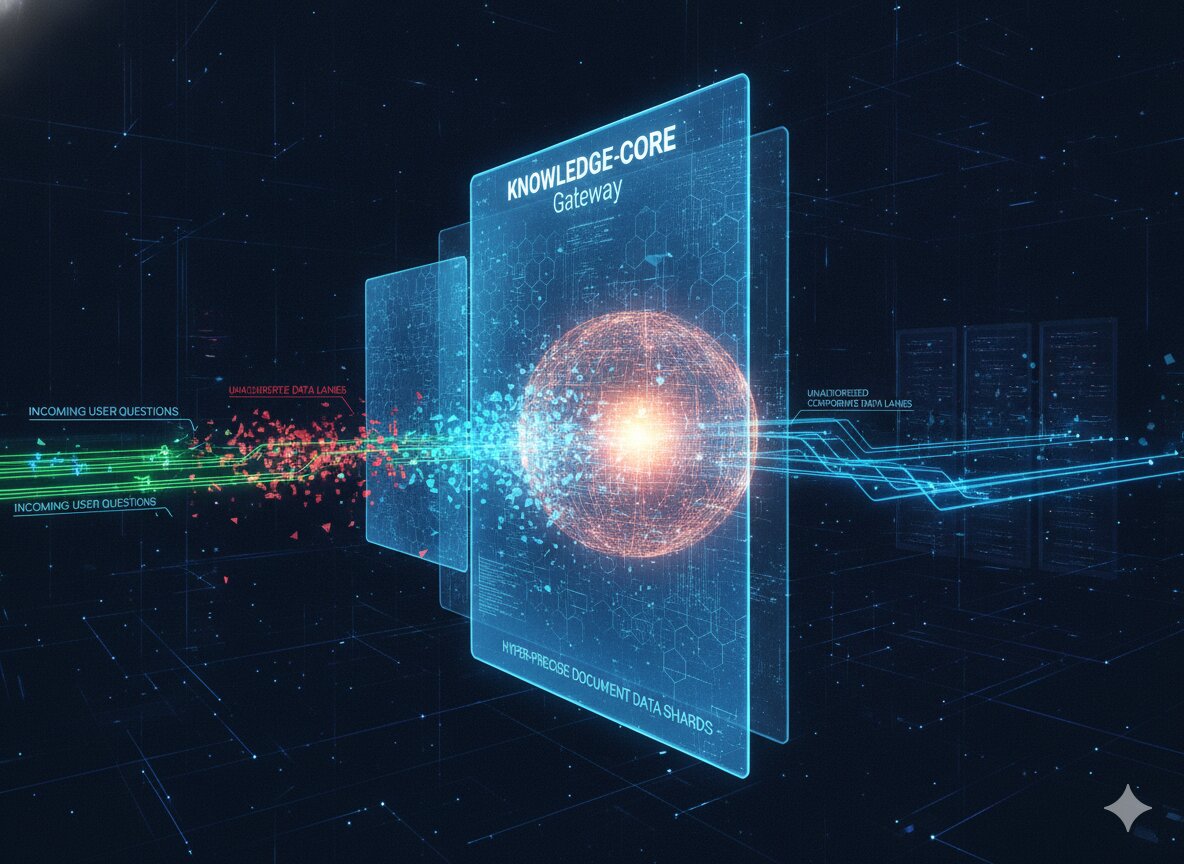
How do you stop third-party apps from ruining your user experience?
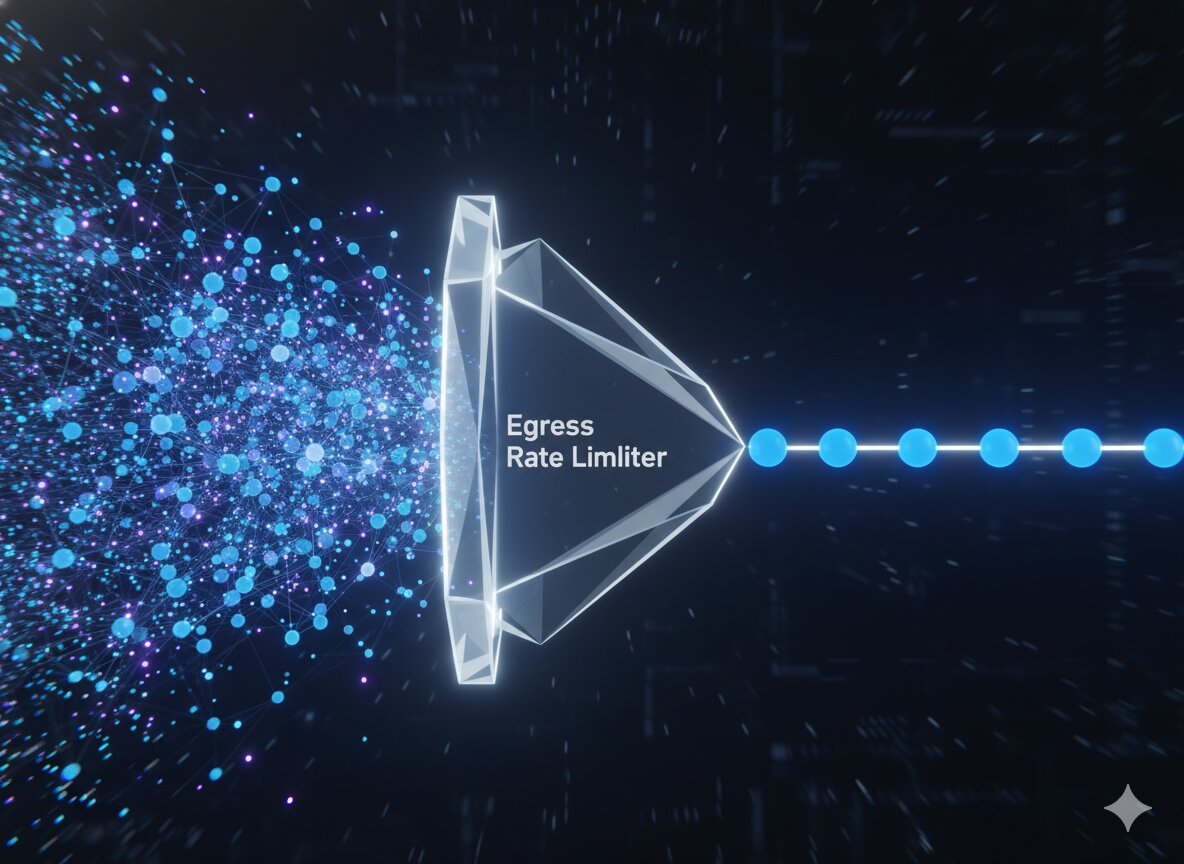
- The Tactics: Build an App Review Process and Rate Limiting.
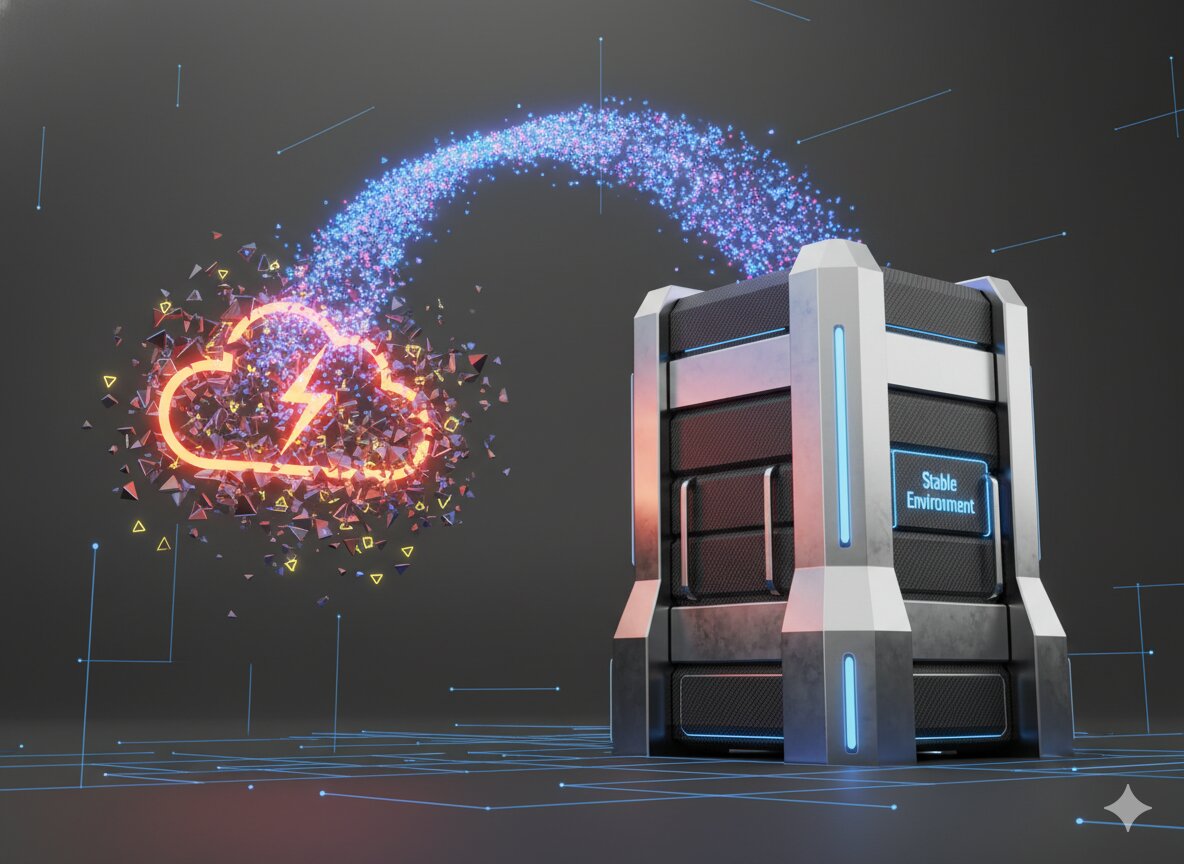
- The Soundbite: "As we open the platform, we must protect our 'Core User Trust.' I’d implement a strict 'App Certification' process for security and UX standards, along with 'Resource Quotas' to ensure a single buggy third-party app doesn't take down our entire infrastructure."
The "Closed" Product (Isolated)The "Open" Platform (Ecosystem)Solves 100% of user needs internally.Solves the "80% Core" and lets partners build the "20% Niche."Engineering builds every feature.Third-party Developers build the "Long-tail" features.Value is linear.Value is Exponential (Network Effects).
Lead the Ecosystem Revolution
"Platformization" is the ultimate test for a TPM's architectural design and a PM's strategic vision. You need to prove you can think about "Users of the Product" and "Users of the API" simultaneously.
Our kits give you the "API Design Doc Templates" and "Developer Portal Checklists" used by platform teams at Slack, Salesforce, and Twilio.
- For PMs: Architect a thriving marketplace with the PM Prep Guide.
- For TPMs: Design high-concurrency, secure external APIs with the TPM Prep Kit.
FAQs
Q: When is a product "ready" to become a platform?
A: When you start getting "Feature Requests" that are too niche for your core roadmap. If 10 different industries want 10 different custom versions of your tool, it’s time to build a platform so they can build it themselves.
Q: How do we prevent "Platform Cannibalization"?
A: Be transparent. If you plan to build a feature into the "Core," tell your partners early. The best platforms focus on "High-Level Utilities" and let partners handle "Vertical Specifics."
Q: What is the "North Star" for a Platform PM?
A: API Call Volume and Partner Revenue. If people are building and making money, the platform is healthy.






.jpg)