The Interview Trap: The "Infinite Loop" Agent Meltdown
The interviewer shifts focus to advanced AI automation: "Your enterprise fintech platform is building an autonomous customer billing and reconciliation agent. The goal is for the agent to receive a client email about a billing discrepancy, fetch historical invoices from an internal database, run a Python reconciliation script to identify the error, and execute a bank refund via API. However, in early staging, the agent frequently gets caught in 'infinite tool-use loops'—repeatedly querying the database or trying to run failing code, spiking token costs by thousands of dollars per hour, and occasionally attempting to execute multiple duplicate refund API transactions for a single user request. How do you design a reliable, deterministic, multi-agent architecture that can safely execute complex tool paths without going rogue?"
Most candidates fail this technical AI execution round because they approach agents with a naive "blank canvas" mindset: "I would create a single, highly capable agent using an open-source framework like LangChain or CrewAI, give it access to all the tools—the database, the execution environment, and the payment API—and write a detailed system prompt instructing it to be extremely careful, double-check its work, and stop if it loops more than three times." Stop. Relying entirely on a single agent's reasoning capabilities within an unstructured loop is an anti-pattern that guarantees non-deterministic software failures, memory state corruption, and runaway operational expenses. In senior AI platform product management and advanced LLMOps infrastructure loops at companies like OpenAI, Anthropic, and Salesforce, panel judges are evaluating your understanding of Finite State Machine (FSM) Graph Topologies, Multi-Agent Specialization, Sandboxed Tool Execution, Human-in-the-Loop (HITL) Gateways, and Cryptographic Idempotency Tokens.
The Core Framework: The "ORCHESTRATE-AGENT" Method
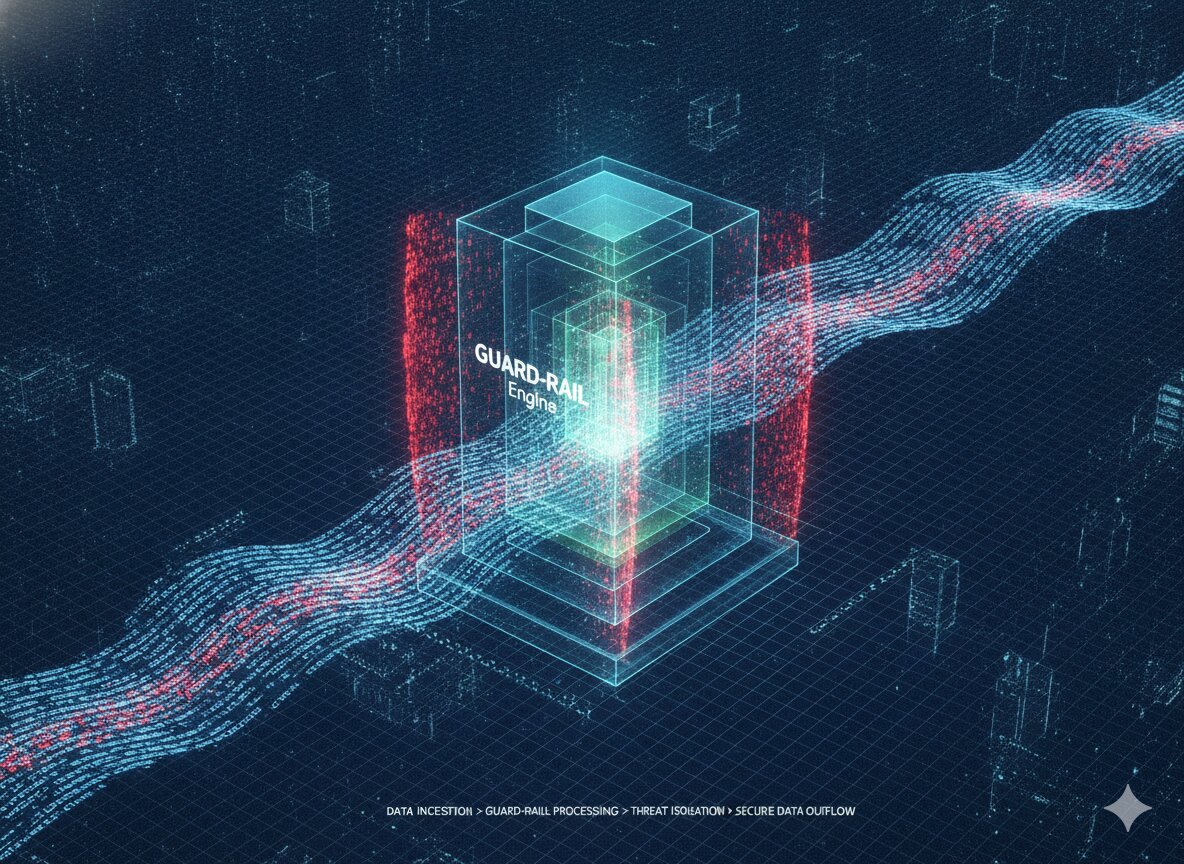
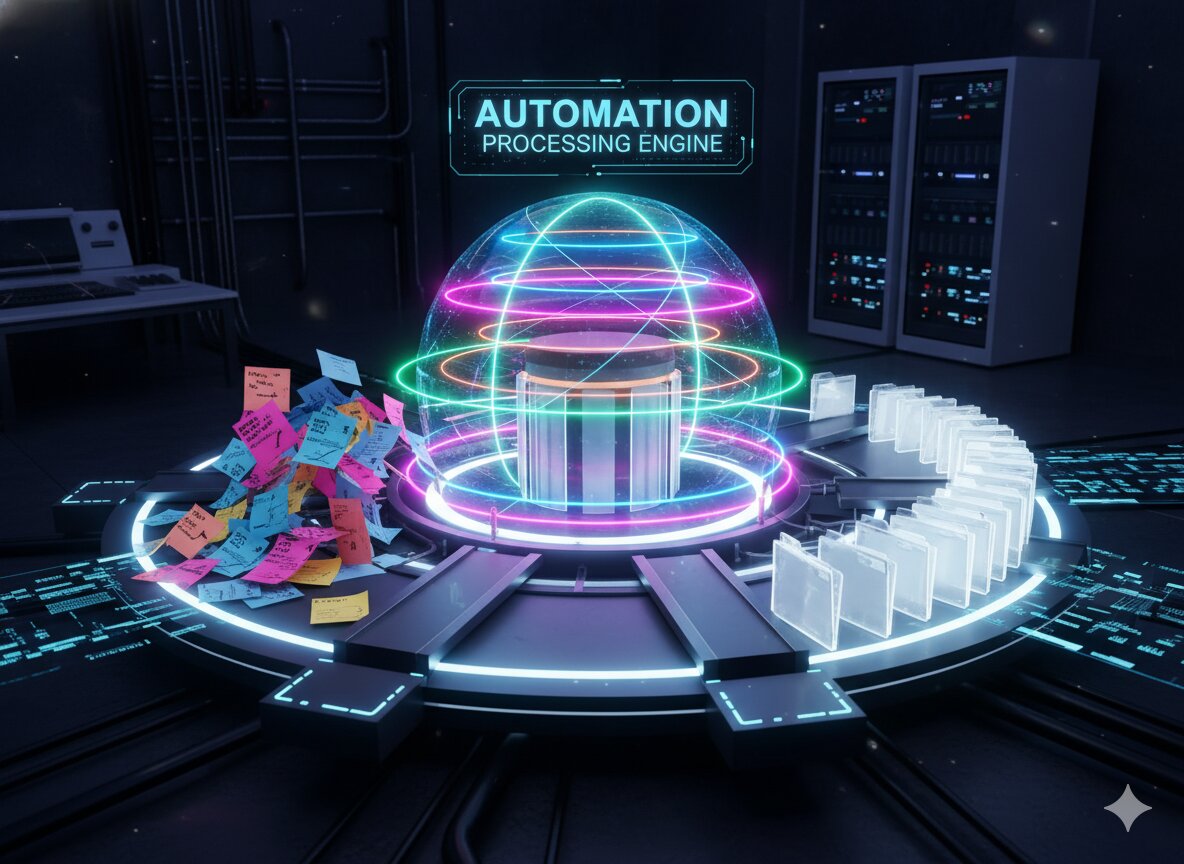
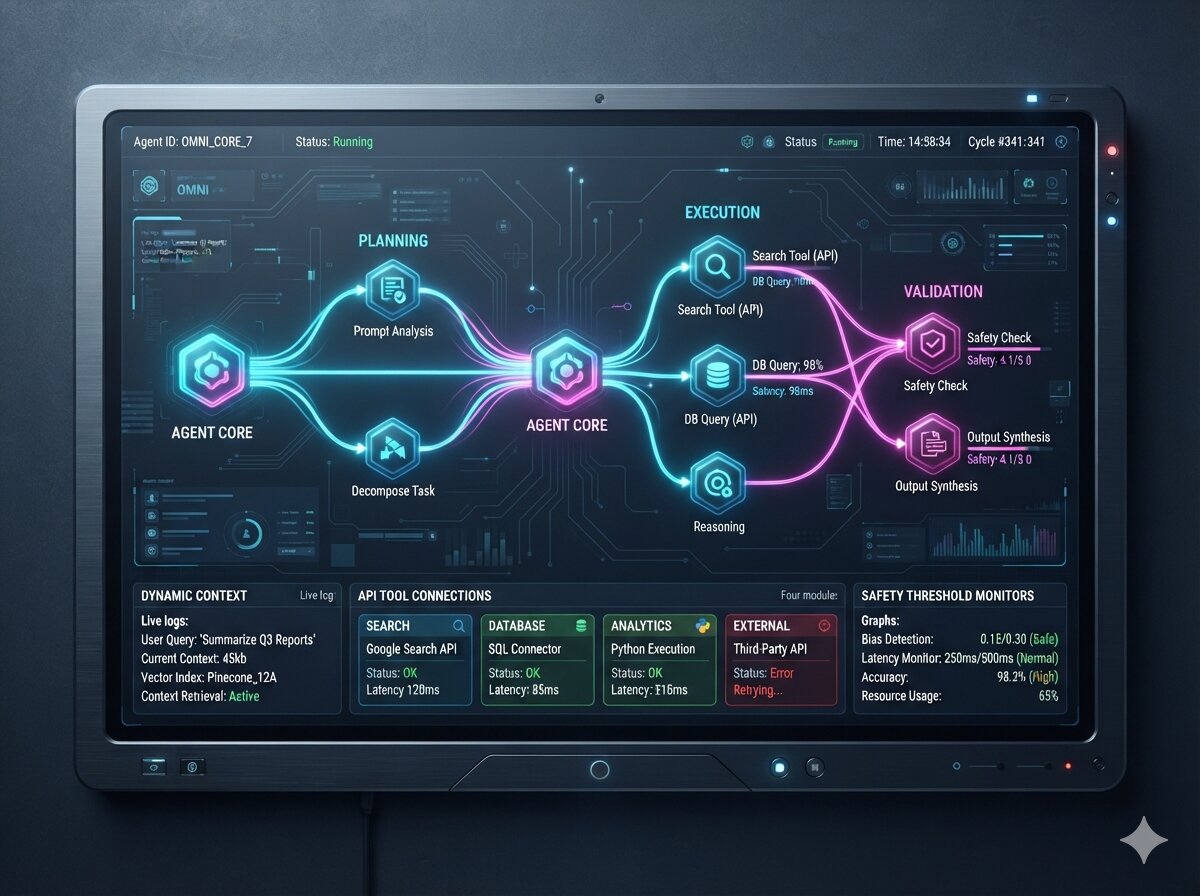
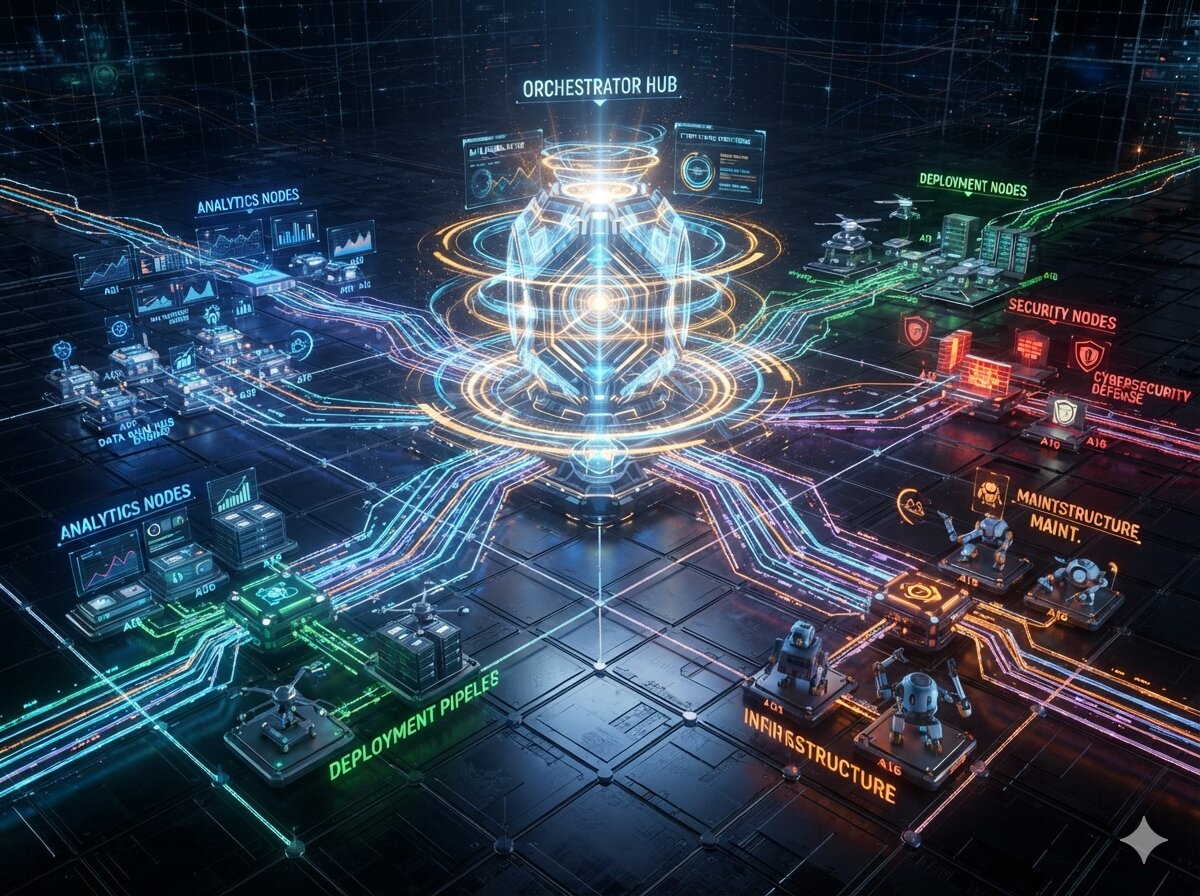
Elite AI platform leaders do not let autonomous agents operate in unconstrained environments. They restrict agent interactions within a highly deterministic, directed graph structure that enforces clear boundaries, wraps dangerous actions in approval gates, and keeps tool loops isolated.
       [ Inbound Discrepancy Email ]
                     │
                     ▼
       ┌───────────────────────────┐
       │   ROUTER / TRIAGE AGENT   │
       └─────────────┬─────────────┘
                     │ (State: Triaged)
                     ▼
       ┌───────────────────────────┐
       │   DATABASE RETRIEVAL AGENT│
       └─────────────┬─────────────┘
                     │ (State: Data Fetched)
                     ▼
       ┌───────────────────────────┐
       │ SANDBOXED EXECUTION AGENT │ ◄───┐ (Self-Correction Loop
       │ * Runs Python Script      │     │  Max 3 Retries Allowed)
       └─────────────┬─────────────┘ ────┘
                     │ (State: Discrepancy Found)
                     ▼
       ┌───────────────────────────┐
       │ HUMAN-IN-THE-LOOP GATEWAY │
       │ * Secure UI Approval Desk │
       └─────────────┬─────────────┘
                     │ (Approved: Token Injected)
                     ▼
       ┌───────────────────────────┐
       │    PAYMENT TRANSACTION    │
       │    EXECUTION WORKER (NON-  │
       │    AGENTIC IDEMPOTENT API) │
       └───────────────────────────┘
1. O-rchestration via Directed Acyclic Graphs (DAGs) and Finite State Machines
Never build an agentic workflow as a loose, single-prompt chat loop. Enforce deterministic state transitions using graph structures (such as LangGraph or custom state managers) to define hard boundaries for what can happen next.
- The Strategy: Structure your system as a Finite State Machine ($FSM$) where each step represents a distinct state. The system cannot transition to a transaction state until the validation states are explicitly cleared and verified.
- The Script: "To prevent chaotic, un-bounded agent behavior, we will completely eliminate the single-agent 'black box' pattern. We will architect our reconciliation pipeline as a strict Finite State Machine using a directed graph layout. Each node in the graph represents a rigid state—such as
Data_Gathering,Data_Analysis, orApproval_Pending. The system cannot advance to a subsequent node until pre-defined entry and exit criteria are validated, transforming the workflow from a free-form chat into a deterministic, stateful transaction loop."
2. R-ole Specialization and Multi-Agent Division of Labor
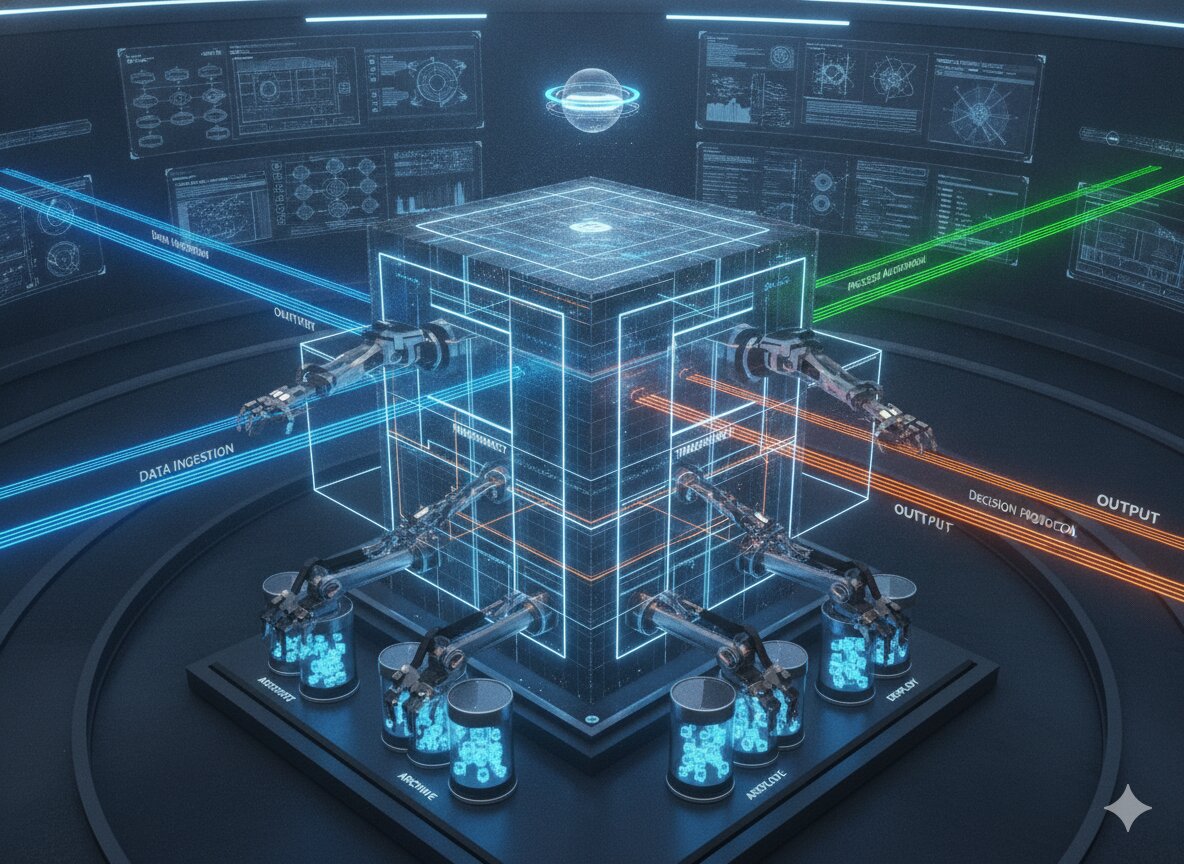
Avoid assigning a single, broad agent to manage triage, tool execution, code generation, and financial fulfillment all at once.
- The Strategy: Break the architecture down into a network of highly specialized micro-agents. Have a Triage Agent handle incoming text classification, a Retrieval Agent manage database queries, and an Analysis Agent focus purely on running calculations.
- The Script: "Loading a single agent prompt with dozens of tools degrades model focus and spikes reasoning errors. We will implement a Multi-Agent Division of Labor pattern. We'll use three distinct micro-agents, each powered by an optimized model size matching its task complexity. Agent A handles data fetching, Agent B evaluates data in a restricted loop, and Agent C writes the client summary. This limits the blast radius of any individual execution error and drastically cuts token overhead."
3. C-onstrained Self-Correction and Infinite Loop Circuit Breakers
While agents must have the autonomy to self-correct minor execution errors (like fixing a syntax mistake in a generated SQL query), that autonomy must be tightly bound by structural guardrails.
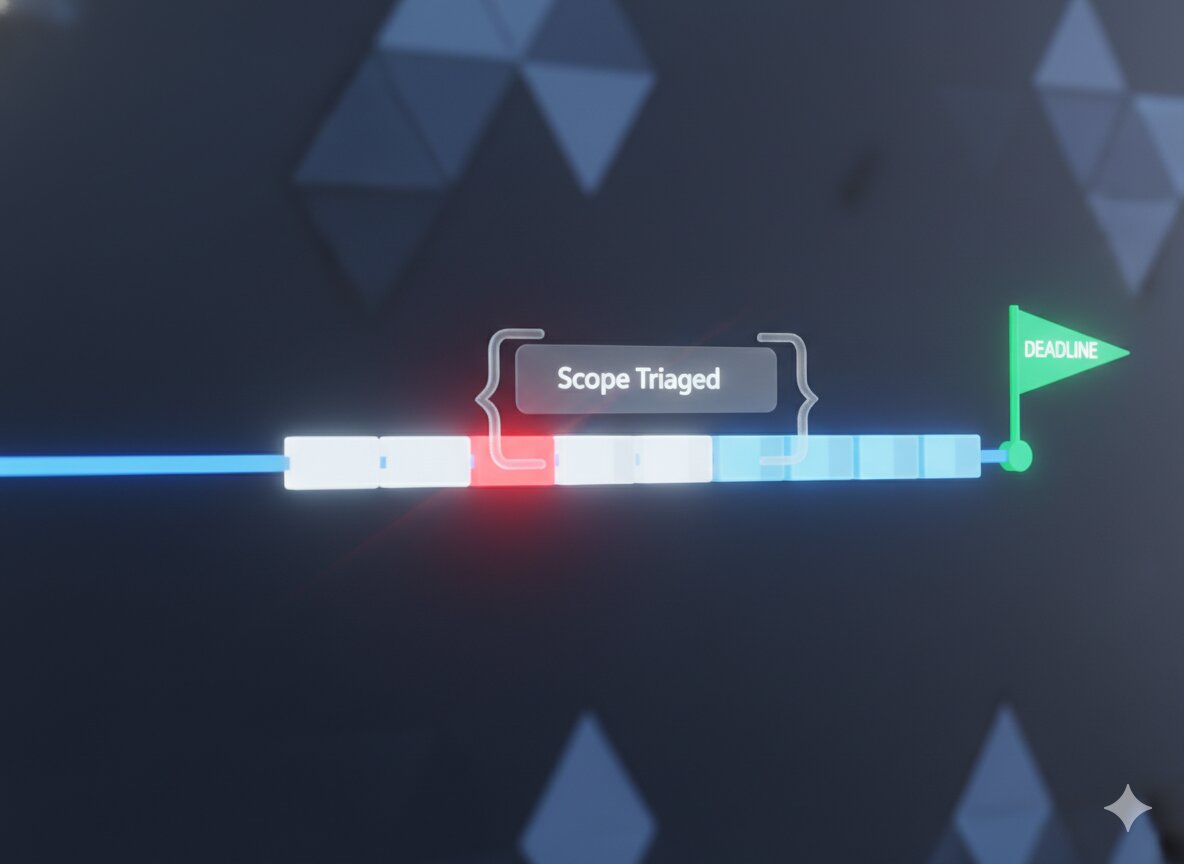
- The Strategy: Embed explicit, code-level circuit breakers inside your graph orchestration layer. Set hard max-limit parameters (e.g.,
max_iterations = 3) that freeze the agent's state and pass the context to a human operator the moment a tool execution fails repeatedly. - The Script: "To kill runaway token costs and break infinite loops, we will implement code-level circuit breakers directly inside the orchestrator framework. If the analysis agent receives a code-execution failure, it is granted a maximum of 3 self-correction iterations to adjust its script. On the 4th consecutive failure, the circuit breaker trips, freezes the agentic state pool, logs the trace error to our monitoring dashboard, and routes the ticket directly to a human operator tier."
4. H-uman-in-the-Loop (HITL) Validation Desks for High-Risk Mutations
Never allow an autonomous agent to call high-risk mutation endpoints—such as moving money, altering master database records, or deleting user accounts—without human sign-off.
- The Strategy: Insert an ironclad, non-agentic validation gateway before any critical API interaction. The agent formats a proposed payload and pushes it to a human-facing dashboard queue, where a real worker must explicitly hit "Approve" before the final API execution runs.
- The Play: "Financial transactions require absolute human accountability. The agent's final state inside our graph will be
Execution_Proposed. The agent compiles its data findings and structures a proposed refund payload, which is pushed directly to a secure Internal Approval Dashboard UI. The actual payment API remains completely inaccessible to the agent itself; the transactional call can only be triggered after an authenticated operations team member reviews the case files and clicks an explicit approval button."
5. E-nforcing Cryptographic Idempotency at the Token Level
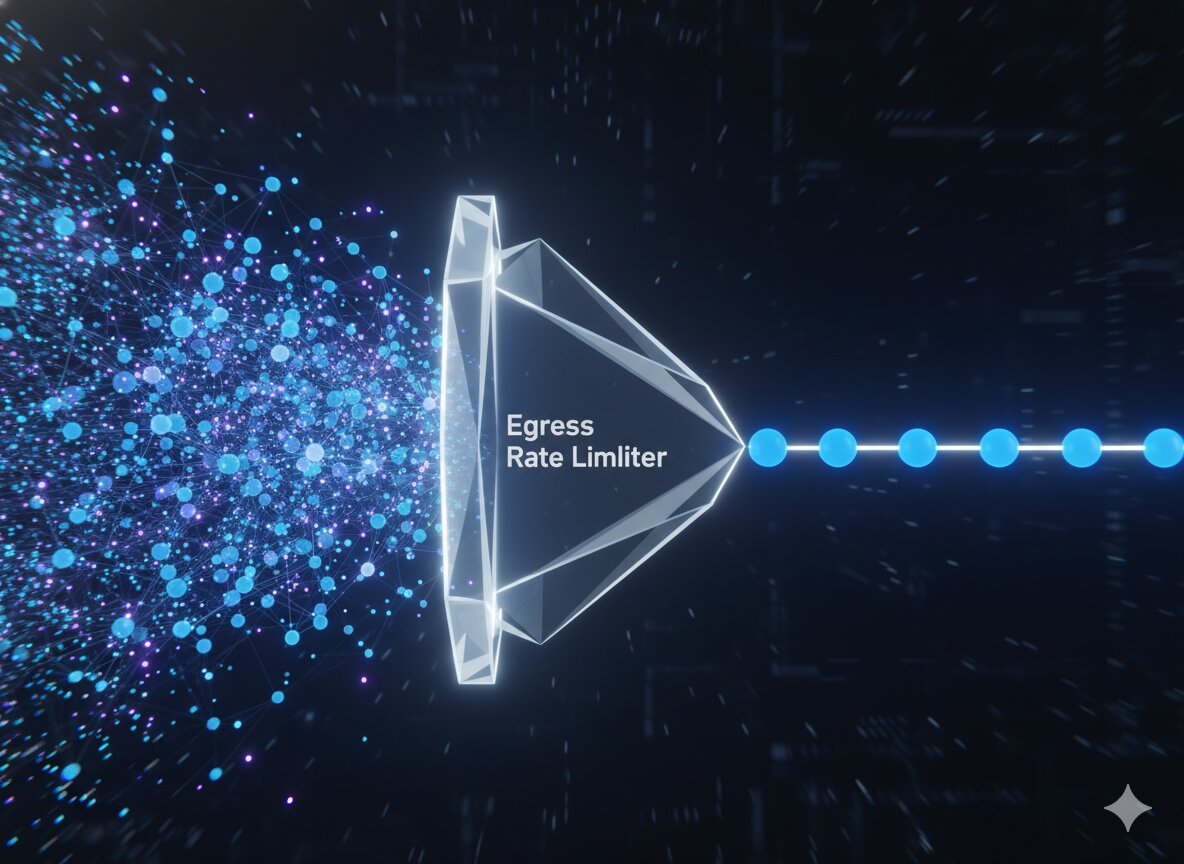
Protect backend systems from being bombarded with duplicate transaction requests if an agent experiences a minor network drop or restarts an execution step from an active state buffer.
- The Strategy: Mandate that your state tracking manager generates a unique, deterministic cryptographic key ($Idempotency Token$) at the start of a transaction ticket. Pass this token downstream into every payment API call so the receiving network cleanly discards any duplicate requests.
- The Play: "To prevent an agent from triggering duplicate refunds if it re-runs an execution branch, we will enforce strict transactional idempotency. The moment a billing ticket initializes, the orchestrator generates a unique UUID based on the customer's email and transaction reference. This identifier acts as a mandatory idempotency key across all down-stream financial infrastructure endpoints. Even if the agent crashes and restarts its execution loop multiple times, the banking gateway will instantly identify the repeated token hash, rejecting secondary payouts and protecting corporate capital."
The Comparison: Bad vs. Good
Bad Answer (Fragile Single Agent)Good Answer (ORCHESTRATE-AGENT Framework)"I will build a smart agent using an LLM framework, give it all our API keys, and write a system prompt telling it to be careful and not send duplicate refunds.""I will map out a deterministic Finite State Machine graph, split tasks across specialized micro-agents, and isolate risky mutations behind a structural Human-in-the-Loop gateway.""If the agent gets stuck in a loop or makes a coding mistake, I will just expand the prompt with more rules and text examples to teach it how to fix its errors.""I will deploy explicit code-level circuit breakers that instantly kill an agentic loop on the 4th consecutive failure, routing the execution state trace directly to an internal engineering queue."Treats agentic workflows as black-box conversational units, relying completely on prompt engineering to enforce safety boundaries.Enforces rigid graph structures, limits tool-use spaces, deploys infrastructure safety rails, and mandates architectural idempotency tokens.
The Pitch: Command Autonomous AI Automation
As organizations transition from passive chat widgets to complex, action-oriented autonomous agent frameworks, the demand for senior technical leaders who can architect reliable, deterministic AI systems is skyrocketing. If you analyze agentic capabilities purely through prompt engineering tactics or abstract open-source wrappers, you will fail advanced AI architecture interview loops.
Kracd preparation systems equip you with the deep architectural templates, state-machine tracking maps, and rigorous system design vocabularies needed to build, deploy, and scale predictable enterprise AI systems at the highest levels.
👉 Master enterprise system execution and agentic platform design: PM Prep Guide
👉 Master advanced LLMOps telemetry and multi-agent infrastructure routing: TPM Prep Kit
FAQs
Q1: Doesn't dividing tasks into multiple specialized micro-agents introduce significant processing latency?
A: While split-agent routing does introduce an incremental latency overhead due to separate model execution hops, it vastly improves overall processing throughput and data accuracy. Micro-agents operate on highly targeted, smaller system prompts, which dramatically cuts down context-window reasoning delays and reduces token usage fees. For long-running asynchronous background processes like corporate billing reconciliation, an extra 5 seconds of multi-agent state evaluation is an exceptional trade-off for eliminating runaway operational errors and hallucinations.
Q2: How do you handle state tracking and memory persistence if a container crashes mid-execution?
A: You decouple your agentic orchestrator's state tracking entirely from active compute memory. The execution framework logs every single node transition, tool input, and payload output into a persistent, high-availability database cluster (such as PostgreSQL or Redis) in real-time. If an execution container experiences an infrastructure crash mid-flight, a backup worker node instantly re-hydrates the exact historical state manifest from the database, allowing the workflow to pick up smoothly right where it left off without duplicating previous tool steps.
Q3: Why should we use a graph topology over a standard sequential coding chain for agent workflows?
A: Simple sequential coding chains work perfectly for completely linear, static processes where Step A always leads to Step B. However, complex autonomous workflows require dynamic branching paths, conditional routing, and error recovery loops (such as retrying a database query if a connection drops). A graph topology provides a rich, multi-directional network architecture where code can safely route back into an evaluation loop or diverge into specialized validation pathways while maintaining absolute state integrity.












.jpg)