The Interview Trap: The "Hype-to-Value" Friction Chasm
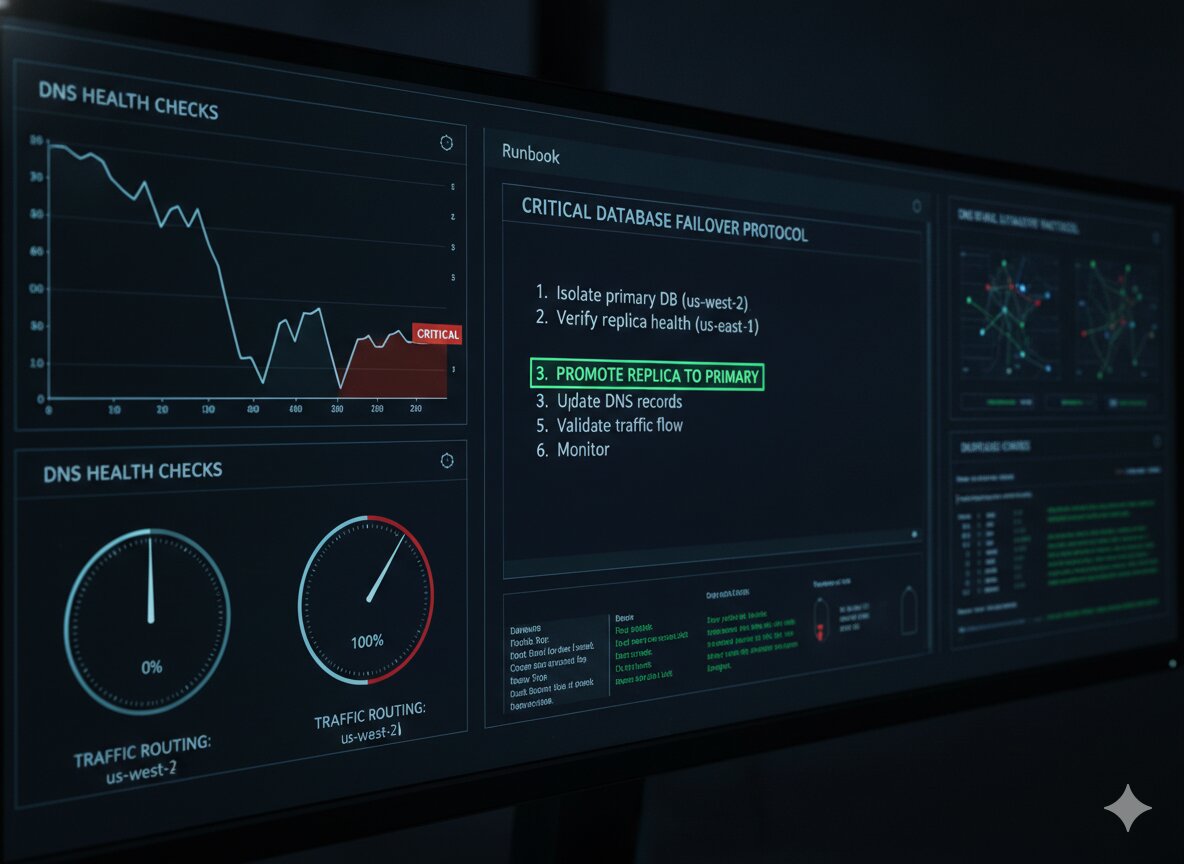
The interviewer drops you into a highly volatile executive mandate: "The board has directed your enterprise software company to aggressively embed generative AI features across its legacy product lines this fiscal year. The product managers are throwing random wrapper features into their backlogs, the Data Infrastructure team says our pipeline can't handle high-context LLM token loads, Security is blocking all access over corporate IP leakage fears, and customer churn is rising because competitors are shipping faster. Momentum has completely stalled. How do you structure this AI transformation program?"
Most candidates tank this round by chasing the hype: "I would immediately spin up a centralized 'AI Task Force,' gather ideas for chat features from every team, set up a shared corporate API key, and launch a pilot interface within 60 days." Stop. Leading enterprise AI transformation through decentralized hype loops or unsafe, basic API wrappers is a recipe for security vulnerabilities and wasted budget. In senior AI product strategy and technical program delivery loops, panel judges are evaluating your AI Infrastructure Architecture, Corporate Compliance Guardrails, and Systemic Leverage to Transition AI from a Technical Novelty into a Scalable Production Platform.
The Core Framework: The "CORE-INTEGRATE" Method
Elite PMs and TPMs don't just add chat interfaces onto legacy applications. They use a structured, programmatic framework to evaluate model unit economics, harden enterprise security boundaries, and orchestrate underlying data orchestration systems to drive actual business value.
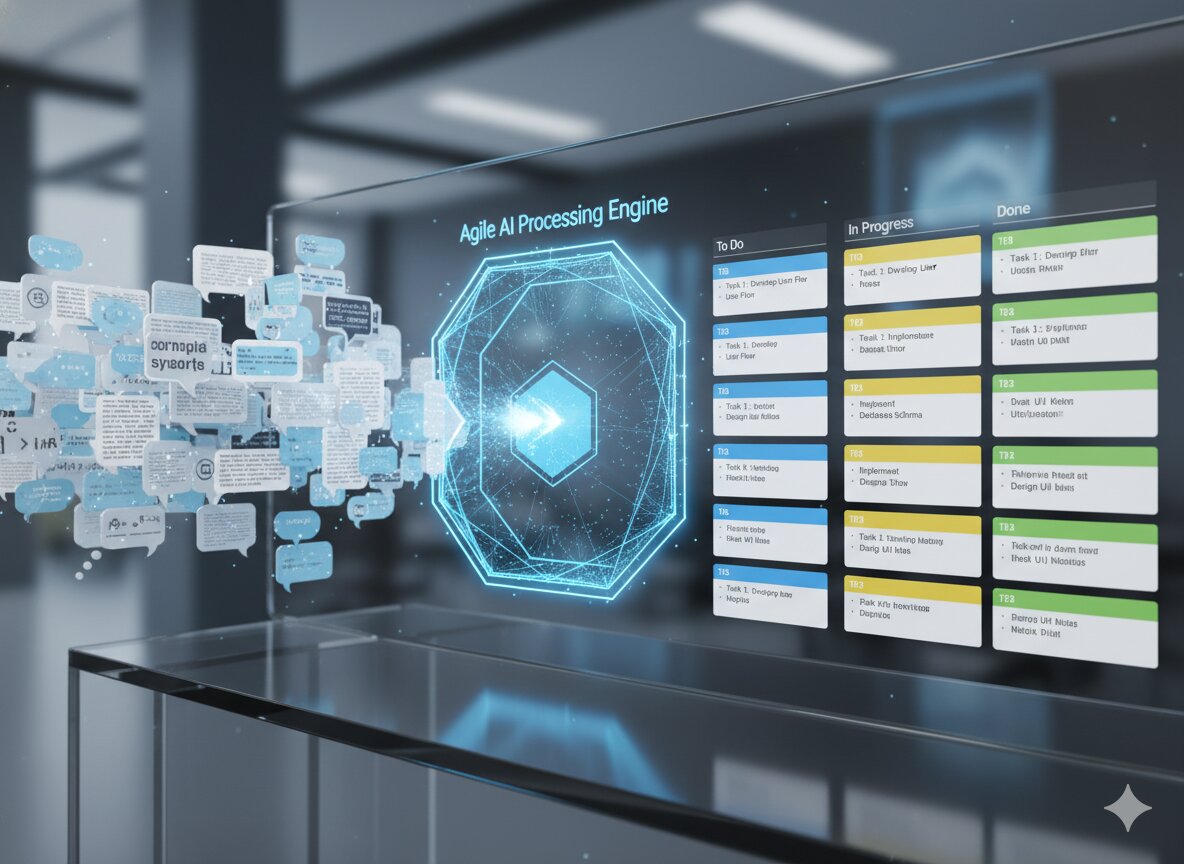
1. C-ase Feasibility and ROI Modeling
Filter raw feature ideas through a rigorous data-readiness, token cost, and business value matrix.
- The Strategy: Use structured prompts to evaluate whether a proposed AI feature should use a third-party API, an open-source model, or specialized Retrieval-Augmented Generation (RAG).
- The Prompt Pattern: "Act as an Enterprise AI Financial Analyst. Evaluate the following 3 proposed generative features: [Insert Feature Descriptions]. For each feature, generate a Markdown matrix calculating: required data ingestion pipelines, estimated token consumption costs per 10,000 active users, and a recommendation comparing a managed API (e.g., OpenAI) vs. self-hosting an open-source model (e.g., Llama 3)."
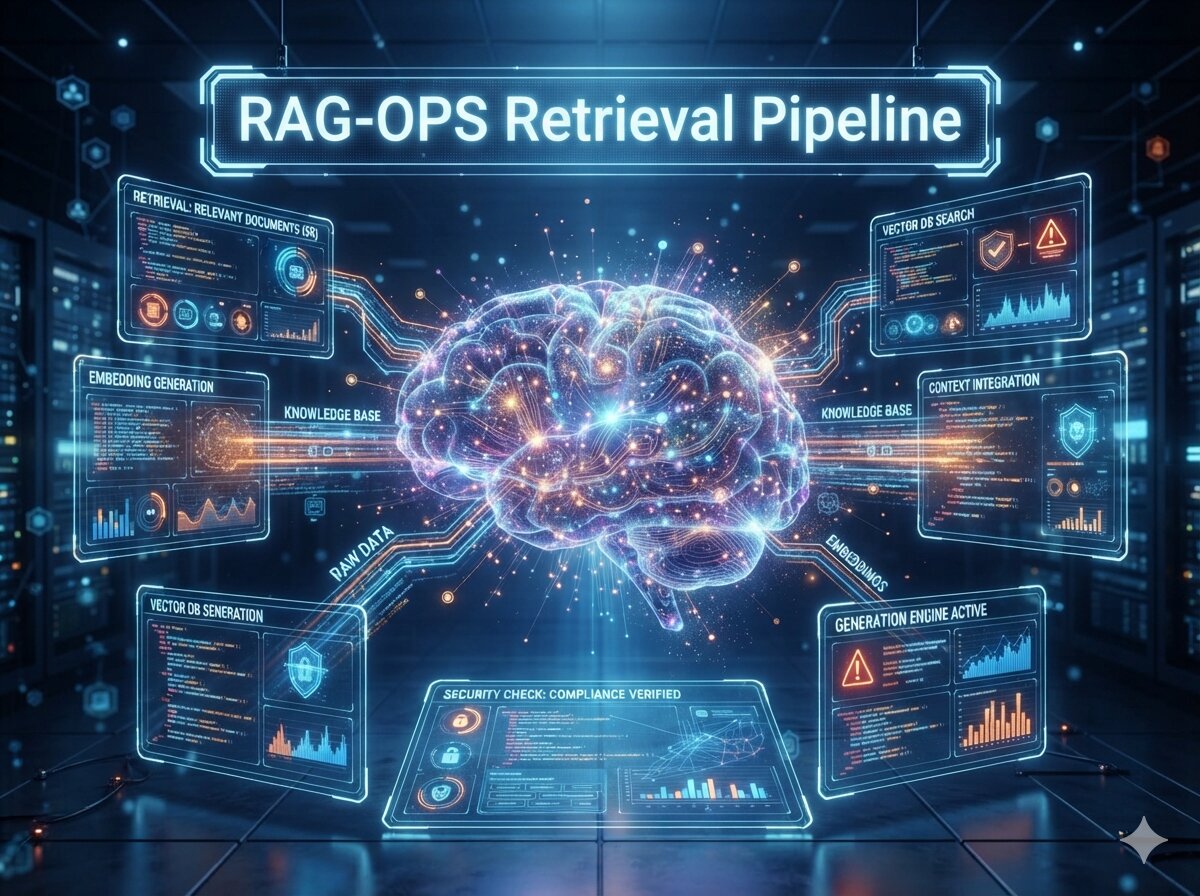
2. O-rchestration and Retrieval-Augmented Generation (RAG) Architecture
Design the underlying data systems needed to inject real-time corporate context into model prompts safely.
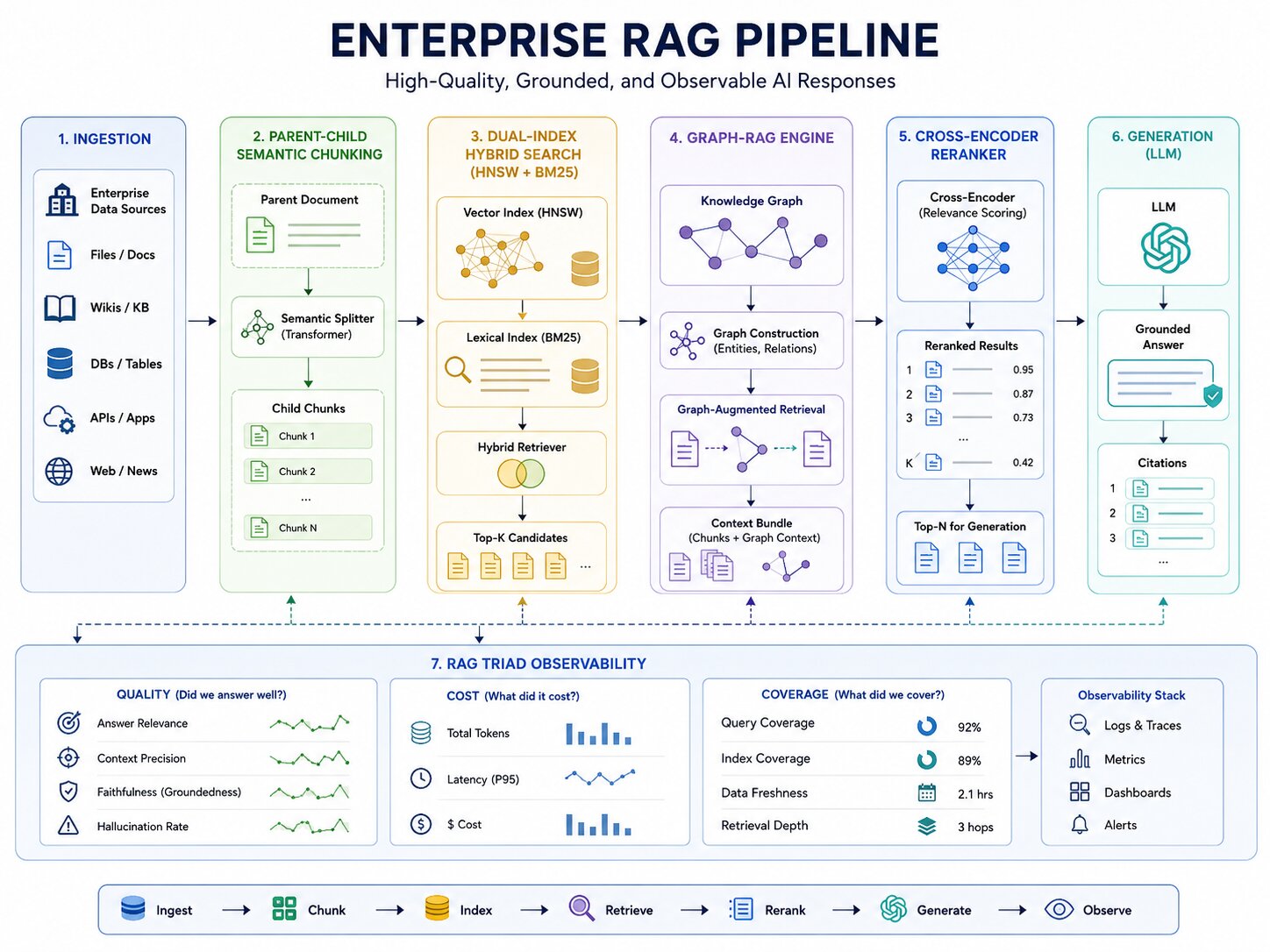
- The Strategy: Move past raw model calls. Use AI co-pilots to draft vector database indexing strategies and embedding pipeline layouts that ground model outputs in your business data.
- The Prompt Pattern: "Act as a Principal AI Infrastructure Architect. Design a high-level technical architecture layout in Markdown for a Retrieval-Augmented Generation (RAG) system. The pipeline must ingest unstructured corporate text, process it via an embedding model, store vectors in a managed database (like Pinecone or Milvus), and support semantic query workflows with sub-second retrieval latency."
3. R-egulatory, Privacy, and IP Leakage Hardening
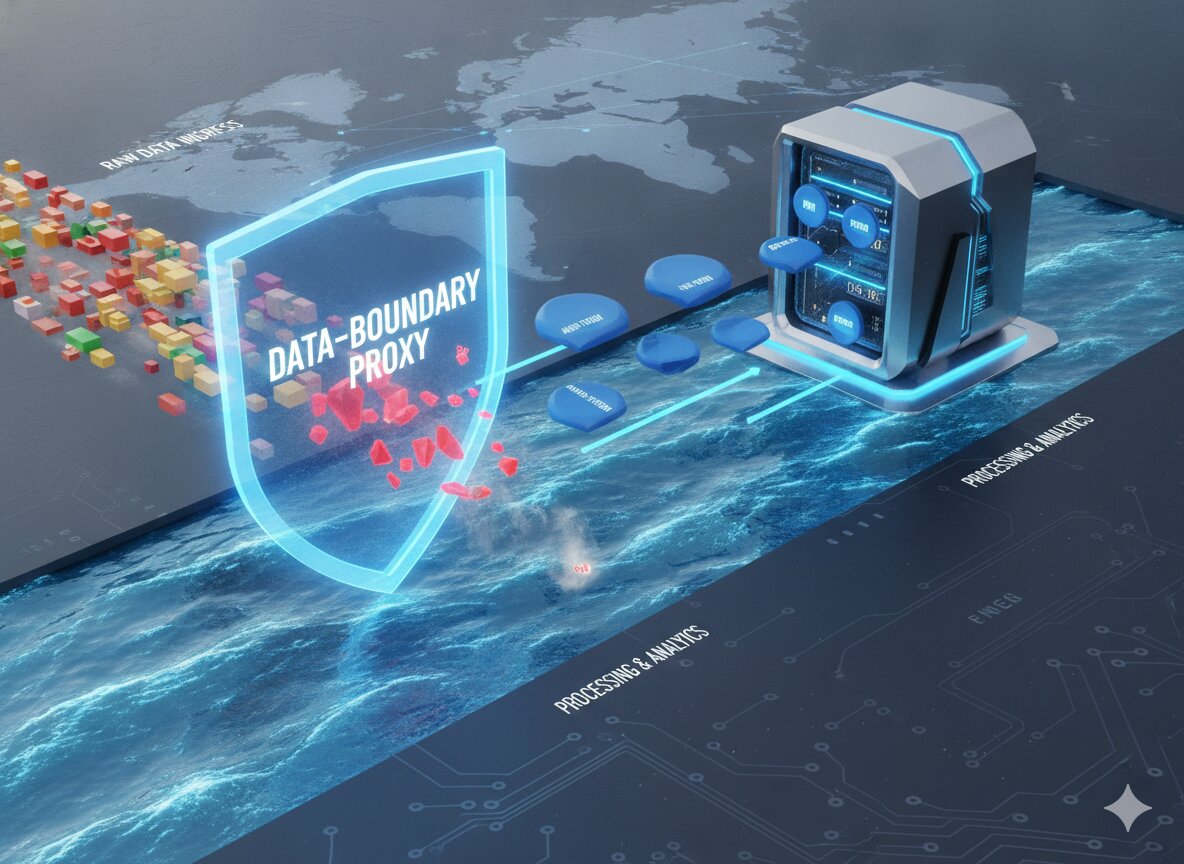
Construct absolute compliance guardrails to prevent proprietary data or user personal info from training external models.
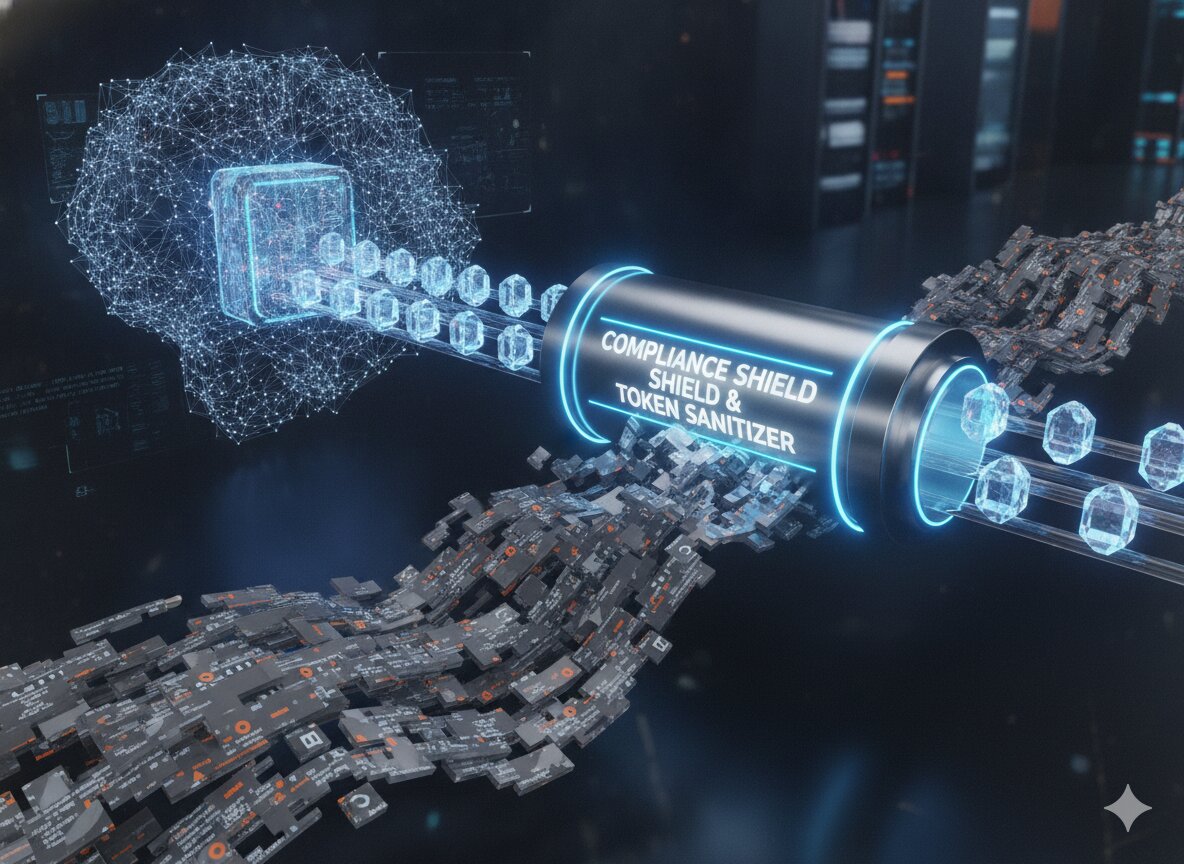
- The Strategy: Programmatically establish secure data scrubbing layers that strip out sensitive strings before payloads ever leave your enterprise network perimeter.
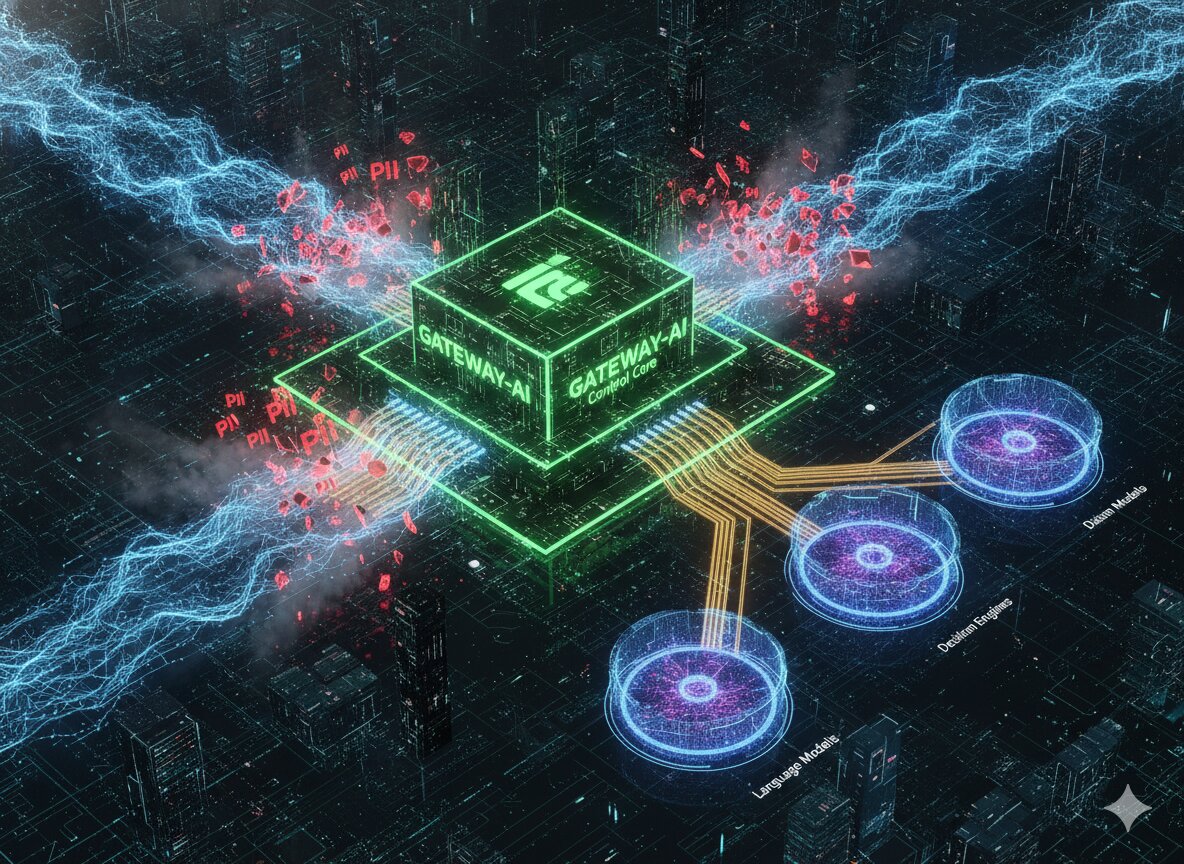
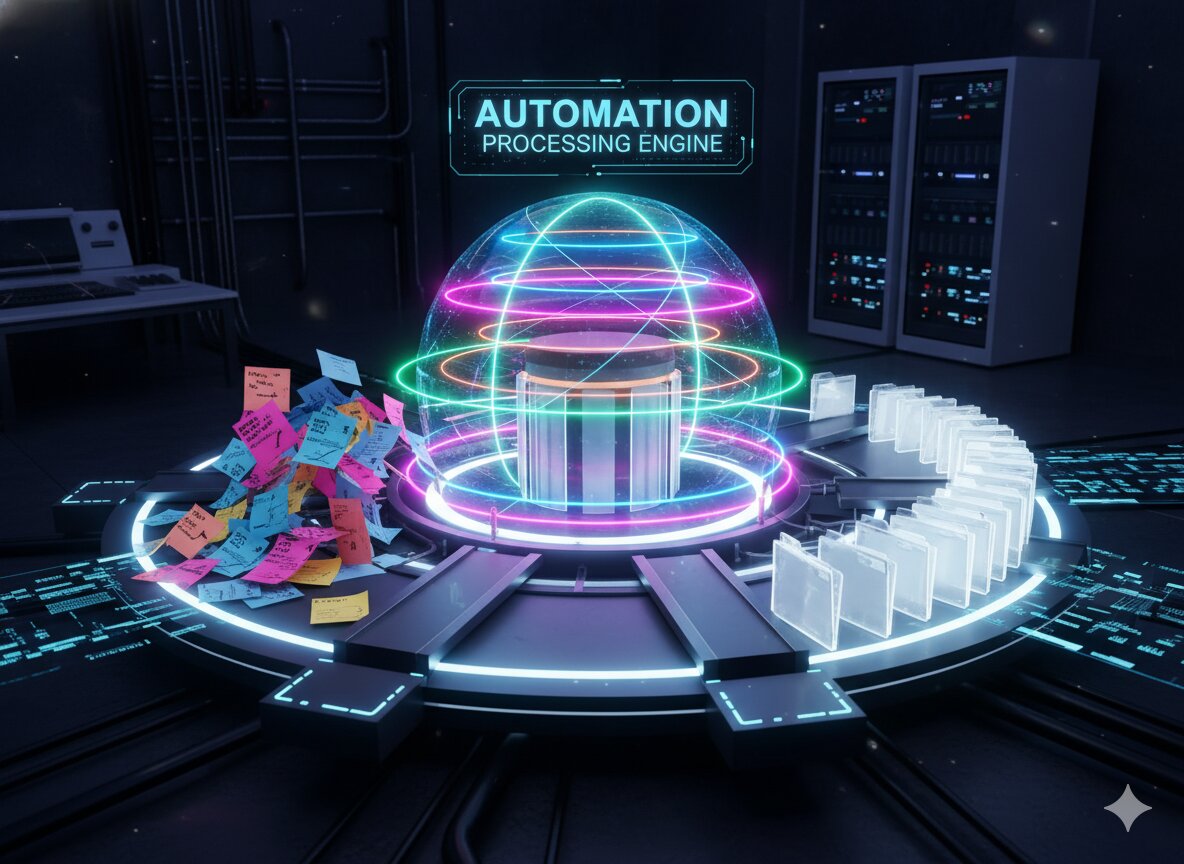
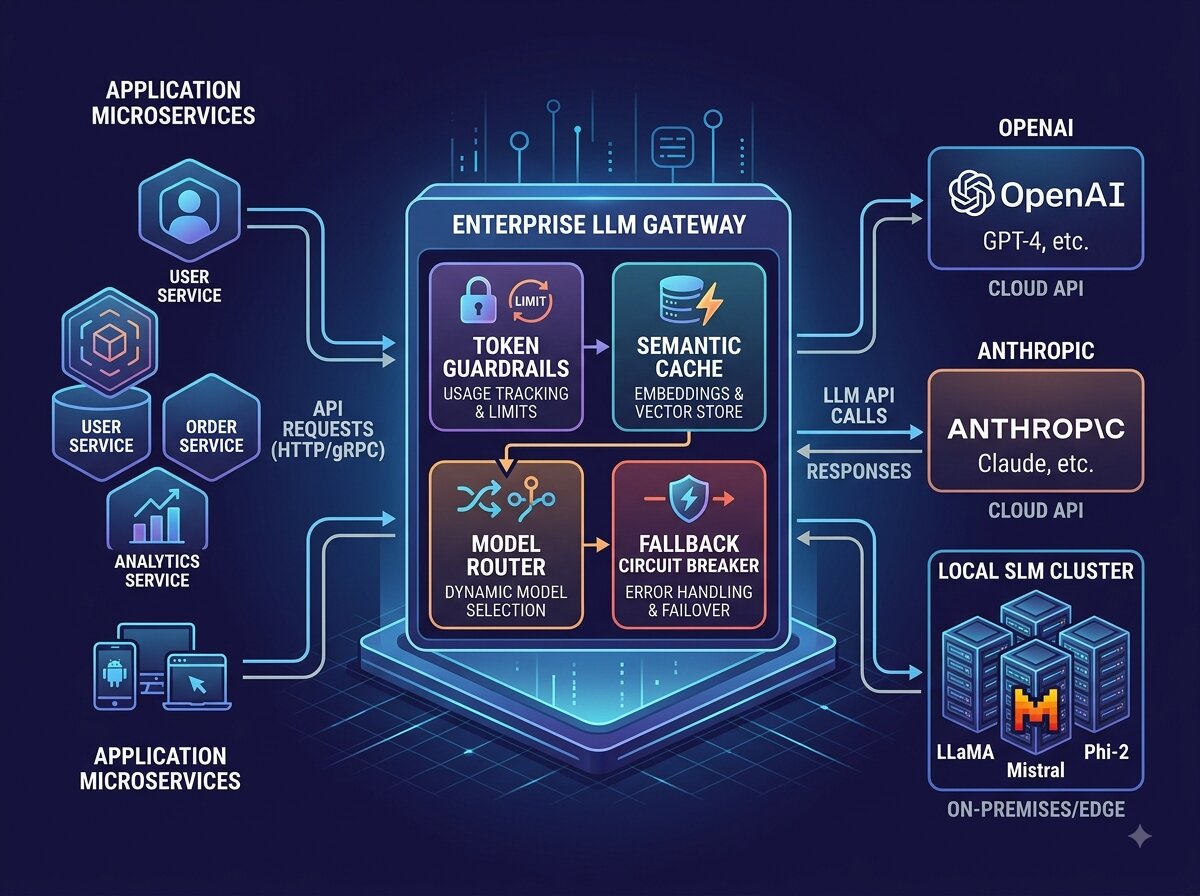
- The Play: "Data protection is a non-negotiable launch gate. We position an enterprise compliance middleware layer between our application services and external model gateways. This gateway utilizes strict regex and semantic filters to completely sanitize PII, PCI-DSS tokens, and proprietary source code, ensuring zero corporate data leaks."
4. E-valuation, Guardrails, and LLM Firewalls
Deploy programmatic validation layers to actively intercept and suppress hallucinations, toxic outputs, or prompt-injection attacks.
- The Strategy: Use automated frameworks (like NeMo Guardrails or Llama Guard) to evaluate the quality and safety of both incoming user prompts and outgoing model completions.
- The Prompt Pattern: "Act as a Principal AI Red Teamer. Generate a comprehensive system prompt and a set of input/output classification rules designed to prevent user prompt-injection attacks and system hallucinations for our enterprise analytics assistant. Include explicit override responses for handled edge cases."
5. I-nfrastructure Token and Rate-Limiting Policy
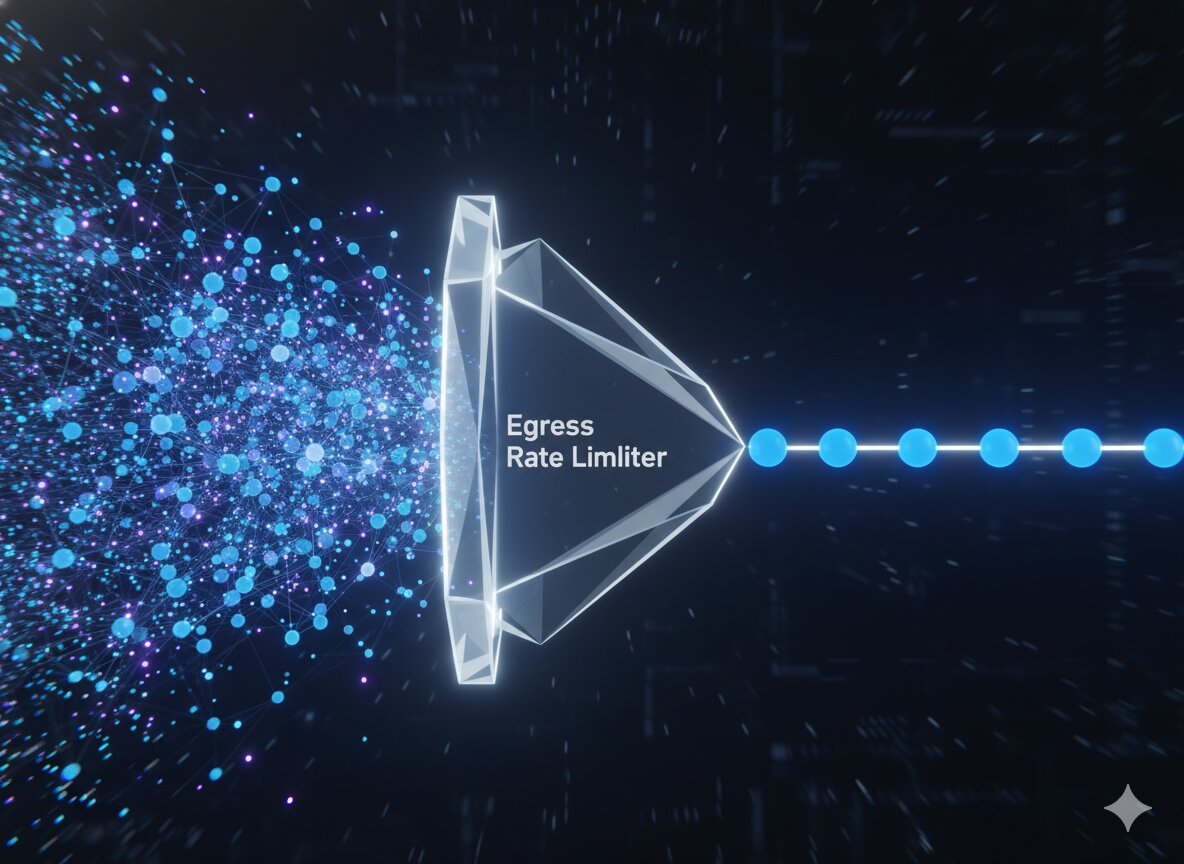
Establish fallback strategies and compute throttling parameters to protect backend systems from cascading API failures or budget overruns.
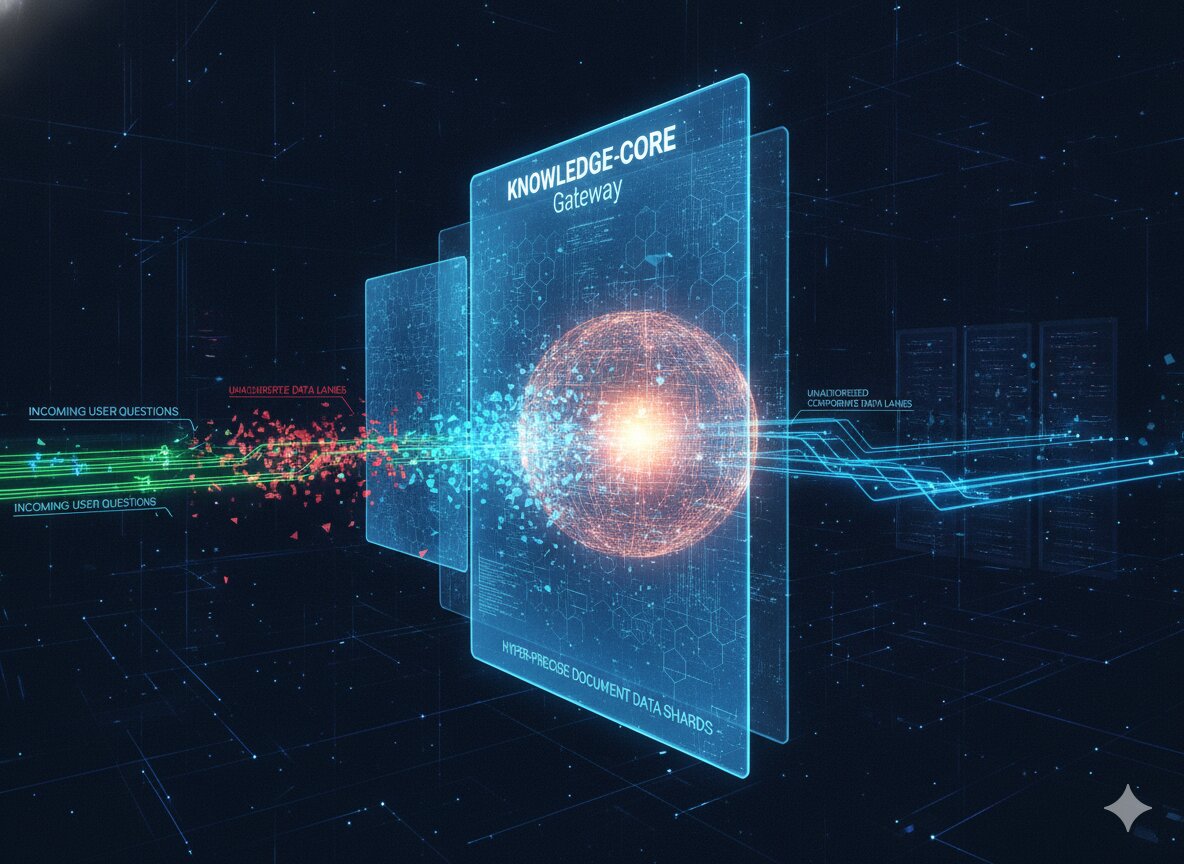
- The Strategy: Map out fallback model routing, request batching, and dynamic rate-limiting policies to ensure high availability during volume spikes.
- The Prompt Pattern: "Draft a highly available system fallback architecture specification in Markdown for our AI gateway. Define explicit rate-limiting thresholds (Requests Per Minute and Tokens Per Minute), a caching strategy for repeat semantic queries, and an automated structural rule to route traffic to a secondary model if primary API error rates exceed 2%."
6. N-ative System UI Integration
Bridge complex model outputs with clean, deterministic front-end components to deliver a consistent, lag-free user experience.
- The Strategy: Require models to return highly structured data formats (such as JSON schemas or Function Calling configurations) rather than loose, unpredictable prose.
- The Prompt Pattern: "For our automated customer reporting engine, generate a strict JSON Schema definition that the model's output must conform to. The schema must enforce fields for:
analysisSummary,performanceScore (integer 1-100), and an array ofremediationSteps, ensuring the frontend can cleanly parse the payload into a deterministic dashboard chart."
7. T-elemetry and Prompt-Context Logging Pipeline
Build comprehensive observation systems to track semantic drift, response latency, and generation quality in production.
- The Strategy: Deploy advanced LLM monitoring tools (like LangSmith or Arize) to continuously capture cost profiles and user feedback loops.
- The Play: "We close the visibility gap by building explicit prompt telemetry directly into our platform foundation. We track and log the exact system prompt version, user context token size, generation time, and end-user helpfulness ratings, allowing our product teams to run deep statistical delta evaluations on model accuracy over time."
8. E-xperimentation and Multi-Model A/B Routing
Orchestrate dynamic deployment pipelines that allow you to test model variations, prompt tweaks, and hyperparameter tunings seamlessly live.
- The Strategy: Avoid locking the organization into a single model vendor. Build a decoupled configuration layer that splits real traffic between variants.
- The Play: "To future-proof our platform, we run a multi-model configuration layer managed by dynamic feature flags. This allows us to route 10% of traffic to a newly tuned open-source model while keeping the baseline traffic on our core API, measuring semantic accuracy and infrastructure cost changes in real time."
9. G-overnance Committees and Model Lifecycles
Establish clear cross-functional review loops to manage prompt versioning, model obsolescence, and regular data refresh cycles.
- The Strategy: Create an operational cadence for updating embeddings, deprecating legacy model versions, and auditing compliance postures.
- The Play: "We manage AI assets like core infrastructure. We establish monthly retraining loops for our vector databases, strict version control parameters for all production system prompts, and a formal deprecation schedule for legacy models to eliminate hidden maintenance liabilities."
10. R-etrospective and Optimization Audits
Continuously sweep your production systems to uncover token inefficiencies, redundant compute pipelines, and cost optimization opportunities.
- The Strategy: Feed live usage data and cost matrices back into an optimization engine to lower your platform's operational overhead.
- The Play: "Every quarter, we pass our token consumption logs and user helpfulness feedback through an optimization analysis. The system isolates low-value, high-cost prompt tracks—such as long context files that could be compressed or cached—allowing us to continuously lower our AI infrastructure costs while boosting response speed."
11. A-utomated Scale and Enterprise Proliferation
Expose successful internal AI pipelines as shared microservices, empowering every engineering group in the company to ship verified AI features.
- The Strategy: Package your vector search, security scrubbing, and model gateway systems into an internal SDK to accelerate corporate-wide development.
- The Play: "We turn our AI architecture into a core organizational accelerator. By exposing our sanitized, rate-limited model gateway and vector search pipelines as an internal self-service microservice API, we allow any product squad in the company to safely ship validated AI features into production on day one."
The Comparison: Bad vs. Good
- Bad Answer: "I would form an AI task force, give all our developers access to an open API key, have them build quick chat wrapper prototypes, and push a pilot feature live to customers within a month to show we are moving fast." (High security risk, highly unpredictable, scales poorly, introduces massive cost liabilities, and fails to deliver unique value).
- Good Answer: "I will lead our corporate AI transformation by deploying the CORE-INTEGRATE framework—establishing a secure RAG architecture grounded in our data, setting up compliance middleware to prevent IP leaks, enforcing strict JSON output schemas for front-end stability, and deploying telemetry pipelines to optimize token spend and accuracy." (Highly strategic, technologically robust, security-focused, and centered on business value).
















.jpg)