Introduction
The engineering director looks directly at you and delivers the ultimate core platform challenge: "We are launching a generative AI customer support agent for our core enterprise fintech platform. During a market rally, traffic spikes to 50,000 concurrent users querying our documentation and private portfolio accounts simultaneously. Our prototype built on a standard wrapper API is currently hallucinating regulatory facts, leaking private user data across chat sessions, and racking up thousands of dollars an hour in LLM context-window token costs. Worse, response latency is over 8 seconds per prompt, causing massive drop-offs. How do you re-architect this AI pipeline into a production-grade, highly secure, and cost-optimized system?"
Your pulse quickens. This is where average candidates stumble into the "AI Wrapper" trap.
They suggest surface-level fixes: "I would write a better prompt," or "I would upgrade to a larger model."
Stop building fragile wrappers. Throwing brute-force prompts at an unpredictable foundation model shows a lack of platform engineering discipline. In elite FAANG PM and TPM infrastructure loops, panels are not evaluating your ability to write creative prompts. They are testing your knowledge of Semantic Vector Index Sharding, Hybrid Sparse/Dense Retrieval, Context-Window Token Compression, Real-Time Guardrail Token Filters, and Asynchronous LLM Response Streaming.
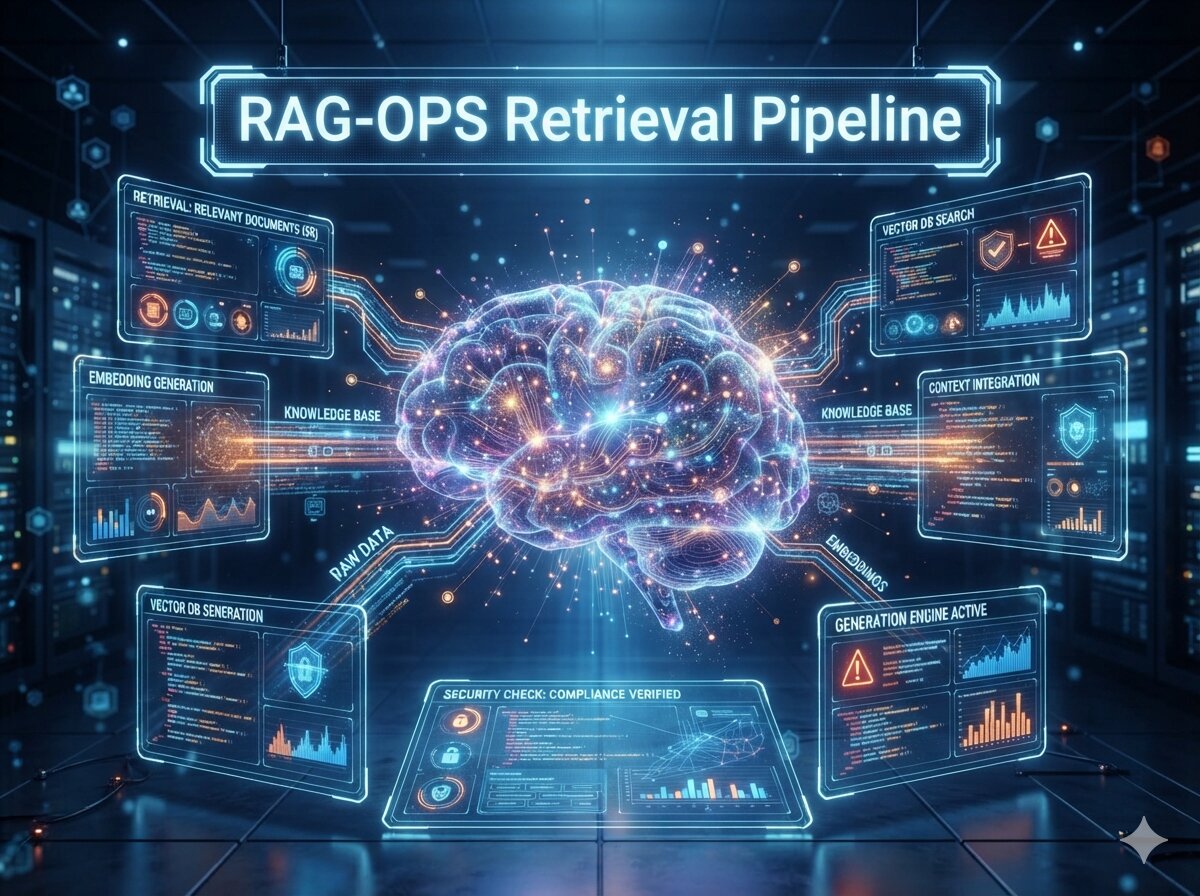
To pass this advanced technical round, you need a highly scalable, rock-solid engineering architecture. You need the RAG-OPS framework.
The Core Framework: The "RAG-OPS" Method
Elite AI platform leaders do not treat Large Language Models ($LLMs$) as isolated databases. They treat them as stateless reasoning engines, surrounding them with structured, low-latency retrieval pipelines and real-time validation guardrails.
                    [ User Prompt Ingestion ]
                               │
                               ▼
       ┌───────────────────────────────────────────────────────┐
       │             R-ETRIEVAL & HYBRID VECTOR SEARCH         │
       │  * Splits docs into chunks & embeds into Vector DB   │
       │  * Combines BM25 Keyword Search + Cosine Similarity   │
       └───────────────────────┬───────────────────────────────┘
                               │
                               ▼
       ┌───────────────────────────────────────────────────────┐
       │             A-LIGNMENT & TOKEN COMPRESSION            │
       │  * Rankers drop irrelevant context snippets           │
       │  * Reduces prompt token volume, saving 40% on costs   │
       └───────────────────────┬───────────────────────────────┘
                               │
                               ▼
       ┌───────────────────────────────────────────────────────┐
       │             G-UARDRAIL & PII MASKING FILTERS          │
       │  * Llama-Guard screens prompt for toxic inputs        │
       │  * Regex/NER scrubs sensitive account numbers/PII      │
       └───────────────────────┬───────────────────────────────┘
                               │
                               ▼
       ┌───────────────────────────────────────────────────────┐
       │             O-PTIMIZED MODEL STREAMING EXECUTION      │
       │  * Distributes queries across LLM clusters with vLLM  │
       │  * Streams Server-Sent Events (SSE) tokens instantly  │
       └───────────────────────┬───────────────────────────────┘
                               │
                               ▼
       ┌───────────────────────────────────────────────────────┐
       │             P-OST-GENERATION VERIFICATION & EVAL     │
       │  * Automated checks score faithfulness & hallucination │
       └───────────────────────┬───────────────────────────────┘
                               │
                               ▼
                     [ Secure User Response ]
1. R-etrieval Optimization & Hybrid Vector Sharding
Never supply a raw foundation model with unstructured, massive text documents. Isolate relevant data snippets using high-throughput mathematical indexes.
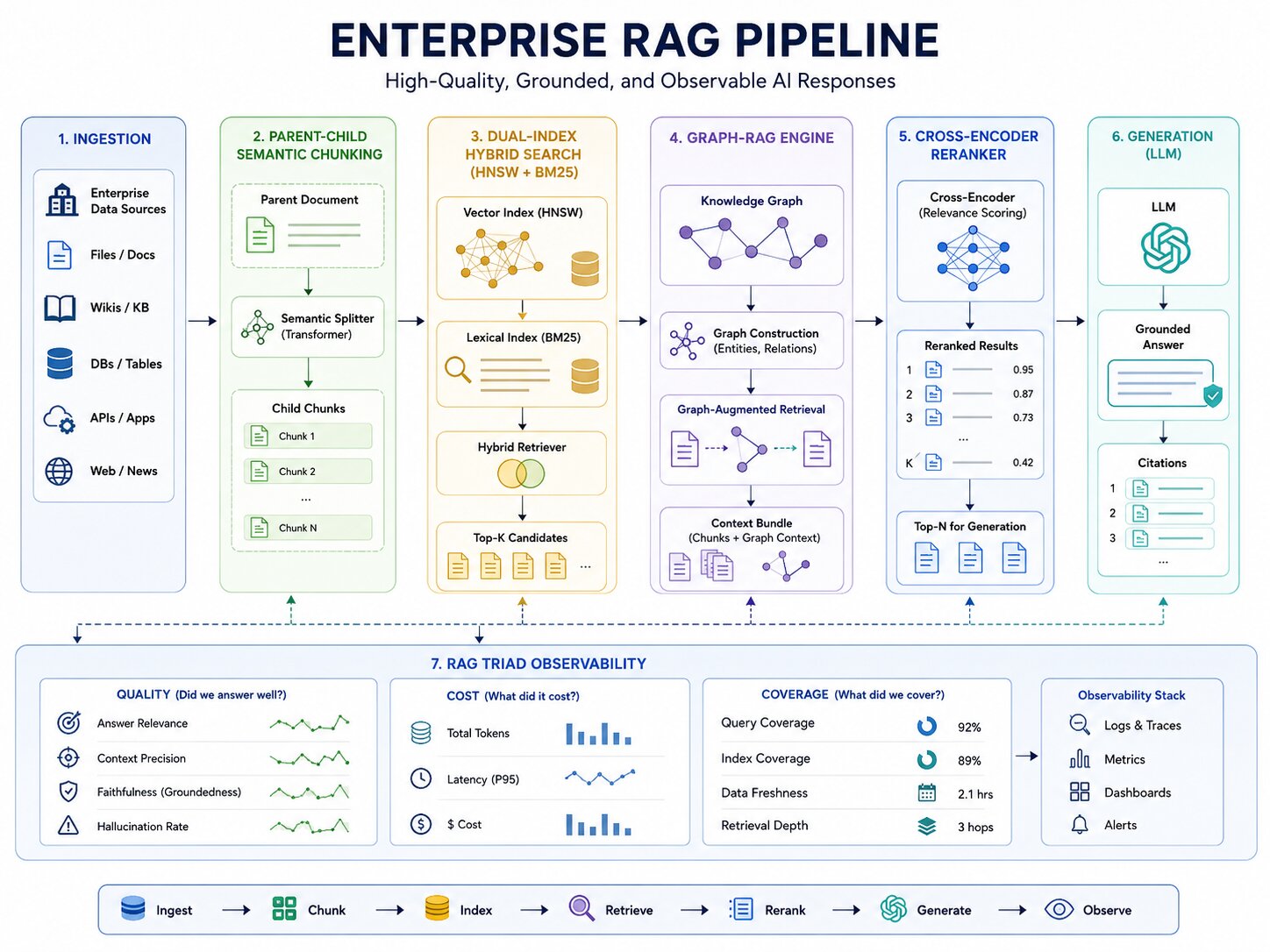
- The Strategy: Implement a hybrid retrieval system. Combine traditional lexical keyword searches (like BM25) with dense semantic vector embeddings managed inside a sharded vector database (like Pinecone or Milvus) using Cosine Similarity formulas to extract context with sub-10ms latencies.
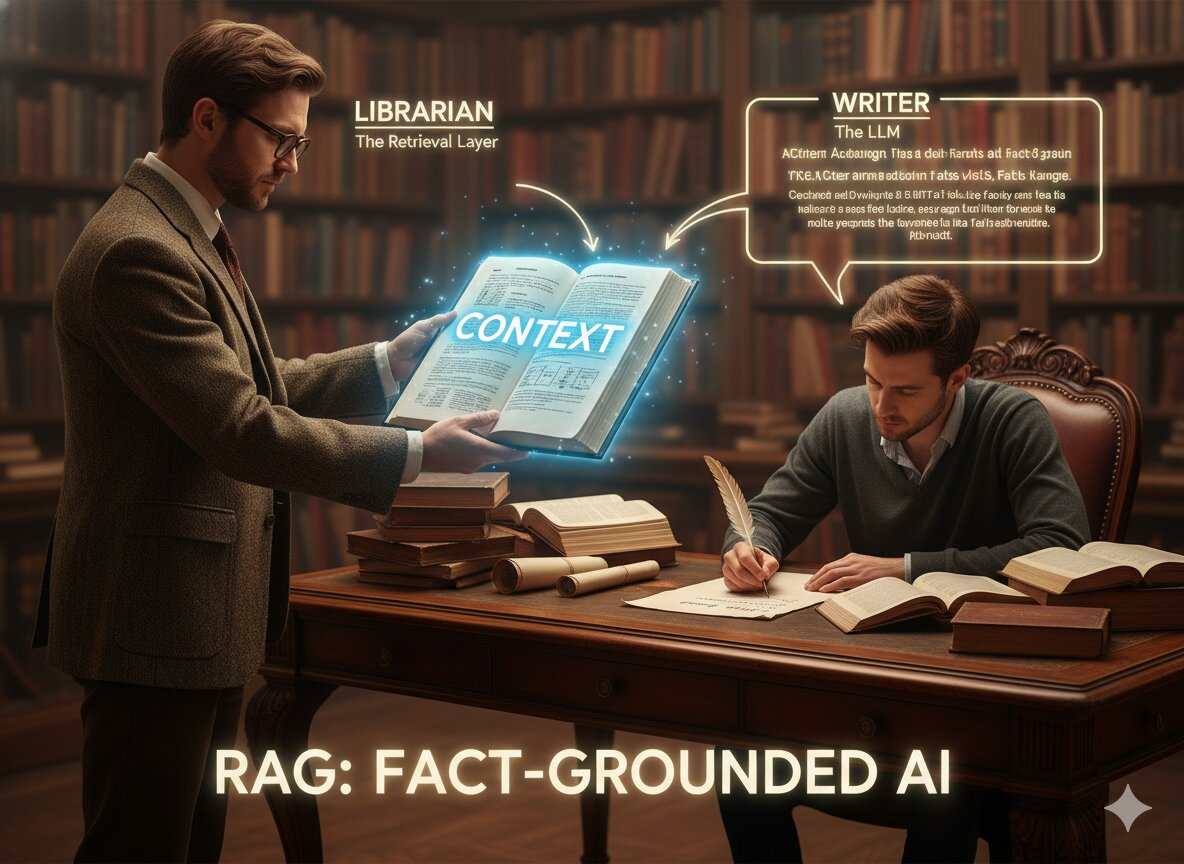
- Interview Script: "To completely eliminate model hallucinations, our architecture will decouple knowledge from the model's weights using an advanced Retrieval-Augmented Generation (RAG) pipeline. When a user submits a query, we run a hybrid retrieval process. We simultaneously execute a BM25 keyword search for precise financial codes and a dense semantic vector lookup via our vector database using Cosine Similarity. This ensures we extract the exact, relevant context chunks from our secure database in milliseconds."
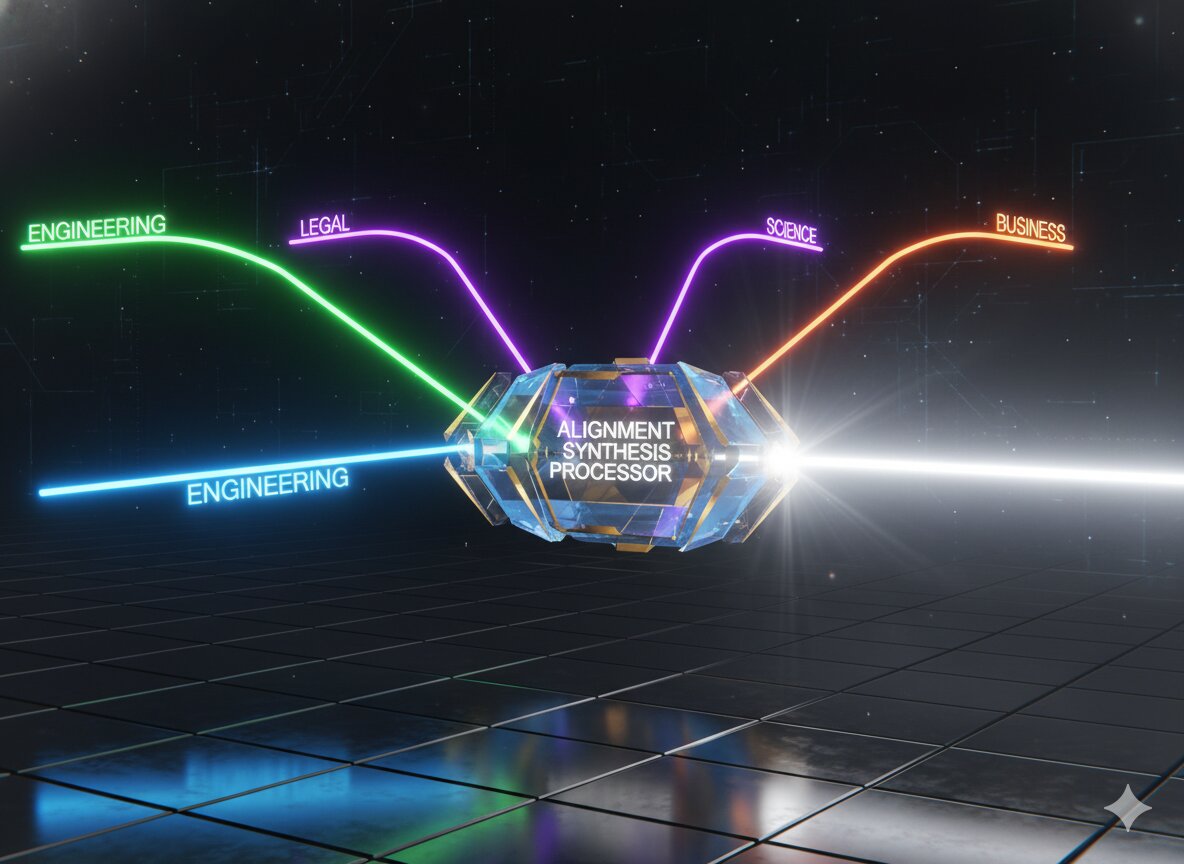
2. A-lignment & Context Token Compression
Prevent long, redundant data fragments from filling up your model's context window, slowing down your system, and inflating cloud computing expenses.
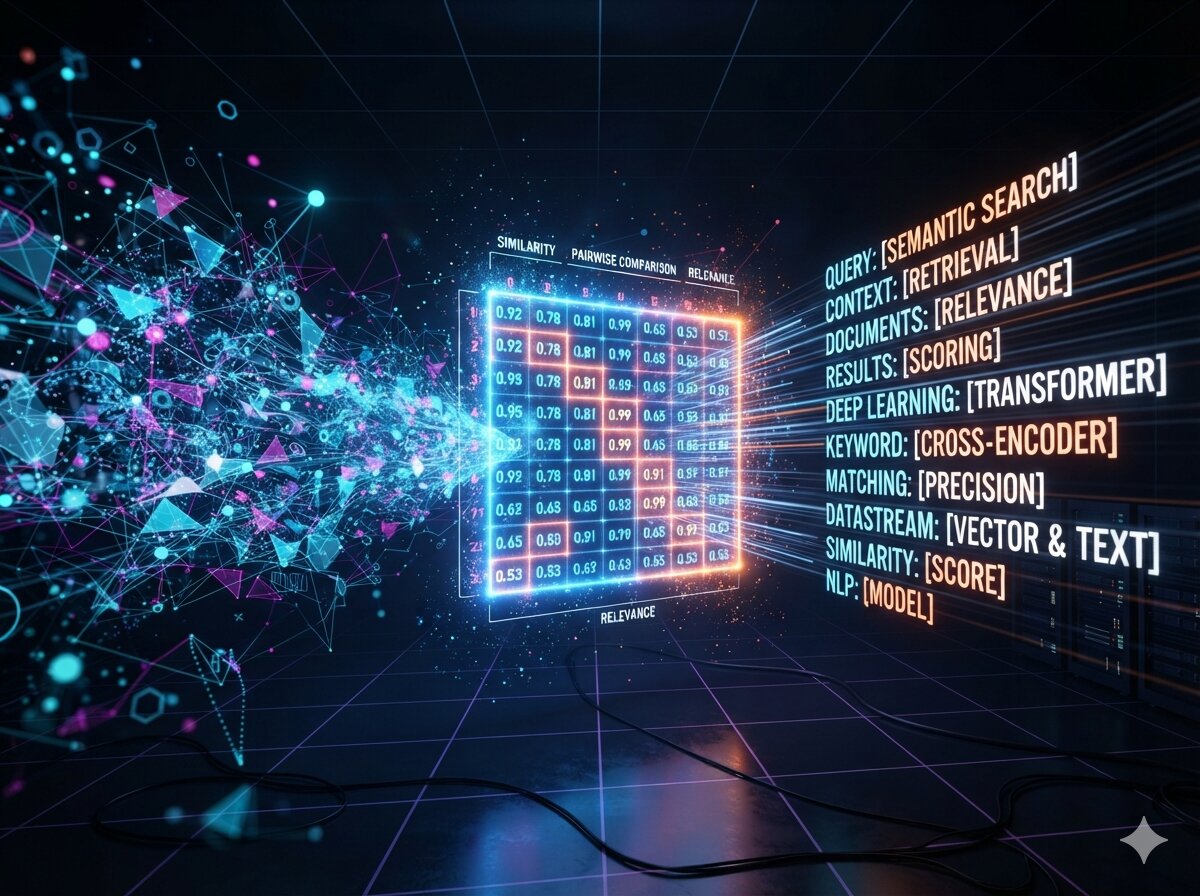
- The Strategy: Deploy a cross-encoder re-ranking step (like Cohere Rerank) to sort retrieved documents by true relevance, and use token compression algorithms to trim useless text characters before sending the final packet to the model.
- Interview Script: "To fix the 8-second latency problem and lower token costs, we will insert an alignment and compression layer. Raw vector database returns often contain repetitive text. We will pass the top 20 retrieved text chunks through a fast cross-encoder re-ranker to pick the top 5 highly relevant segments. We then apply token compression to remove filler words, shrinking our context payload size by up to 40% while preserving core semantic meaning."
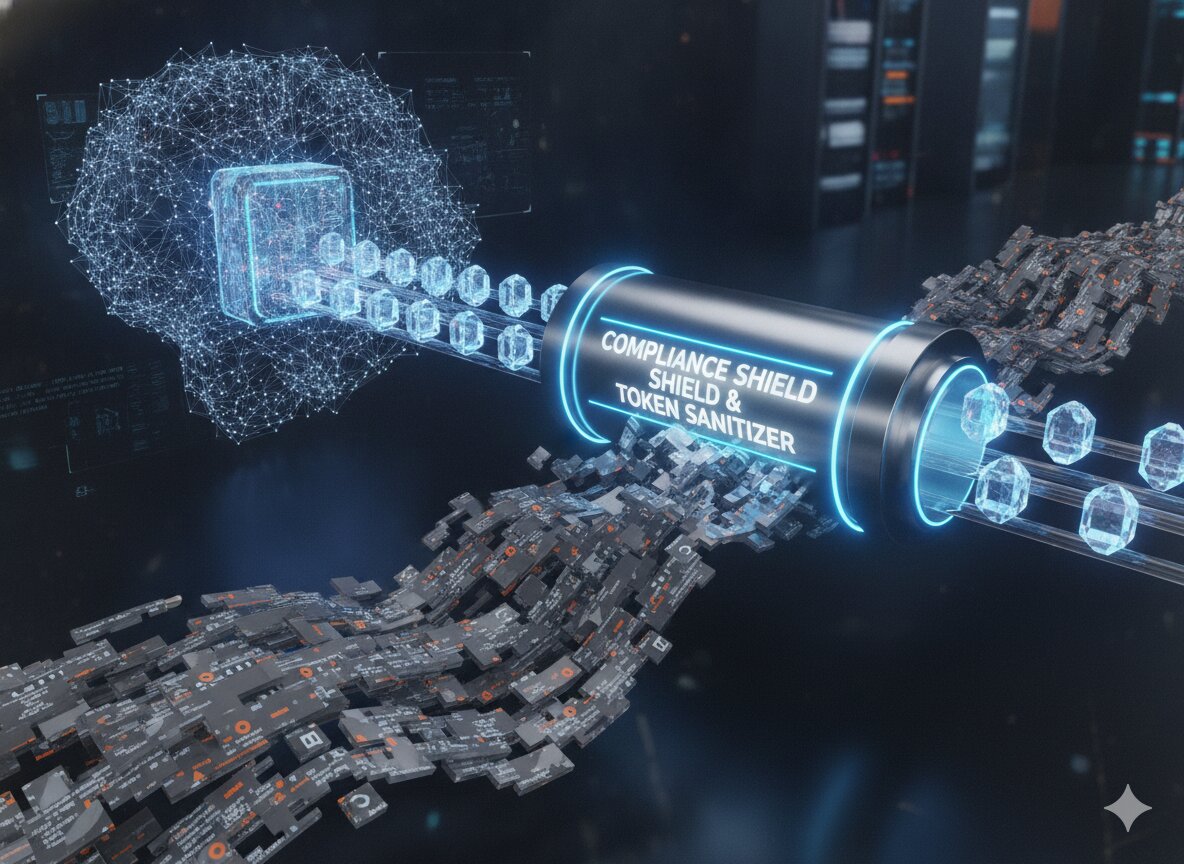
3. G-uardrail Filtering & PII Masking
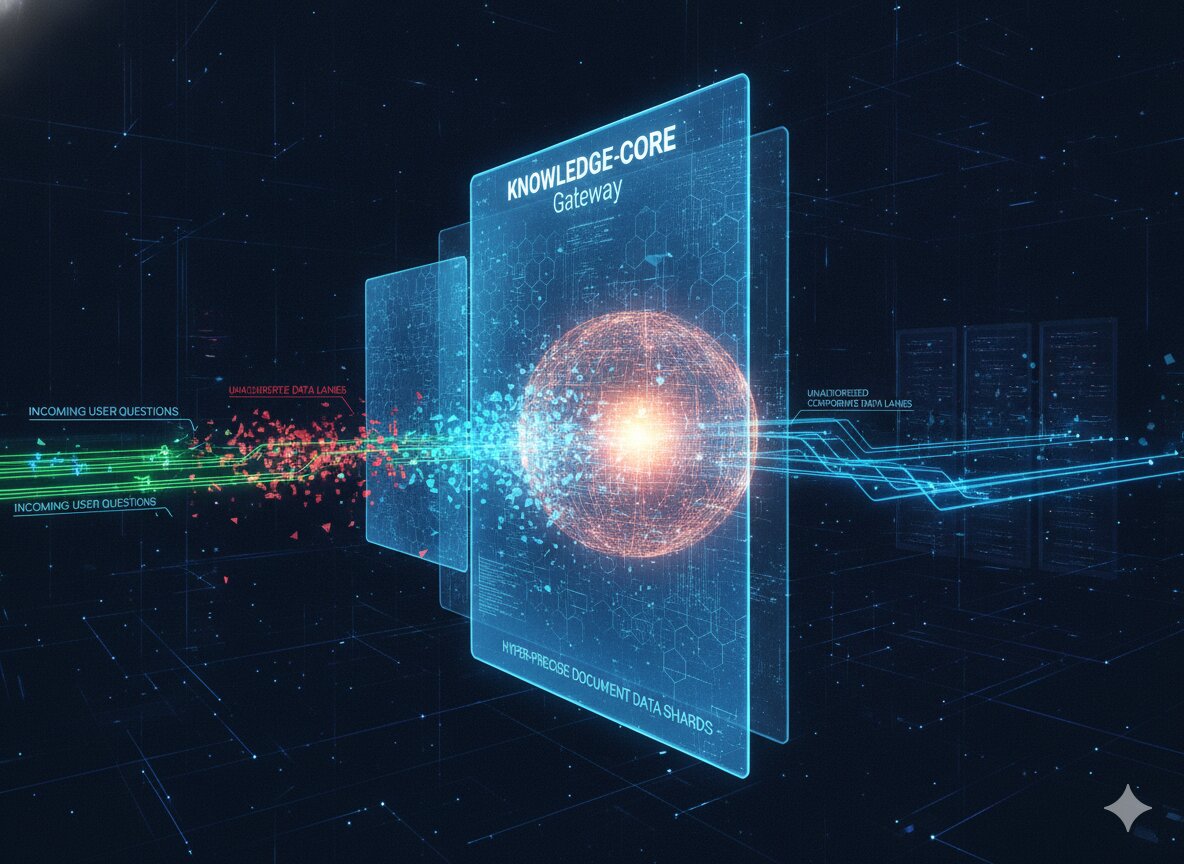
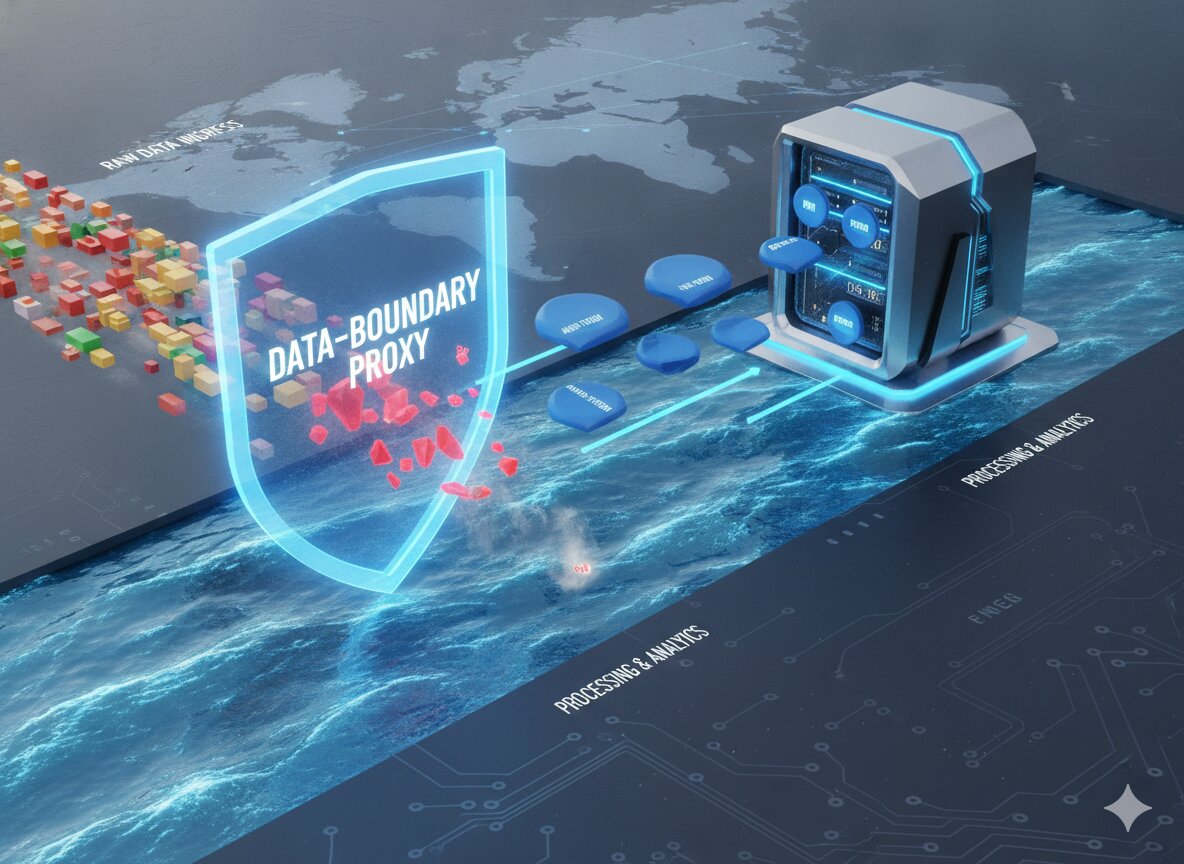
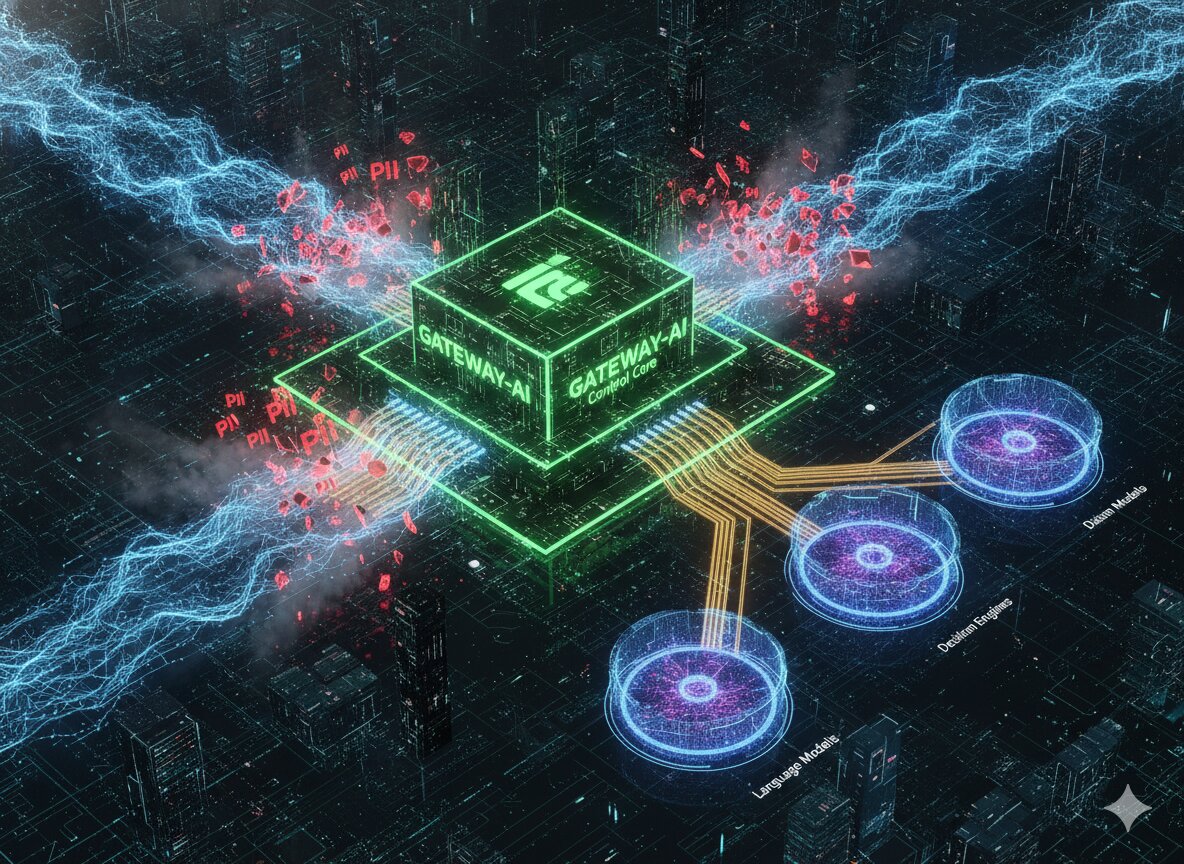
Stop jailbreak threats, toxic prompts, and catastrophic data leaks from ever reaching your core infrastructure layers.
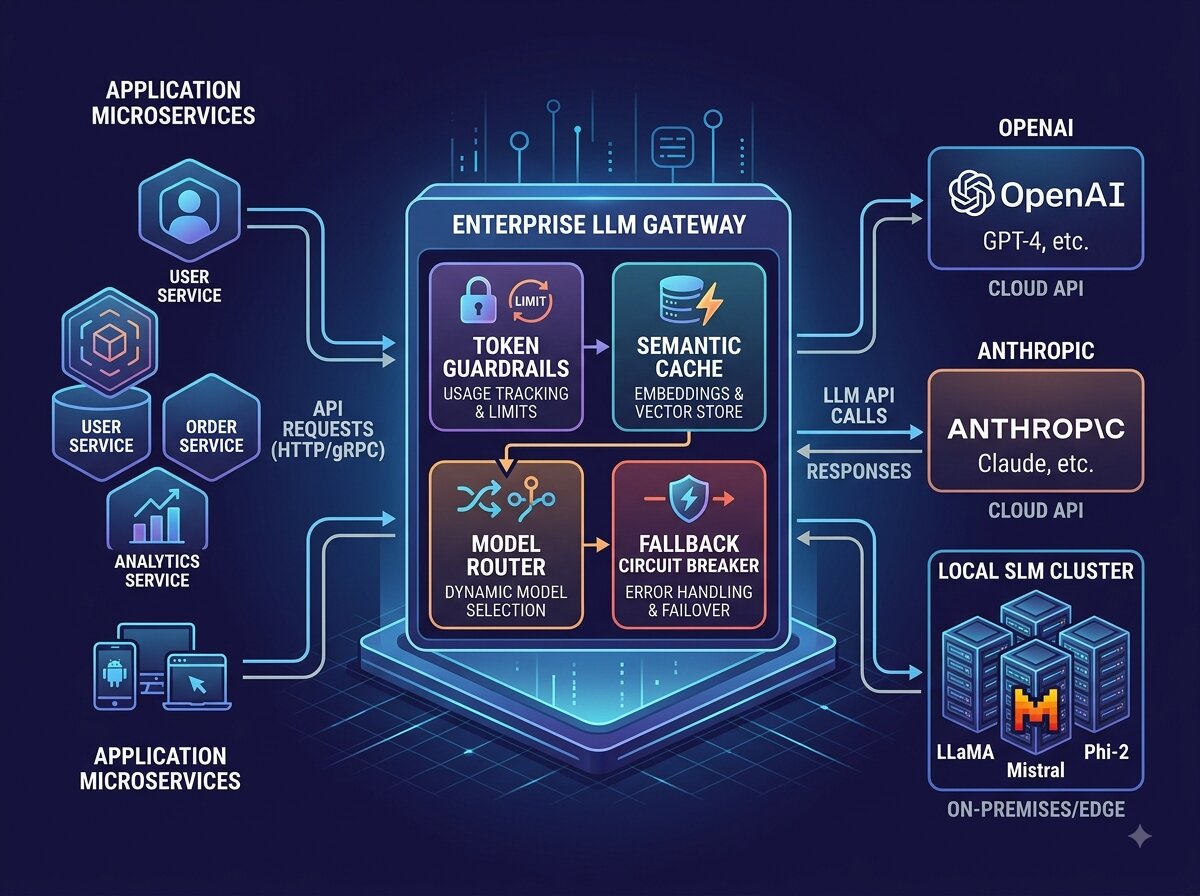
- The Strategy: Deploy lightweight, high-speed security models (like Llama-Guard) at the front gate, combined with Named Entity Recognition (NER) pipelines to automatically catch and scrub private account details.
- Interview Script: "For enterprise fintech systems, security is critical. We will implement synchronous input-output guardrails. Before a user prompt hits our model clusters, a dedicated, micro-second guardrail model scans the input for injection attacks. Concurrently, a Named Entity Recognition pipeline automatically redacts sensitive personal data like account numbers, guaranteeing that private data never crosses our security boundaries."
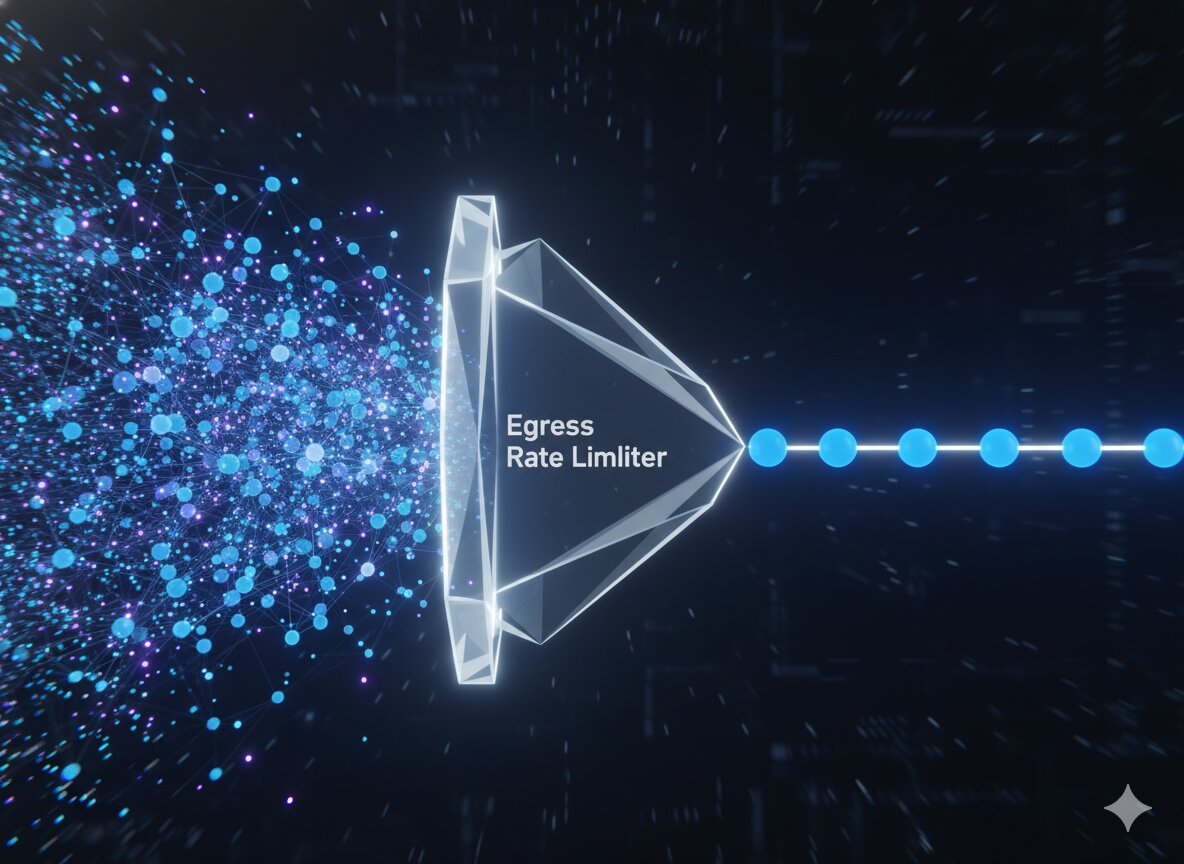
4. O-ptimized Model Execution & Token Streaming
Maximize system processing throughput while ensuring the user interface feels incredibly fast and responsive.
- The Strategy: Use inference optimization engines (like vLLM with PagedAttention) to stack model operations efficiently, and stream responses directly to the client application using Server-Sent Events (SSE).
- Interview Script: "To support 50,000 concurrent users, we will deploy our open-weight model instances across private compute nodes optimized with vLLM. This architecture leverages PagedAttention to reduce memory bottlenecks, allowing us to batch parallel requests smoothly. Instead of making users wait for the complete text generation block, we stream the output token-by-token via Server-Sent Events, cutting the perceived time-to-first-token down to under 200 milliseconds."
5. P-ost-Generation Verification & Analytical Evaluation
Continuously measure system accuracy using automated testing frameworks to catch silent degradation before users do.
- The Strategy: Build an automated evaluation pipeline using metrics like faithfulness, answer relevance, and context recall (via frameworks like Ragas or TruLens) to score production outputs continuously.
- Interview Script: "Finally, we will establish a real-time post-generation validation system. Every generated answer is programmatically cross-checked against the retrieved context data chunks to calculate a 'faithfulness' score. If an output falls below our pre-set quality threshold—indicating a potential hallucination—the system intercepts the text and routes the session smoothly to a live support agent, keeping our production accuracy flawless."
The Comparison: Bad vs. Good
Bad Answer (Fragile Wrapper API)Good Answer (RAG-OPS Framework)"I will hook our app directly up to an online LLM API, write an extensive system prompt telling it not to hallucinate, and hope it handles user traffic well.""I will architect a decoupled RAG-OPS engine utilizing hybrid semantic sharding, token context compression layers, and input-output safety guardrails.""If the system experiences high latency or starts leaking user data, we will switch to a larger model size or write longer rules in the prompt window.""I will optimize concurrent performance using vLLM with PagedAttention, scale data access safely with automated NER masking, and stream responses token-by-token via SSE."
The Pitch/Transition
Architecting reliable enterprise AI platforms requires far more than just basic API integrations—it demands an expert understanding of low-latency data pipelines, vector sharding strategies, and strict security compliance boundaries. The RAG-OPS framework is just the beginning.
In top-tier FAANG interviews, panel experts will test your ability to balance hardware compute realities with system scale constraints. Don't leave your performance to chance.
Arm yourself with the exact production-level system design patterns, case studies, and framework systems relied on by elite tech leaders globally:
- Command your product strategy, AI ethics, and data execution loops using the comprehensive PM Prep Guide.
- Dominate your system design, model scale operations, and data infrastructure rounds with the tactical TPM Prep Kit.
FAQs
Q: Why use hybrid search instead of just standard vector database search?
A: Vector search excels at matching conceptual, semantic intent, but it frequently struggles with exact, specialized keyword lookups like specific financial transaction IDs, model codes, or product SKUs. Combining vector similarity with traditional BM25 keyword matching guarantees your pipeline catches both contextual meanings and precise system terms.
Q: How do you handle real-time data updates if the vector embeddings are static?
A: Use an asynchronous event-driven document processing model. Whenever core documents or portfolio details change, a system microservice catches the change event, creates a new vector embedding snippet, and updates the vector database index in the background without disturbing the core LLM execution stack.
Q: Should an enterprise buy commercial LLM APIs or host open-weights models internally?
A: It depends on data security regulations and custom tuning needs. For strict enterprise applications (like banking or healthcare), hosting optimized open-weights models internally using frameworks like vLLM gives you total control over user data privacy, guarantees low network latency, and removes dependencies on third-party uptime risks.

















.jpg)