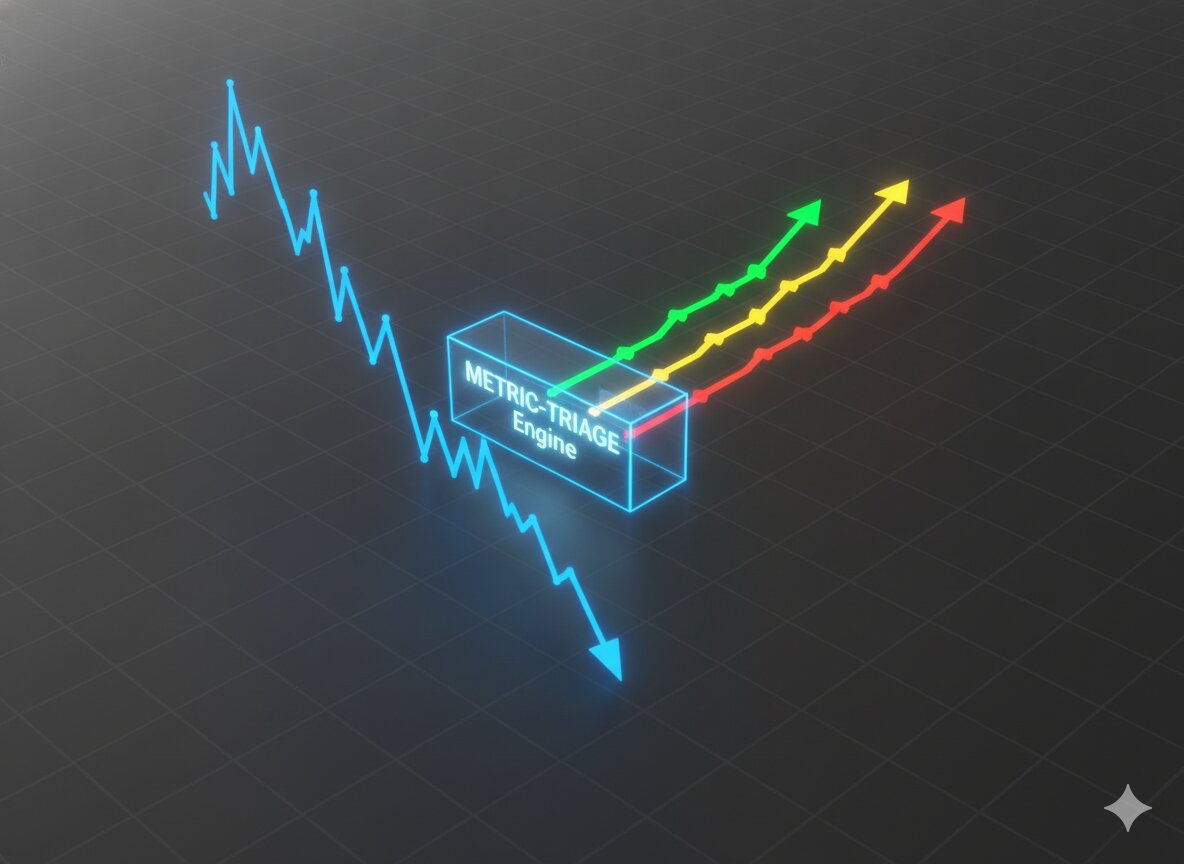
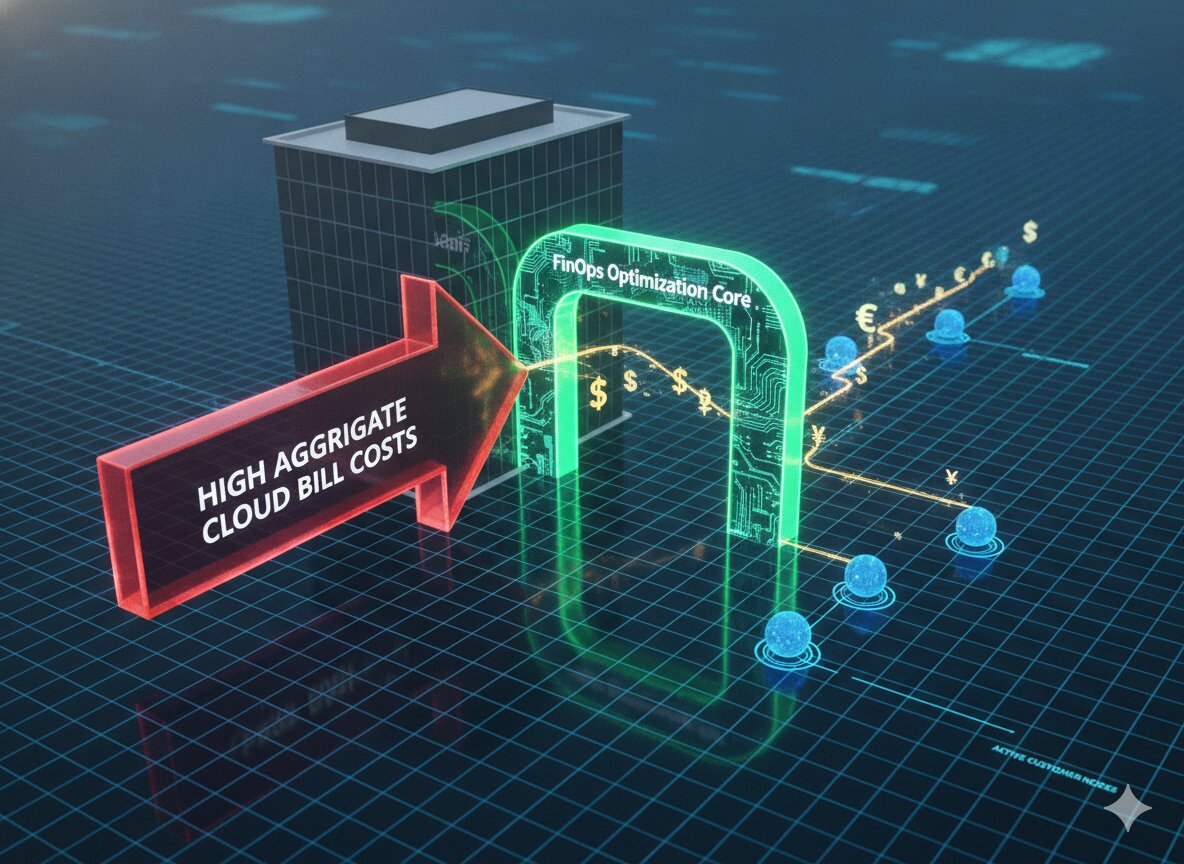
The Interview Trap: The "Release-Day Rollback" Catastrophe
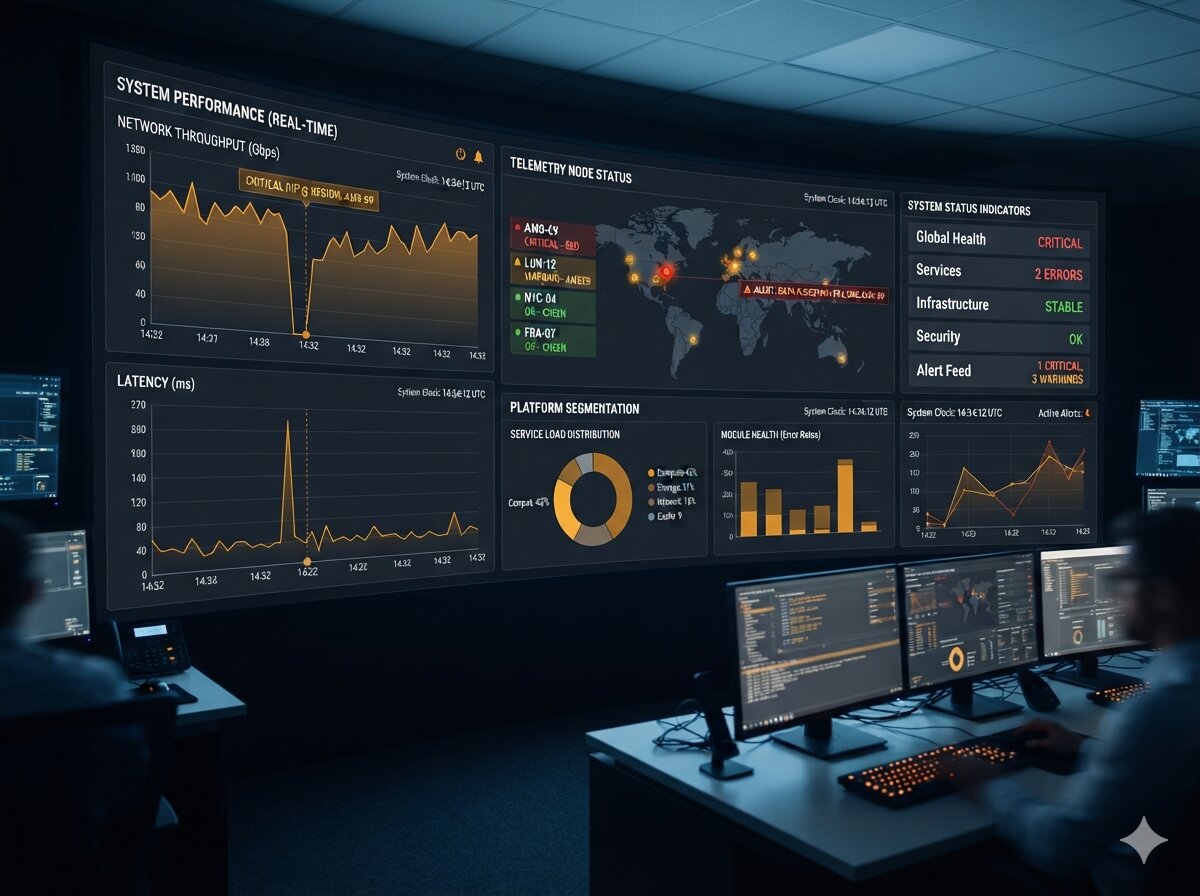
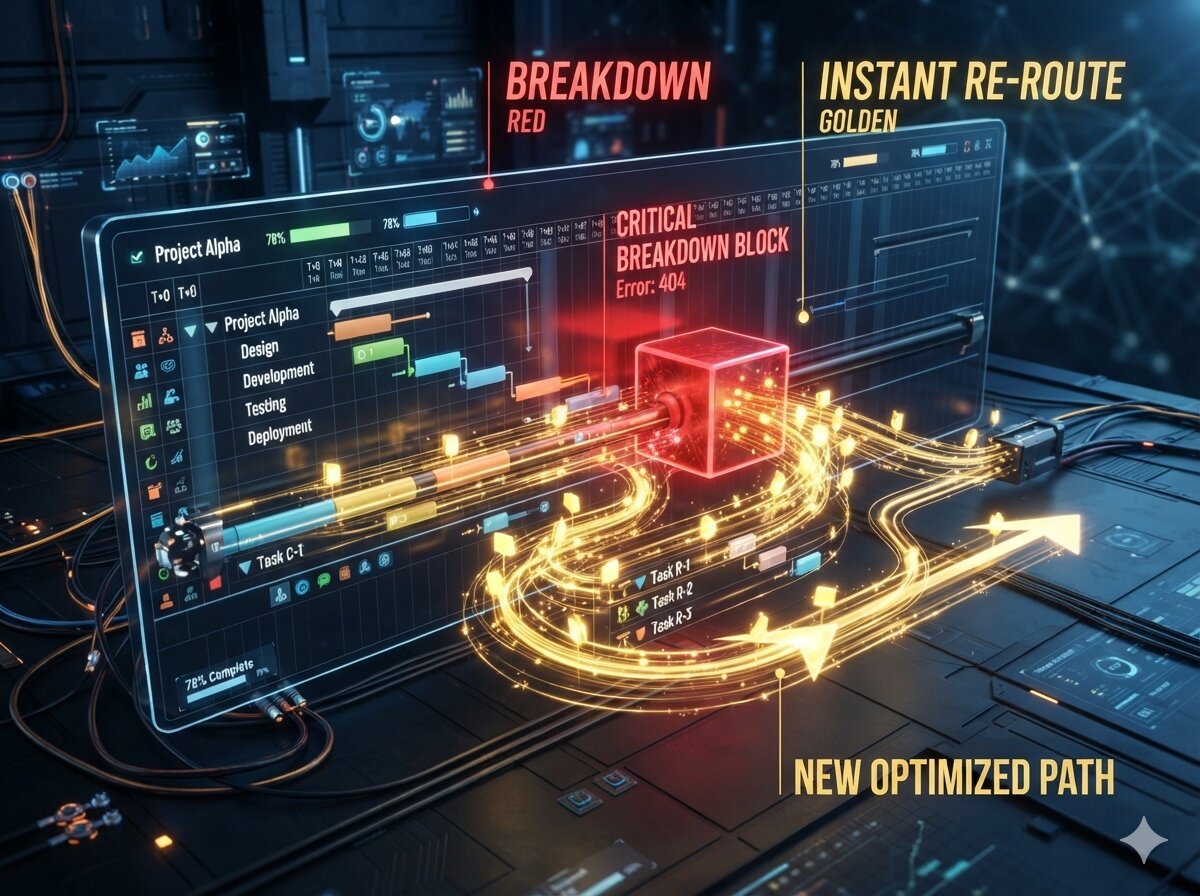
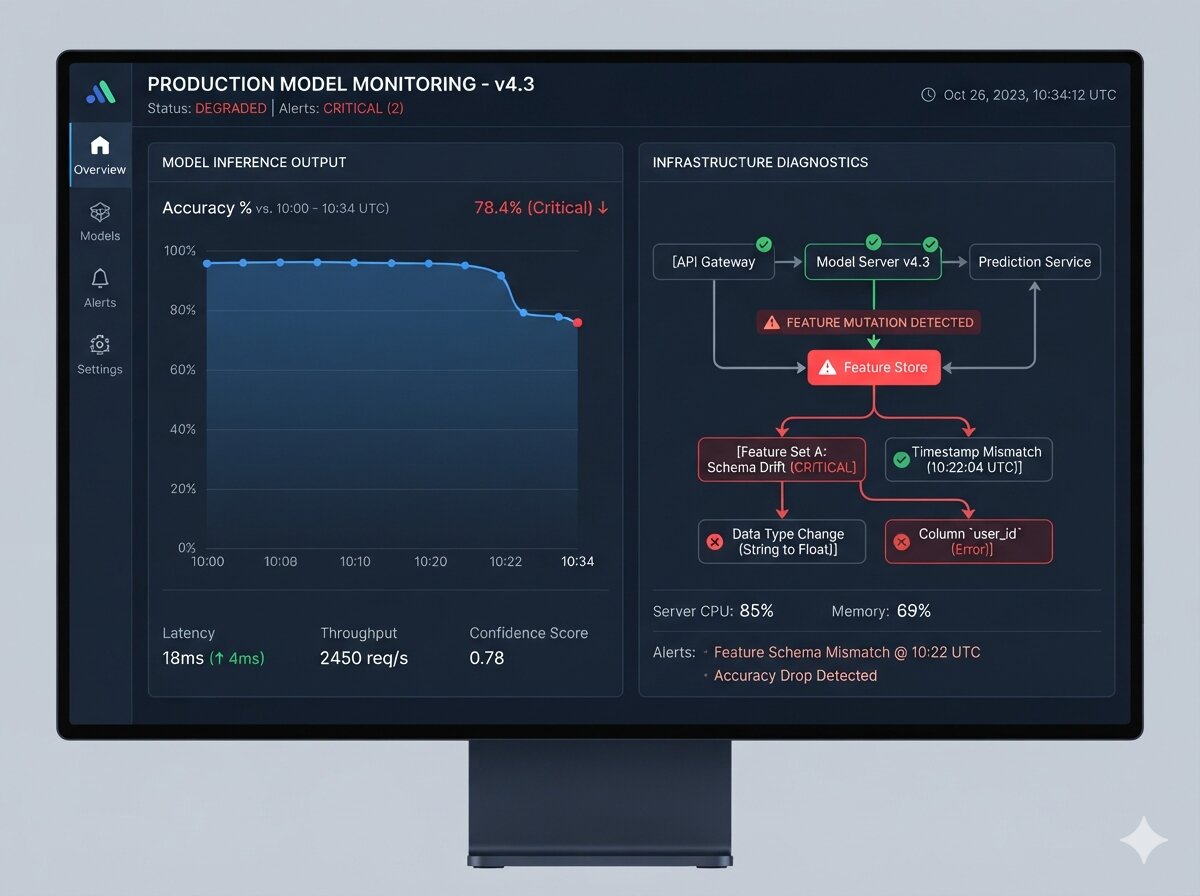
The interviewer presents a high-stakes, late-stage delivery failure: "Your team is deploying a major core checkout service refactor. All manual QA testing passed on the staging environment, and the feature was greenlit for production. Thirty minutes after deployment, a silent edge-case memory leak triggers under heavy load, spiking internal server response latencies by 400% and causing a 15% drop in checkout conversions. Your engineering leads are panicking, debating whether to roll back or patch live. How do you lead through this recovery?"
Most candidates fail this execution round by defaulting to slow, manual triage cycles: "I would jump into a war room call with the entire engineering team, manually review the last fifty commits to find the bug, and write a status update to leadership explaining the delay." Stop. Managing high-velocity software releases through reactive, manual firefighting is an operational anti-pattern. In senior system delivery and technical program operations loops at elite platforms like Stripe, Netflix, and Amazon, panel judges are evaluating your Automated Deployment Safeguards, Predictive Telemetry Triage, and Strategic Deployment of AI/ML Engines to Eliminate Release-Day Disasters.
The Core Framework: The "BUG-SHIELD" Method
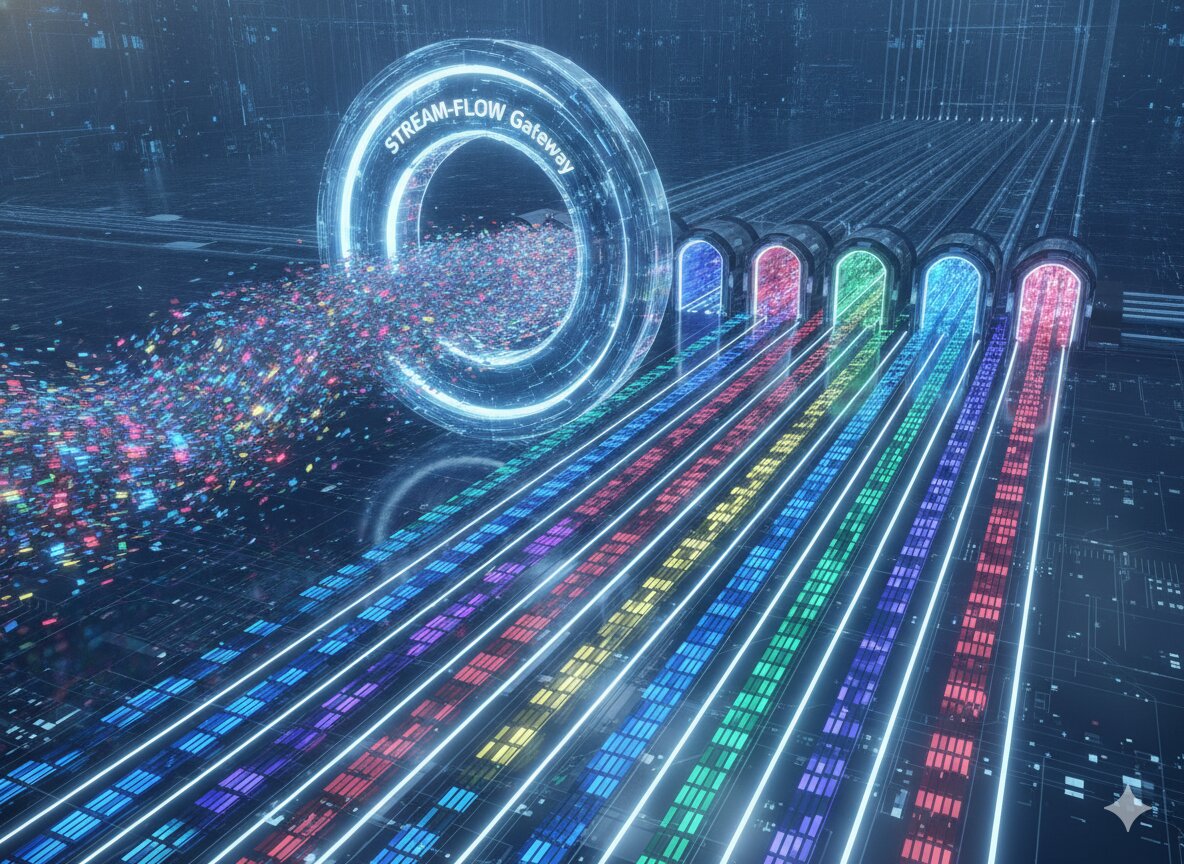
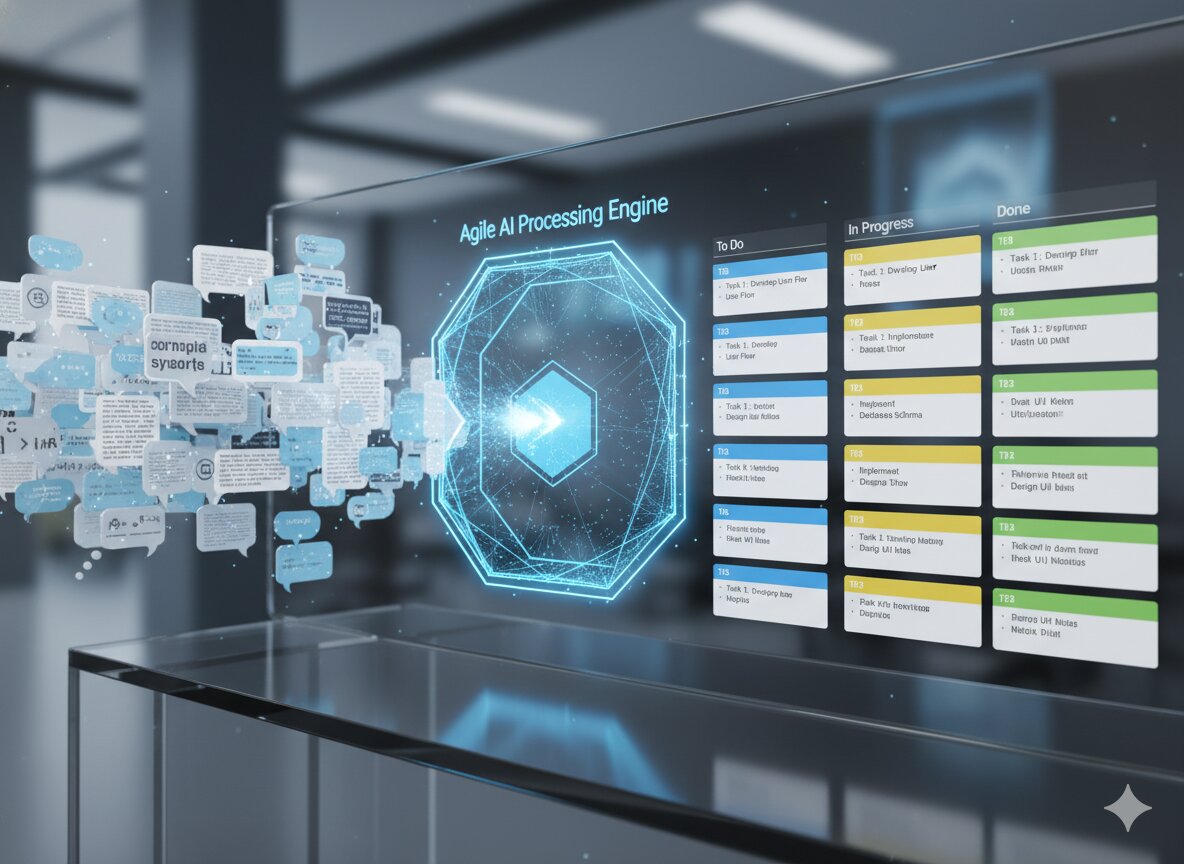
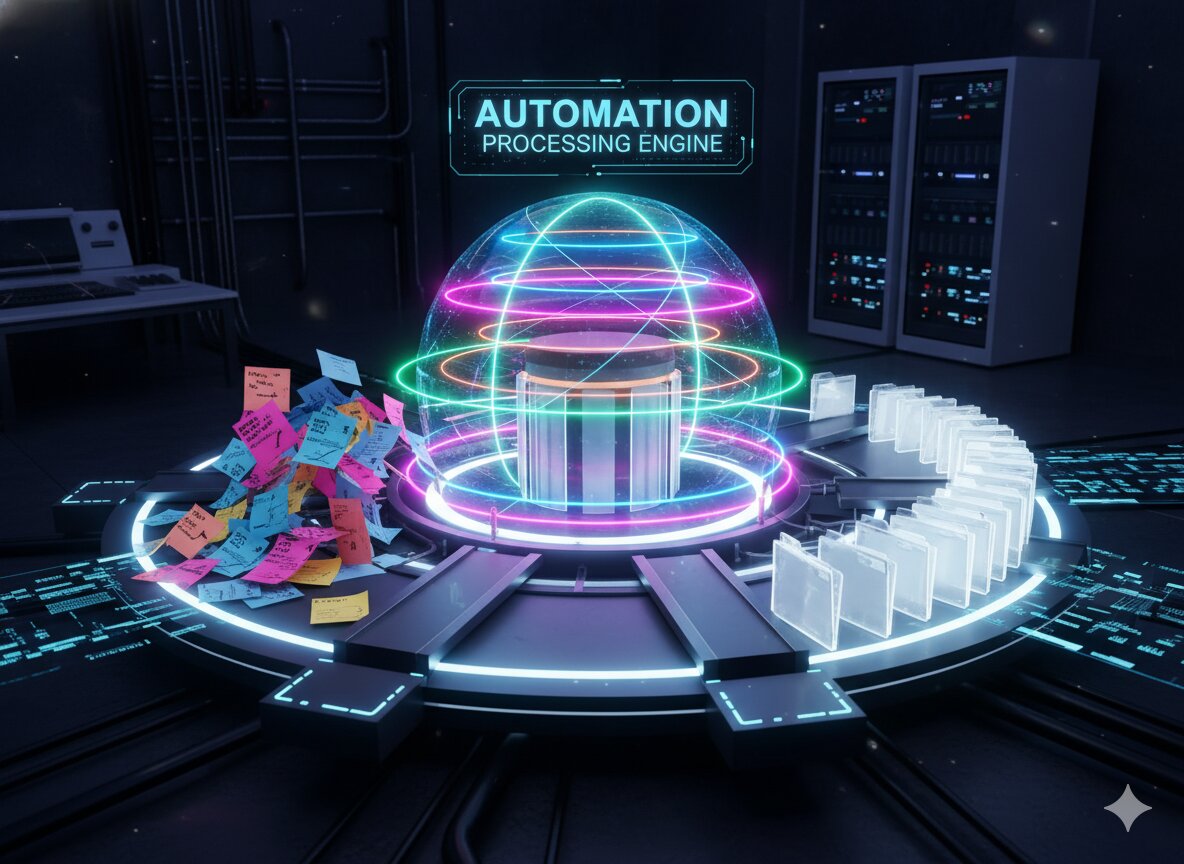
Elite PMs and TPMs do not sit passively during a release window hoping the build is stable. They build intelligent, self-healing quality assurance and deployment loops by embedding automated AI validation, anomaly detection, and progressive delivery gates straight into their CI/CD release topology.
1. B-acklog Test-Coverage Semantic Ingestion
Feed your complete software requirement base, data models, and test logs directly into your AI workspace to map total verification coverage before code is written.
- The Strategy: Drop unstructured feature requirements, code repo schemas, and historical test scripts into an advanced LLM context window to automatically discover missing functional validation logic.
- The Prompt Pattern: "Analyze the attached technical spec document: [Insert Spec Markdown] and our current test suite definitions: [Insert Current Test Case Names/Scripts]. Run a structural delta analysis to identify all undocumented functional paths, logical user journeys, or database boundary inputs that lack explicit end-to-end integration test coverage."
2. U-nit and Integration Test Case Synthesizer
Transform your structural gap analysis into production-ready, automated test cases tailored to your engineering stack.
- The Strategy: Use generative prompt tracks to write complete, decoupled integration or behavioral scripts (such as Playwright, Jest, or PyTest), bypassing manual script drafting.
- The Prompt Pattern: "Act as a Principal Software Engineer in Test. Based on the test coverage gaps identified above, generate a complete suite of automated integration test cases using Playwright and TypeScript for the 'Checkout Payment Flow' component. Include explicit mock network assertions, comprehensive timeout boundary overrides, and edge-case payload validation."
3. G-enerative Chaos and Security Invalidation
Subject your application code to automated, adversarial data corruption and structural security vulnerabilities to verify system resilience.
- The Strategy: Prompt the AI to act as a malicious penetration tester and chaos engineering agent to uncover race conditions, schema injection risks, or cascade memory leaks.
- The Prompt Pattern: "Act as an adversarial Security Architect and Chaos Engineer. Review this core application API endpoint controller: [Insert Code Block]. Identify 3 hidden structural vulnerabilities, input sanitization gaps, or potential memory leak vectors. For each, generate an unformatted curl script designed to simulate a high-stress chaos condition."
4. S-hadow and Canary Metrics Baseline Definition
Establish a highly precise, AI-monitored telemetry perimeter by mirroring production load patterns safely before a global rollout.
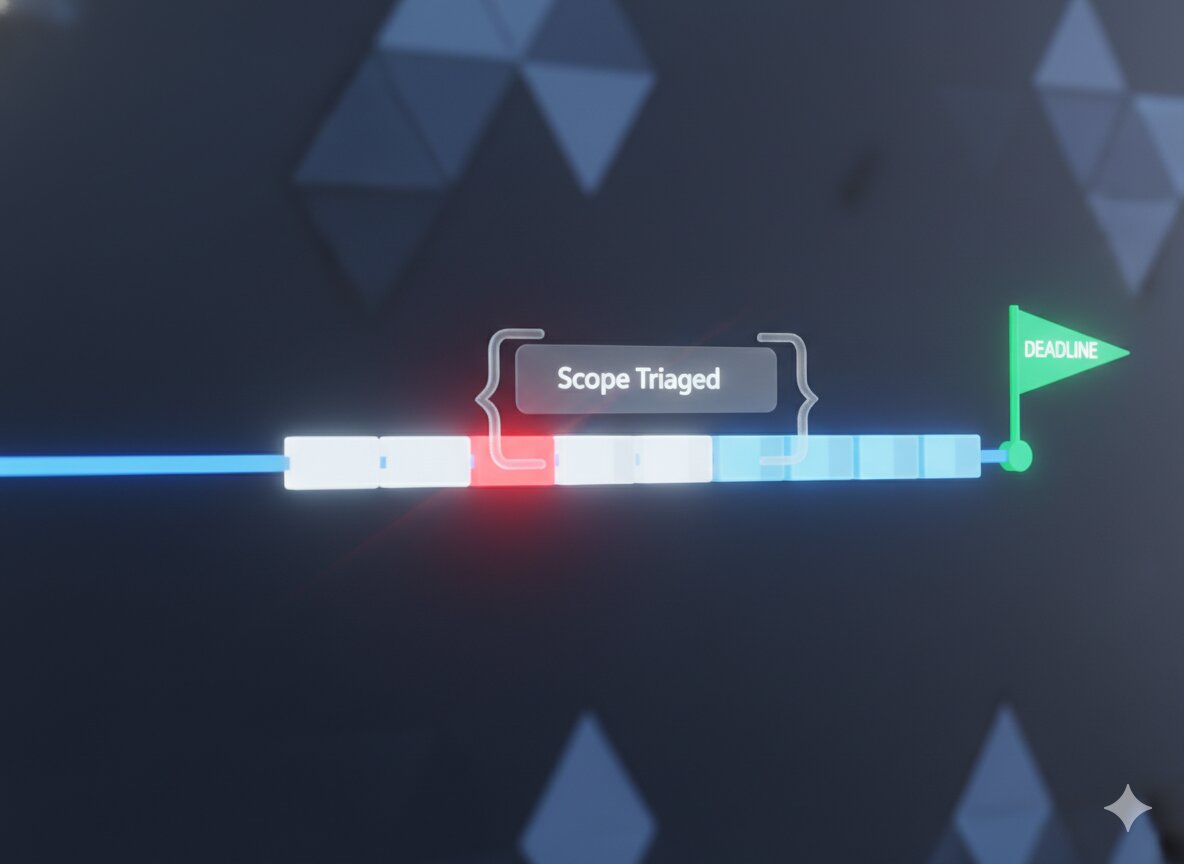
- The Strategy: Programmatically transition from basic "all-or-nothing" deployments to progressive delivery pipelines monitored by AI log aggregators that parse anomalies across a 1% "Canary" traffic cluster.
- The Prompt Pattern: "Convert our functional business success metrics for this checkout launch into a technical telemetry alerting rule matrix. Define the precise baseline math for: acceptable Canary error-budget deviations, maximum p95 database query connection pool latencies, and an automated rule layout for Datadog or Prometheus log scanners to evaluate."
5. H-euristic Telemetry and Log Anomaly Tracking
Deploy real-time machine learning monitors across your system logs to flag code irregularities before they impact the broader customer base.
- The Strategy: Use AI log processors (such as Datadog Watchdog or New Relic AI) to parse massive, unstructured production logs, automatically filtering out standard noise to isolate root-cause stack traces.
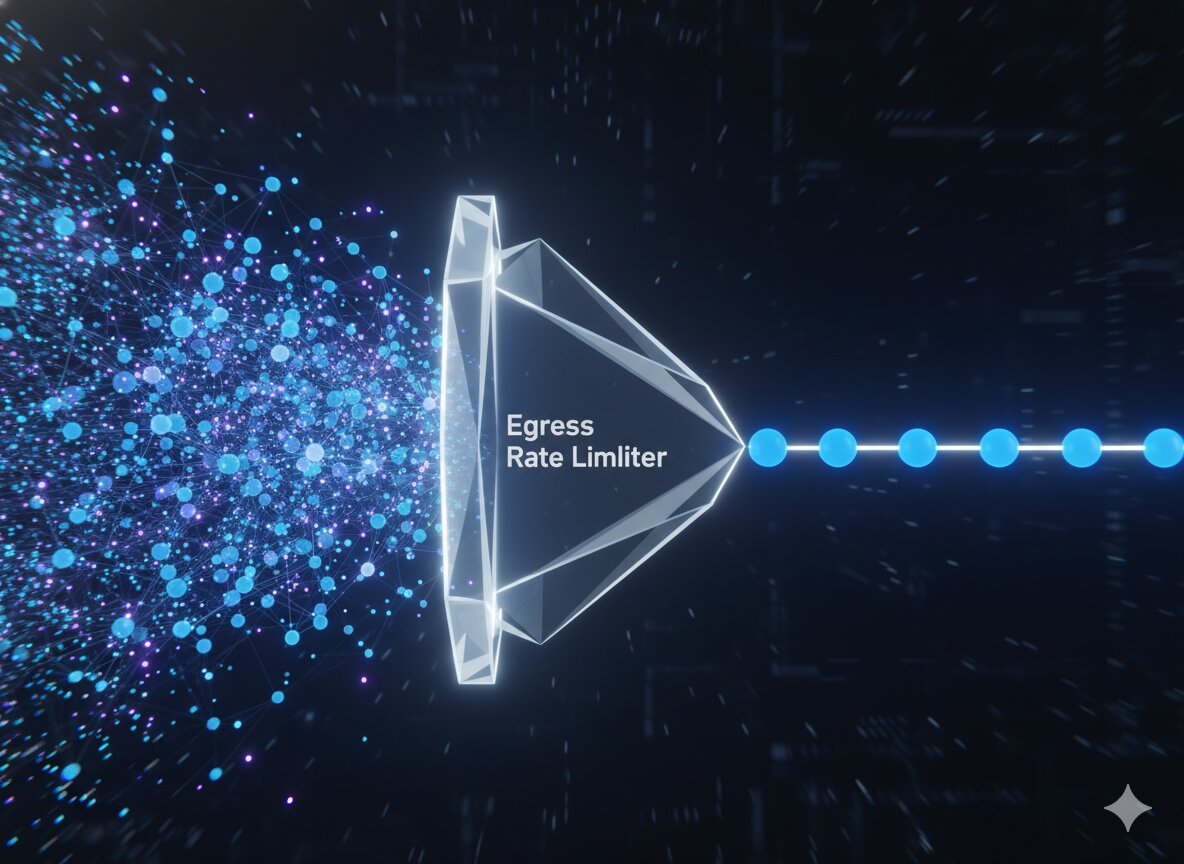
- The Play: "We eliminate manual log reading during a production incident. By deploying localized intelligence parsers to continually screen the egress log pipelines of our active Canary servers, the engine instantly highlights micro-anomalies—like a subtle variance in database connection drops—minutes after the code goes live, long before an end-user hits a visible error wall."
6. I-ntelligent Automated Rollback Orchestration
Remove human panic and decision latency from the incident lifecycle by configuring self-executing software rollback gates.
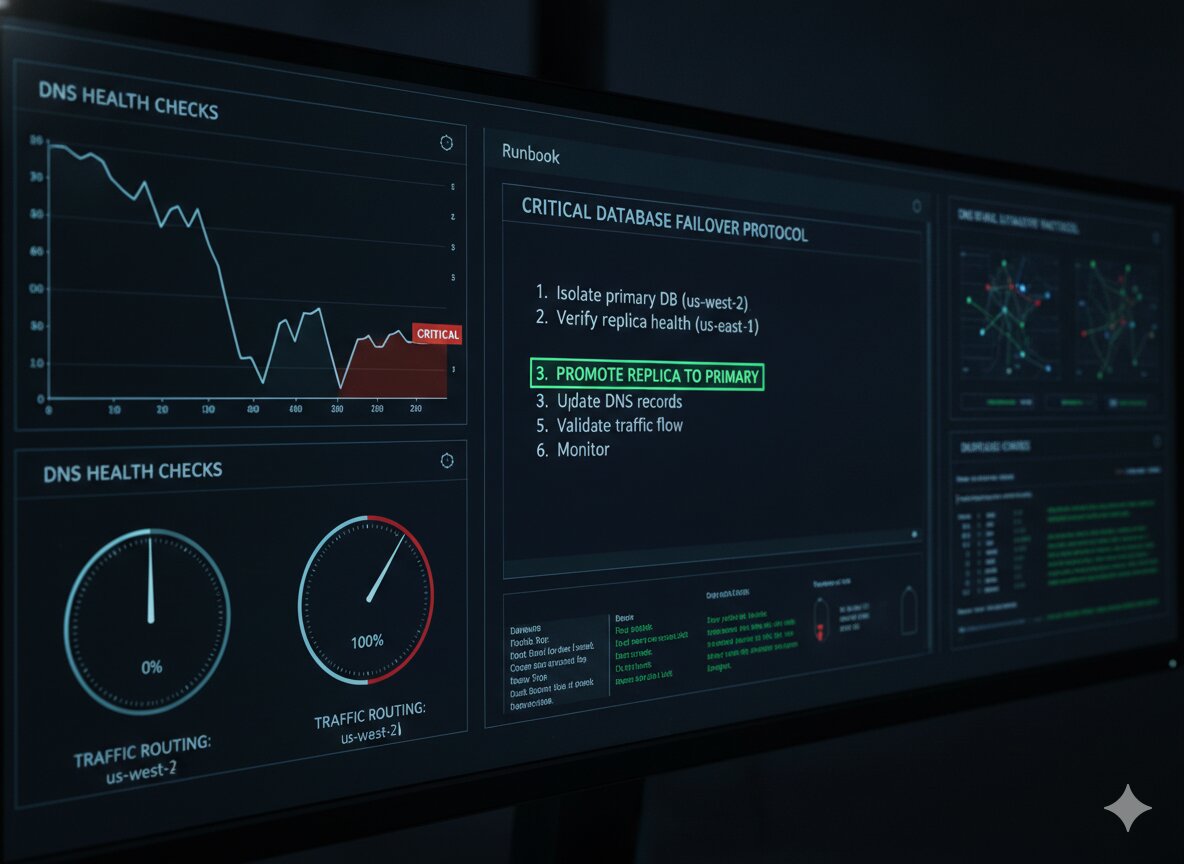
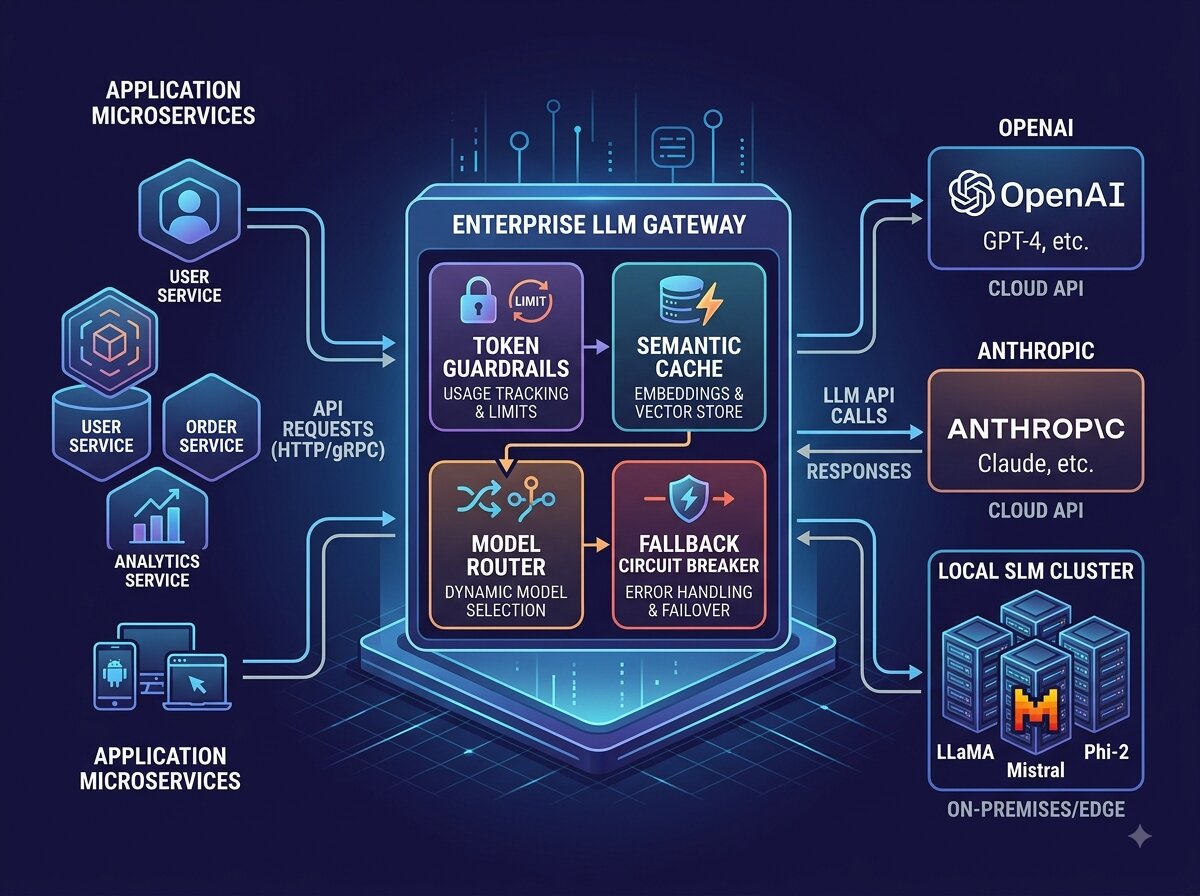
- The Strategy: Connect your AI anomaly classification engine directly to your deployment orchestrator (like ArgoCD or Spinnaker) via webhooks to instantly revert unstable builds.
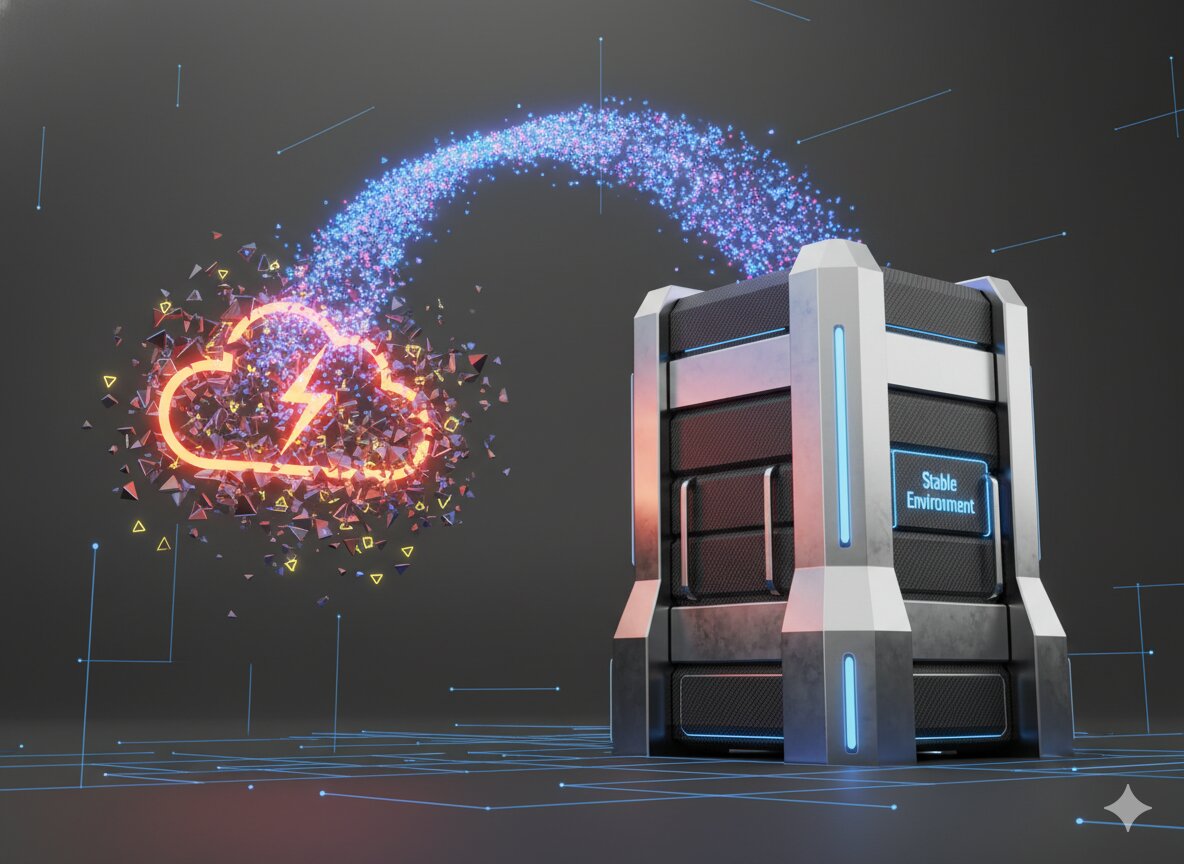
- The Play: "If the AI anomaly log processor confirms that our p99 response times or error rate thresholds violate our predefined Canary error budgets for more than 180 seconds, the engine automatically triggers a webhook. This forces ArgoCD to execute an immediate, zero-downtime rollback to the previous stable container build, containing the radius of damage with zero manual intervention required."
7. E-xecutive Root-Cause Synthesis and Incident Post-Mortem
Compile messy, distributed system logs and incident timeline data into a polished, high-level structural retrospective document with one click.
- The Strategy: Feed raw slack war-room conversations, terminal stack traces, and deployment logs into an LLM to generate clear, blame-free post-mortems for leadership.
- The Prompt Pattern: "Act as a Staff Site Reliability Engineer. Analyze this raw incident timeline log and chat transcript data: [Insert Staging/Prod Logs and War-Room Chat Transcripts]. Synthesize the data into a structured blameless Incident Post-Mortem document in Markdown. Use explicit sections:
# 1. Executive Summary,# 2. Timeline of Triage,# 3. Root-Cause Technical Analysis (RCA), and# 4. Permanent Remediation Actions Table."
8. L-egal, Security, and Compliance Hardening
Audit the final deployment configuration to guarantee it conforms strictly to enterprise security baselines, data handling constraints, and regional governance laws.
- The Strategy: Build automated compliance gatekeepers to prevent unencrypted personal data fields or unauthenticated endpoints from surfacing in production codebases.
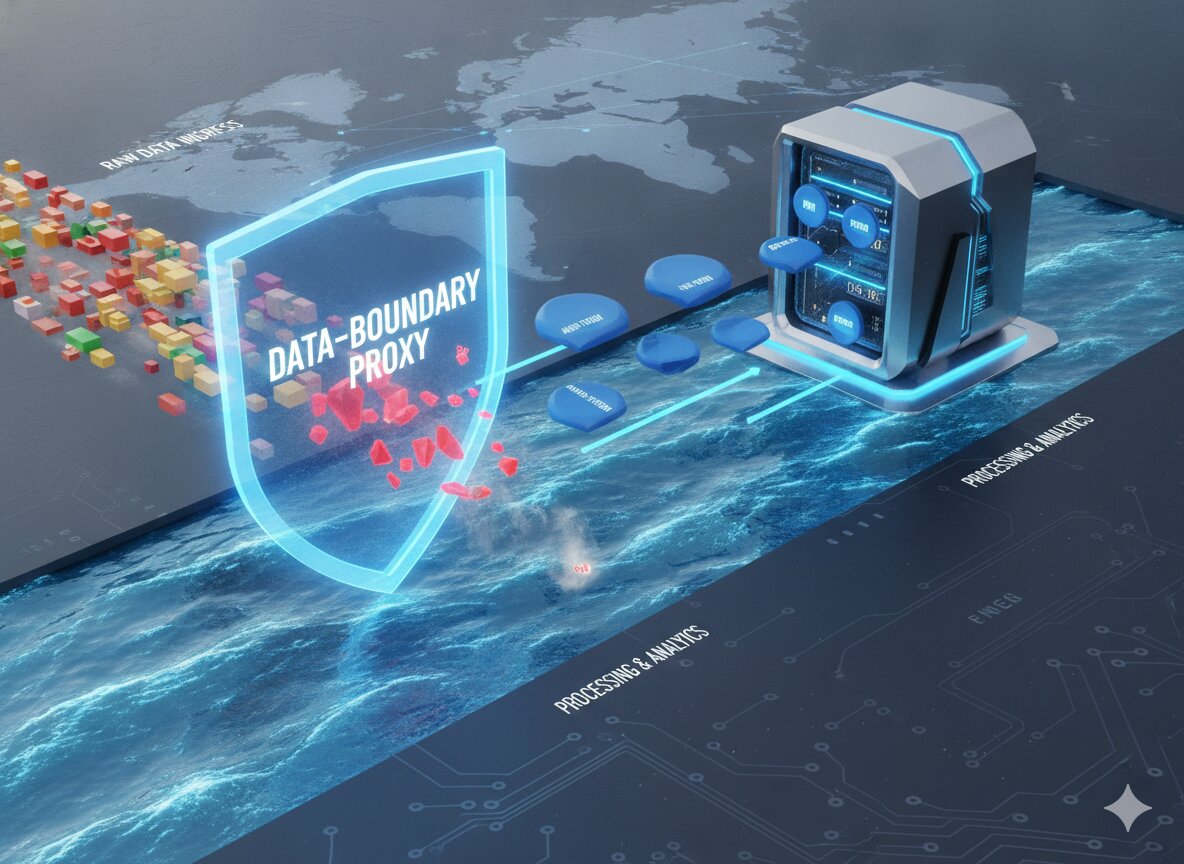
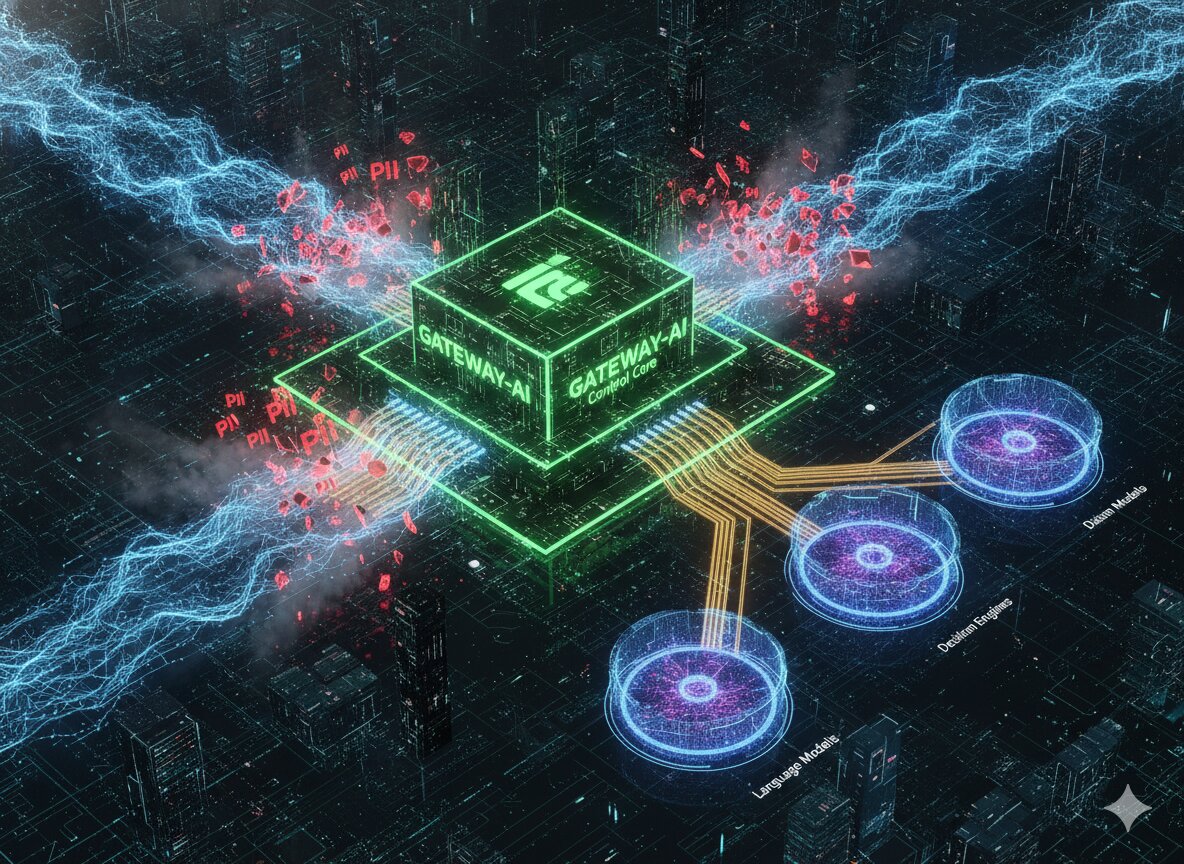
- The Play: "Security is embedded directly into our release loop. Before any container leaves our staging architecture, an automated static application security testing (SAST) prompt evaluates the structural code tree. It ensures all outbound telemetry arrays block the ingestion of Personally Identifiable Information (PII), fully conforming to international GDPR and SOC2 compliance mandates."
9. D-elivery KPI Telemetry Dashboards
Anchor your long-term program quality metrics in live deployment velocity data rather than manual spreadsheet tracking.
- The Strategy: Connect your software repository delivery logs directly to business intelligence analytics to map true platform deployment health trends over time.
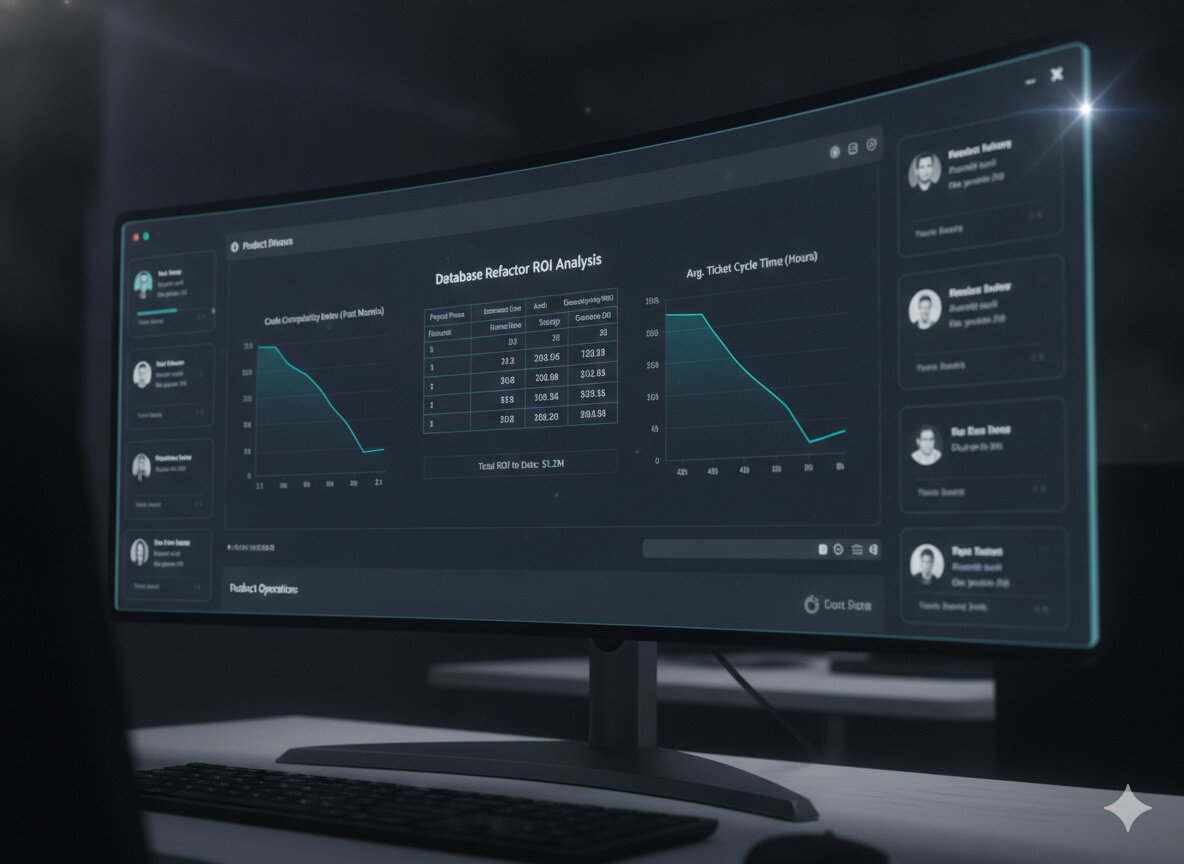
- The Play: "We close the QA engineering loop by mapping our production outcomes directly to a live, automated delivery telemetry dashboard. By tracking long-term metrics like Change Failure Rate (CFR), Mean Time to Resolution (MTTR), and overall test automation efficiency, we gain a clear, data-driven window into our engineering lifecycle health—completely eliminating reporting bias."
The Comparison: Bad vs. Good
- Bad Answer: "When a production release breaks, I would instantly gather every engineer into a call, look through the last code commits manually, and start writing manual test scripts to see if we can locate the bug while keeping the broken build running live in production." (High risk, reactive, causes severe customer impact, lacks programmatic safeguards, and tires out your engineering staff).
- Good Answer: "I mitigate release risk by deploying the BUG-SHIELD framework—utilizing AI to ingest requirement specs and synthesize robust Playwright integration tests, setting up automated 1% Canary deployment gates monitored by AI anomaly log engines, and configuring self-executing webhooks to instantly trigger a rollback if an error budget is violated." (Highly strategic, technologically mature, highly scalable, and focused on platform resilience).
Master High-Velocity Release Management
The modern engineering landscape demands high-leverage release execution. Spending your energy running slow manual testing passes or firefighting avoidable production outages indicates a critical lack of technical systems scale. Showing an interview panel that you possess a disciplined, AI-powered framework to programmatically generate test suites, monitor live server telemetry, and orchestrate self-healing automated rollbacks proves you can scale enterprise platforms with absolute stability.
The Kracd Prep Kits supply you with comprehensive CI/CD automation blueprints, production-ready quality engineering prompts, and technical incident response templates designed specifically for forward-thinking technology managers.
- For PMs: Learn how to co-pilot with Generative AI tools to write hyper-precise PRDs, analyze customer feedback datasets at scale, and map technical requirements seamlessly with the PM Prep Guide.
- For TPMs: Master advanced AI-driven program scoping, prompt engineering for complex system migrations, automated dependency parsing, and high-velocity schedule modeling with the TPM Prep Kit.
FAQs
Q: How can AI test-generation tools write accurate code blocks if they don't have access to our private, internal library functions?A: By providing the model with localized code context stubs inside your initial prompt tracks. You do not need to share your entire proprietary codebase. By pasting small, sanitized code snippets of your base class components, standard API helper functions, or object data models directly into your context window alongside your requirements, the LLM gains the exact architectural guidelines it needs to format and output accurate, plug-and-play testing code tailored to your platform.
Q: Automated self-executing rollbacks can sometimes disrupt partial user sessions or trigger database schema conflicts. How do we safeguard against this?A: By enforcing strict database backward-compatibility rules and backward-compatible data contracts. An automated code rollback at the container level (e.g., reverting from version 2.0 to 1.9) is only safe if your database layout can support both versions simultaneously. Elite TPMs enforce structural development guardrails like the "Expand and Contract" database pattern, ensuring that any live schema migrations are fully decoupled from feature code rollouts so a rollback never corrupts live transactional data.
Q: How do I justify the engineering resource investment required to set up an advanced AI telemetry stack to non-technical business executives?A: Frame the entire conversation in terms of revenue protection, customer churn mitigation, and product velocity. Do not pitch the stack as an engineering luxury. Present the hard numbers: "By automating our testing paths and canary rollbacks, we reduce our Change Failure Rate by 40% and collapse our Mean Time to Resolution from hours to seconds. This directly prevents catastrophic checkout outages, protects our daily conversion revenue, and allows our developers to ship features faster without operational friction."












.jpg)