The Interview Trap: The "Fix-It-Live" Cloud Catastrophe
The interviewer throws you directly into a critical cloud infrastructure emergency: "Your team is migrating a legacy, high-volume monolithic application to a modern cloud-native microservices architecture on AWS. Midway through routing 50% of production traffic to the new cloud infrastructure, a major memory leak causes container crashes across your Kubernetes cluster. Latency is spiking globally, and core payment transactions are dropping. What is your immediate action plan?" Most candidates tank this by trying to debug live cloud infrastructure during an ongoing P0 incident: "I'd scale up our Kubernetes pods, have the engineers check the container logs for the memory leak, and try to patch the microservice code as quickly as possible." Stop. Trying to debug complex distributed memory leaks while live customer transactions are actively failing is an operational disaster. In a FAANG infrastructure or technical execution loop, panels are evaluating your Blast-Radius Containment, Traffic-Routing Mechanics, and Cloud-Governance Discipline.
The Core Framework: The "CLOUD-SAFETY" Method
When a high-scale cloud migration breaks down in production, your immediate directive is system restoration, not code investigation. You must safely divert traffic back to your stable legacy environment before diagnosing the root failure.
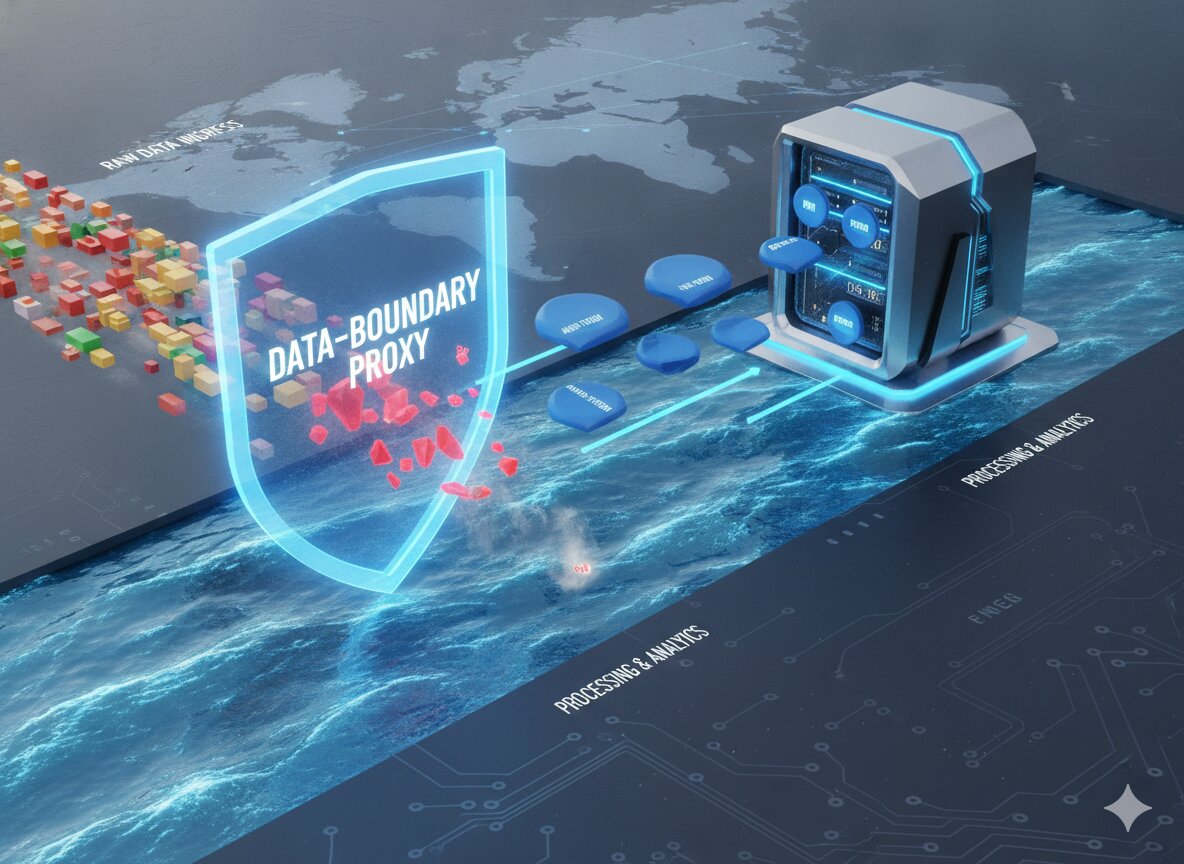
1. C-ontain the Blast Radius (DNS Traffic Shifting)
Instantly pull live user traffic away from the failing cloud infrastructure clusters.
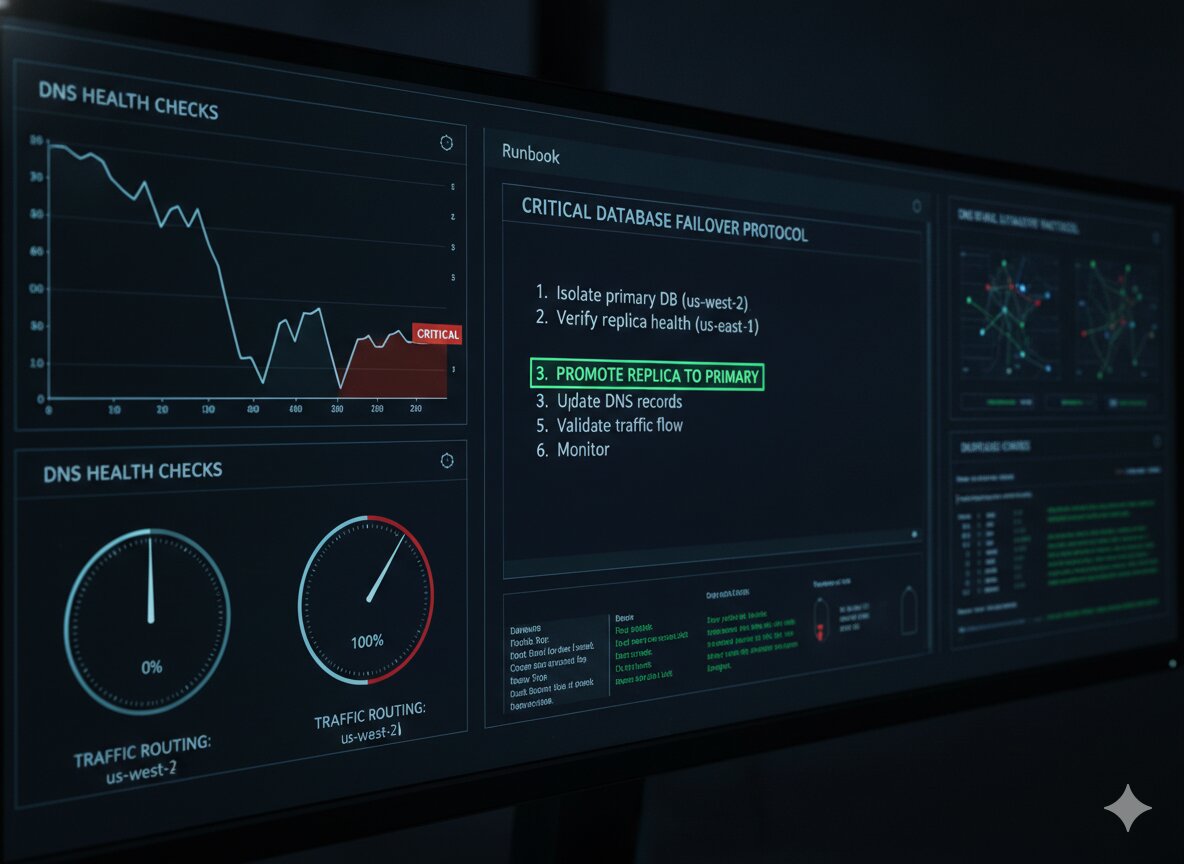
- The Strategy: Use weighted routing policies at the DNS level (e.g., AWS Route 53) to shift traffic away from the broken cloud endpoints.
- The Soundbite: "My absolute first priority is to stop the bleeding. Since we are routing traffic via a weighted DNS policy, I will immediately update our routing weights to shift 100% of incoming user traffic back to our stable, legacy on-premise monolith environment. This completely isolates the broken cloud infrastructure and restores system stability for our users within seconds while the DNS propagates."
2. L-og Infrastructure Telemetry Data
Capture a clean snapshot of the system state before the broken environment is modified or restarted.
- The Strategy: Dump container memory heaps, capture active thread traces, and isolate failing cluster nodes into a sandbox environment for later analysis.
- The Soundbite: "Before we touch or restart any failing cloud components, we must preserve the evidence. I will instruct our platform engineers to take a full memory heap dump of the crashing containers and isolate a few broken pods behind a private security group. This ensures we capture the exact state of the memory leak for analysis without letting it continue to impact live users."
3. O-rchestrate a Clean State Rollback
Revert the backend database engines and stateful data stores to a known, healthy baseline.
- The Strategy: Ensure that data generated during the partial migration hasn't corrupted your primary transactional ledger or left schemas out of sync.
- The Soundbite: "While traffic is redirecting, we must protect our data layer. I will have our data infrastructure engineers audit the primary transactional database. We need to verify that the failing microservices didn't write partial payloads or leave data state out of sync between our legacy data store and the new cloud data caches. We lock down the ledger before running any cleanup routines."
4. U-ncover the Technical Root Cause (Offline Sandbox)
Move your engineering investigation completely out of production and into a controlled testing environment.
- The Strategy: Spin up an exact replica of the failed cloud environment in a non-production sandbox to safely reproduce and profile the memory leak.
- The Soundbite: "With production traffic safely restored to the legacy environment, we move our debugging entirely offline. We will spin up an identical staging environment using our Terraform Infrastructure as Code (IaC) templates. We'll load the preserved container memory dumps and apply synthetic load testing to reproduce and pinpoint the exact source of the microservice memory leak safely."
5. D-evelop Automated Circuit Breakers
Build permanent, automated safety gates into your cloud infrastructure to handle future migration spikes.
- The Strategy: Configure automated canary analysis tools to instantly roll back traffic if error rates or latency thresholds are crossed.
- The Soundbite: "To ensure this never happens manually again, we will introduce automated cloud circuit breakers. For our next migration attempt, we'll deploy tools like Spinnaker or AWS App Mesh configured with automated canary analysis rules. If container memory utilization climbs beyond 80% or HTTP 500 error rates exceed 1%, the system will automatically trigger a reverse traffic shift without requiring manual human intervention."
The Comparison: Bad vs. Good
- Bad Answer: "I would SSH into the failing Kubernetes cluster nodes, run a live log trace, try to increase the pod memory limits on the fly to stop the crashes, and have the development team push a hotfix patch to production within the hour." (High risk, uncoordinated, increases system downtime and risks data corruption).
- Good Answer: "I will prioritize immediate system restoration by executing an instant DNS traffic shift back to the stable legacy monolith, capturing container memory dumps for offline sandbox profiling, and ensuring data ledger consistency before modifying the broken cloud components." (Architecturally mature, risk-managed, highly disciplined cloud leadership).
Master High-Scale Infrastructure Rounds
Leading large-scale cloud transformations requires deep technical discipline and a strict risk-mitigation mindset. Demonstrating to an interview panel that you know exactly how to manage traffic weights, preserve telemetry logs, and isolate production failures separates junior project coordinates from Staff-level Infrastructure and Platform leaders. The CLOUD-SAFETY framework gives you an elite operational playbook to guide complex distributed systems through volatile deployment failures cleanly.
The Kracd Prep Kits provide comprehensive infrastructure migration playbooks, DNS routing blueprints, and cloud reliability engineering cheat sheets.
- For PMs: Learn how to balance complex technical debt with platform stability goals and protect customer experience during core platform migrations with the PM Prep Guide.
- For TPMs: Master advanced Kubernetes orchestration patterns, Infrastructure as Code (IaC) guardrails, and automated multi-region failover design with the TPM Prep Kit.
FAQs
Q: What if the DNS change takes hours to propagate to users due to high TTL settings?A: This is why you reduce your TTL settings before beginning a migration. A senior platform leader will always execute a pre-migration checklist that involves lowering the DNS Time-To-Live (TTL) down to 60 seconds or less days before the rollout. If you inherit an unoptimized system with high TTLs, you must execute your traffic shift at the upstream load balancer layer (e.g., using an Anycast IP or a centralized proxy router) rather than waiting on global DNS propagation.
Q: How do you manage data written to the new cloud database during the brief migration window?A: You must establish a bi-directional data replication sync. Before shifting any user traffic, a live data synchronization pipeline (such as Change Data Capture) must be running between the legacy database and the cloud database. When you roll back traffic to the legacy system, the sync must remain active or reverse to stream any cloud transactions back to the legacy source, completely preventing data loss.
Q: Should we completely stop the cloud migration initiative after a major failure like this?A: Absolutely not. You pause, optimize, and iterate. A cloud migration failure is an indication of a tooling or testing gap, not a flawed business strategy. After a blameless post-mortem, you update your automated testing suite to capture the failure mode, build more granular canary slicing phases, and resume the migration path with superior infrastructure guardrails in place.



















.jpg)