The Interview Trap:
The "Developer" Bias
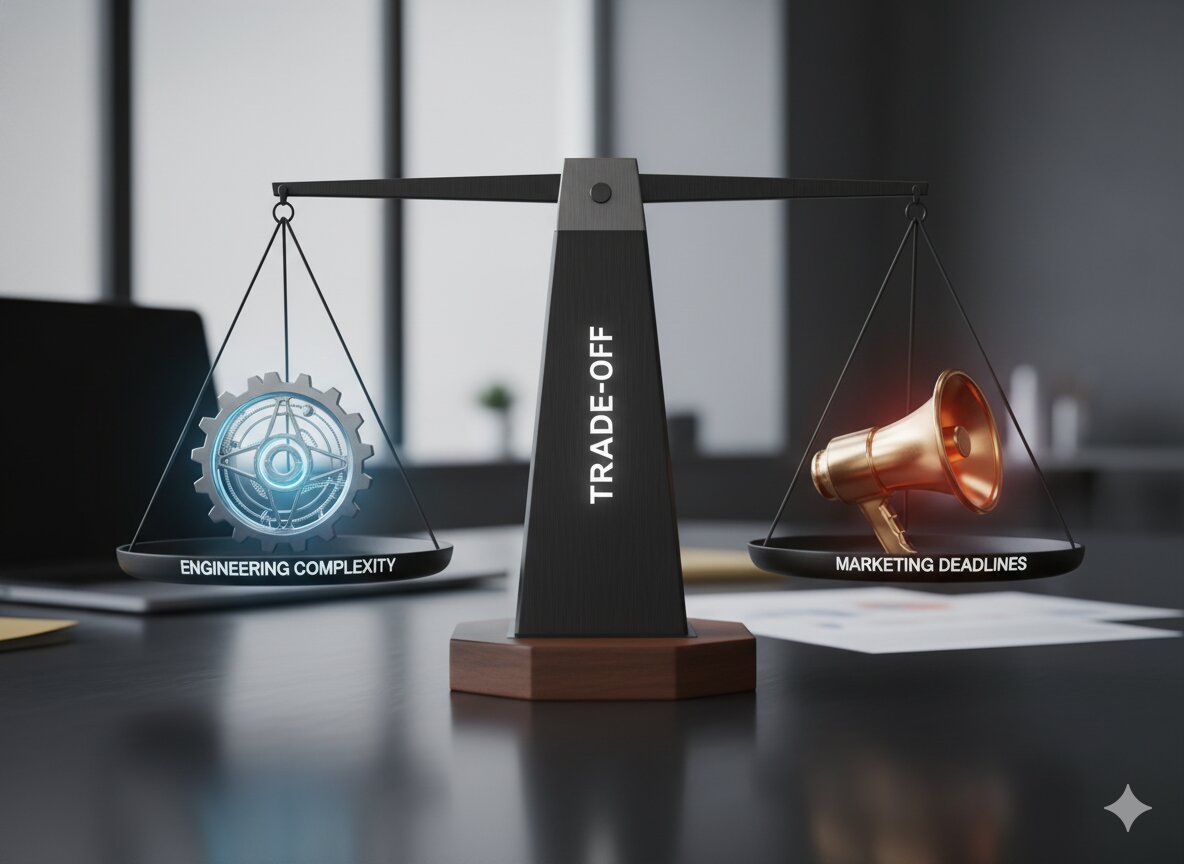
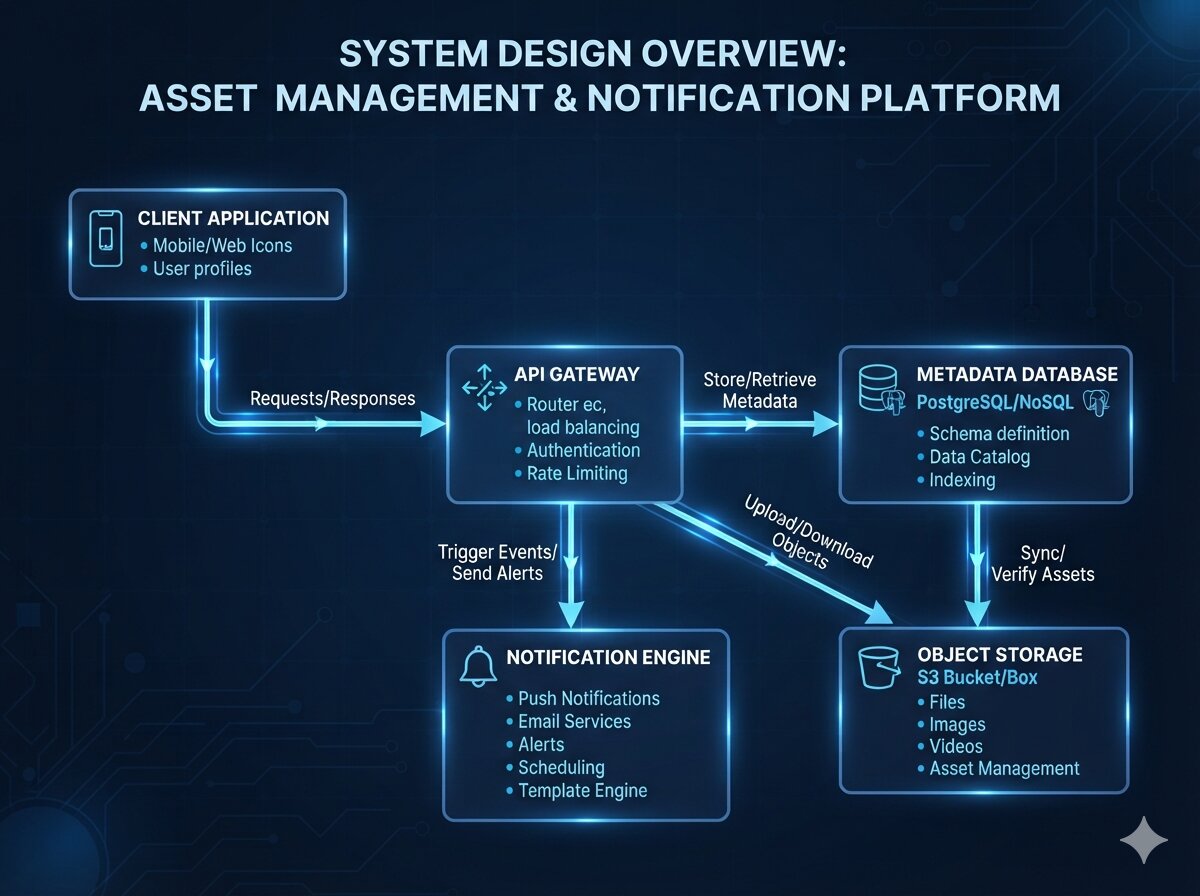
The interviewer asks: "We need a robust notification system. Should we build it from scratch or pay for a third-party API like Twilio/Pusher?" Most candidates default to: "We should build it so we have full control," or "We should buy it to save time." Stop. These are surface-level answers. In a FAANG-style interview, the "correct" answer isn't about the choice itself; it’s about the economic and strategic justification. If you can’t talk about "Opportunity Cost," "Total Cost of Ownership (TCO)," or "Core Competency," you’re failing the senior leadership bar.
The Core Framework: The "MOAT-LEVER" Method
To decide between building and buying, you must determine if the technology is a Competitive Moat or a Generic Lever.
1. M-oat Analysis (Is this a Core Competency?)
Does this feature provide a unique, defensible advantage that makes our product better than the competition?
- The Strategy: If the feature is part of your "Secret Sauce," Build it.
- The Soundbite: "I’d first evaluate if this feature is a 'Core Competency.' If we are a FinTech company, our 'Ledger System' is our moat—we must build it to ensure security and customizability. But a 'Chat Widget' isn't our moat. Building a chat tool from scratch doesn't make our product more competitive; it just distracts us."
2. O-pportunity Cost (The "Hidden" Price)
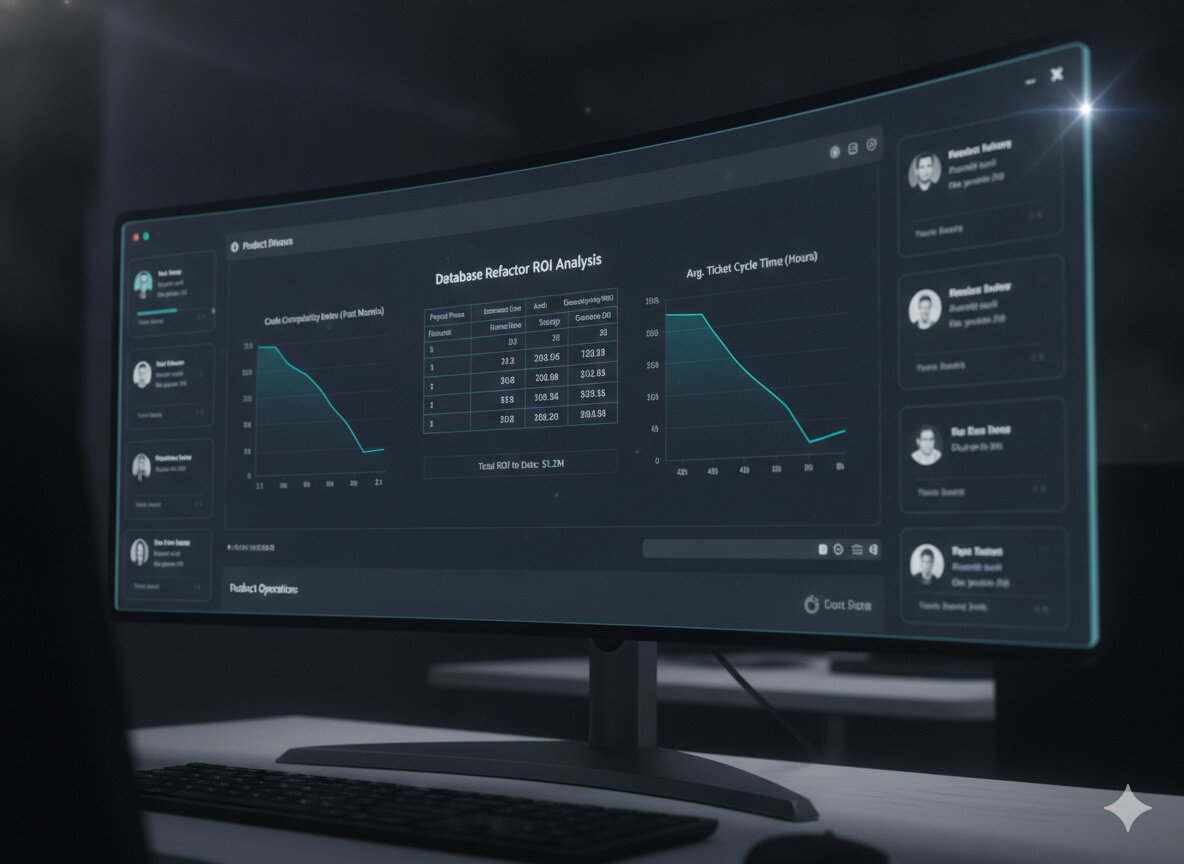
What won't we build if we spend 3 months building this?
- The Strategy: Calculate the Engineering Headcount redirected from the main roadmap.
- The Soundbite: "I look at the 'Opportunity Cost.' If my top engineers spend a quarter building an internal analytics tool, that’s a quarter they aren't working on our AI-recommendation engine. I’d rather 'Buy' the analytics tool and 'Leverage' my talent on the high-ROI features that only they can build."
3. A-ssess the "Total Cost of Ownership" (TCO)
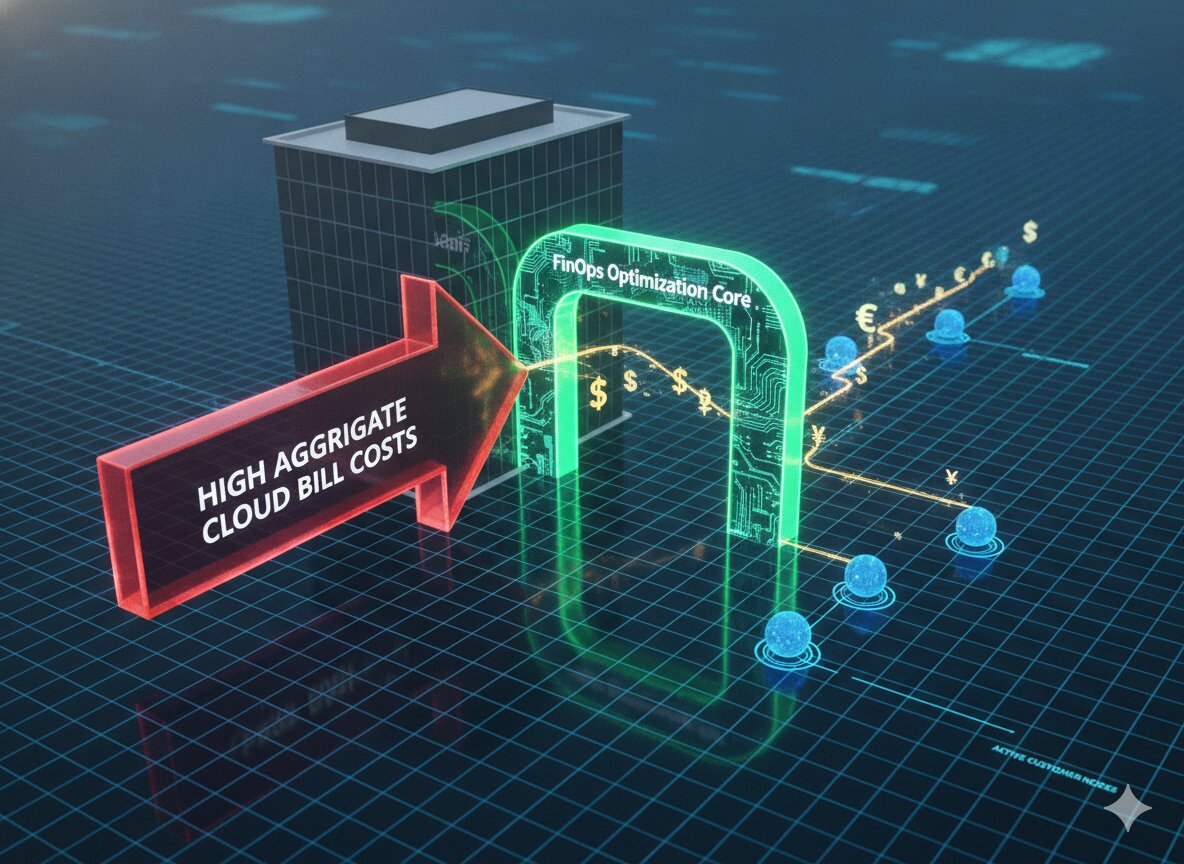
It’s not just the build cost; it’s the Maintenance Tax.
- The Strategy: Factor in Updates, Security Patches, and Documentation.
- The Soundbite: "I don't just look at the initial 'Build' time. I look at the 'Maintenance Tax.' If we build this in-house, we own the bugs, the security patches, and the documentation forever. A third-party vendor amortizes those costs across thousands of customers, making the 'Buy' option significantly cheaper over a 3-year horizon."
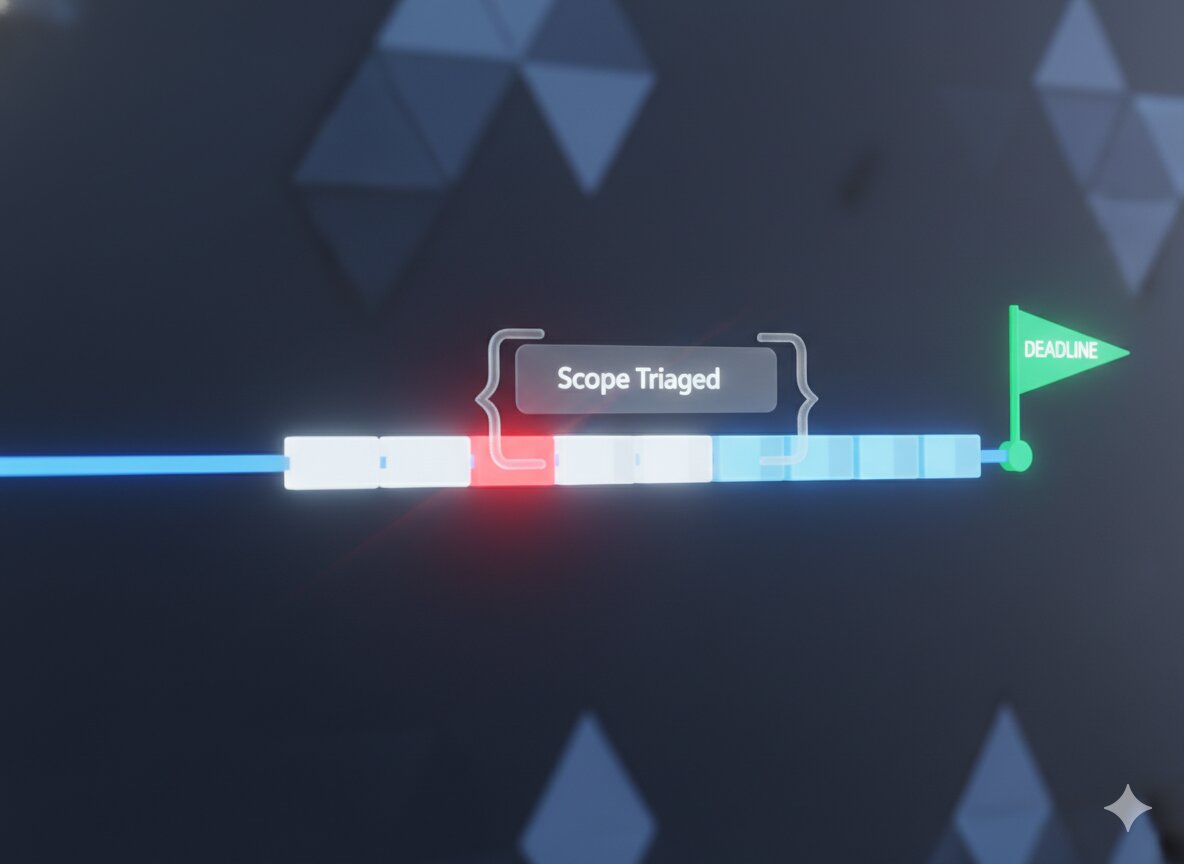
4. T-imeline & LEVER-age (The Speed Test)
Do we need this yesterday?
- The Strategy: Use "Buy" as a Lever to hit market windows.
- The Soundbite: "If we have a hard deadline for a partner launch, I’ll 'Buy' to get to market in weeks rather than months. We can always 'Abstract' the third-party service behind an internal API, giving us the 'Leverage' to replace it with an in-house version later if the economics change."
The "Build" Scenario (Moat)The "Buy" Scenario (Lever)Proprietary algorithms/Secret sauce.Commodities (Email, SMS, Authentication).High need for extreme customization.Standardized industry problems.Strategic control of user data is critical.Speed to market is the primary driver.
Think Like a CTO
The "Build vs. Buy" decision is where Product Management meets Corporate Strategy. As a PM or TPM, you are the steward of the company’s most expensive resource: Engineering Time. The Kracd Prep Kits provide the exact "Build-Buy Rubrics" and "Vendor Evaluation Frameworks" used by Product Directors at Stripe and AWS to make billion-dollar architecture calls.
- For PMs: Master strategic resource allocation with the PM Prep Guide.
- For TPMs: Lead the architectural "Build-Buy" committee with the TPM Prep Kit.
FAQs
Q: What is "Vendor Lock-in"?
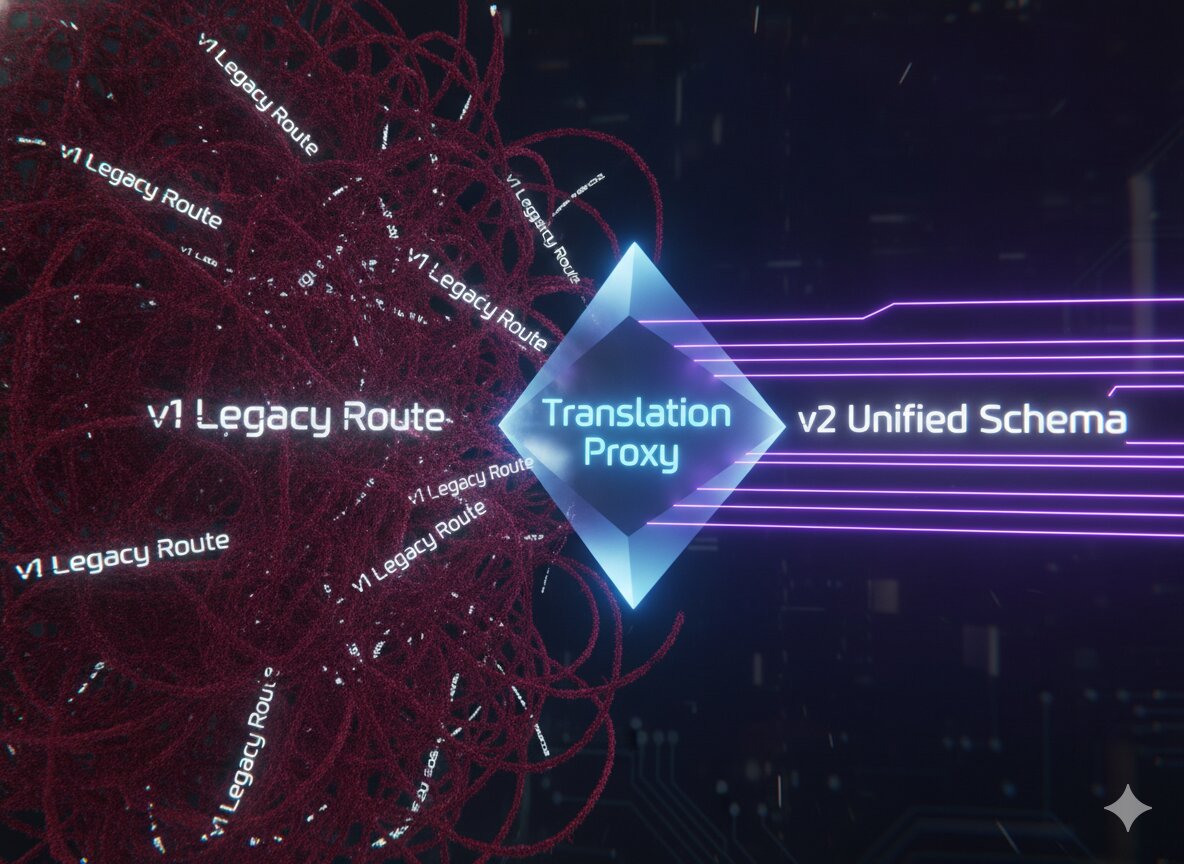
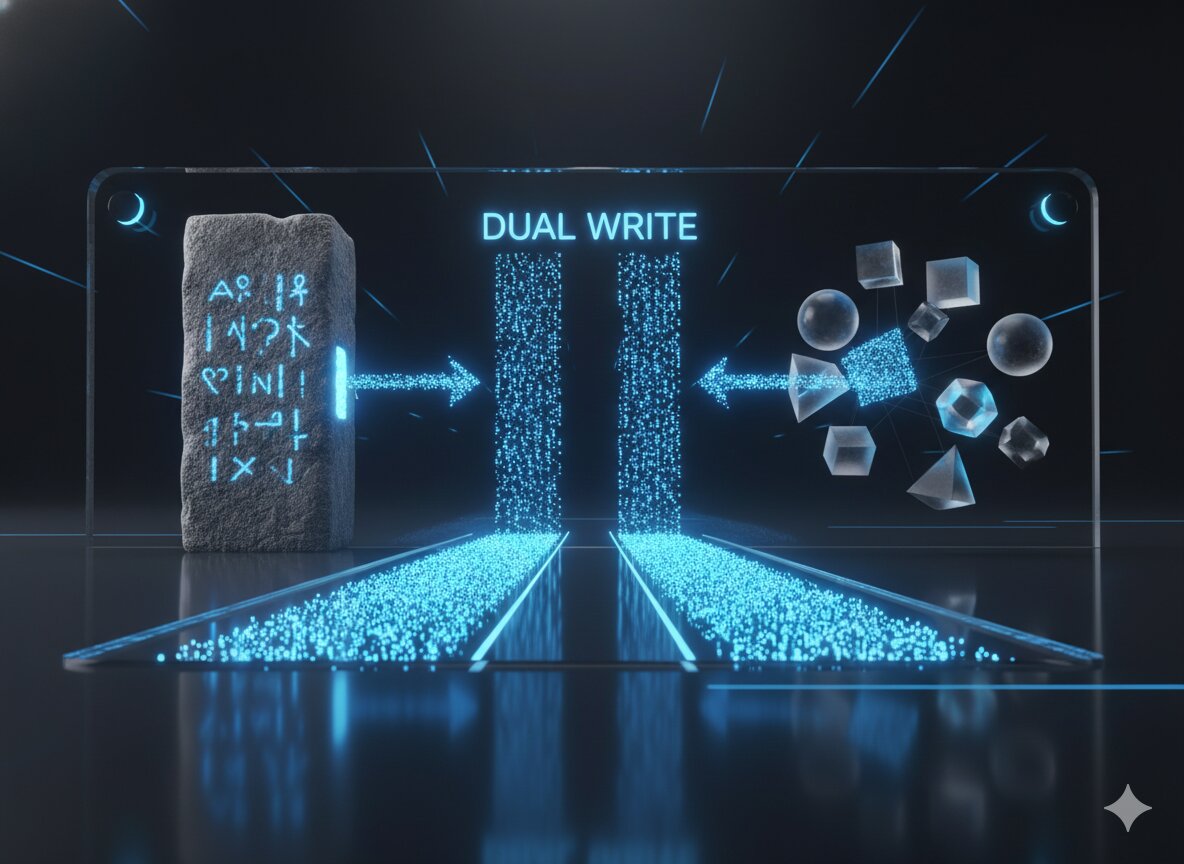
A: It’s the risk that switching away from a third-party tool will be too expensive later. I mitigate this by using a "Wrapper/Adapter Pattern." We build a thin internal layer that talks to the vendor, so if we need to switch vendors (or build our own), we only change the code in one place.
Q: When should we "Buy" first and "Build" later?
A: When we are testing Product-Market Fit. Don't spend $500k building a custom engine for a feature you aren't sure users even want. Buy a "Good Enough" version to validate the demand, then "Build" for scale and margin once it’s proven.
Q: How do you handle "Security" in a "Buy" decision?
A: You perform a SOC2/Security Audit. If the vendor handles PII (Personally Identifiable Information), the "Build" argument becomes stronger unless the vendor has higher security certifications than we do.


















.jpg)