The Interview Trap: The "Lost-in-Translation" Alignment Abyss
The interviewer hands you a classic, high-friction organizational deadlock: "You are leading the launch of a new machine-learning-driven analytics dashboard. The Data Science team wants to spend the quarter optimizing model accuracy, the Frontend Engineering team is blocked waiting for API contracts, Legal is halting the project over data privacy concerns, and the Business Stakeholders are demanding a firm release date. Momentum has stalled entirely. How do you unblock this program?" Most candidates tank this round by falling back on exhausting, legacy meeting loops: "I'd set up a recurring alignment sync with all four groups, manually take notes, and spend my week translating requirements back and forth between technical and non-technical stakeholders until we reach a compromise." Stop. Spending your cognitive energy acting as a human translation layer across four disconnected organizational silos is inefficient. In senior product strategy and program execution loops, panel judges are evaluating your Cross-Functional Systemic Architecture, Multi-Stakeholder Influence, and Targeted AI Leverage to Collapse Alignment Cycles.
The Core Framework: The "SYNCHRONIZE" Method
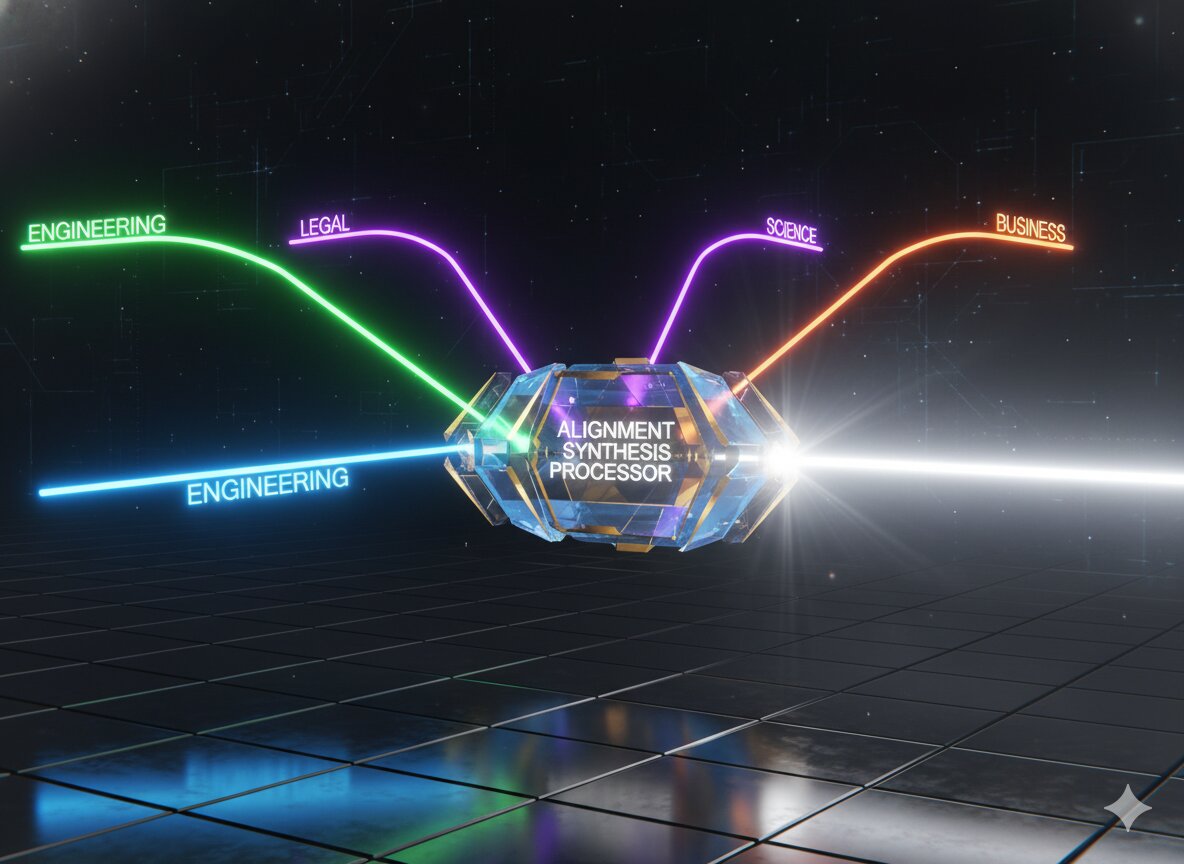
Elite PMs and TPMs don't sit in the middle of a room trying to repeat technical concepts to non-technical partners. They utilize Large Language Models to automatically ingest multi-domain constraints and synthesize tailored, context-specific alignment artifacts for each distinct stakeholder group.
1. S-ilo Documentation Gathering
Collect and aggregate the raw, unedited, domain-specific text from each conflicting department into a single context repository.
- The Strategy: Ingest complex engineering architecture specs, raw legal compliance texts, data science model parameter drafts, and business roadmaps directly into your secure AI environment.
- The Prompt Pattern: "Analyze the following four separate, unorganized stakeholder inputs: [Insert Data Science Model Doc], [Insert Frontend API Wishlist], [Insert Legal Privacy Policy Draft], and [Insert Business Roadmap Goals]. Identify the core structural contradictions between engineering timelines, legal restrictions, and business goals."
2. Y-ield Multi-Perspective Stakeholder Personas
Instruct the model to analyze the aggregated context from the perspective of each specific organizational leader to map out hidden motivations.
- The Strategy: Have the AI run a simulated stakeholder analysis to surface the implicit KPIs, risk tolerances, and baseline requirements of each group.
- The Prompt Pattern: "Act as a corporate cross-functional alignment coach. Based on the ingested documents, profile the 4 distinct stakeholder groups. For each group, define their primary operational KPI, their unstated operational fears, and their non-negotiable technical boundaries regarding this launch."
3. N-etwork Dependency Conflict Mapping
Generate a clear, objective cross-team dependency and friction matrix to pinpoint the exact technical and operational intersections causing the stall.
- The Strategy: Use programmatic prompts to map feature goals directly against cross-functional roadblocks, replacing vague personal complaints with concrete system constraints.
- The Prompt Pattern: "Generate a structured Markdown table mapping the intersecting conflicts between these teams. The column structure must be:
| Conflict ID | Source Team | Impacted Team | Core Technical Blocker | Proposed Compromise Variable |."
4. C-ontext-Tailored Communication Generation
Translate the central technical problem into distinct, highly persuasive status briefs optimized for each specific stakeholder group's vocabulary.
- The Strategy: Ban generic status emails. Use the LLM to generate highly targeted updates that frame the technical reality entirely within each team's unique domain language.
- The Prompt Pattern: "Draft 3 distinct project status updates explaining the API contract and data privacy delay. Version A: For Legal (focus strictly on regulatory compliance and data minimization). Version B: For Business Stakeholders (focus on launch risk mitigation and market impact). Version C: For Frontend Engineers (focus on technical API scaffolding and mock endpoints)."
5. H-ybrid Compromise Option Modeling
Leverage the AI to simulate and propose 3 creative, structurally sound architectural compromises that satisfy legal limits while maintaining engineering velocity.
- The Strategy: Prompt the model to act as a Principal Enterprise Architect to propose middle-ground technical patterns, such as synthetic data generation or progressive feature rollouts.
- The Prompt Pattern: "Act as a Principal Enterprise Architect. Propose 3 distinct technical compromise options for this feature launch. Each option must balance the legal data restrictions with engineering velocity. Include an estimation of the engineering trade-off and time-to-market impact for each option."
6. R-oot-Cause Risk Assessment Tracing
Run an adversarial prompt pass to identify down-market risks and secondary dependency slips that could result from choosing any of the compromise options.
- The Strategy: Force the model to act as a risk auditor to expose hidden flaws in your compromise models before presenting them to leadership.
- The Prompt Pattern: "Act as a risk management auditor. Review the 3 compromise options generated above. Identify 2 potential long-term architectural flaws, maintenance liabilities, or compliance edge cases for each option that could impact the platform next year."
7. O-bjective-Driven Alignment Deck Sequencing
Convert the synthesized compromises and targeted briefs into a highly structured, scannable presentation outline designed to drive immediate decision-making.
- The Strategy: Dictate a rigid framework for an alignment meeting agenda that eliminates conversational drift and forces cross-functional sign-off.
- The Prompt Pattern: "Convert the optimized compromise options into a 5-slide alignment meeting agenda outline in Markdown. Use clear headings:
# Slide 1: Shared Program North Star,# Slide 2: The Core Friction Points,# Slide 3: Evaluated Architectural Options,# Slide 4: Data-Backed Trade-off Matrix, and# Slide 5: Required Executive Decisions."
8. N-ative Security and Access Control Hardening
Verify that the synthesized alignment materials do not inadvertently expose internal system credentials, customer data, or secure corporate configurations.
- The Strategy: Build operational filters to keep sensitive engineering context safely locked within enterprise privacy boundaries.
- The Play: "Enforce enterprise compliance policies. When using generative tools to translate technical context for business or legal partners, ensure that internal repository URLs, exact database connection schemas, and proprietary model weight details are completely abstracted into high-level system functions."
9. I-mpact Telemetry Mapping
Link stakeholder milestone agreements directly to automated business value dashboards to verify that project compromises match real production metrics.
- The Strategy: Connect project deliverables directly to automated business intelligence visualizations tracking system performance, legal compliance scores, and engineering velocity.
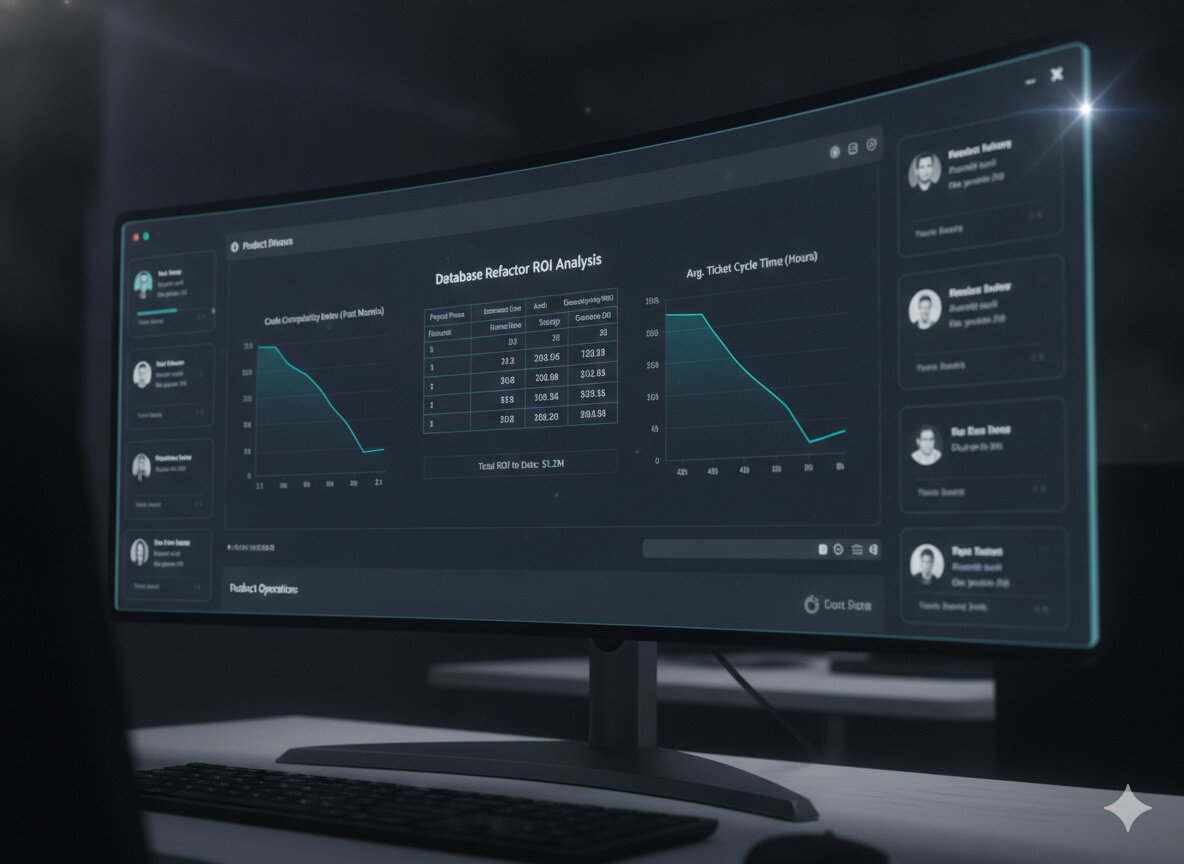
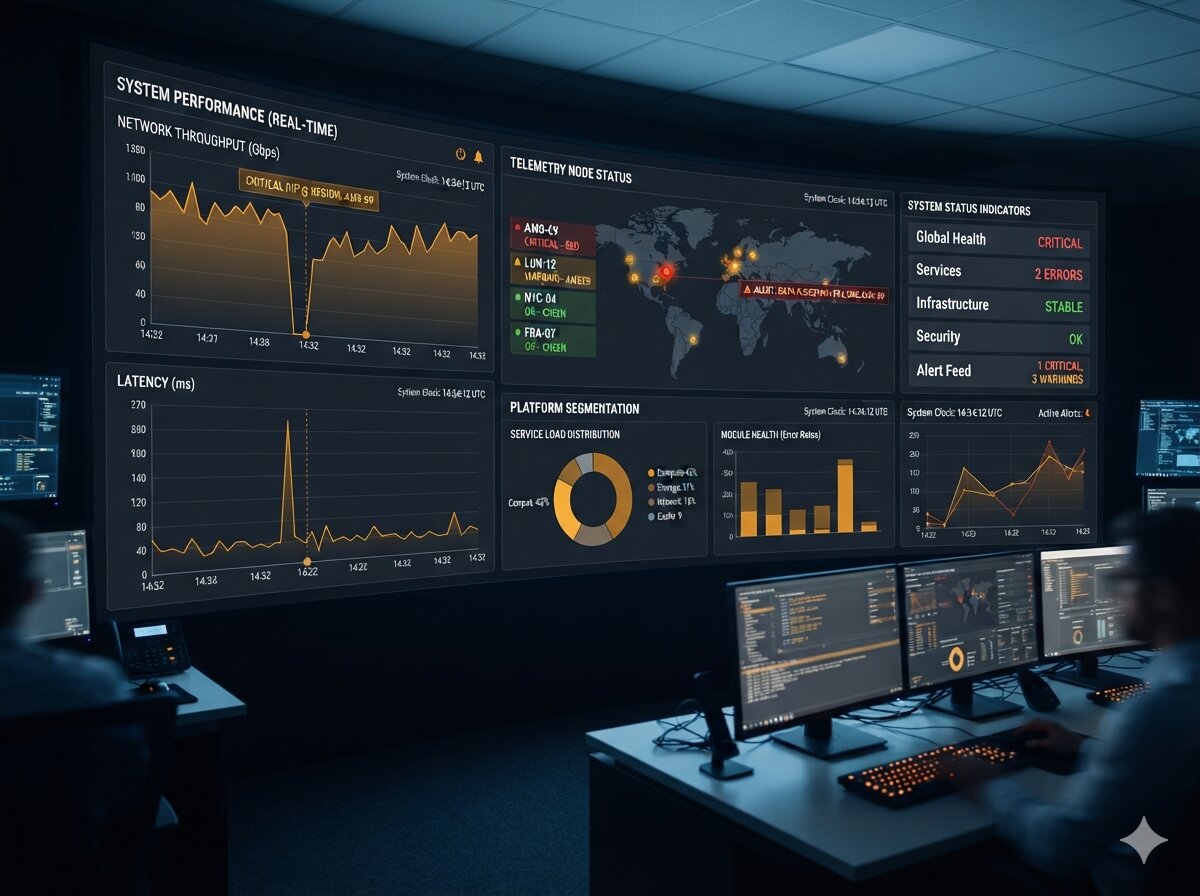
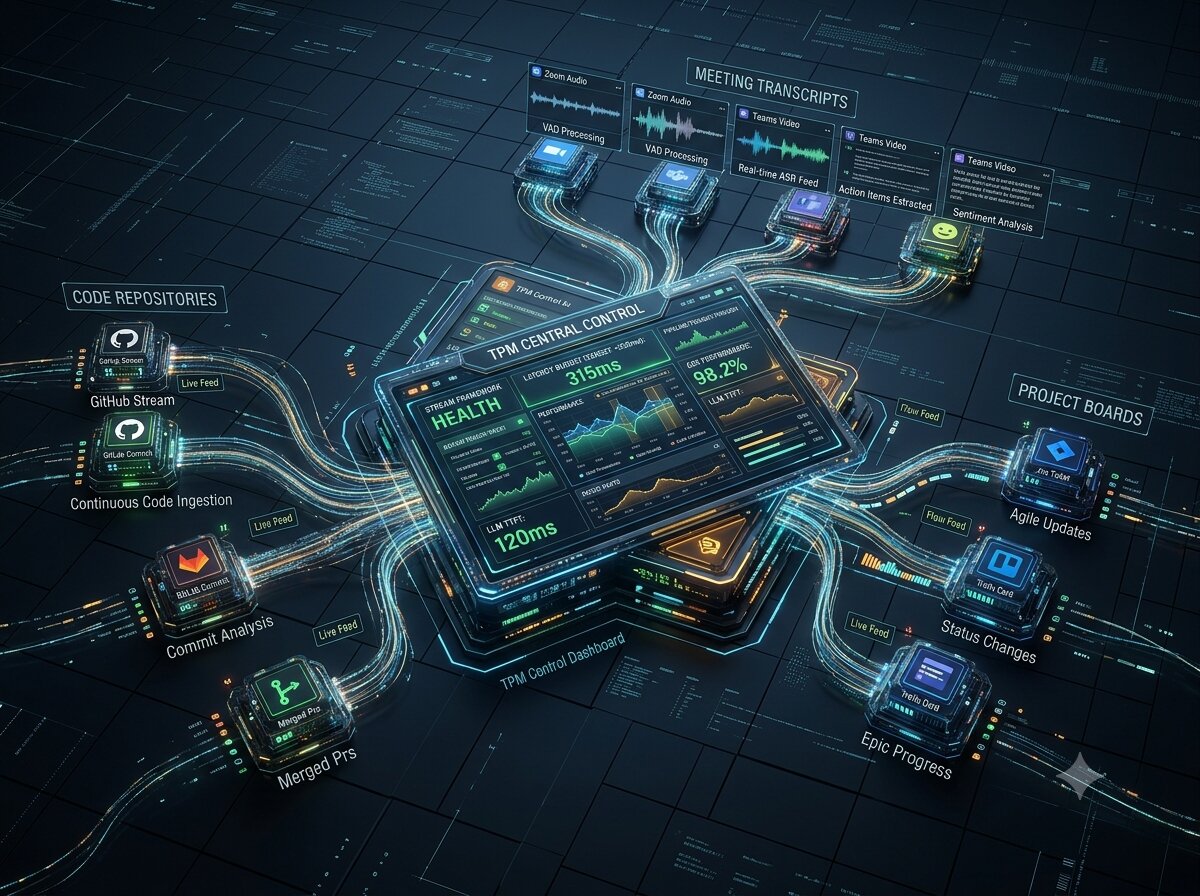
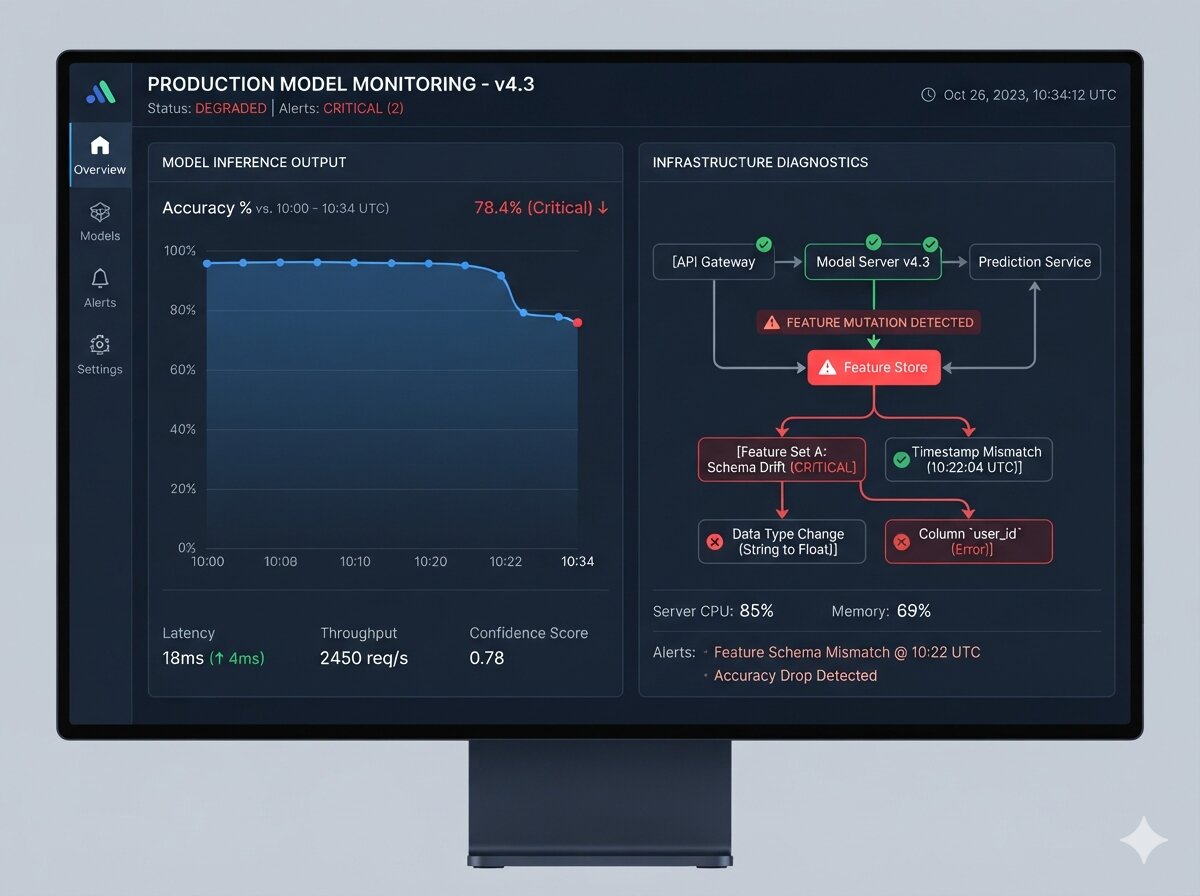
- The Play: "We secure long-term alignment by anchoring project updates in automated telemetry. Once the stakeholders select a compromise path, we configure our analytics dashboard to track live metrics—such as API latency, data anonymization success rates, and customer conversion numbers—ensuring all teams can see the real-time health of the program in a unified view."
10. Z-ero-Lag Action Item Distribution
Instantly extract, assign, and distribute the explicit cross-functional action items decided during the alignment session straight into team communication channels.
- The Strategy: Use generative summarizing processors to parse the raw conclusion text of your alignment sessions, mapping deliverables straight to ownership roles.
- The Prompt Pattern: "Based on our finalized slide decisions, write a concise, action-oriented follow-up message optimized for our cross-functional Slack channel. List the exact technical deliverable, the assigned team owner, and the firm milestone delivery date using a clean bullet-point format."
11. E-fficiency Retrospective Evaluation
Run a continuous optimization audit on your alignment loops to permanently streamline how your cross-functional product organizations interface.
- The Strategy: Feed historical friction data and meeting cycles back into an intelligence pipeline to design superior, automated inter-departmental communication templates.
- The Play: "At the end of the launch cycle, we pass our program friction logs through an analysis prompt. The AI identifies repeated operational bottlenecks—such as Legal being brought into the loop too late or API schemas being defined in isolation—allowing us to establish permanent, automated cross-functional intake workflows for next quarter."
The Comparison: Bad vs. Good
- Bad Answer: "I would schedule a massive 3-hour sync meeting with everyone, let them debate their conflicting requirements live on the call, write down all the notes myself, and spend my week trying to write different status emails to keep everyone happy." (Administrative, highly exhausting, scales poorly, and fails to offer structured technical solutions).
- Good Answer: "I will resolve cross-functional gridlock by deploying the SYNCHRONIZE framework—using Generative AI to ingest conflicting stakeholder parameters, mapping out clear dependency friction matrices, and programmatically generating domain-tailored communication briefs and data-backed architectural compromise options to drive immediate executive alignment." (Highly strategic, architecturally mature, highly efficient, and outcomes-oriented).
Lead Complex Modern Tech Organizations
The ability to orchestrate alignment across diverse corporate domains is what separates technical project trackers from elite Product and Program Directors. As product architectures become more deeply intertwined with complex data models, machine learning systems, and global legal boundaries, you cannot rely on brute-force meeting loops to keep teams moving. Demonstrating to an interview panel that you possess a highly structured, AI-powered framework to synthesize multi-domain inputs and systematically drive alignment marks you as a modern, high-leverage technology leader.
The Kracd Prep Kits provide comprehensive organizational playbooks, cross-functional prompt engineering repositories, and high-scale technical governance frameworks designed specifically for forward-thinking product leaders.
- For PMs: Learn how to co-pilot with Generative AI tools to write hyper-precise PRDs, analyze customer feedback datasets at scale, and map technical requirements seamlessly with the PM Prep Guide.
- For TPMs: Master advanced AI-driven program scoping, prompt engineering for complex system migrations, automated dependency parsing, and high-velocity schedule modeling with the TPM Prep Kit.
FAQs
Q: How do you prevent an AI model from oversimplifying highly sensitive legal compliance or data security boundaries during stakeholder translation?A: By utilizing the AI to generate options, but relying on the human expert for absolute verification. The LLM is an excellent acceleration tool for drafting and structuring options, but it cannot act as a corporate legal authority. When the AI proposes a compromise framework that alters how user data is handled, you must treat that output as a highly sophisticated proposal draft. You then present that specific, structured option directly to your Legal Compliance Lead for formal validation and sign-off, ensuring no compliance rules are bypassed.
Q: Business stakeholders often reject highly technical compromise models because they don't understand the backend implications. How does AI help solve this?A: By leveraging the AI to build dynamic, data-backed business impact projections. When a model maps an engineering trade-off, you don't just prompt it to list the technical parameters (e.g., "This requires a new Kafka event stream architecture"). You explicitly instruct the model to translate that change into core business metrics: "Explain how this backend compromise impacts system uptime, total engineering story point allocation, and the final product launch timeline." This frames the engineering reality in a format that business leaders can immediately evaluate.
Q: Can we use these alignment prompts to automate status reporting across highly confidential, multi-tiered security programs?A: Yes, provided you enforce absolute data sanitation rules. If you are working on a highly classified, sensitive infrastructure initiative, you must never paste raw proprietary data strings or protected system parameters into a public LLM architecture. You must utilize internally hosted, enterprise-secured AI environments that comply with zero-data-retention standards, or thoroughly sanitize your stakeholder input data by converting explicit internal systems and project details into generalized, abstract concepts before running the prompt tracks.













.jpg)