The Interview Trap: The "Hero-Coder" or "Finger-Pointing" Blunder
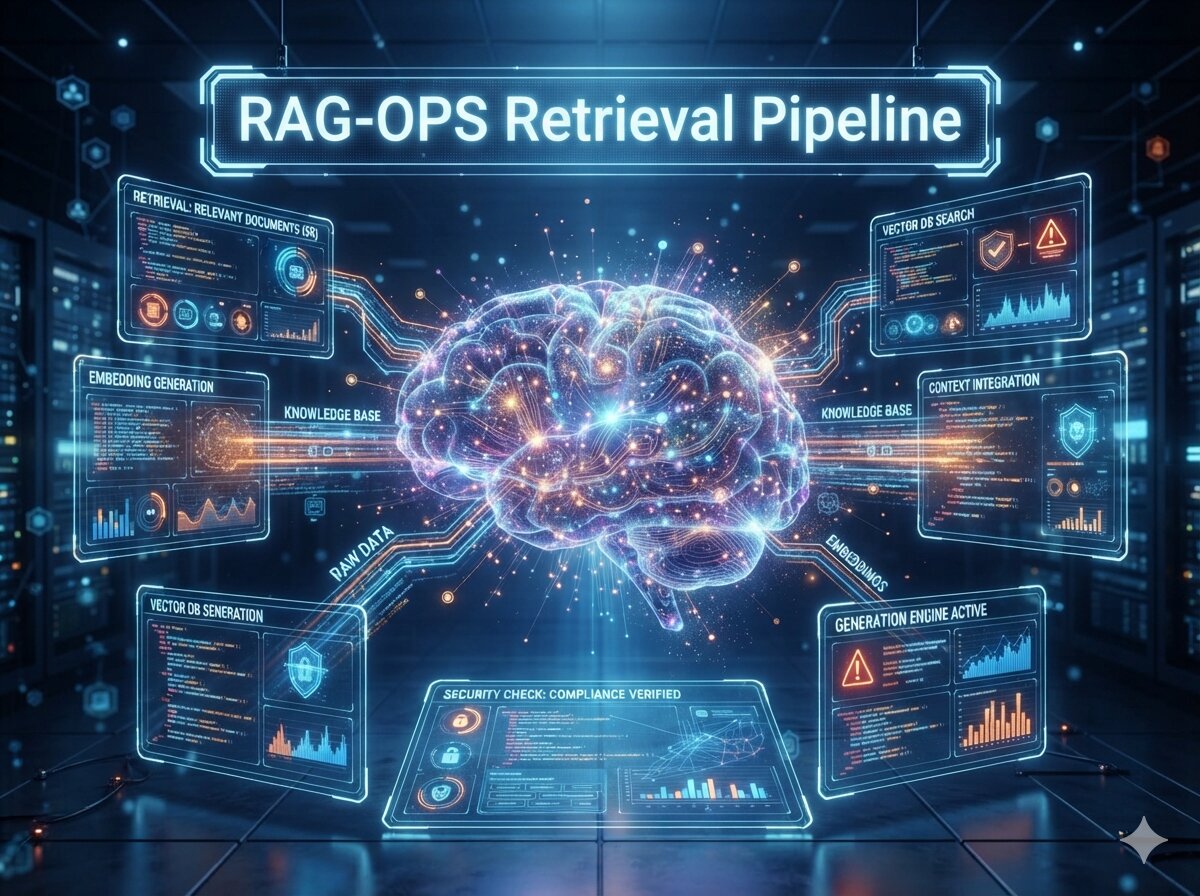
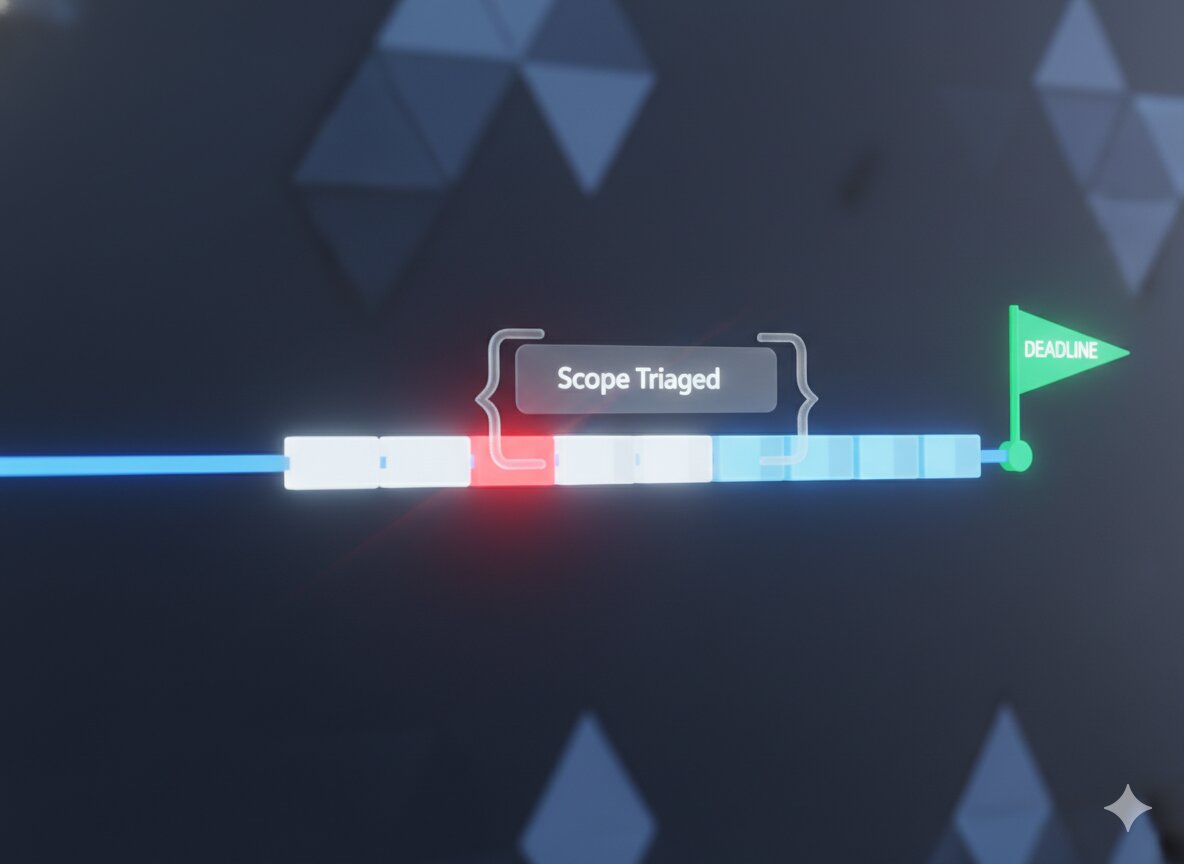
The interviewer sets a high-stakes engineering crisis on the table: "You are the TPM/PM for a core billing platform. It’s Black Friday, traffic is peaking, and the checkout system starts throwing 500 Internal Server Errors at scale. Your team is panicking. What is your immediate action plan?" Most candidates tank this by either jumping into the weeds to fix the code themselves ("I’d open the logs and look for a database deadlock") or passively trying to organize a massive meeting ("I'd call every engineer in the company to a meeting room"). Stop. You are a strategic leader, not a debugger or a secretary. In a FAANG execution round, they want to see your Crisis Management Protocol, Technical Escalation Mechanics, and Operational Resilience under absolute pressure.
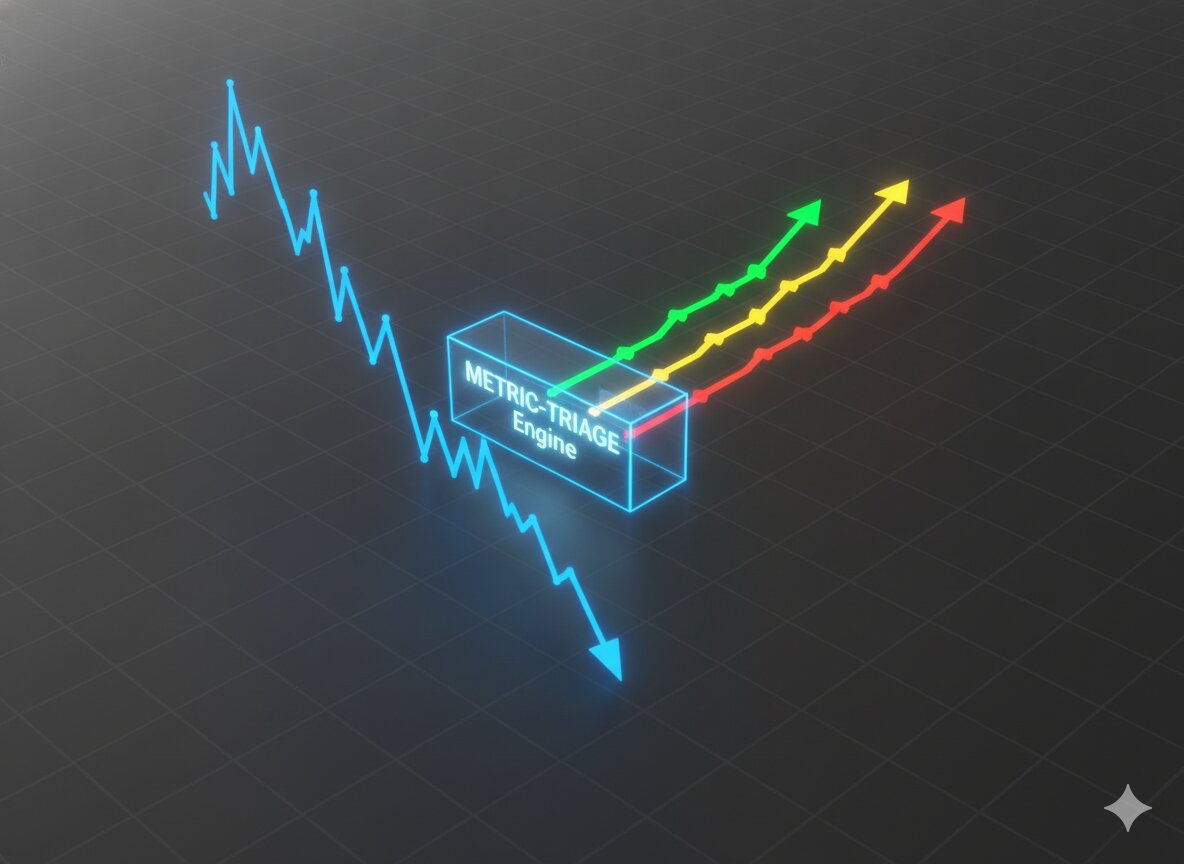
The Core Framework: The "TRIAGE-SCALE" Method
When systems fail at peak volume, you do not look for the permanent fix first. You stem the bleeding, isolate the fault, and orchestrate the engineering response systematically.
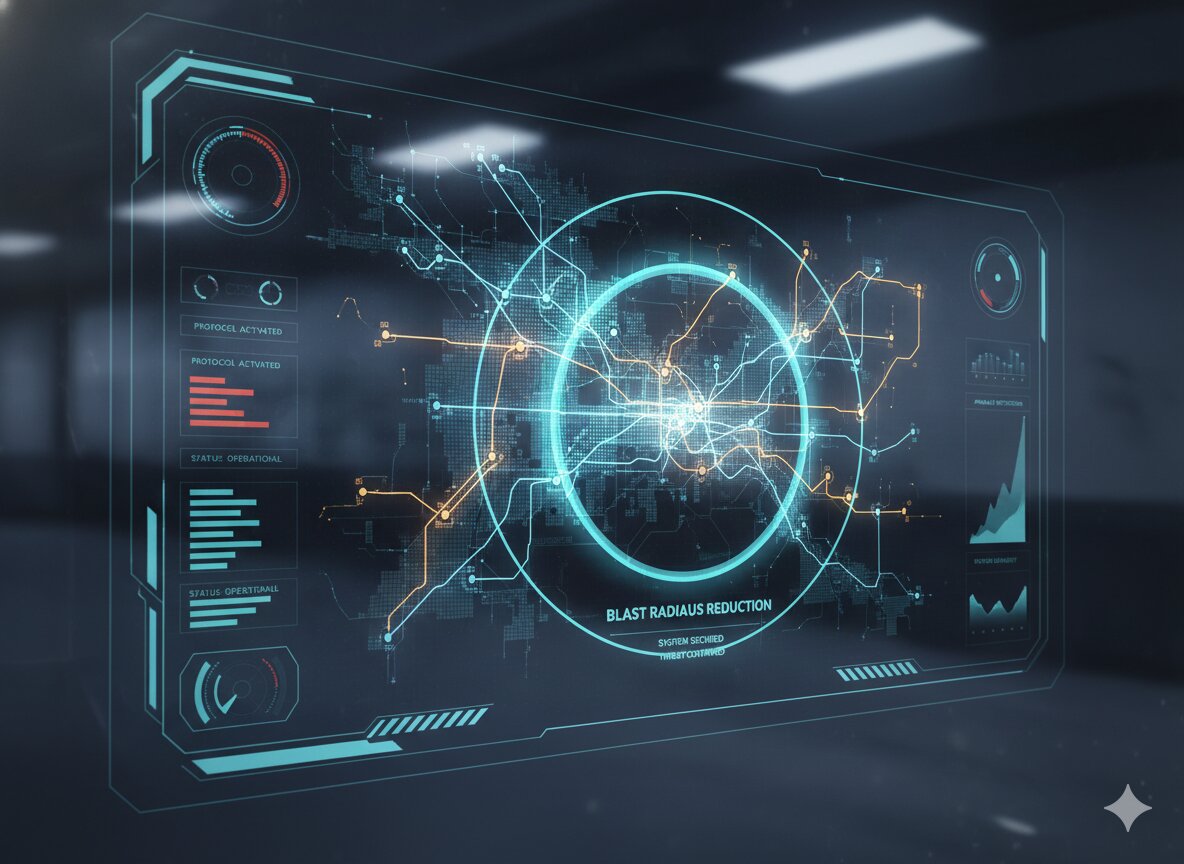
1. T-hrottling and Blast Radius Reduction
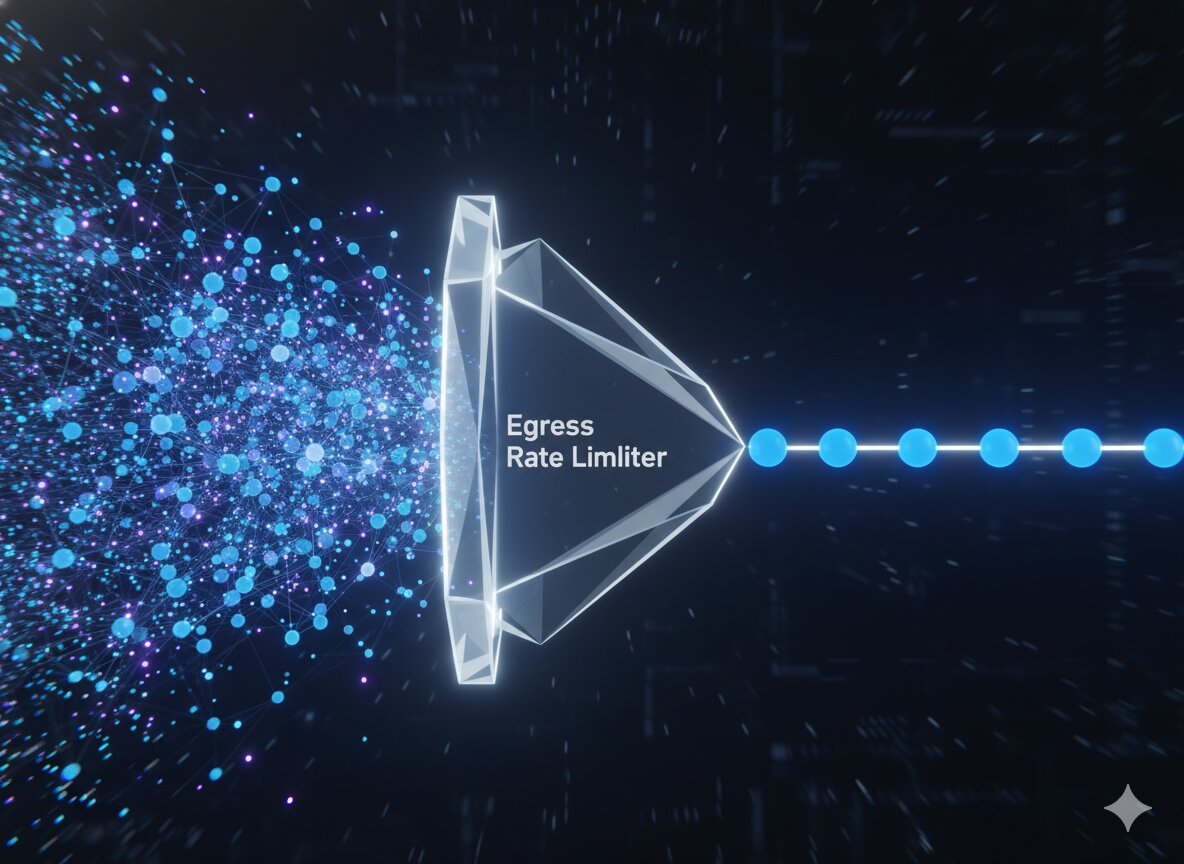
Stop the influx of traffic from worsening the system collapse.
- The Strategy: Implement immediate circuit breakers, rate limiting, or load shedding.
- The Soundbite: "My absolute first priority is blast radius reduction. I will work with the infrastructure lead to see if we can trigger a circuit breaker or apply aggressive rate-limiting at the API gateway layer. We need to gracefully degrade non-essential services—like recommendation widgets—to save core checkout database capacity right now."
2. R-ole Delegation (The Incident Commander Setup)
Establish a clear command structure so engineers can focus on fixing, not answering questions.
- The Strategy: Separate the 'Comms Lead' from the 'Triage Lead' immediately.
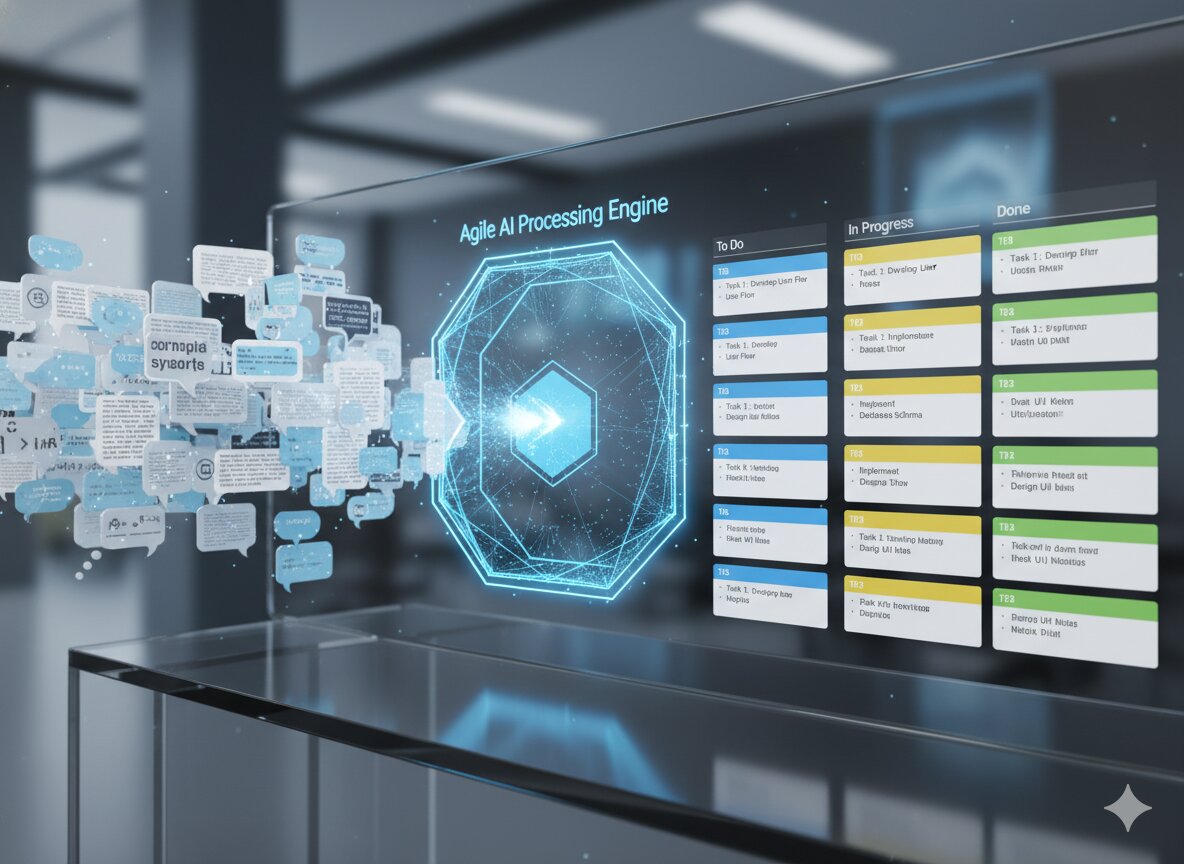
- The Soundbite: "I will immediately spin up a dedicated incident bridge and establish a strict command structure. I will assign a senior engineer as the Triage Lead to head up the technical debugging, while I step in as the Incident Commander to handle cross-functional updates, unblock resource needs, and shield the team from distracting executive pings."
3. I-solate the Architectural Layer
Locate where the failure is occurring in the technical stack.
- The Strategy: Trace the metrics from the client side down to the data persistence layer.
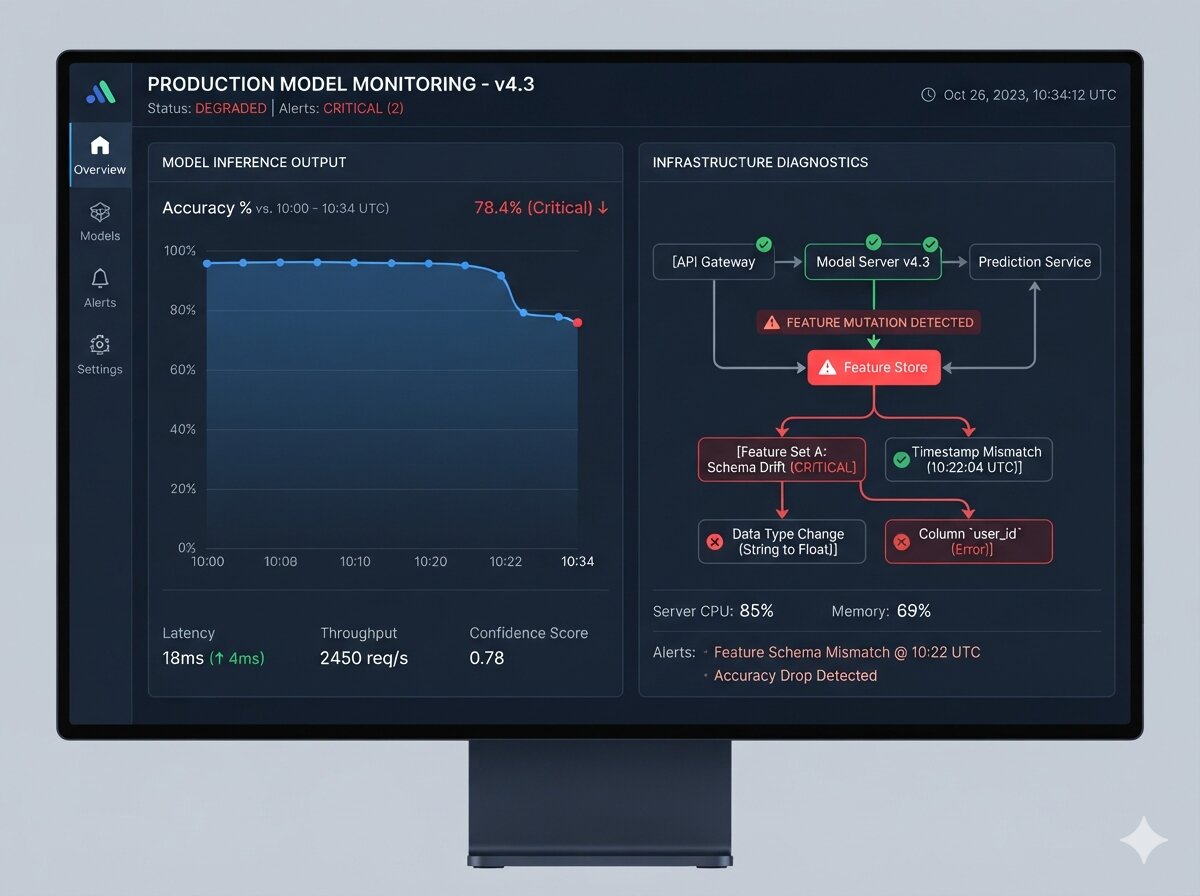
- The Soundbite: "We will quickly audit our high-level monitoring telemetry. Is the bottleneck at the CDN edge, the load balancer routing layer, the microservices application logic, or are we experiencing database thread pool exhaustion? Identifying the specific layer stops us from chasing false assumptions across different repos."
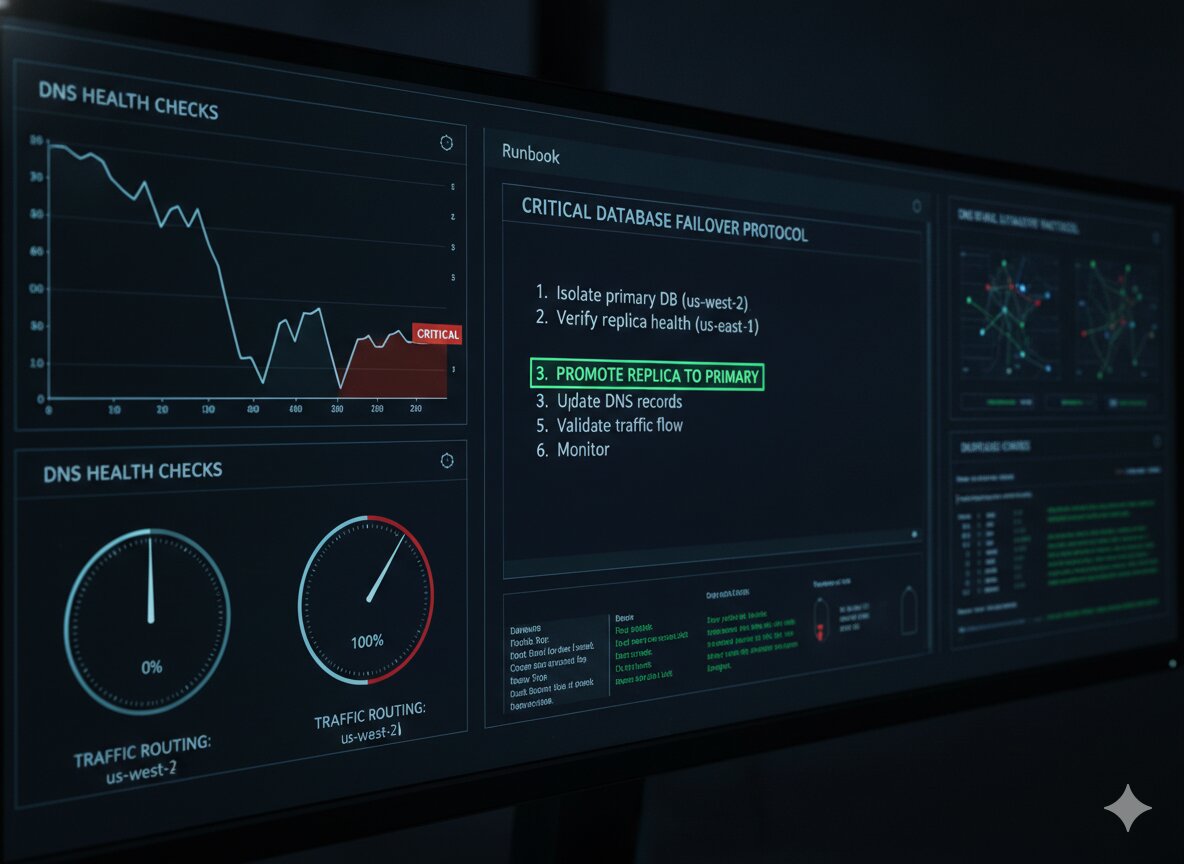
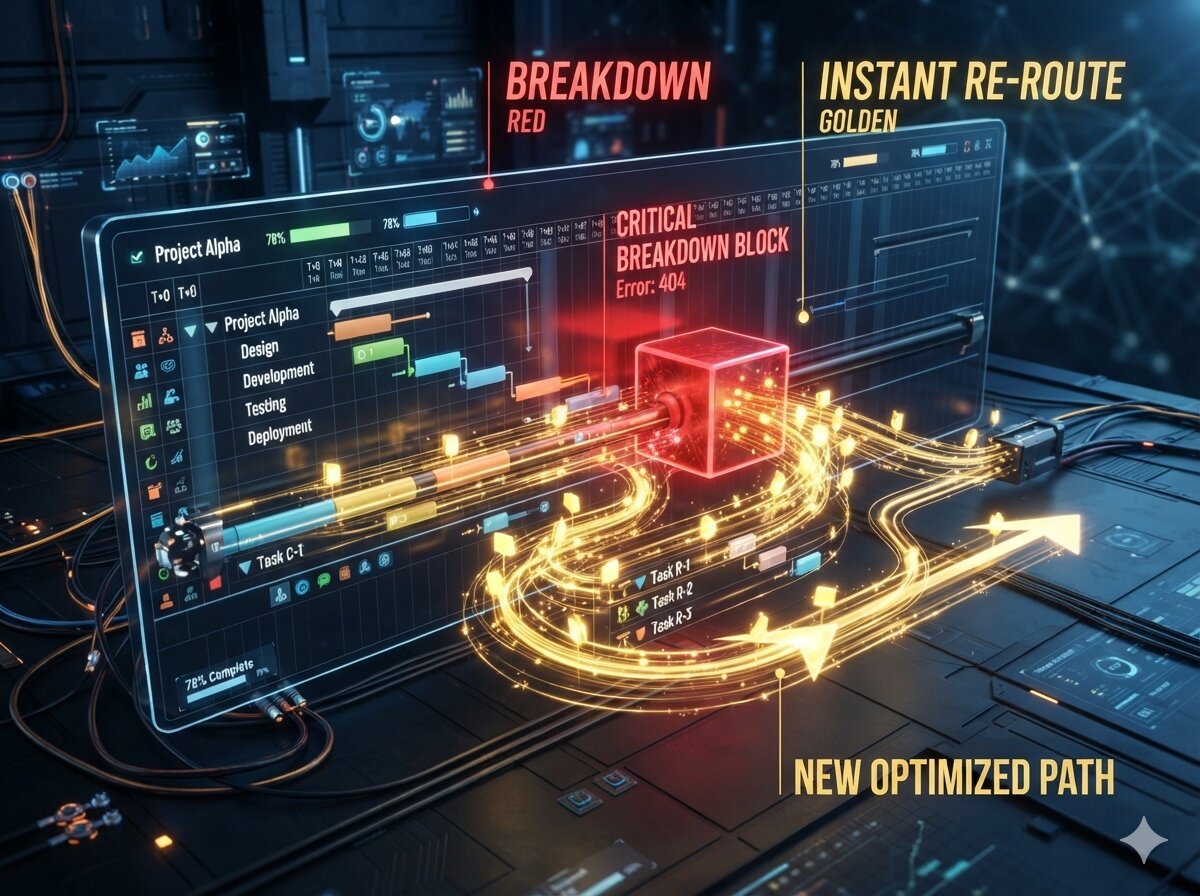
4. A-lternate Routing or Rollback Initiation
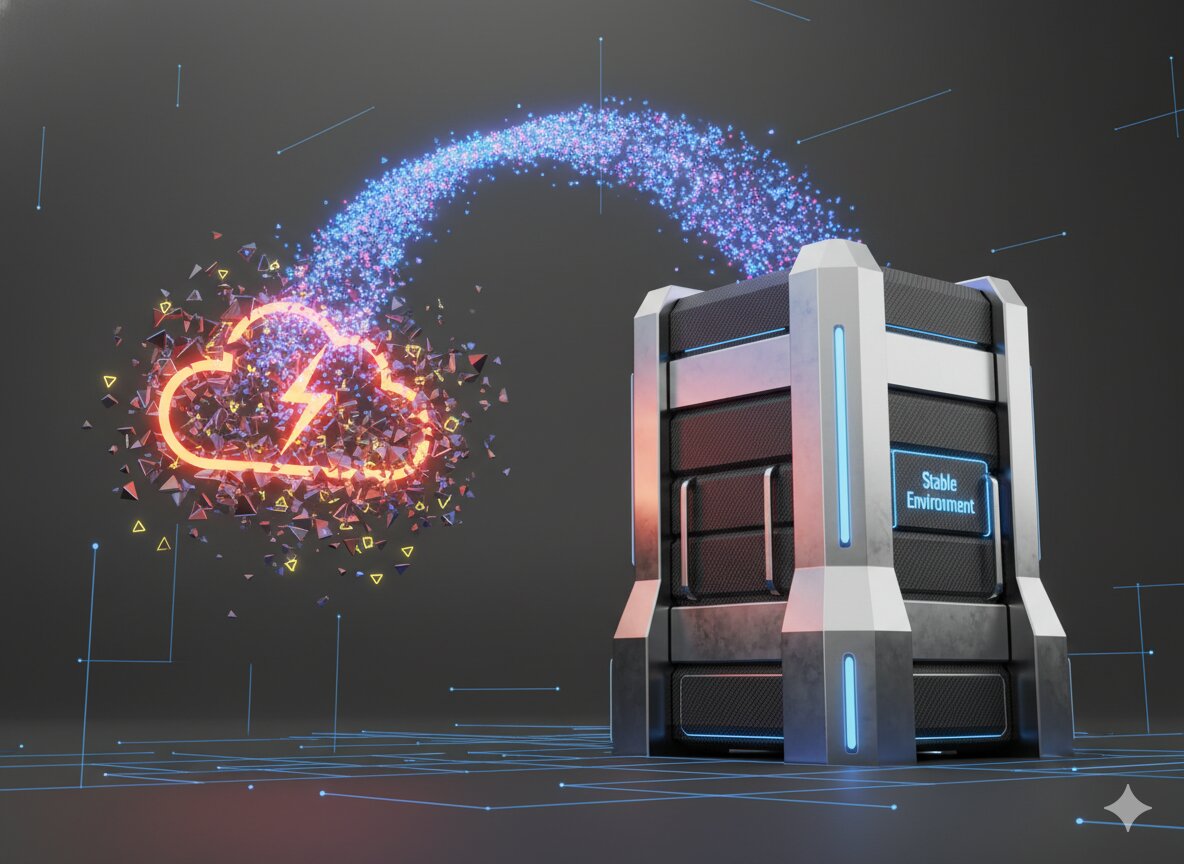
Get the system back to a known stable state through automated levers.
- The Strategy: Check the deployment pipeline for recent commits or shift traffic away from unhealthy zones.
- The Soundbite: "I will immediately check our deployment log. Did a minor hotfix go live right before the spike? If yes, we execute an immediate rollback to the previous stable build. If it’s a pure capacity issue, we look to see if we can dynamically scale our cloud compute instances or route incoming traffic away from the failing region to a healthy active-active zone."
5. G-ather Real-Time Telemetry and Verification
Confirm whether your stabilization efforts are working.
- The Strategy: Watch leading system health indicators, not just lagging user sentiment.
- The Soundbite: "Once our mitigation levers are pulled, I won't just wait for customer tickets to drop. I will monitor real-time infrastructure indicators: CPU utilization, database read/write IOPS, API error rates, and connection latency. We need to verify that our error rate drops down to baseline levels before declaring initial stability."
6. E-xternal and Internal Communications Sync
Manage the narrative and expectations across the business.
- The Strategy: Provide structured, time-bound updates to stakeholders and customer success teams.
- The Soundbite: "With the system stabilized, I will release a clear internal flash update to leadership and our customer support teams. I’ll state exactly what happened, the current mitigation status, and when they can expect the next status ping. This aligns the business and ensures customer success has a unified script for affected users."
The Comparison: Bad vs. Good
- Bad Answer: "I would gather all the developers on a call and have everyone look at the code lines together until we figure out which bug caused the checkout crash." (Lacks leadership structure, chaotic approach to system restoration).
- Good Answer: "I will immediately act as Incident Commander to isolate the technical blast radius via rate limiting, set up a clear command structure to protect engineering focus, and execute a rollback or failover plan based on recent deployment logs." (Methodical, high-leverage technical leadership).
Master High-Pressure System Architecture Rounds
System outages aren't just technical failures—they are business emergencies. Showing you can systematically navigate an architectural collapse proves you belong at the Staff and Principal tiers. The TRIAGE-SCALE method shows interviewers you don't panic when things break; you scale your leadership to match the problem.
The Kracd Prep Kits give you complete architectural deep dives into disaster recovery protocols, microservice dependency mapping, and high-availability design patterns.
- For PMs: Learn to bridge technical system failures with product trust and brand recovery using the PM Prep Guide.
- For TPMs: Master high-scale infrastructure incident response pipelines and system architecture recovery with the TPM Prep Kit.
FAQs
Q: What if the engineering team is arguing about the root cause during the outage?A: Shut down the debate. During an active outage, your goal is Mitigation, not Root Cause Analysis. I would step in and say: "Team, let's stop chasing the 'Why' for right now. What is the fastest path to bring our error rates down? Can we failover or shed load first? We will deep-dive the root cause during the post-mortem tomorrow."
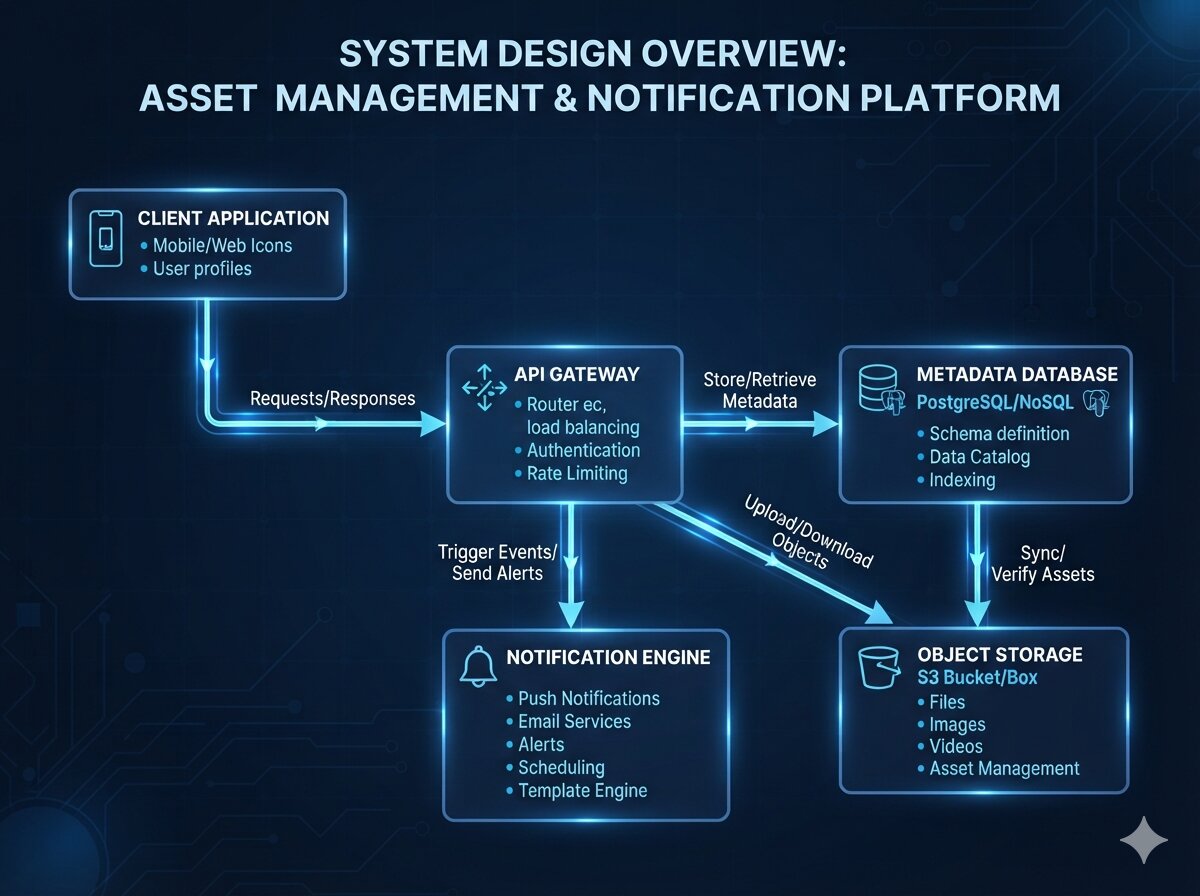
Q: How technical do I need to be when explaining this framework?A: You need to show Architectural Awareness. You don't need to specify code syntax, but you must use correct platform engineering concepts like read-replicas, rate-limiting, edge-caching, auto-scaling groups, and database connection pooling. Vague terms like "fixing the server" won't cut it at FAANG.
Q: When is it safe to declare the incident fully resolved?A: Only after the system has successfully handled baseline peak traffic for a sustained observation window without throwing anomalous errors, and when all temporary "hotfixes" or manual interventions have been cleanly logged for structural resolution.


















.jpg)