The Interview Trap: The "Silent Drift & Poisoned Prompt" Catastrophe
The interviewer throws you into a high-stakes AI production failure: "Your enterprise customer-support platform has deployed an LLM-powered customer service agent to millions of active users. Initially, customer satisfaction scores were outstanding. However, over the past month, internal auditing teams have discovered that the model is silently drifting—it has started recommending discontinued partner products, leaking system instructions when prodded by users with 'jailbreak' prompts, and generating subtle passive-aggressive tones during long troubleshooting sessions. The data team claims they cannot catch these errors with simple rule-matching or traditional unit testing, and your server costs are spiking due to massive user prompts. How do you design an automated, real-time evaluation and observability pipeline to detect and block these failures before they hit the customer?"
Most candidates flunk this advanced AI platform round by pitching passive, backward-looking approaches: "I would set up an analytics dashboard to review chat logs every week, write a script to look for bad words, and use user thumbs-up/thumbs-down ratings to retrain the model." Stop. Relying on manual batch reviews or post-incident user feedback is an operationally bankrupt strategy that leaves your brand exposed to massive reputational risk. In elite AI infrastructure loops at companies like OpenAI, Anthropic, Databricks, and Google, panel judges are evaluating your understanding of Real-time Guardrail Frameworks, LLM-as-a-Judge Evaluation Topologies, Semantic Vector Tracing, Prompt Injection Mitigation, and Token Latency Observability.
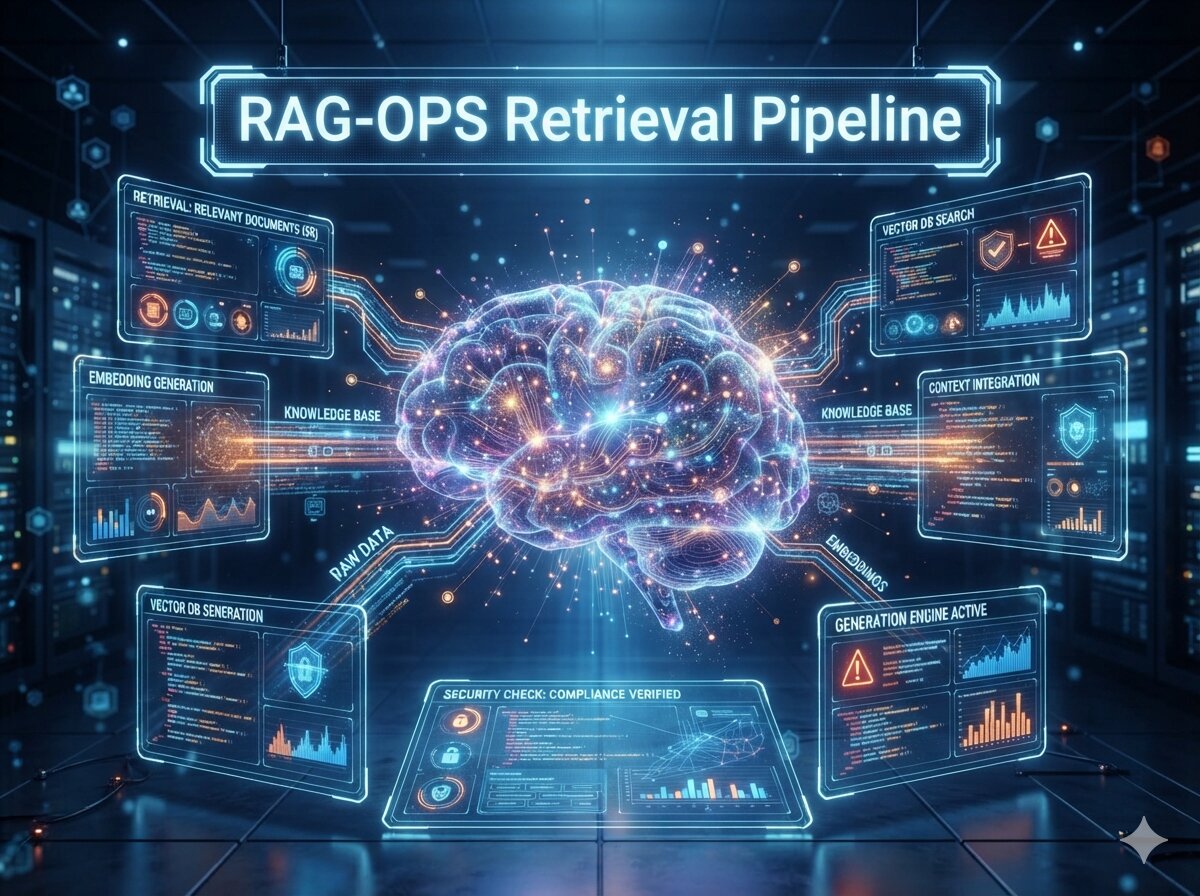
The Core Framework: The "GUARD-RAIL" Method
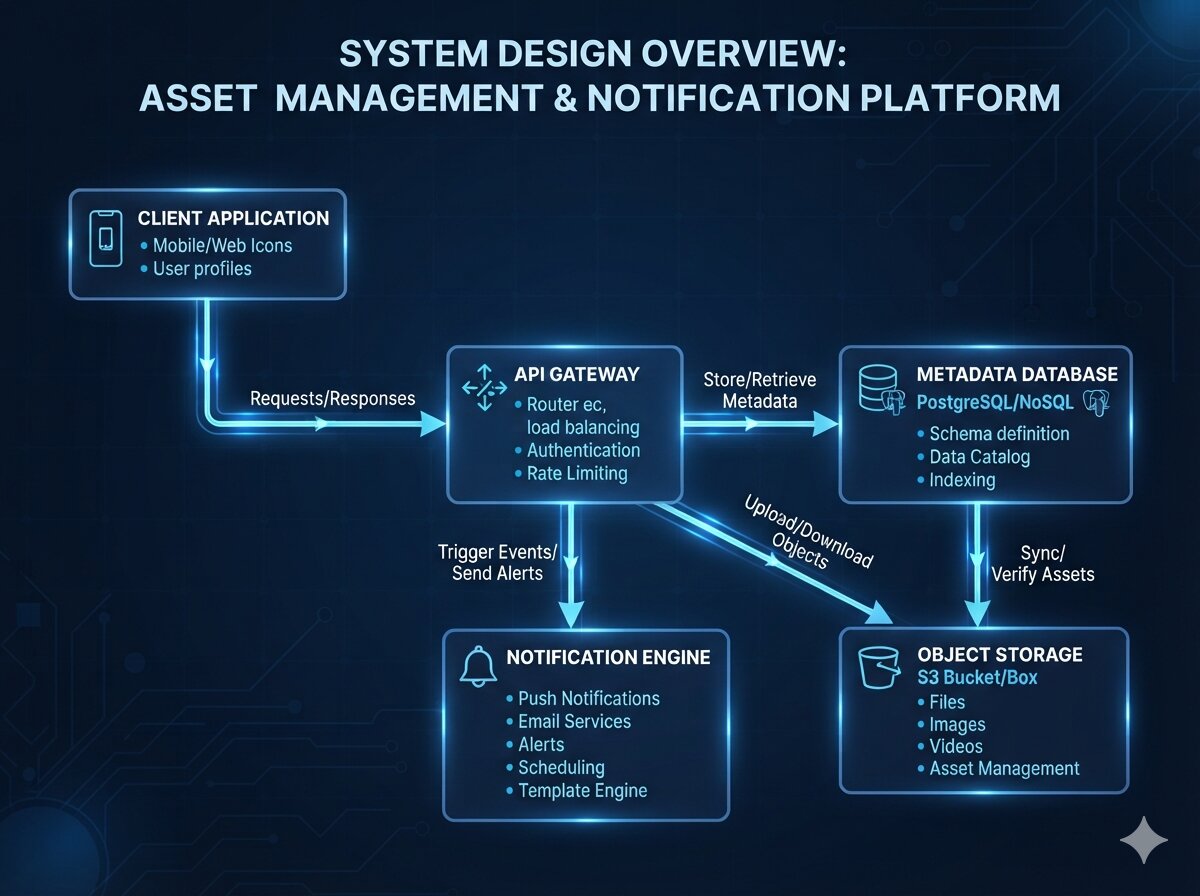
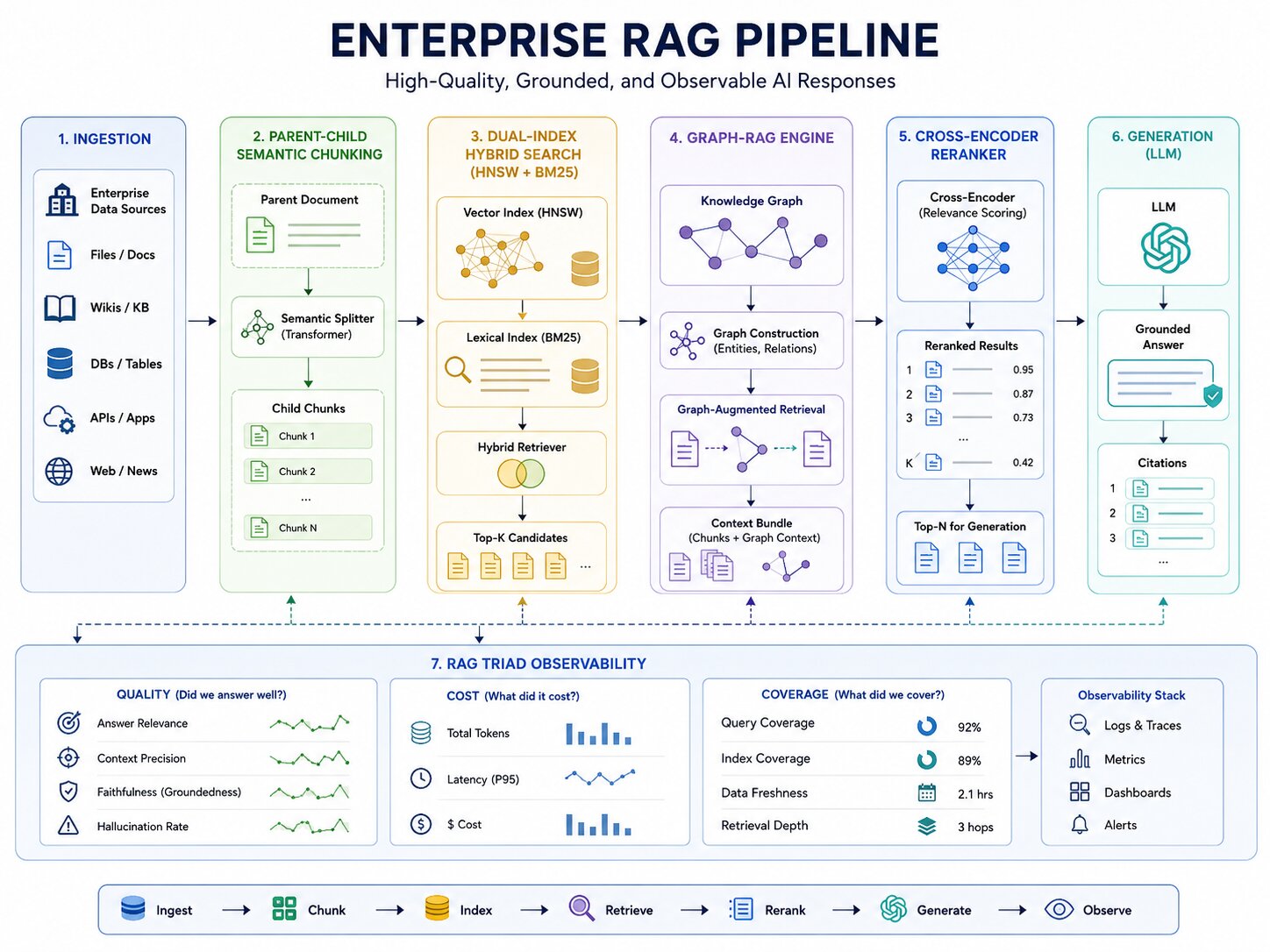
Elite AI platform leaders do not fly blind. They wrap their foundation model endpoints in an active, multi-layered validation fabric that assesses inputs and outputs programmatically at runtime, transforming non-deterministic LLM behavior into measurable, governed telemetry.
                  [ Inbound User Prompt Request ]
                                 │
                                 ▼
       ┌──────────────────────────────────────────────────┐
       │         GATEWAY INBOUND INJECTION GUARD          │
       │  * Vector Clustering Semantic Anomaly Detect     │
       │  * LLM-as-a-Judge Prompt Firewall Validation     │
       └─────────────────────────┬────────────────────────┘
                                 │
                                 ▼ (Passes Safety Verification)
       ┌──────────────────────────────────────────────────┐
       │           FOUNDATION LLM ENGINE RUNTIME          │
       └─────────────────────────┬────────────────────────┘
                                 │
                                 ▼ (Raw Response Generated)
       ┌──────────────────────────────────────────────────┐
       │         OUTPUT TELEMETRY & VALIDATION MESH       │
       │  * ROUGE / BLEU Groundedness Metrics             │
       │  * Toxicity & PII Token Redaction Scan           │
       └─────────────────────────┬────────────────────────┘
                                 │
                                 ▼ (Validated & Cleaned Payload)
       ┌──────────────────────────────────────────────────┐
       │       OPEN-TELEMETRY DISTRIBUTED TRACE LOG       │
       │  * Time-To-First-Token (TTFT) Cost Auditing      │
       └──────────────────────────────────────────────────┘
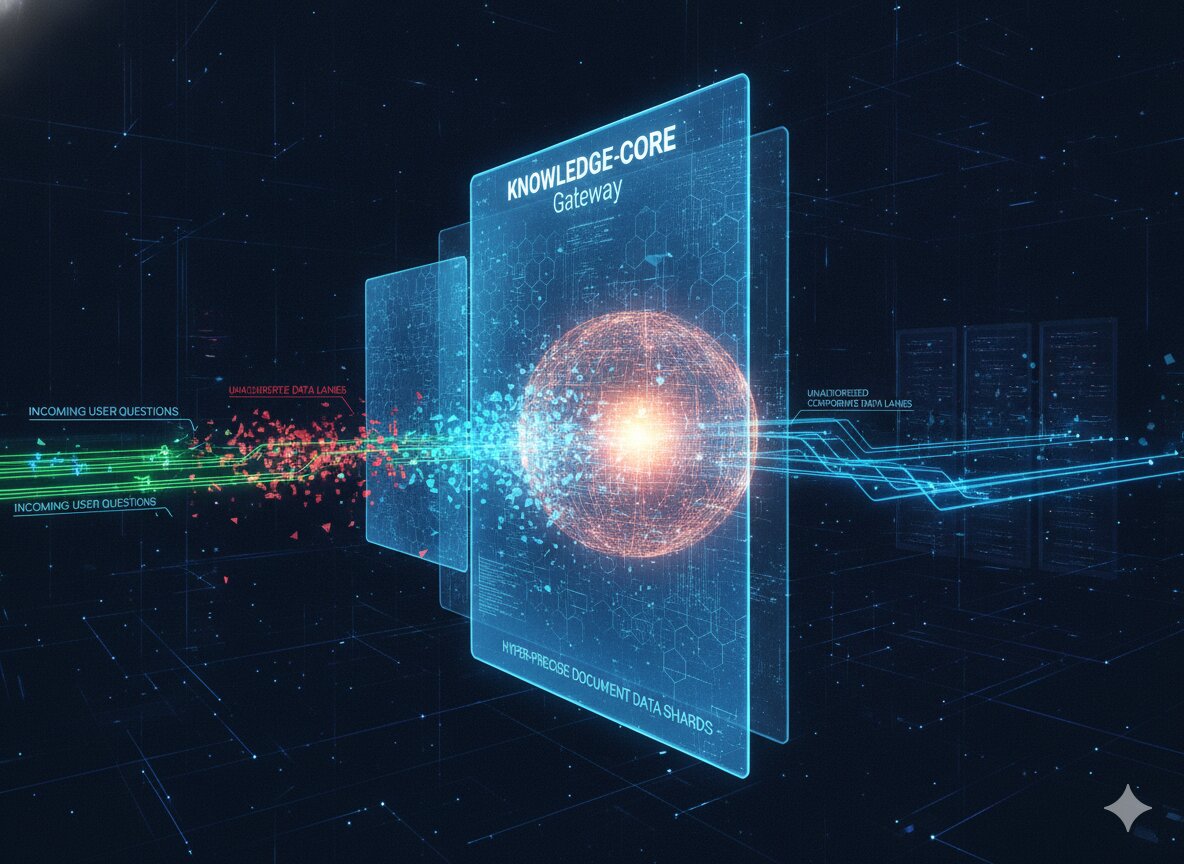
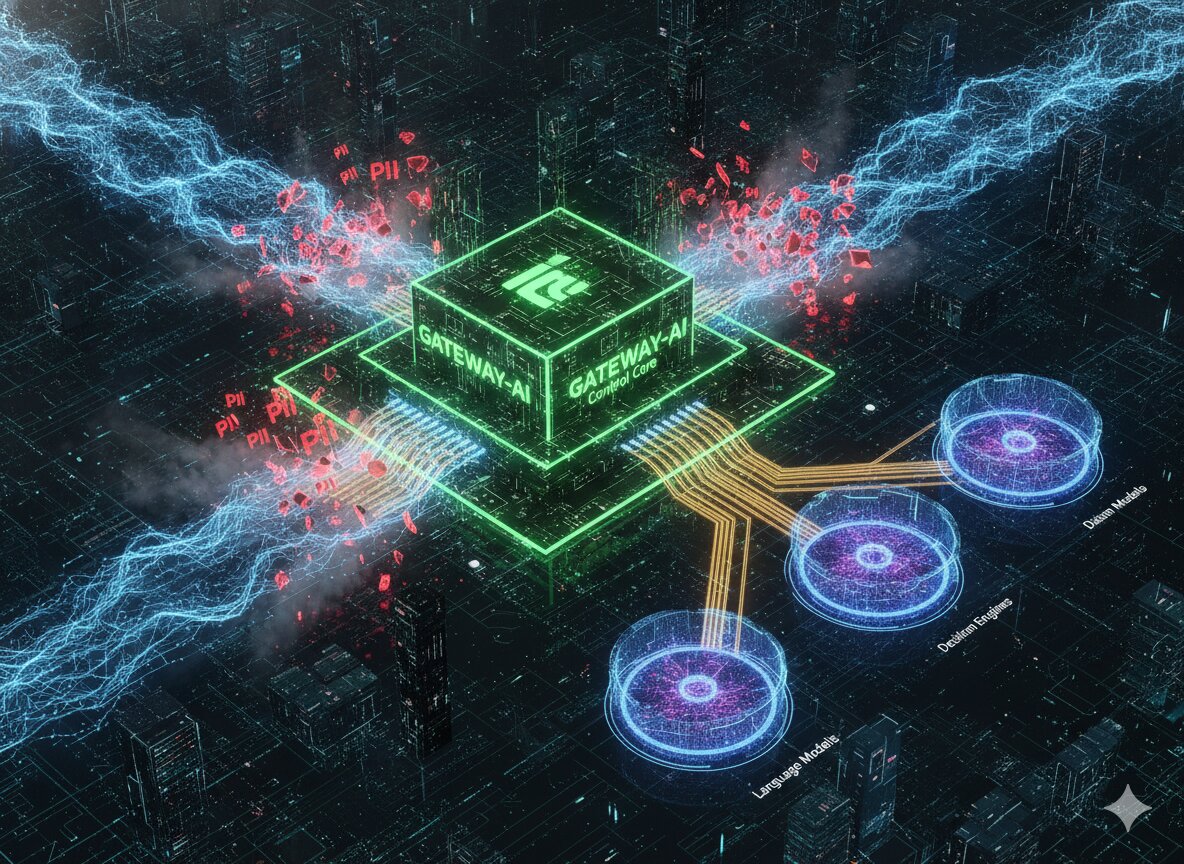
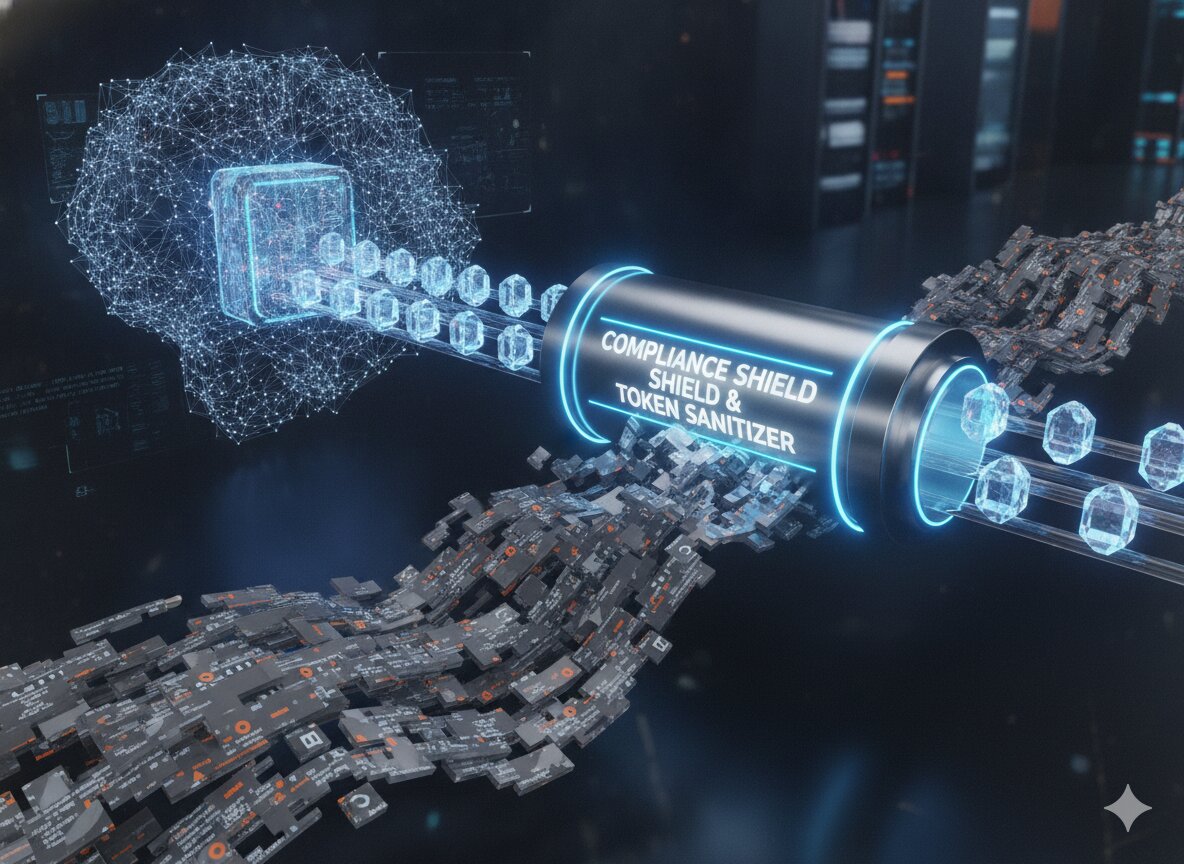
1. G-ateway Input Validation and Prompt Injection Firewalls
Intercept malicious, structured manipulation attempts at the gateway layer before they reach your primary, high-cost model runtime.
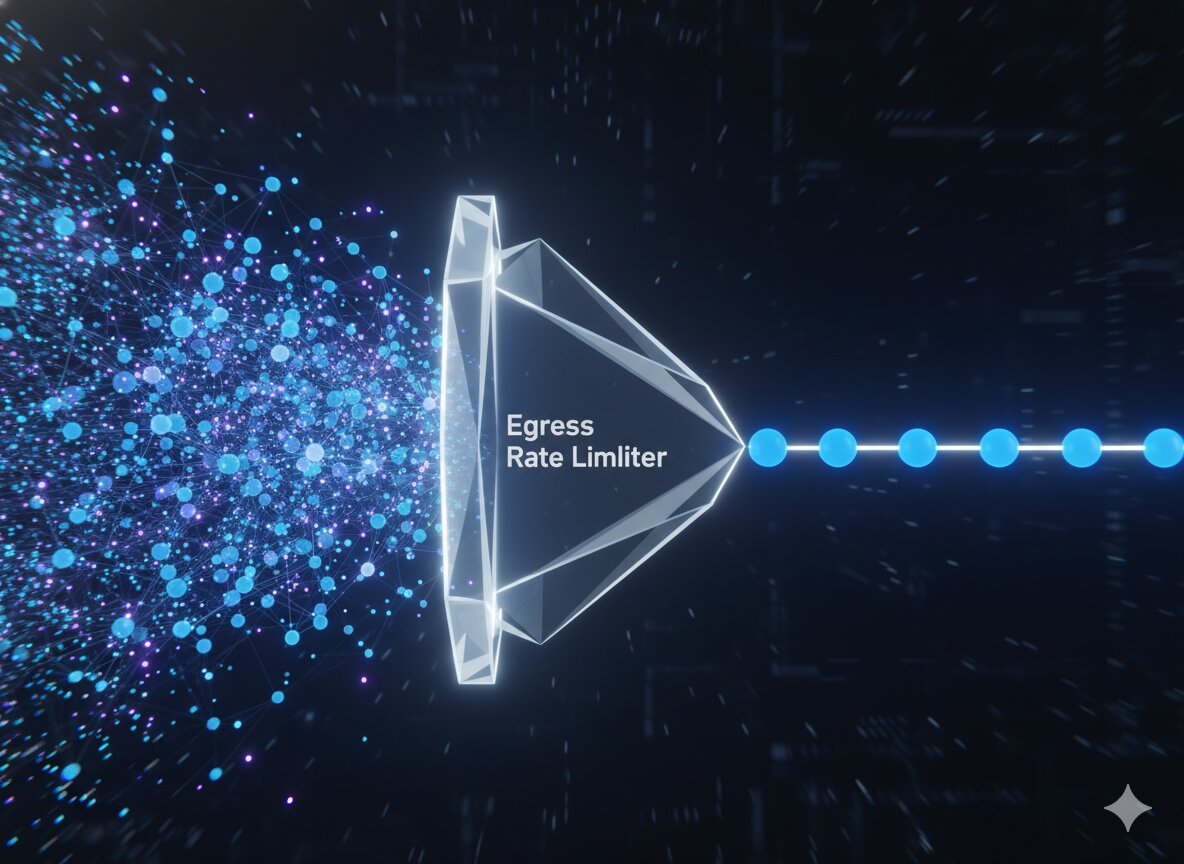
- The Strategy: Implement a dual-layer input firewall combining high-speed, localized keyword/regex classifiers with small, specialized classification models (like Llama-Guard) to catch adversarial "jailbreak" prompts.
- The Script: "To insulate our core model tier, we will deploy an active input validation gateway. Every inbound prompt will run through an inline verification mesh. We will map incoming string distributions against known injection pattern vector clusters while running the prompt through an optimized Llama-Guard instance. If a user passes an adversarial instruction trying to override system prompts, the gateway drops the connection instantly, preventing token waste on our core reasoning endpoints."
2. U-nit Evaluation Metrics via LLM-as-a-Judge Topologies
Automate high-velocity qualitative grading by deploying a dedicated evaluation model cluster optimized to rate production inputs against rigorous behavioral criteria.
- The Strategy: Use an LLM-as-a-Judge framework where an independent, structurally prompt-isolated model reviews a sample of production inputs and outputs to grade them on metrics like Groundedness, Relevance, and Faithfulness.
- The Script: "Traditional code-level tests fail against abstract language. We will establish an automated 'LLM-as-a-Judge' pipeline. We will stream a randomized, statistically significant slice of our production payloads into a highly specialized evaluation loop. An isolated model evaluates the output against the original source documents, calculating an objective 'Faithfulness score' from 0.0 to 1.0. If a conversation's score drops below our 0.85 compliance threshold, an alert triggers on our engineering telemetry board."
3. A-nomaly Detection and Semantic Vector Drift Tracking
Identify subtle changes in model behavior and customer intents over time by tracking the mathematical distributions of your application data.
- The Strategy: Convert incoming customer queries and outgoing model responses into low-dimensional vector embeddings, storing them in a dedicated telemetry sink to continuously calculate structural distance variations ($Cosine Similarity$).
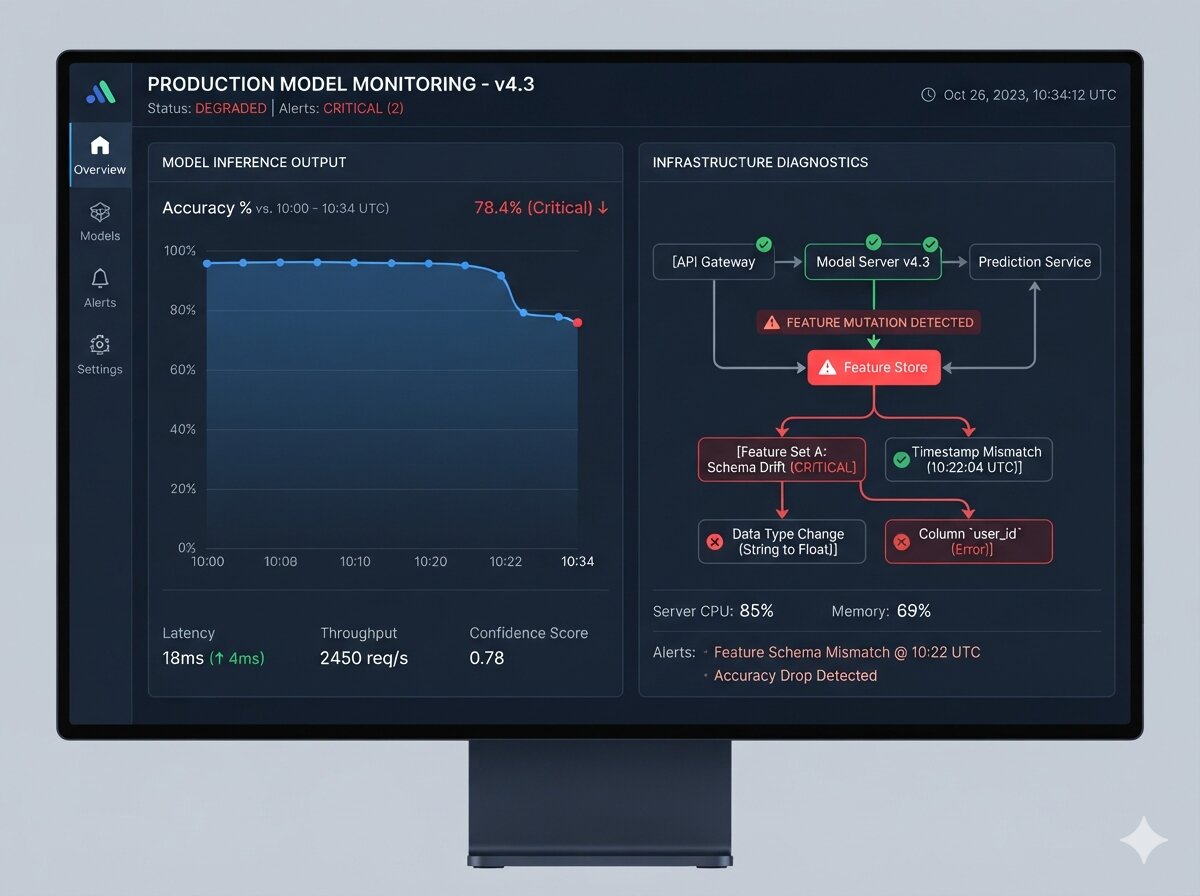
- The Play: "Model drift in generative systems rarely looks like a hard code error; it presents as a shift in output characteristics. We will convert our application's text streams into vector embeddings and track their coordinate clustering over time. If the moving average distance of our response embeddings begins to drift away from our baseline golden validation set, the monitoring layer flags that the model's semantic behavior is degrading, letting us catch silent regressions before they become systemic failures."
4. R-untime Token Telemetry and Cost-Latency Observability
Track execution efficiency data across your inference layer to eliminate hidden infrastructure performance bottlenecks.
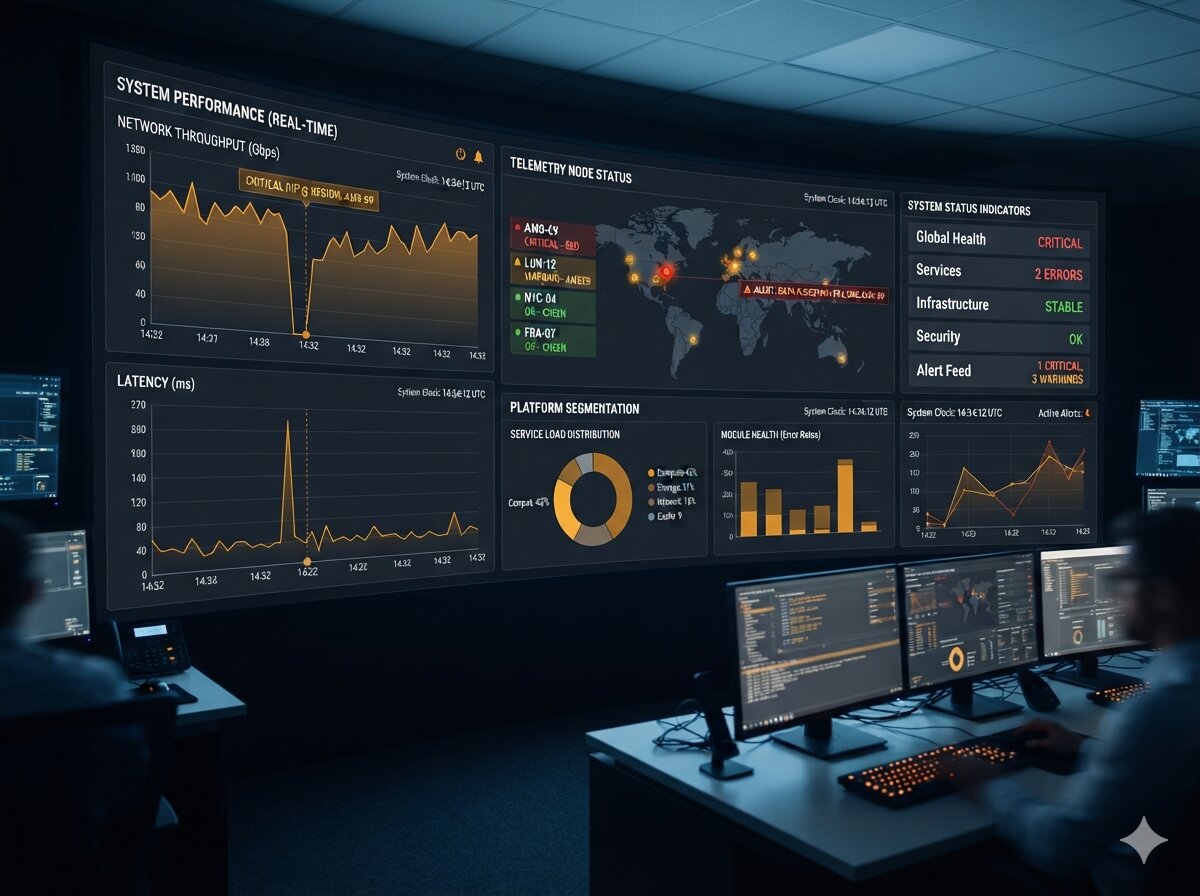
- The Strategy: Integrate distributed tracking frameworks (such as OpenInference or OpenTelemetry) to track performance metrics like Time-To-First-Token (TTFT), total tokens per second, and specific operational cost-per-request allocations.
- The Play: "To prevent cloud infrastructure budgets from scaling out of control, we will hook an OpenTelemetry tracing network directly into our inference runtime. We will actively record TTFT and tokens-per-second metrics across our model cluster. If an upstream dependency lag causes our TTFT to spike beyond 800 milliseconds, or if specific tenant accounts trigger disproportionately large token payloads, the orchestrator throttles requests dynamically to defend our core system availability."
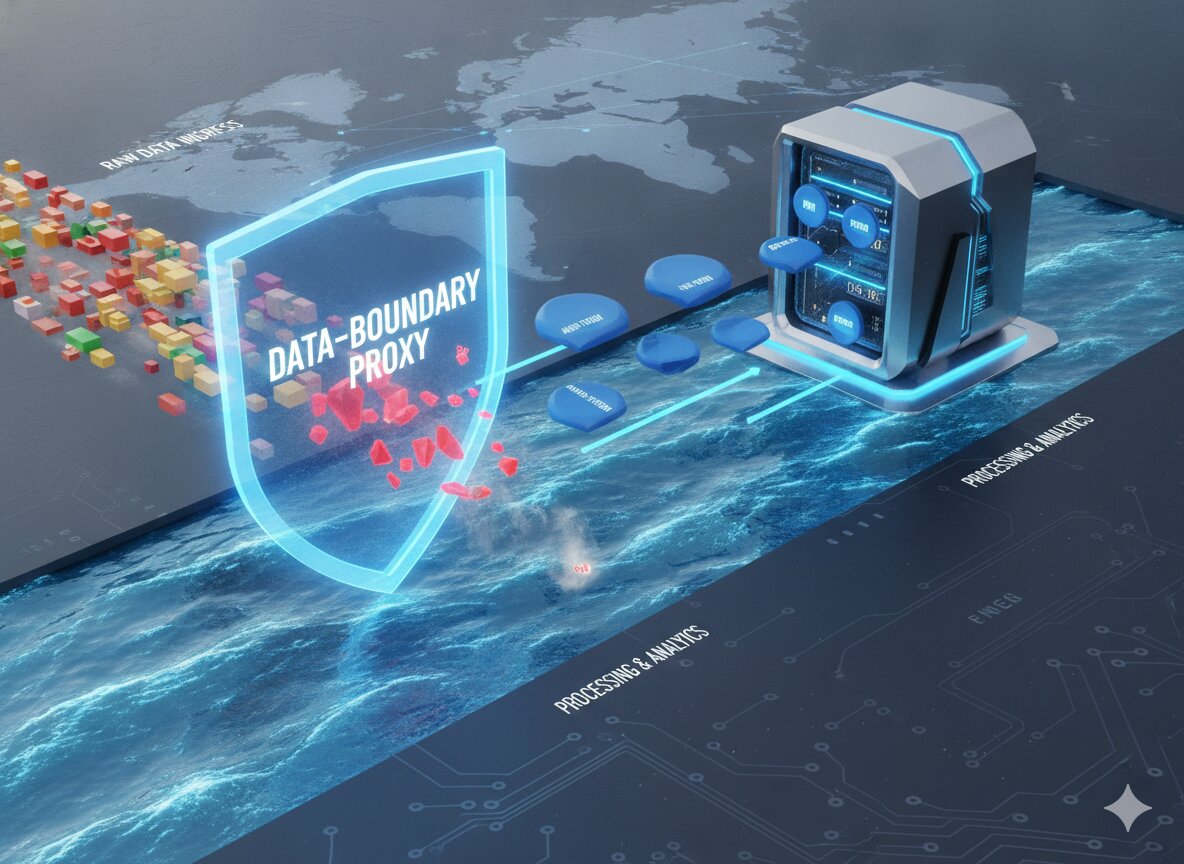
5. D-ata Redaction, PII Scanners, and Outbound Compliance Filters
Sanitize outgoing model text strings to prevent the accidental exposure of Protected Health Information ($PHI$), Personally Identifiable Information ($PII$), or sensitive system data.
- The Strategy: Pass all raw text generated by the model through a high-throughput, regex-and-NER-driven pipeline (like Microsoft Presidio) to mask out unauthorized sensitive text structures right before shipping the payload to the client interface.
- The Play: "An LLM cannot be completely trusted to maintain data boundaries autonomously. Our outbound data delivery loop will pass all raw model responses through a high-performance Named Entity Recognition (NER) pipeline via Microsoft Presidio. If the model accidentally extracts internal API keys, database hashes, or user PII during an extensive troubleshooting session, the scanner intercepts the payload, masks the sensitive data, and delivers a fully sanitized string to the user."
The Comparison: Bad vs. Good
Bad Answer (Reactive & Manual Tracking)Good Answer (GUARD-RAIL Framework)"I will build an internal admin dashboard where our QA team can log in every Friday, read through random user chats, and check if the AI said anything weird or leaked company data.""I will deploy an inline input injection firewall, route live data through an automated LLM-as-a-Judge evaluation mesh, and enforce real-time outbound PII token redaction filters.""If the model starts lagging or running slowly, we will just upgrade our contract with the API vendor or add a generic timeout line into our application code.""I will map an OpenInference telemetry pipeline to continuously monitor Time-To-First-Token (TTFT) and dynamically throttle anomalous accounts to protect core infrastructure availability."Treats AI monitoring as a standard log review task, relying on manual inspection to spot abstract model failures.Integrates runtime text filtration, automated semantic evaluations, real-time cost-latency telemetry, and strict programmatic safety gates.
The Pitch: Command the Observability Layer
Shipping an experimental prompt in an isolated playground environment is trivial. Operating enterprise-scale generative AI platforms that confidently handle millions of live consumer interactions while guaranteeing absolute data security, cost control, and factual precision requires deep technical authority. If you approach AI evaluation loops with basic software testing paradigms, top-tier engineering panels will pass on your candidacy.
Kracd training systems deliver the production-grade architectural blueprints, real-time evaluation matrices, and foundational vocabularies needed to dominate complex AI product management and technical infrastructure loops.
👉 Master enterprise system execution and AI platform governance: PM Prep Guide
👉 Master deep LLMOps monitoring architecture and cloud cost orchestration: TPM Prep Kit
FAQs
Q1: Doesn't running an extra evaluation step (like an input firewall or LLM-as-a-Judge) add too much latency?
A: It is all about how you optimize the routing tiers. Input firewalls like Llama-Guard or keyword/NER regex scanners are highly optimized, lightweight classification frameworks that execute in single-digit milliseconds, adding virtually zero noticeable latency to your user loop. For heavier qualitative evals (like calculating comprehensive Groundedness metrics via LLM-as-a-Judge), you extract these completely out of the active user request path, executing them asynchronously via detached background worker threads to keep user interactions snappy.
Q2: Why rely on an LLM-as-a-Judge framework instead of traditional, lightweight metrics like BLEU or ROUGE?
A: Deterministic string metrics like BLEU and ROUGE compare exact n-gram token overlap between text blobs. While they work well for simple tasks like direct translation, they fail completely at evaluating nuanced enterprise generation. If an LLM response rewrites a financial policy using completely different vocabulary that preserves the exact correct legal meaning, BLEU and ROUGE will give it a failing grade. An LLM judge can evaluate semantic alignment, conceptual validity, and overall tone irrespective of the exact wording used.
Q3: How do you differentiate between user intent drift and model performance drift?
A: You isolate the variables by analyzing separate vectors. User intent drift is calculated by clustering the semantic embeddings of incoming user prompts over time; if a new cluster emerges, your audience's demands have evolved. Model performance drift is discovered by evaluating outgoing model responses against a static, un-changing "golden validation set" of reference prompts. If the performance scores on this static baseline start dropping, your model infrastructure is suffering from systemic regression.



















.jpg)