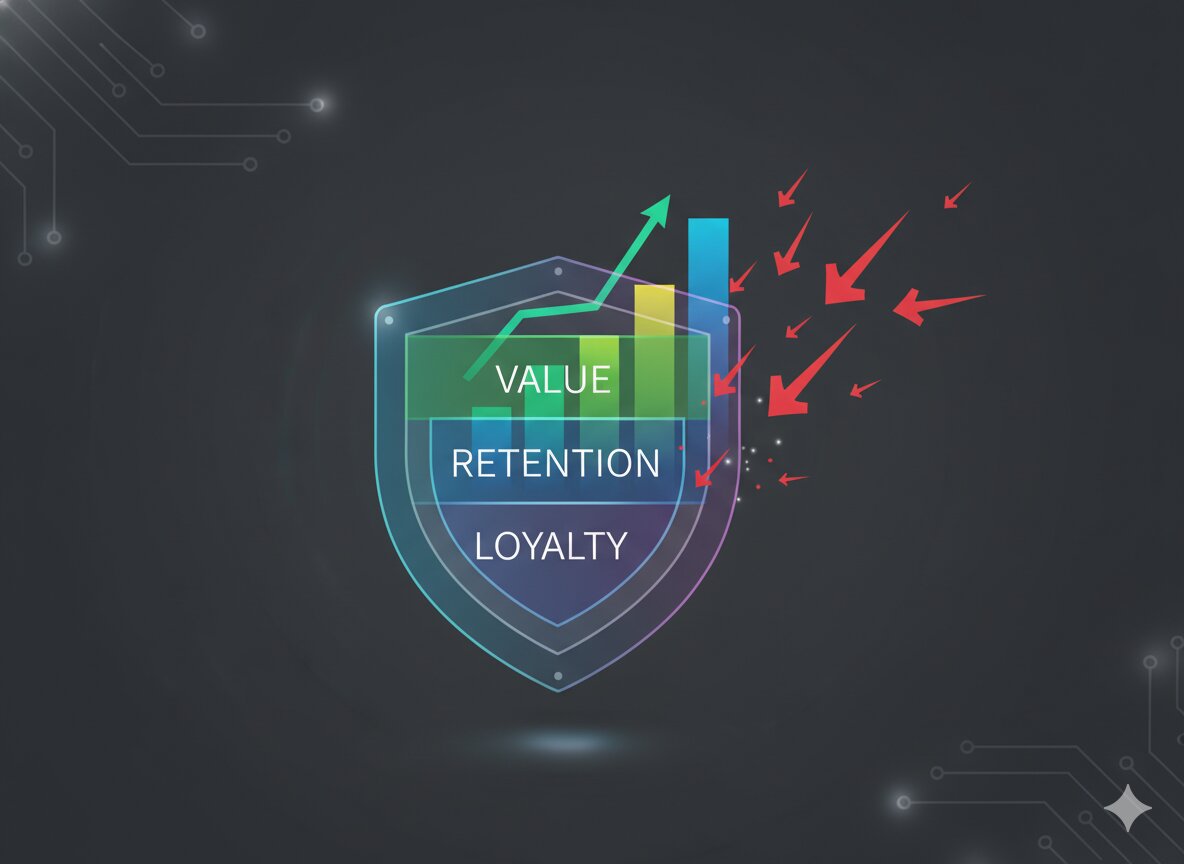
The Interview Trap: The "Fix-on-the-Fly" Disaster
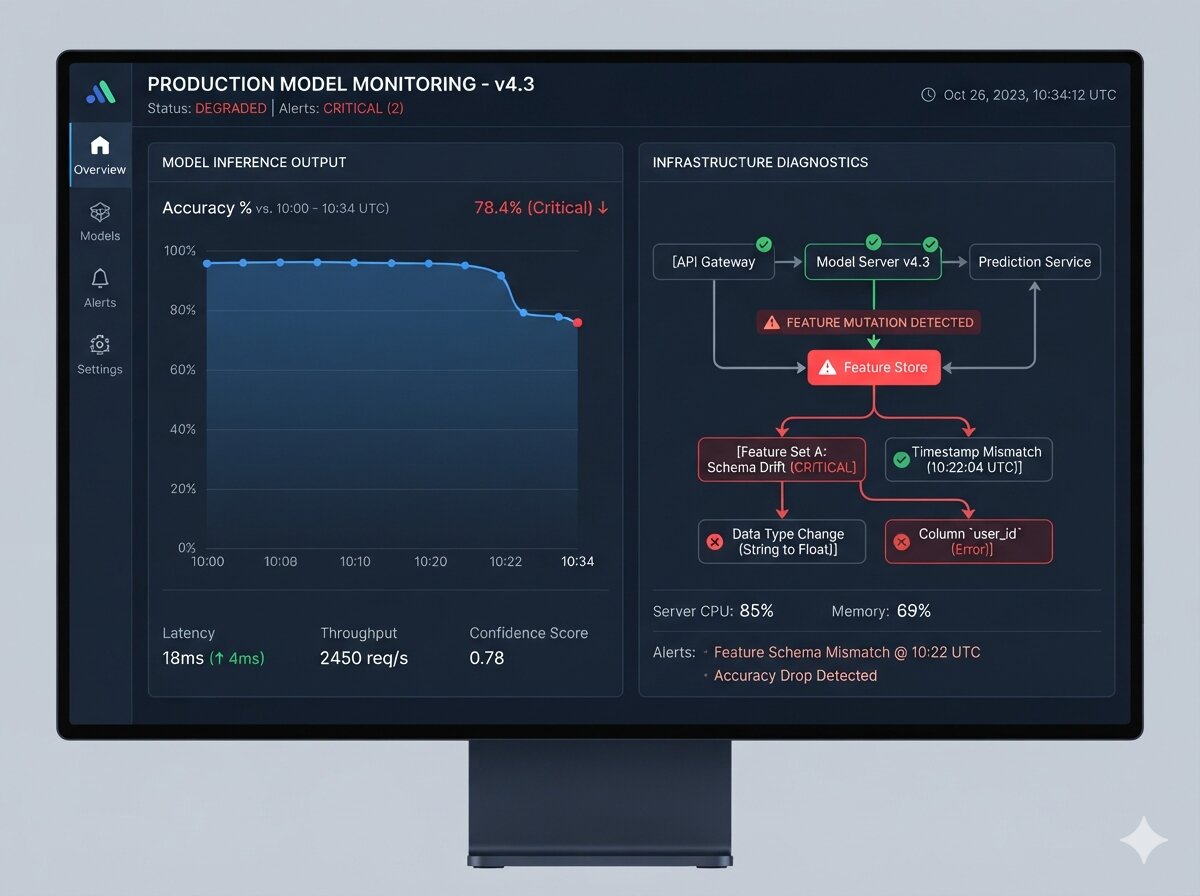
The interviewer presents a high-stakes deployment failure: "You just rolled out a major feature update to 100% of production. Within ten minutes, your monitoring dashboards show a massive spike in latent API response times, and customer success is flooded with reports that users cannot save their profiles. What is your immediate playbook?" Most candidates tank this by trying to be a cowboy debugger: "I’d have the developers quickly write a patch for the profile-saving code and push it live immediately." Stop. Patching live code during an active, high-severity production incident is like trying to fix an airplane engine mid-flight. It introduces unvalidated variables and risks worsening the outage. In a FAANG panel, they are testing your Incident Commander Instincts, System Stabilization Mechanics, and Post-Mortem Accountability.
The Core Framework: The "ROLL-BACK" Method
When a production rollout breaks, your primary goal is to restore system stability immediately, not to figure out who broke it or write new code.
1. R-apid Traffic Containment (A/B & Feature Flag Kill)
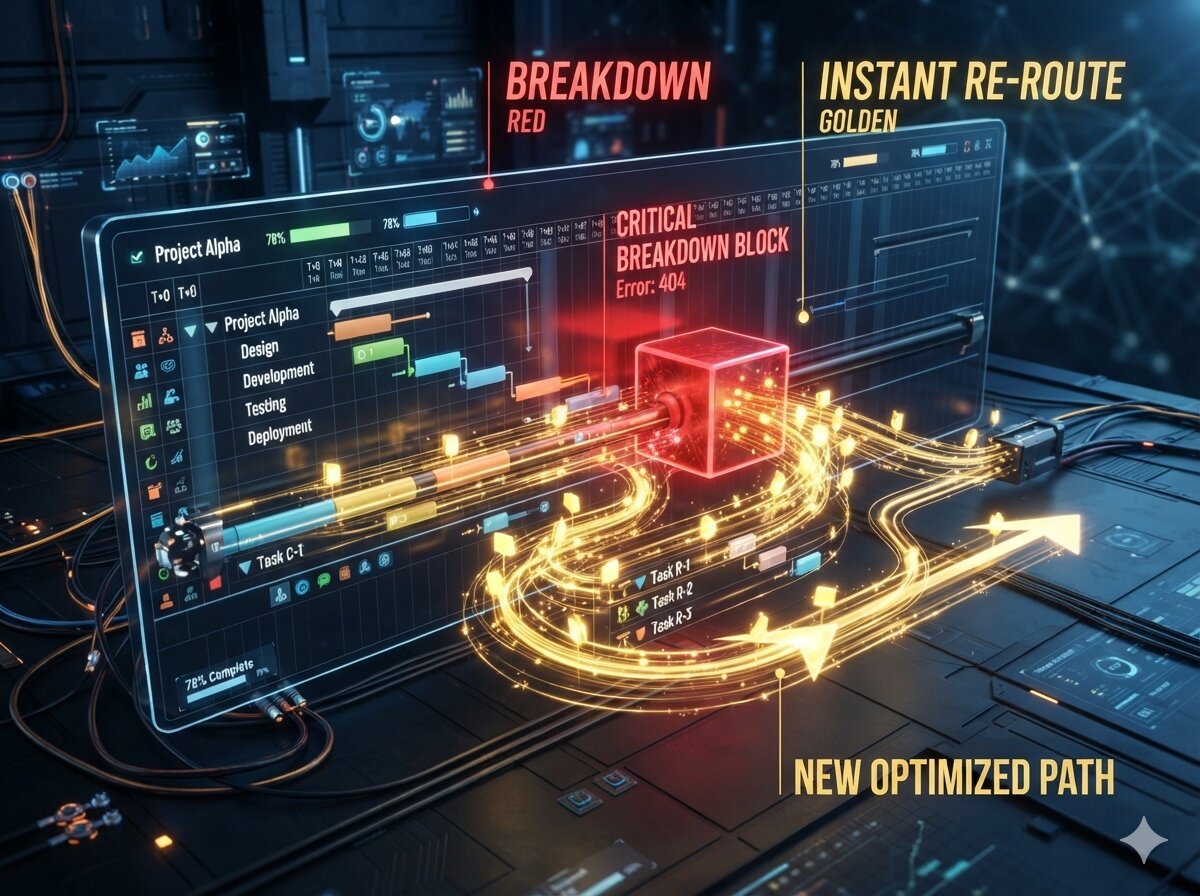
Instantly cut off traffic to the broken code path.
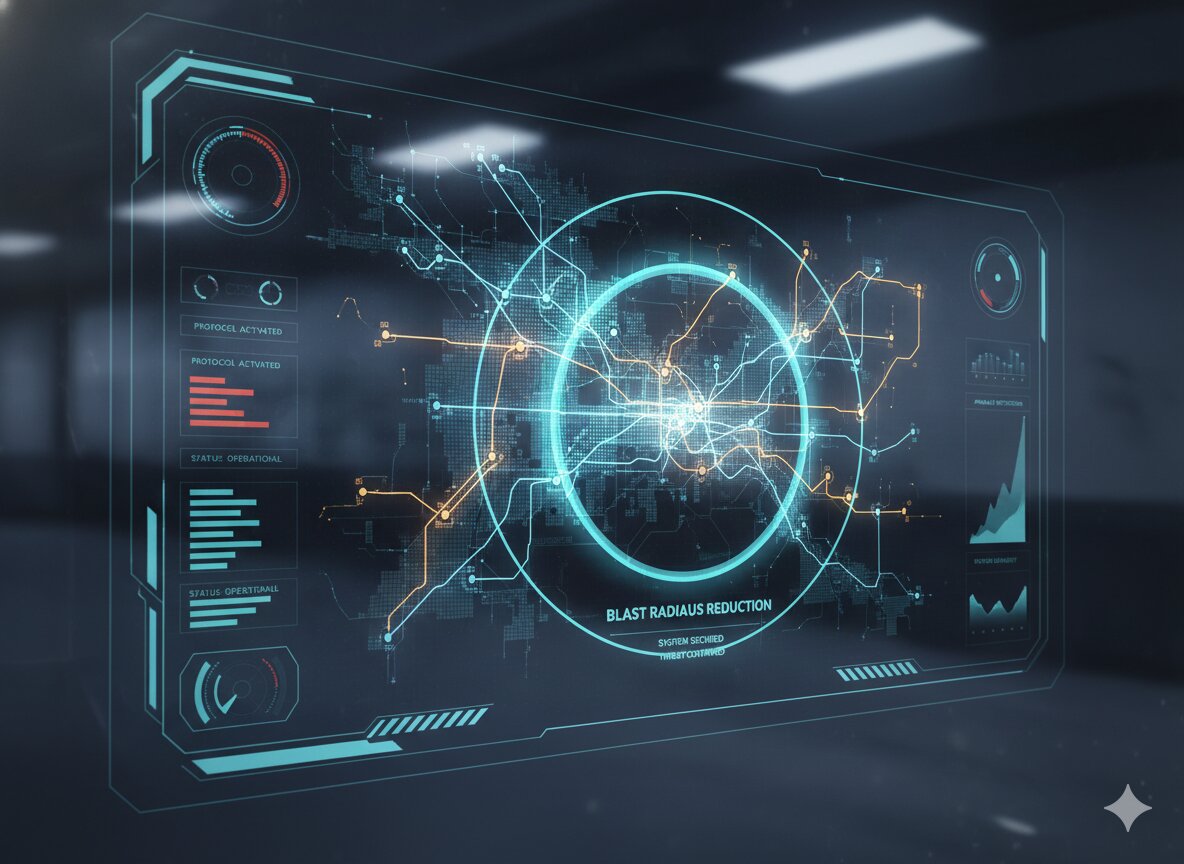
- The Strategy: Use feature flags or canary configurations to isolate the blast radius without touching the main deployment pipeline.
- The Soundbite: "My absolute first move is to flip the kill switch. If this feature was rolled out behind a dynamic feature flag or an A/B testing tool, I will immediately toggle the flag to 0% traffic allocation. This isolates the blast radius instantly and restores the legacy code path for our users within seconds."
2. O-perational Rollback Execution
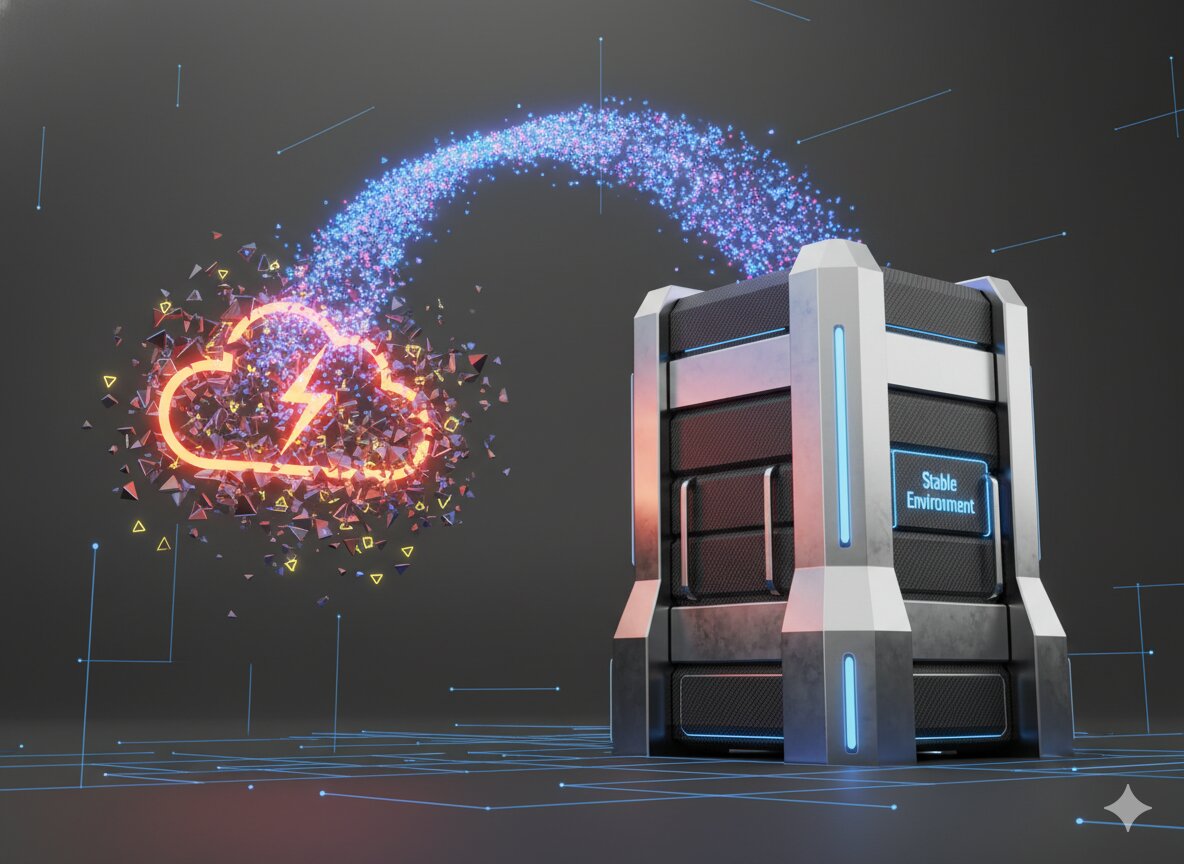
If feature flags aren't available, return the entire environment to the last known stable state.
- The Strategy: Initiate an automated code rollback to the previous stable build hash.
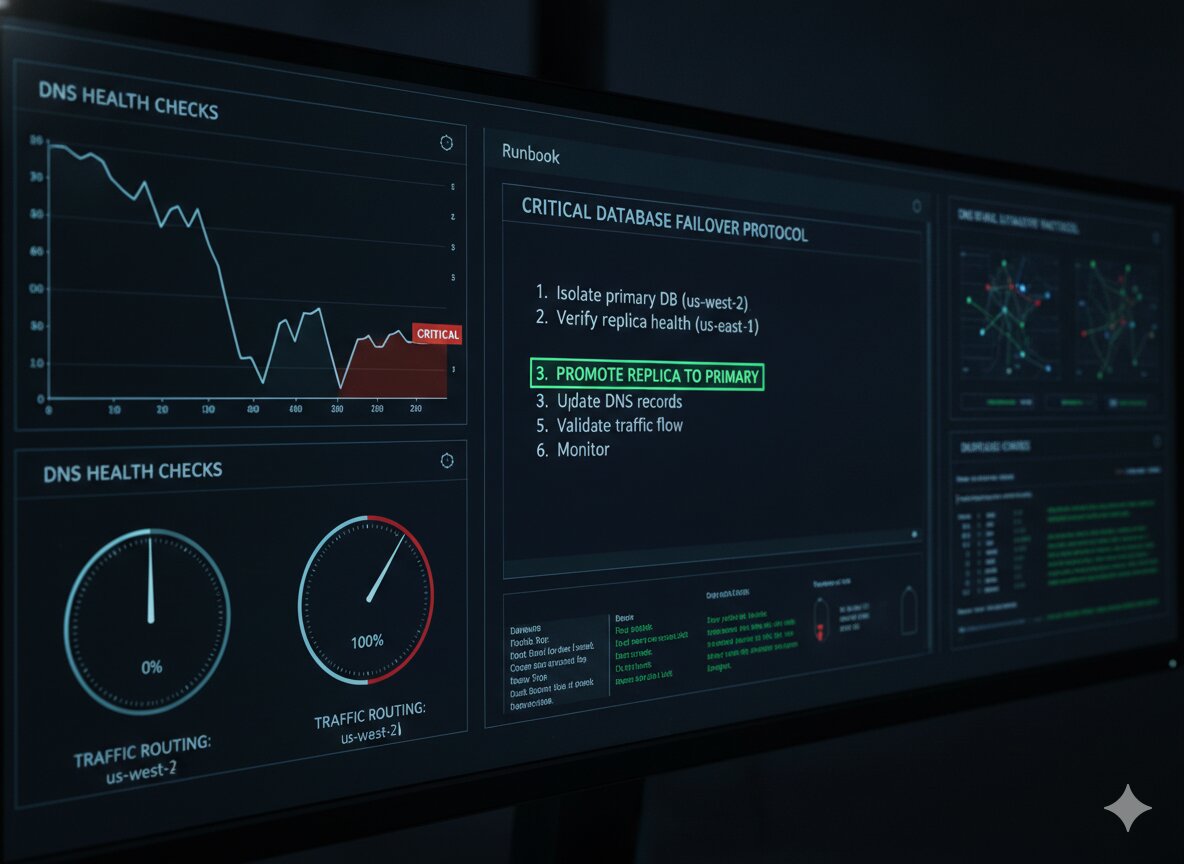
- The Soundbite: "If the update was hard-coded into the main deployment, I will bypass hotfixing and order an immediate code rollback to the previous stable git commit hash. I’d coordinate with the release manager to execute a blue-green swap or route traffic back to the older, healthy container cluster."
3. L-og and Lock Data Integrity
Ensure the broken code didn't corrupt the database before you move forward.
- The Strategy: Check for partial writes, unhandled exceptions, or database table lockouts.
- The Soundbite: "While the system is reverting, I will instruct data engineering to look at our data persistence layer. Did the broken feature cause partial writes, corrupt user schemas, or create data drift between our distributed databases? We must lock down and log any anomalies so we can plan a clean data repair later."
4. L-ead Cross-Functional Communication
Keep the company and stakeholders informed so they can support the response.
- The Strategy: Issue a clear, structured incident update to internal teams and customer support.
- The Soundbite: "I will spin up a central incident war room and send a flash status update to customer success, sales, and executive leadership. I’ll let them know the system is currently undergoing a rollback, provide them with a customer-facing script, and commit to a follow-up status update in exactly 15 minutes."
5. B-ootstrap Post-Stabilization Monitoring
Verify that the rollback actually fixed the problem.
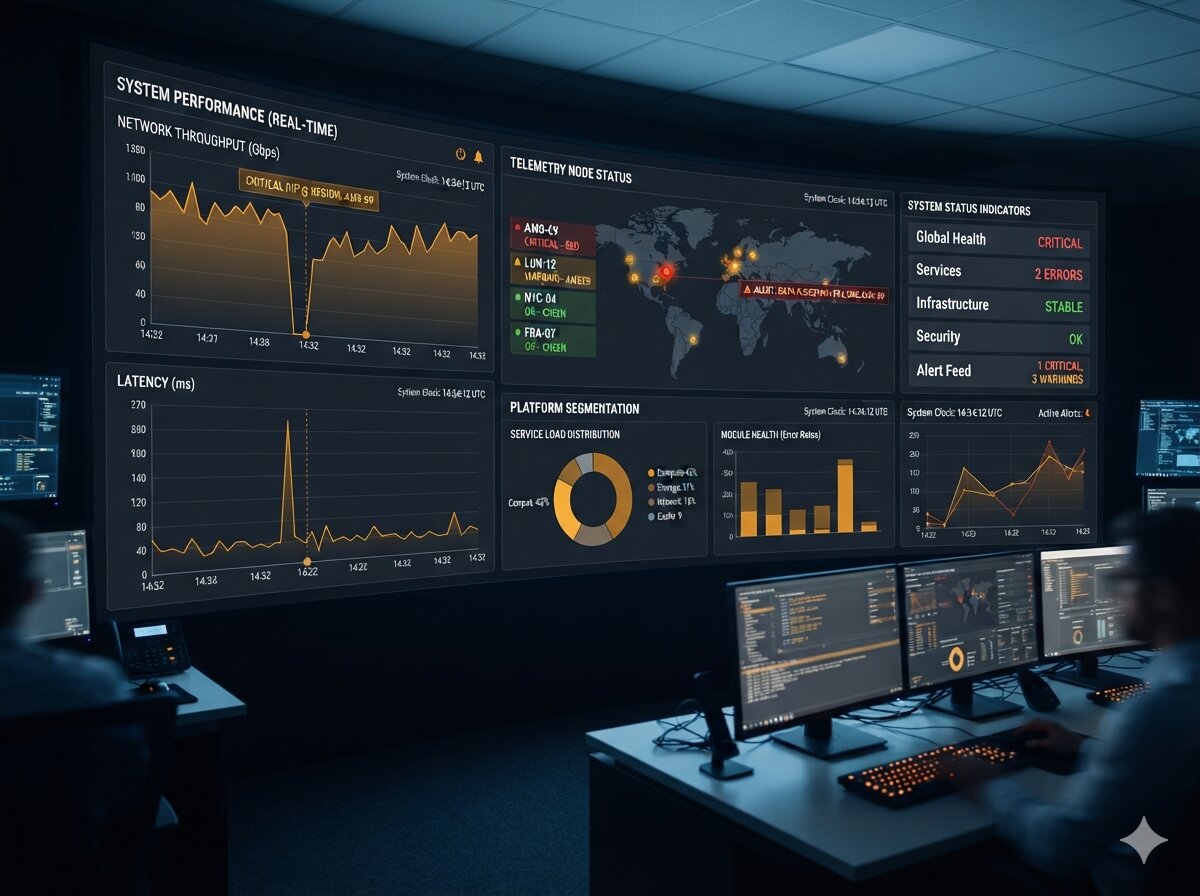
- The Strategy: Watch leading telemetry indicators return to their baseline.
- The Soundbite: "Once the rollback completes, we monitor our technical telemetry. I want to see p99 latency graphs drop back to normal levels, HTTP 500 error rates flatten to zero, and the database thread pool clear out. We do not stand down until our infrastructure health monitors flash green."
6. A-nalyze Root Cause (Blameless Post-Mortem)
Once the system is safe, figure out what went wrong without pointing fingers.
- The Strategy: Run a structured "5 Whys" session to find the systemic testing gap.
- The Soundbite: "The next day, I will facilitate a blameless post-mortem with the engineering, QA, and product teams. We will trace the root cause. Why didn't our staging automated regression tests catch this profile-saving bug? Was it a load issue, or an edge-case data payload we failed to simulate?"
7. C-orrective Action Items
Build permanent guardrails so the team never makes the same mistake twice.
- The Strategy: Turn lessons learned into automated CI/CD pipeline checks.
- The Soundbite: "We wrap up by assigning clear tracking tickets for systemic fixes. This includes adding the missing edge case to our automated integration test suite, introducing automated canary testing with auto-rollback alerts for future deployments, and refining our alert thresholds."
The Comparison: Bad vs. Good
- Bad Answer: "I would have the engineer who wrote the bug stay on a call, write a quick hotfix patch, run it through staging quickly, and push it to production to see if it fixes the user profiles." (High-risk, reactive, lacks structural control).
- Good Answer: "I will immediately execute a traffic rollback via feature flags or a code revert to restore the system to a known stable baseline, communicate with internal teams to manage customer impact, and prioritize stabilization over debugging." (Proactive, risk-managed, operational leadership).
Master the Post-Launch Playbook
A great PM or TPM isn’t judged by a flawless launch, but by how they handle the inevitable production failures. Showing that you prioritize user experience and systemic stability over ego proves you possess senior executive maturity. The ROLL-BACK protocol demonstrates your ability to lead clearly through high-pressure chaos.
The Kracd Prep Kits provide comprehensive incident management templates, post-mortem playbooks, and system telemetry cheat sheets.
- For PMs: Protect user trust and lead post-incident communications seamlessly with the PM Prep Guide.
- For TPMs: Master CI/CD pipeline guardrails, automated rollbacks, and infrastructure reliability loops with the TPM Prep Kit.
FAQs
Q: What if a rollback is impossible because of a database schema change?A: This is why we decouple database migrations from code deployments. If a backward-incompatible database change was executed, you cannot easily roll back. In this scenario, you must execute a "Forward Mitigation"—disabling the specific broken feature code path using a configuration change while keeping the database online, or utilizing a pre-packaged database migration rollback script.
Q: Who should write the post-mortem document?A: It is a collaborative engineering effort, but the PM/TPM drives the process. The engineering team fills out the deep technical root cause analysis, the logs, and the architectural timeline. The PM/TPM owns the business impact metrics, the cross-functional communication narrative, and ensures the corrective action tickets are actually prioritized in the upcoming sprint.
Q: How do you handle an executive demanding answers during the middle of the outage?A: Set firm boundaries. I would politely state: "We are actively executing a system rollback right now to protect our core transaction metrics. To keep the engineers focused on stabilization, I am posting status updates every 15 minutes to our internal incident Slack channel. I will ping you directly as soon as the metrics stabilize."














.jpg)