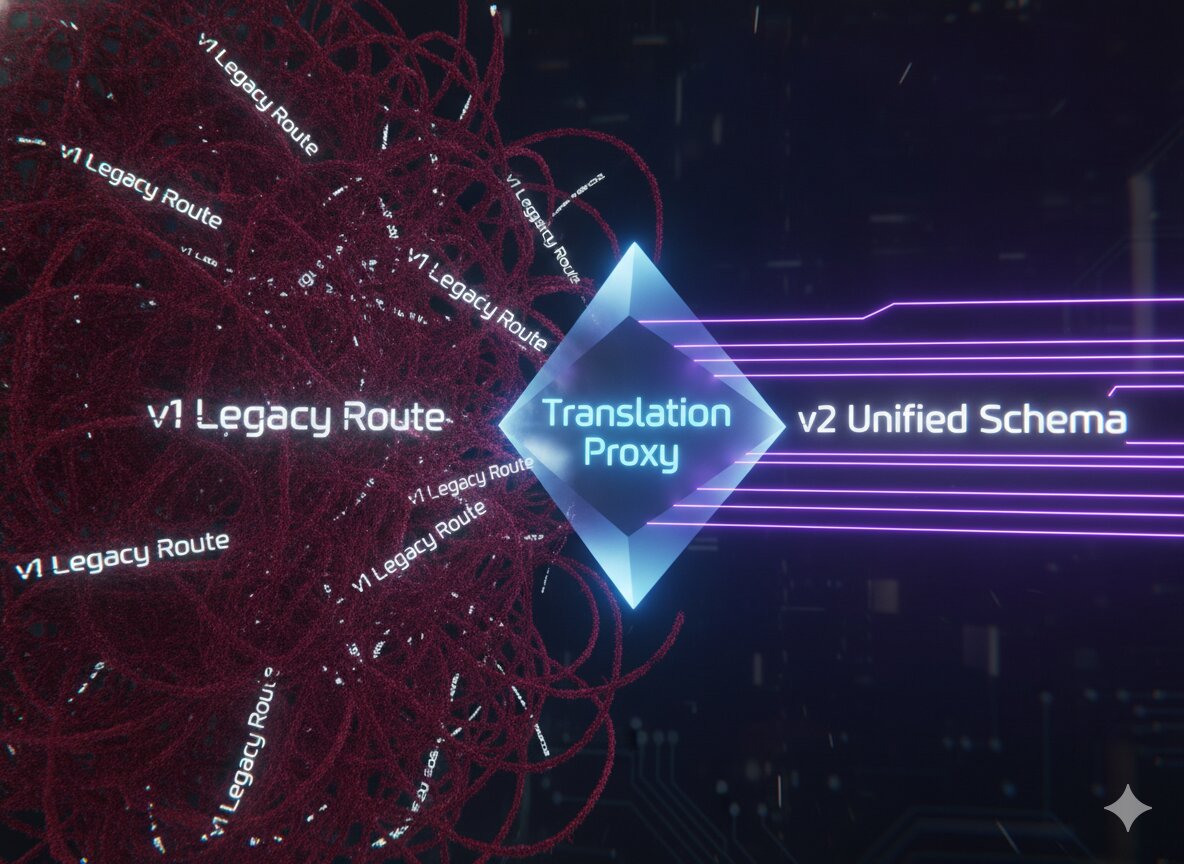
Introduction
The Head of Infrastructure and VP of Product Engineering open the technical systems loop: "We are deploying autonomous, multi-turn Generative AI Agents for 10 million daily active users across automated customer support, coding assistants, and financial workflows. As conversations scale to 50+ tool calls per session, the system suffers from state explosion, context window overflow, tool selection drift, cascading agent failures, and soaring inference costs. How do you design a real-time, event-driven agentic orchestration platform under a 500ms end-to-end SLA?"
This is where candidates fall into the "Monolithic LangChain Loop" trap.
They offer a fragile, toy architecture: "We'll just write an infinite while-loop in Python with LangChain, pass the entire history of messages and 100 OpenAPI tool definitions to GPT-4 on every turn, and let the model figure out what tool to call next."
Stop relying on unbounded, synchronous agent loops for enterprise applications. Passing hundreds of tool schemas bloats prompt token costs and degrades function-calling accuracy, while synchronous agent execution blocks thread pools and leads to cascading timeouts during long-running tool calls. In elite FAANG AI Product Management and TPM architecture loops, panels evaluate your grasp of Stateful Agent Event-Driven Architecture, Dynamic Tool Retrieval & Pruning, Hierarchical Multi-Agent Supervision (Supervisor-Worker Patterns), Short-Term vs. Long-Term Epistemic Memory, Human-In-The-Loop (HITL) Checkpoints, and Deterministic Finite State Machine Guardrails.
To pass this advanced GenAI agent architecture and distributed platform design round, you need an enterprise-grade framework: the AGENT-SCALE method.
The Core Framework: The "AGENT-SCALE" Method
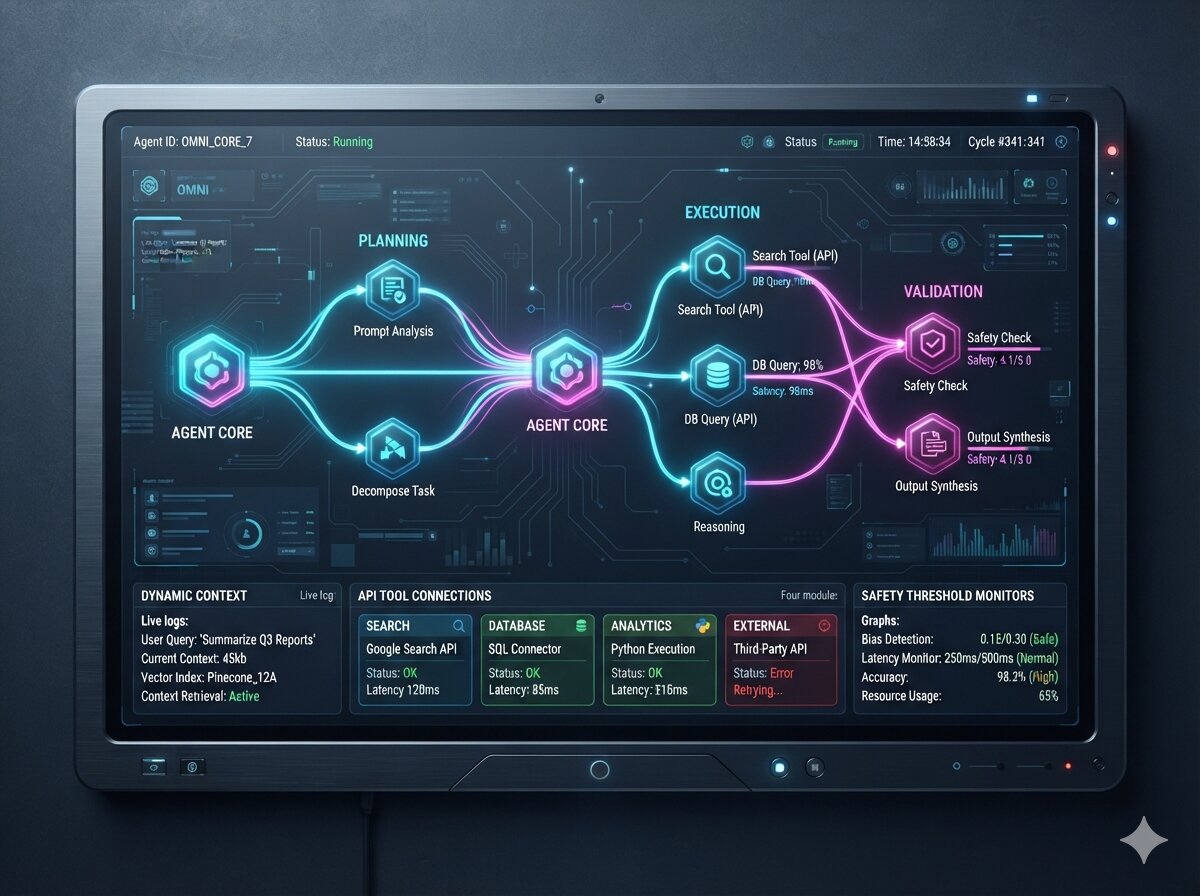
Elite AI platform leaders do not build fragile, unbounded script loops. They engineer stateful, event-driven, multi-agent orchestration platforms using deterministic state machines and dynamic context filtering.
                  [ Incoming User Task / Intent Request ]
                                     │
                                     ▼
       ┌────────────────────────────────────────────────────────────┐
       │             A-SYNC EVENT-DRIVEN ORCHESTRATION              │
       │  * Event Mesh (Kafka/Temporal), Non-blocking Agent Loops │
       └─────────────────────────────┬──────────────────────────────┘
                                     │
                                     ▼
       ┌────────────────────────────────────────────────────────────┐
       │             G-RANULAR DYNAMIC TOOL RETRIEVAL               │
       │  * Vector Indexing of Tool Schemas, Pruning Top-K Tools    │
       └─────────────────────────────┬──────────────────────────────┘
                                     │
                                     ▼
       ┌────────────────────────────────────────────────────────────┐
       │             E-XPLICIT HIERARCHIAL AGENT SUPERVISION       │
       │  * Supervisor Router + Specialized Domain Workers          │
       └─────────────────────────────┬──────────────────────────────┘
                                     │
                                     ▼
       ┌────────────────────────────────────────────────────────────┐
       │             N-AVIGABLE MEMORY & CONTEXT MANAGEMENT         │
       │  * Working Memory, Epistemic Long-Term Semantic Store      │
       └─────────────────────────────┬──────────────────────────────┘
                                     │
                                     ▼
       ┌────────────────────────────────────────────────────────────┐
       │             T-ERMINATION & FINITE STATE GUARDRAILS         │
       │  * Max Cycle Limits, Deterministic FSM State Transitions   │
       └─────────────────────────────┬──────────────────────────────┘
                                     │
                                     ▼
       ┌────────────────────────────────────────────────────────────┐
       │             S-AFE HUMAN-IN-THE-LOOP (HITL) CHECKPOINTS     │
       │  * Interrupt Events, Approval Workflows, Durable State     │
       └─────────────────────────────┬──────────────────────────────┘
                                     │
                                     ▼
       ┌────────────────────────────────────────────────────────────┐
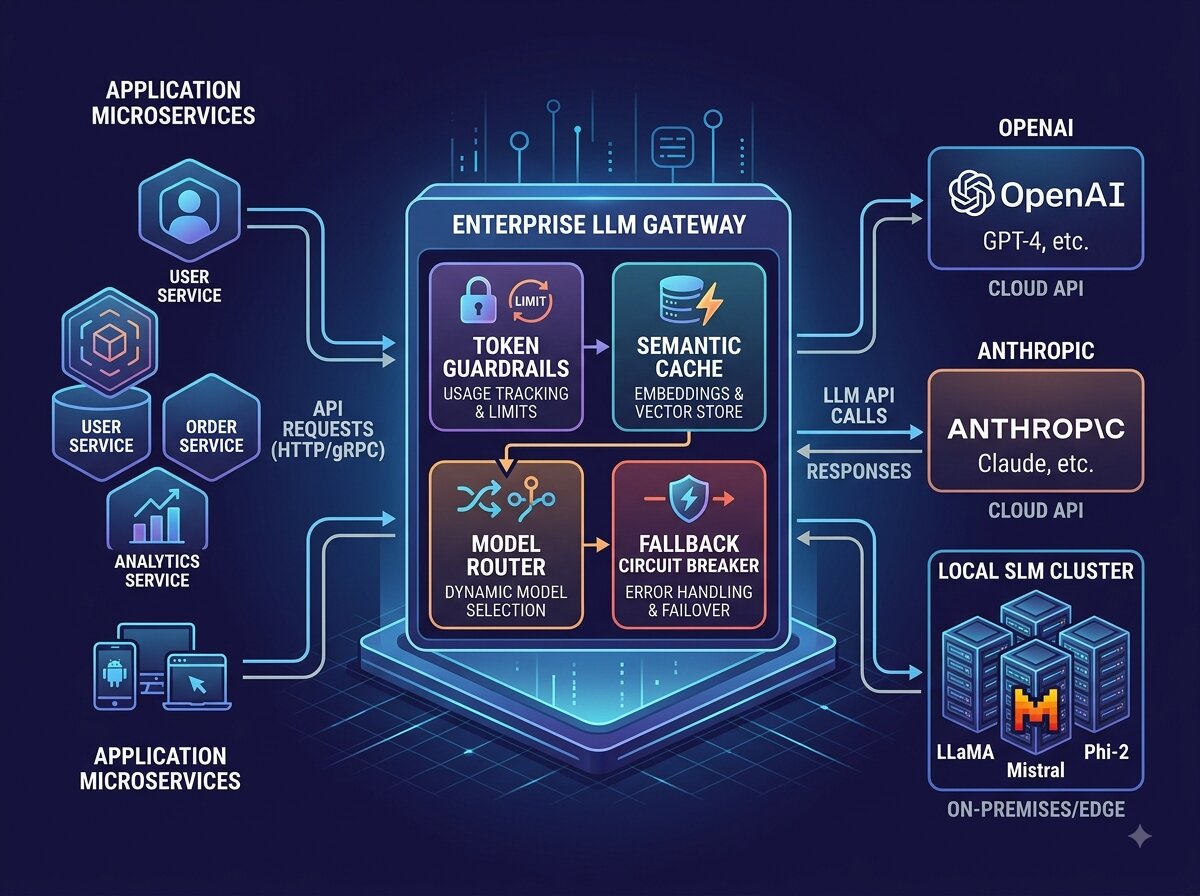
       │             C-ASCADING FALLBACK & MODEL ROUTING            │
       │  * Cost-Latency Model Router (SLMs for routing, LLMs for)  │
       └─────────────────────────────┬──────────────────────────────┘
                                     │
                                     ▼
       ┌────────────────────────────────────────────────────────────┐
       │             A-NOMALY OBSERVABILITY & REASONING TRACING     │
       │  * OpenInference, Agent Loop Step Tracing, Tool Metrics    │
       └─────────────────────────────┬──────────────────────────────┘
                                     │
                                     ▼
       ┌────────────────────────────────────────────────────────────┐
       │             L-OAD-BALANCED ACCELERATED HARDWARE            │
       │  * vLLM/TGI, Speculative Decoding, PagedAttention          │
       └─────────────────────────────┬──────────────────────────────┘
                                     │
                                     ▼
       ┌────────────────────────────────────────────────────────────┐
       │             E-XECUTABLE SANDBOX ISOLATION                  │
       │  * Isolated MicroVMs (Firecracker / Docker Engine)          │
       └─────────────────────────────┬──────────────────────────────┘
                                     │
                                     ▼
                  [ Validated, Safe Agent Execution ]
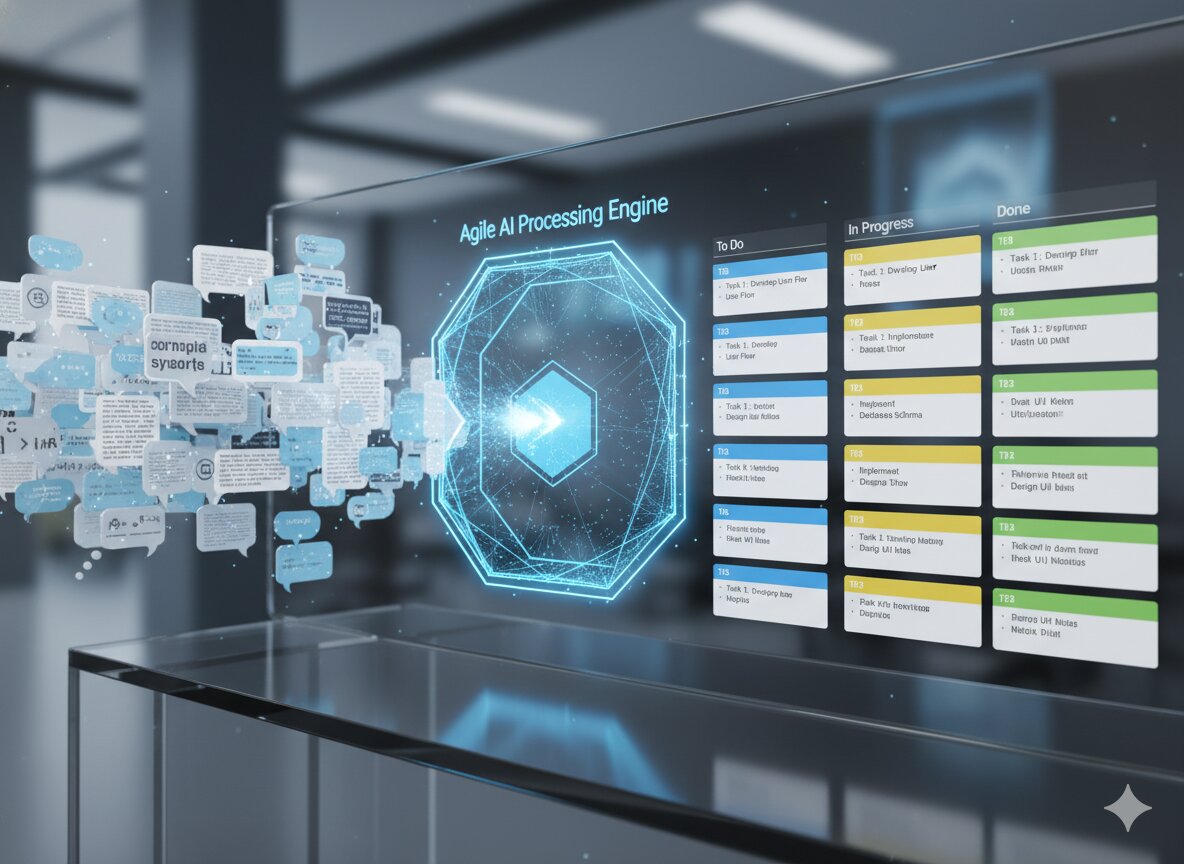
1. A-sync Event-Driven Orchestration
Decouple agent reasoning cycles from blocking synchronous API calls.
- The Strategy: Replace blocking HTTP loops with an event-driven workflow engine (e.g., Temporal or Apache Kafka). Treat every agent reasoning step, tool invocation, and observation as an asynchronous state event. If a database query or external API tool takes 10 seconds to execute, the agent state is persisted durably to disk, freeing compute worker threads to process other tasks.
- Interview Script: "First, we establish an Asynchronous Event-Driven Architecture using Temporal and Kafka. Decoupling agent reasoning cycles into durable state transitions prevents worker thread starvation during long-running tool calls and ensures automatic state recovery if an execution worker crashes mid-task."
2. G-ranular Dynamic Tool Retrieval
Eliminate token clutter by serving tools on demand rather than loading all APIs at once.
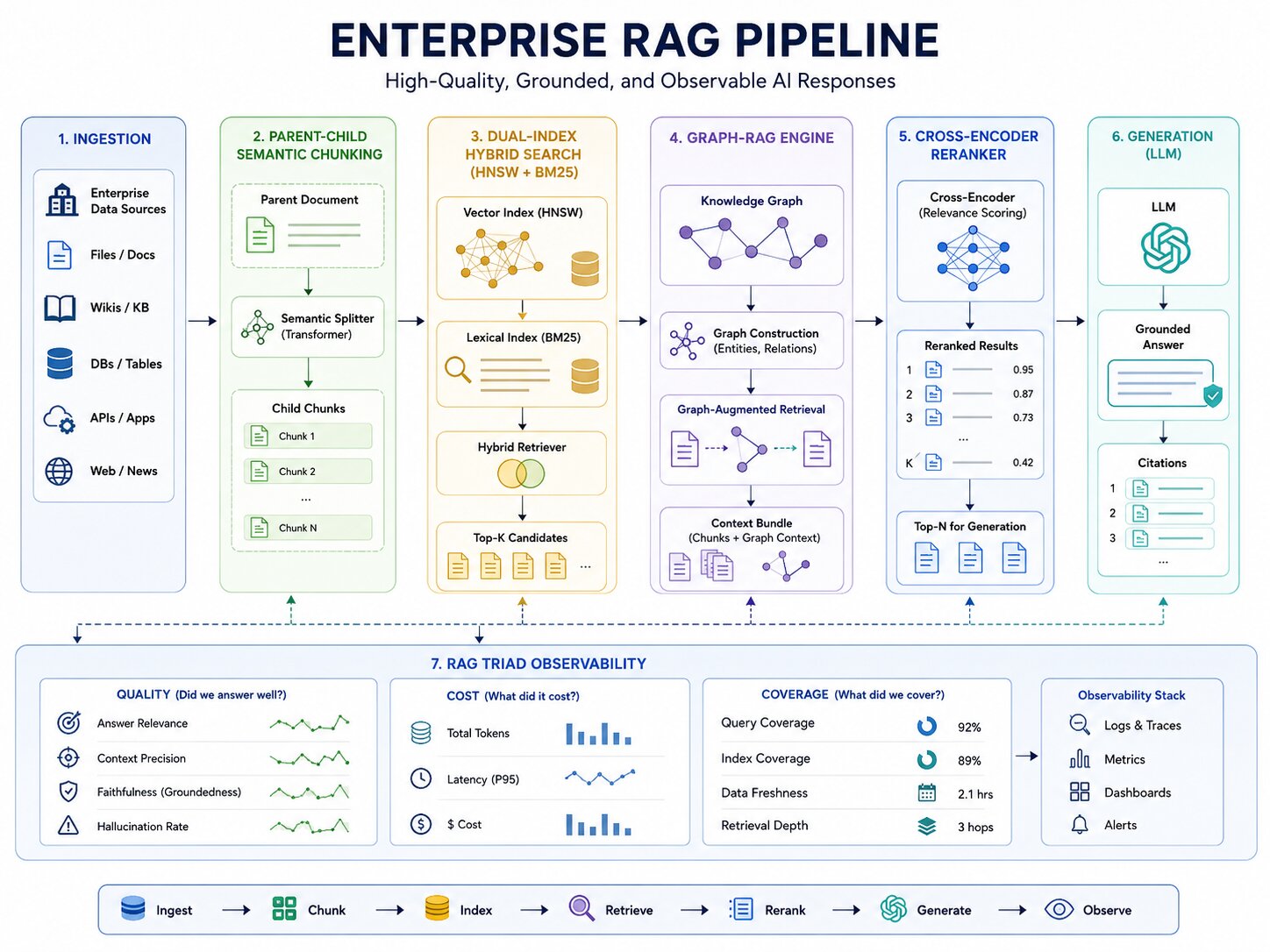
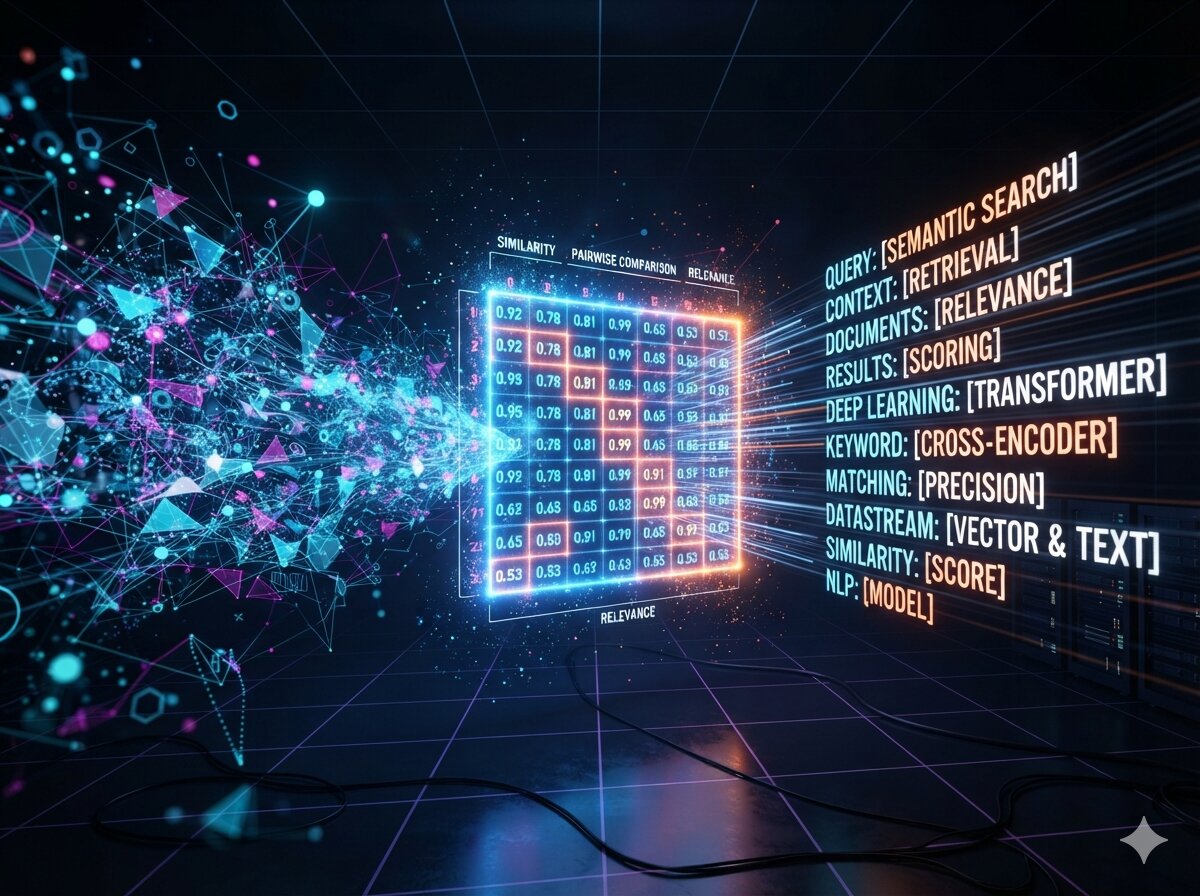
- The Strategy: Injecting 50+ OpenAPI tool schemas directly into the LLM system prompt degrades function-calling accuracy and wastes context tokens. Index all available tool definitions inside a Tool Vector Index. On every user turn, execute a fast vector search using the current goal state to retrieve and inject only the Top-K (3 to 5) relevant tool definitions into the active context window.
- Interview Script: "To prevent context bloat and tool hallucination, we deploy Dynamic Tool Retrieval. Instead of overloading the system prompt with dozens of API schemas, we retrieve only the top 3 relevant tool definitions dynamically using vector similarity on the active conversation goal state."
3. E-xplicit Hierarchical Agent Supervision
Divide complex workflows among specialized worker agents managed by a primary router.
- The Strategy: Avoid relying on a single generalist agent to handle planning, coding, database querying, and customer messaging simultaneously. Implement a Supervisor-Worker Pattern:
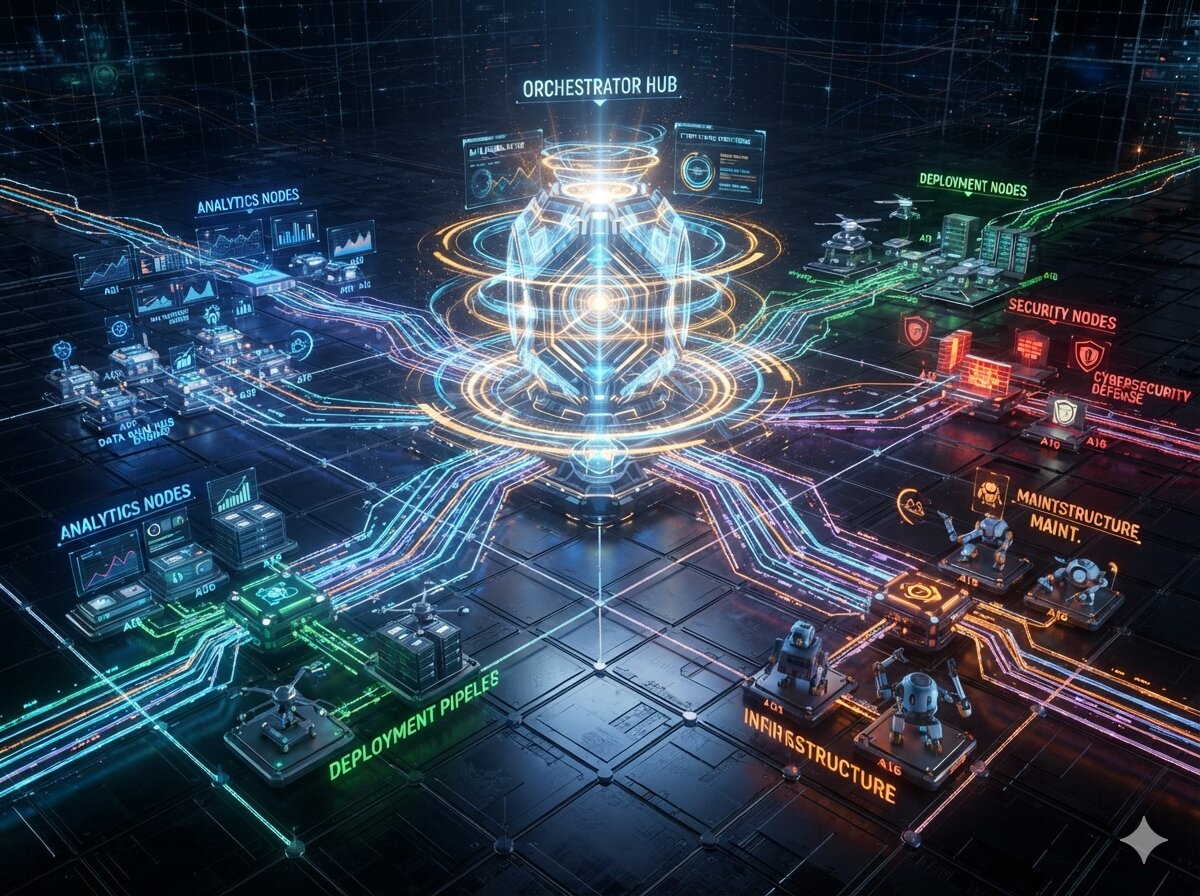
- Supervisor Agent: Inspects the high-level user objective, generates a structured plan, delegates tasks to domain agents, and verifies completed output.
- Domain-Worker Agents: Fine-tuned, single-responsibility agents (e.g.,
SQL-Query Agent,API-Integration Agent,Email-Composer Agent) executing constrained sub-tasks.
- Interview Script: "We structure system logic using a Hierarchical Supervisor-Worker Topology. A lightweight Supervisor Agent acts as an orchestrator, breaking goals into sub-tasks and routing them to specialized, single-responsibility Worker Agents, preventing task drift in complex workflows."
4. N-avigable Memory & Context Management
Structure agent memory into distinct operational tiers.
- The Strategy: Unbounded conversation history causes model hallucination and degrades context window performance. Implement a three-tiered memory architecture:
- Working Memory: The active thread state, holding only the immediate task goals and compressed tool observations.
- Episodic Memory: Structured vector store recording past successful agent trajectories and execution patterns.
- Semantic Memory: Graph and key-value store holding persistent user preferences and domain entity facts across sessions.
- Interview Script: "We manage state expansion using a Three-Tiered Memory Architecture. Active turns run on a compressed Working Memory window, past task execution trajectories are retrieved from Episodic Vector Stores, and core user profile facts persist inside a Semantic Memory Graph."
5. T-ermination & Finite State Guardrails
Prevent infinite loops and runaway execution costs.
- The Strategy: Agents can easily become trapped in infinite tool-call loops when encountering API errors. Enforce deterministic state machine rules (FSM) over the agent loop:
- Hard limits on maximum execution cycles (e.g., max 10 tool calls per session).
- Strict state transitions (e.g.,
PLAN->TOOL_EXECUTE->VERIFY->COMPLETE). - Loop detection algorithms that flag repetitive tool parameters and trigger automatic intervention.
- Interview Script: "To prevent runaway execution costs, we bound agent reasoning within a Deterministic Finite State Machine (FSM). We enforce hard step limits, state transition rules, and loop-detection triggers that halt execution and invoke fallback logic if repetitive tool calls are detected."
6. S-afe Human-In-The-Loop (HITL) Checkpoints
Require human confirmation for high-stakes tool execution.
- The Strategy: For destructive or sensitive actions (e.g., triggering wire transfers, deleting database records, issuing refunds), the agent state machine fires an
INTERRUPTevent and persists state. The workflow pauses safely until an authenticated human operator approves or rejects the action via a dashboard callback. - Interview Script: "For sensitive operations, we build Human-In-The-Loop (HITL) Checkpoints. When an agent requests a high-risk tool call, the event engine pauses execution, emits an approval request event, and waits for a human signature before resuming state execution."
The Comparison: Bad vs. Good
Bad Answer (Monolithic Script Loop)Good Answer (AGENT-SCALE Framework)"We will write a python script loop with LangChain, give GPT-4 all tool definitions, and run it synchronously until it finishes.""I will implement the AGENT-SCALE framework: event-driven Temporal workflows, dynamic tool retrieval via vector index, hierarchical supervisor-worker routing, and FSM guardrails.""If the agent gets stuck in a loop, we will increase the LLM temperature or add 'Please don't repeat yourself' to the prompt.""Prompting doesn't prevent infinite loops. We enforce deterministic state machine cycle limits, dynamic loop detection heuristics, and safe human-in-the-loop checkpoints."
The Pitch/Transition
Architecting scalable, production-grade Generative AI agents requires moving beyond basic script loops toward asynchronous event-driven state orchestration, dynamic tool retrieval, hierarchical multi-agent delegation, and deterministic finite state machine guardrails. The AGENT-SCALE framework provides an enterprise blueprint for high-concurrency, resilient agentic platforms.
In executive FAANG AI Product Management and TPM system design loops, hiring panels evaluate candidates on their ability to design event-driven systems, manage compute latency budgets, control non-deterministic agent behavior, and eliminate runaway inference costs.
Prepare with production-validated AI frameworks, enterprise system design blueprints, and authoritative infrastructure vocabulary:
- Command your AI product strategy, agent platform roadmap, and execution metrics with the comprehensive PM Prep Guide.
- Dominate system design, distributed event infrastructure, and platform execution loops with the tactical TPM Prep Kit.
FAQs
Q: How do you prevent Tool Selection Drift when an agent has access to dozens of tools?
A: Use Dynamic Tool Retrieval with Semantic Tool Categorization:
- Group tools into domain namespaces (e.g.,
finance::*,database::*,communication::*). - Run a lightweight classification step (or use intent embeddings) to identify the required namespace.
- Perform vector search over only the selected namespace schemas and pass a filtered set of 3 to 5 tool definitions to the LLM context window.
Q: What is the benefit of a Supervisor-Worker Agent topology over a single Autonomous Agent?
A: Single autonomous agents suffer from task dilution, context overflow, and degraded reasoning performance as conversation history grows. A Supervisor-Worker Topology enforces separation of concerns: the Supervisor focuses exclusively on high-level goal breakdown and verification, while specialized Workers execute isolated tasks with clean, task-specific context windows.
Q: How do you secure code execution tools (e.g., Python code interpreters) inside an enterprise agent platform?
A: Execute all generated code inside Isolated MicroVM Sandboxes (e.g., AWS Firecracker or isolated Docker containers) with strict constraints:
- Strip all network access by default unless explicitly whitelisted.
- Enforce hard CPU, memory, and timeout limits (e.g., max 2 seconds execution time).
- Mount file systems as read-only, using ephemeral
/tmpdirectories for temporary outputs.












.jpg)