How to Resolve Cross-Functional Gridlock: The "BRIDGE-ALIGN" Trade-off Framework

Learn the "BRIDGE-ALIGN" framework to handle conflicting team timelines in PM and TPM interviews. Discover how to systematically manage technical complexity, marketing demands, and cross-functional gridlock.

The Interview Trap: The "Dictator" or "People-Pleaser" Pitfall

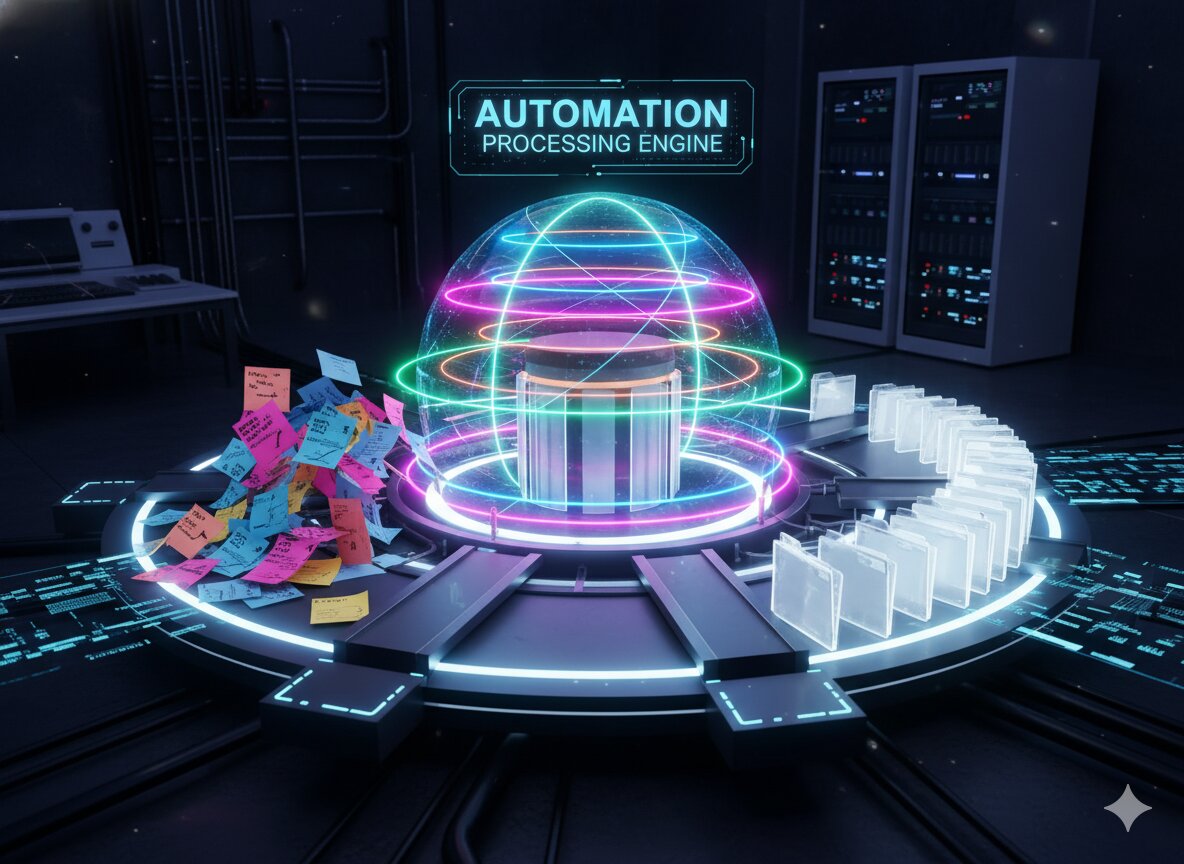
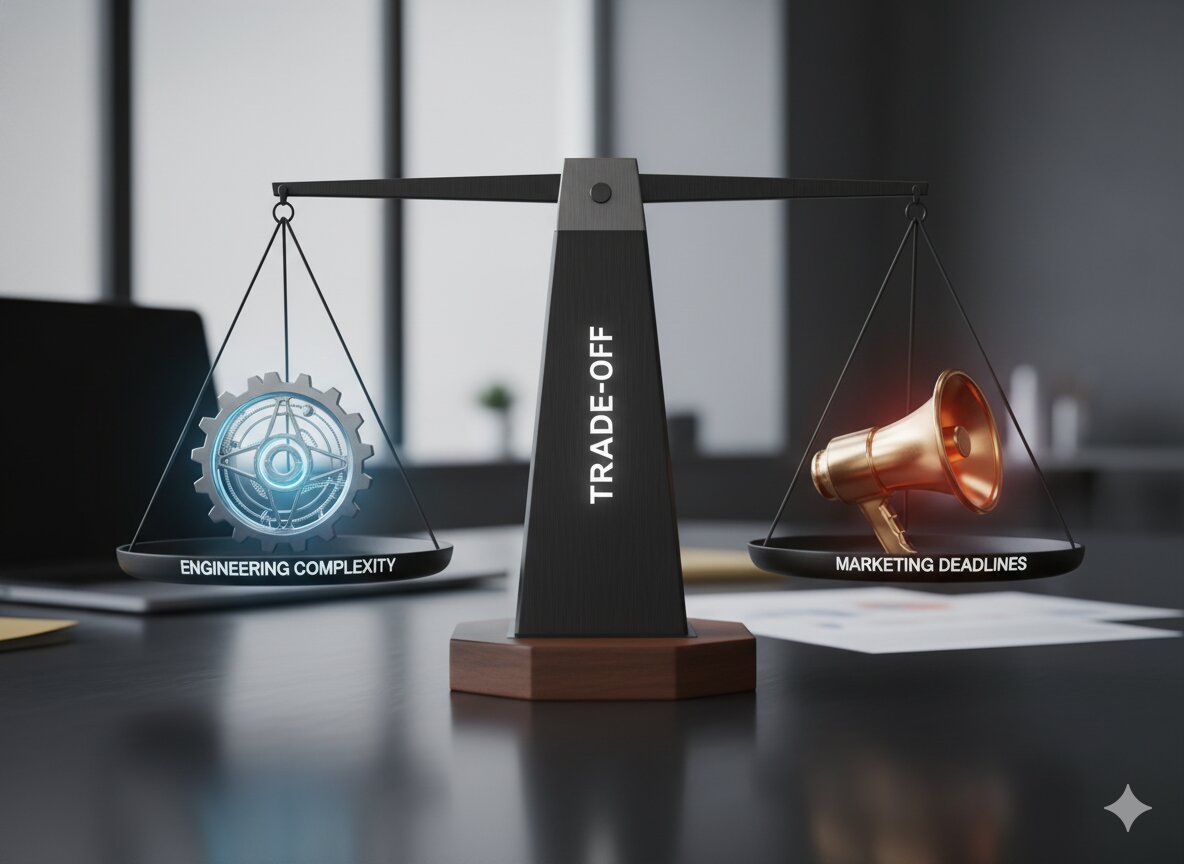
The interviewer leans forward and throws a classic execution grenade at you: "Engineering says the feature is too complex to build by the deadline. Marketing says the launch date is set in stone and cannot move. How do you resolve this conflict?" Most candidates crash here. They either act like a dictator ("I'd tell engineering to work overtime to hit the date") or a passive middleman ("I'd set up another meeting to find a compromise"). Stop. Both approaches signal a lack of leadership maturity. In a FAANG panel, they aren't looking for a compromise. They are assessing your ability to manage Resource Constraints, Technical Risk, and Strategic Trade-offs without burning bridges.

The Core Framework: The "BRIDGE-ALIGN" Method

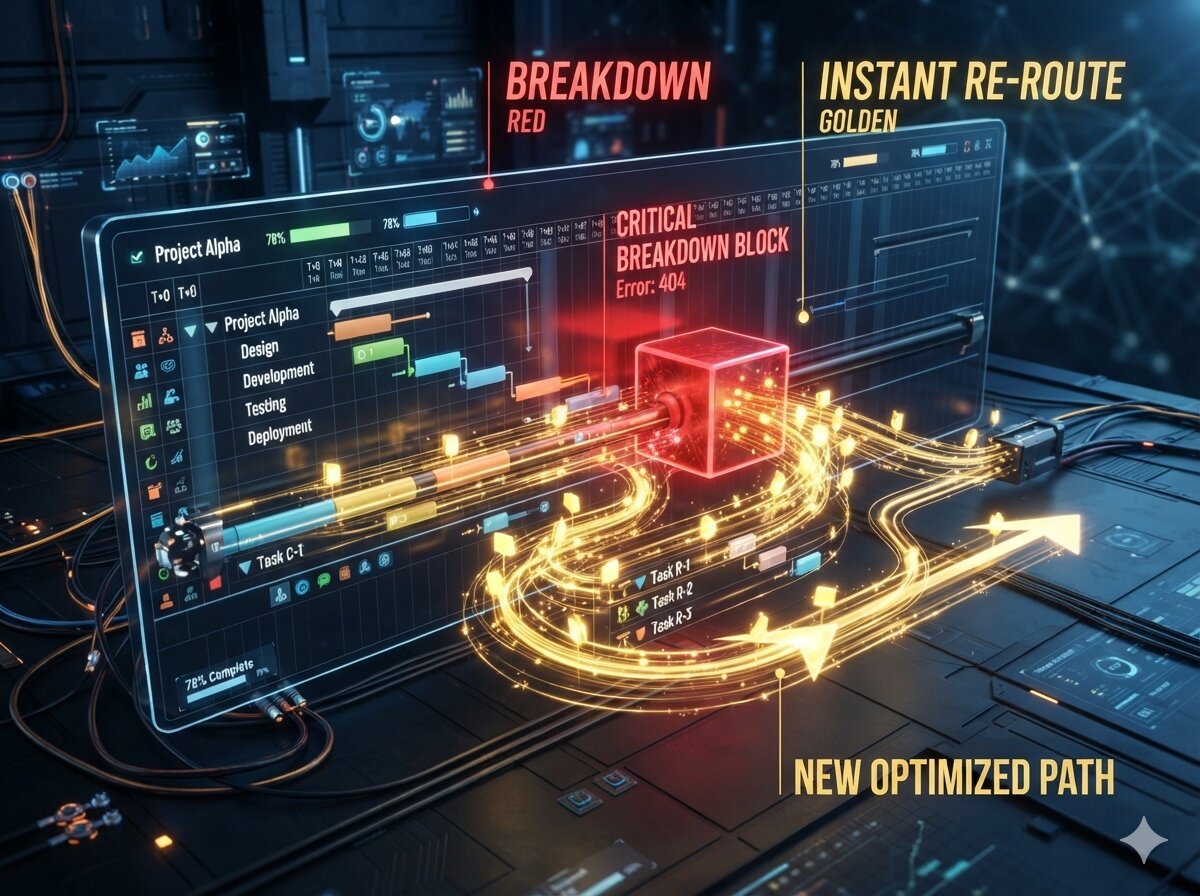
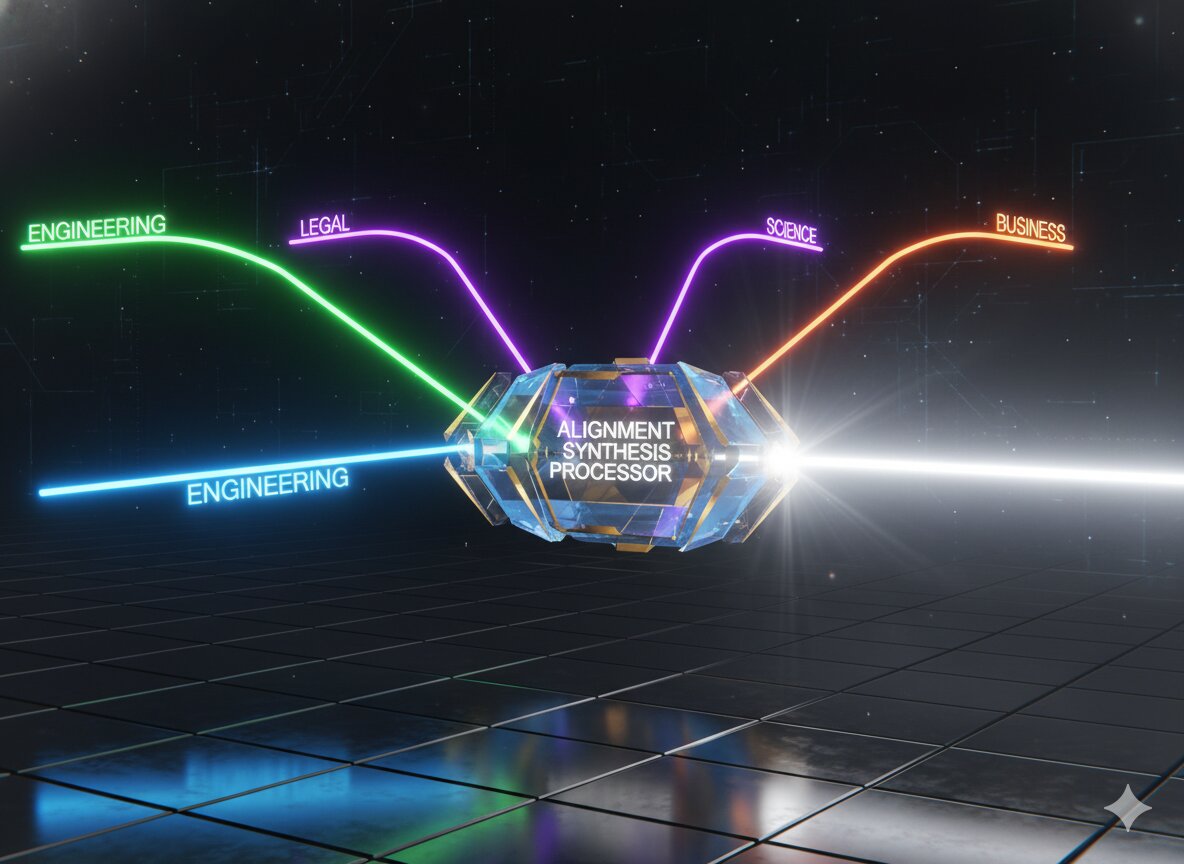
When engineering and marketing lock horns, your job is to translate technical complexity into business risk and marketing goals into product constraints.

1. B-oundary Definition (Map the Hard Limits)

Determine what is truly unmovable versus what is flexible.

  • The Strategy: Separate artificial deadlines from real business constraints.
  • The Soundbite: "I'll first separate hard constraints from soft expectations. I need to find out if the marketing date is tied to a major external event—like a public tech conference or an regulatory shift—or if it's an internal target. At the same time, I need to know exactly where engineering is hitting the complexity ceiling."

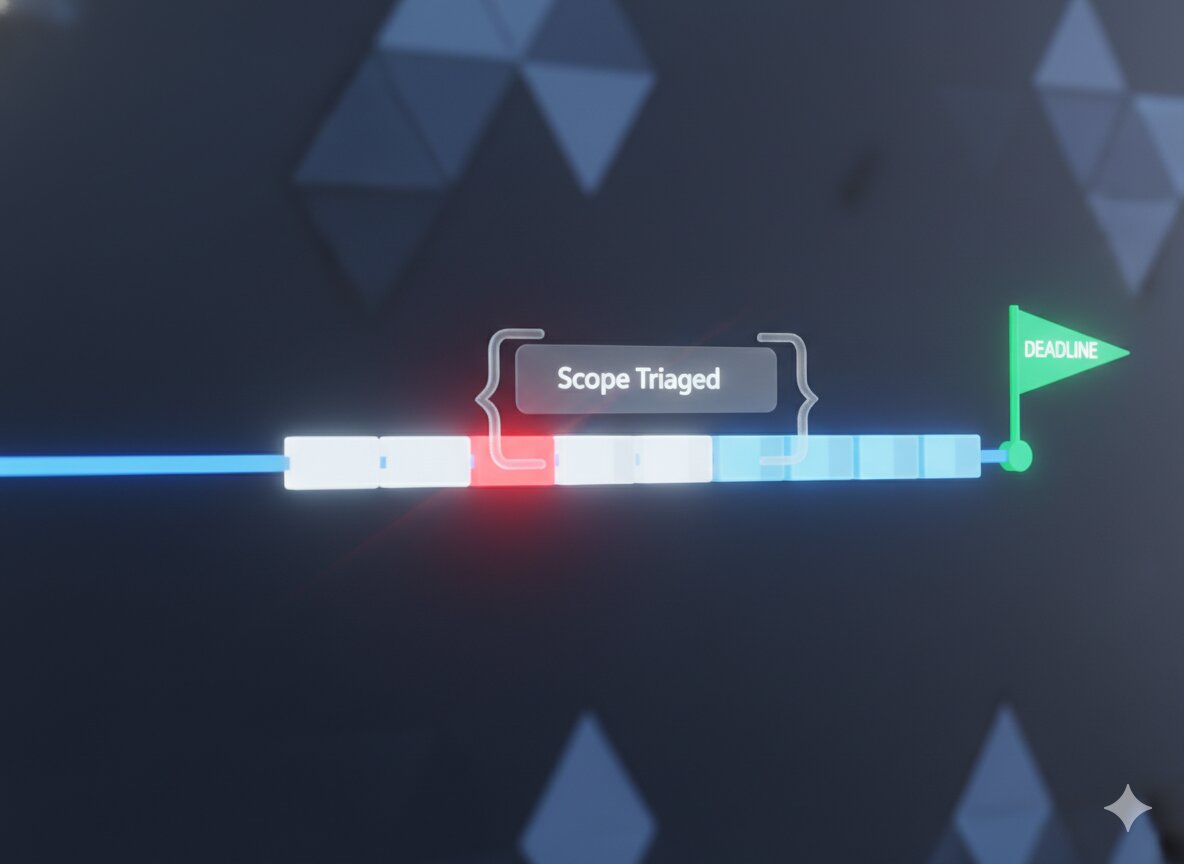
2. R-educe and Deconstruct (Break Down the Scope)

Do not treat the feature as a single monolithic block.

  • The Strategy: Strip the feature down to its core value proposition.
  • The Soundbite: "I'll sit down with the engineering lead to deconstruct the feature. What specific components are driving 80% of the complexity? If a slick custom animation or a secondary data sync pipeline is causing the delay, we can isolate those parts for negotiation."

3. I-dentify Alternates (The Options Matrix)

Never go to a stakeholder with a flat "No." Present trade-offs.

  • The Strategy: Develop three distinct paths forward, each with a quantified cost.
  • The Soundbite: "Instead of just relaying the bad news, I will build an options matrix. Option A: Launch on time with a scaled-back Minimum Viable Product (MVP). Option B: Move the launch date back by two weeks to deliver the full scope. Option C: Add temporary manual operations in the backend to hide the technical gaps at launch."

4. G-o-To-Market Calibration (Sync with Commercial Needs)

Check what marketing actually needs to succeed on day one.

  • The Strategy: Align product capability with the marketing narrative.
  • The Soundbite: "I will align with Marketing to see if the core value proposition they are selling matches our technical MVP. If they are marketing a 'faster checkout experience,' we cannot cut the speed optimization code. But if they are marketing a 'new design,' we can roll out the structural backend improvements later."

5. E-stablish Consensus via Shared Metrics

Remove emotion from the debate. Use business logic.

  • The Strategy: Move the conversation from 'Who is right' to 'What drives the North Star metric.'
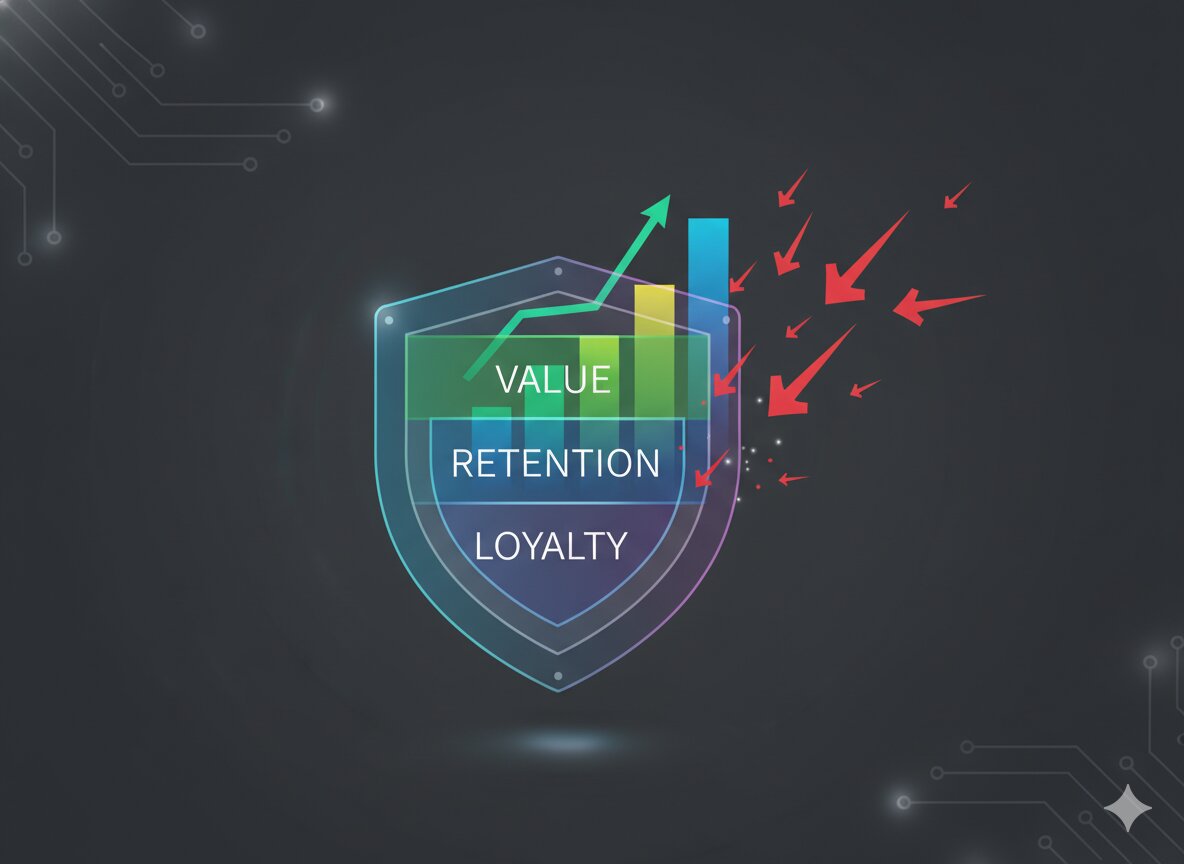
  • The Soundbite: "I will bring both leaders together. I’ll show that launching a broken feature on time will destroy user retention, while delaying the launch altogether might drop our marketing acquisition efficiency. We will make the decision based on which path maximizes our core goal: Customer Lifetime Value."

The Comparison: Bad vs. Good

  • Bad Answer: "I would schedule a meeting with both teams, listen to both sides, and try to find a middle ground where everyone gives up a little bit of what they want." (Passively splits the difference, lacks strategic framework).
  • Good Answer: "I would deconstruct the feature to locate the specific technical bottlenecks, map those against marketing's core narrative requirements, and present three structured trade-off options based on business impact." (Proactive, structured, analytical).

Master Stakeholder Negotiations

Managing conflicting timelines is the ultimate test of a PM or TPM's organizational influence. It requires high technical empathy and strict business alignment. The BRIDGE-ALIGN framework gives you the vocabulary to lead these high-pressure executive rounds cleanly.

The Kracd Prep Kits provide you with detailed scenarios on how to manage stakeholder pushback, technical debt arguments, and leadership alignment traps.

  • For PMs: Learn to balance business goals with technical realities using the PM Prep Guide.
  • For TPMs: Master complex resource allocation and timeline dependencies with the TPM Prep Kit.

FAQs

Q: What if the Marketing Director refuses to negotiate on the date?A: Shift the conversation to quality. If the date is fixed, the scope must be variable. Frame the choice clearly using data: "If we keep the date and the current scope, our automated test coverage drops to 40%, risking a major outage. To protect the brand reputation at launch, which features can we move to V1.1?"

Q: How do I handle this if I don't have a deep technical background?A: Ask clarifying questions. You don’t need to write the code, but you do need to understand the architecture. Ask engineering: "What makes this specific piece take 4 weeks instead of 4 days?" Let them explain the architectural blockers so you can explain them to the business.

Q: Should I escalate the conflict to executive leadership?A: Only as a final resort. You should only escalate when you have done the legwork, created the options matrix, and found that the decision requires a strategic pivot that only an executive can approve. Bring the options, not the problem.
Read more blogs

How to Handle a Major Technical Program Delay: The "RE-BASELINE" Schedule Recovery Framework
How to Handle a Database Sharding Migration: The "DATA-BALANCE" Scale Framework
How to Handle a Critical Third-Party API Sunset: The "DEPENDENCY-BUFFER" Integration Framework
How to Handle a Pricing Tier Change: The "PRICING-SHIELD" Revenue Framework
next How to Handle a Post-Launch Crisis: The "ROLL-BACK" Incident Management Framework
How to Handle a Critical API Migration: The "DECOUPLE-SAFE" Architecture Framework
How to Handle a Major System Outage: The "TRIAGE-SCALE" Technical Execution Framework
How to Resolve Cross-Functional Gridlock: The "BRIDGE-ALIGN" Trade-off Framework
How to Handle a Dropping Metric: The "DIG-DEEP" Root Cause Framework
How to Master the Behavioral Interview: The "STAR-GROWTH" Method
How to Lead a Product Launch: The "GTM-VELOCITY" Framework
How to Design a Product for the Next Billion Users: The "ADAPT-LIGHT" Framework
How to Negotiate Your Senior Tech Offer: The "VALUE-ANCHOR" Method
How to Master the Behavioral Interview: The "STAR-GROWTH" Method
How to Lead a Product Launch: The "GTM-VELOCITY" Framework
How to Design a Product from Scratch: The "EMPATHY-SCALE" Framework
How to Prioritize Features: The "RICE-VALUE" Framework
How to Design for the Next Billion Users: The "ADAPT-LIGHT" Framework
How to Build an AI-First Feature: The "RAG-EVAL" Framework
Move from a Monolith to Microservices: The "STRANGLE-SHIELD" Framework
How Do You Decide When to Build vs. Buy?: The "MOAT-LEVER" Framework
How Do You Handle a Conflict Between Engineering and Design?: The "TRIANGLE-TRADE" Framework
How Do You Manage a Delayed Project?: The "REALIGN-RECOVER" Framework
How Do You Design an API?: The "CONTRACT-FIRST" Framework
How Do You Prioritise a Roadmap?: The "ROI-ALIGN" Framework
How to Answer "Tell Me About a Time You Failed": The "PIVOT-OWN" Framework
How to Handle a Dropping Metric: The "SEGMENT-DRILL" Framework
The "Incentive-Alignment" Framework: Building in Web3
The "Value-Tradeoff" Framework: Mastering the Art of "No"
The "Cycle-Velocity" Framework: Building Viral Loops
The "Agentic-Utility" Framework: Building AI-First Features
The "Proxy-Experience" Framework: Mastering the Career Pivot
The "Throughput-Engine" Framework: Elite Productivity
The "Pause-Pivot" Framework: Leading the Room
The "Curated-Authority" Framework: Building Your Tech Brand
The "Throughput-First" Framework: Managing the Sprint
The "Segment-Drill" Framework: Winning with Data
The "Identity-Loop" Framework: Building the Community Moat
The "TTV" Framework: Mastering the First 5 Minutes
The "Red-Team" Framework: Building Ethical AI
The "Extensibility-First" Framework: Building the Ecosystem
The "Glocalization" Framework: Scaling Across Borders
The "PQL-Conversion" Framework: From User to Revenue
The "Phased-Velocity" Framework: Mastering the GTM
The "Win-Loss" Framework: Closing the Product-Market Gap
The "Post-Mortem" Framework: Institutionalizing Failure
The "Cognitive-Utility" Framework: Building AI-First
The "Product Health-Check" Framework: The First 30 Days
The "Moat-Mapping" Framework: Defending the Castle
The "Growth-Loop" Framework: Beyond the Marketing Funnel
The "Radical Clarity" Framework: Managing Underperformance
The "Proof of Work" Framework: Building a Career Magnet
The "Insight-Mining" Framework: High-Impact User Interviews
The "Executive-Pulse" Framework: High-Stakes Communication
The "Technical-Empathy" Framework: The Art of the 1:1
The "Elastic-Scale" Framework: Scaling from 1 to 100
The "Venture-Validation" Framework: Building from 0 to 1
The "Anchor & Lever" Framework: Negotiating $400k+ Total Comp (TC)

The "Asynchronous-First" Framework: Leading Distributed Teams
The "Value-Bridge" Framework: From Specialist to Strategist
The "Value-First AI" Framework: Integrating Intelligence Without the Gimmicks
The FAANG Interview Mastery Checklist: 10 Frameworks to Rule the Loop
The "Blueprint" Framework: Designing Scalable Systems
The "Recovery & Transparency" Framework: Handling a Slipping Project
The "Translate-to-Value" Framework: Simplifying the Complex
The "Box-In" Framework: Solving the Impossible Estimate
The "Strategic Evolution" Framework: Improving Mature Products
The "Inclusive Design" Framework: Solving Complex UX Problems
The "Objective Filter" Framework: Mastering Roadmap Prioritisation
The "Gatekeeper" Framework: Deciding to Enter a New Market
The "Bridge-Builder" Framework: Resolving Technical Deadlock
Tell Me About a Time You Failed: The Post-Mortem Framework
My Metric Dropped 10%: The Rapid Diagnosis Framework for PMs and TPMs
YouTube Watch Time Dropped 10%. Why?": How to Ace the Root Cause Analysis Interview
"How Do You Manage a Team That Doesn't Report to You?": Mastering Influence Without Authority
"You Have 10 Features and Bandwidth for 3. How Do You Decide?": Mastering the Art of Ruthless Prioritization
"Tell Me About a Time You Failed": How to Turn Your Worst Moments into Your Best Interview Answers
"Design Instagram": How to Ace the System Design Interview Without Writing a Single Line of Code
"Analysis Paralysis" is Killing Your Program: How to Master 'Bias for Action' in Interviews and Real Life
What's Your Favorite Product?": Why Saying "The iPhone" Will Fail You (And What to Say Instead)
"How Would You Manage a Data Center Migration?": The 6-Step Framework for Acing the Program Sense Interview
"How Would You Measure the Success of Spotify's Discover Weekly?": Mastering the Metrics Interview with the GAME Framework
"How Many Gas Stations Are in the US?": The Introvert's Guide to Cracking Estimation Questions
"Design TikTok": A 5-Step Framework for Acing the System Design Interview (Even if You Don't Code)
"Should Amazon Enter the Food Delivery Market?": A 7-Step Framework for Acing Product Strategy
Beyond the STAR Method: How to Tell Compelling Stories in Your PM & TPM Interview
Your Metrics Dropped 10%. What Do You Do?": A Guide to Nailing Root Cause Analysis
Beyond "What's Your Favorite Product?": How to Master PM Product Design Questions
Beyond the Hype: The TPM's Playbook for Leading Generative AI Programs
How Technical Program Managers Can Drive Cross-Functional Excellence in 2025
The Future of Technical Program Management: How TPMs Can Thrive in an AI-Driven World
The Rise of AI in Technical Program Management: How TPMs Can Stay Ahead
The Role of Metrics in TPM Interviews: What to Expect and How to Prepare
How to Demonstrate Leadership and Stakeholder Management Skills in a TPM Interview
Top Mistakes to Avoid During a TPM Interview and How to Fix Them
Breaking Down TPM Case Study Questions: Strategies for Success
TPM Leadership in a Hybrid Work Era: Adapting to the New Normal
The Future of Technical Program Management: Trends Shaping 2025
TPMs and Cloud-Native Program Management: Best Practices for 2025
The Growing Demand for TPMs in AI and Machine Learning Programs

Transform Your Career with Our Complete Learning Solutions

Discover our diverse offerings, including expert-led courses, free training sessions, and personalized consultation services designed to help you master project management and advance your career with confidence.

FREE Training

Crack your next TPM Interview

From unravelling the intricacies of TPM/PM interview structures to mastering system design to discover the keys to navigating cross-functional collaboration, decoding top interview questions, and fine-tuning your resume and LinkedIn profile, including negotiation frameworks, networking strategies, and much more!

Register Now

Trusted by over 9,600 students

Course

30-Day TPM Masterclass

Expect early technical assessments, followed by a focus on strategic thinking, leadership capabilities, and a thorough evaluation of program management proficiency. From engaging self-guided exercises to comprehensive guides, frameworks, and sample answers, our TPM interview preparation covers it all, including practice lessons, updated content, and mock interviews.

Learn More

Trusted by over 9,600 students

Interview Prep Kit

Ultimate TPM Interview Prep Kit

Master TPM interview skills with this comprehensive guide covering system design, program management, and cross-functional collaboration.

Includes real-world scenarios, sample questions, and expert tips for success.

Learn More

Trusted by over 9,600 students

Interview Prep Guide

Complete PM Interview Guide

Master product design, strategy, and leadership with this all-in-one guide for Product Management interviews.

Gain confidence with actionable advice, real-world examples, and tailored mock questions to secure your next PM role.

Learn More

Trusted by over 9,600 students

Consulting

1-on-1 Interview Prep

1-on-1 Interview PreparationGet personalized guidance to ace your next interview with confidence. Our 1-on-1 interview preparation sessions focus on your unique strengths and areas for improvement. From tailored practice questions and feedback to mastering behavioral and technical responses, we ensure you're fully prepared to impress and secure your dream role.

Book a call

Trusted by over 9,600 students

Free Training

Unlock  Free Training

Get access to free training that reveals "How To crack your next TPM INTERVIEW In Just 30 Days!"

Gain exclusive access to expert-led training sessions designed to equip you with the skills, strategies, and confidence to excel in Technical Program Management.

Enroll now

Trusted by over 9,600 students