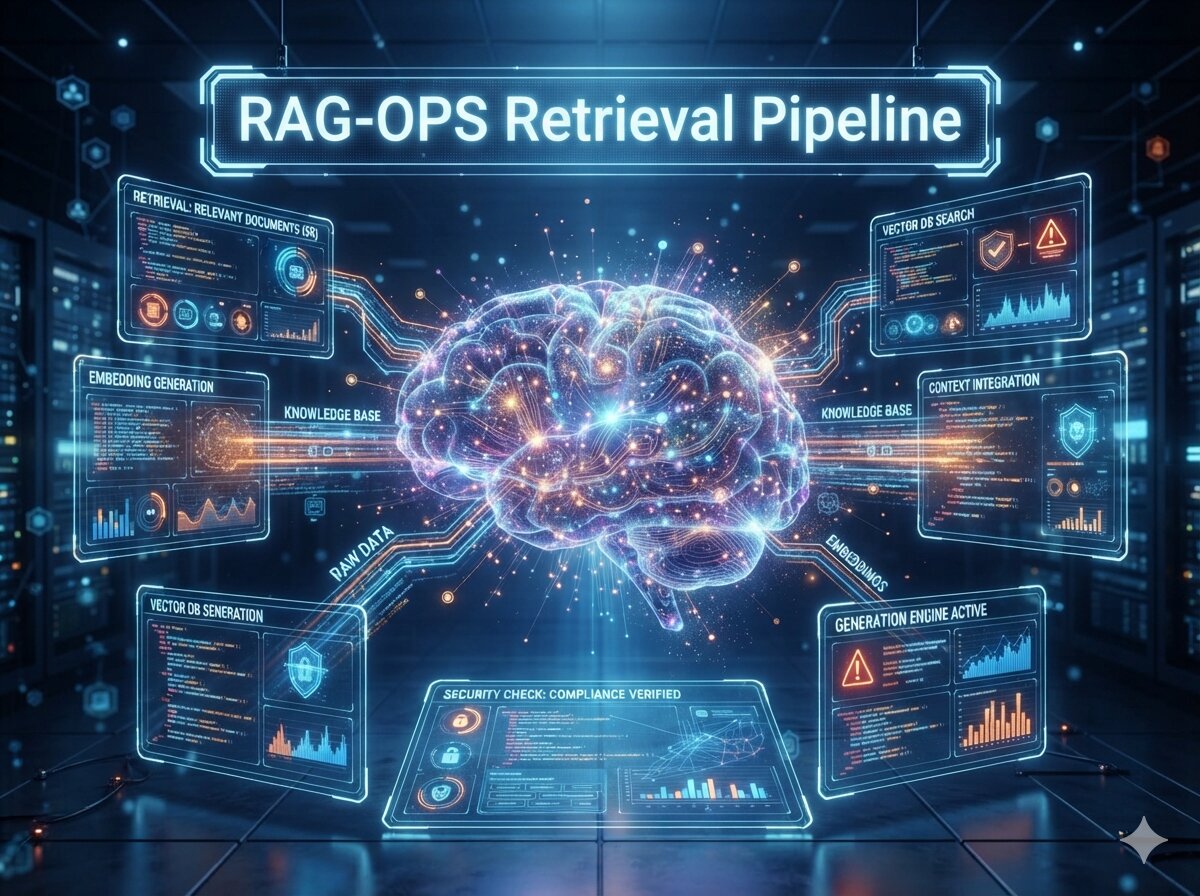
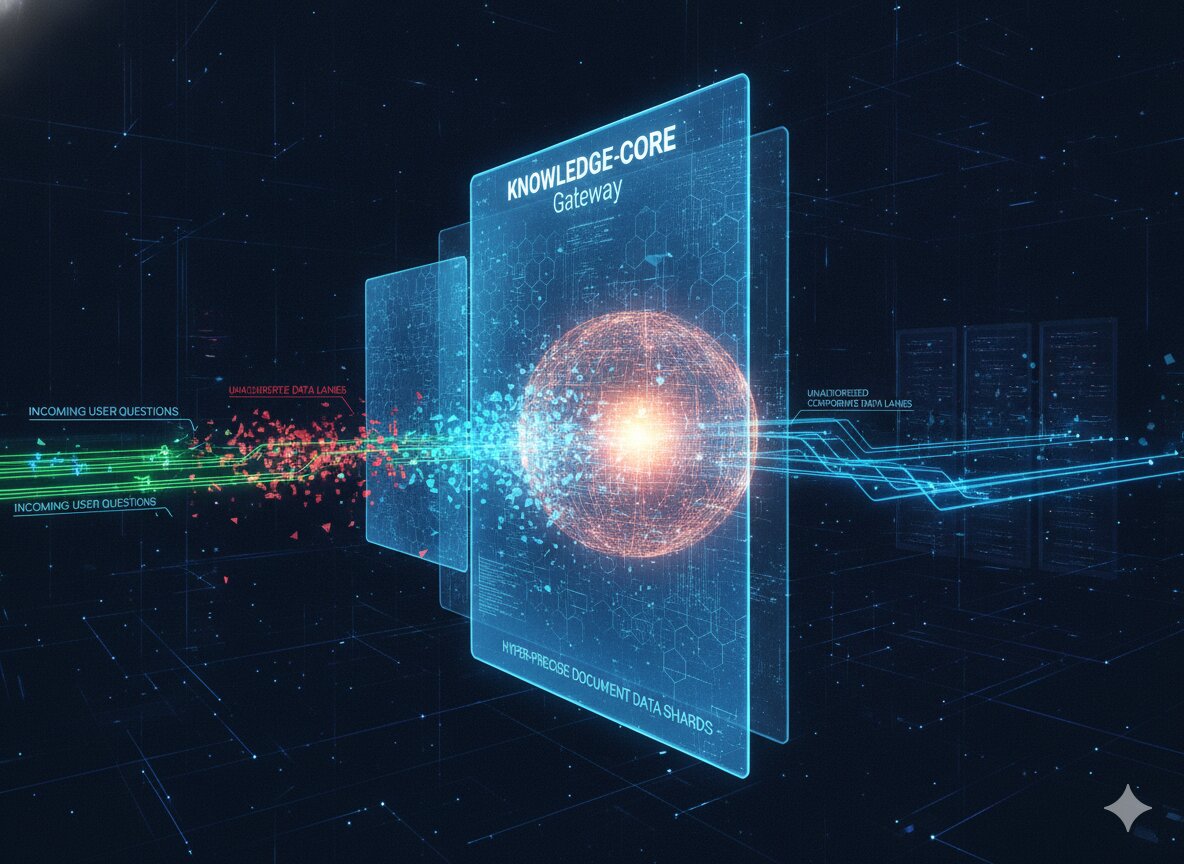
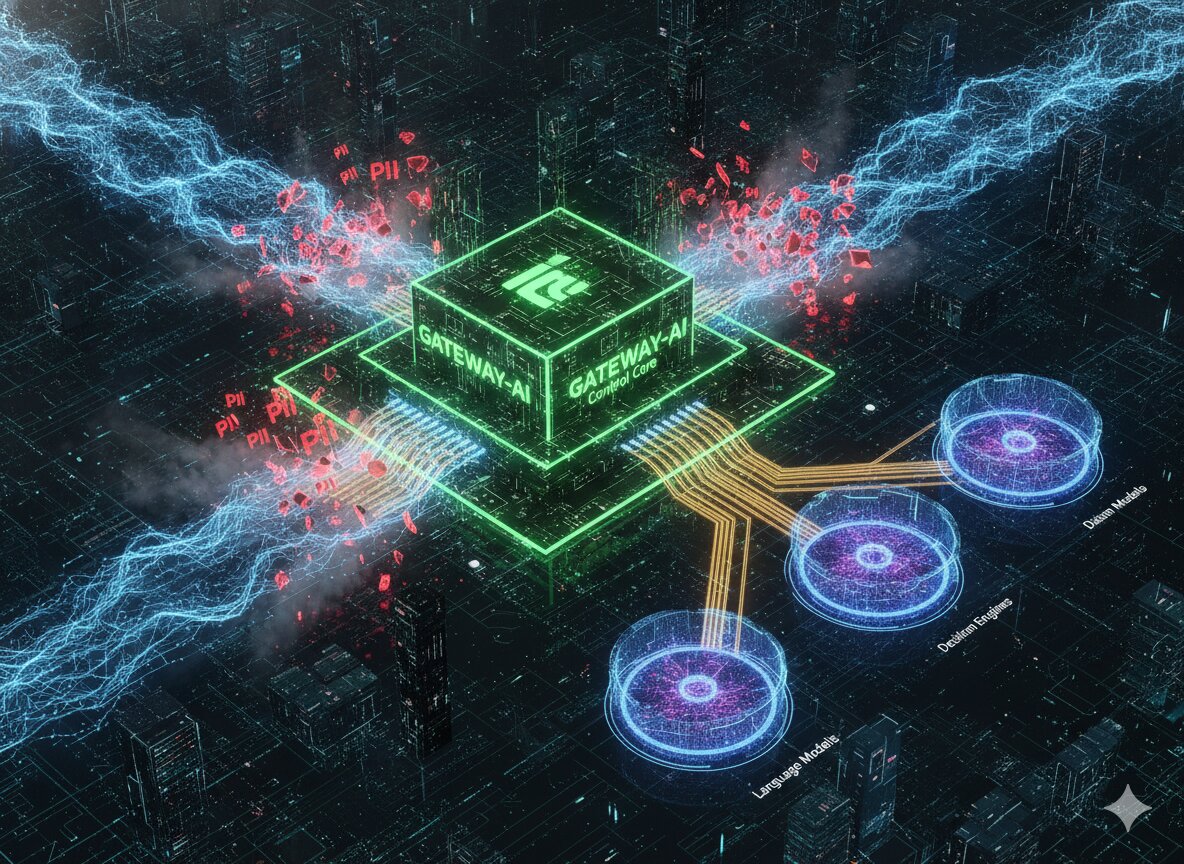
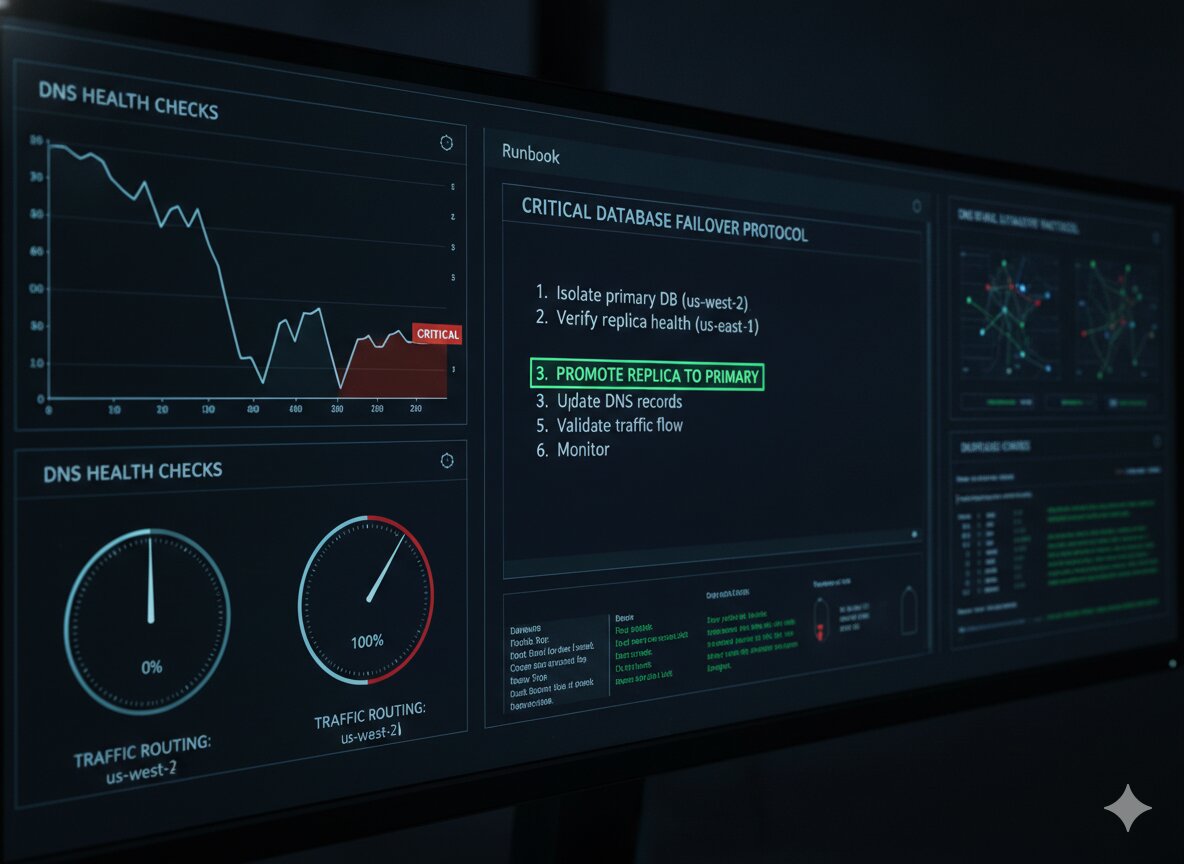
Introduction
The VP of AI Engineering and Chief Information Security Officer (CISO) start the technical architecture loop: "We are deploying enterprise Generative AI applications across financial, customer service, and clinical operations serving tens of millions of daily active users. The platform faces severe security and operational risks: prompt injection attacks, sensitive PII data leakage, subtle domain hallucinations, brand safety violations, and non-deterministic regression during model fine-tuning. How do you design a real-time inline evaluation and guardrails engine that enforces compliance, detects adversarial threats under 30ms SLA, and systematically measures model performance at scale?"
This is where candidates fall into the "Static Regex System Prompt" trap.
They offer a fragile, amateur setup: "We'll just add 'Do not leak SSNs or be offensive' to the LLM system prompt, write a few python regex patterns for PII, and use an off-the-shelf toxicity filter."
Stop relying on system prompt instructions and simple regex rules for enterprise AI safety. Soft system prompt constraints are routinely bypassed by modern jailbreak techniques, regex misses obfuscated PII (e.g., spelled-out numbers or encoded text), and basic toxicity tools miss subtle semantic hallucinations or proprietary data leakage. In elite FAANG AI Product Management and TPM architecture loops, panels evaluate your grasp of Real-Time Inline Guardrail Latency Topologies, Dual-Stage Guardrail Pipelines (Input vs. Output), Automated Red Teaming (Adversarial Probing), LLM-as-a-Judge Evaluation Frameworks, Differential Privacy, and Continuous Automated Benchmarking (CI/CD for Prompts).
To pass this advanced GenAI infrastructure, AI safety, and platform design round, you need an enterprise-grade execution framework: the SHIELD method.
The Core Framework: The "SHIELD" Method
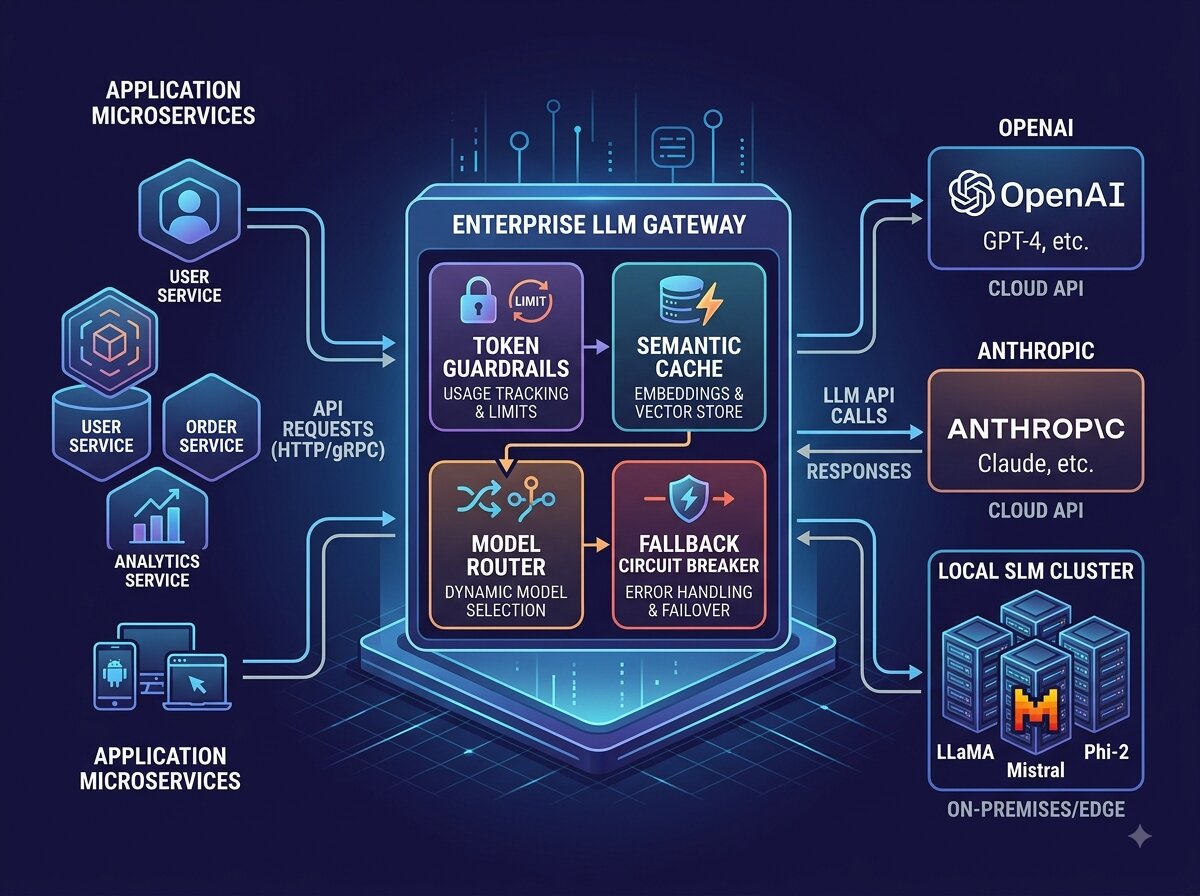
Elite AI platform leaders do not trust non-deterministic LLM behavior. They construct multi-layered guardrail proxy pipelines and continuous automated evaluation architecture around core foundation models.
                    [ Incoming Enterprise User / API Request ]
                                        │
                                        ▼
       ┌─────────────────────────────────────────────────────────────────┐
       │             S-ECURE INPUT FILTERING & JAILBREAK PREVENT       │
       │  * Input Guardrails, Prompt Injection Classifiers, Anonymizer   │
       └────────────────────────────────┬────────────────────────────────┘
                                        │
                                        ▼
       ┌─────────────────────────────────────────────────────────────────┐
       │             H-AUL LATENCY WITH SLOW-PATH / FAST-PATH            │
       │  * Async Evaluator vs. Inline Speculative Small Guardrail Engine│
       └────────────────────────────────┬────────────────────────────────┘
                                        │
                                        ▼
       ┌─────────────────────────────────────────────────────────────────┐
       │             I-NLINE OUTPUT GUARDRAILS & DATA LOSS PREVENTION     │
       │  * Output Guardrails, PII Redaction, Hallucination Verification │
       └────────────────────────────────┬────────────────────────────────┘
                                        │
                                        ▼
       ┌─────────────────────────────────────────────────────────────────┐
       │             E-VALUATION BENCHMARKING (LLM-AS-A-JUDGE)           │
       │  * Offline CI/CD Evaluation, Ragas/TruLens, Automated Datasets  │
       └────────────────────────────────┬────────────────────────────────┘
                                        │
                                        ▼
       ┌─────────────────────────────────────────────────────────────────┐
       │             L-OOPED RED TEAMING & ADVERSARIAL SIMULATION        │
       │  * Automated Dynamic Red-Teaming, Jailbreak Vector Mutation     │
       └────────────────────────────────┬────────────────────────────────┘
                                        │
                                        ▼
       ┌─────────────────────────────────────────────────────────────────┐
       │             D-ETERMINISTIC FALLBACK & TELEMETRY AUDITING        │
       │  * Blocked Action Rewriting, Immutable Security Audit Logging   │
       └────────────────────────────────┬────────────────────────────────┘
                                        │
                                        ▼
                    [ Safe, Compliant, Evaluated Generation ]
1. S-ecure Input Filtering & Jailbreak Prevention
Intercept malicious inputs before they reach costly foundation model context windows.
- The Strategy: Deploy a dedicated Input Guardrail Proxy Layer sitting in front of the primary LLM. Run fast, specialized classifier models (e.g., Llama Guard or lightweight ONNX sequence classifiers) trained to detect prompt injection, jailbreaks, roleplay bypass attacks, and system prompt extraction attempts. Sanitize and mask incoming PII/PHI using named entity recognition (NER) models before sending context to external APIs.
- Interview Script: "First, we build a Secure Input Guardrail Layer operating as an API proxy. Before reaching the foundation model, requests pass through specialized ONNX classification models that detect prompt injection and roleplay jailbreak attempts, while a fine-tuned NER pipeline masks sensitive PII and PHI entities."
2. H-aul Latency with Slow-Path / Fast-Path Architecture
Maintain strict time-to-first-token (TTFT) SLAs without sacrificing deep safety checks.
- The Strategy: Avoid running heavy multi-billion parameter safety models synchronously in the critical path. Split execution into two parallel processing paths:
- Fast-Path (Synchronous / Sub-20ms): Run small, highly quantized local classifiers to block obvious policy violations inline.
- Slow-Path (Asynchronous / Parallel): Stream generation to the client while running heavy semantic evaluations, hallucination verification, and policy compliance checks in parallel. If a violation is flagged mid-stream, trigger a stream interruption payload.
- Interview Script: "To preserve sub-30ms TTFT SLAs, we implement a Fast-Path / Slow-Path architecture. Fast-path quantized classifiers evaluate safety inline before inference begins, while a parallel asynchronous slow-path checks heavy semantic hallucination metrics during output streaming, preserving real-time responsiveness."
3. I-nline Output Guardrails & Data Loss Prevention (DLP)
Verify generated responses for accuracy, hallucination, and sensitive data exposure before rendering.
- The Strategy: LLMs can generate toxic content or hallucinate invalid facts even with clean input prompts. Run Output Guardrails that check model generations against retrieved ground-truth context (using NLI/entailment models for hallucination detection) and verify structural outputs (e.g., enforcing valid JSON schemas via instructor/outlines). Run secondary DLP checks to ensure internal API tokens or source code secrets are not leaked.
- Interview Script: "We implement Inline Output Guardrails to inspect model responses. We run Natural Language Inference (NLI) entailment models against ground-truth retrieved context to catch hallucinations before display, while structured output parsers enforce valid JSON schema bounds."
4. E-valuation Benchmarking (LLM-as-a-Judge & Ground Truth)
Establish continuous offline measurement pipelines for model updates and prompt changes.
- The Strategy: Do not rely on manual ad-hoc testing. Build an Automated Offline Evaluation Engine inside your CI/CD pipeline using the LLM-as-a-Judge pattern (e.g., GPT-4 or fine-tuned Llama-3 evaluators scoring smaller task models). Benchmark model iterations against golden test datasets across key dimensions: Answer Relevance, Groundedness, Toxicity, and Task-Specific Accuracy.
- Interview Script: "We automate continuous evaluation using an LLM-as-a-Judge pipeline integrated into our CI/CD workflows. Every prompt modification or model fine-tuning run is benchmarked against golden test datasets to score Answer Relevance, Groundedness, and Policy Compliance before deployment."
5. L-ooped Red Teaming & Adversarial Simulation
Proactively discover vulnerabilities before malicious actors exploit them in production.
- The Strategy: Deploy Dynamic Automated Red-Teaming Engines (e.g., PyRIT or Garak) that continuously probe application endpoints with evolving adversarial prompts, dynamic fuzzing techniques, and multi-turn jailbreak strategies. Use findings to generate synthetic safety datasets for fine-tuning internal guardrail models.
- Interview Script: "To stay ahead of evolving attack vectors, we execute continuous Automated Red Teaming. Adversarial simulation agents iteratively attack production endpoints with mutated jailbreak payloads, generating synthetic attack data to fine-tune our guardrail models continuously."
6. D-eterministic Fallback & Telemetry Auditing
Handle safety violations gracefully while maintaining complete legal auditability.
- The Strategy: When a guardrail triggers, avoid unhelpful generic system crashes. Route the response to a Deterministic Fallback Engine that returns helpful, pre-approved compliance messages. Simultaneously, stream all input-output pairs, safety classification scores, and intervention logs to an immutable security telemetry store (e.g., OpenTelemetry / SIEM) for regulatory auditing.
- Interview Script: "When safety bounds are breached, our Deterministic Fallback Engine returns pre-approved, context-aware compliance responses. All execution traces, safety scores, and blocked inputs are logged to an immutable security audit store for real-time compliance reporting."
The Comparison: Bad vs. Good
Bad Answer (Naive System Prompt)Good Answer (SHIELD Framework)"We will write 'Don't answer unsafe prompts' in the system prompt and use regex to check for credit card numbers in the response.""I will implement the SHIELD framework. I will build an inline proxy architecture using specialized injection classifiers, split into fast-path/slow-path streams, enforce output NLI entailment checks, run automated LLM-as-a-Judge evaluations, and maintain dynamic red-teaming.""If the model hallucinates or fails, we will manually test a few prompts and rephrase the system prompt.""System prompts don't prevent hallucinations or attacks. We run automated CI/CD evaluation pipelines against golden test datasets and deploy dynamic adversarial fuzzing to catch vulnerabilities before release."
The Pitch/Transition
Architecting enterprise Generative AI evaluation and guardrail platforms requires moving beyond basic system prompt instructions toward multi-stage API proxy layers, fast-path/slow-path evaluation topologies, LLM-as-a-Judge benchmarking, and automated adversarial red teaming. The SHIELD framework provides a scalable enterprise architecture for enterprise AI safety, compliance, and reliability.
In executive FAANG AI Product Management and TPM architecture loops, hiring panels evaluate your ability to manage enterprise security risk, control platform latency SLAs, and build resilient machine learning platforms.
Prepare with production-validated AI frameworks, enterprise system design blueprints, and authoritative infrastructure vocabulary:
- Command your AI product strategy, safety architecture roadmap, and execution metrics with the comprehensive PM Prep Guide.
- Dominate system design, security infrastructure, and platform execution loops with the tactical TPM Prep Kit.
FAQs
Q: How do you enforce guardrail safety without adding massive latency to LLM response times?
A: Use a Fast-Path / Slow-Path Topology:
- Fast-Path (Synchronous / Pre-Inference): Run lightweight, quantized classification models (e.g., 100M-parameter distilled classifiers) or compiled ONNX pipelines directly on the edge/proxy layer. Limit pre-inference checks to under 20ms.
- Slow-Path (Asynchronous / Streaming): Process heavy semantic evaluations (e.g., LLM-based hallucination checks or deep toxicity analysis) asynchronously in parallel while response tokens stream to the client. Intercept and break the stream only if a violation threshold is crossed.
Q: What is the difference between LLM-as-a-Judge and traditional ML evaluation metrics (e.g., BLEU, ROUGE)?
A: Traditional metrics like BLEU and ROUGE measure exact n-gram surface text overlap between generated text and a reference string, failing to capture semantic meaning, factual accuracy, or nuance. LLM-as-a-Judge uses an advanced LLM (e.g., GPT-4) guided by precise rubric prompts to evaluate complex dimensions like groundedness, reasoning correctness, tone, and helpfulness, closely matching human preference.
Q: How do you prevent Guardrail Over-Defense (false positives where the model refuses benign prompts)?
A: Measure Helpfulness vs. Harmlessness (Refusal Rate) in your CI/CD benchmark suite. Continuously evaluate guardrail models against a "benign adversarial dataset" (prompts that sound dangerous but are completely safe, e.g., "How do I kill a lingering Linux background process?"). Fine-tune classifier thresholds specifically to keep false positive refusal rates under 1%.























.jpg)