How to Answer "Tell Me About a Time You Failed": The RESCUE Framework for PMs and TPMs

This guide breaks down how PMs and TPMs can answer "Tell me about a time you failed" using the 6-step RESCUE Framework—turning past setbacks into compelling stories of accountability, technical resilience, and systemic improvement.

Introduction

The interviewer looks up from their laptop and asks: "Tell me about a time a critical project failed under your watch."

Your mind races. Panic sets in. You immediately start worrying: If I pick a small mistake, I'll sound inexperienced. If I pick a massive failure, I'll sound incompetent.

Stop panicking. The biggest trap candidates fall into during behavioral loops is trying to disguise a humble-brag as a failure ("I worked too hard and delivered early"), or blaming cross-functional partners ("Engineering missed their deadline"). FAANG hiring committees use behavioral questions to test your self-awareness, accountability, technical resilience, and post-mortem execution.

To turn a past mistake into a compelling story of professional growth, you need the RESCUE Framework.

The Core Framework: The RESCUE Method

                  [ Failure Event Occurs ]
                             │
                             ▼
       ┌───────────────────────────────────────────┐
       │     R-EAL CONTEXT & OWNERSHIP             │
       │  * Set stakes, avoid shift of blame       │
       └─────────────────────┬─────────────────────┘
                             │
                             ▼
       ┌───────────────────────────────────────────┐
       │     E-XPLICIT FAILURE IDENTIFICATION      │
       │  * Name exact miscalculation or breakdown │
       └─────────────────────┬─────────────────────┘
                             │
                             ▼
       ┌───────────────────────────────────────────┐
       │     S-WIFT MITIGATION & RECOVERY          │
       │  * Immediate triage & stakeholder comms   │
       └─────────────────────┬─────────────────────┘
                             │
                             ▼
       ┌───────────────────────────────────────────┐
       │     C-AUSE & ROOT-CAUSE LESSONS           │
       │  * What broke in process or architecture  │
       └─────────────────────┬─────────────────────┘
                             │
                             ▼
       ┌───────────────────────────────────────────┐
       │     U-PGRADED SYSTEM PREVENTATIVE CONTROLS│
       │  * Guardrails, process & automated Evals  │
       └─────────────────────┬─────────────────────┘
                             │
                             ▼
       ┌───────────────────────────────────────────┐
       │     E-VERGREEN IMPACT & EVOLUTION         │
       │  * Long-term success from applying lesson │
       └─────────────────────┬─────────────────────┘
                             │
                             ▼
               [ Transformed Leadership Story ]

Step 1: Real Context & Ownership

Set up the business goal, technical stakes, and establish absolute accountability from sentence one.

  • Bad Answer: "We missed a launch deadline, but it was mostly because the design team delayed deliverables for three weeks."
  • Good Answer (Interview Soundbite):

"As the Lead TPM for our payments pipeline overhaul, I was responsible for migrating $50M in daily transaction volume to a new microservice architecture. I personally miscalculated the testing window needed for regional compliance checks, which caused us to breach our target launch date by two weeks."

Step 2: Explicit Failure Identification

State the exact point of failure clearly without hedging or defensive language.

  • Bad Answer: "It wasn't really a failure, just a small miscommunication that we resolved quickly."
  • Good Answer (Interview Soundbite):

"My explicit failure was relying on static integration estimates rather than running an early end-to-end sandbox test with our external banking partners. I assumed historical API latency benchmarks would hold, which proved incorrect under high load."

Step 3: Swift Mitigation & Recovery

Detail your immediate triage, clear stakeholder communication, and emergency response.

  • Bad Answer: "I worked 80 hours that week to fix everything myself before leadership noticed."
  • Good Answer (Interview Soundbite):

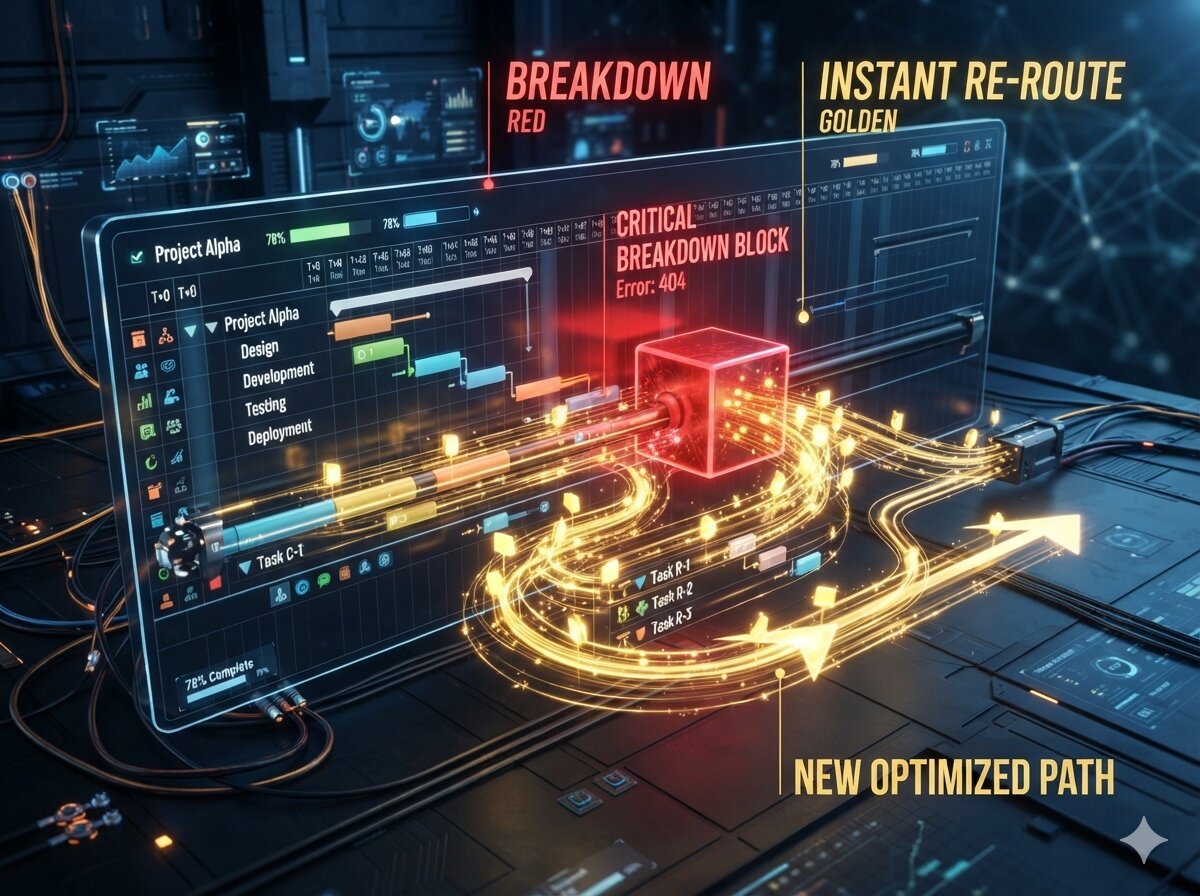
"The moment the latency anomaly surfaced during staging, I called an immediate halt to production traffic migration. I established a transparent war room, notified executive sponsors with a revised two-week phased rollout plan, and decoupled non-critical compliance checks into asynchronous background jobs."

Step 4: Cause & Root-Cause Lessons

Demonstrate deep analytical self-awareness by explaining why the failure happened.

  • Interview Soundbite:

"The root cause was two-fold: a lack of early load-testing guardrails for third-party integrations and an over-reliance on optimistic timeline assumptions during sprint planning."

Step 5: Upgraded System Preventative Controls

Explain the permanent systems, process improvements, or guardrails you instituted to ensure this exact issue never happens again.

  • Interview Soundbite:

"To ensure this never recurred, I established an automated integration testing suite that triggers load benchmarks on third-party APIs during early staging. I also built a standardized pre-flight compliance matrix that is now mandatory across all team migration roadmaps."

Step 6: Evergreen Impact & Evolution

Conclude with concrete metrics proving how this systemic upgrade led to long-term operational excellence.

  • Interview Soundbite:

"Two months later, we executed the migration with zero downtime and sub-50ms latency across all global regions. More importantly, the testing framework I instituted cut bug regressions on subsequent microservice rollouts by 40% across the organization."

Ace Your Next Behavioral & Leadership Loop with Kracd

Mastering the RESCUE Framework proves to hiring committees that you possess executive maturity, technical accountability, and leadership resilience under pressure. However, behavioral stories are only one pillar of FAANG interview loops.

Stop leaving your career progression to chance. Master system design, product vision, and execution loops with our battle-tested resources:

  • Build sharp product strategies, execution frameworks, and analytical models with the PM Prep Guide.
  • Master complex system design trade-offs, cross-functional leadership, and technical program delivery with the TPM Prep Kit.

Frequently Asked Questions (FAQs)

1. What scale of failure should I choose for FAANG interviews?

Pick a genuine operational or technical setback with real stakes (e.g., missed launch, performance regression, scope mismatch). Avoid choosing catastrophic failures that cost millions due to negligence, but steer clear of fake failures like "I care too much about details."

2. How much time should I spend talking about the failure versus the resolution?

Spend roughly 20% of your time setting context and stating the failure, 30% explaining immediate mitigation, and 50% focusing on systemic lessons, upgraded controls, and long-term impact.

3. How do I avoid sounding like I am shifting blame to engineering or design?

Frame every issue through the lens of program ownership and system architecture. Instead of saying "Engineering built the wrong feature," say "I failed to establish clear acceptance criteria and technical alignment during early spec definition."
Read more blogs

The AI-Powered TPM: How Technical Program Managers Can Leverage AI Tools to Double Operational Efficiency
How to Answer "Tell Me About a Time You Failed": The RESCUE Framework for PMs and TPMs
Top AI Tools Every TPM Needs in 2026: The "STACK" Framework for Maximum Productivity
Tech layoffs hit 205,832 in 2026 while AI roles surge 237%—learn the IRREPLACEABLE-SIGNAL framework TPMs use to stay hired
Tech Layoffs 2026: The IRREPLACEABLE-SIGNAL Framework TPMs Use to Survive AI Automation
How to Design an Enterprise AI Cost & Latency Gateway (PM/TPM Guide)

Designing Real-Time Multi-Modal AI Systems: The "STREAM" Framework
Side-by-side comparison showing 2023 supervised-ML vocabulary getting screened out versus 2026 autonomous-agent fluency
AI PM Interview 2026: The AGENT-PROOF Framework for Autonomous-Systems Fluency
How to Scale Real-Time GenAI Agents: The "AGENT-SCALE" Framework
How to Design an Enterprise LLM Evaluation & Guardrails Platform: The "SHIELD" Framework
How to Design an Enterprise RAG Platform: The "RAG-FLOW" Framework
How to Diagnose & Fix a Dropping Metric: The "DRIFT" Framework
How to Architect Autonomous Enterprise AI Agents: The "AGENT-FLOW" Framework
How to Architect Multimodal AI Platforms: The "MULTI-MODAL" Framework
How to Build Enterprise AI Safety, Guardrails & Governance: The "GUARD-RAIL" Framework
How to Architect Enterprise LLM Fine-Tuning & Distillation: The "ADAPT-MODEL" Framework
How to Architect High-Throughput RAG Systems: The "VECTOR-FLOW" Framework
How to Architect Multi-Agent AI Systems: The "AGENT-FLOW" Framework
How to Master LLM Evaluation & Telemetry at Scale: The "EVAL-METRICS" Framework
How to Mitigate LLM Hallucinations in High-Stakes Applications: The "FAITHFUL-AI" Framework
How to Evaluate RAG vs. Fine-Tuning for Enterprise AI: The "KNOWLEDGE-EVAL" Trade-Off Framework
How to Design an Enterprise AI Agent Architecture: The "AGENT-SCALE" Orchestration Framework
How to Deploy and Validate a New AI Model: The "SAFE-ROLLOUT" Testing Framework
How to Manage a High-Stakes Project Slip: The "SCOPE-ALIGNED" Mitigation Framework
How to Handle an AI Model Regression: The "MODEL-VALIDATE" Diagnostic Framework
Tell Me About a Time You Failed: The "BOUNCE-BACK" Behavioral Framework
How to Handle a Dropping Metric: The "ROOT-CAUSE" Analytical Framework
How to Architect a Globally Scalable Notification Engine: The "FAN-OUT" Priority Delivery Framework
How to Architect an Enterprise-Grade Vector Search Engine: The "VECTOR-SHARD" Data Framework
How to Architect a High-Concurrency API Gateway: The "GATE-KEEPER" Edge Routing Framework
How to Architect a Distributed Telemetry & Logging System: The "TRACE-STREAM" Observability Framework
How to Architect an Enterprise LLM Deployment: The "RAG-OPS" Production Scale Framework
How to Handle a Dropping Metric: The "METRIC-TRIAGE" System Design Framework
How to Architect a Globally Scalable Financial Ledger System: The PM & TPM "LEDGER-BALANCE" Framework
How to Architect a Globally Scalable Real-Time Ad Bidding & Ad Tech Exchange: The PM & TPM "RTB-AUCTION" Framework
How to Architect a Globally Scalable Real-Time Recommendation Engine: The PM & TPM "RECO-MATRIX" Framework
How to Architect an Enterprise LLM Evaluation & Monitoring Pipeline: The PM & TPM "GUARD-RAIL" Framework
How to Design an Enterprise Agentic AI Workflow: The PM & TPM "ORCHESTRATE-AGENT" Framework
How to Architect an Enterprise Retrieval-Augmented Generation (RAG) Architecture: The PM & TPM "KNOWLEDGE-CORE" Framework
How to Architect a Globally Scalable Event-Driven Architecture: The PM & TPM "STREAM-FLOW" Framework
How to Manage Cache Invalidation and Consistency: The PM & TPM "CACHE-CLEAR" Framework
How to Manage Data Privacy and Cross-Border Transfers: The PM & TPM "DATA-BOUNDARY" Framework
How to Design an Enterprise AI Orchestration Layer: The PM & TPM "GATEWAY-AI" Framework
How to Architect a High-Throughput API Gateway: The PM & TPM "GATE-KEEPER" Framework
How to Diagnose and Fix a Dropping Metric: The PM & TPM "METRIC-TRIAGE" Framework
How to Optimize Cloud Infrastructure Unit Economics: The PM & TPM "FIN-SCALE" Framework
How to Manage Technical Debt and Refactoring Backlogs: The PM & TPM "PAY-DOWN" Framework
How to Coordinate Multi-Region Cloud Failovers: The PM & TPM "ZONE-DEFENSE" Framework
How to Orchestrate Massive API Deprecations Without Breaking Ecosystems: The PM & TPM "DECOUPLE-FLOW" Framework
How to Lead Large-Scale Corporate AI Transformations: The PM & TPM "CORE-INTEGRATE" Framework
How to Scale Infrastructure Upgrades Without Downtime: The PM & TPM "LIVE-MIGRATE" Framework
How to Architect an AI-Powered Quality Assurance & Release Engine: The PM & TPM "BUG-SHIELD" Framework
How to Formulate the Ultimate "Product-to-Engineering" Spec Engine: The PM & TPM "TECH-TRANSLATE" Framework
How to Leverage AI for Cross-Functional Product Alignment: The PM & TPM "SYNCHRONIZE" Framework
How to Build a Complete AI-Powered Agile Workflow: The PM & TPM "CORE-VELOCITY" Framework
How to Automate High-Friction Dependency Mapping and Jira Tracking: The "AUTO-TRACK" TPM Workflow
How to Handle a Critical API Rate Limiting and Service Degradation Crisis: The "THROTTLE-GUARD" Resilience Framework
How to Handle a High-Scale Database Crash During Peak Traffic: The "FAILOVER-SHIELD" Recovery Framework
How to Handle an Algorithmic Model Bias Crisis: The "ETHICAL-AUDIT" ML Governance Framework
How to Handle a Major Cloud Migration Failure: The "CLOUD-SAFETY" Rollback Framework
How to Handle a Major Technical Program Delay: The "RE-BASELINE" Schedule Recovery Framework
How to Handle a Database Sharding Migration: The "DATA-BALANCE" Scale Framework
How to Handle a Critical Third-Party API Sunset: The "DEPENDENCY-BUFFER" Integration Framework
How to Handle a Pricing Tier Change: The "PRICING-SHIELD" Revenue Framework
next How to Handle a Post-Launch Crisis: The "ROLL-BACK" Incident Management Framework
How to Handle a Critical API Migration: The "DECOUPLE-SAFE" Architecture Framework
How to Handle a Major System Outage: The "TRIAGE-SCALE" Technical Execution Framework
How to Resolve Cross-Functional Gridlock: The "BRIDGE-ALIGN" Trade-off Framework
How to Handle a Dropping Metric: The "DIG-DEEP" Root Cause Framework
How to Master the Behavioral Interview: The "STAR-GROWTH" Method
How to Lead a Product Launch: The "GTM-VELOCITY" Framework
How to Design a Product for the Next Billion Users: The "ADAPT-LIGHT" Framework
How to Negotiate Your Senior Tech Offer: The "VALUE-ANCHOR" Method
How to Master the Behavioral Interview: The "STAR-GROWTH" Method
How to Lead a Product Launch: The "GTM-VELOCITY" Framework
How to Design a Product from Scratch: The "EMPATHY-SCALE" Framework
How to Prioritize Features: The "RICE-VALUE" Framework
How to Design for the Next Billion Users: The "ADAPT-LIGHT" Framework
How to Build an AI-First Feature: The "RAG-EVAL" Framework
Move from a Monolith to Microservices: The "STRANGLE-SHIELD" Framework
How Do You Decide When to Build vs. Buy?: The "MOAT-LEVER" Framework
How Do You Handle a Conflict Between Engineering and Design?: The "TRIANGLE-TRADE" Framework
How Do You Manage a Delayed Project?: The "REALIGN-RECOVER" Framework
How Do You Design an API?: The "CONTRACT-FIRST" Framework
How Do You Prioritise a Roadmap?: The "ROI-ALIGN" Framework
How to Answer "Tell Me About a Time You Failed": The "PIVOT-OWN" Framework
How to Handle a Dropping Metric: The "SEGMENT-DRILL" Framework
The "Incentive-Alignment" Framework: Building in Web3
The "Value-Tradeoff" Framework: Mastering the Art of "No"
The "Cycle-Velocity" Framework: Building Viral Loops
The "Agentic-Utility" Framework: Building AI-First Features
The "Proxy-Experience" Framework: Mastering the Career Pivot
The "Throughput-Engine" Framework: Elite Productivity
The "Pause-Pivot" Framework: Leading the Room
The "Curated-Authority" Framework: Building Your Tech Brand
The "Throughput-First" Framework: Managing the Sprint
The "Segment-Drill" Framework: Winning with Data
The "Identity-Loop" Framework: Building the Community Moat
The "TTV" Framework: Mastering the First 5 Minutes
The "Red-Team" Framework: Building Ethical AI
The "Extensibility-First" Framework: Building the Ecosystem

Transform Your Career with Our Complete Learning Solutions

Discover our diverse offerings, including expert-led courses, free training sessions, and personalized consultation services designed to help you master project management and advance your career with confidence.

FREE Training

Crack your next TPM Interview

From unravelling the intricacies of TPM/PM interview structures to mastering system design to discover the keys to navigating cross-functional collaboration, decoding top interview questions, and fine-tuning your resume and LinkedIn profile, including negotiation frameworks, networking strategies, and much more!

Register Now

Trusted by over 9,600 students

Course

30-Day TPM Masterclass

Expect early technical assessments, followed by a focus on strategic thinking, leadership capabilities, and a thorough evaluation of program management proficiency. From engaging self-guided exercises to comprehensive guides, frameworks, and sample answers, our TPM interview preparation covers it all, including practice lessons, updated content, and mock interviews.

Learn More

Trusted by over 9,600 students

Interview Prep Kit

Ultimate TPM Interview Prep Kit

Master TPM interview skills with this comprehensive guide covering system design, program management, and cross-functional collaboration.

Includes real-world scenarios, sample questions, and expert tips for success.

Learn More

Trusted by over 9,600 students

Interview Prep Guide

Complete PM Interview Guide

Master product design, strategy, and leadership with this all-in-one guide for Product Management interviews.

Gain confidence with actionable advice, real-world examples, and tailored mock questions to secure your next PM role.

Learn More

Trusted by over 9,600 students

Consulting

1-on-1 Interview Prep

1-on-1 Interview PreparationGet personalized guidance to ace your next interview with confidence. Our 1-on-1 interview preparation sessions focus on your unique strengths and areas for improvement. From tailored practice questions and feedback to mastering behavioral and technical responses, we ensure you're fully prepared to impress and secure your dream role.

Book a call

Trusted by over 9,600 students

Free Training

Unlock  Free Training

Get access to free training that reveals "How To crack your next TPM INTERVIEW In Just 30 Days!"

Gain exclusive access to expert-led training sessions designed to equip you with the skills, strategies, and confidence to excel in Technical Program Management.

Enroll now

Trusted by over 9,600 students