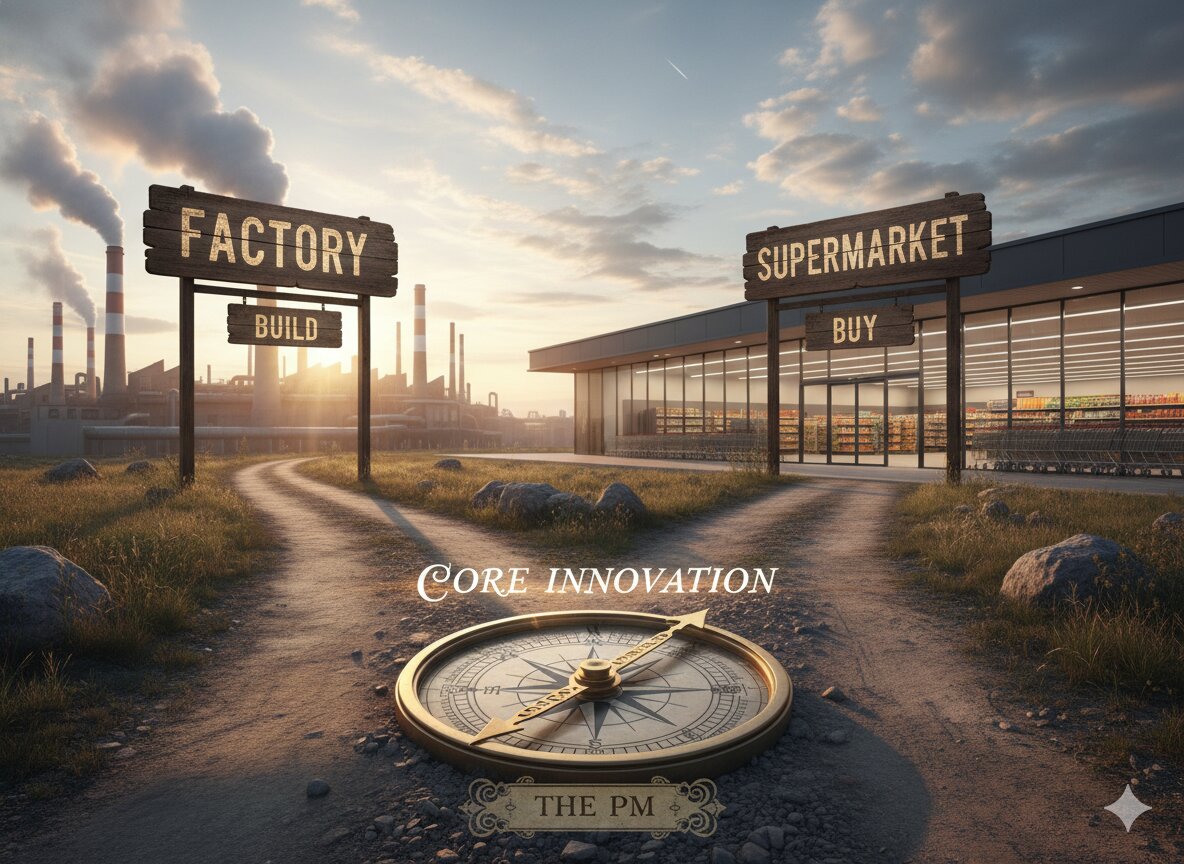
The Interview Trap: The "Monolithic Event-Storm" Cascade
The interviewer throws you straight into an operational scalability nightmare: "Your hyper-growth e-commerce and logistics platform experiences a massive seasonal surge, handling over 100,000 orders per minute. Currently, your core order-processing system relies on a monolithic synchronous architecture. When a user checks out, the Order Service directly calls the Inventory, Payment, Notification, and Shipping services over synchronous HTTP REST. During peak traffic, the Payment service experiences a 3-second latency spike, causing HTTP thread pools in the Order Service to exhaust completely. The entire checkout funnel collapses, dropping transactions and causing cascading failures across your entire platform. How do you re-architect this into a resilient, decoupled event-driven system?"
Most candidates tank this technical execution round by offering surface-level generalities: "I would decouple the services by introducing an asynchronous message broker like Apache Kafka or RabbitMQ, have the Order Service publish an 'Order Created' message, and tell the other teams to subscribe to that event and process it whenever they can." Stop. Vaguely throwing a message broker into an architecture without detailing partition mechanics, event schemas, delivery guarantees, or out-of-order execution recovery demonstrates a surface-level grasp of distributed systems. In senior platform product management and core infrastructure TPM loops at hyperscale tech leaders like Uber, Amazon, and LinkedIn, panel judges are evaluating your understanding of Event Partition Keys, Schema Registry Governance, Idempotent Processing, Exactly-Once Delivery Semantics, and Dead-Letter Queue (DLQ) Handling.
The Core Framework: The "STREAM-FLOW" Method
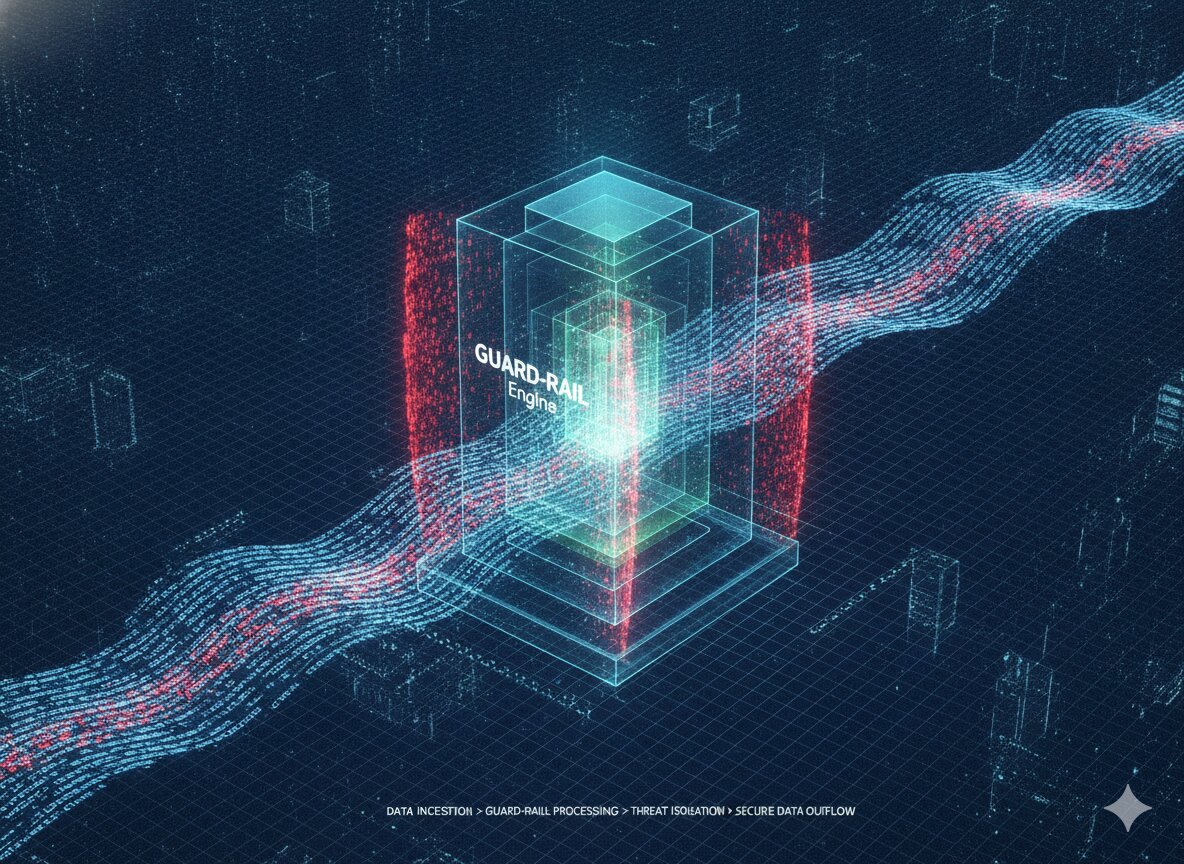
Elite PMs and TPMs don't just dump messages into a queue. They design an enterprise-grade streaming fabric that guarantees data durability, enforces transactional consistency across boundaries, and preserves sub-millisecond decoupled processing speeds.
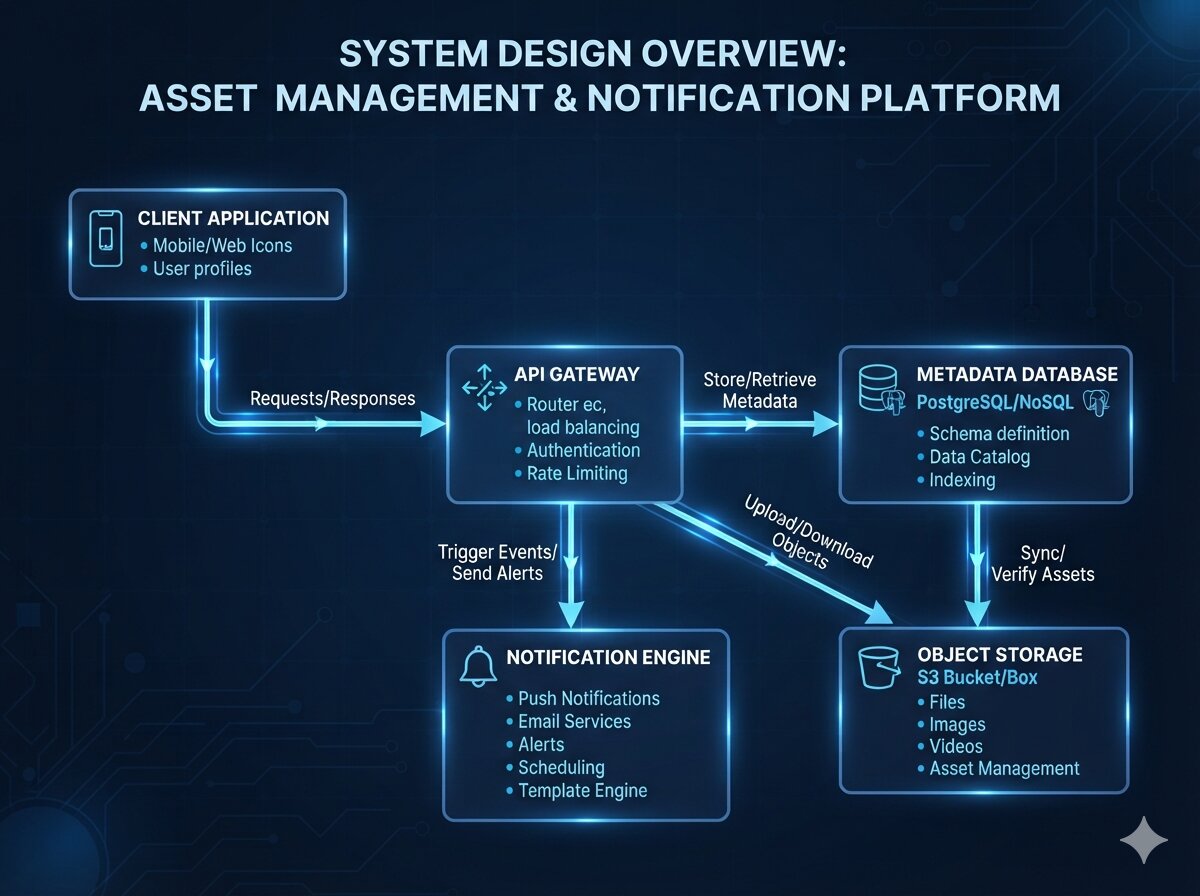
 [ Order Service (Producer) ]
              │
              ▼ (Publishes "Order Created" Event)
 ┌────────────────────────────────────────────────────────┐
 │            DISTRIBUTED STREAMING BACKBONE              │
 │                                                        │
 │  * Enforces Confluent Schema Registry (Avro Validation)│
 │  * Routes Payloads via Deterministic Partition Keys    │
 │  * Manages Cluster Replication Factors (High Avail)    │
 └────────────────────────────┬───────────────────────────┘
                              │
         ┌────────────────────┼────────────────────┐
         ▼ (Partition 0)      ▼ (Partition 1)      ▼ (Partition 2)
 ┌───────────────┐    ┌───────────────┐    ┌───────────────┐
 │ Consumer Group│    │ Consumer Group│    │ Consumer Group│
 │ (Payment Serv)│    │(Inventory Serv)    │ (Shipping Serv)
 └───────┬───────┘    └───────────────┘    └───────┬───────┘
         │                                         │ (Processing Fails)
         ▼ (Idempotent Storage Commit)             ▼
 ┌───────────────┐                         ┌───────────────┐
 │ Deduplication │                         │ DEAD-LETTER   │
 │   Cache DB    │                         │  QUEUE (DLQ)  │
 └───────────────┘                         └───────────────┘
1. S-chema Governance and Evolution Contraction
Establish strict event contract verification at the broker perimeter to stop downstream consumers from breaking when engineering squads update payload fields.
- The Strategy: Enforce serialization tools like Apache Avro combined with a centralized Confluent Schema Registry to mandate backward-compatible schema evolutions.
- The Script: "To prevent distributed pipeline failures, I will establish strict schema governance. We will mandate that all event payloads are serialized using Apache Avro definitions registered in a centralized Schema Registry. The broker will programmatically reject any producer event that introduces breaking schema alterations, forcing teams to maintain backward compatibility and protecting downstream consumer services from crashing."
2. T-opology Partitioning and Order Guarantee Primitives
Design deterministic messaging distribution keys to parallelize processing pipelines without scrambling the chronological execution order of state changes.
- The Strategy: Utilize a highly specific event partition key—such as a hashing string based on
order_idoruser_id—ensuring all sequential state events for a unique transaction land on the exact same message broker partition. - The Script: "To scale horizontally without losing sequence ordering, I will design a deterministic partitioning topology. Instead of distributing messages randomly across the cluster, we will apply an enterprise hashing algorithm to the
user_idas the message partition key. This guarantees that every sequential event for a specific user lands on the exact same message log partition, allowing consumers to process state changes in perfect chronological order."
3. R-esiliency Scaling and Consumer Group Offsets
Group parallel consumer processes into logical clusters to guarantee horizontal throughput scaling while managing transaction bookmarks safely.
- The Strategy: Configure elastic Consumer Groups that scale out matching log partition volumes, utilizing explicit client-side manual offset commits rather than automatic timers to avoid silent data drops.
- The Script: "We will optimize consumer scaling by deploying decoupled Consumer Groups for each distinct backend domain (Payments, Inventory, Shipping). If processing demand spikes, we will scale our consumer pods horizontally up to match our partition count. Furthermore, we will disable auto-commits on the consumers, forcing the application logic to execute a manual offset commit strictly after the transaction has been successfully recorded in the database."
4. E-xactly-Once Processing and Idempotency Guardrails
Harden downstream consumers against duplicate network transmissions by deploying high-performance deduplication tracking filters at storage boundaries.
- The Strategy: Combine a unique distributed transaction token ($Idempotency Key$) with an in-memory key-value cache (like Redis) inside your consumer engine to seamlessly discard duplicate event replays.
- The Play: "Network packet retries make duplicate events inevitable in distributed topologies. To achieve effective exactly-once processing semantics, we will make all consumer endpoints strictly idempotent. Before processing an incoming event, the consumer queries a Redis cluster using the event's unique transaction UUID. If the key exists, it safely drops the duplicate payload; if not, it executes the state change and commits the key, ensuring absolute ledger accuracy."
5. A-synchronous Dead-Letter Queue (DLQ) Isolation
Isolate un-processable, corrupted, or edge-case event messages into non-blocking storage areas to prevent a single bad transaction from freezing your entire pipeline.
- The Strategy: Implement a multi-stage retry strategy coupled with an isolated Dead-Letter Queue (DLQ) topic to catch unhandled application exceptions without blocking the main partition consumer loop.
- The Play: "If a consumer encounters a structural exception—such as an invalid payment data format—we cannot allow it to freeze the entire message stream. The consumer logic will catch the processing failure, route the corrupted message instantly into an isolated Dead-Letter Queue (DLQ) topic for offline developer inspection, and immediately proceed to process the next message in the log partition, maintaining high platform velocity."
The Comparison: Bad vs. Good
Bad Answer (Unstructured Messaging)Good Answer (STREAM-FLOW Framework)"I would just drop a Kafka broker in the middle, have the checkout page send a JSON string to a topic, and hope everything works out across the backend squads.""I will implement a governed streaming fabric using Avro schemas, design deterministic partition keys for chronological order guarantees, and enforce consumer idempotency filters.""If a message fails or crashes the backend consumer service, we will just have the server restart continuously until someone logs in to fix the code.""I will isolate parsing errors and un-processable exceptions immediately into a Dead-Letter Queue (DLQ) to protect partition throughput from freezing."Treats event-driven architecture as a simple data dump without structure, safety, or data integrity boundaries.Directs precise schema contracts, parallelized scalability structures, message sequence protection, and fault-isolation networks.
The Pitch: Command the Real-Time Core
Migrating mission-critical enterprise systems from synchronous monoliths to asynchronous, real-time event-driven fabrics requires deep mastery of cloud infrastructure, data streaming topologies, and high-concurrency consistency patterns. If you explain architecture transitions like a basic project management timeline task, senior interview boards will disqualify your application.
Kracd preparation systems deliver the explicit architectural blueprints, edge-case infrastructure patterns, and authoritative terminology needed to pass highly technical systems design and program execution loops.
👉 Master enterprise system execution and product core architecture: PM Prep Guide
👉 Master deep distributed stream orchestration and infrastructure delivery: TPM Prep Kit
FAQs
Q1: What is the main structural difference between a Message Queue (like RabbitMQ) and a Distributed Log Stream (like Apache Kafka)?
A: Message queues generally operate on a destructive read model: once a consumer reads a message and acknowledges it, the broker deletes that message from memory. This is ideal for simple, transient worker tasks. Conversely, distributed log streams like Kafka are immutable, append-only commit logs where messages persist on disk even after consumption. This architecture allows multiple distinct consumer groups to read and replay the exact same historical data stream independently at their own pace.
Q2: What happens if your partition count needs to change as traffic grows over the years?
A: Modifying partition volumes mid-flight is an expensive infrastructure operation. Because your distribution logic relies on hashing algorithms keyed to strings like a user_id, changing the number of partitions altering the mathematical modulus operator will completely disrupt the routing pattern, causing subsequent user events to land on entirely different partitions and scrambling chronological order guarantees. To prevent this, elite system architects over-provision the partition count at inception based on 3-year peak throughput forecasts.
Q3: How do we maintain transactional data consistency across multiple services without distributed two-phase locking?
A: You implement the Saga Pattern. Instead of running heavy distributed ACID locks across databases, you break the transaction down into a series of localized asynchronous steps. Each service executes its local database update and emits an event to the next step. If an intermediate stage fails (e.g., the Payment drops after Inventory was reserved), the failure event triggers an explicit series of reversing, compensating transactions across the upstream services to safely restore equilibrium.
















.jpg)