Introduction
The VP of Autonomous Systems and AI Platforms steps to the board: "We are scaling a real-time multimodal intelligence platform for smart devices and healthcare diagnostics. The system must ingest high-resolution video streams, multi-channel audio, medical imaging (DICOM), and text queries simultaneously—processing over 100,000 real-time streams at under 200ms latency. How do you design an end-to-end multimodal ingestion, cross-attention fusion, joint-embedding retrieval, and edge-cloud processing architecture while managing massive token expansion and multi-sensory synchronization?"
This is where candidates fall into the "Early Concatenation" trap.
They offer simplistic setups: "We'll just pass images through a Vision Transformer (ViT), convert audio to text via Whisper, convert everything into tokens, concatenate them into one massive string, and feed it to a single large LLM."
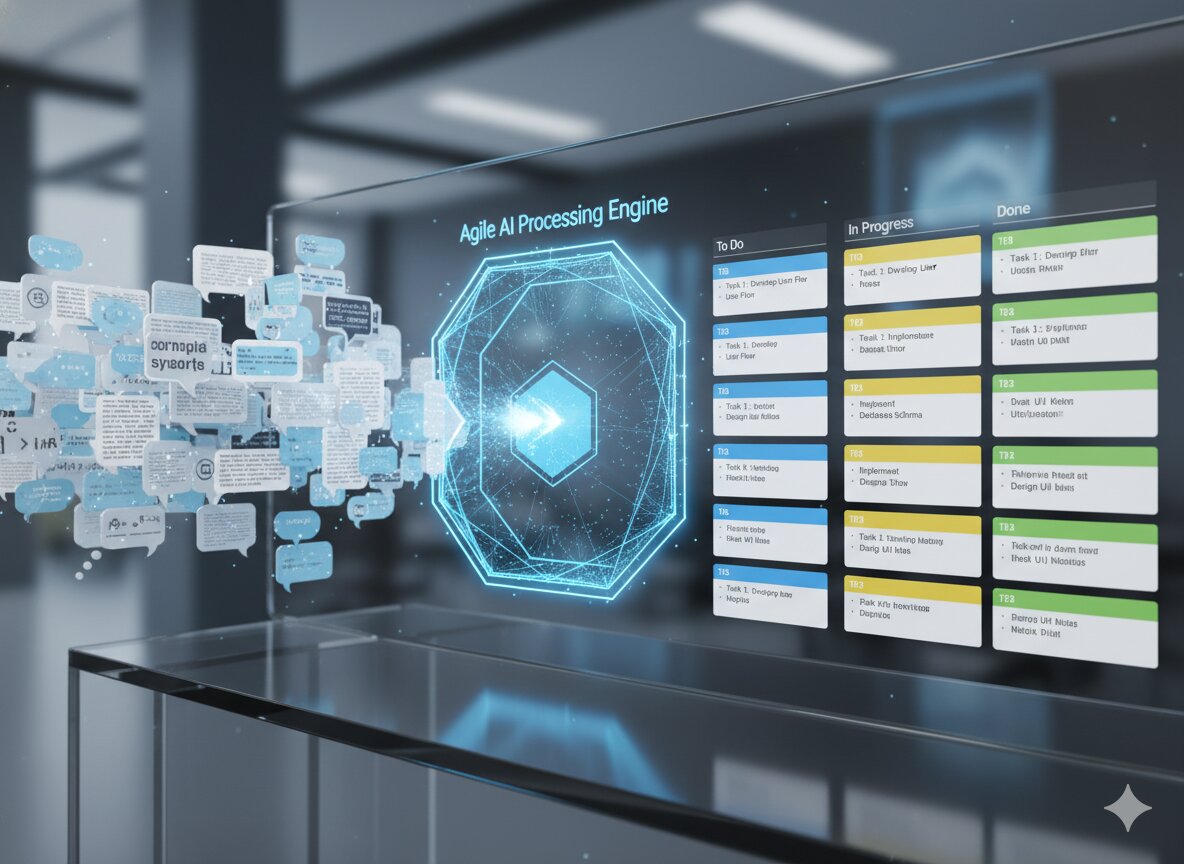
Stop relying on naive token concatenation for complex multimodal platforms. Naive early concatenation explodes context window lengths (e.g., a single video frame can generate thousands of visual tokens), leading to unmanageable latency, sky-high compute costs, and severe alignment degradation across mismatched sensory modalities. In elite FAANG AI Product Management and TPM architecture loops, panels evaluate your grasp of Late vs. Cross-Attention Fusion Topologies, Joint Vector Spaces (CLIP/ImageBind), Perceiver Resamplers & Visual Token Compression, Multimodal RAG, and Asynchronous Edge-Cloud Partitioning.
To pass this advanced GenAI infrastructure and multimodal system design round, you need an enterprise-grade execution framework: the MULTI-MODAL method.
The Core Framework: The "MULTI-MODAL" Method
Elite AI platform leaders do not simply dump all sensor data into a single token buffer. They design multi-stage encoding, spatial-temporal token compression, joint cross-attention fusion, and tiered streaming pipelines.
            [ Video Stream ]   [ Audio Stream ]   [ DICOM / Image ]   [ Text Query ]
                   │                  │                   │                  │
                   ▼                  ▼                   ▼                  ▼
       ┌──────────────────────────────────────────────────────────────────────────┐
       │             M-ODALITY-SPECIFIC ENCODING & ALIGNMENT                      │
       │  * ViT, Conformer, Specialized Encoders -> Uniform Vector Spaces         │
       └────────────────────────────────────┬─────────────────────────────────────┘
                                            │
                                            ▼
       ┌──────────────────────────────────────────────────────────────────────────┐
       │             U-NIFIED JOINT-EMBEDDING VECTOR SPACE                        │
       │  * Joint projection heads (CLIP / ImageBind) for zero-shot alignment     │
       └────────────────────────────────────┬─────────────────────────────────────┘
                                            │
                                            ▼
       ┌──────────────────────────────────────────────────────────────────────────┐
       │             L-ATE & CROSS-ATTENTION FUSION ARCHITECTURE                  │
       │  * Cross-Attention, Perceiver Resamplers, Flamingo-style Gated Layers    │
       └────────────────────────────────────┬─────────────────────────────────────┘
                                            │
                                            ▼
       ┌──────────────────────────────────────────────────────────────────────────┐
       │             T-OKEN COMPRESSION & SPATIO-TEMPORAL PRUNING                 │
       │  * Latent Query Transformers, Downsampling visual tokens by 80-90%       │
       └────────────────────────────────────┬─────────────────────────────────────┘
                                            │
                                            ▼
       ┌──────────────────────────────────────────────────────────────────────────┐
       │             I-NTEGRATED MULTIMODAL RAG & MEMORY                          │
       │  * Dense-Sparse Multimodal Vector Store (Frames, Audio, Structured Data)  │
       └────────────────────────────────────┬─────────────────────────────────────┘
                                            │
                                            ▼
       ┌──────────────────────────────────────────────────────────────────────────┐
       │             M-ULTI-SENSORY SYNCHRONIZATION & BUFFERING                   │
       │  * NTP Timestamp alignment, Sliding window frame queues, Jitter buffers  │
       └────────────────────────────────────┬─────────────────────────────────────┘
                                            │
                                            ▼
       ┌──────────────────────────────────────────────────────────────────────────┐
       │             O-N-DEVICE EDGE VS. CLOUD PARTITIONING                       │
       │  * On-device feature extraction (MobileViT) vs. Cloud LLM reasoning       │
       └────────────────────────────────────┬─────────────────────────────────────┘
                                            │
                                            ▼
       ┌──────────────────────────────────────────────────────────────────────────┐
       │             D-YNAMIC MODALITY DROPOUT & DEGRADATION                      │
       │  * Graceful fallback when video/audio channels experience packet loss    │
       └────────────────────────────────────┬─────────────────────────────────────┘
                                            │
                                            ▼
       ┌──────────────────────────────────────────────────────────────────────────┐
       │             A-LIGNED SAFETY & INTER-MODAL GUARDRAILS                     │
       │  * Cross-modal policy filters (detecting harmful text in images/audio)   │
       └────────────────────────────────────┬─────────────────────────────────────┘
                                            │
                                            ▼
       ┌──────────────────────────────────────────────────────────────────────────┐
       │             L-OW-LATENCY STREAMING INFERENCE RUNTIME                     │
       │  * Continuous chunk-wise streaming, Paged K-V caching for vision tokens  │
       └────────────────────────────────────┬─────────────────────────────────────┘
                                            │
                                            ▼
                 [ Sub-200ms Synchronized Multimodal Generation ]
1. M-odality-Specific Encoding & Alignment
Convert raw sensory inputs into dense feature representations.
- The Strategy: Avoid feeding raw pixel or audio bytes directly into the backbone LLM. Route each modality through specialized, pre-trained feature encoders: Vision Transformers (ViT/BLIP) for images and video, Conformer/Whisper encoder stages for audio, and specialized convolutional networks for medical imaging (DICOM).
- Interview Script: "First, we apply Modality-Specific Encoding. Raw video frames, audio tracks, and textual inputs pass through optimized domain encoders—such as ViT for vision and Conformer layers for audio—converting raw perceptual data into dense vector feature maps."
2. U-nified Joint-Embedding Vector Space
Project disparate sensory modalities into a single shared semantic space.
- The Strategy: Align vector representations across modalities using Joint Embedding Architectures (e.g., CLIP or ImageBind). By training model projection heads with contrastive loss, the system ensures that an image of a hospital bed, the sound of a heart monitor, and the text string
"patient monitoring"map to adjacent vectors in the shared space. - Interview Script: "We map these feature maps into a Unified Joint-Embedding Space using contrastive projection layers based on ImageBind architectures. This enables cross-modal alignment where audio, visual, and textual tokens share a common semantic coordinate system."
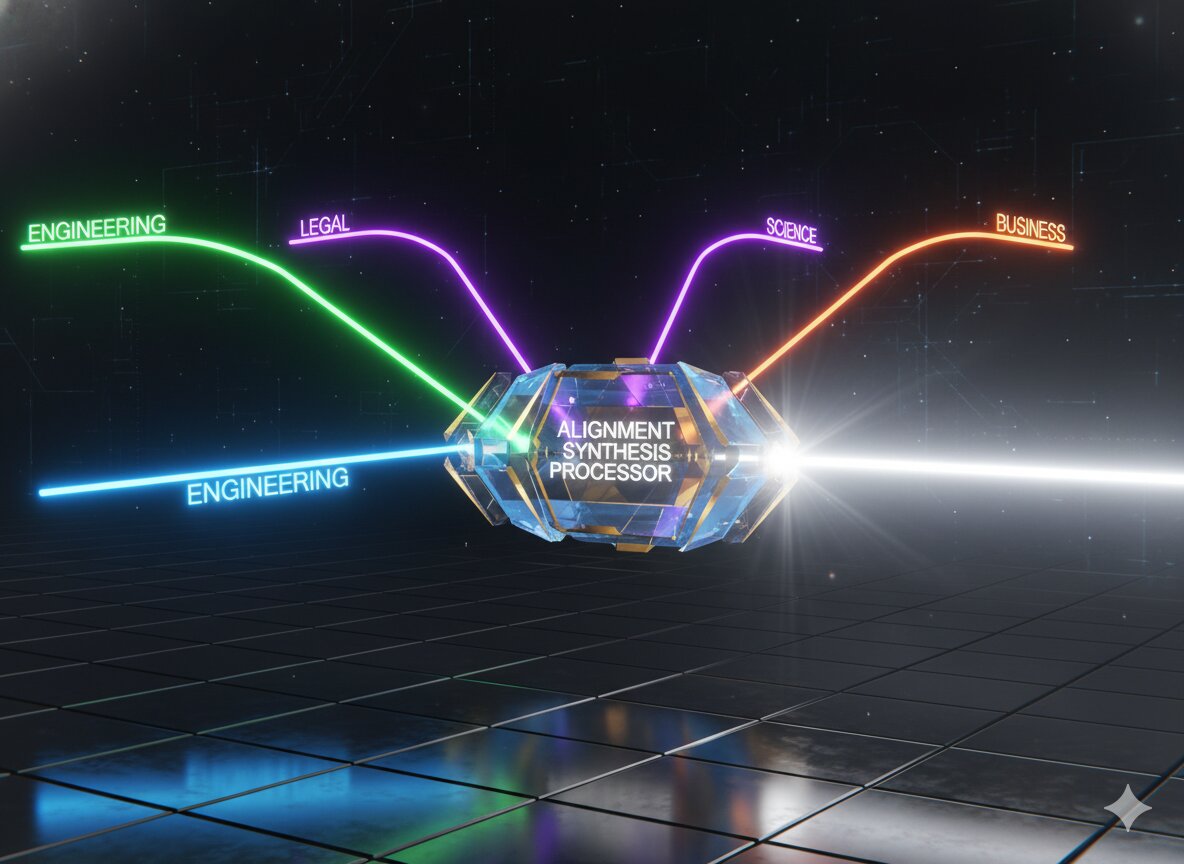
3. L-ate & Cross-Attention Fusion Architecture
Fuse sensory modalities efficiently without overloading core language models.
- The Strategy: Instead of concatenating all raw tokens into a single sequence (Early Fusion), implement Cross-Attention Fusion (e.g., Flamingo or Perceiver Resampler architectures). The text/LLM backbone acts as the query state, periodically attending to visual and audio feature representations via interleaved cross-attention layers.
- Interview Script: "To fuse modalities cleanly, we implement a Cross-Attention Fusion topology. Rather than concatenating millions of raw visual tokens into the main sequence, we use a Perceiver Resampler with interleaved cross-attention layers, allowing the core LLM to dynamically query visual and audio context."
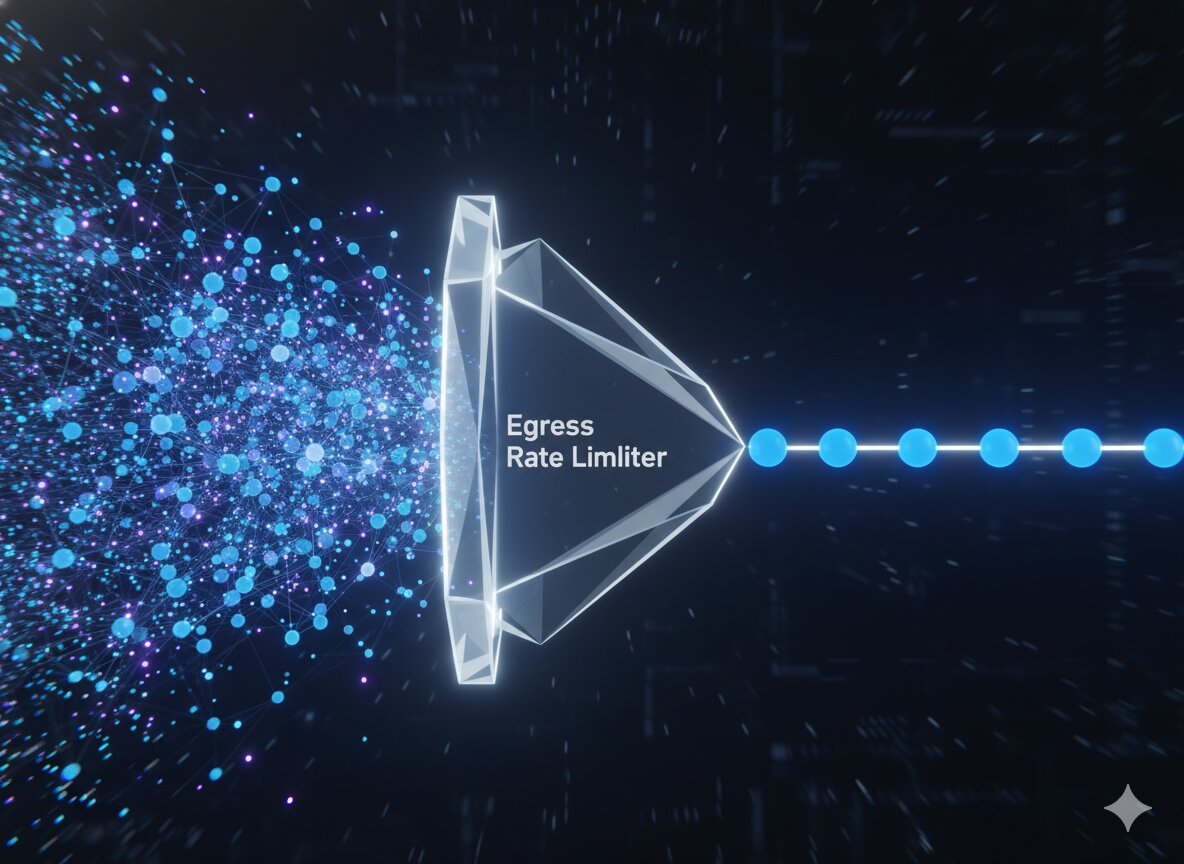
4. T-oken Compression & Spatio-Temporal Pruning
Reduce visual token bloat to protect latency SLA and inference budgets.
- The Strategy: High-resolution video generates tens of thousands of patch tokens per second. Apply Spatial-Temporal Token Pruning: use latent query transformers or dynamic pooling to compress 1,024 raw visual patch tokens per frame down to 32–64 high-information latent tokens without losing semantic fidelity.
- Interview Script: "To control latency and context length expansion, we apply Spatio-Temporal Token Compression. We run latent query projection across video frames, compressing 1,024 raw image patch tokens down to 32 high-density visual tokens, cutting attention compute complexity by over 90%."
5. I-ntegrated Multimodal RAG & Memory
Retrieve multi-sensory context for complex spatial or temporal queries.
- The Strategy: Extend RAG beyond text. Index visual keyframes, audio transcripts, and sensor telemetry into a Multimodal Vector Database. Store both raw keyframe images and joint embeddings, allowing queries like "Find the video segment where the alarm sounded before the patient dropped their glass."
- Interview Script: "We support multi-sensory historical lookups through Multimodal RAG. We index video keyframes, audio embeddings, and telemetry events into a unified vector store, allowing the platform to retrieve both spatial image assets and temporal audio snippets to augment inference context."
6. M-ulti-Sensory Synchronization & Buffering
Align parallel streams across disparate transmission rates and delays.
- The Strategy: Video frames (e.g., 30 FPS), audio chunks (16kHz), and telemetry data arrive at different sampling rates and packet delays. Implement an NTP-Synchronized Sliding-Window Buffer: align incoming streams using Network Time Protocol timestamps, sliding frame queues, and jitter buffers before passing synchronized time-slice packages to the encoder stage.
- Interview Script: "To ensure real-time temporal alignment, we build an NTP-Synchronized Buffering Engine. Incoming video frames, audio packets, and sensor data are aligned using millisecond-accurate timestamps inside sliding ring buffers, guaranteeing the model processes synchronized sensory slices."
7. O-n-Device Edge vs. Cloud Partitioning
Distribute workloads to optimize bandwidth, latency, and operational cost.
- The Strategy: Split execution between edge and cloud. Run lightweight feature extraction models (e.g., MobileViT or quantized audio encoders) directly on edge devices to prune irrelevant frames or detect local triggers. Send compressed latent feature vectors (rather than raw 4K video) over the network to cloud GPU clusters for heavy reasoning.
- Interview Script: "We optimize bandwidth and compute using Edge-Cloud Partitioning. Edge devices execute lightweight feature extraction and frame-differencing filters to prune static frames, transmitting only dense, compressed feature embeddings to cloud GPU clusters for heavy cross-modal reasoning."
8. D-ynamic Modality Dropout & Graceful Degradation
Ensure platform resilience when sensory feeds fail or experience loss.
- The Strategy: Network drops, camera occlusions, or microphone disconnects happen in real-world deployments. Train the model using Modality Dropout (randomly zeroing out visual or audio channels during training) so the system gracefully falls back to text or audio-only inference without crashing or hallucinating when a feed drops.
- Interview Script: "To guarantee reliability during camera or sensor hardware failures, we train our fusion layers with Modality Dropout. If a video stream drops due to network congestion, the system dynamically shifts to audio-text inference mode with zero downtime or pipeline exceptions."
9. A-ligned Safety & Inter-Modal Guardrails
Detect malicious or unsafe content across combined sensory channels.
- The Strategy: Harmful content can bypass text filters when split across modalities (e.g., benign text paired with a malicious image, or text hidden within video frames). Deploy Cross-Modal Safety Classifiers that evaluate the joint image-text-audio payload simultaneously rather than treating each channel in isolation.
- Interview Script: "We enforce safety using Inter-Modal Guardrails. Because adversarial attacks can split harmful intent across channels—such as placing benign text over a policy-violating image—our safety classifiers evaluate joint multimodal embeddings to flag cross-modal policy violations."
10. L-ow-Latency Streaming Inference Runtime
Stream response generation continuously while continuously processing inputs.
- The Strategy: Build a streaming runtime using Continuous Chunk-Wise Inference and specialized Paged KV Cache Management designed for multimodal tokens. Cache static visual prefix tokens (e.g., background video frame context) so the autoregressive text generation phase doesn't re-compute vision attention matrices at every step.
- Interview Script: "For low-latency delivery, our runtime uses Continuous Chunk-Wise Inference with Multimodal Paged KV Caching. We cache static visual context tokens in GPU memory, allowing autoregressive language generation to run at sub-50ms token latencies without re-evaluating static video context."
The Comparison: Bad vs. Good
Bad Answer (Naive Concatenation)Good Answer (MULTI-MODAL Framework)"We will convert video frames to patches, convert audio to tokens using Whisper, concatenate everything into one big text prompt, and pass it to GPT-4V.""I will implement the MULTI-MODAL framework. I will encode modalities using specialized models, project them into an ImageBind joint space, fuse via Perceiver Cross-Attention, compress visual tokens, and synchronize streams using NTP ring buffers.""If the video feed lags or drops, we will pause execution until all frames arrive from the camera.""We design for graceful degradation. By training fusion layers with Modality Dropout, our platform dynamically degrades to text/audio reasoning if a video stream experiences packet loss, maintaining real-time SLAs."
The Pitch/Transition
Architecting real-time multimodal AI platforms requires moving beyond naive prompt concatenation toward multi-stage joint embeddings, cross-attention fusion layers, spatio-temporal token pruning, and edge-cloud partitioning. The MULTI-MODAL framework provides a scalable, enterprise-grade architecture for real-world sensory processing.
In executive FAANG AI Product Management and TPM architecture loops, hiring panels look for leaders who understand both the computer vision and speech deep-learning pipelines as well as backend systems engineering constraints.
Prepare with production-validated AI frameworks, enterprise system design blueprints, and authoritative infrastructure vocabulary:
- Command your AI product strategy, multi-sensory execution goals, and platform metrics with the comprehensive PM Prep Guide.
- Dominate your system design, vision-language infrastructure, and platform execution loops with the tactical TPM Prep Kit.
FAQs
Q: What is the difference between Early Fusion, Late Fusion, and Cross-Attention Fusion in Multimodal Systems?
A:
- Early Fusion: Concatenates raw feature vectors or tokens from all modalities at the input layer before passing them through the model. Simple, but results in massive sequence lengths and quadratic compute cost ($O(N^2)$).
- Late Fusion: Processes each modality through separate independent models until the final layer, where predictions/probabilities are combined (e.g., weighted averaging). Fast, but misses deep cross-modal reasoning during representation learning.
- Cross-Attention Fusion (Hybrid): Uses specialized modality encoders, then connects them into a primary backbone using interleaved cross-attention layers or Perceiver Resamplers. Enables deep cross-modal interactions while keeping sequence lengths and compute costs manageable.
Q: How do you handle high token counts generated by high-definition video frames?
A:
- Spatial Compression: Use latent query transformers (e.g., Q-Former / Perceiver) to compress 1,024 spatial patches per frame into 32–64 learned latent tokens.
- Temporal Deduplication: Calculate frame-differencing metrics (e.g., cosine distance between frame embeddings) on edge devices or ingestion pipelines, dropping redundant static frames.
- Variable Frame Rates (VFR): Dynamically adjust video sampling rates—sampling at 1 FPS during low-activity scenes and ramping up to 30 FPS during rapid motion or event triggers.
Q: How does Joint Embedding (like ImageBind or CLIP) differ from standard LLM token embeddings?
A: Standard LLM embeddings map text tokens into a semantic vector space trained specifically on text sequence prediction. Joint Embeddings (like CLIP or ImageBind) map multiple distinct sensory modalities—text, images, audio, depth maps, thermal data—into a single, shared geometric space trained via contrastive loss. In this space, vector distance directly reflects semantic similarity across modalities regardless of input format.














.jpg)