The Interview Trap: The "Ship It" Oversight
The interviewer asks: "Engineering just finished the feature. How do you ensure a successful launch?" Most candidates focus only on the "Release": "I’d push the code to production and send an email to our users." Stop. Shipping code is not a launch. A launch is a coordinated Go-To-Market (GTM) event. If you don't mention Sales Enablement, Support Readiness, or Success Metrics, you aren't leading the product—you're just watching it leave the building.
The Core Framework: The "GTM-VELOCITY" Method
A world-class launch ensures that the market is ready for the product and the company is ready for the users.
1. G-oals & Guardrails
What does "winning" look like for this specific launch?
- The Strategy: Define the primary KPI (e.g., Adoption, Revenue, or Sentiment) and a "Safety" metric.
- The Soundbite: "I start by defining success. For this launch, our goal is 20% adoption within the first 30 days. But we also have a 'Guardrail': if customer support tickets increase by more than 15%, we pause the rollout to address the friction."
2. T-argeting & Tiering
Not every feature deserves a billboard.
- The Strategy: Use a Tiered Launch System (Tier 1: Major Press; Tier 2: Existing Users; Tier 3: Subtle Update).
- The Soundbite: "I’ll tier the launch. This is a 'Tier 1' feature, so it requires a full cross-functional push—including a blog post from the CPO, a dedicated email campaign, and social media blitz. We don't want to exhaust our marketing 'noise' on small bug fixes."
3. M-essaging & Positioning
Why should the user care now?
- The Strategy: Focus on Benefits over Features.
- The Soundbite: "We need to translate 'Technical Specs' into 'User Value.' Instead of saying 'We added 256-bit encryption,' our messaging will be: 'Your data is now bank-grade secure.' We’ll tailor this message differently for our Enterprise clients versus our individual users."
4. V-alidation (The Alpha/Beta Phase)
Never launch to 100% on Day One.
- The Strategy: Use a Progressive Rollout (Internal -> Alpha -> Beta -> GA).
- The Soundbite: "I’ll lead a phased rollout. We start with an 'Internal Dogfood' phase, then move to a 'Private Beta' with 5% of our power users. This allows us to catch 'Edge Case' bugs and gather testimonials that we can use for the 'General Availability' (GA) marketing."
5. E-nablement (Internal Readiness)
Is the rest of the company ready to help the users?
- The Strategy: Train the Support, Sales, and Marketing teams.
- The Soundbite: "A launch fails if the customer calls Support and the agent doesn't know the feature exists. I’ll run 'Enablement Sessions' to provide Sales with talk tracks, Support with troubleshooting FAQs, and Marketing with final creative assets."
6. L-ogistics & L-egal
The "Unsexy" parts that can kill a launch.
- The Strategy: Clear Legal, Privacy (GDPR/CCPA), and App Store approvals.
- The Soundbite: "I’ll manage the 'Logistic Checklist.' This includes ensuring our Privacy Policy is updated, the Terms of Service reflect the new feature, and we’ve submitted the mobile app to the stores 7 days in advance to account for review delays."
7. O-perational O-bservability
Monitoring the "Health" of the launch in real-time.
- The Strategy: Set up Dashboards and Alerts.
- The Soundbite: "On launch day, I’m in the 'War Room.' We’re watching the conversion funnel in real-time. If we see a drop-off at the 'Sign-up' step, we have a hotfix team on standby to jump in immediately."
8. C-omms & C-elebration
Keeping the momentum high.
- The Strategy: Execute the Internal and External Communication Plan.
- The Soundbite: "Once we hit GA, I’ll send out the 'Launch Summary' to the whole company, highlighting the initial win and thanking the contributors. Internal momentum is just as important as external buzz."
9. I-teration (The "Post-Mortem")
The launch is the beginning, not the end.
- The Strategy: Analyze the data and set the V2 Roadmap.
- The Soundbite: "Two weeks post-launch, we’ll hold a 'Post-Mortem.' We’ll look at the data vs. our initial Goals. What did users struggle with? That feedback becomes the 'Top Priority' for our next sprint."
The Launch Tiering Rubric
TierDefinitionTacticsTier 1Company-defining / New Product.PR, Keynote, Paid Ads, Full Email Blast.Tier 2Major Feature for existing users.In-app notification, Blog post, Targeted email.Tier 3Maintenance / UI Update.Release notes, Help Center update.
Be the "Conductor" of the Launch
A Product Manager or TPM is like a conductor. You don't play every instrument, but you ensure everyone is playing the same song, at the same time, in the same key. The "GTM-VELOCITY" framework ensures your hard work doesn't just "get released"—it gets noticed.
The Kracd Prep Kits include the exact "Launch Checklists" and "Cross-functional RACI Charts" used by Launch Leads at Apple and Stripe.
- For PMs: Execute flawless GTM strategies with the PM Prep Guide.
- For TPMs: Manage the technical complexity of global rollouts with the TPM Prep Kit.
FAQs
Q: What if the data shows the Beta is failing right before the launch date?
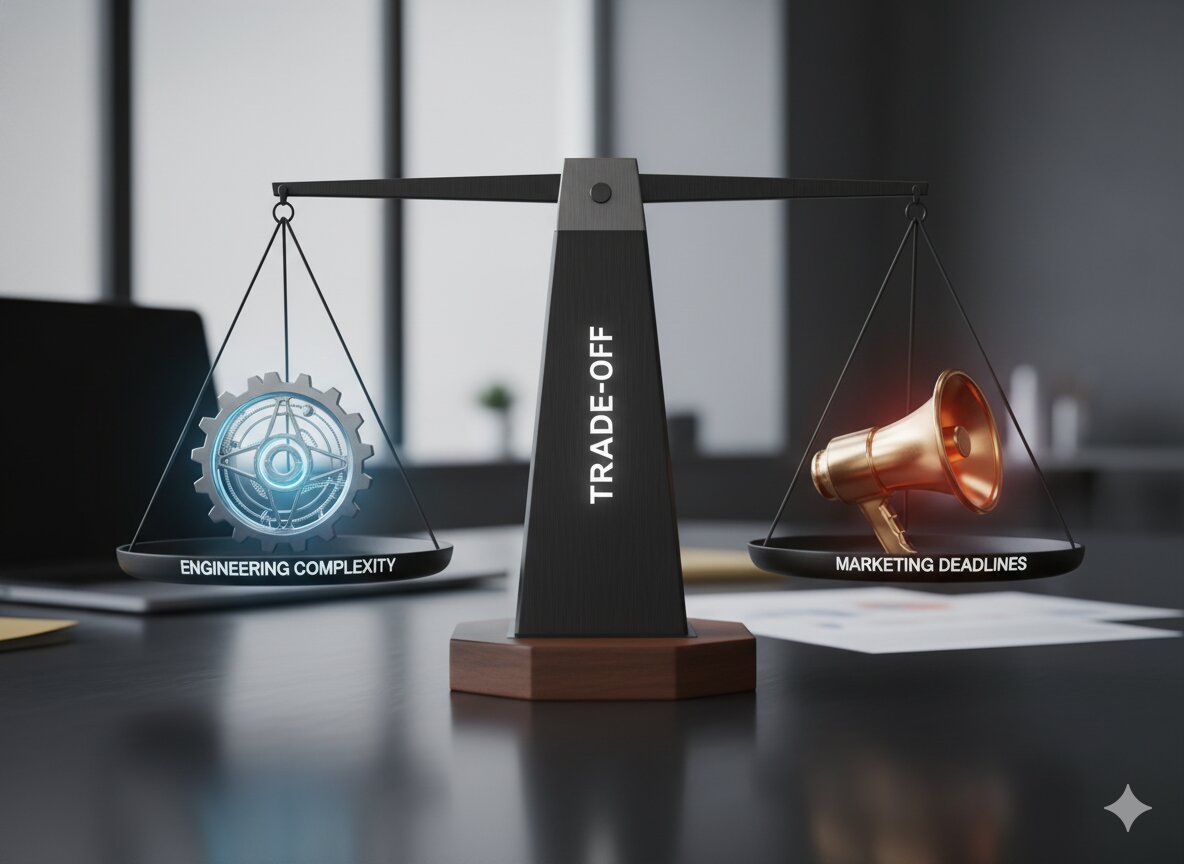
A: Delay the launch. It is better to miss a date than to launch a broken experience that destroys user trust. I’d present the data to the leadership team: "We can launch on Tuesday and risk a 30% churn rate, or we can delay two weeks to fix the 'Onboarding' bug and protect our brand."
Q: How do you handle "Feature Creep" right before a launch?
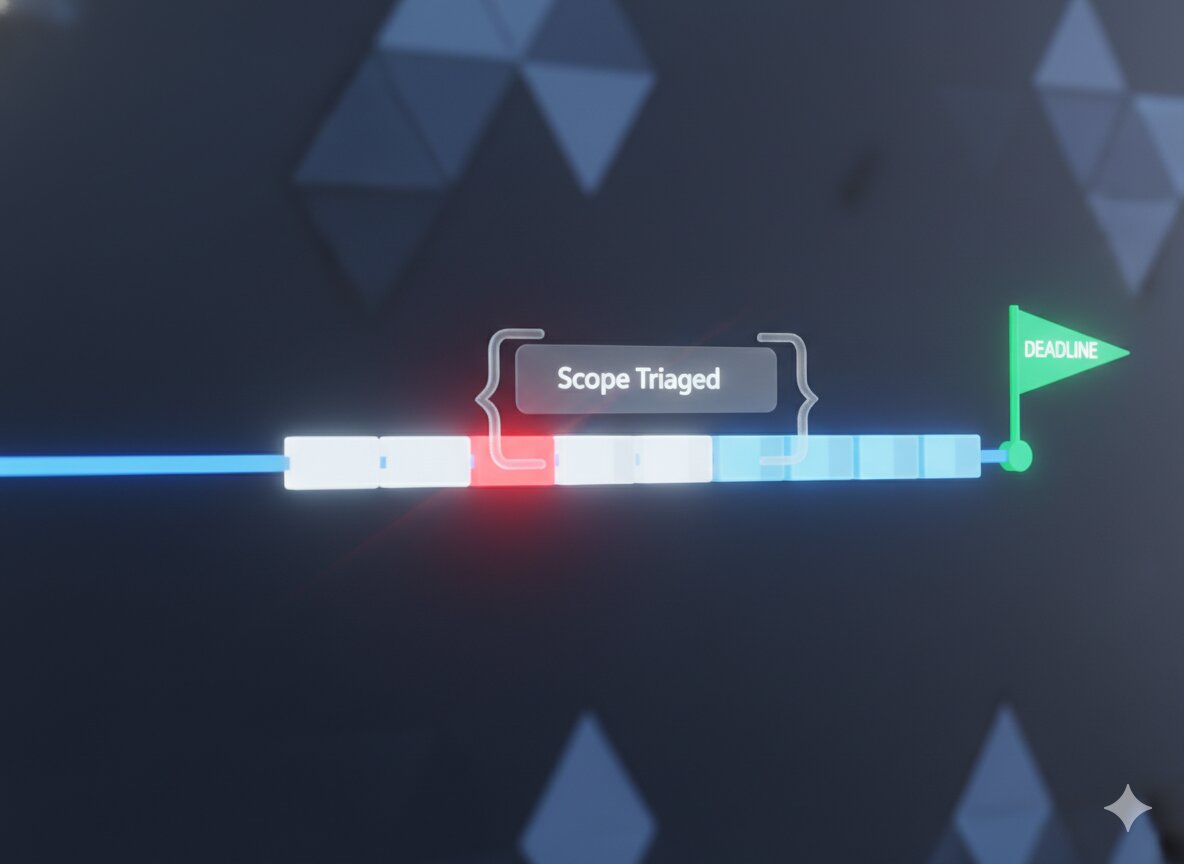
A: Hold the line. Remind the team of the MVP goals. "That’s a great idea for V1.1, but adding it now will require another round of QA and delay the launch by 10 days. Let’s capture it in the backlog and focus on shipping the current core value."
Q: How do you measure "Hype"?
A: Look at "Leading Indicators" like social media mentions, waitlist sign-ups, and "Share" button clicks on your teaser content.






















.jpg)