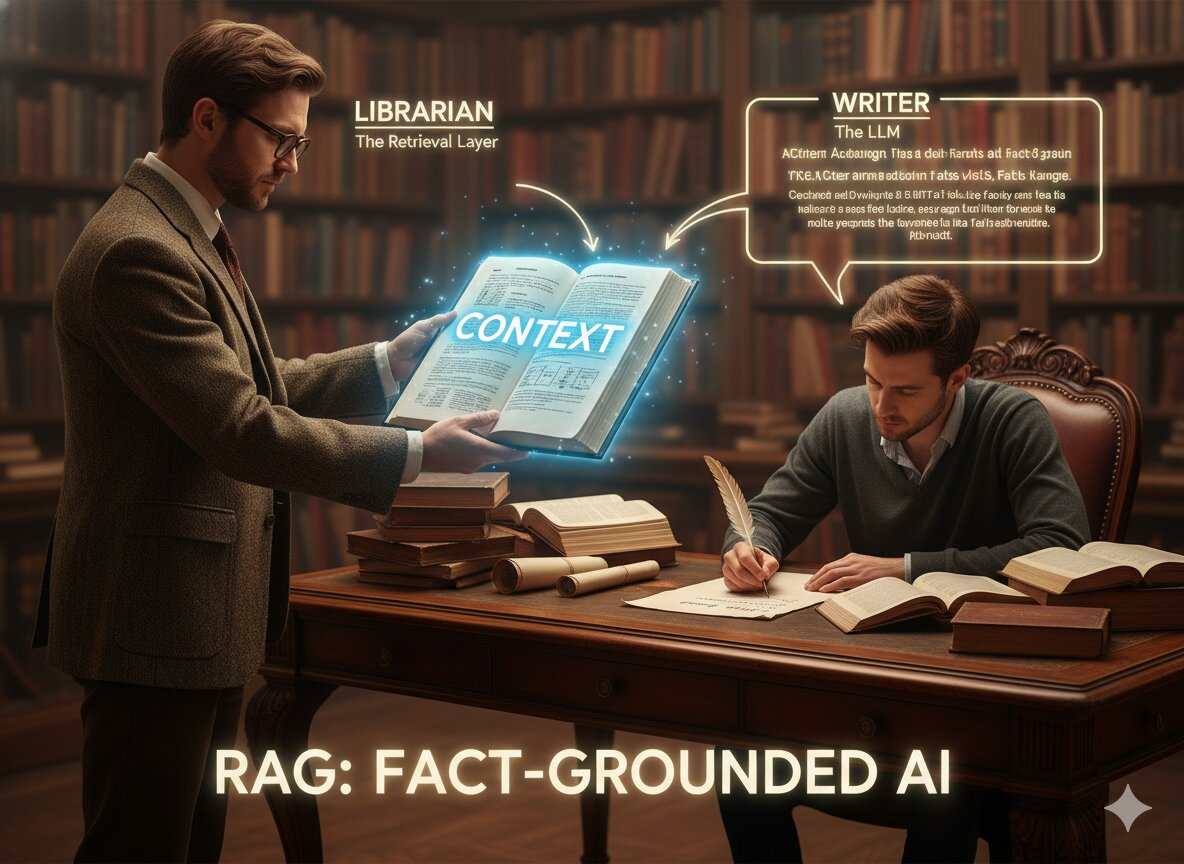
The Presence Trap
Most people think Executive Presence is "Polished Public Speaking." Stop. It’s actually about Emotional Regulation and Strategic Deference. If you get defensive when challenged, you’ve lost the room. If you agree with everything just to be "likable," you’ve lost your authority.
The Core Framework: The "3-C" Leadership Model
1. Composure (The "Thermostat" Layer)
When the room gets heated, you must be the "Thermostat," not the "Thermometer." You set the temperature; you don't just react to it.
- The Strategy: Use the "Tactical Silence."
- The Soundbite: "When a stakeholder drops a 'bomb' in a meeting, I don't respond instantly. I take a 3-second pause. This signals that I am processing, not reacting. It shifts the power dynamic from 'Defensive' to 'Analytical'."
2. Conciseness (The "Signal-to-Noise" Layer)
Executives have zero "Cognitive Surplus." If you take 10 minutes to explain a 2-minute point, you are signaling that you don't value their time.
- The Tactics: Use the "BLUF" (Bottom Line Up Front) method.
- The Soundbite: "I never start with the 'Process'; I start with the 'Impact.' My first sentence is: 'We should delay the launch by two weeks to ensure 99.9% uptime, which protects $2M in Day 1 revenue.' Then, and only then, do I explain the technical 'Why'."
3. Confidence (The "Conviction" Layer)
Confidence in 2026 isn't "knowing the answer"; it’s "owning the uncertainty."
- The Tactics: Avoid "Hedging" words (e.g., "I think," "Hopefully," "Maybe").
- The Soundbite: "I replace 'I think this might work' with 'Based on our current velocity, the most probable outcome is X.' I don't hide the risks; I categorize them. An executive wants to know you have a 'Plan B,' not that you’re 'Lucky'."
The "Individual Contributor" (IC)The "Executive Leader"Explains the "Hard Work" they did.Explains the "Business Value" created.Reacts emotionally to criticism.Views criticism as "Market Feedback."Asks for permission.Provides Options and Recommendations.
Command the Decision, Not Just the Meeting
Executive presence is the "Invisible Skill" that determines who gets the "High-Impact" projects. It’s the difference between being "The Person who does the work" and "The Person who leads the mission."
Our kits provide "Board-Level Presentation Templates" and "Stakeholder Management Scripts" used by executives at Apple, Google, and Goldman Sachs.
- For PMs: Lead with authority and influence with the PM Prep Guide.
- For TPMs: Master the art of technical storytelling for non-tech execs with the TPM Prep Kit.
FAQs
Q: How do I handle a "Big Ego" in the room?
A: Align, don't Confront. "I agree that [Goal] is the priority. To achieve that, we have two paths..." By framing it as a shared goal, you turn a confrontation into a collaboration.
Q: What is "Active Listening" for Executives?
A: It’s the "Summary Reflection." Before you disagree, say: "So if I understand correctly, your main concern is X. Is that right?" Once they feel "Heard," they are 10x more likely to listen to your "But."
Q: Can I build presence if I'm naturally shy?
A: Yes. Presence is a Physical and Linguistic Script. It’s about eye contact, a steady voice, and structured thinking. These are "Mechanics" you can practice until they become "Identity."



















.jpg)