The Onboarding Trap
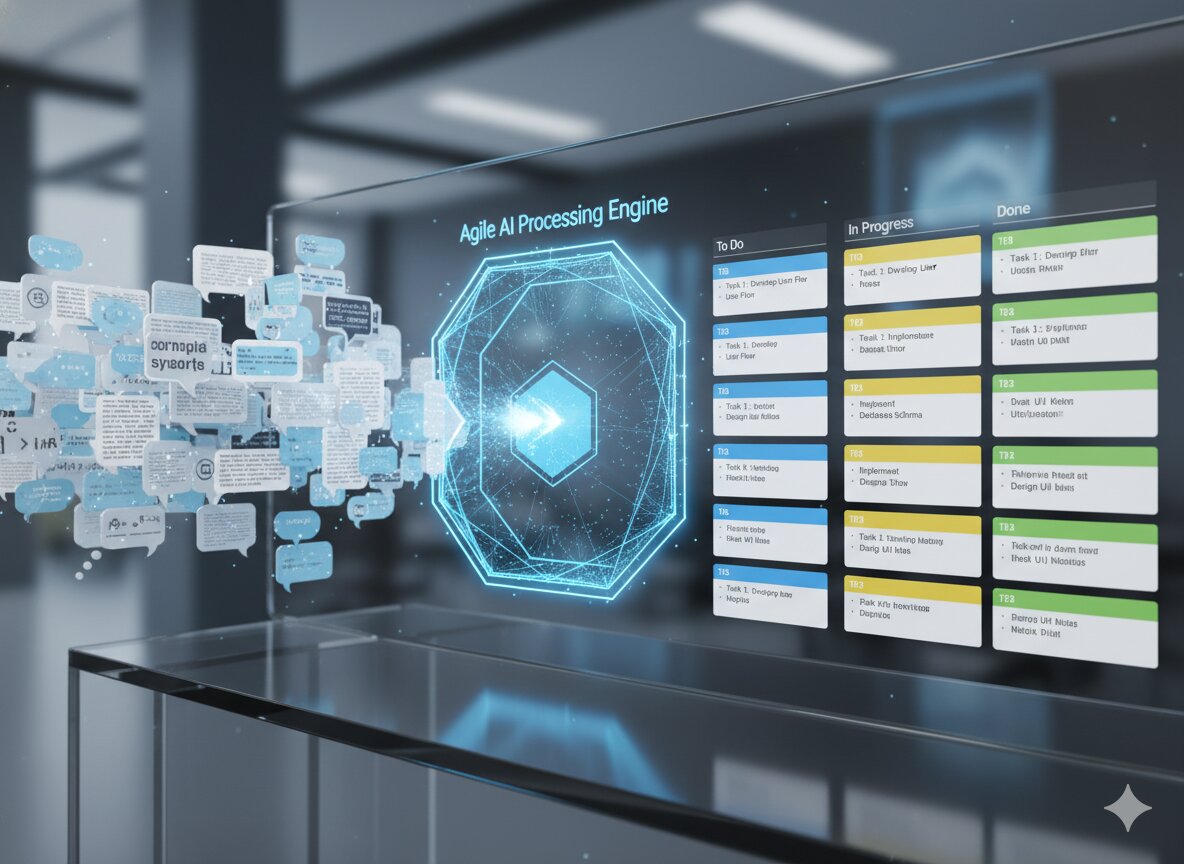
Most PMs treat onboarding as a "Feature Tour"—those annoying pop-up bubbles that say "Click here for settings." Stop. Users don't want a tour; they want a Solution. Every second they spend in a tutorial is a second they aren't getting value.
The Core Framework: The "3-S" Onboarding Model
1. Setup (The "Friction" Layer)
Remove every unnecessary field. If you don't need their phone number to show them the value, don't ask for it.
- The Strategy: Use Progressive Profiling.
- The Soundbite: "I don't look at 'Total Sign-ups'; I look at 'Friction-to-Value.' If a user has to verify their email before they see the dashboard, we’ve already lost 20% of them. I move the 'Verification' and 'Profile Setup' to AFTER they’ve experienced the first 'Aha!' moment."
2. Success (The "Aha!" Moment)
The "Aha!" moment is the emotional spark when a user realizes: "Oh, this actually works."
- The Tactics: For Uber, it’s seeing the car on the map. For Slack, it’s sending the first message.
- The Soundbite: "I prioritize 'Empty State' design. Instead of a blank screen, we provide templates or 'AI-Generated Drafts' so the user achieves their first win within 60 seconds of signing up. We aren't selling a tool; we're selling a 'Result'."
3. Stickiness (The "Investment" Layer)
Get the user to put "skin in the game" before they leave the first session.
- The Tactics: Ask them to sync their contacts, upload a file, or set a goal.
- The Soundbite: "Onboarding isn't over until the user has 'Stored Value' in the product. If they upload their brand guidelines or sync their calendar, the 'Switching Cost' goes from zero to high in minutes. That is how we secure 'Day 30' retention on Day 1."
The "Traditional" PM (The Teacher)The "Growth" PM (The Concierge)Focuses on "Explaining the Product."Focuses on "Solving the Problem."Uses "Next, Next, Done" tutorials.Uses "Immediate Utility" and AI-Drafts.Measures "Onboarding Completion."Measures "Time-to-Value (TTV)."
Win the "First Impression" War
Onboarding is the most leveraged part of the product. A 10% increase in onboarding success can lead to a 50% increase in long-term revenue. You need to prove you can design for Instant Gratification.
Our kits provide "Onboarding Audit Templates" and "Aha! Moment Rubrics" used by growth teams at Canva, Duolingo, and Netflix.
- For PMs: Drive massive retention spikes with the PM Prep Guide.
- For TPMs: Optimize registration latency and social-login flows with the TPM Prep Kit.
FAQs
Q: What is the "Magic Number"?
A: It’s the metric that predicts long-term retention. For Facebook, it was "10 friends in 7 days." Your job is to find your product's "Magic Number" and build the onboarding entirely around it.
Q: Should we use "Gamification" (Progress bars, badges)?
A: Yes, but only for Instruction, not just for decoration. A progress bar works because humans hate "Incompletion." Use it to nudge them toward the "Stickiness" actions.
Q: When should we ask for Payment?
A: After the value is proven. In a PLG (Product-Led Growth) model, the "Paywall" should feel like an "Upgrade for Power," not a "Gate to Entry."






















.jpg)