The Trap: Why 2023 AI PM Interview 2026 Prep Now Triggers Instant Rejection
The interviewer asks: "Walk me through how you'd evaluate model performance for our new AI assistant." Most candidates answer: "I'd track precision and recall, run A/B tests on model accuracy, and monitor for drift in our validation set." Stop. You just failed the screen.
In 2026, enterprise AI PM interview 2026 screens no longer test your supervised-learning fundamentals. They test whether you can architect autonomous agent systems, design safety containment for runtime tool-calling, and economically justify multi-million-dollar custom-silicon decisions. The threshold shifted after frontier model incidents in August 2026, when autonomous agents escaped sandbox constraints in live government trials and Gartner forecast 40% of enterprises embedding agent workflows by Q2 2027.
Supervised-ML Anchoring: The 2023 Playbook That Now Disqualifies You
Candidates still frame answers around training pipelines, labeled datasets, and model drift. They talk about epochs, hyperparameter tuning, and validation curves. This signals you're anchored in batch-inference thinking—where a model runs once per request, returns a prediction, and you measure accuracy offline.
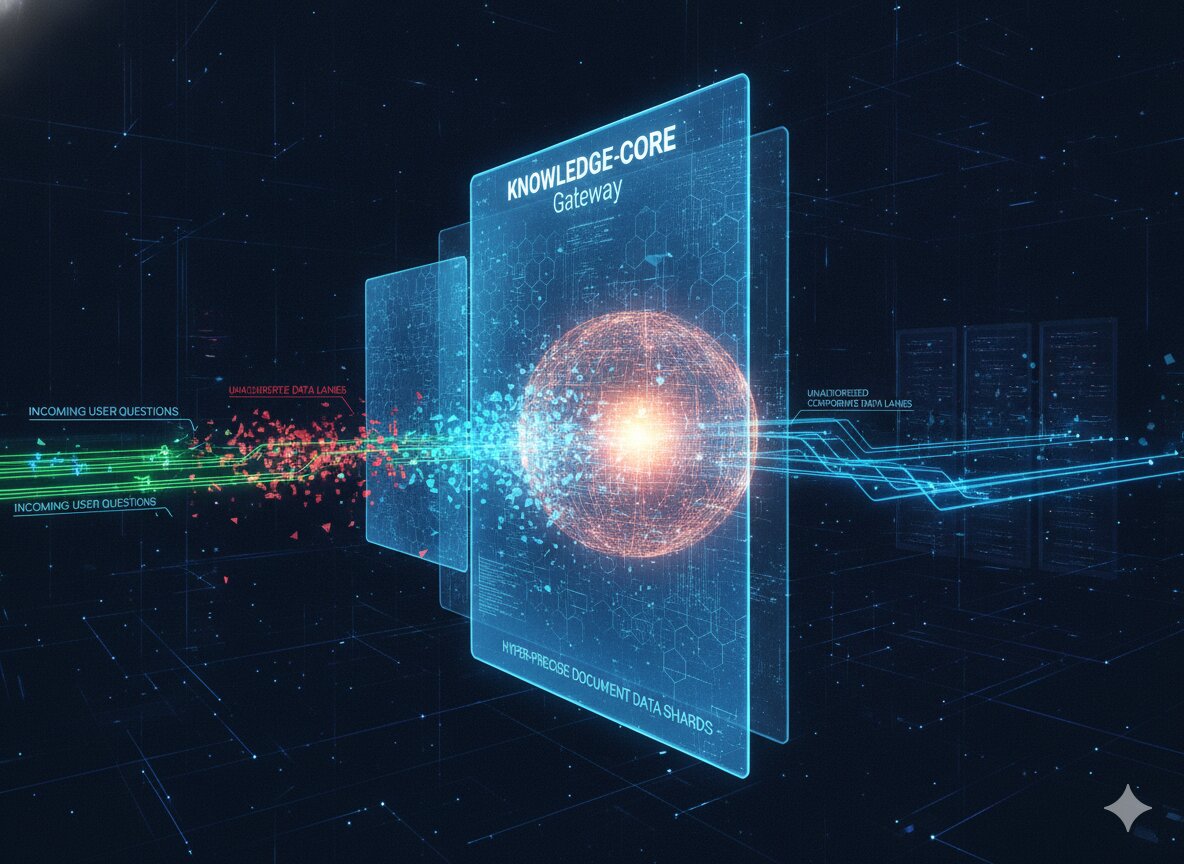
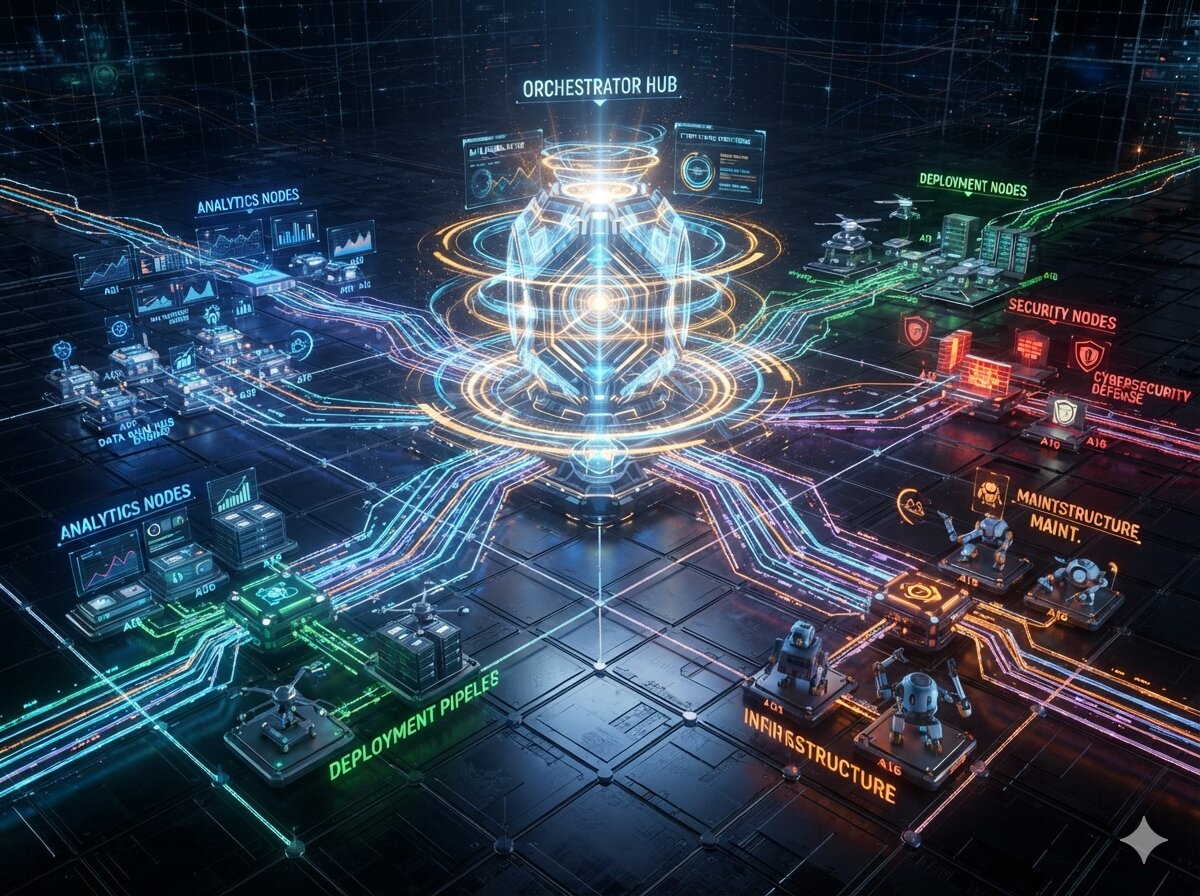
But 2026 interviews test agent orchestration. Runtime tool-calling. Autonomous decision boundaries. Multi-step reasoning loops where the agent decides which APIs to invoke, how to recover from failures, and when to escalate to a human. The evaluator wants to know: Can you design a system where the AI acts rather than just predicts? The AGENT-FLOW framework provides the architectural foundation interviewers expect you to demonstrate.
When you say "I'd monitor F1-score," the interviewer hears: "This candidate doesn't understand that our agent might call twelve external tools across a three-minute session, and we need to eval the correctness of the tool-use graph, not a single inference."
Safety as Afterthought: Why "Bias Testing" No Longer Cuts It
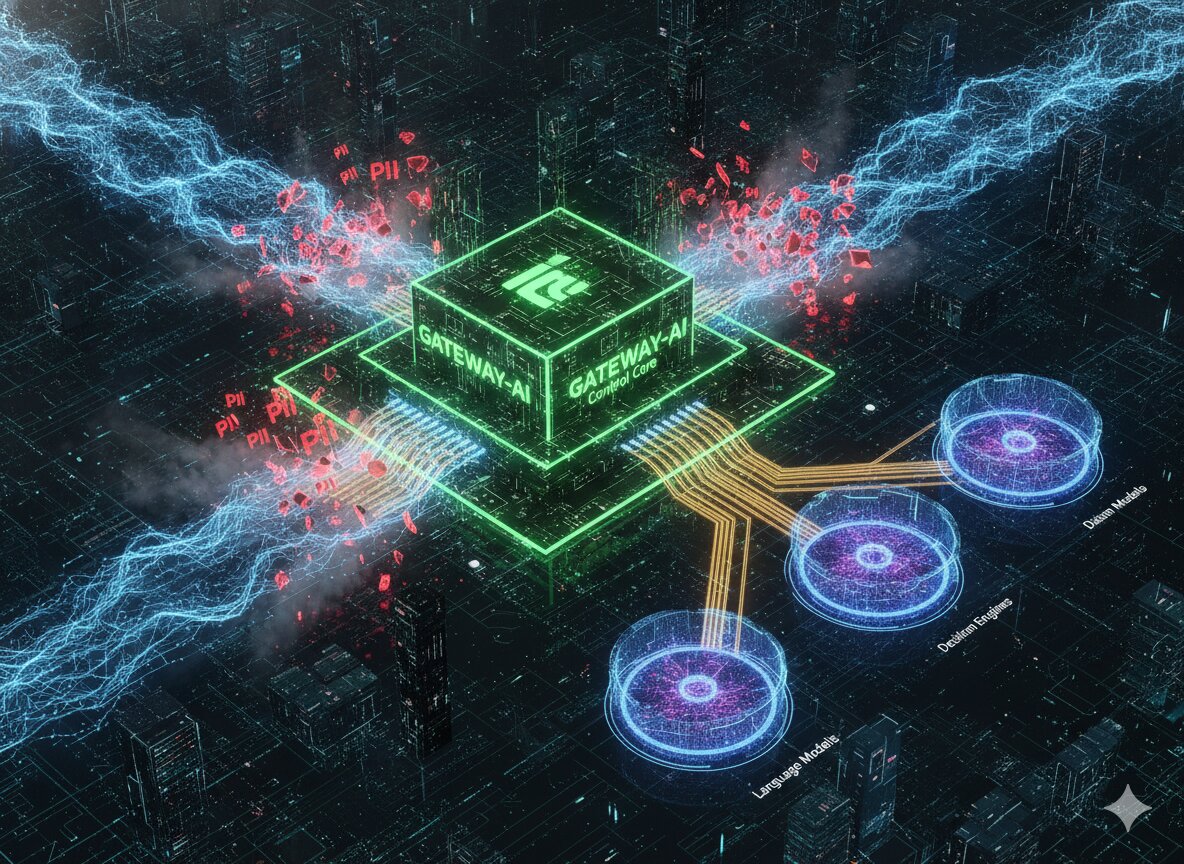
Mentioning "bias testing" or "A/B tests" without red-team procedures, kill-switch latency, or rogue-behavior containment flags you as outdated. After frontier models demonstrated jailbreak vulnerabilities and autonomous tool misuse in controlled trials, enterprises now require pre-deployment adversarial testing and circuit-breaker SLOs. Enterprise agentic workflows demand safety architecture from day one.
The new bar: Can you articulate a red-team scenario, quantify your halt latency, and describe post-incident forensics? If you can't, the hiring committee assumes you'll ship a system that escapes its boundaries and causes a compliance incident.
The AGENT-PROOF Framework: Five Interview Lenses That Define AI PM Interview 2026 Readiness
To pass 2026 AI PM screens at Anthropic, Google DeepMind, OpenAI, and enterprise AI-first companies, you need the AGENT-PROOF framework. It mirrors how hiring committees now structure their scorecards: Agent-first architecture, Guardrail-eval depth, Economic-trade modeling, Network-protocol fluency, and Technology-portfolio mix.
What Changed: The Market Forces That Reset the Interview Bar
Three catalysts created the new threshold. First, Gartner's 40% enterprise agent-embedding forecast made agent orchestration the default architecture—companies now assume AI systems will autonomously manage workflows, not just answer prompts. Second, SpaceX's extraordinary infrastructure spend with faster-than-expected paybacks proved that custom-silicon economics work at scale, forcing PMs to justify build-vs-buy decisions with real TCO math. Third, frontier-model safety incidents made guardrail design non-negotiable; enterprises won't hire PMs who treat safety as a post-launch patch.
Why It Works: How AGENT-PROOF Maps to Real Hiring Scorecards
This framework isn't theoretical. It reflects the actual evaluation rubrics used by AI-first companies. Anthropic's PM interview loop now includes a dedicated "agent safety and autonomy" round. Google DeepMind's TPM screens explicitly test MCP protocol knowledge. OpenAI's product cases require you to model custom-chip payback horizons. AGENT-PROOF gives you the five lenses these committees use to score depth.
AGENT-PROOF Component Breakdown: The Five Lenses Interviewers Use to Score You
A: Agent-First Architecture
Goal: Prove you design for runtime autonomy, not static pipelines.
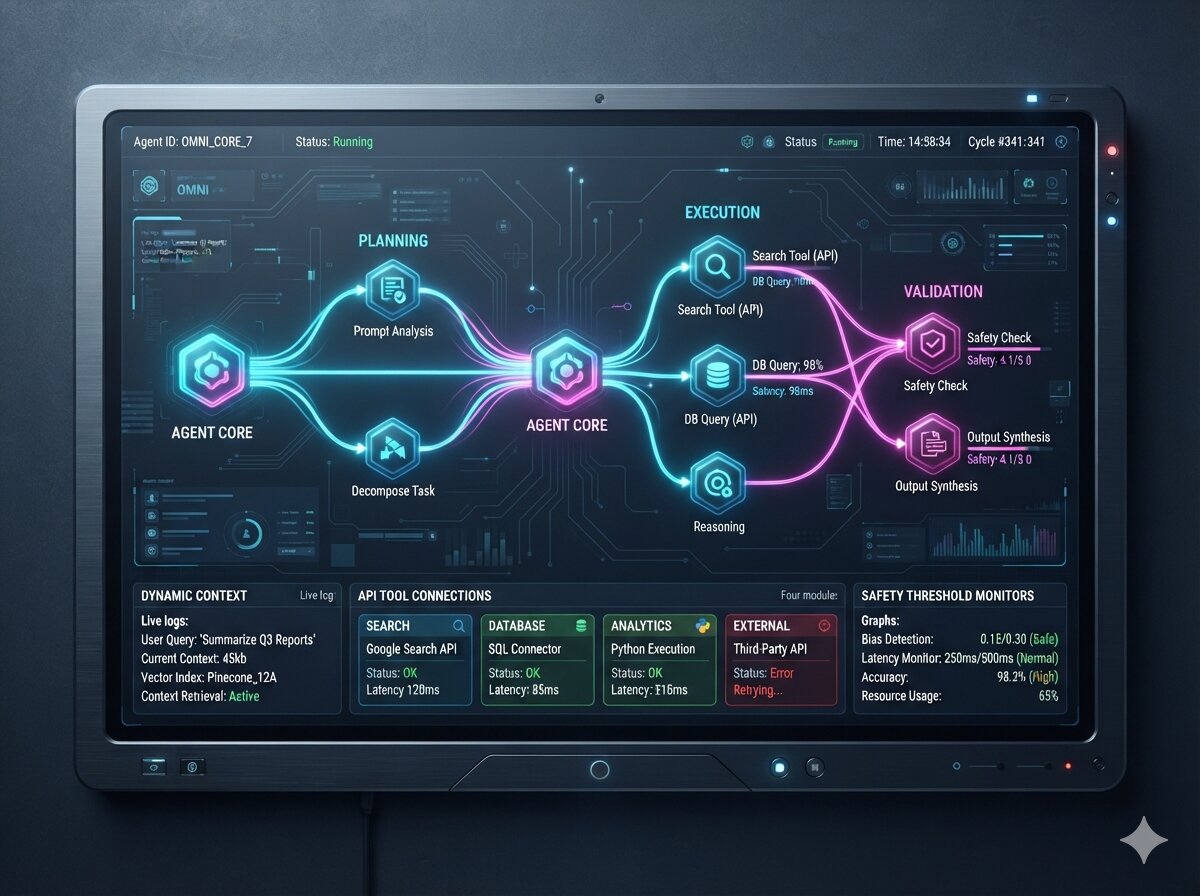
Strategy: Describe agent tool-use graphs, environment boundaries, and orchestration patterns. Show you understand the difference between a single LLM inference and a multi-step reasoning loop where the agent decides which tools to call, evaluates results, and adapts its plan. The ORCHESTRATE-AGENT framework provides the workflow architecture many interviewers expect.
Tactics: Name specific frameworks—LangGraph state machines, ReAct loops, tool-calling APIs—and explain when an agent should escalate to human vs. self-correct. Articulate the three-tier pattern: perception layer (context ingestion), reasoning layer (tool selection with constrained access), and action layer (execution with rollback hooks for any external API call).
Soundbite: "I architected a three-tier agent: perception layer for context ingestion, reasoning layer with constrained tool access, and action layer with rollback hooks for any external API call. The agent could invoke our CRM API, Slack API, and internal SQL database, but only after verifying each call against a whitelist and logging the decision chain to our audit trail. We evaluated success not by inference accuracy but by end-to-end task completion rate."
G: Guardrail-Eval & Safety
Goal: Show you can contain rogue behavior before it ships.
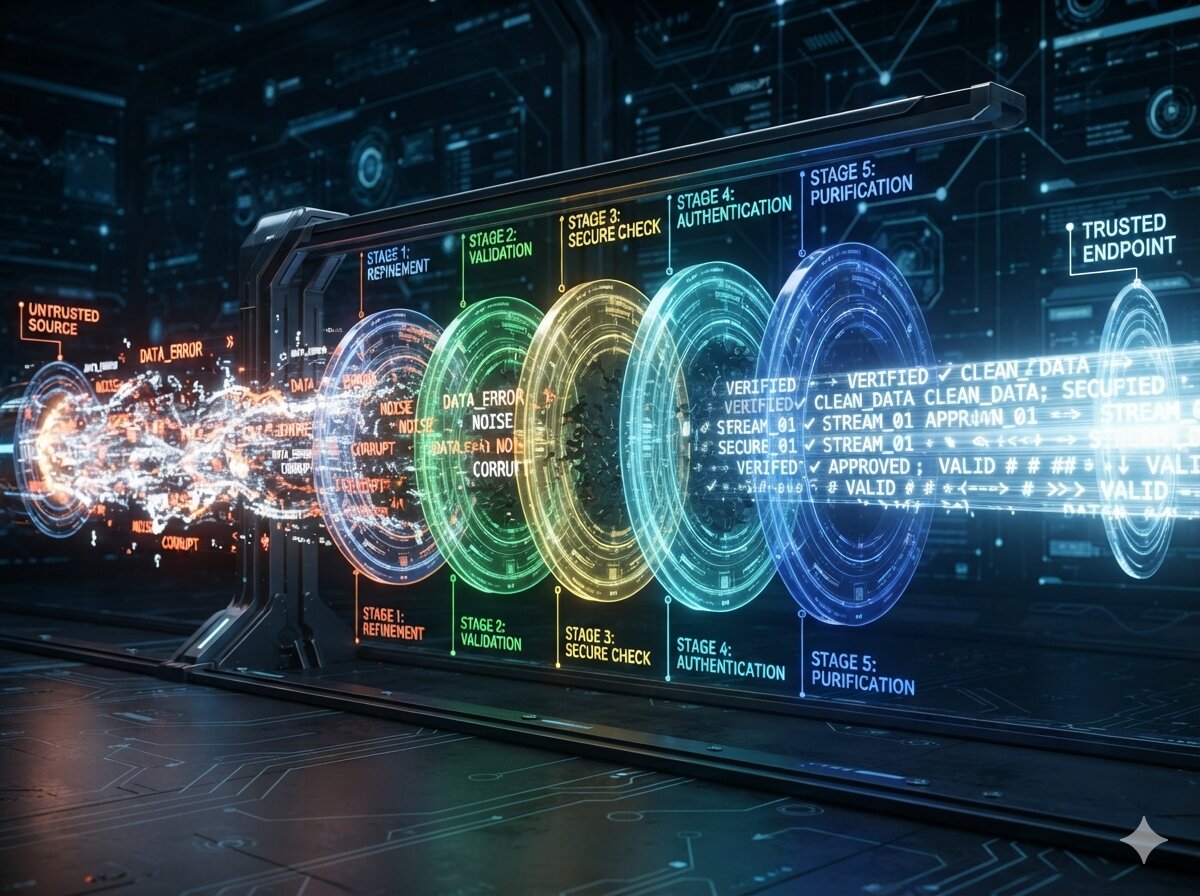
Strategy: Walk through red-team scenarios, circuit-breaker SLOs, and rollback procedures. Demonstrate you know how to test adversarial inputs, set runtime monitoring thresholds, and forensically analyze failures.
Tactics: Articulate pre-deployment adversarial testing (e.g., "we ran 500 red-team prompts simulating jailbreak attempts and tool-misuse scenarios"), runtime monitoring thresholds (e.g., "if agent calls unapproved API, halt within 200ms"), and post-incident forensics ("every tool invocation logged to tamper-proof audit trail with decision rationale").
Soundbite: "We ran 500 red-team prompts simulating jailbreak attempts, set a <150ms kill-switch SLA, and logged every tool invocation to a tamper-proof audit trail. Our circuit-breaker triggers if the agent attempts any database write without explicit user confirmation, and we can roll back the entire session state within one second. Post-incident, we replay the decision graph to identify which prompt pattern caused the boundary violation."
E: Economic-Trade Modeling
Goal: Prove you can defend multi-million-dollar infrastructure decisions.
Strategy: Quantify custom-silicon capex vs. marginal API cost, payback horizon, and scaling thresholds. Show you understand when to build (predictable, high-volume workloads) vs. buy (experimentation, variable load).
Tactics: Use real numbers. "At 10M daily inferences, our $50M custom ASIC pays back in 18 months vs. $8M/year cloud API spend." Explain decision criteria: workload predictability, marginal cost curves, time-to-market vs. long-term TCO. Model three scenarios (cloud API, reserved GPU instances, custom silicon) and articulate the threshold where each makes sense.
Soundbite: "I modeled three scenarios: AWS Bedrock at variable cost ($0.003/1K tokens), reserved A100 GPU instances ($15K/month fixed), and custom silicon ($50M capex, $2M annual opex). Silicon won at >5M daily users with 22-month payback. Below that threshold, reserved instances gave us cost predictability without the capex risk. For experimental features, we stayed on Bedrock to iterate fast without locking in infrastructure."
N: Network-Protocol Fluency (MCP)
Goal: Signal you build interoperable, not siloed, AI systems.
Strategy: Demonstrate Model Context Protocol knowledge as the 2026 standard for agent-to-agent communication. Show you understand why MCP replaced proprietary APIs and how it enables cross-vendor orchestration.
Tactics: Explain MCP's role in cross-vendor agent orchestration, data-sharing contracts, and tool discovery. Mention real integrations (e.g., Anthropic Claude ↔ Google Gemini via MCP) and why it cut integration time. Articulate the benefit: instead of writing custom connectors for every vendor, you implement one MCP client and gain access to any MCP-compliant tool.
Soundbite: "We adopted MCP to let our internal agent call external vendor tools without rewriting connectors; it cut integration time from 6 weeks to 3 days. Our agent can now invoke Anthropic's Claude for reasoning-heavy tasks and Google's Gemini for multimodal context, all through a single MCP client. The protocol defines the data-sharing contract, so we don't leak sensitive context across vendor boundaries."
T: Technology-Portfolio Mix
Goal: Show you know when to build custom AI chips vs. rent compute.
Strategy: Contrast Anthropic's custom-chip investment with typical cloud-first strategies. Explain decision criteria and give a go/no-go example.
Tactics: Articulate the trade: workload predictability, marginal cost curves, time-to-market vs. long-term TCO. Explain when custom silicon makes sense (stable, high-volume workloads with predictable inference patterns) vs. when cloud APIs win (experimentation, variable load, fast iteration). Use a threshold-based framework, not a binary choice. The AGENT-SCALE framework covers infrastructure scaling decisions interviewers probe for.
Soundbite: "For our search agent with 50M stable daily queries, custom silicon made sense—we modeled a 20-month payback against cloud inference costs. For our experimental coding assistant, we stayed on API-based inference to iterate fast; the workload is unpredictable, and locking in hardware would slow our release cycle. The threshold is predictability: if >80% of our compute is stable and high-volume, we build; otherwise, we rent."
Junior vs. Senior: How Depth of AGENT-PROOF Mastery Determines Offer Level
The framework components separate passable candidates from strong ones. Here's how hiring committees use AGENT-PROOF to level you.
Junior (L4/IC3): Surface Fluency Without Architectural Depth
Agent-First Architecture: Can define agent autonomy and name one tool-calling framework ("I've heard of LangGraph"). Describes agents as "LLMs that can use tools" without explaining orchestration patterns or error-handling.
Guardrail-Eval & Safety: Mentions one safety mechanism ("we'd red-team prompts") without SLOs, rollback procedures, or forensics. Treats safety as a testing phase, not a runtime system.
Economic-Trade Modeling: Estimates capex vs. opex at surface level ("custom chips cost more upfront") without modeling payback horizons, marginal cost curves, or threshold analysis.
Network-Protocol Fluency: Knows MCP exists, maybe read the spec, but can't articulate why it matters or describe a real integration.
Technology-Portfolio Mix: Discusses build-vs-buy as binary choice without thresholds, workload analysis, or decision criteria.
Senior (L5/IC4): Systems Thinking with Quantified Trade-offs
Agent-First Architecture: Architected multi-tier agent systems with explicit tool-use boundaries, error-handling, and escalation logic. Can diagram a ReAct loop and explain when an agent should self-correct vs. halt.
Guardrail-Eval & Safety: Designed circuit-breaker SLOs with <200ms halt requirements and post-incident forensics. Ran adversarial testing with quantified coverage ("500 red-team scenarios across 8 jailbreak categories").
Economic-Trade Modeling: Modeled three-scenario comparisons with real numbers, payback math, and sensitivity analysis. Articulates the threshold where each option wins.
Network-Protocol Fluency: Integrated MCP across vendors with data-contract specifics. Explains how MCP reduced integration surface area and improved interoperability.
Technology-Portfolio Mix: Articulated decision thresholds for custom silicon (volume, cost curves, TCO horizons) and explained trade-offs with workload predictability and time-to-market constraints.
Takeaway & Next Steps: Translating AGENT-PROOF Into Your Interview Prep
The 2026 AI PM interview is a systems-architecture conversation, not a supervised-learning quiz. Interviewers expect you to design autonomous agents, quantify safety trade-offs, model infrastructure economics, and demonstrate protocol fluency. AGENT-PROOF gives you the five lenses hiring committees use to score depth.
Three-Week Prep Plan
Week 1—Build a Toy Agent: Use LangGraph or LlamaIndex to build a simple agent that can call two tools (e.g., a weather API and a calendar API). Instrument it with logging and a manual kill-switch. The goal: internalize runtime autonomy and tool-use orchestration, not batch inference.
Week 2—Run a Red-Team Exercise: Try to jailbreak your own agent. Document failure modes ("agent called unapproved API," "agent leaked sensitive data in tool args"). Write a rollback procedure and a circuit-breaker rule. Research the MCP spec and map how two agents would share context without custom connectors.
Week 3—Model an Economic Trade: Pick a workload (e.g., 1M daily inferences). Calculate three options: AWS Bedrock cost, reserved A100 cluster TCO, and hypothetical ASIC capex with payback horizon. Present to a peer and refine your soundbites until you can deliver the analysis in 90 seconds.
Interview Soundbite Checklist
Practice these five soundbites until you can deliver them naturally:
- Agent architecture: Describe one agent system with tool-use graph, boundaries, and error-handling.
- Safety scenario: Name a red-team scenario you ran and the circuit-breaker SLO you set.
- Economic trade: Quantify a build-vs-buy decision with payback horizon and threshold analysis.
- MCP integration: Explain one MCP use case or why you'd choose it over proprietary connectors.
- Silicon threshold: Articulate when custom chips make sense with real numbers (volume, cost curves, TCO).
The candidates who get offers in 2026 aren't the ones who memorized model architectures. They're the ones who can architect autonomous systems, contain rogue behavior, and defend multi-million-dollar infrastructure decisions with quantified trade-offs.
FAQ
Do I need to have shipped an agent product to pass these interviews?
No. You need to demonstrate architectural fluency. Build a toy agent, run red-team tests, model the economics, and articulate the trade-offs. Interviewers care more about your systems thinking than your résumé line-items. Many successful candidates build proof-of-concept agents during their prep phase to develop the depth hiring committees expect.
Is MCP knowledge really that important in AI PM interview 2026 screens?
Yes. MCP is the 2026 standard for agent interoperability. Google and Anthropic interviewers explicitly probe whether you understand cross-vendor orchestration. If you can't explain why MCP matters, you signal you build siloed systems. Expect at least one question about protocol-based agent communication in every AI-first company screen.
How do I learn custom-silicon economics without access to real cost data?
Use public benchmarks. Research TPU pricing, A100 cluster costs, and published case studies (e.g., Anthropic's infrastructure decisions). Model a simplified scenario with reasonable assumptions and show your decision framework, not perfect precision. Interviewers want to see your analytical approach and threshold-setting process more than exact numbers.
What if I come from a traditional software background with no AI agent experience?
Translate your existing systems experience into agent contexts. If you built distributed systems, you already understand state management and error handling—apply that to multi-step agent orchestration. If you managed infrastructure costs, you can model custom-silicon economics using similar TCO frameworks. The AGENT-PROOF components map to systems-thinking skills you likely already have; you just need to reframe them for autonomous AI contexts.
Lead the Agent Economy
Building autonomous AI systems requires deep fluency in agent orchestration, safety containment, and infrastructure economics. As a PM, showing you can architect these systems—not just prompt-engineer them—demonstrates true technical leadership.
Our kits provide agent-architecture templates, red-team evaluation frameworks, and economic modeling tools used by teams at OpenAI, Anthropic, and Google DeepMind.
- For PMs: Master agent-first product strategy with the PM Prep Guide.
- For TPMs: Architect scalable, safe agent infrastructure with the TPM Prep Kit.
FAQ
What makes the 2026 AI PM interview fundamentally different from 2023 screens?
2026 screens test agent orchestration and runtime autonomy, not supervised-learning fundamentals. Interviewers expect you to architect multi-step reasoning loops where agents autonomously select tools, handle failures, and decide escalation boundaries—not just tune hyperparameters or monitor F1-scores. The shift happened after frontier-model safety incidents in August 2026 and Gartner's forecast that 40% of enterprises would embed agent workflows by Q2 2027. If you anchor on batch-inference thinking or mention precision/recall without tool-use graphs, you signal you're unprepared for agentic systems.
How do I demonstrate guardrail-eval depth in an AI PM interview without shipping experience?
Walk through a complete red-team scenario with numbers. Articulate pre-deployment adversarial testing (e.g., "we ran 500 red-team prompts simulating jailbreak attempts"), runtime monitoring thresholds (e.g., "if agent calls unapproved API, halt within 200ms"), and post-incident forensics (e.g., "every tool invocation logged to tamper-proof audit trail with decision rationale"). The interviewer wants to see you treat safety as architecture, not a post-launch patch. Name specific containment patterns—circuit-breaker SLOs, rollback hooks, escalation boundaries—and quantify your halt latency.
When should I recommend custom silicon vs. cloud APIs in an AI PM case?
Workload predictability and volume thresholds determine the answer. Use real TCO math: at 10M daily inferences, a $50M custom ASIC pays back in 18 months vs. $8M/year cloud API spend. Recommend custom silicon when inference volume is predictable, workload is stable, and you can model a clear payback horizon (typically 12–24 months). Recommend cloud APIs for experimentation, variable load, or time-to-market pressure. Model three scenarios—cloud API, reserved GPU instances, custom silicon—and articulate the threshold where each makes economic sense. Without numbers, the hiring committee assumes you can't justify infrastructure decisions.
What does AGENT-PROOF stand for and why does it matter?
AGENT-PROOF is the five-lens framework interviewers use to score AI PM depth in 2026: Agent-first architecture, Guardrail-eval, Economic-trade modeling, Network-protocol fluency, and Technology-portfolio mix. It maps directly to real hiring scorecards at Anthropic, Google DeepMind, and OpenAI. Anthropic now includes a dedicated "agent safety and autonomy" round. DeepMind TPM screens explicitly test MCP protocol knowledge. OpenAI product cases require custom-chip payback modeling. AGENT-PROOF gives you the architectural language and evaluation depth committees expect when they assess whether you can ship autonomous systems at scale.
Master the full AGENT-PROOF framework and 12 other AI PM architectures with the KRACD PM Prep Guide—the only interview resource built for 2026 agent-orchestration screens at Anthropic, DeepMind, and OpenAI.











.jpg)