The AI Trap
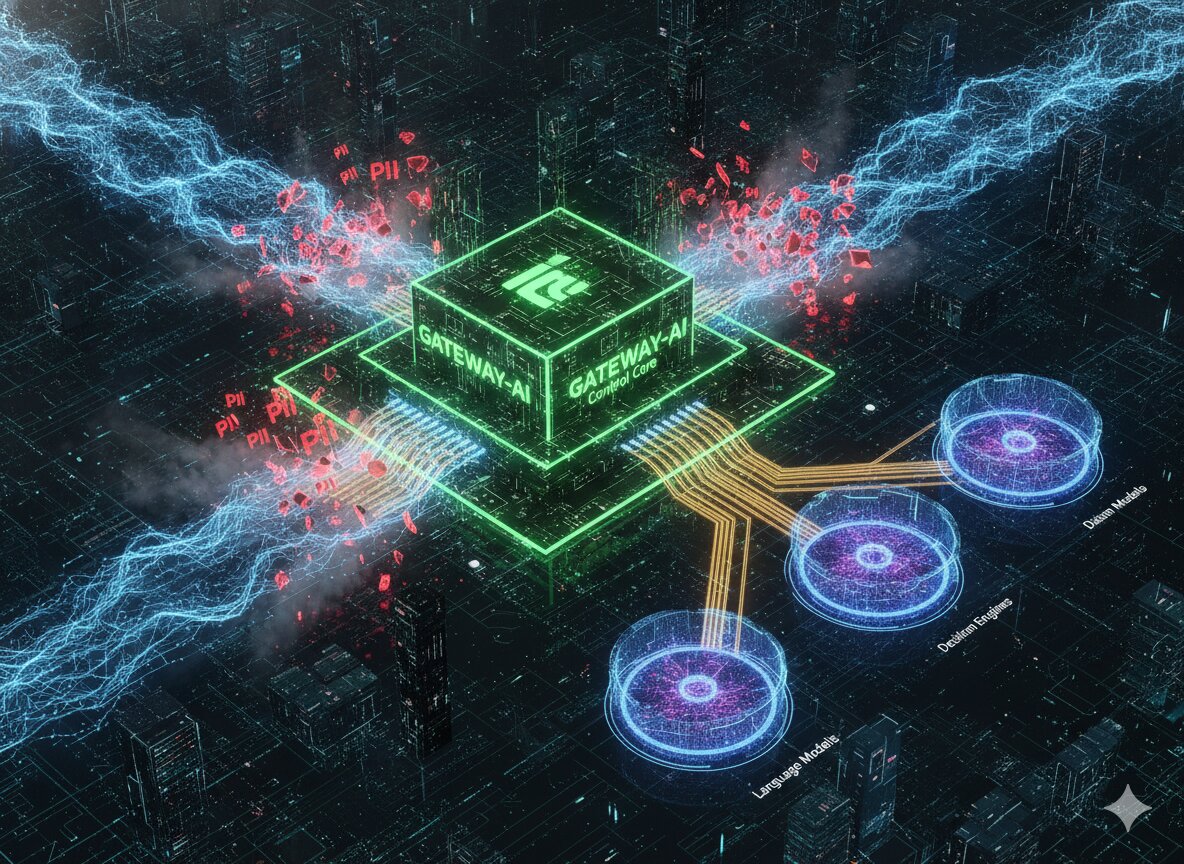
Most PMs treat AI as a "Feature" (e.g., "Let’s add a 'Summarize' button"). Stop. This is "Bolted-on" AI. It adds friction. In 2026, the goal is Systemic AI—where the product evolves from a "Tool" you use into an "Agent" that works for you.
The Core Framework: The "3-A" AI Model
1. Anticipation (The "Predictive" Layer)
Don't wait for the user to trigger the AI. Use data to predict the intent.
- The Strategy: Shift from "Reactive" to "Proactive."
- The Soundbite: "I don't want a 'Generate Report' button. I want the AI to notice that I have a board meeting every Monday and have the report drafted, verified against our SQL database, and waiting in my inbox by 8:00 AM. We measure success by 'Steps Saved,' not 'Prompts Entered'."
2. Augmentation (The "Co-Pilot" Layer)
AI shouldn't replace the user; it should give them "Superpowers" in their specific domain.
- The Tactics: Use Contextual Intelligence.
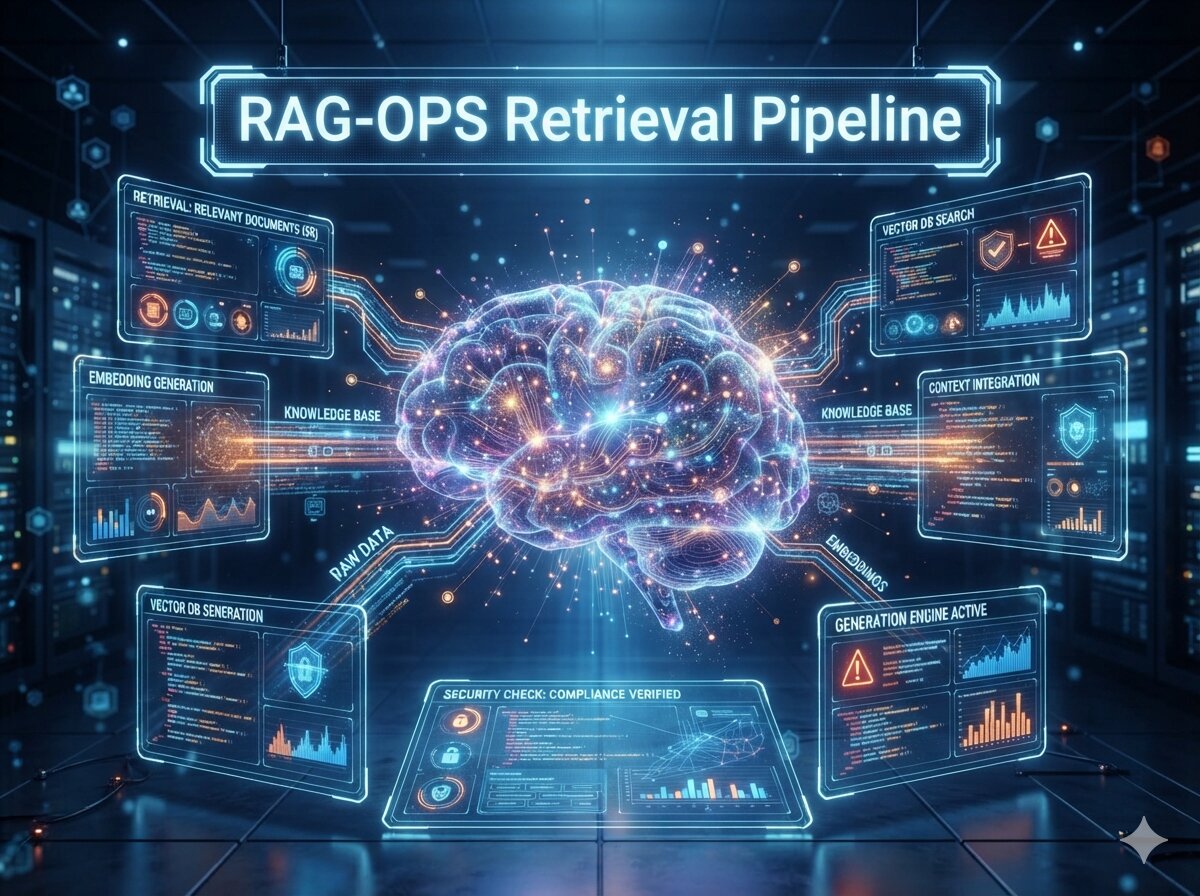
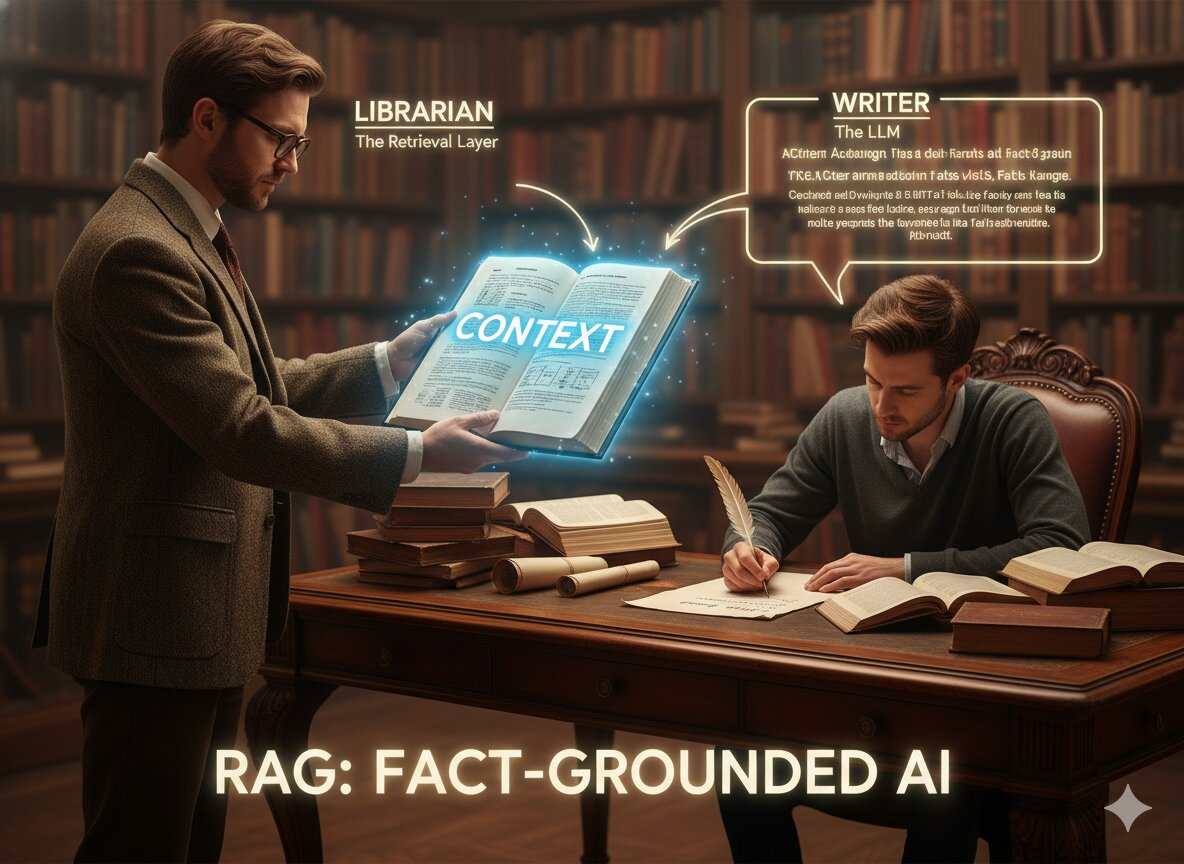
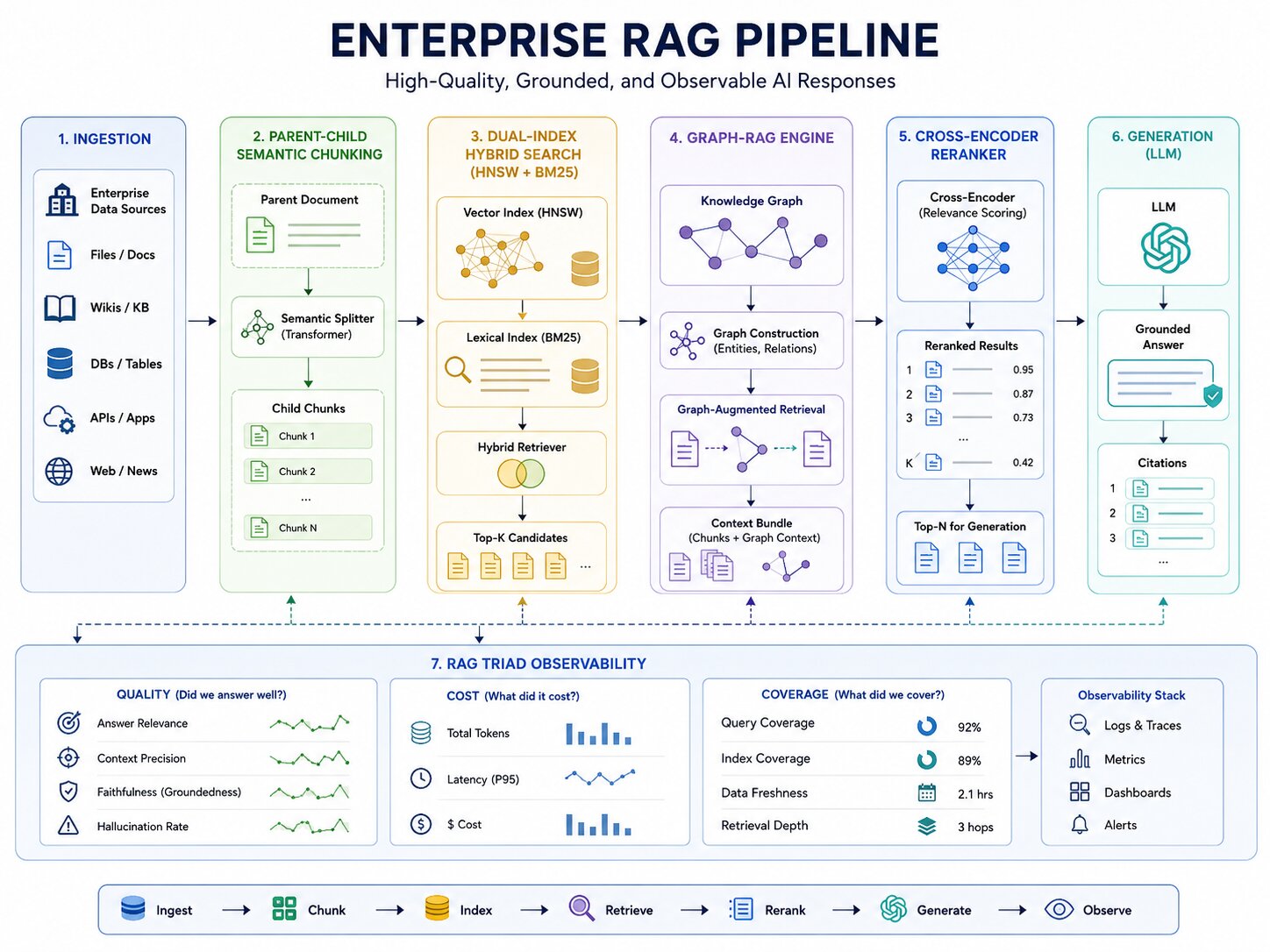
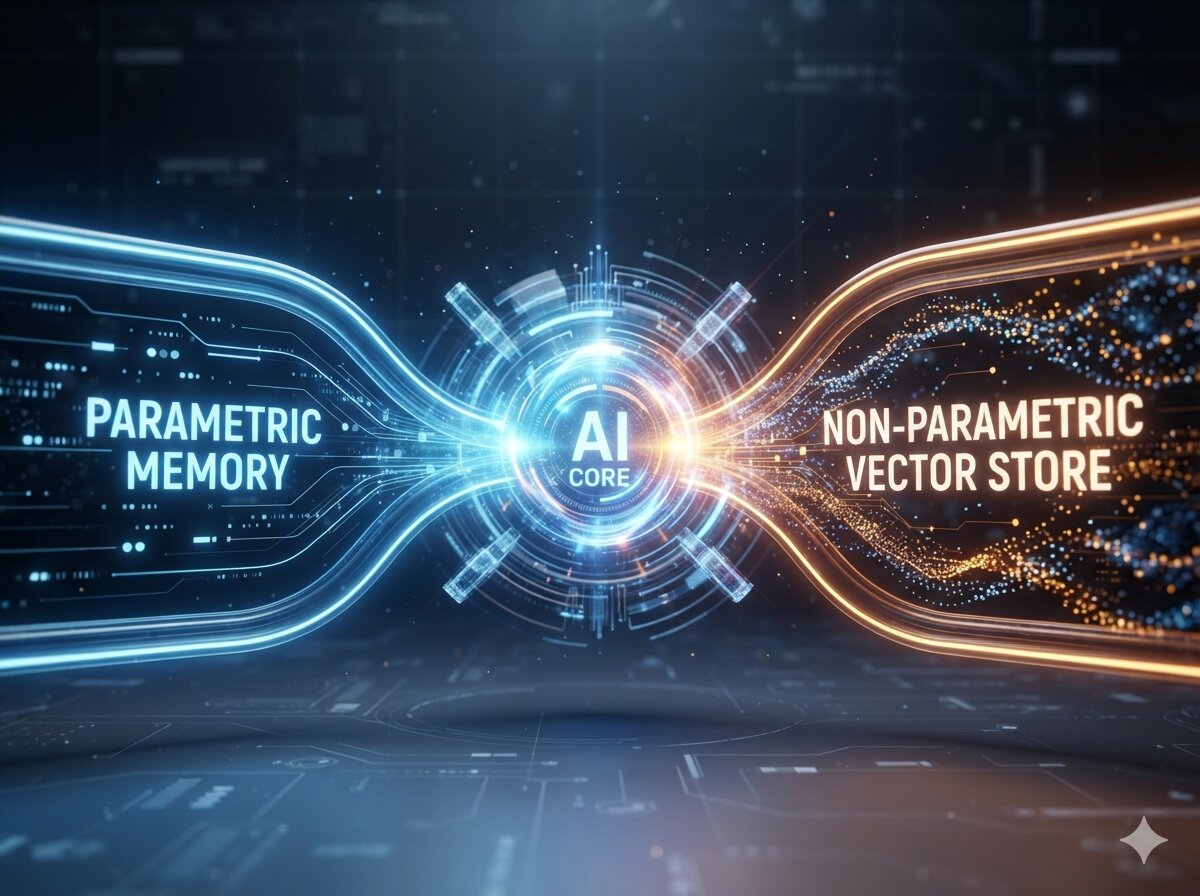
- The Soundbite: "We use RAG (Retrieval-Augmented Generation) to ensure the AI knows the user's specific brand voice, past projects, and technical constraints. The AI isn't just 'writing'; it’s 'consulting' based on the user's unique history. It’s the difference between a generic assistant and a specialized partner."
3. Autonomy (The "Agentic" Layer)
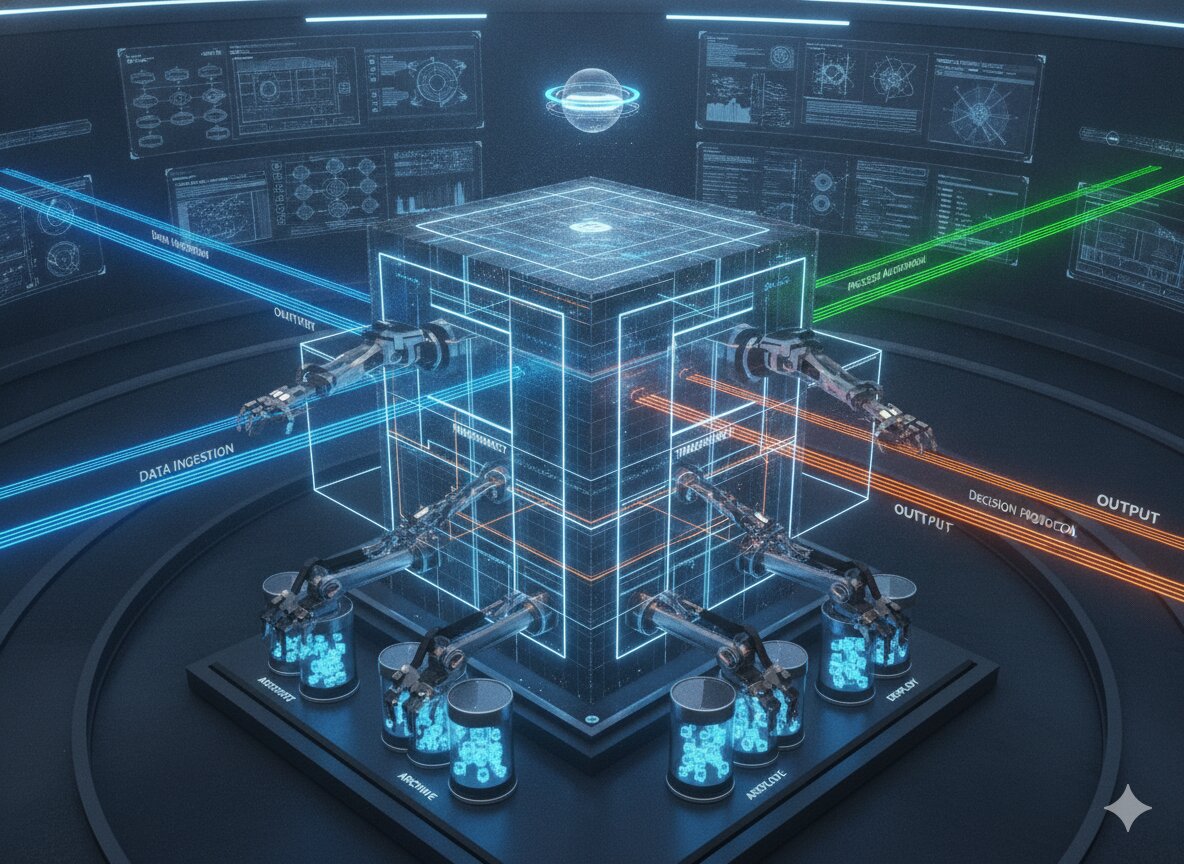
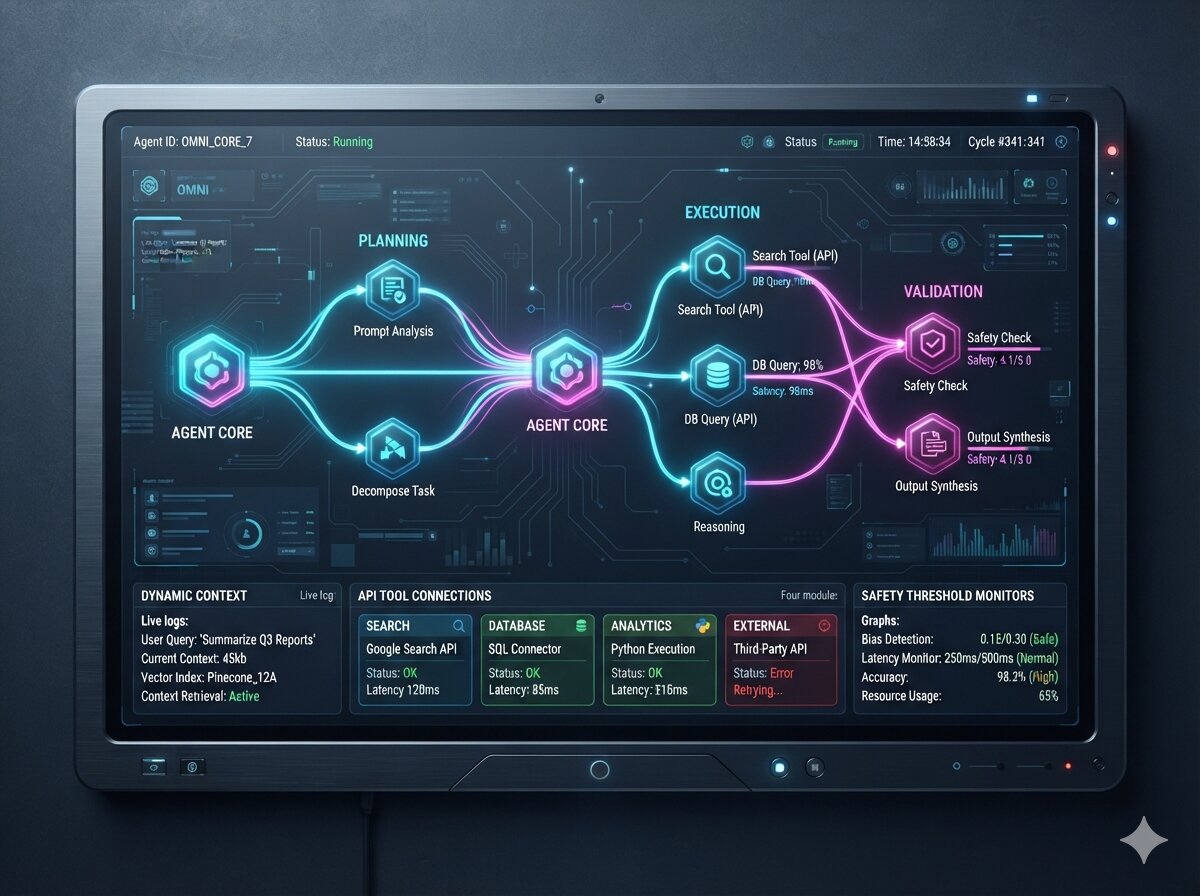
Can the AI close the loop? In 2026, "Agents" are the new "Apps."
- The Tactics: Build Feedback Loops and Tool-Use.
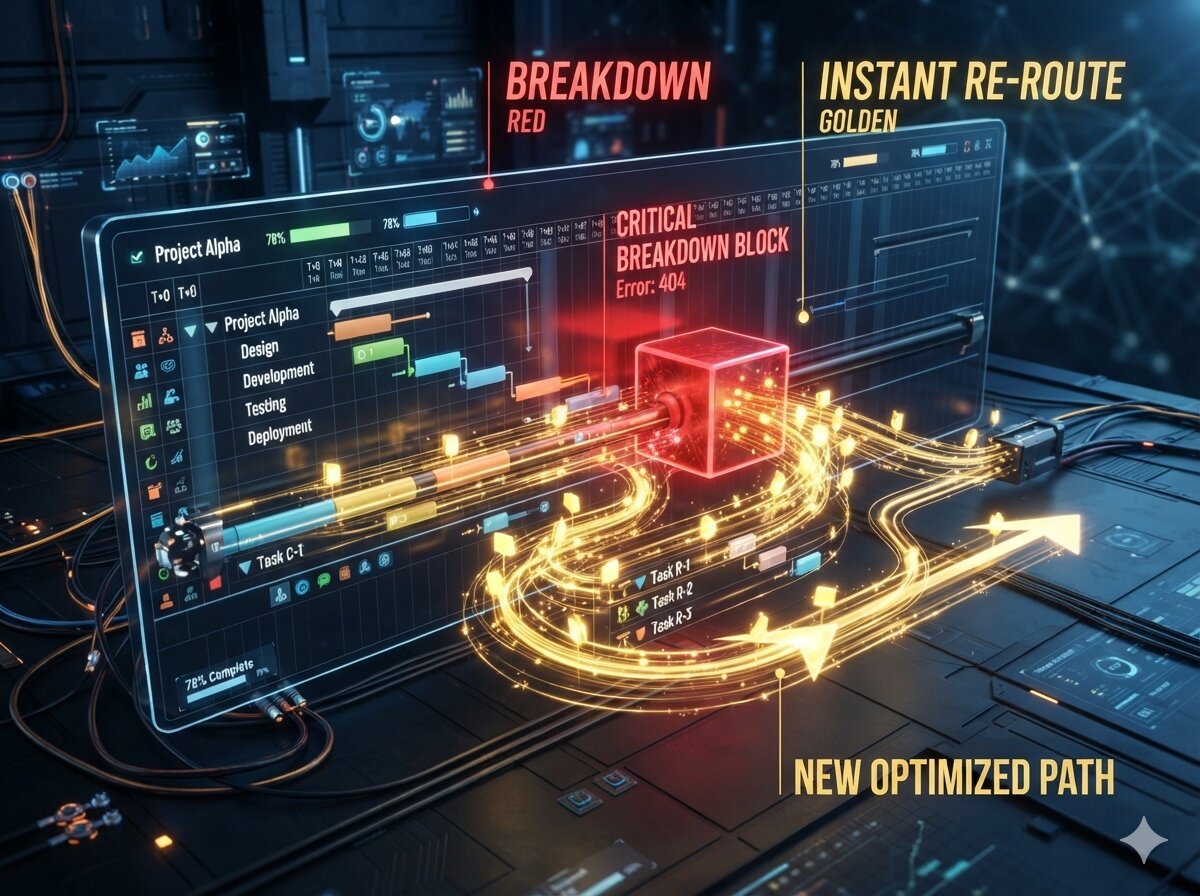
- The Soundbite: "We are moving toward 'Agentic Workflows.' Instead of the AI just suggesting a travel itinerary, it has the 'Permission' to check flight availability, compare it against the company travel policy, and place a 24-hour hold on a seat. The PM's job is to define the 'Guardrails' and 'Approval Gates' for these autonomous actions."
The "AI-Add-on" PMThe "AI-First" PMAsks: "Where can we put a chatbot?"Asks: "What manual task can we eliminate entirely?"Focuses on "Prompt Engineering."Focuses on "Data Pipelines & Feedback Loops."Measures "AI Interaction Rate."Measures "Task Completion Velocity."
Lead the Intelligent Roadmap
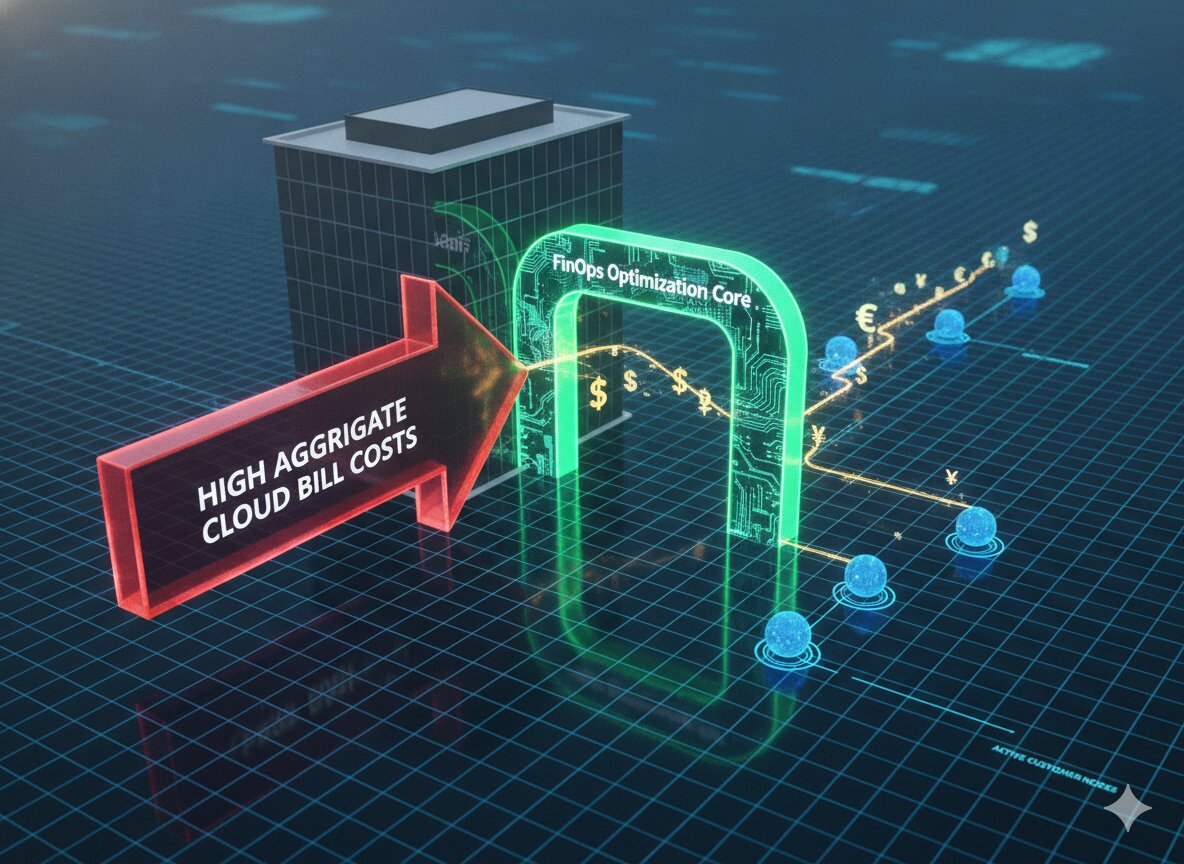
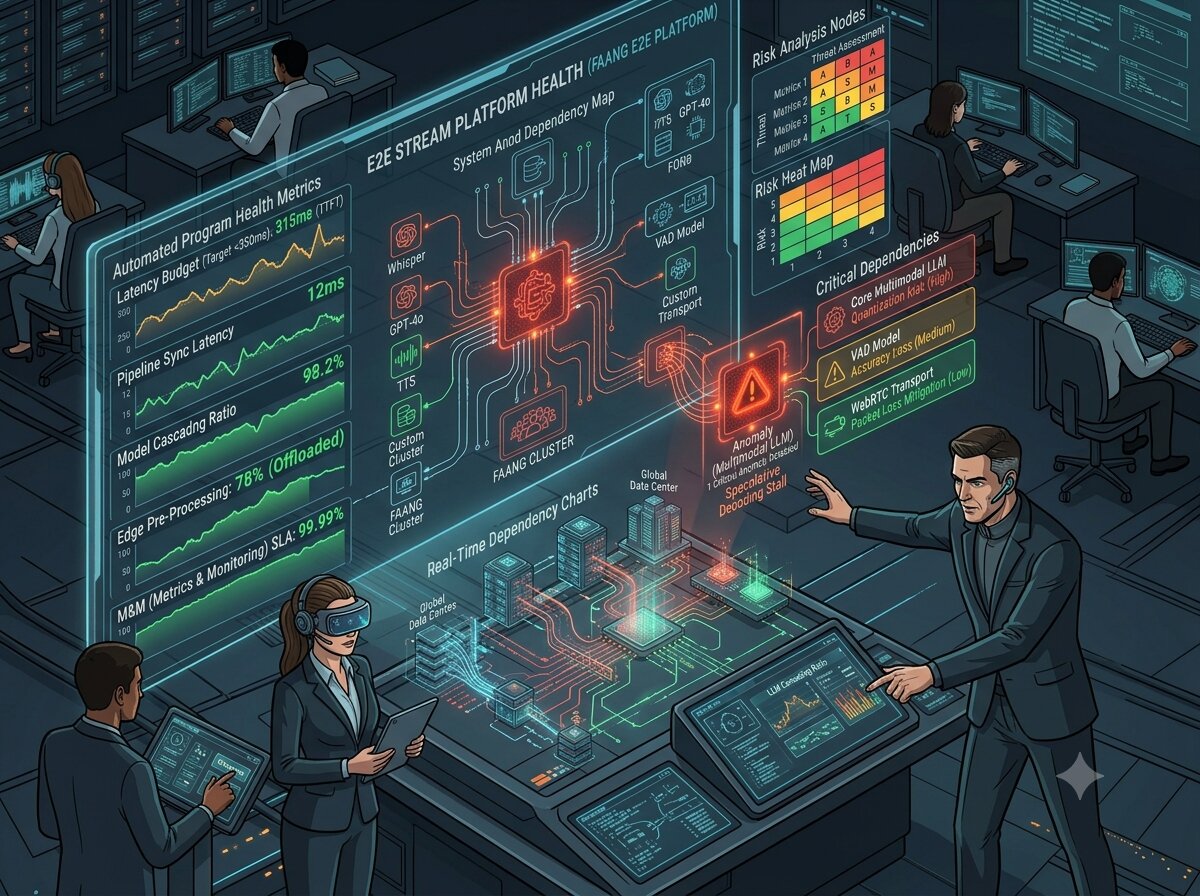
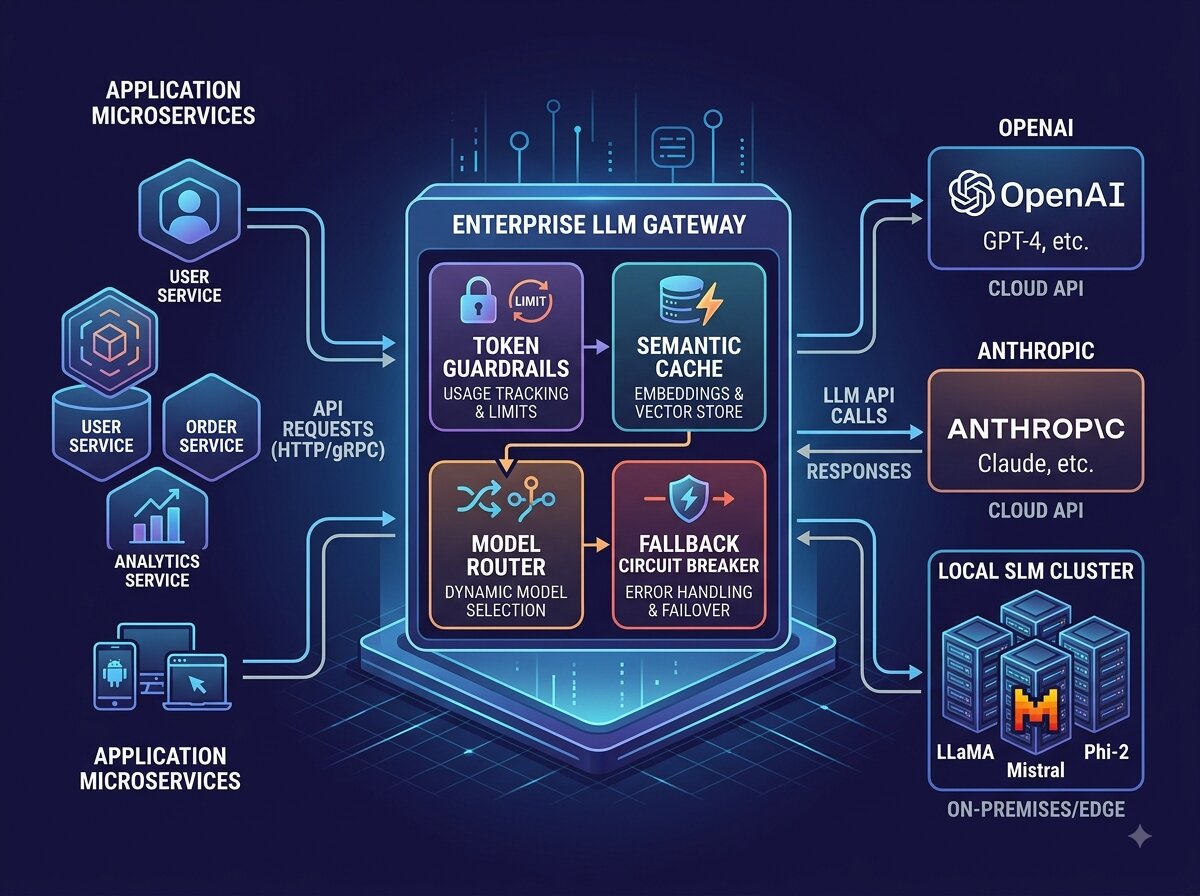
Building AI-First products requires a deep understanding of Latency, Accuracy, and Cost (the "AI Trilemma"). You need to prove you can balance the magic of AI with the reality of a P&L statement.
Our kits provide "AI Product Requirement Document (PRD) Templates" and "LLM Evaluation Frameworks" used by leaders at OpenAI, Anthropic, and Microsoft.
- For PMs: Drive the next wave of intelligent software with the PM Prep Guide.
- For TPMs: Architect scalable, low-latency AI infrastructure with the TPM Prep Kit.
FAQs
Q: How do we handle "AI Hallucinations" in a product?
A: Use "Deterministic Verification." If the AI generates a number, have a secondary "Checker" script verify it against your database. Never show an AI-generated fact to a user without a "Confidence Score" or a "Source Citation."
Q: Is "Prompt Engineering" a long-term skill?
A: No. In 2026, models are smart enough to understand intent. The real skill is "Context Engineering"—knowing what data to feed the model so it can give a relevant answer.
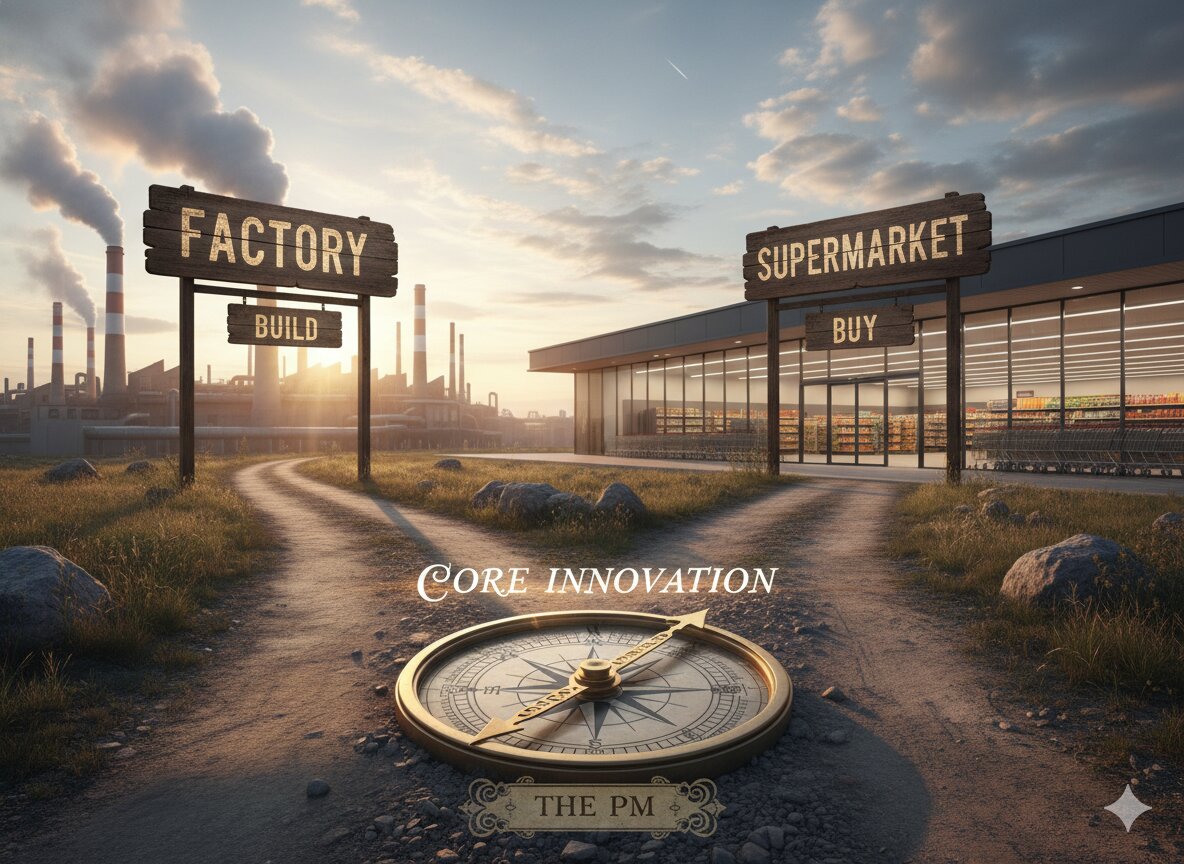
Q: Should we build our own models or use APIs?
A: Start with APIs (GPT-4, Claude 3.5, Gemini 2.0) to find "Product-Market Fit." Once you have scale and specific data, consider Fine-tuning an open-source model (like Llama 4) to save on costs and increase speed.

















.jpg)