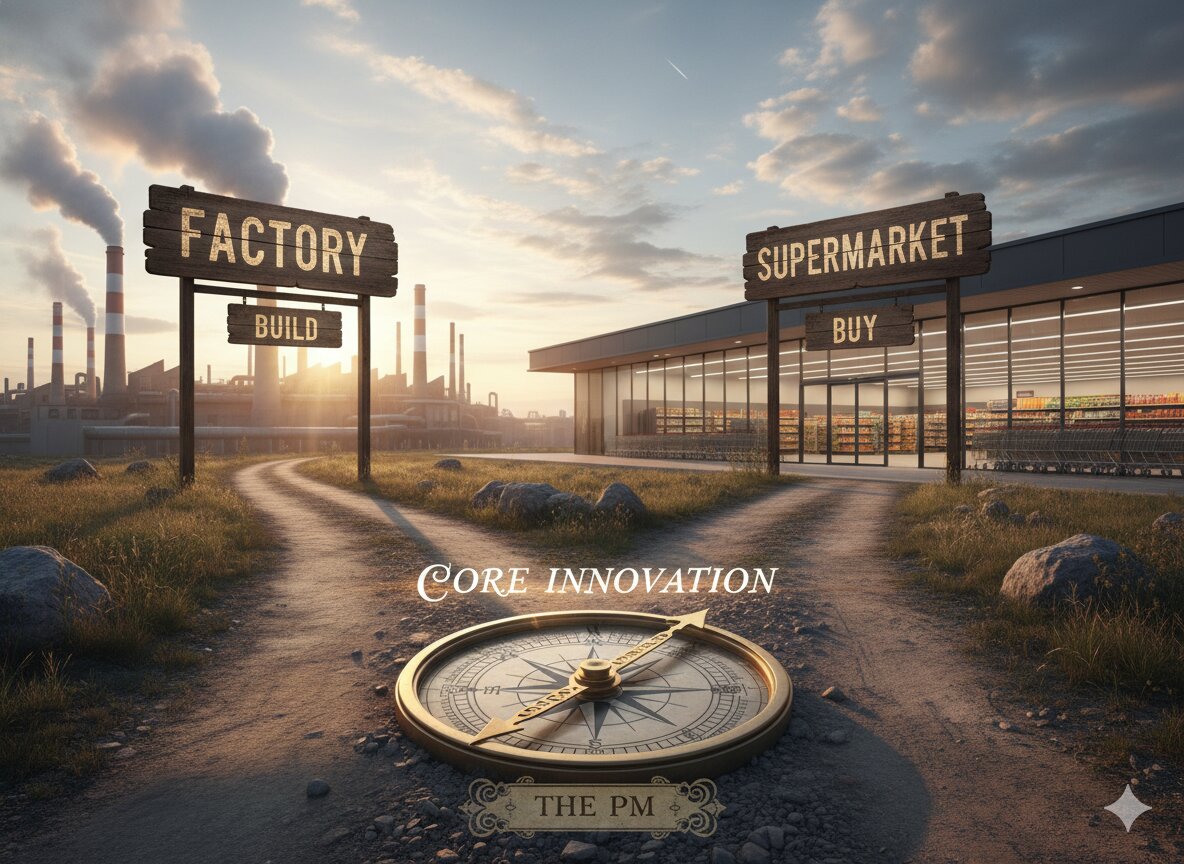
The Interview Trap: The "Changing Engines Mid-Flight" Nightmare
The interviewer throws you into a high-stakes infrastructure bottleneck: "Your platform is migrating its primary transactional database from a legacy, self-hosted MySQL instance to a cloud-native, globally distributed Spanner cluster. Millions of active users are reading and writing data every minute. Engineering estimates a six-hour maintenance window with total system downtime. Business stakeholders are refusing the downtime due to revenue loss. How do you structure this migration program?"
Most candidates tank this technical execution round by falling back on manual, high-risk strategies: "I would schedule the migration for 2:00 AM on a Sunday, coordinate a massive war room of engineers to run manual data verification scripts, and put up a 'Maintenance Mode' splash page for users." Stop. Planning for total system blackouts or relying on manual midnight cutovers is an operational failure. In elite platform engineering and system infrastructure loops at companies like Stripe, Uber, and Google, panel judges are testing your Zero-Downtime Migration Typologies, Dual-Write Sync Verification, and Strategic AI Deployment to Orchestrate Infrastructure Cuts.
The Core Framework: The "LIVE-MIGRATE" Method
Elite PMs and TPMs don't risk data corruption or revenue loss on a single cutover window. They use Large Language Models as infrastructure co-pilots to systematically map schema discrepancies, generate shadow-read validation scripts, and automate rollback runbooks.
1. L-egacy Schema Extraction and Delta Parsing
Ingest the source database DDL and target database schemas into your AI environment to instantly isolate structural incompatibilities.
- The Strategy: Drop complex SQL schemas into an LLM context window to automatically flag data type mismatches, indexing variances, or missing constraint logic between the old and new storage engines.
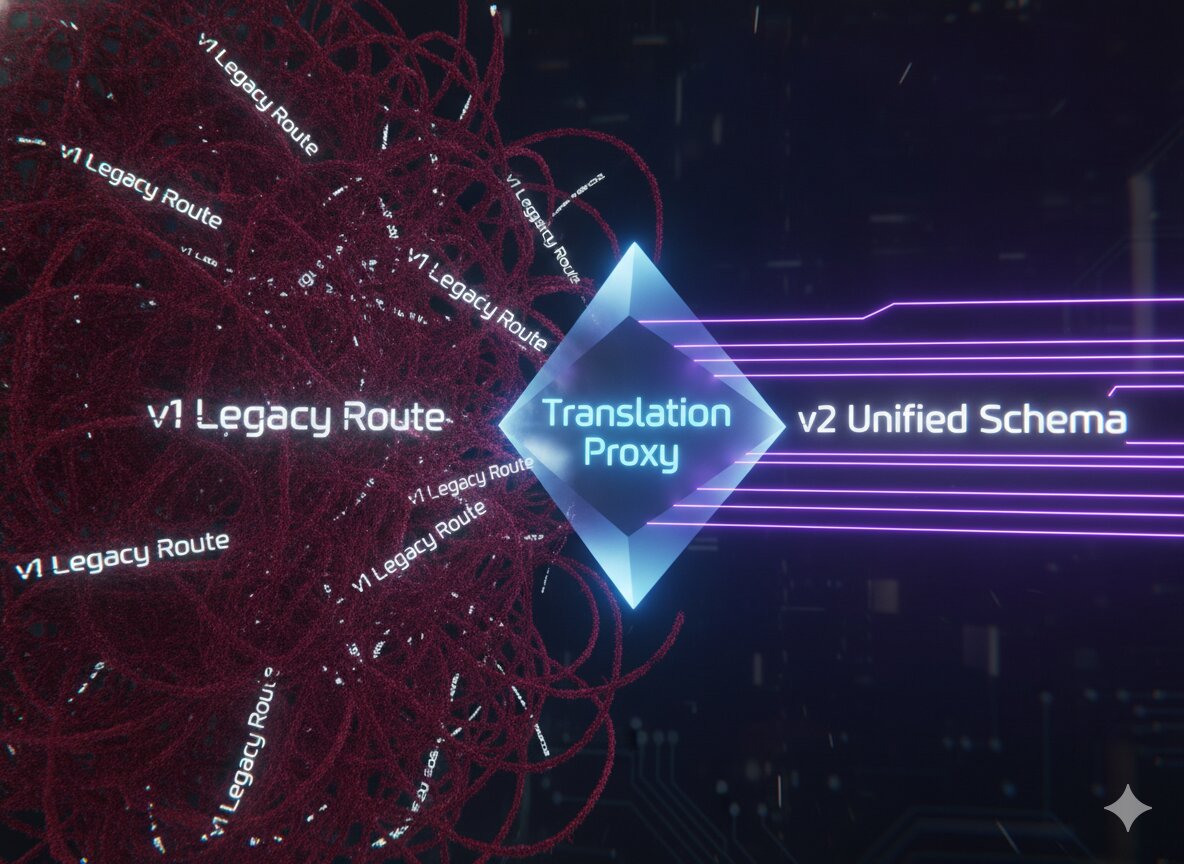
- The Prompt Pattern: "Act as a Principal Database Engineer. Analyze the attached legacy MySQL schema: [Insert MySQL DDL] and the target Google Cloud Spanner schema: [Insert Spanner Schema]. Run a structural delta analysis to identify all incompatible data types, primary key indexing changes, and foreign key constraints that require translation middleware."
2. I-nterface Mapping and Dual-Write Code Co-Pilot
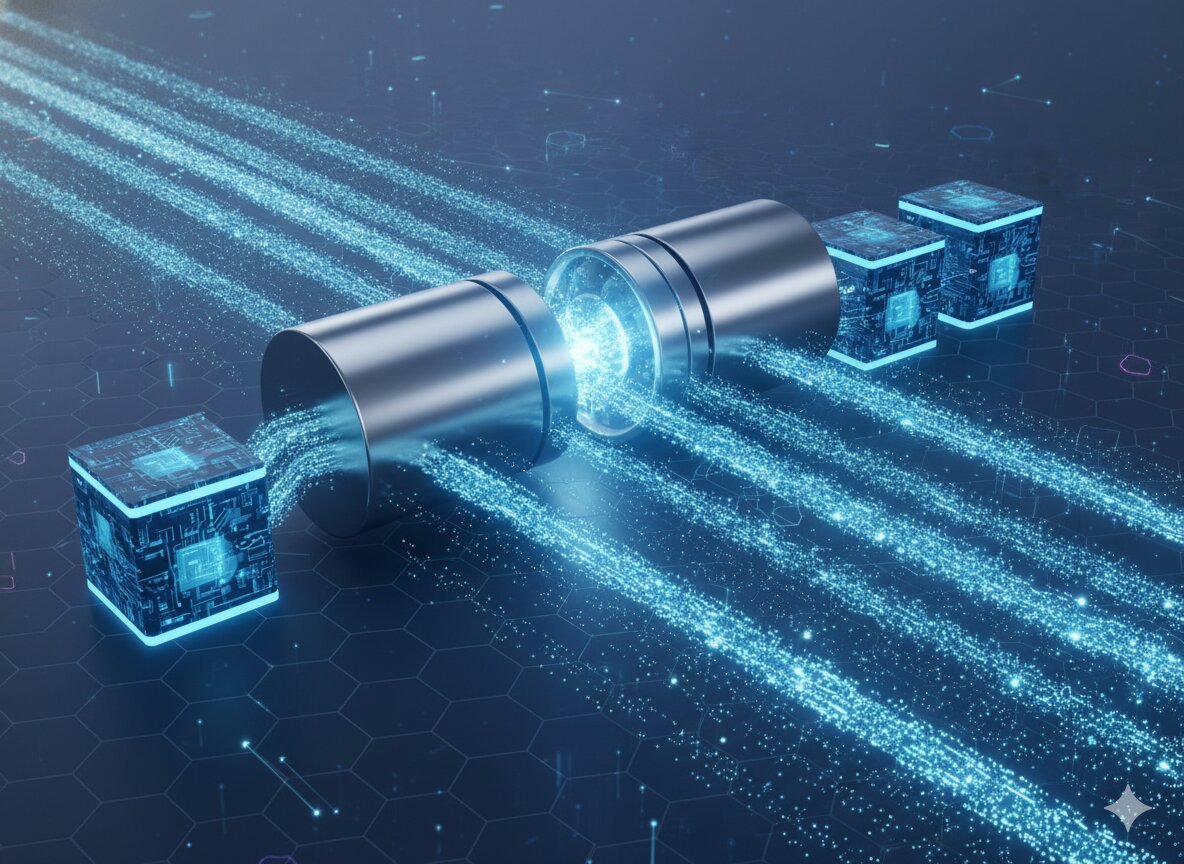
Generate the abstract application logic required to write incoming data to both the legacy and target databases concurrently.
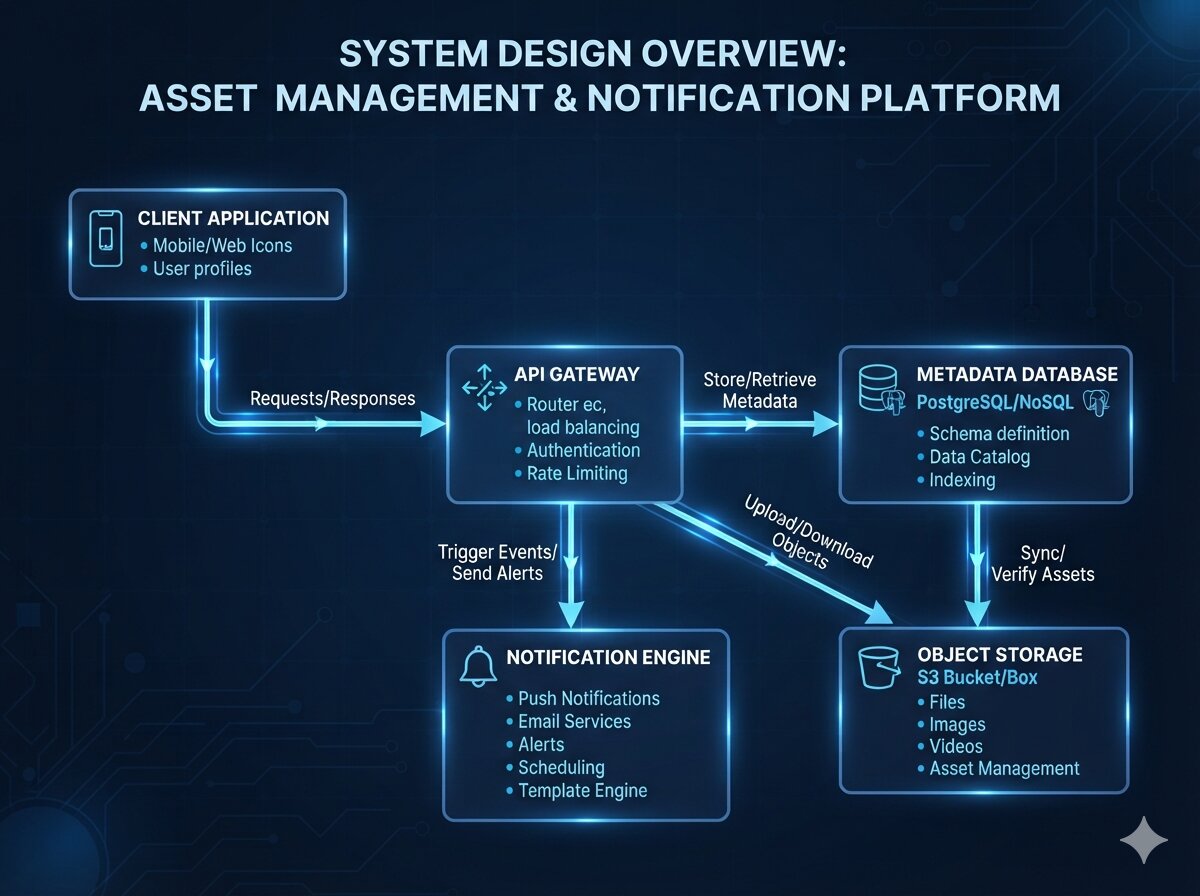
- The Strategy: Use programmatic prompts to write the foundational code for a dual-write system decorator that safely captures live mutations without blocking the primary user request thread.
- The Prompt Pattern: "Act as a Staff Backend Engineer. Based on the schemas analyzed, generate a thread-safe Go or Python repository layer class pattern that implements a dual-write mechanism. The application must write synchronously to the legacy database, write asynchronously to the new target database via an isolated message queue, and safely catch and log target write failures without impacting user requests."
3. V-erification and Shadow-Read Validation Scripter
Synthesize automated validation workers that read from both data layers in real time to spot data drifts before making the official switch.
- The Strategy: Prompt the AI to build high-throughput parity checkers that compare query results from both systems, flagging mismatches down to the byte.
- The Prompt Pattern: "Generate a high-performance Python script utilizing async worker pools to run shadow-read validation. The script must intercept read queries, execute them against both the legacy and target databases, compare the JSON result payloads for 100% field parity, and log any data drift anomalies to an error telemetry stream."
4. E-xtraction, Transformation, and Historical Backfill Orchestration
Draft the data pipeline configurations necessary to migrate terabytes of historical cold data without overloading production instances.
- The Strategy: Have the model map out optimized chunking, batching, and rate-limiting limits for ETL engines like Apache Beam or AWS Glue.
- The Prompt Pattern: "Act as a Principal Data Pipeline Architect. Design an optimized historical data backfill configuration in Markdown for an Apache Beam pipeline migrating data from our legacy instance to the target cluster. Define explicit batch sizes, rate-limiting thresholds to avoid production CPU throttling, and a deduplication strategy for records mutated during the backfill window."
5. M-etrics and Replication Lag Telemetry Perimeter
Establish automated machine learning thresholds to continuously track catch-up progress and data sync health.
- The Strategy: Link pipeline monitoring directly to log scanners that calculate exactly when the target cluster reaches absolute real-time parity with the source.
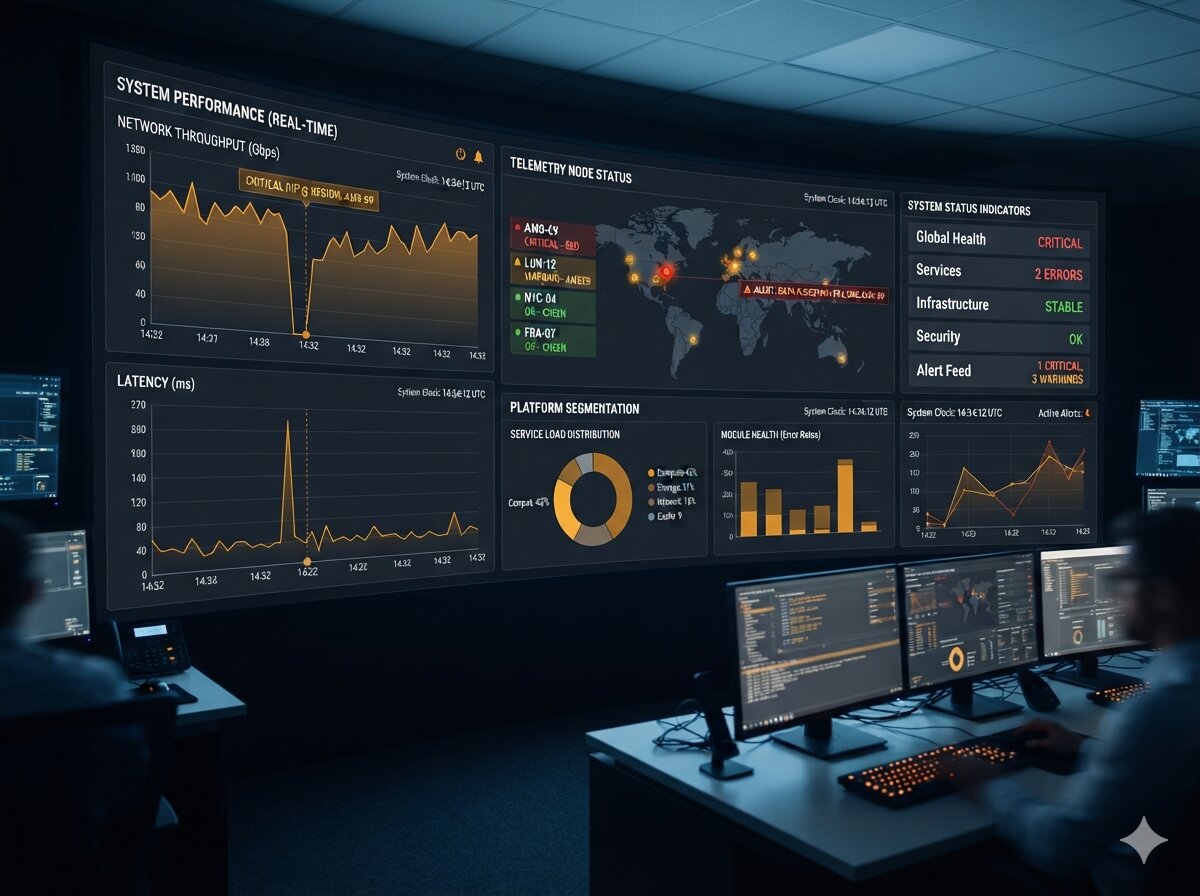
- The Play: "We eliminate guesswork around data readiness. By configuring telemetry parsers to actively read our CDC (Change Data Capture) pipeline offsets, the engine calculates a dynamic replication lag metric. The rollout is locked until the sync lag stays consistently under 10 milliseconds for a continuous 48-hour window."
6. I-nfrastructure Cutover and Feature-Flag Routing Architecture
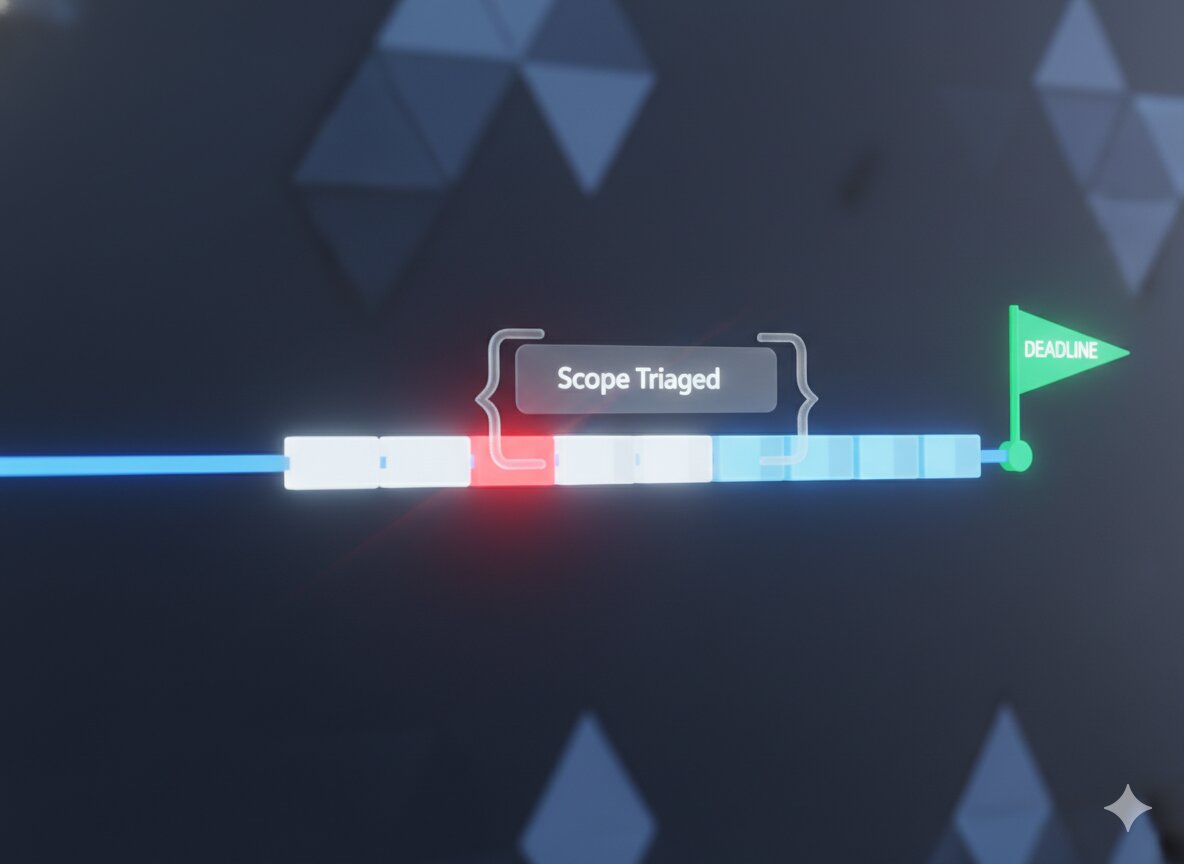
Model a multi-phase, reverse-canary traffic migration strategy that safely routes read/write operations step-by-step.
- The Strategy: Avoid the single-switch trap. Use the AI to script a rigid traffic-routing sequence managed by dynamic feature flags.
- The Prompt Pattern: "Generate a 4-stage infrastructure cutover execution plan in Markdown using progressive feature-flag traffic routing. Stage 1: 100% Writes to Legacy, 100% Shadow Reads. Stage 2: 100% Writes to Legacy, 10% Live Reads from Target. Stage 3: Dual-Writes Active, 100% Live Reads from Target. Stage 4: Cut Target to Primary, Turn Legacy to Shadow. Define explicit telemetry entry and exit criteria for each phase."
7. G-uaranteed Automated Fallback and Rollback Playbook
Construct an unambiguous, automated disaster-recovery sequence to safely reverse traffic if the new cluster stumbles under full load.
- The Strategy: Force the AI to act as an adversarial Site Reliability Director to craft a zero-data-loss rollback runbook for the on-call team.
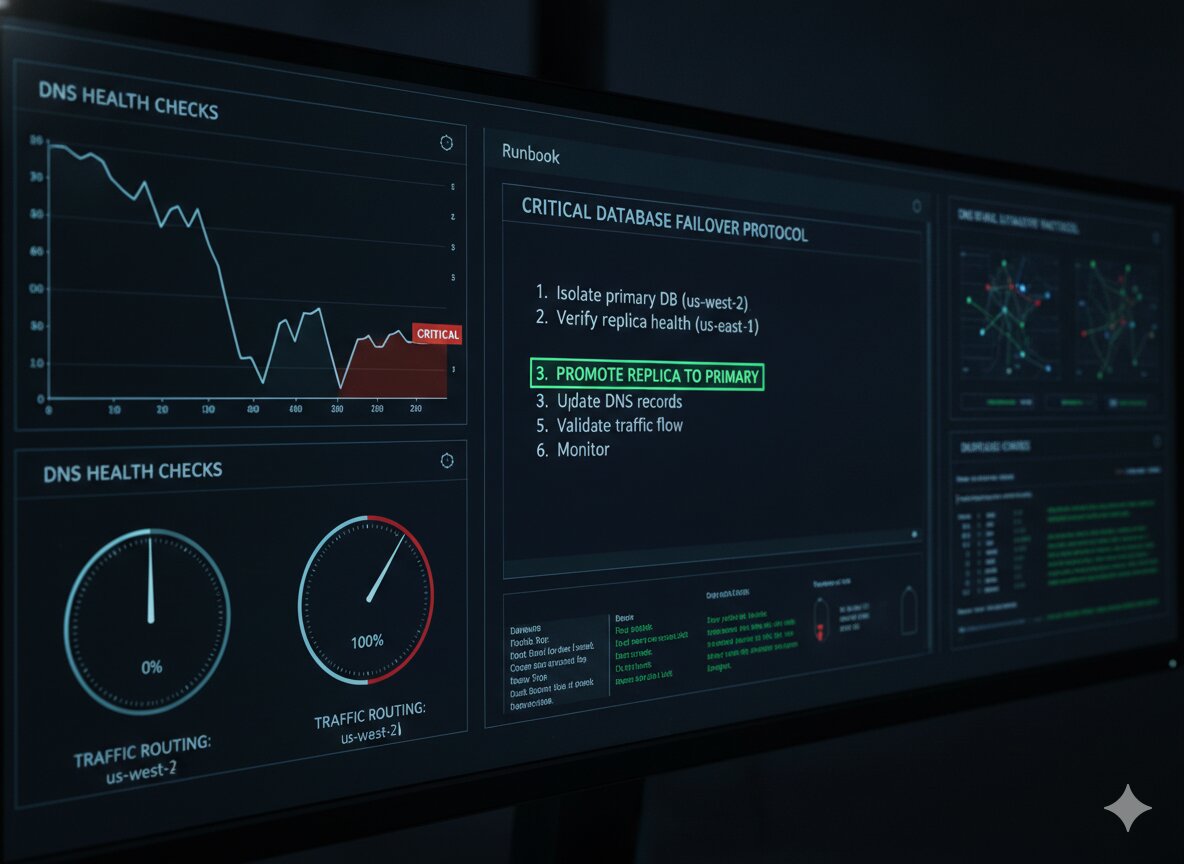
- The Prompt Pattern: "Act as an adversarial SRE Director. Review the 4-stage cutover plan. Write a comprehensive, zero-data-loss Emergency Rollback Runbook in Markdown. If the target cluster's p99 latency spikes past 200ms or error rates exceed 1% during Stage 3, provide explicit step-by-step CLI commands to instantly route primary reads back to the legacy instance while maintaining the backward CDC replication sync."
8. R-egulatory and Privacy Data Governance Sanitization
Audit the migration schemas and pipelines to ensure sensitive customer data stays secure, encrypted, and compliant throughout the transit.
- The Strategy: Build programmatic compliance checkstops to guarantee that tokens, PII, or financial keys are never exposed in transit or plaintext migration logs.
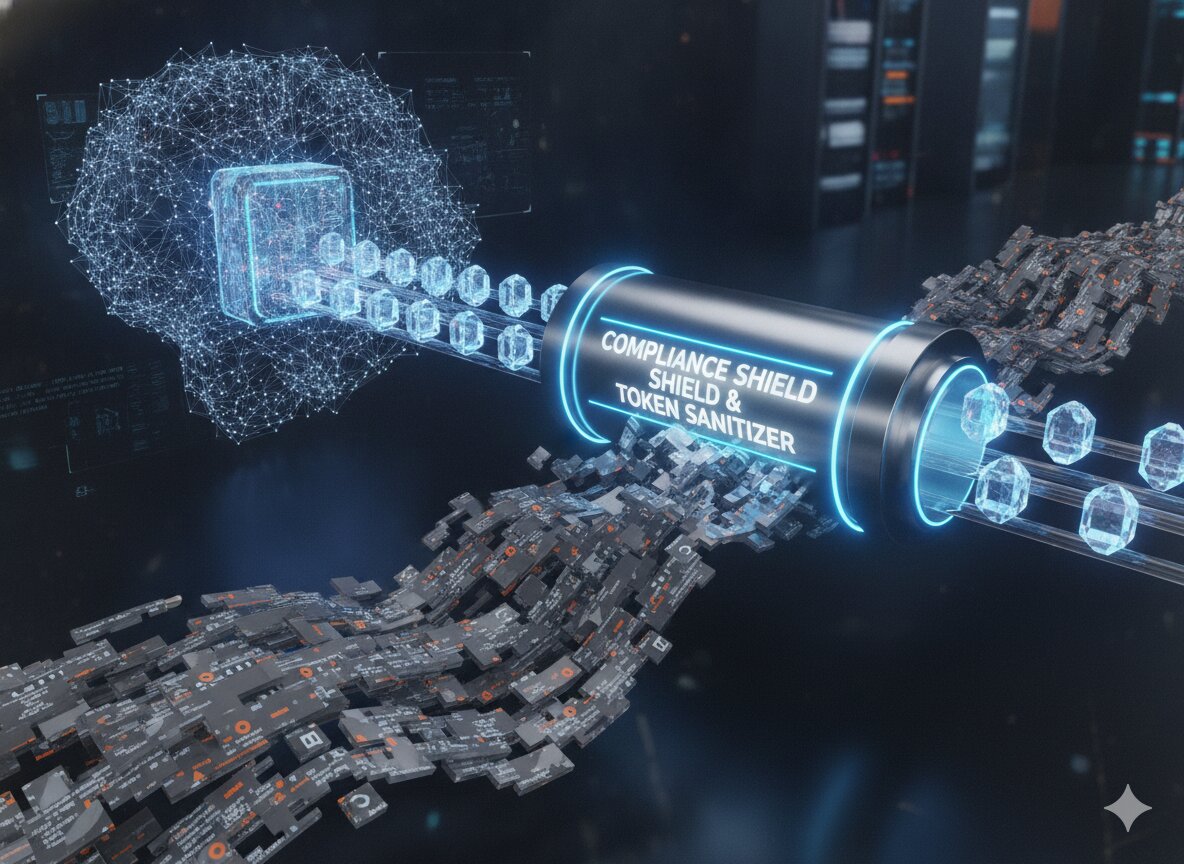
- The Play: "Data protection is integrated into our data pipeline. Before any historical extraction occurs, an automated compliance prompt scans our transformation layers to verify that all fields marked as PII are hashed or encrypted using corporate KMS keys, fully conforming to strict PCI-DSS and GDPR transit standards."
9. A-nalytical Velocity and Throughput Dashboards
Map the technical success of the migration infrastructure straight to corporate platform performance and efficiency gains.
- The Strategy: Feed post-migration system performance metrics directly into business intelligence layouts to quantify the operational ROI of the new engine.
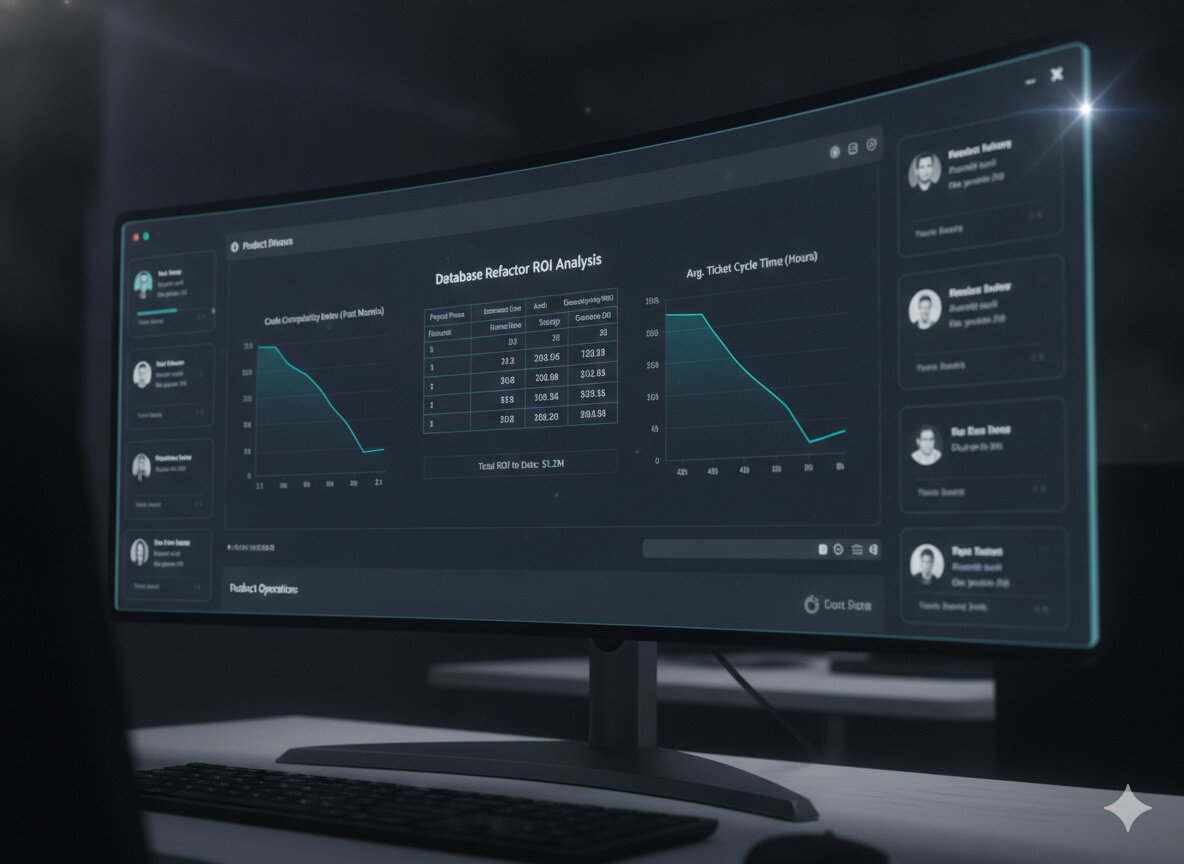
- The Play: "We close the infrastructure loop by tying the database cutover to an automated core efficiency dashboard. By displaying real-time metrics—such as a 60% reduction in global query latency, eliminated database connection pool bottlenecks, and lower compute costs—we provide engineering leadership with immediate validation of system optimization."
10. T-eam Post-Mortem and Optimization Intelligence
Automate the aggregation of engineering migration logs to extract structural architectural insights for future system upgrades.
- The Strategy: Feed unstructured slack infrastructure channels, terminal logs, and jira ticket timelines into a machine learning layer to permanently streamline platform operations.
- The Play: "At the conclusion of our migration, I run our engineering team's raw migration notes and performance logs through an intelligence prompt. The system surfaces repeat bottlenecks—such as specific index locks that slowed down our backfill pipeline—giving our platform architecture group concrete guidelines to streamline our next microservice upgrade."
11. E-nterprise Systems Automation Scaling
Standardize the migration prompt configurations to build an internal self-service infrastructure playbook for the entire organization.
- The Strategy: Store your optimized schema parsing and code generation prompts in a centralized repository, allowing any team to scale data systems reliably.
- The Play: "We scale this technical leverage across the enterprise. By turning our successful migration prompt tracks into a standardized, internal platform playbook, we empower any engineering team across the company to execute zero-downtime microservice migrations independently, significantly amplifying organization-wide developer velocity."
The Comparison: Bad vs. Good
- Bad Answer: "I would negotiate a weekend maintenance window with stakeholders, display a 'down for maintenance' banner to our millions of global users, and have our developers manually run import/export scripts overnight while hoping no data gets corrupted." (High risk, costly revenue loss, stressful for engineers, and lacks technical modern leverage).
- Good Answer: "I will eliminate migration downtime by deploying the LIVE-MIGRATE framework—using Generative AI to identify schema mismatches, architecting an asynchronous dual-write data pipeline, executing real-time shadow-read parity checking, and deploying a multi-stage feature-flagged cutover backed by an automated zero-data-loss fallback runbook." (Highly strategic, technically elite, highly risk-mitigated, and centered on platform resilience).















.jpg)