The Interview Trap:
Coding Too Fast
The interviewer asks: "You’re a TPM/PM for our Developer Platform. How do you design an API for our new payment gateway?" Most candidates start listing endpoints: "I'd have a POST /payments and a GET /status." Stop. Designing an API isn't just about endpoints; it’s about Scalability, Security, and Developer Experience (DX). If you don't talk about versioning, rate limiting, or authentication, you’re signaling that you don’t understand "Platform Thinking."
The Core Framework: The "CONTRACT-FIRST" Method
To design a world-class API, you must treat the interface as a legally binding contract between you and the developer.
1. C-onsumers & Use Cases
Who is using this, and what are they trying to achieve?
- The Strategy: Identify the Persona (Internal vs. External) and the Latency Requirements.
- The Soundbite: "I’d start by identifying our primary consumers. Is this for a mobile app needing low-latency responses, or a server-to-server batch process? Understanding the 'Job to be Done' prevents us from over-engineering the payload."
2. O-bjects & Resources
Define the "Nouns" of your system.
- The Strategy: Use RESTful principles to define clear, hierarchical resources.
- The Soundbite: "I’ll define the core resources—like 'Payment,' 'Refund,' and 'Customer.' I prefer a resource-oriented architecture because it’s intuitive for developers and allows for easier caching and permission management."
3. N-egotiate the Schema (The Contract)
Define the request and response structure before writing a single line of code.
- The Strategy: Use OpenAPI/Swagger specifications.
- The Soundbite: "I’ll draft the API contract first. We’ll define the required fields, data types (e.g., ISO-8601 for dates), and error formats. This allows the frontend and backend teams to work in parallel using mock servers."
4. T-ransport & Security
How do we protect the data and the system?
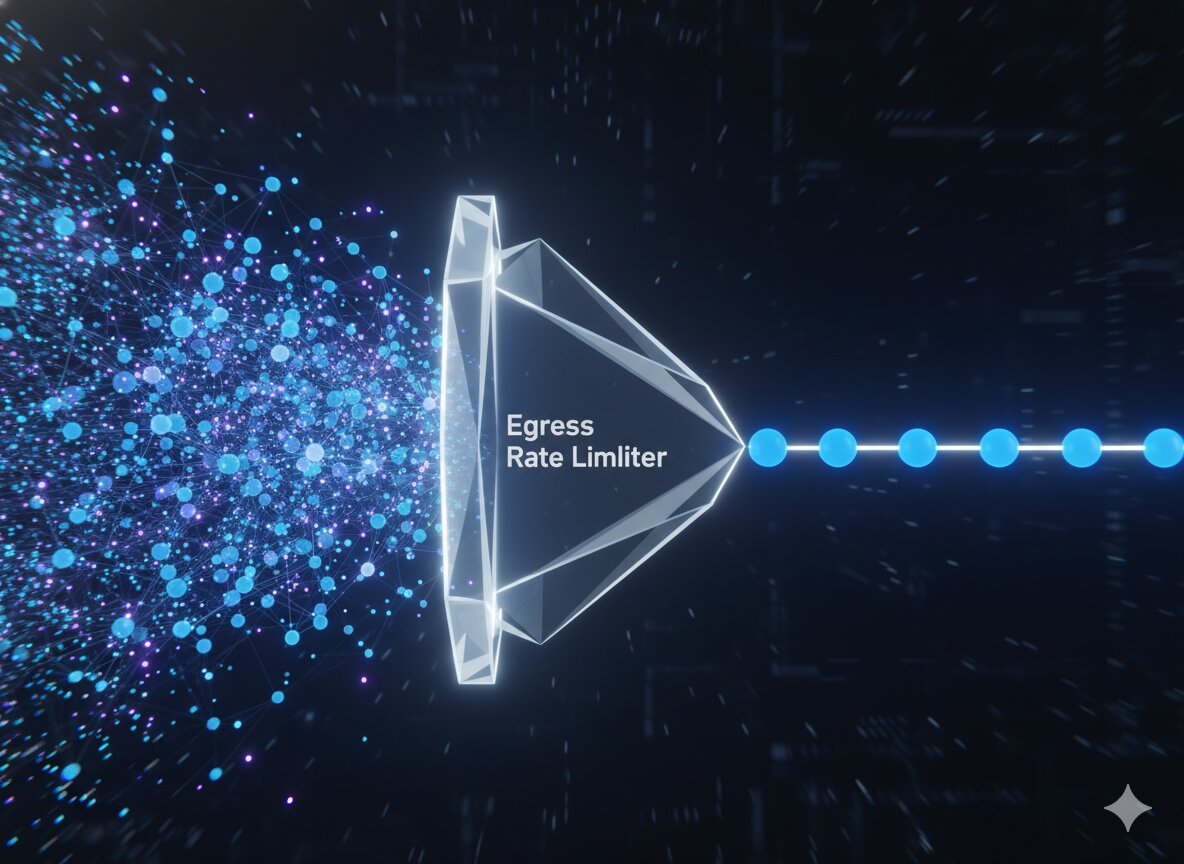
- The Strategy: Define AuthN/AuthZ and Rate Limiting.
- The Soundbite: "Security isn't an afterthought. I’ll mandate OAuth2 or API Keys for authentication. I’ll also define rate limits (e.g., 100 requests/sec) to protect our backend from 'noisy neighbor' issues or DDoS attacks."
5. R-eliability & Versioning
How do we change the API without breaking the world?
- The Strategy: Use Header or URL Versioning.
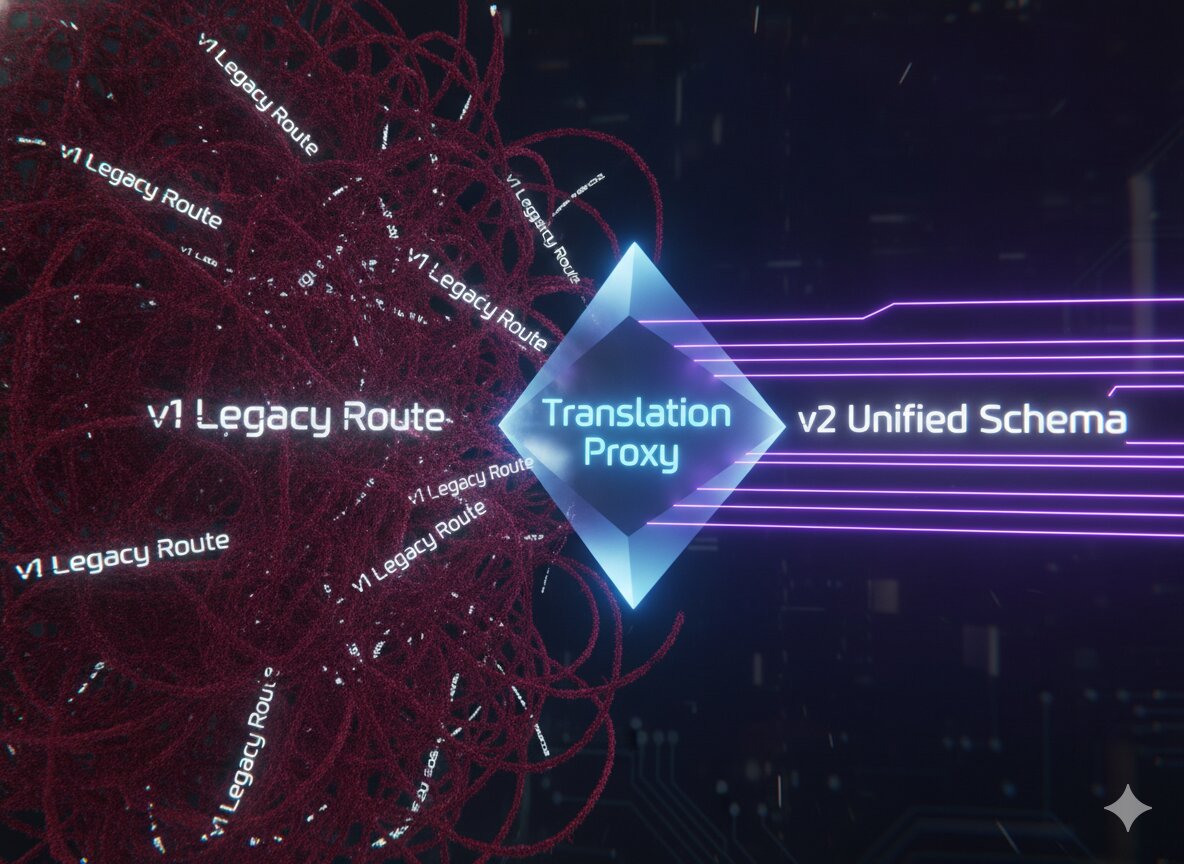
- The Soundbite: "To ensure backward compatibility, I’ll implement versioning in the URL (e.g., /v1/). I’ll also define our 'Breaking Change' policy—how long we support v1 after v2 is released—to give our partners time to migrate."
The "Tactical" CandidateThe "CONTRACT-FIRST" LeaderStarts with Endpoint names.Starts with User Personas and Use Cases.Forgets about error handling.Defines Standardized HTTP Status Codes (200, 400, 500).Ignores scale and security.Proposes Rate Limiting and OAuth2 by default.
Bridge the Gap Between Product and Engineering
System Design and API Design are the "Filter" rounds for TPMs and Technical PMs at companies like Stripe, AWS, and Twilio. If you can’t speak the language of "Infrastructure," you won't get the offer.
The Kracd Prep Kits are the only guides that bridge the gap between "Product Thinking" and "System Architecture."
- For PMs: Learn to lead technical products with the PM Prep Guide.
- For TPMs: Master complex system design with the TPM Prep Kit.
FAQs
Q: Should I use REST or GraphQL?
A: It depends. REST is great for standard, cacheable CRUD operations. GraphQL is better when the frontend needs highly flexible, nested data and wants to avoid "over-fetching." Mention the trade-offs to show seniority.
Q: How do you handle "Idempotency"?
A: For payment APIs, it's critical. I’d require an idempotency-key in the header. If the client retries a request with the same key, the server returns the cached successful response rather than processing the payment twice.
Q: What is the most important part of API documentation?
A: Examples and Error Codes. A developer should be able to make their first successful "Hello World" call in under 5 minutes. Clear documentation on why a request failed (e.g., 422 Unprocessable Entity) is a massive DX win.





















.jpg)