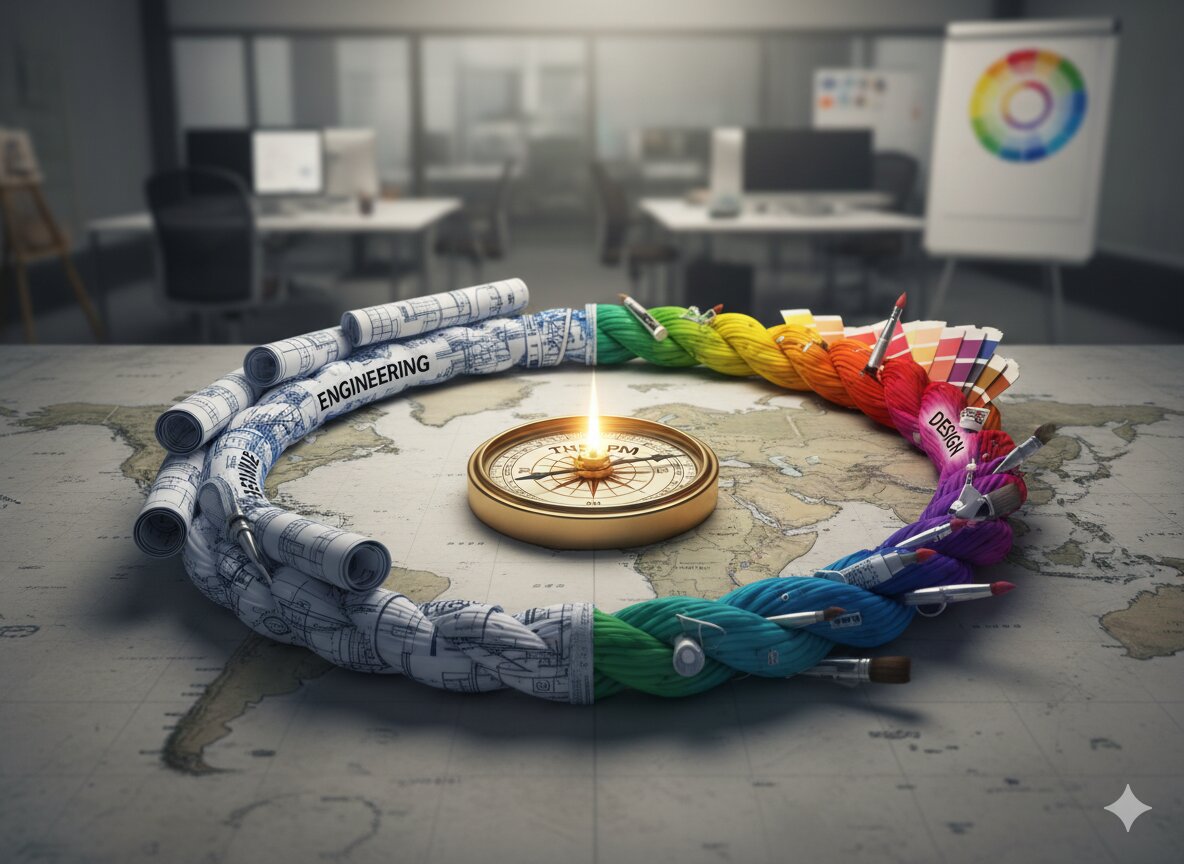
The Interview Trap:
The "Modesty" or "Blame" Pitfall
The interviewer leans in: "Tell me about a time you failed or a project didn't go as planned." Most candidates make one of two mistakes. They either pick a "fake" failure ("I worked too hard and got tired") which feels dishonest, or they blame others ("The engineers missed the deadline") which signals a lack of accountability. Stop. This question isn't about the failure itself; it’s about your Resilience, Self-Awareness, and Learning Velocity.
The Core Framework:
The "STAR-GROWTH" Method
To turn a negative story into a reason to hire you, use the standard STAR method but double down on the Growth phase.
1. S-ituation & T-ask (The Context)
Keep this to 20% of your answer. Set the stage quickly.
- The Goal: Provide enough detail to show the stakes were high.
- The Soundbite: "In my third semester, I was leading a university project to develop a GST compliance case study. The goal was to identify tax-saving opportunities under the new CGST amendments."
2. A-ction (What you actually did)
This is where most people fail. You must talk about your actions, not the team's.
- The Goal: Show your thought process and leadership.
- The Soundbite: "I realized mid-way that our data set was incomplete. I took the lead in reaching out to the business owner to request more records and attempted to manually reconcile the accounts myself to stay on schedule."
3. R-esult (The Outcome)
Be honest. If it was a failure, admit it.
- The Goal: Quantify the impact, even if it was negative.
- The Soundbite: "Despite the effort, we missed the internal deadline by three days. As a result, our final report didn't include the predictive analysis I had planned, and we received a 'B' instead of an 'A'."
4. GROWTH (The "Senior" Difference)
This is 40% of the value. What did you change about yourself afterward?
- The Strategy: Discuss the Systems you built to ensure it never happens again.
- The Soundbite: "That failure taught me about 'Dependency Mapping.' I realized I hadn't accounted for the lead time needed for external data. Now, I build a 20% 'Buffer' into every timeline and confirm data availability 48 hours before the start. Since then, I’ve delivered every project ahead of schedule."
The STAR-GROWTH Rubric
PhaseWeightKey Question to AnswerSituation10%Where were you and what was the goal?Task10%What was the specific challenge?Action30%What steps did you take?Result10%What was the quantifiable outcome?Growth40%What is the "New Version" of you that exists now?
Master the "Human" Side of Tech
At the Senior and Staff levels, everyone is technically competent. The differentiator is Emotional Intelligence (EQ). Companies want to know: "Can I trust this person to lead a team through a crisis without melting down?"
The Kracd Prep Kits provide a "Behavioral Bank" with 50+ scripted answers for the toughest questions, like "Tell me about a conflict with an engineer" or "Give me an example of an unpopular decision you made."
- For PMs: Lead with empathy and data using the PM Prep Guide.
- For TPMs: Show technical leadership in high-pressure situations with the TPM Prep Kit.
FAQs
Q: Should I pick a massive failure?
A: Pick a "Medium" failure. It should be significant enough that it had real consequences, but not so catastrophic that it calls your basic competence into question.
Q: What if I haven't failed yet?
A: You have. If you can't find a failure, you aren't taking enough risks. Think of a time you miscalculated a timeline or misunderstood a stakeholder's need.
Q: How do I handle "Conflict" questions?
A: Use the same STAR-GROWTH method. Focus on how you sought to Understand the other person's perspective before trying to be Understood.
















.jpg)