The Interview Trap: The "Lock-the-Tables" Production Freeze
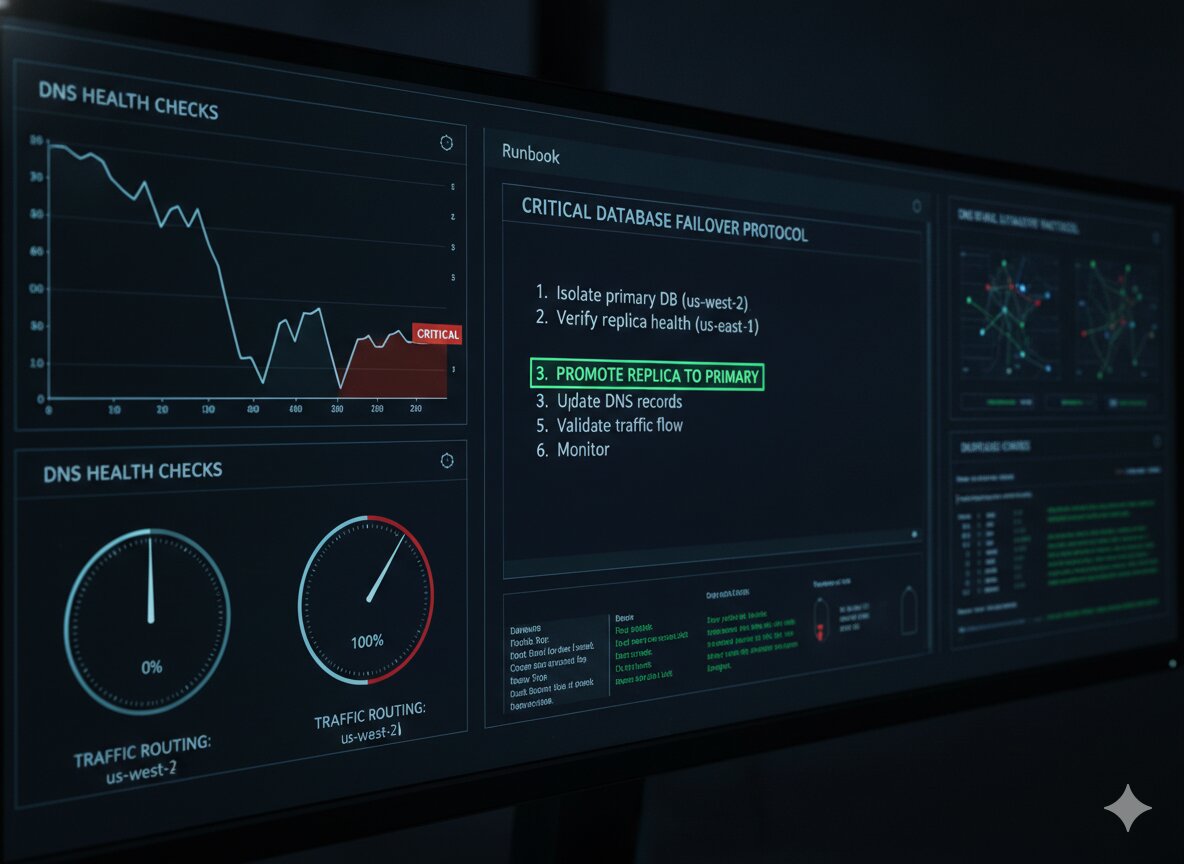
The interviewer sets a massive infrastructure scaling hurdle on the table: "Our relational core database is hitting horizontal scaling limits. Read/write IOPS are bottlenecked, and we are experiencing connection pool exhaustion at peak hours. We need to split this monolithic database into a multi-node sharded architecture based on Tenant ID. How do you lead this database sharding migration without corrupting data or taking the platform offline?" Most candidates completely freeze or default to legacy IT mindsets: "I'd announce a scheduled maintenance window at 2:00 AM, lock the database tables to prevent writes, export the data, and re-import it across the new shards." Stop. At a modern, global scale, locking production databases for hours is an operational failure. In a FAANG system design or execution loop, they are testing your Distributed Systems Intuition, Data Consistency Mechanics, and Multi-Phase Cutover Architecture.
The Core Framework: The "DATA-BALANCE" Method
Scaling data persistence horizontally requires a flawless coordination layer. You must partition the data storage engine smoothly, map the routing logic invisibly, and verify data parity continuously before shifting production traffic.
1. D-efining the Sharding Key (The Architectural Anchor)
Select the optimal partition strategy to prevent uneven data distribution and "hot spots."
- The Strategy: Analyze querying patterns to find a high-cardinality key (like Tenant ID or User ID) that distributes reads and writes evenly across target nodes.
- The Soundbite: "I'll kick off the migration by finalizing our sharding key topology. We cannot choose a key blindly; we must run a query distribution analysis. By selecting a high-cardinality key like Tenant ID, we ensure data distributes uniformly across our target physical database instances, completely avoiding the nightmare scenario of 'hot shards' where one database node handles 90% of production traffic."
2. A-pplication Layer Router Implementation
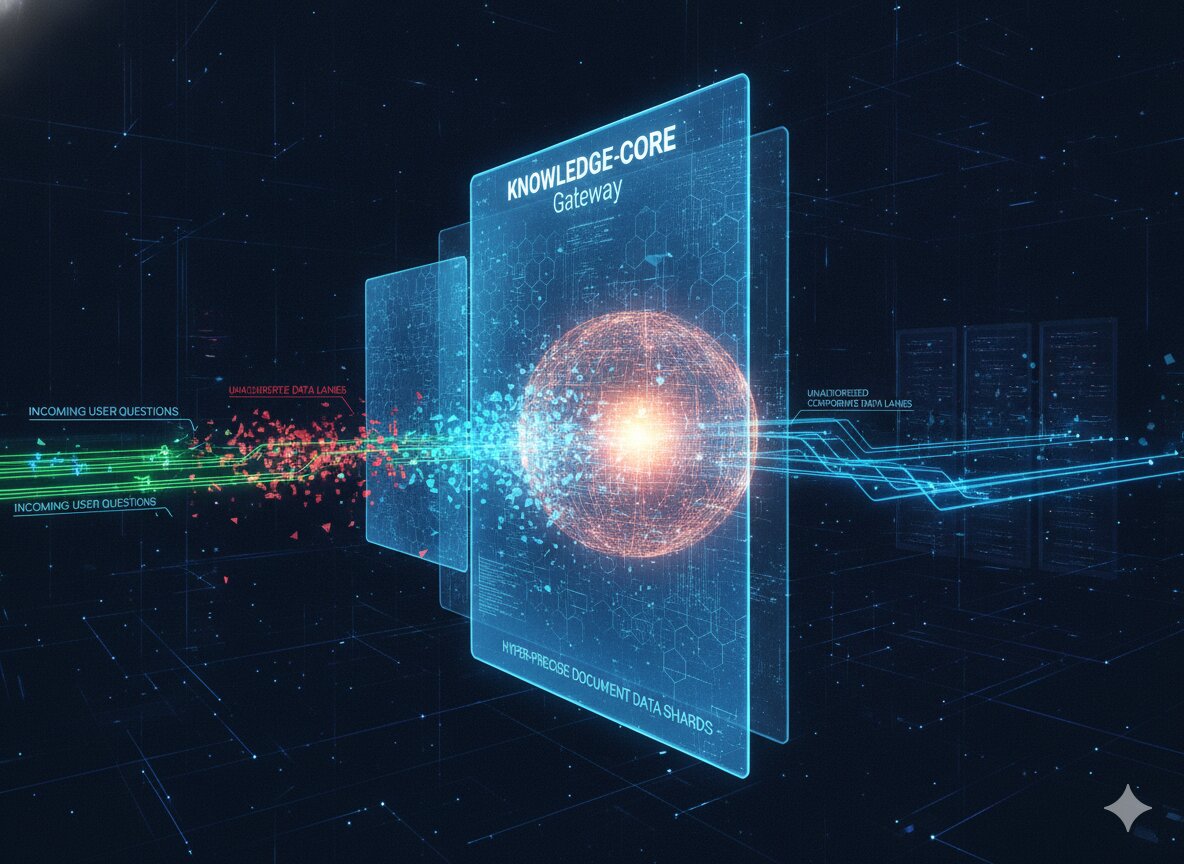
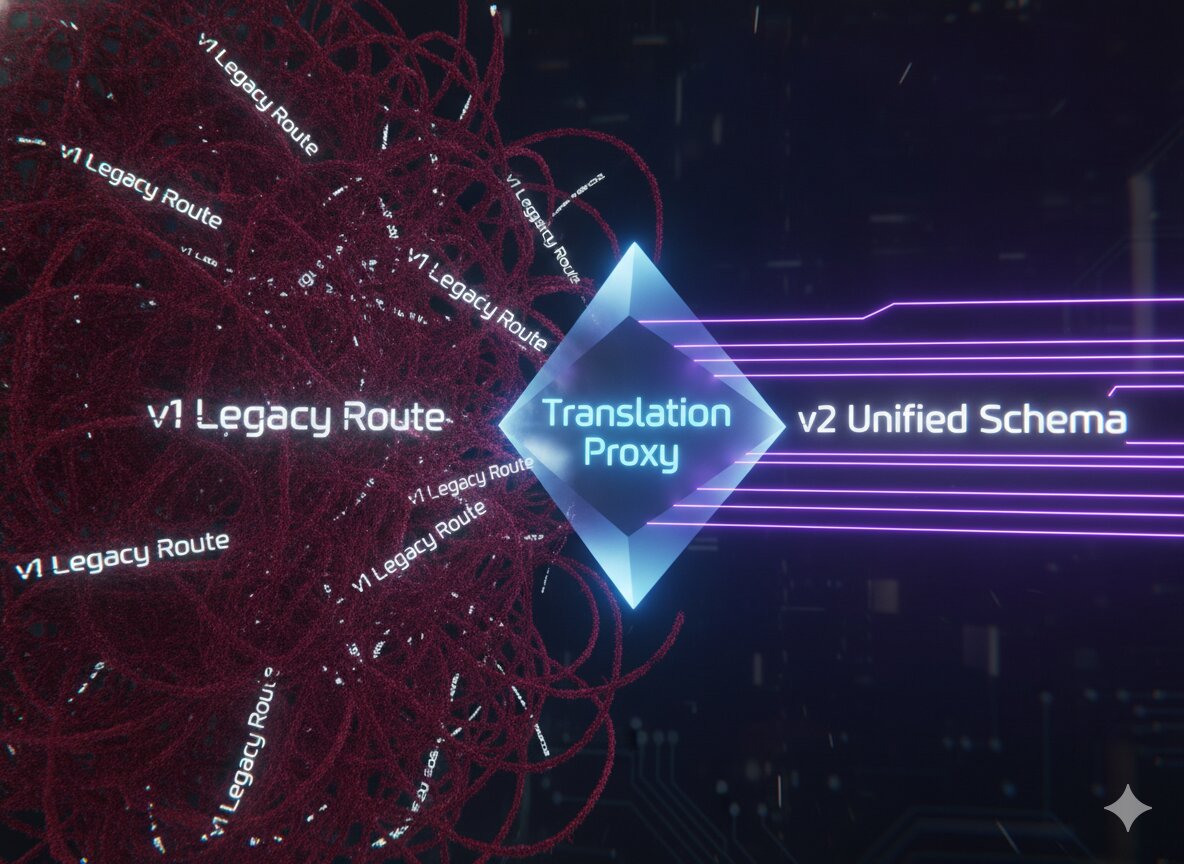
Introduce an intelligent proxy layer to translate application queries to the correct physical database node.
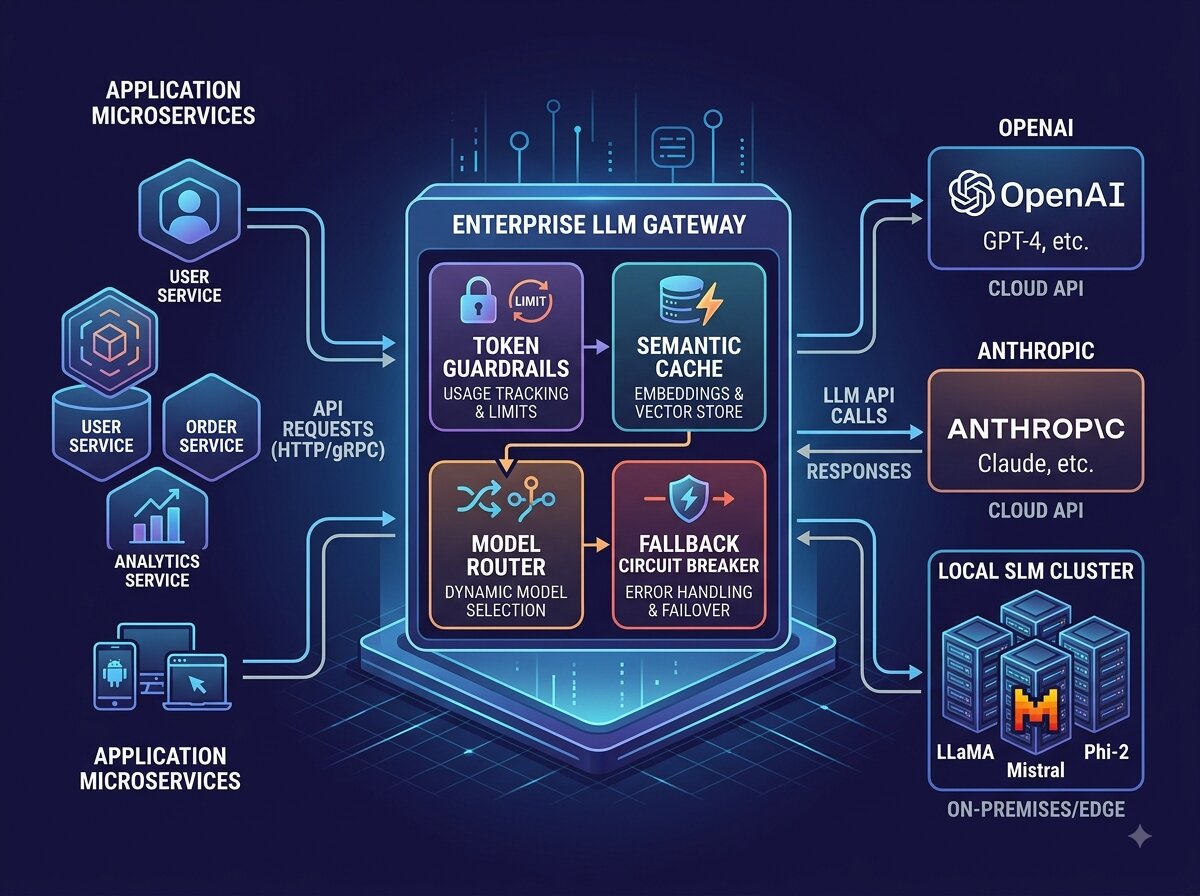
- The Strategy: Deploy a sharding middleware router (like Vitess or an application-level mapping library) to handle query parsing.
- The Soundbite: "Next, we must decouple our application code from individual database connections. We will implement an intelligent database routing layer or middleware. The application layer will simply request data using a logical query, and this middleware will intercept the request, parse the sharding key, and route the query to the correct physical shard invisibly."
3. T-wo-Way Dual-Writing and Change Data Capture (CDC)
Keep both the legacy monolithic database and the new sharded clusters in sync in real time.
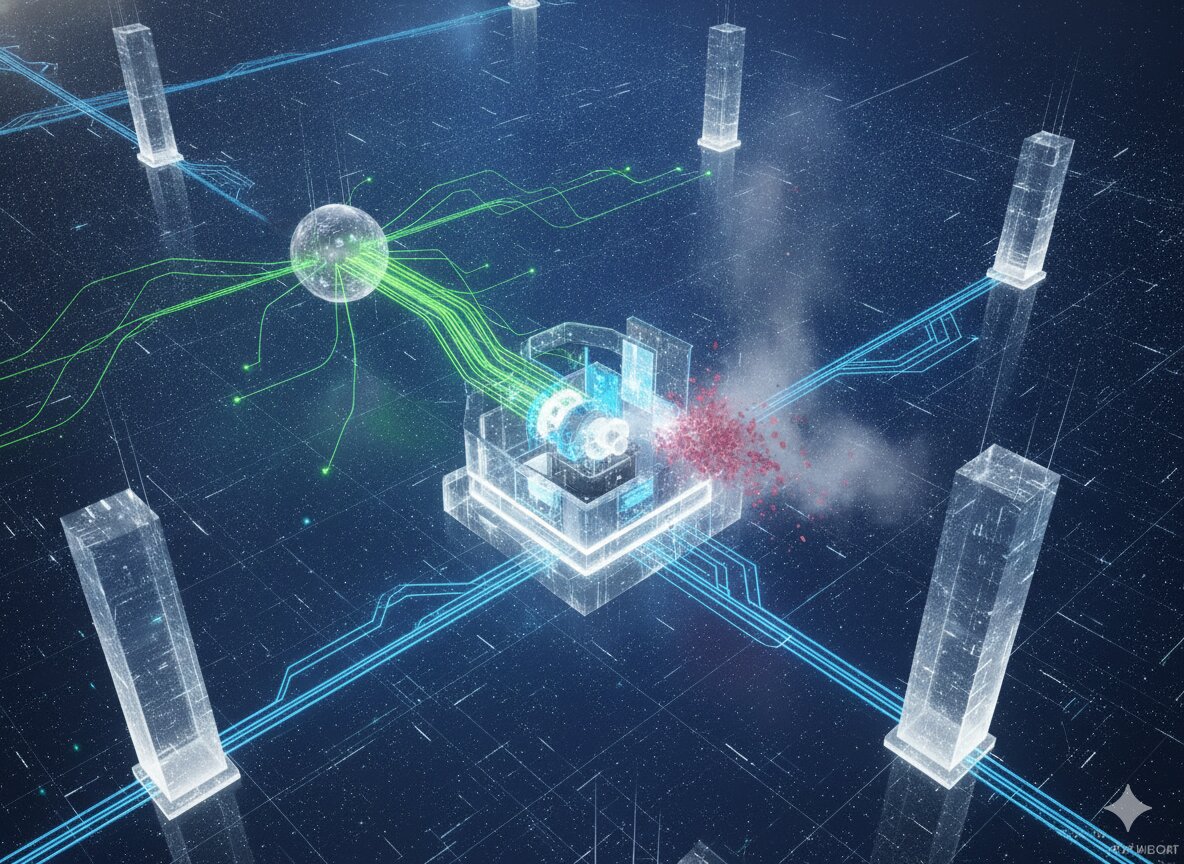
- The Strategy: Utilize an asynchronous Change Data Capture (CDC) pipeline to stream data mutations continuously.
- The Soundbite: "To ensure zero data loss, we'll establish a live data replication pipeline using Change Data Capture tools like Debezium. As live writes hit our legacy monolithic database, the CDC engine reads the database transaction logs asynchronously and streams those mutations directly to the new sharded database nodes in near real-time, keeping both clusters perfectly synchronized."
4. A-synchronous Historical Data Backfill
Migrate historical archives into the new multi-node topology without consuming core database IOPS.
- The Strategy: Execute throttled, chunked batch migration scripts to move older records up to the snapshot cut-off point.
- The Soundbite: "With the real-time CDC pipeline keeping live data in check, we will execute a throttled, chunked background backfill process to move terabytes of historical data. We'll migrate records in indexed blocks during off-peak hours, implementing strict rate-limiting on our migration scripts so we don't starve production application connection pools."
5. B-it-by-Bit Tenant Routing (Canary Slicing)
Shift live traffic one database slice or shard key cohort at a time.
- The Strategy: Use a dynamic configuration map to route specific Tenant ID blocks to read from the new sharded database cluster.
- The Soundbite: "Once historical backfills match live streams, we will begin a canary cutover using our database router. We won't shift all users at once; we’ll update our routing rules to point exactly 1% of non-critical tenants to read and write exclusively from the new sharded cluster. This limits our structural risk to a tiny, isolated cohort while we validate cluster stability."
6. A-utomated Parity and Reconciliation Loops
Run relentless, continuous validation checks to catch any out-of-sync database fields.
- The Strategy: Deploy background workers to hash and compare records across the old and new storage layers.
- The Soundbite: "During the phased rollout, we'll run automated, continuous data reconciliation workers. These background services will periodically scan and hash records between the legacy monolith and the new sharded database. If a single field drift or indexing mismatch is flagged, an alert triggers instantly so our engineering team can isolate the synchronization bug."
7. L-ive Rollback Circuit Breakers
Maintain a safe, reverse data replication loop to allow for instant rollbacks.
- The Strategy: Configure the CDC engine to stream writes back from the sharded database to the legacy database during migration.
- The Soundbite: "Our fallback protocol must be completely foolproof. To achieve this, we will configure a reverse CDC replication pipeline. Any writes occurring on the new sharded nodes are streamed right back to the legacy database monolith. If we spot an infrastructure anomaly on the new shards, we can flip our router back to the monolith instantly with zero data loss and absolute zero user downtime."
8. N-ative Optimization and Clean-up
Sunset the legacy monolith and re-optimize database performance configurations.
- The Strategy: Deprecate the old database connections, clean out migration scaffolding, and rebuild database indices.
- The Soundbite: "After running 100% of our production traffic on the sharded architecture for a complete operational cycle with perfect consistency metrics, we complete the lifecycle. We disconnect the legacy monolith, decommission the temporary CDC synchronization pipelines, remove migration feature flags from the codebase, and fine-tune our connection pooling for horizontal scale."
The Comparison: Bad vs. Good
- Bad Answer: "I would schedule an overnight maintenance window, run a massive mysqldump to export the data, change the database URLs in our configuration file, and restart the servers on the new sharded databases." (High downtime, extreme risk of data corruption, zero rollback plan).
- Good Answer: "I will lead a zero-downtime database sharding migration by introducing an intermediate database routing layer, streaming mutations live via Change Data Capture, backfilling historical data incrementally, and executing a tenant-by-tenant canary rollout with a live reverse-replication rollback circuit breaker." (Deeply structural, architecturally sound, treats data as sacred).
Master High-Scale Architecture & Infrastructure Rounds
Database migrations are the ultimate test for senior engineering managers, PMs, and TPMs. Moving terabytes of transaction data safely while keeping the platform live separates junior feature managers from Staff-level infrastructure operators. The DATA-BALANCE protocol gives you a comprehensive blueprint to showcase sophisticated database management and high-availability design.
The Kracd Prep Kits deliver comprehensive technical architectures covering database sharding, caching topologies, and distributed ledger consistency.
- For PMs: Learn how backend infrastructure investments translate into product performance gains and scaling roadmaps with the PM Prep Guide.
- For TPMs: Master high-volume data migrations, cross-region replication architectures, and zero-downtime platform scaling with the TPM Prep Kit.
FAQs
Q: What happens if two tenants write to the same auto-incrementing ID across different shards?A: You must move away from sequential auto-incrementing integer IDs before sharding. Relying on database-level sequential IDs will cause severe primary key collisions across nodes. You must update the application layer to utilize universally unique identifiers like UUIDs or distributed ID generation systems (like Twitter's Snowflake algorithm) to guarantee uniqueness across all shards.
Q: How do we handle cross-shard queries or aggregations after the split?A: You avoid them at all costs, or handle them via the application/analytics layer. Cross-shard joins are computationally expensive and destroy database performance. If the business needs cross-shard reporting (e.g., aggregating data across all tenants), you should route those queries away from the transactional database and onto a dedicated OLAP Data Warehouse or Read Replica via an ETL pipeline.
Q: How long should we run reverse replication before decommissioning the old database?A: Keep the reverse replication loop open for at least 7 to 14 days. You want to observe the new sharded database infrastructure across all weekly business cycle spikes, heavy reporting windows, and background processing routines. Only decommission the legacy monolith when you have absolute data parity and performance confidence.


















.jpg)