Introduction
The interviewer leans forward, cuts you off mid-sentence, and drops a bomb: "You wake up on Tuesday morning and realize that notifications conversion rate for our core e-commerce product dropped by 15% over the weekend. What do you do?"
Your heart races. Your mind starts spinning. This is the moment where most candidates crash and burn.
They panic. They start guessing. They throw out random, surface-level solutions: "I would check if the server went down," or "I would ask the engineering team if they pushed a bad release."
Stop guessing. Randomly shouting out potential causes shows the interviewer that you lack a structured, analytical engineering philosophy. In elite FAANG PM and TPM product loops, panel judges are not testing your guessing skills. They are evaluating your structural triage methodology, data fluency, and ability to systematically isolate variables in a complex distributed system under pressure.
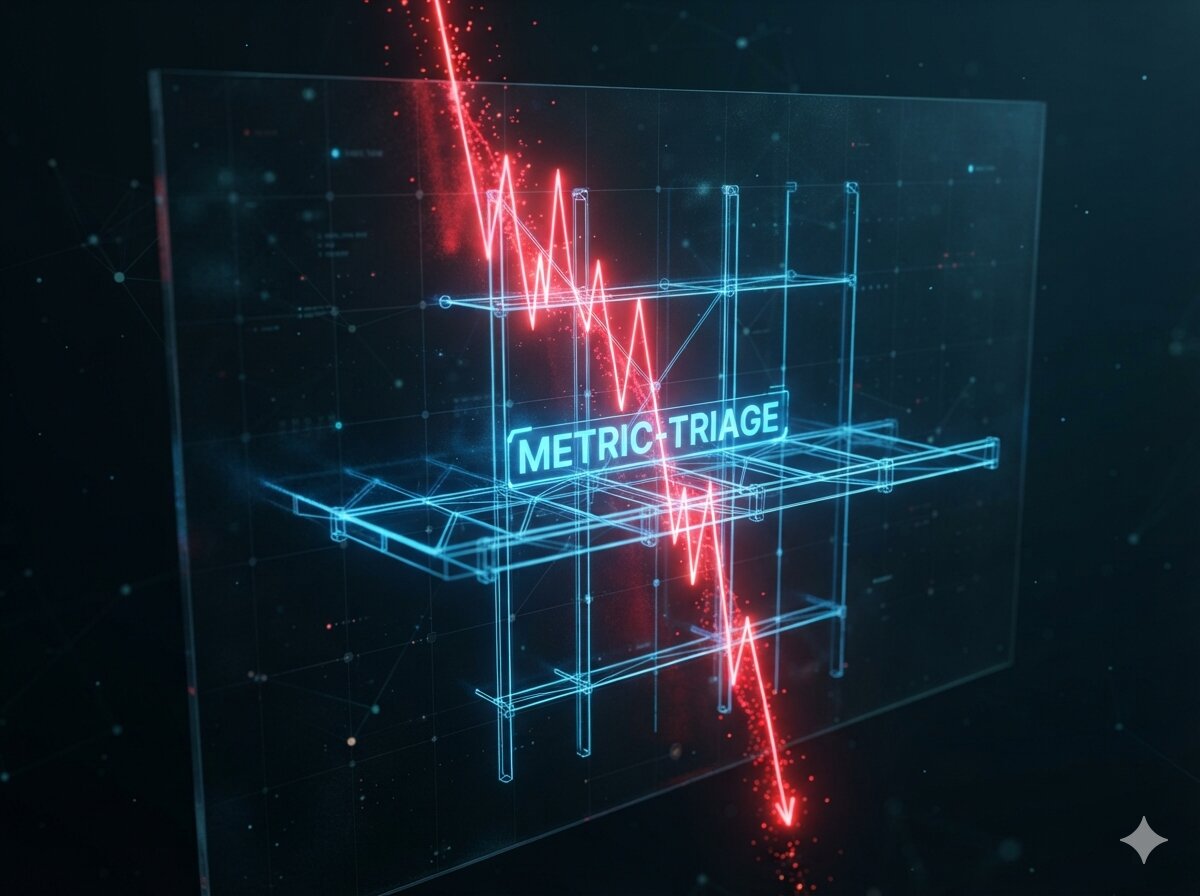
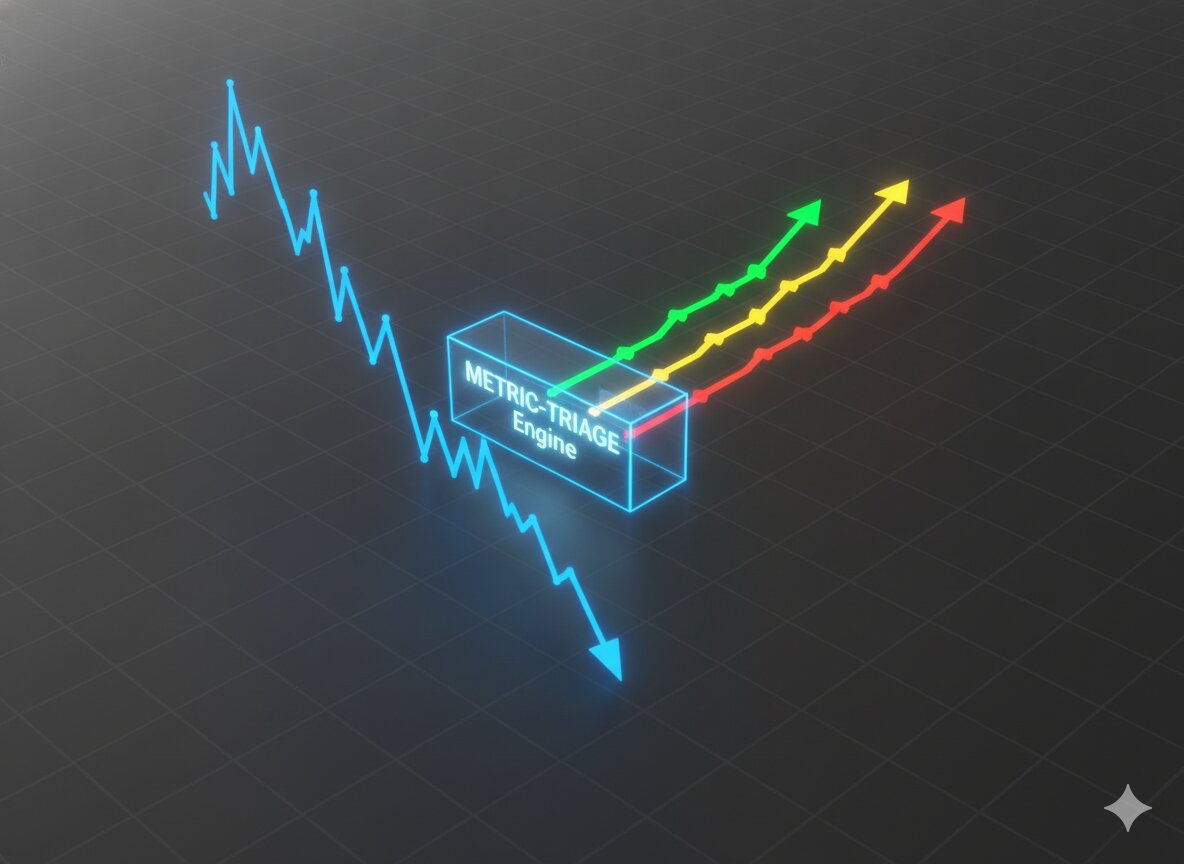
To pass this execution round, you need a repeatable, logical troubleshooting playbook. You need the METRIC-TRIAGE framework.
The Core Framework: The "METRIC-TRIAGE" Method
Top-tier product and engineering leaders approach metric anomalies like medical doctors in an emergency room. They isolate the symptom, validate the instrumentation, rule out external factors, segment the population, and trace the technical pipeline.
                       [ 15% Metric Drop Detected ]
                                    │
                                    ▼
       ┌────────────────────────────────────────────────────────┐
       │             M-ETRIC INTEGRITY VERIFICATION             │
       │   * Is the data accurate? Check logging pipelines.    │
       └────────────────────────────┬───────────────────────────┘
                                    │
                                    ▼
       ┌────────────────────────────────────────────────────────┐
       │             E-XTERNAL FACTOR ISOLATION                 │
       │   * Check seasonal anomalies, API drops, holidays.     │
       └────────────────────────────┬───────────────────────────┘
                                    │
                                    ▼
       ┌────────────────────────────────────────────────────────┐
       │             T-IMELINE & RELEASE CORRELATION            │
       │   * Map anomaly precisely against system deployments.  │
       └────────────────────────────┬───────────────────────────┘
                                    │
                                    ▼
       ┌────────────────────────────────────────────────────────┐
       │             R-EGIONAL & USER SEGMENTATION              │
       │   * Slice by OS, App Version, Geography, Cohort.       │
       └────────────────────────────┬───────────────────────────┘
                                    │
                                    ▼
       ┌────────────────────────────────────────────────────────┐
       │             I-NFRASTRUCTURE & LOGGING CHECK            │
       │   * Audit database latencies, microservice errors.     │
       └────────────────────────────┬───────────────────────────┘
                                    │
                  ┌─────────────────┴─────────────────┐
                  ▼                                   ▼
       ┌─────────────────────┐             ┌─────────────────────┐
       │  C-AUSE ISOLATION   │             │   -ACTION PLAN      │
       │  Identify Root Node │             │  Mitigate & Prevent │
       └─────────────────────┘             └─────────────────────┘
M-etric Integrity Verification
Before assuming the product is broken, verify that your monitoring tools aren't the things lying to you.
- The Strategy: Validate data logging health, pipeline latency, and reporting infrastructure. Ensure the drop is real and not an instrumentation bug.
- Interview Script: "I will begin by validating the integrity of the data itself. Before diving into product issues, I need to know if this 15% drop is an operational reality or a data pipeline tracking failure. I would cross-verify with our data engineering team to check if there was a lag in our upstream data processing pipeline, a broken telemetry logging event, or an issue with the analytics dashboard itself."
E-xternal Factor Isolation
Rule out variables outside of your team's direct technical ecosystem.
- The Strategy: Analyze macroeconomic trends, competitor actions, seasonal patterns, or external platform outages (e.g., AWS downtime, Google Play Store processing delays).
- Interview Script: "Once metric integrity is confirmed, I will look at external macro-factors. Did this drop coincide with a major public holiday, a global sporting event, or a known network provider outage? I'll also review if there were concurrent platform changes from external partners, such as iOS privacy policy updates or changes in Android background notification handling."
T-imeline & Release Correlation
Pinpoint exactly when the drop started and cross-reference it with internal system mutations.
- The Strategy: Map the drop precisely against deployment logs, system updates, flag flips, or configuration changes.
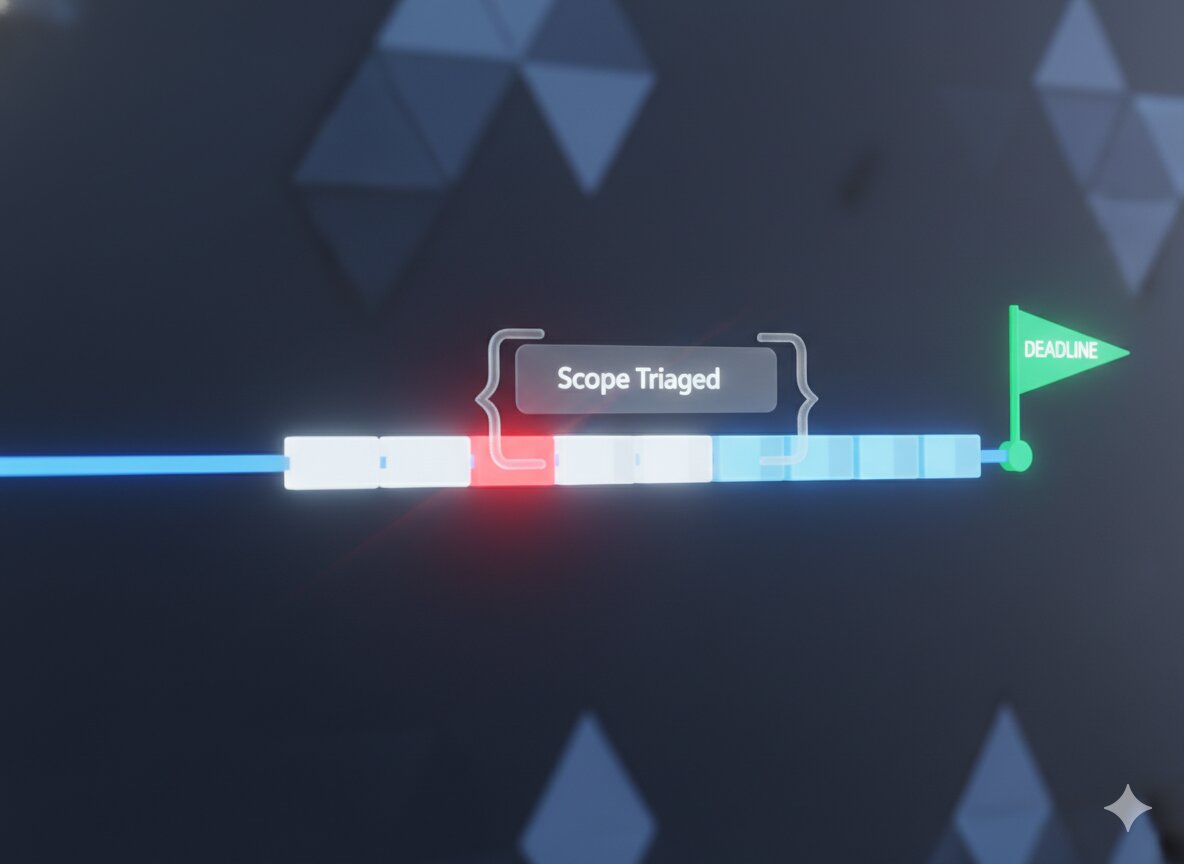
- Interview Script: "Next, I will establish a precise timeline. Did the metric drop instantly off a cliff, or did it degrade gradually over the weekend? I will correlate this exact timestamp with our internal deployment logs. Specifically, I'll audit all code deployments, feature flag rollouts, config modifications, and marketing campaign launches that went live on Friday or Saturday."
R-egional & User Segmentation
Slice the aggregate data into hyper-focused cohorts to isolate the blast radius.
- The Strategy: Segment the metric drop by operating system (iOS vs. Android), app version, geographical region, device type, and user demographic.
- Interview Script: "Aggregate data hides the root cause, so I will segment the metric to isolate the blast radius. I will slice the 15% drop by operating system, application build version, geographic location, and user cohort. For example, if the drop is isolated exclusively to iOS version 4.2 in Western Europe, we can immediately narrow our technical investigation to that specific environment."
I-nfrastructure & Logging Check
Deep dive into the underlying systems architecture backend supporting the product experience.
- The Strategy: Analyze downstream API error rates, database transaction latencies, network load timeouts, and microservice container health.
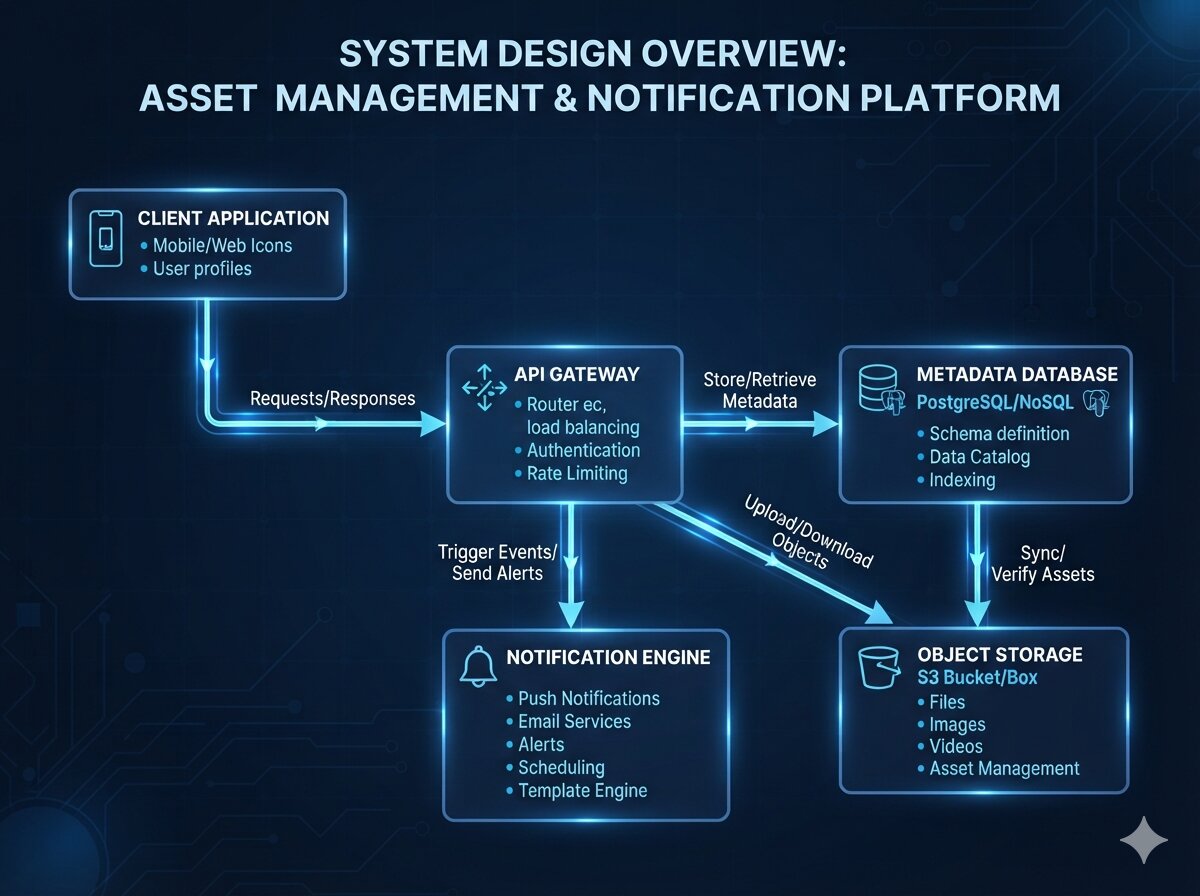
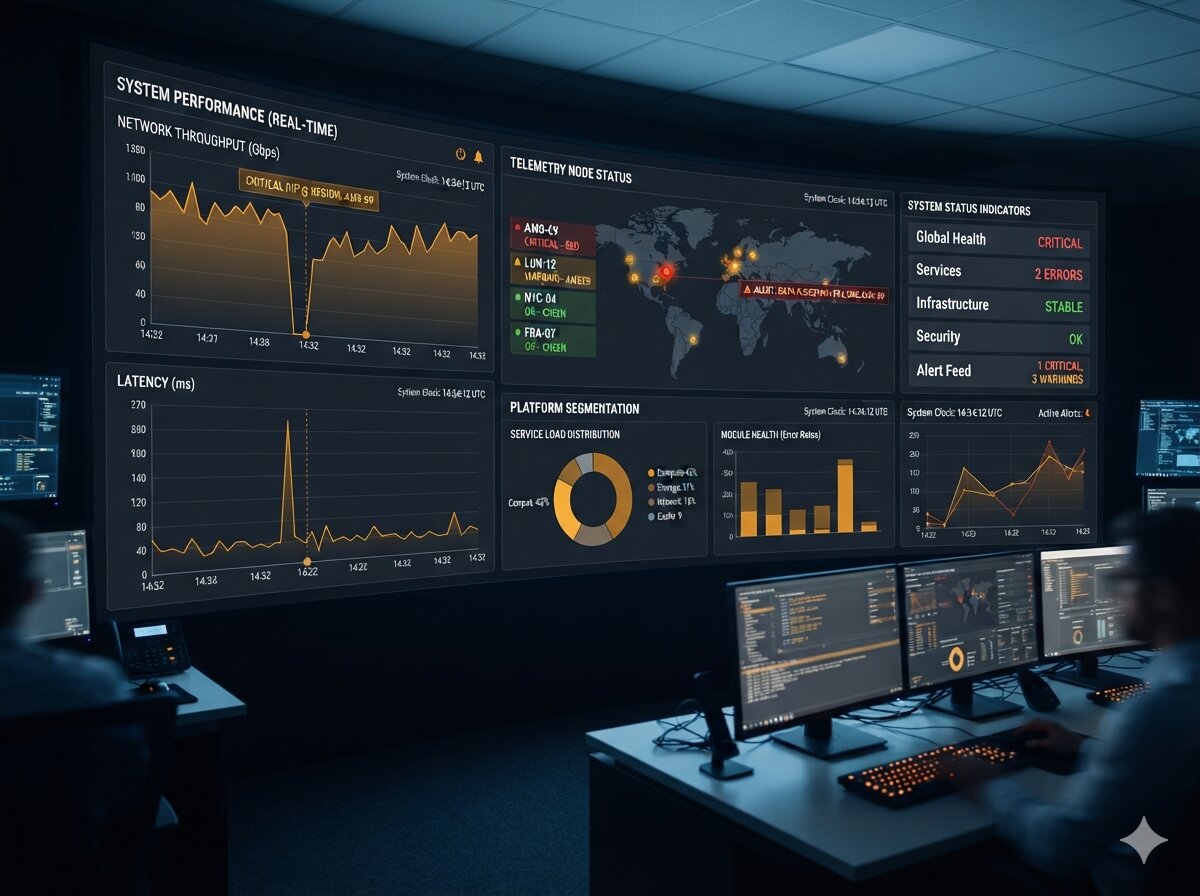
- Interview Script: "If segmentation points to a broader platform issue, I will look at backend infrastructure telemetry. I will audit our API gateway logs to evaluate server response times, check our database execution latencies, and monitor push notification service error rates (like Firebase or APNs) to verify if message delivery attempts were dropped at the infrastructure layer."
C-ause Isolation & Action Plan
Formulate a data-backed hypothesis, mitigate the immediate issue, and set up permanent guardrails.
- The Strategy: Identify the single source of failure, roll back the problematic change, deploy hotfixes, and create automated monitoring alerting systems.
- Interview Script: "After systematically isolating the root cause, I will construct an action plan. If it's a buggy release, I will align with engineering to instantly roll back the deployment or toggle off the specific feature flag. Once mitigated, I will establish automated threshold alerts in our monitoring stack to catch early telemetry deviations before they escalate into widespread 15% drops in the future."
The Comparison: Bad vs. Good
Bad Answer (Reactive Panic)Good Answer (METRIC-TRIAGE Framework)"I would pull the team into an emergency war room, ask engineers if they broke something over the weekend, and immediately start brainstorming ideas to fix our notifications.""I will apply the METRIC-TRIAGE framework to systematically isolate variables, beginning with data integrity verification before progressively analyzing external impacts, system deployments, user cohorts, and infrastructure logs.""We should immediately build a new feature or change the notification text to see if the conversion rates go back up by Monday.""I will segment the aggregate data by OS version, region, and cohort to identify the exact blast radius, ensuring we find the root failure node before executing any targeted code rollbacks or hotfixes."
The Pitch/Transition
Mastering execution rounds like this requires more than just knowing a handful of acronyms—it takes an absolute command of distributed systems architecture, product data dynamics, and rapid troubleshooting mechanics. This framework is just the tip of the iceberg.
When you are in the hot seat at Google, Meta, or Stripe, the interviewers will push you into deep architectural corner cases. Don't leave your career trajectory to chance.
Equip yourself with the exact blueprint repositories, production case studies, and framework systems relied on by elite tech leaders globally:
- Secure your product strategy and execution rounds using the comprehensive PM Prep Guide.
- Dominate your system design, infrastructure scale, and program operations loops with the tactical TPM Prep Kit.
FAQs
Q: What should I do if the interviewer says data integrity is perfect and no code releases happened?
A: Move immediately to External Factors and Infrastructure Checks. If internal code didn't change and the data is accurate, the issue is driven either by an external platform shift (e.g., Apple or Google altering notification delivery states), an automated backend certificate expiration, or third-party downstream API failures.
Q: How deep into technical infrastructure logs should a PM go during this question?
A: You don't need to write the code, but you must know where it breaks. A great PM should confidently talk about system touchpoints—such as client-to-server API calls, database read/write bottlenecks, and third-party delivery gateways—to show they can partner effectively with staff engineers during an outage.
Q: What is the most common pitfall when answering "dropping metric" questions?
A: Jumping straight to solutions. Interviewers intentionally evaluate your impulse control. If you immediately suggest changing the UI layout or re-writing push copy, you fail the test. Always isolate the root cause before proposing product changes.


















.jpg)