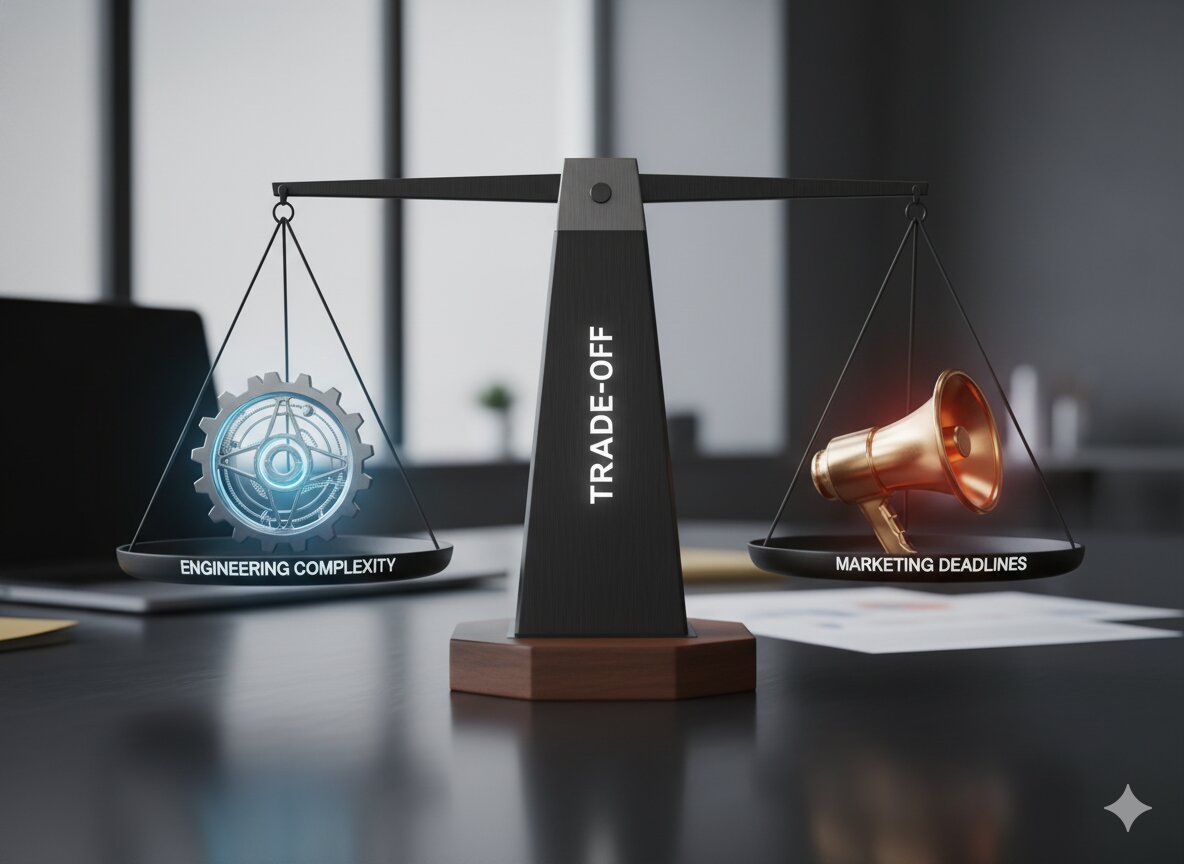
The Interview Trap: The "Microservice Mesh-Hall" Gridlock
The interviewer introduces an architectural bottleneck: "Your company is migrating from a centralized backend to a highly distributed, decoupled microservices architecture with hundreds of downstream services. Currently, client mobile apps are making individual direct HTTP requests to dozens of separate microservices, causing massive network overhead, uncoordinated authentication structures, client-side code bloat, and security vulnerabilities at every public endpoint. Your engineering teams are arguing over who owns authentication, and public endpoints are starting to buckle under sporadic traffic surges. How do you design and execute a centralized API Gateway layer to scale traffic management?"
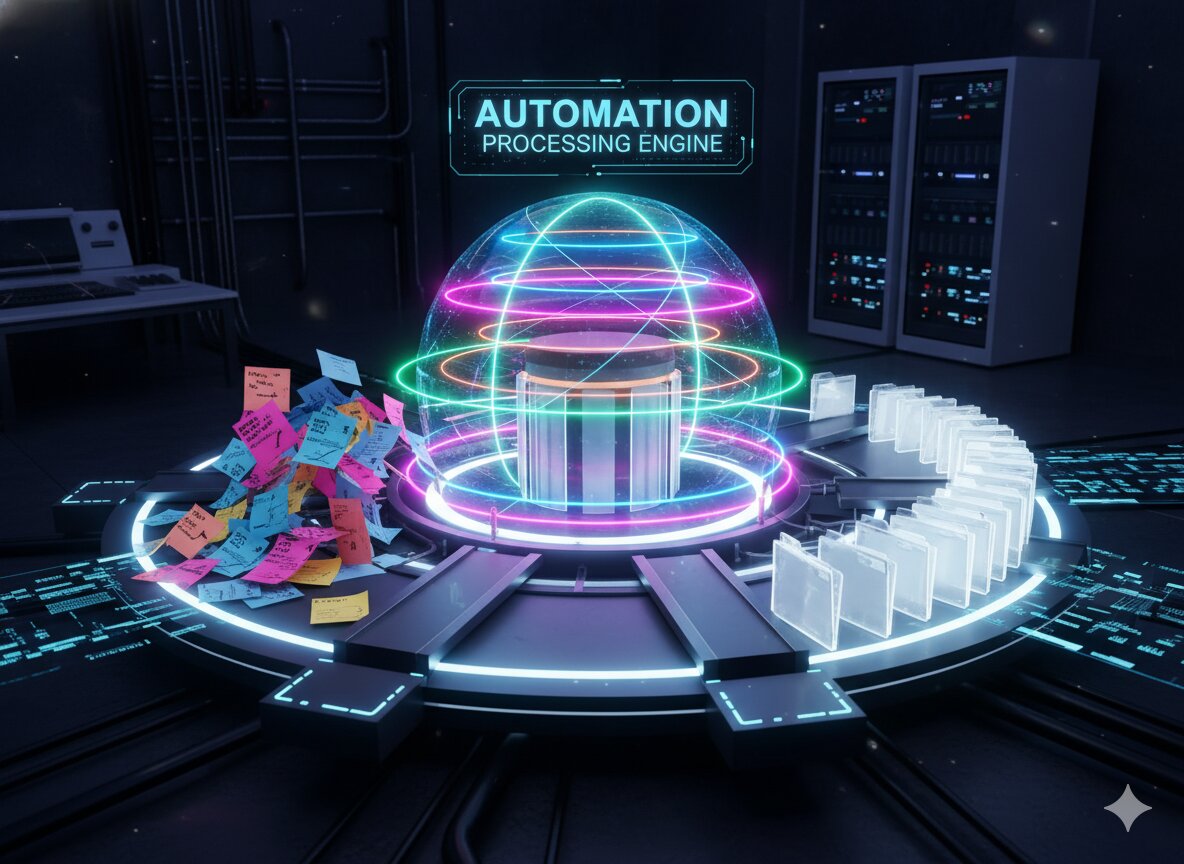
Most candidates fail this technical program round by approaching it as a purely administrative project tracking task: "I would schedule a cross-functional alignment meeting with all service teams, compile a spreadsheet of their exposed API endpoints, select an open-source gateway provider like Kong or Apisix, and set up a multi-month project schedule to point all client traffic to it." Stop. Managing core infrastructure evolution through administrative checklists ignores the deep technical complexities of request proxying, protocol translation, and edge security. In senior platform product management and infrastructure technical program loops at hyperscale tech leaders like Netflix, Stripe, and Cloudflare, panel judges are evaluating your understanding of Reverse Proxying, SSL/TLS Termination, Distributed Rate-Limiting Algorithms, Cross-Cutting Edge Concerns, and Strategic API Schema Versioning.
The Core Framework: The "GATE-KEEPER" Method
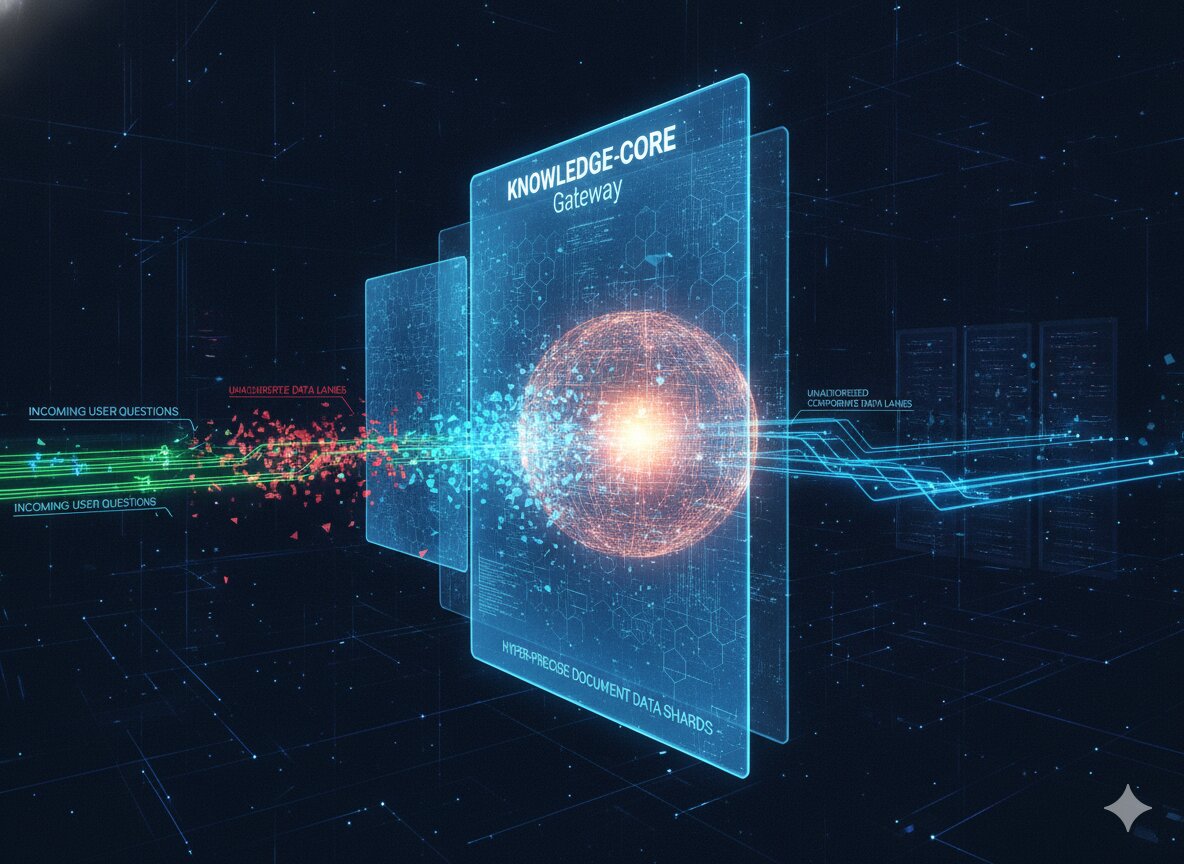
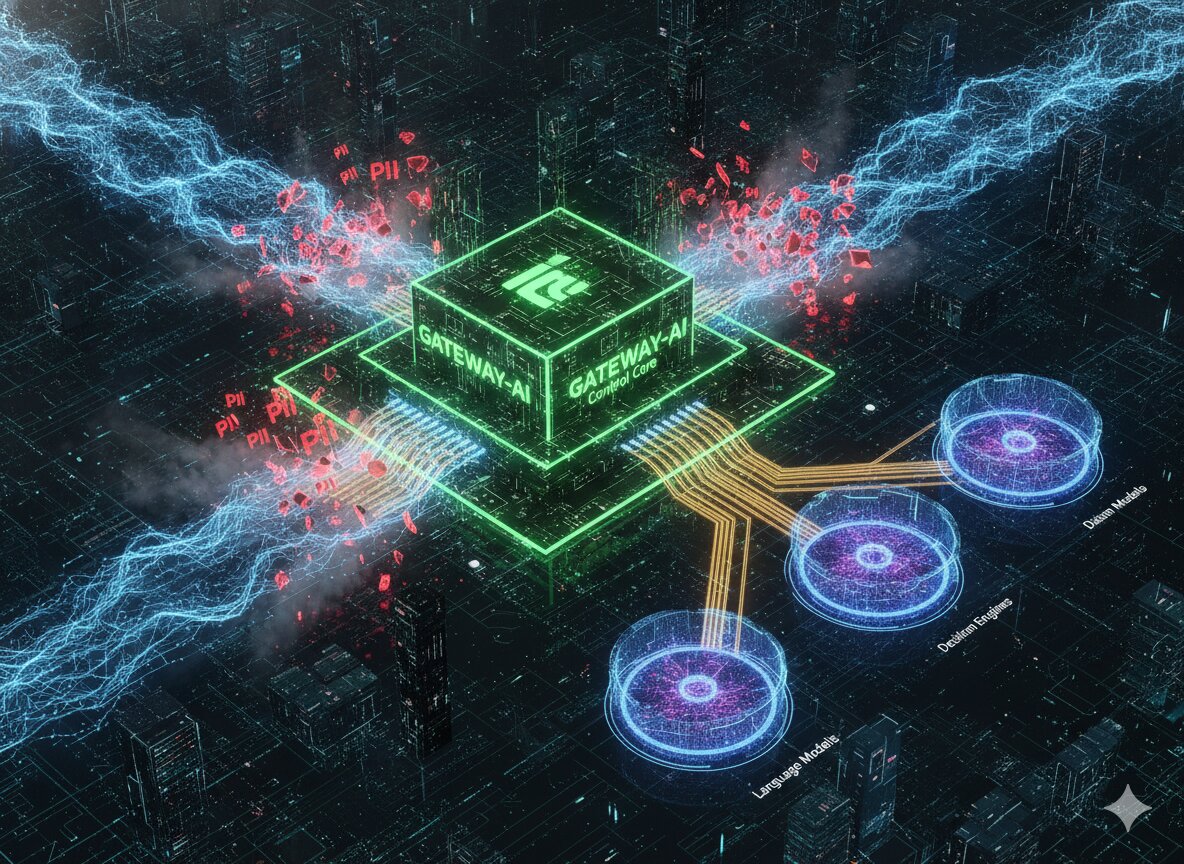
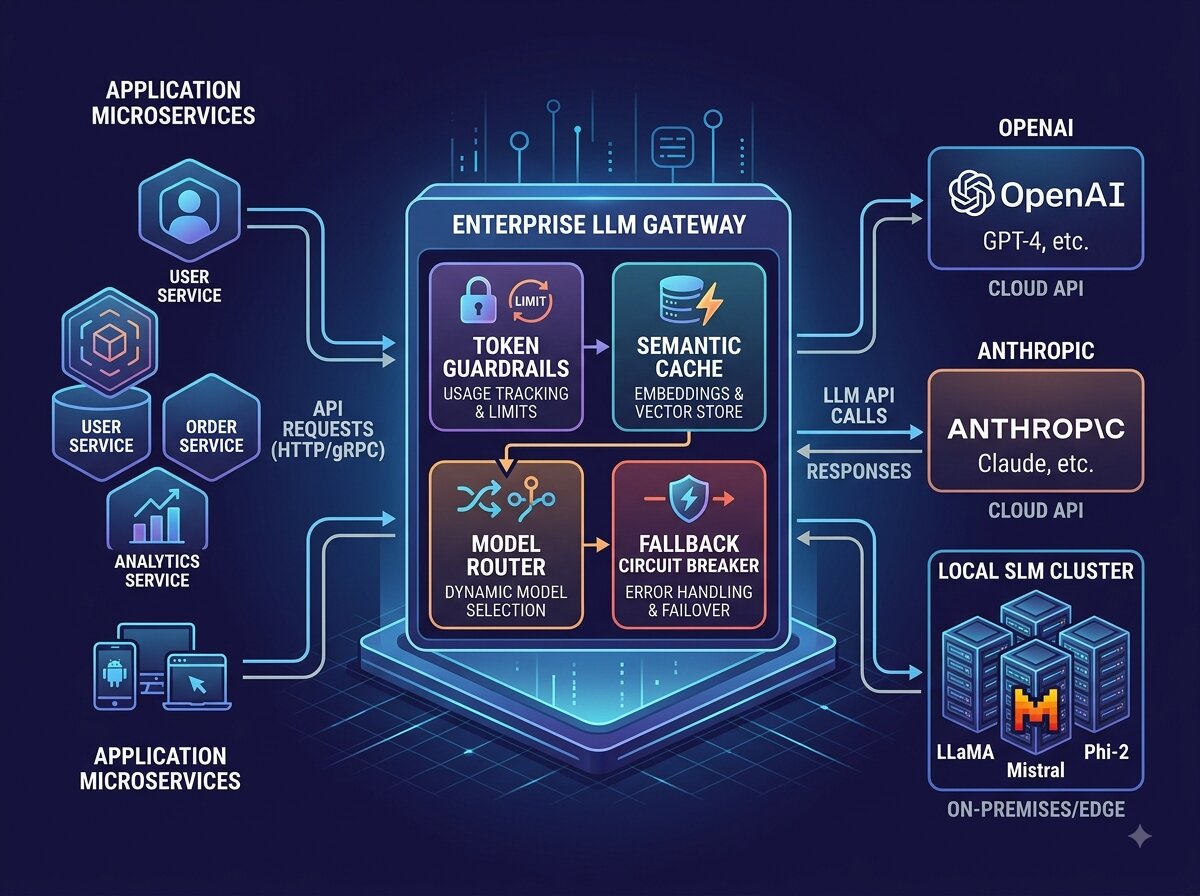
Elite PMs and TPMs treat an API Gateway not just as an entry door, but as an intelligent, high-performance optimization layer that abstracts backend infrastructure complexities away from client devices.
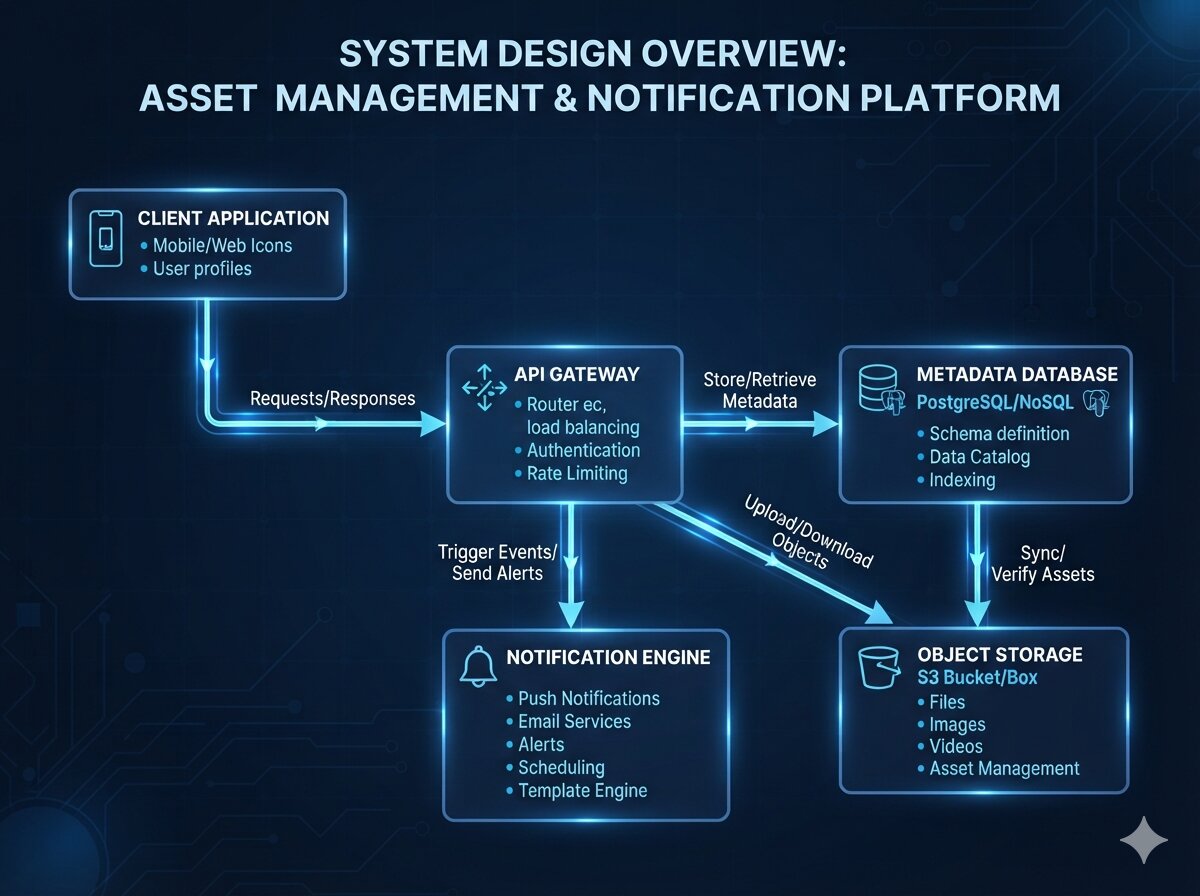
[ Mobile / Web Client Devices ]
               │
               ▼  (HTTPS Request via Single Endpoint)
 ┌──────────────────────────────────────────┐
 │           API GATEWAY LAYER              │
 │                                          │
 │  * SSL / TLS Termination                 │
 │  * Centralized OAuth2 / JWT Auth Checks  │
 │  * Token Bucket Rate Limiting            │
 │  * Request Routing & Protocol Mapping    │
 └─────────────────────┬────────────────────┘
                       │
         ┌─────────────┼─────────────┐
         ▼             ▼             ▼  (Internal Low-Latency gRPC / HTTP Calls)
   ┌───────────┐ ┌───────────┐ ┌───────────┐
   │ Auth Serv │ │ Order Serv│ │ Catalog   │
   │           │ │           │ │ Service   │
   └───────────┘ └───────────┘ └───────────┘
1. G-ateway Reverse Proxy and Routing Layout Architecture
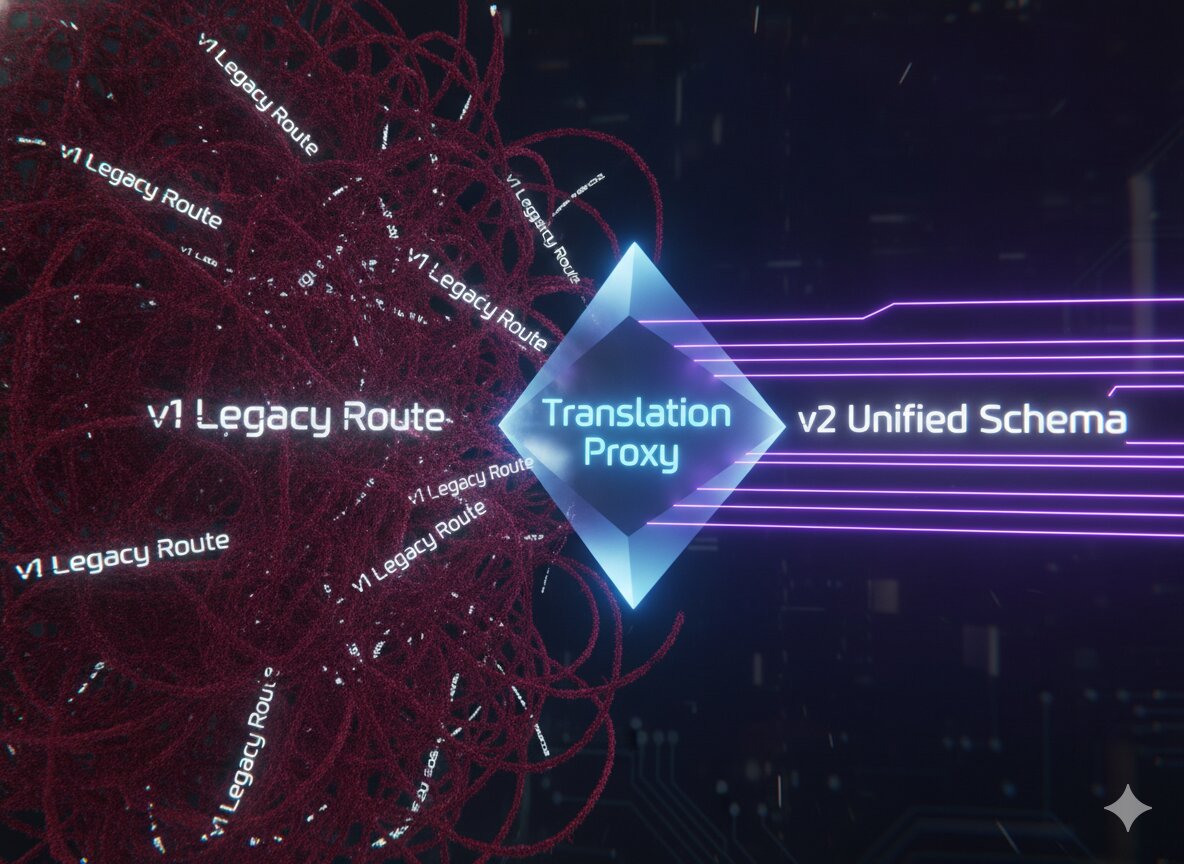
Establish a single, highly available entrance endpoint to act as a reverse proxy, intercepting inbound user traffic and routing it cleanly to internal microservice clusters based on request paths.
- The Strategy: Transition client apps from hitting direct internal network schemes (like
orders.internal.company.com) to query a consolidated edge router path setup (such as[api.company.com/v1/orders](https://api.company.com/v1/orders)). - The Script: "To abstract backend topology away from the client layer, I will implement a reverse proxy layout via the gateway. Client devices will exclusively execute requests to a single public domain. The gateway will parse incoming URI paths and forward payloads downstream over our internal, low-latency virtual private cloud (VPC) network, hiding internal network changes from the public internet."
2. A-uthentication and Token Validation Edge Offloading
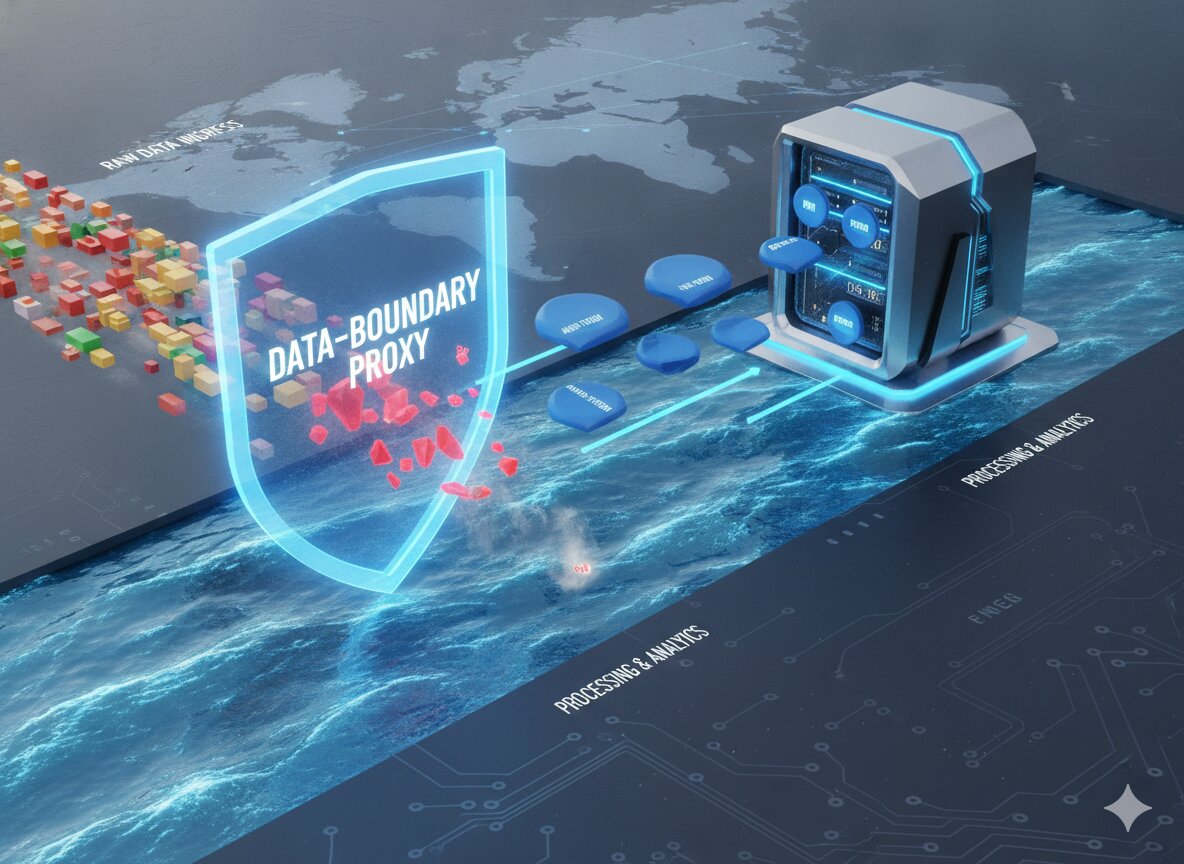
Centralize authorization mechanics at the network perimeter to strip duplicate token-verification logic out of individual microservices.
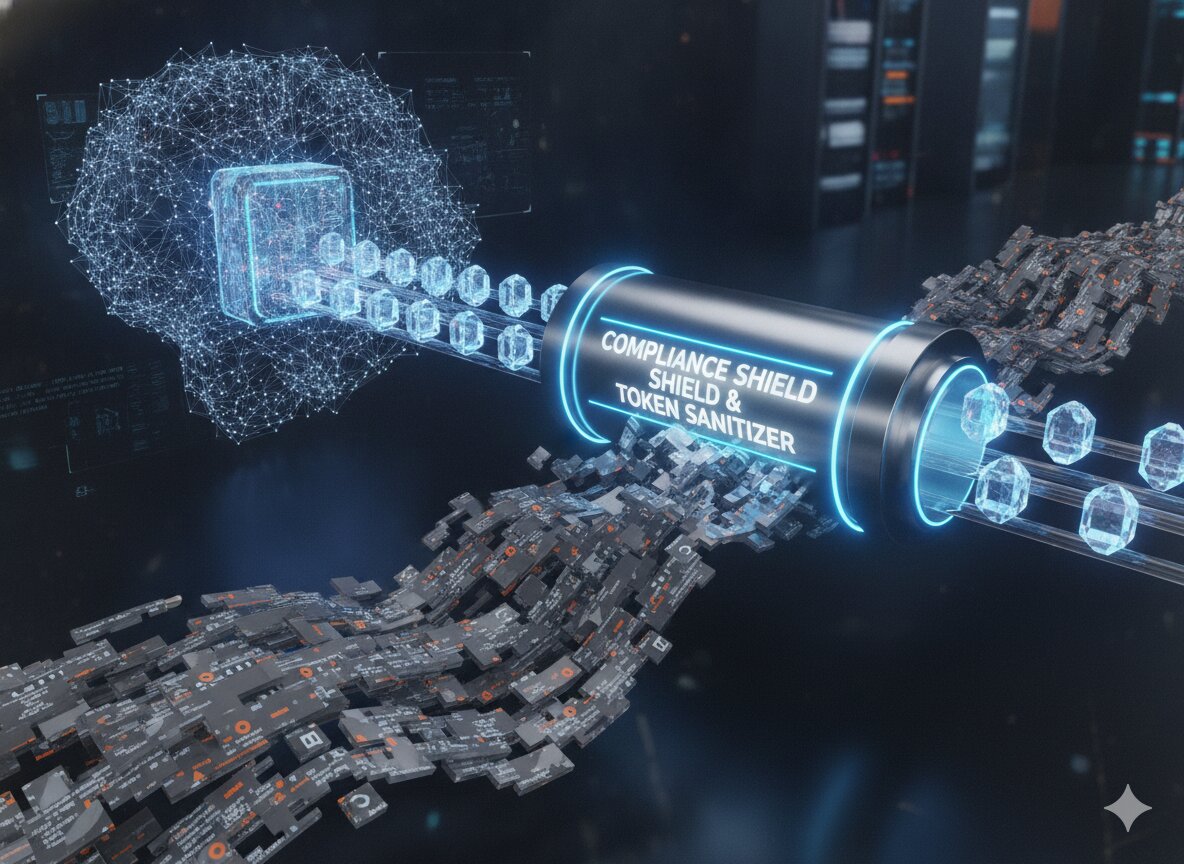
- The Strategy: Handle high-overhead SSL/TLS decryption termination and identity verification (e.g., parsing OAuth2 headers or decrypting JWT tokens) directly at the gateway layer before routing requests.
- The Script: "We will decouple security operations from business logic components. The gateway will handle incoming SSL/TLS terminations and act as our principal security firewall. It will validate incoming JSON Web Tokens (JWTs) against our identity cache, append verified user profile scopes directly into request context headers, and instantly block unauthorized traffic at the edge before it burns downstream compute capacity."
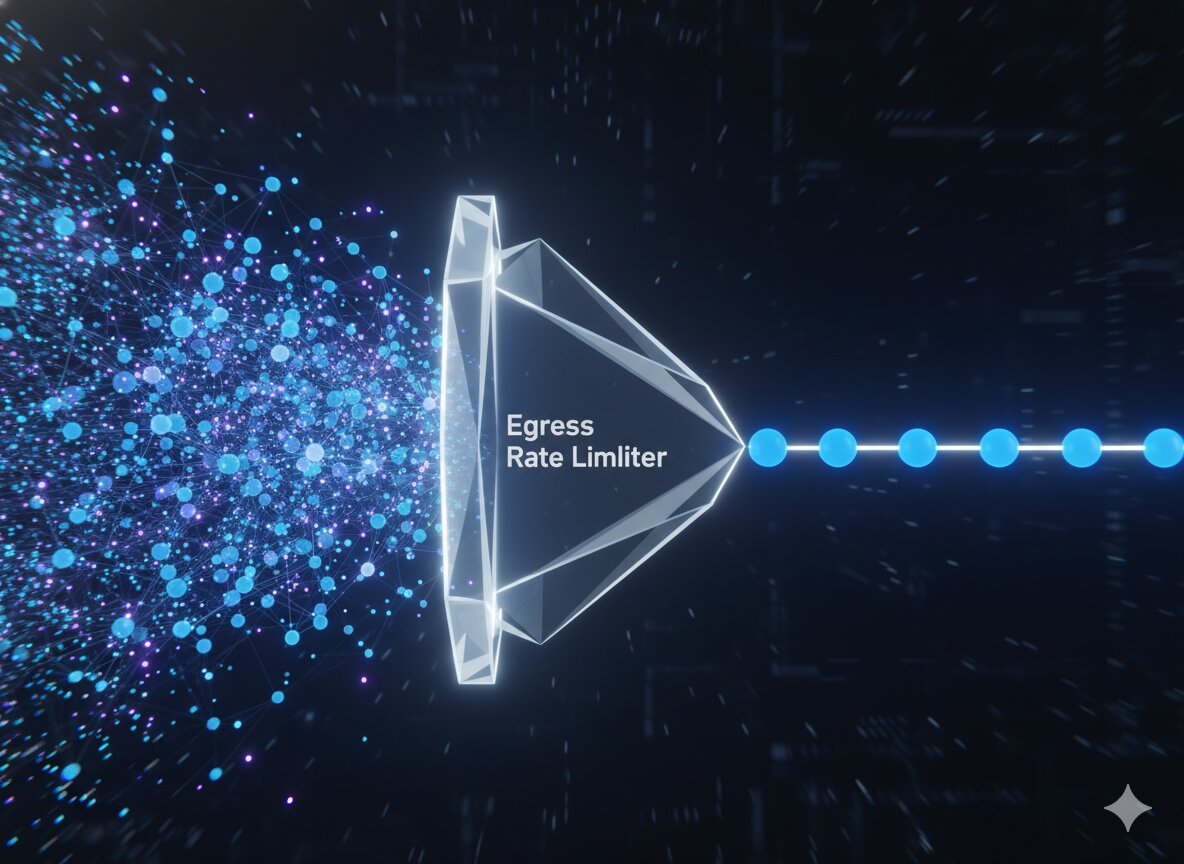
3. T-raffic Shaping and Token-Bucket Rate Limiting
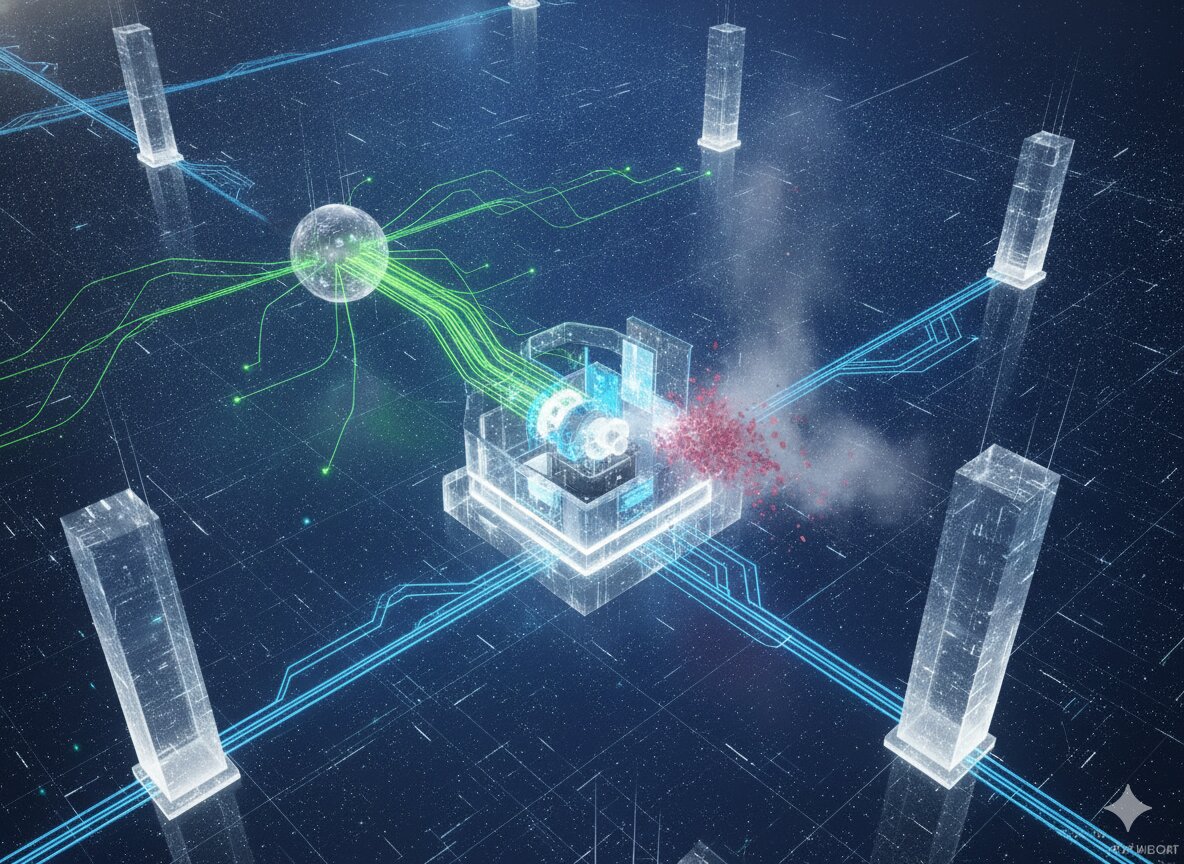
Deploy distributed traffic control engines to defend downstream internal systems from starvation attacks, flash crowds, and runaway scraper bots.
- The Strategy: Configure robust, tier-based rate limiting rules utilizing high-performance data patterns (such as Redis-backed Token-Bucket or Leaky-Bucket algorithms) tied to explicit user API keys.
- The Script: "To preserve platform availability, I will establish centralized traffic shaping guardrails. Using an asynchronous Redis-backed Token-Bucket algorithm running inside the gateway layer, we will enforce multi-tier protection rules: standard guest clients are throttled at 60 requests per minute, while premium enterprise keys scale to 5,000 requests per minute, returning uniform HTTP 429 Too Many Requests status codes when limits are breached."
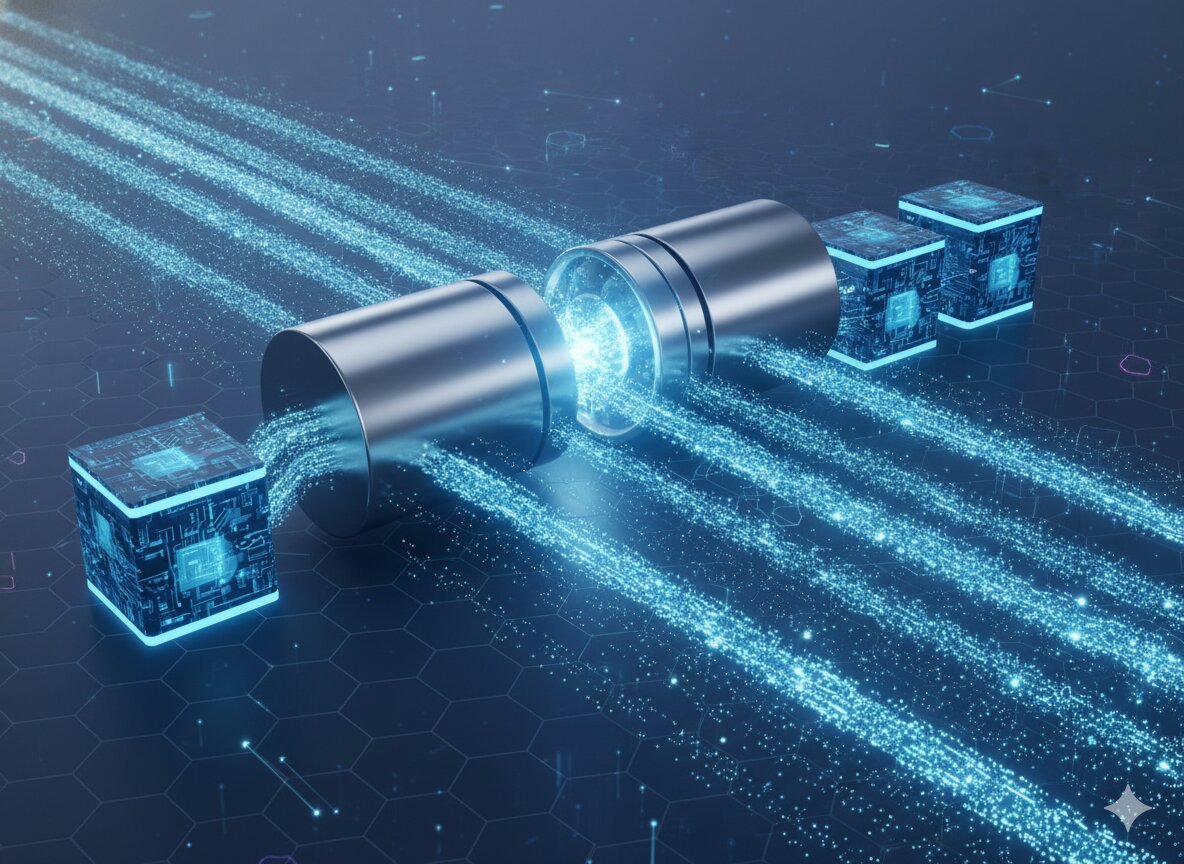
4. E-ndpoint Schema Aggregation and Protocol Translation
Bridge communication gaps between modern frontends and legacy backends by mapping public transport layers to highly optimized internal data engines.
- The Strategy: Configure the gateway to act as an abstraction translation proxy, transforming public JSON/HTTP REST payloads instantly into optimized internal network formats like gRPC or Apache Avro.
- The Script: "We can optimize system performance by utilizing the gateway as a protocol translation layer. External mobile applications can query a standard, web-friendly JSON REST endpoint over the public internet, and the gateway will programmatically transform that payload into high-performance, low-latency gRPC protocol buffer calls to communicate with our core internal services, slashing edge-to-edge payload serialization overhead."
The Comparison: Bad vs. Good
Bad Answer (Administrative Execution)Good Answer (GATE-KEEPER Framework)"I would create a shared project dashboard, ask every microservice engineer to list their endpoint schemas, pick a popular gateway server, and tell teams to update their apps over the quarter.""I will implement a high-performance reverse proxy layout that handles SSL termination, executes centralized JWT authentication offloading, and deploys Redis-backed Token-Bucket rate limiting at the edge.""If a service gets too much traffic, I will ask that specific engineering team to add a rate-limiting plugin inside their own application code block.""I will standardize edge traffic control rules directly at the gateway perimeter to intercept bad traffic patterns before they hit downstream services."Treats infrastructure upgrades as a surface scheduling and tracking task.Controls edge network topologies, security offloading, and performance optimization rules.
The Pitch: Command the Infrastructure Core
Navigating complex distributed system migrations requires a deep grasp of cloud networking, security primitives, and high-throughput data routing. If you treat architectural execution like a surface-level tracking exercise in cross-functional loops, senior interview panels will pass on your profile.
Our platform execution libraries give you the exact technical foundations, architecture matrices, and systems design vocabularies required to break through complex backend engineering rounds.
👉 Master platform technical execution and software scaling: PM Prep Guide
👉 Master deep distributed infrastructure and core system delivery: TPM Prep Kit
FAQs
Q1: Doesn't centralizing all traffic through an API Gateway create a single point of failure (SPOF)?
A: Yes, if designed naively. To eliminate this vulnerability, the gateway layer must be architected as a stateless, horizontally autoscaling cluster deployed behind an Anycast network or an Elastic Load Balancer (ELB) distributed across multiple cloud Availability Zones. If an individual gateway instance drops, automated health probes instantly steer traffic away to healthy nodes without platform disruption.
Q2: Should the API Gateway contain core business logic rules?
A: Absolutely not. The gateway should remain strictly restricted to cross-cutting edge concerns—such as routing, authorization validation, rate limiting, and log collection. Embedding product business logic into the gateway layer tightly couples separate domains, creating an unmaintainable distributed monolith and defeating the entire purpose of microservices.
Q3: How do we handle analytics and system monitoring at this edge layer?
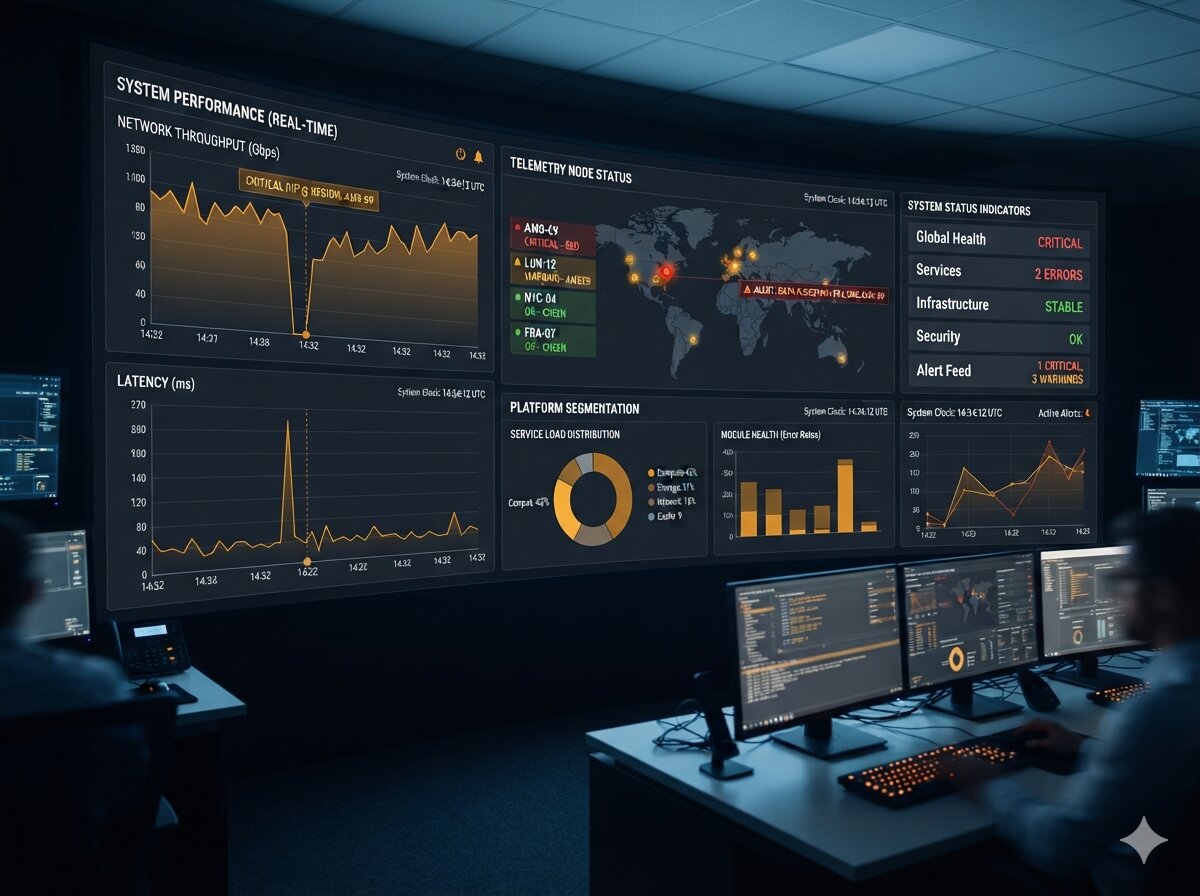
A: The gateway serves as your primary collection engine for edge observability. By configuring the proxy nodes to emit uniform distributed tracing spans (using standards like OpenTelemetry) and stream request access logs into centralized log platforms (like Datadog or an ELK stack), you gain instant visibility into global system errors, p99 latency deltas, and anomalous traffic spikes.
















.jpg)