Introduction
It is 4:45 PM on a Friday. You are managing a multi-service migration across six engineering pods, and your VP of Engineering suddenly messages: "I need an executive status summary, a breakdown of critical architectural risks, and an updated dependency chart for the board deck by 5:00 PM."
In the past, this meant canceling evening plans, frantically sifting through dozens of Jira boards, digging through scattered Slack threads, and manually copying updates into a slide deck.
Stop doing manual busywork. The biggest mistake modern Technical Program Managers (TPMs) make is using AI purely as a glorified search engine or drafting tool. High-performing TPMs use AI as an autonomous operational force multiplier—automating RAID log updates, parsing complex architecture docs, and converting chaotic cross-functional communications into structured, executive-ready deliverables.
To transform your productivity and lead programs at scale, you need the SYNAPSE Framework.
The Core Framework: The SYNAPSE AI Productivity Method
                   [ Chaotic Program Inputs ]
          (Jira, Slack, Confluence, Architecture Docs)
                               │
                               ▼
        ┌───────────────────────────────────────────┐
        │     S-YNTHESIZE MULTI-CHANNEL DATA        │
        │  * Ingest unstructured threads & status   │
        └─────────────────────┬─────────────────────┘
                              │
                              ▼
        ┌───────────────────────────────────────────┐
        │     Y-IELD RISK & DEPENDENCY ANALYSIS    │
        │  * Extract architectural bottlenecks      │
        └─────────────────────┬─────────────────────┘
                              │
                              ▼
        ┌───────────────────────────────────────────┐
        │     N-AVIGATE TECHNICAL DOCUMENTATION     │
        │  * Auto-generate PRDs, RFCs & Specs       │
        └─────────────────────┬─────────────────────┘
                              │
                              ▼
        ┌───────────────────────────────────────────┐
        │     A-UTOMATE ROUTINE ARTIFACTS           │
        │  * Run automated daily standup summaries  │
        └─────────────────────┬─────────────────────┘
                              │
                              ▼
        ┌───────────────────────────────────────────┐
        │     P-REDICT TIMELINE & CAPACITY DRIFT    │
        │  * Flag velocity drops & scope creep      │
        └─────────────────────┬─────────────────────┘
                              │
                              ▼
        ┌───────────────────────────────────────────┐
        │     S-TANDARDIZE CROSS-TEAM COMMS         │
        │  * Tailor reports for Execs vs Engineers  │
        └─────────────────────┬─────────────────────┘
                              │
                              ▼
        ┌───────────────────────────────────────────┐
        │     E-LEVATE TPM STRATEGIC LEADERSHIP     │
        │  * Shift 70% time to high-value influence │
        └─────────────────────┬─────────────────────┘
                              │
                              ▼
                [ High-Impact AI-Assisted TPM ]
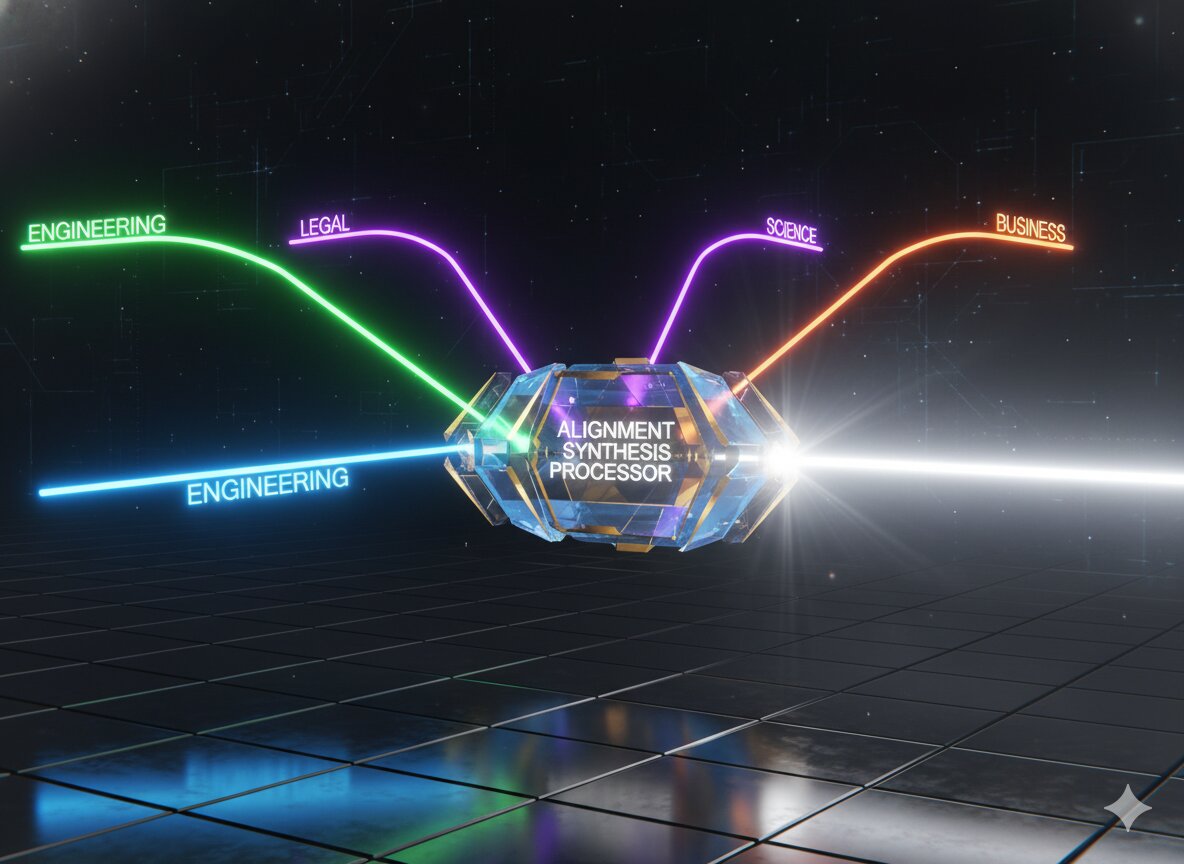
Step 1: Synthesize Multi-Channel Data
Stop manually reading every Slack message across 20 channels. Ingest unstructured status updates, meeting transcripts, and thread dumps into AI models to synthesize program state instantly.
- Tool Stack: Claude / ChatGPT (with custom instructions), Rewind / Otter.ai.
- Bad Approach: "Can you summarize this meeting transcript for me?"
- Good Approach (Prompt Soundbite):
"You are a Principal TPM leading a tier-1 distributed infrastructure migration. Read the attached 45-minute transcript and extract: 1) Blockers, 2) Hard dependencies, 3) Unassigned action items with target dates. Format into a bulleted RAID log table."
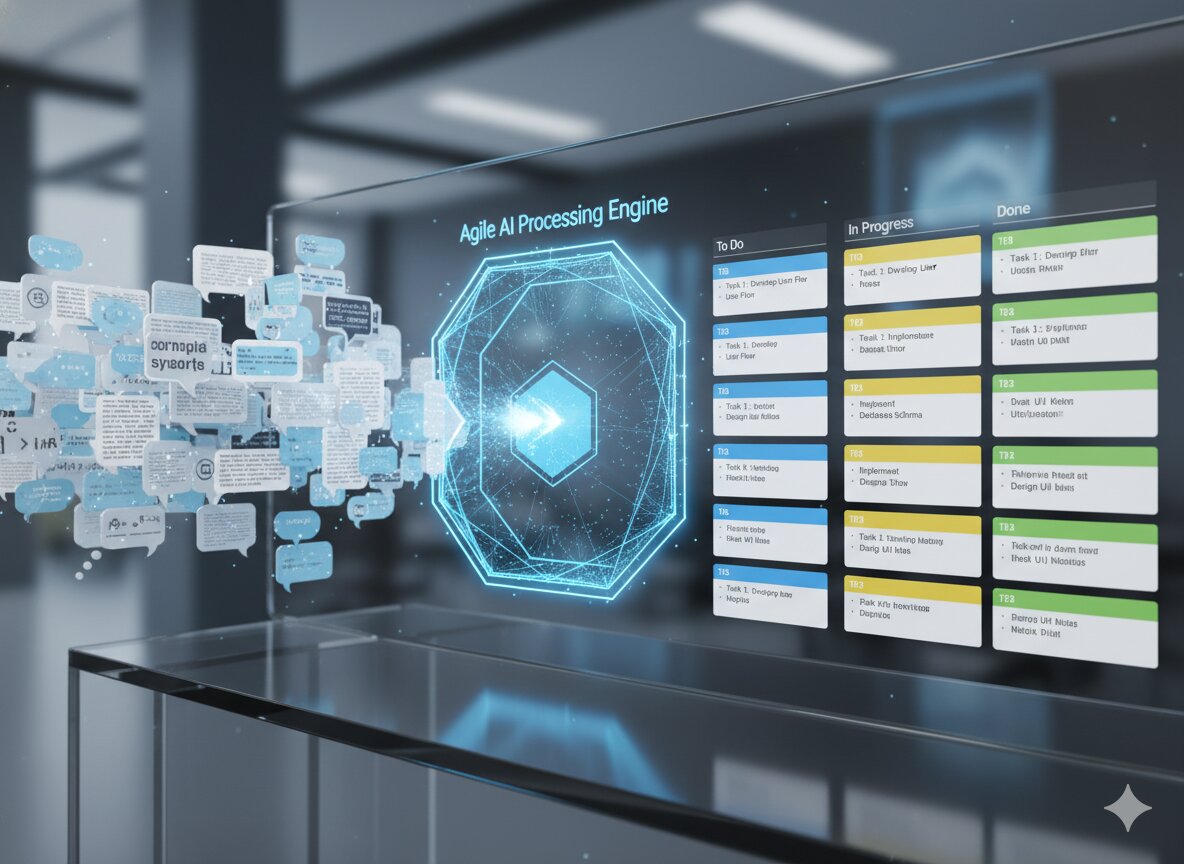
Step 2: Yield Risk & Dependency Analysis
Use AI to scan your Jira backlogs or Confluence specs to spot hidden architectural dependencies and risk factors before they cause a production outage.
- Tool Stack: Jira AI, Perplexity Enterprise, Custom Python / LLM Scripts.
- Prompt Soundbite:
"Analyze the attached epic description and technical design doc. Identify potential cross-team integration risks between the billing microservice and the regional auth gateway that have not been explicitly assigned an owner."
Step 3: Navigate & Draft Technical Documentation
Creating RFCs, System Architecture Docs, and Program Charters manually takes hours. Leverage LLMs to produce structured drafts that you then refine with technical judgment.
- Tool Stack: Claude, Notion AI, GitHub Copilot (for reviewing PR specs).
- Prompt Soundbite:
"Draft a Technical Program Charter for an enterprise LLM fine-tuning pipeline migration. Include sections for Executive Summary, Key Success Metrics (Latency <50ms, Cost reduction by 20%), Technical Scope, and Phase 1-3 Milestones."
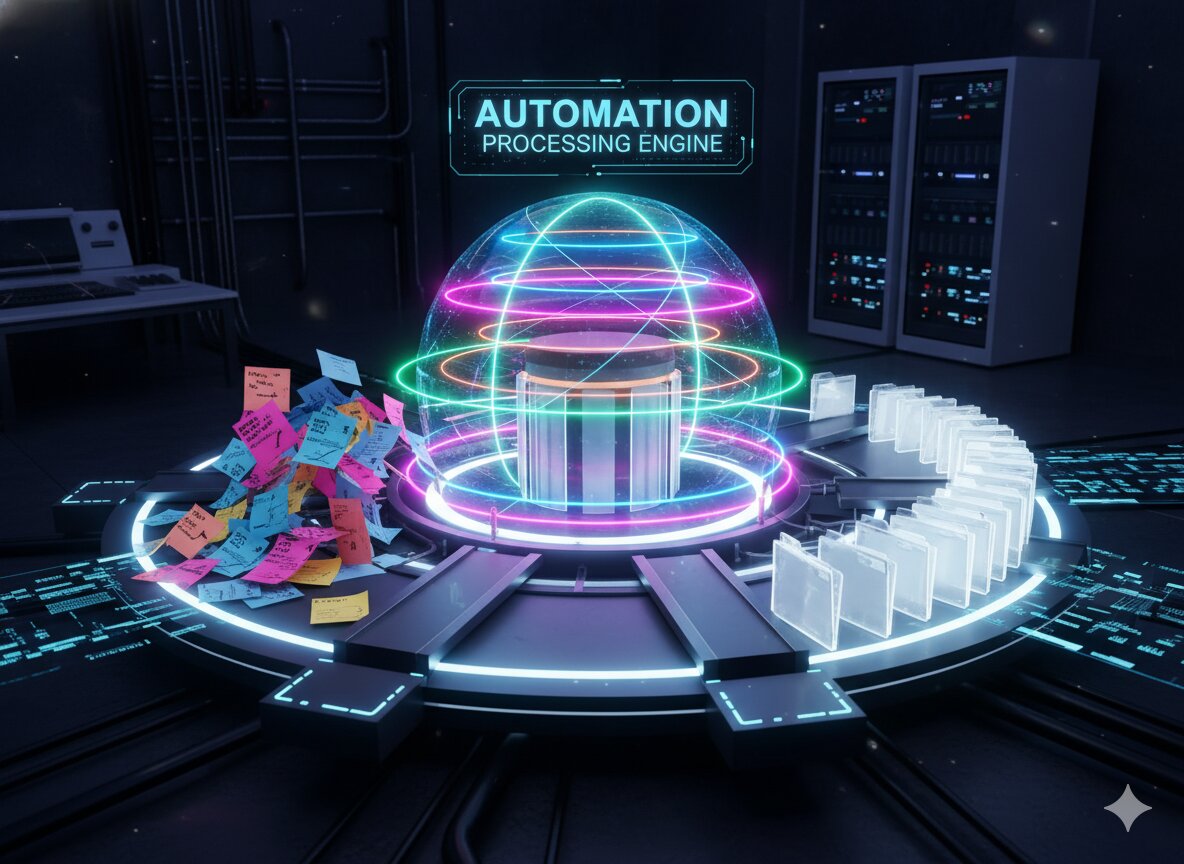
Step 4: Automate Routine Artifacts
Eliminate the 5-10 hours spent weekly on status updates, Jira grooming, and daily standup rollups.
- Tool Stack: Zapier + OpenAI API, Slack AI, Automatic Jira Automation Workflows.
- Prompt Soundbite:
"Convert the following 5 engineering daily standup Slack updates into a 3-bullet executive summary tailored for a VP. Focus on milestones achieved, critical blockers, and target resolution dates."
Step 5: Predict Timeline & Capacity Drift
Feed historical velocity metrics, sprint burn-down logs, and PR merge times into LLMs to detect timeline slippage weeks before it happens.
- Tool Stack: ChatGPT Advanced Data Analysis, Enterprise Analytics Assistants.
- Prompt Soundbite:
"Act as an expert TPM. Analyze this CSV export of our last 6 sprint cycles. Identify velocity variance across pods, calculate probability of hitting our October 15 launch date, and list top 3 capacity risks."
Step 6: Standardize & Tailor Communication
Different stakeholders speak different languages. Transform a single set of technical program updates into multi-audience formats seamlessly.
- Prompt Soundbite:
"Take this technical root-cause report regarding a Database Lock timeout and create two variations: 1) A deep technical update for the Principal Engineering team, 2) A non-technical, impact-focused summary for the Product and Marketing leads."
Step 7: Elevate TPM Strategic Leadership
By shifting tactical artifact creation to AI, you reclaim 10-15 hours per week to focus on high-leverage strategic activities: building cross-functional influence, resolving deep architectural deadlocks, and driving business impact.
Ace Your Next Technical & AI Loop with Kracd
Mastering AI productivity tools proves to hiring committees and executive leaders that you operate with modern efficiency and executive maturity. However, knowing how to use AI tools is only one part of leading high-scale technical programs.
Stop relying on outdated program management playbooks. Master system design, AI architecture loops, and technical program execution with our battle-tested resources:
- Build sharp product strategies, execution frameworks, and analytical models with the PM Prep Guide.
- Master complex system design trade-offs, cross-functional leadership, and AI infrastructure delivery with the TPM Prep Kit.
Frequently Asked Questions (FAQs)
1. Will using AI tools for program management make TPMs obsolete?
No. AI automates task synthesis, documentation drafting, and artifact generation. It cannot manage stakeholder alignment, lead intense cross-functional negotiation, or take accountability for complex system architectures. TPMs who leverage AI will replace TPMs who don't.
2. How do I ensure data security when feeding program documents into AI models?
Always use enterprise-tier AI instances (Enterprise ChatGPT, Claude for Work, internal company wrappers) that explicitly guarantee zero data retention and no model training on company inputs. Never paste proprietary code or customer PII into public consumer LLMs.
3. How do I showcase AI proficiency during a FAANG TPM interview?
Highlight how you integrated AI workflows into your daily execution—mention using LLMs to run rapid gap analyses on technical design docs, automate risk summaries, or build custom dashboards for data pipeline tracking.














.jpg)