Introduction
The database architect shuts the door, looks straight at you, and drops a massive architectural problem: "We are launching a real-time semantic search and recommendation engine for our global e-commerce platform, covering 100 million product items. Our current AI prototype utilizes a standard open-source vector index running on a single monolithic server node. As traffic scales to 20,000 requests per second ($RPS$), query latencies are exploding past 5 seconds, memory usage is hitting 99% due to heavy vector embedding graphs, and our recommendation accuracy is degrading because new product catalog updates take hours to index. How do you re-architect this vector search engine to handle sub-50ms Approximate Nearest Neighbor ($ANN$) queries at scale while supporting real-time catalog mutations?"
Your pulse quickens. This is where average candidates fall into the "Brute-Force Vector" trap.
They suggest un-scalable fixes: "I would just calculate the exact cosine similarity across all 100 million items on the fly," or "I would throw the vectors into a standard relational database and put a basic index on the array column."
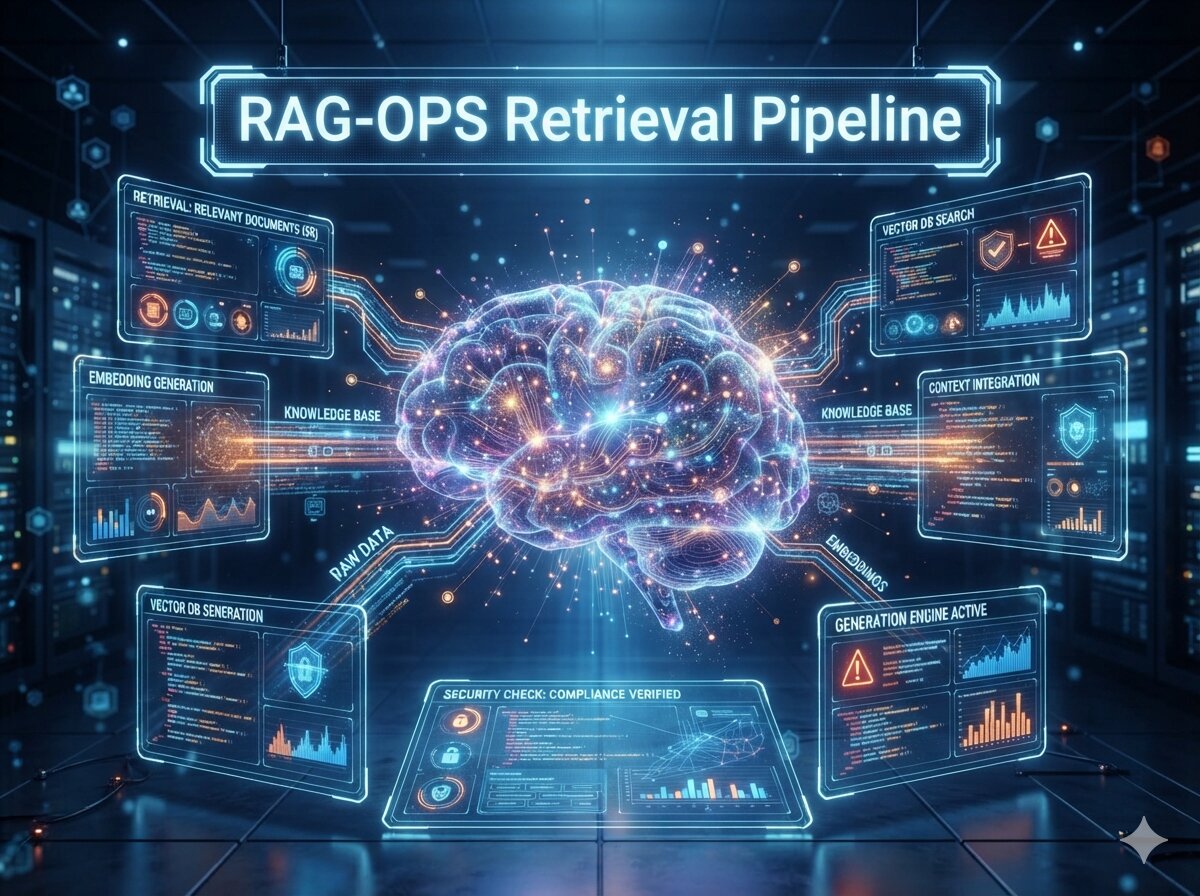
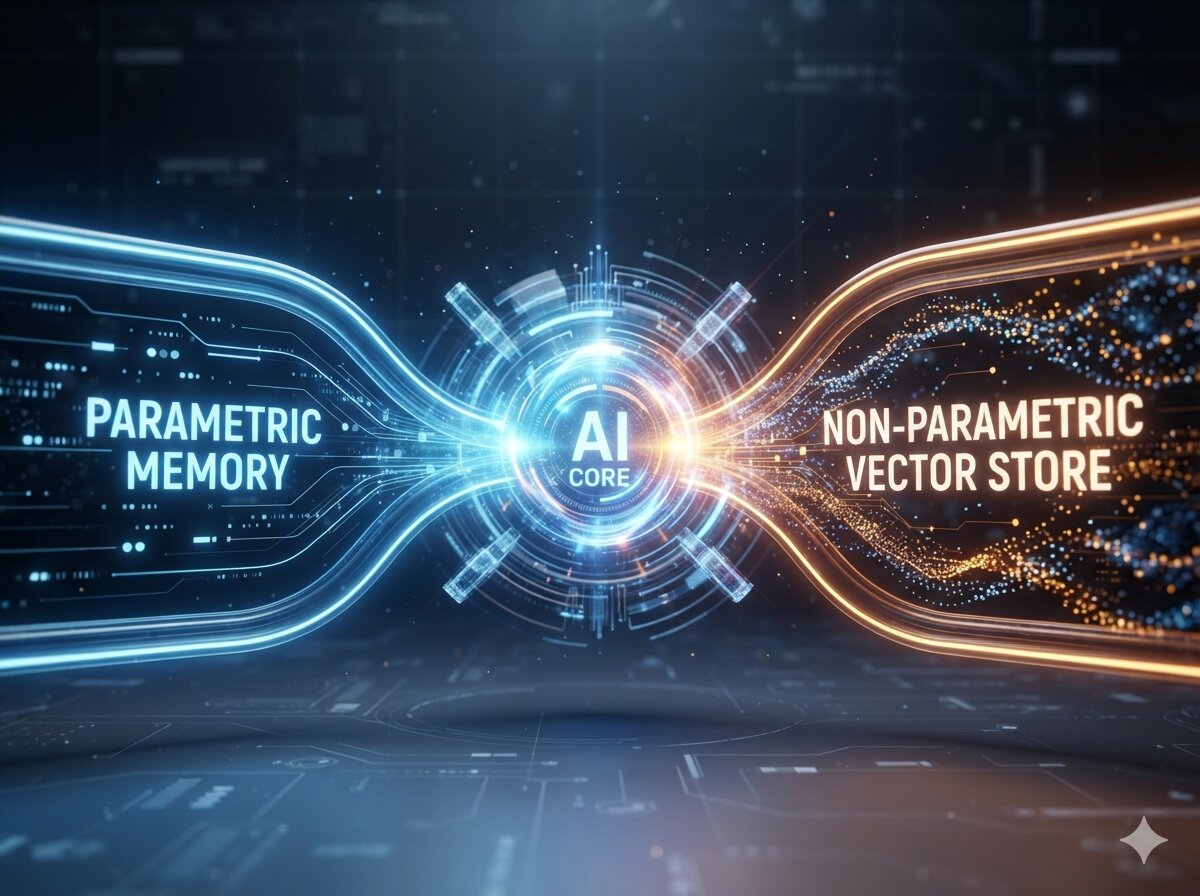
Stop running un-partitioned vector graph lookups. Running raw distance computations or forcing high-dimensional vectors into traditional linear indexes under high-concurrency loads is an architectural mistake that guarantees total CPU and memory exhaustion. In elite FAANG PM and TPM AI/data infrastructure loops, panels are evaluating your mastery of Hierarchical Navigable Small World (HNSW) Graphs, Product Quantization (PQ) Vector Compression, Inverted File (IVF) Sharded Indexing, Asynchronous Real-Time Index Mutation Buffers, and Two-Tier Cache Strategies.
To pass this advanced machine learning infrastructure round, you need a highly optimized, distributed data architecture. You need the VECTOR-SHARD framework.
The Core Framework: The "VECTOR-SHARD" Method
Elite AI platform leaders do not compute raw high-dimensional distances across billions of elements simultaneously. They quantize continuous multi-dimensional embeddings into compact binary formats, shard the search space into discrete spatial clusters, and build non-blocking asynchronous mutation logs to keep data fresh.
                         [ Inbound User Query Vector ]
                                       │
                                       ▼ (20,000+ RPS)
       ┌────────────────────────────────────────────────────────────────┐
       │               V-ECTOR QUANTIZATION & COMPRESSION               │
       │  * Compresses 768-dim floats to short binary codes via PQ      │
       └───────────────────────────────┬────────────────────────────────┘
                                       │
                                       ▼
       ┌────────────────────────────────────────────────────────────────┐
       │               E-XPRESS DISTRIBUTED IVF SHARDING                │
       │  * IVF partitions vector space; query maps to nearest clusters │
       └───────────────────────────────┬────────────────────────────────┘
                                       │
                                       ▼
       ┌────────────────────────────────────────────────────────────────┐
       │               C-ONCURRENT HNSW GRAPH NAVIGATION                │
       │  * Traverses multi-layer proximity graphs with logarithmic scan│
       └───────────────────────────────┬────────────────────────────────┘
                                       │
                                       ▼
       ┌────────────────────────────────────────────────────────────────┐
       │               T-WO-TIER COHORT CACHING & MEMORY                │
       │  * Stores high-frequency query vector lookups in Redis         │
       └───────────────────────────────┬────────────────────────────────┘
                                       │
                                       ▼
                       [ Sub-50ms ANN Search Results ]
1. V-ector Quantization & Product Compression
Never store or evaluate raw, high-dimensional floating-point vector embeddings within your high-velocity production memory layers.
- The Strategy: Apply Product Quantization (PQ) or Scalar Quantization to compress raw embeddings (e.g., converting 768-dimension 32-bit floating-point arrays into compact 8-bit byte codes). This cuts vector memory usage by up to 95% and transforms slow floating-point arithmetic into rapid integer lookups.
- Interview Script: "To scale past memory exhaustion boundaries, our platform will decouple from raw floating-point calculations. We will implement Product Quantization ($PQ$). The compression engine breaks down a 768-dimensional vector into smaller sub-vectors and maps them to a learned codebook. This compresses our data footprint by 16x, allowing the entire 100-million item catalog vector index to sit directly in high-speed RAM, while converting costly floating-point operations into blindingly fast integer distance checks."
2. E-xpress Distributed IVF Sharding
Prevent your search coordinates from evaluating every single record in the catalog by dividing the search field into distinct regional spaces.
- The Strategy: Deploy an Inverted File (IVF) indexing approach to cluster the vector space into thousands of discrete partitions using K-Means clustering. When a query arrives, the search engine only evaluates the vectors inside the closest cluster centroids ($nprobe$), reducing the search space from millions to a tiny fraction.
- Interview Script: "We cannot let a single search query evaluate our entire product database line by line. We will deploy an Inverted File ($IVF$) index layer to divide our 100 million product embeddings into 10,000 distinct spatial clusters. When a user executes a search, the system identifies the top 5 closest cluster centroids. The search engine then restricts its vector scan entirely to the data blocks within those specific buckets, dropping our compute overhead by 99%."
3. C-oncurrent HNSW Graph Navigation
Optimize localized item exploration by establishing multi-layered, ultra-fast proximity connections across your spatial segments.
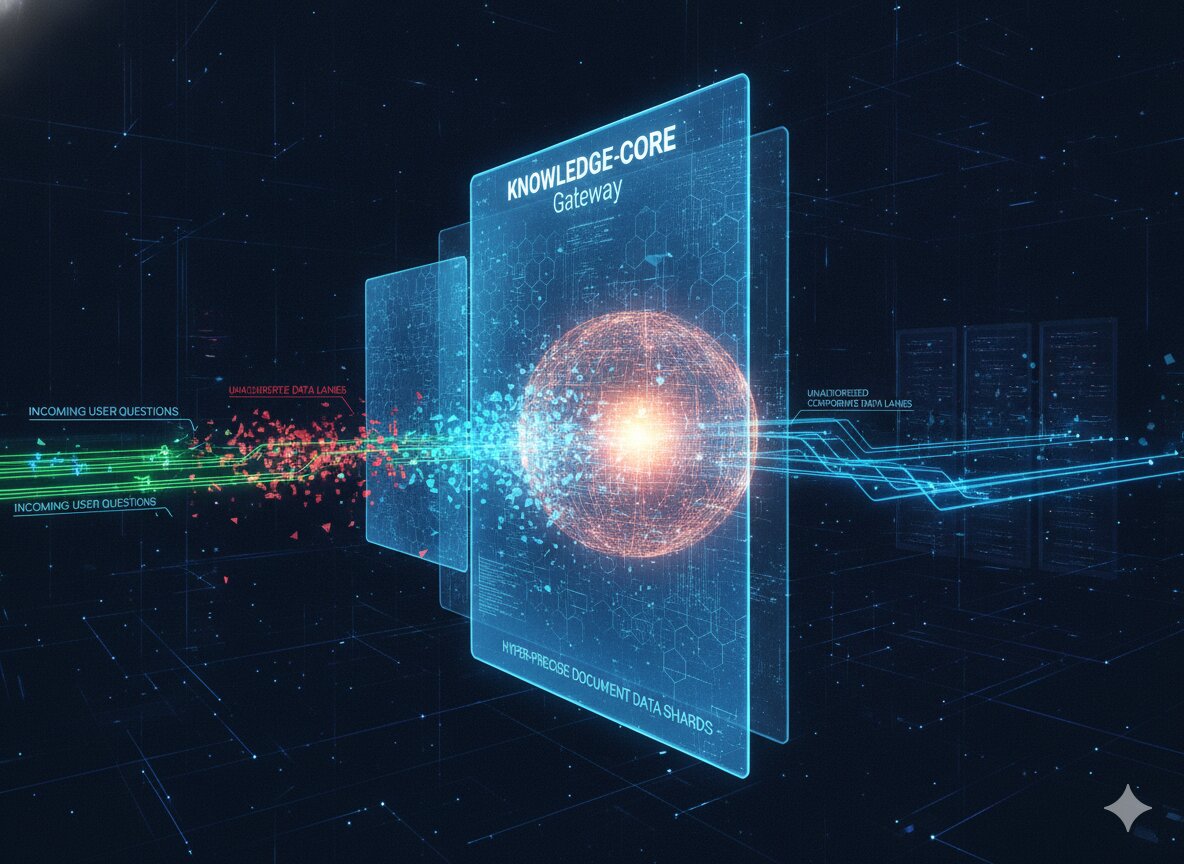
- The Strategy: Build a Hierarchical Navigable Small World (HNSW) graph index within each sharded vector cluster bucket. HNSW constructs a multi-layer network structure where upper layers allow wide skip-list jumps across the spatial field, while lower layers handle fine-grained proximity navigation to resolve lookups with logarithmic time complexity.
- Interview Script: "Within each IVF cluster shard, we will map connections using a Hierarchical Navigable Small World ($HNSW$) graph structure. HNSW acts like an express highway network for multi-dimensional data. The upper graph layers permit wide, cross-catalog jumps to orient the query position rapidly, while the dense lower layers handle localized nearest-neighbor matches. This guarantees that our Approximate Nearest Neighbor ($ANN$) query scales logarithmically rather than linearly."
4. T-wo-Tier Cohort Caching & Memory Lifecycles
Insulate your intensive graph traversal layers from processing identical high-frequency search lookups repeatedly.
- The Strategy: Implement a two-tier caching architecture. Cache frequently accessed semantic raw string query embeddings and their respective results in an elite, high-availability in-memory cache tier (like Redis), while dedicating your cluster node memory exclusively to highly-optimized graph matrices.
- Interview Script: "We will protect our graph traversal compute threads from redundant work by deploying a two-tier caching topology. The hot tier will use an in-memory Redis cluster that caches popular search terms and product recommendation IDs. If a query hits the cache, we return the IDs in under 2 milliseconds, bypassing the vector engine entirely. The vector database memory can then be dedicated solely to hosting active graph index structures."
5. O-perational Mutation Buffering & Asynchronous Re-indexing
Keep your catalog recommendation updates fresh without locking or corrupting your highly sensitive read-heavy graph networks.
- The Strategy: Decouple index updates by using a non-blocking asynchronous architecture. Route live product modifications, price changes, and new catalog additions straight to an append-only transaction message bus (like Apache Kafka). A background worker consumes from this bus, updates a temporary "delta" vector index in memory, and triggers an automated low-traffic background commit to rebuild the main index shards periodically.
- Interview Script: "To support real-time catalog updates without degrading our sub-50ms search times, we will implement an asynchronous mutation buffer. When a product price or stock state alters, the mutation bypasses the primary read graphs and writes directly to an append-only Apache Kafka topic. A background service updates a lightweight in-memory delta index that is queried alongside the main index. Every midnight, a scheduled worker rebuilds the main HNSW shards in a non-blocking background job, eliminating database read-locks entirely."
The Comparison: Bad vs. Good
Bad Answer (Monolithic Brute-Force Lookups)Good Answer (VECTOR-SHARD Architecture)"I will save the item vector arrays in an open-source database, loop through every single row to calculate the exact cosine similarity whenever a user searches, and buy a larger server cluster if the CPU usage spikes to 100%.""I will architect a distributed VECTOR-SHARD framework using Product Quantization compression, Inverted File (IVF) sharding, HNSW graph structures for fast navigation, and asynchronous Kafka mutation buffers.""If our product recommendation engine starts lagging during a heavy sale, we will ask our engineers to temporarily shut off our recommendation updates so that the index tables don't lock up under write operations.""I will isolate real-time catalog writes from read paths using an asynchronous delta-buffer pattern, while protecting our graph traversal compute nodes via a front-line Redis cohort cache layer."
The Pitch/Transition
Building an enterprise-grade vector search engine requires far more than just connecting to an off-the-shelf vector database API—it demands a precise understanding of high-dimensional data distribution, memory-efficient compression, and asynchronous stream decoupling. The VECTOR-SHARD framework is just the beginning.
In high-concurrency FAANG system design loops, interview panels will purposefully stress-test your capacity to manage memory-heavy machine learning infrastructures under severe operational constraints. Don't leave your performance to guesswork.
Arm yourself with the exact production-grade architectural blueprints, real-world failure patterns, and structural systems vocabularies relied on by elite tech leaders globally:
- Secure your product strategy, metric scaling, and business execution loops using the comprehensive PM Prep Guide.
- Dominate your system design, massive traffic mitigation, and edge infrastructure rounds with the tactical TPM Prep Kit.
FAQs
Q: What is the technical difference between Cosine Similarity and Dot Product distance metrics?
A: Cosine Similarity measures the angular difference between two vector pointers regardless of their magnitude or length, making it ideal for text match scoring. Dot Product distance calculates both direction and magnitude, which executes much faster on modern hardware because it avoids heavy division operations, but it requires all input vector arrays to be normalized to a standard length of 1 beforehand.
Q: How do you balance between search accuracy (recall) and search speed in a vector index?
A: You tune the system's operational parameters: $efSearch$ in HNSW and $nprobe$ in IVF. Increasing $nprobe$ forces the search engine to look inside more cluster buckets, which catches more edge items (increasing recall accuracy) but increases the query processing time. Lowering these variables accelerates search response speeds but introduces a minor risk of missing relevant matches.
Q: Why use Product Quantization (PQ) instead of standard floating-point downscaling?
A: Floating-point downscaling (like converting 32-bit floats to 16-bit or 8-bit floats) simply limits individual value accuracy but retains the full scale of your multi-dimensional array. Product Quantization breaks the vector into distinct sub-spaces, projects those sub-spaces onto a compressed centroid matrix, and transforms the long array into a highly efficient index codebook, delivering vastly superior memory reduction.





















.jpg)