The Interview Trap: The "Last-Minute Scrum" or "Passive Vendor-Blame" Pitfall
The interviewer drops a complex external dependency crisis on the table: "Your core map-routing feature relies entirely on a third-party mapping API. The vendor just announced they are permanently sunsetting that version of the API in 60 days. Upgrading to their new version requires a complete rewrite of your location architecture. What is your immediate technical roadmap?" Most candidates tank this by either slipping into reactive crisis mode ("I’d tell the engineering team to drop everything else and rewrite the code immediately") or deflecting the blame ("I’d escalate to legal to force the vendor to give us more time"). Stop. Disruptions from external dependencies are an operational reality. In a FAANG execution round, they are looking for your Vendor Governance, Architectural Abstracting Capabilities, and High-Scale Dependency Mitigation Strategies.
The Core Framework: The "DEPENDENCY-BUFFER" Method
When an external platform anchor vanishes, you do not simply rush to copy-paste new code. You decouple your software layers, insulate your core business flow, and build a multi-vendor strategy to guarantee long-term stability.
1. D-ependency Isolation (The Abstraction Layer)
Stop hardcoding vendor endpoints directly into your primary application logic.
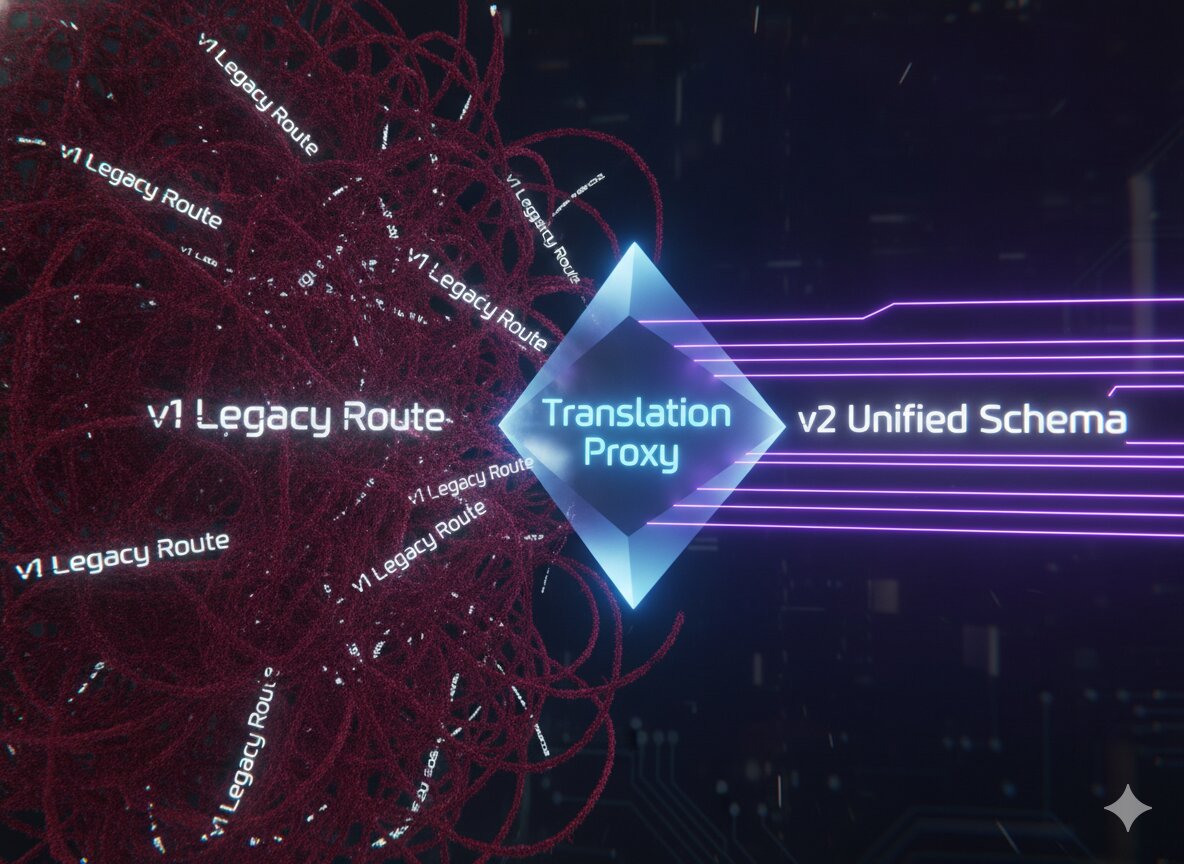
- The Strategy: Introduce an internal wrapper or intermediary API layer to act as an invisible interface between your core product and the vendor.
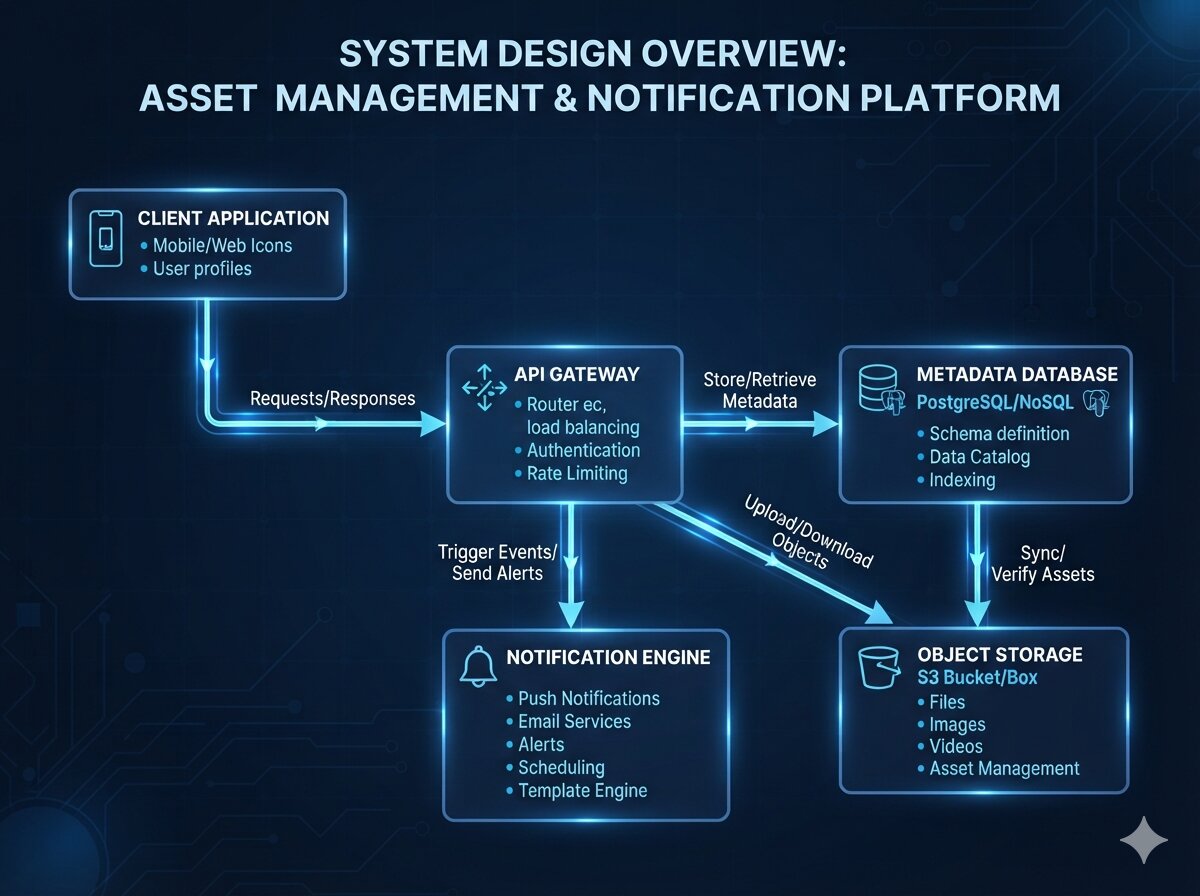
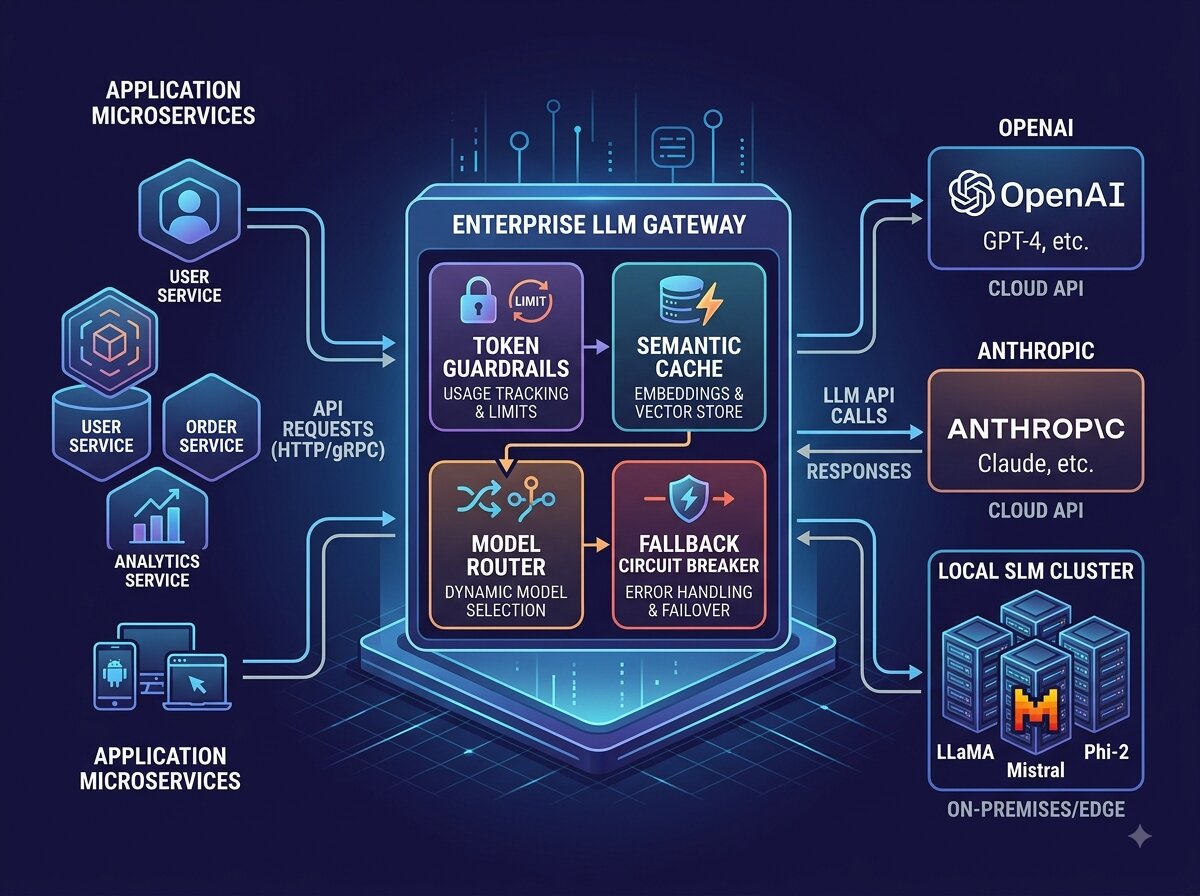
- The Soundbite: "I will immediately instruct architecture to isolate the dependency. We need to introduce an internal 'Abstraction Layer' or wrapper service. Instead of our application interacting directly with the vendor's API endpoints, it will make calls to our internal wrapper, which handles the vendor's unique data transformations. This ensures that any future vendor changes only require updating the wrapper, leaving our core application completely untouched."
2. E-mergency Grace Period Negotiation
Buy your engineering team the necessary time to build a robust solution instead of rushing a sloppy patch.
- The Strategy: Coordinate with corporate business development and account managers to secure a commercial extension.
- The Soundbite: "While engineering sets up the architecture, I’ll partner with our Business Development and Procurement teams. We will approach the vendor to negotiate an enterprise extension or a private legacy support window. Even an extra 30 to 45 days significantly mitigates deployment risk and ensures we don't have to launch a rushed, unvalidated system to production."
3. P-arallel Multi-Vendor Sourcing
Never let a single external company hold your entire product roadmap hostage.
- The Strategy: Evaluate and integrate a secondary backup vendor concurrently to build a resilient multi-vendor architecture.
- The Soundbite: "I will initiate a fast-tracked RFP (Request for Proposal) process to source a secondary vendor—like Mapbox or OpenStreetMap—alongside the primary upgrade path. We must move toward an 'Active-Passive' dual-vendor setup. Relying on a single third-party provider for a business-critical feature is a structural single point of failure."
4. E-valate and Map Schema Differences
Identify structural incompatibilities early before writing data mapping scripts.
- The Strategy: Run a technical delta analysis on payload structures, rate limits, and latency profiles between the old and new platforms.
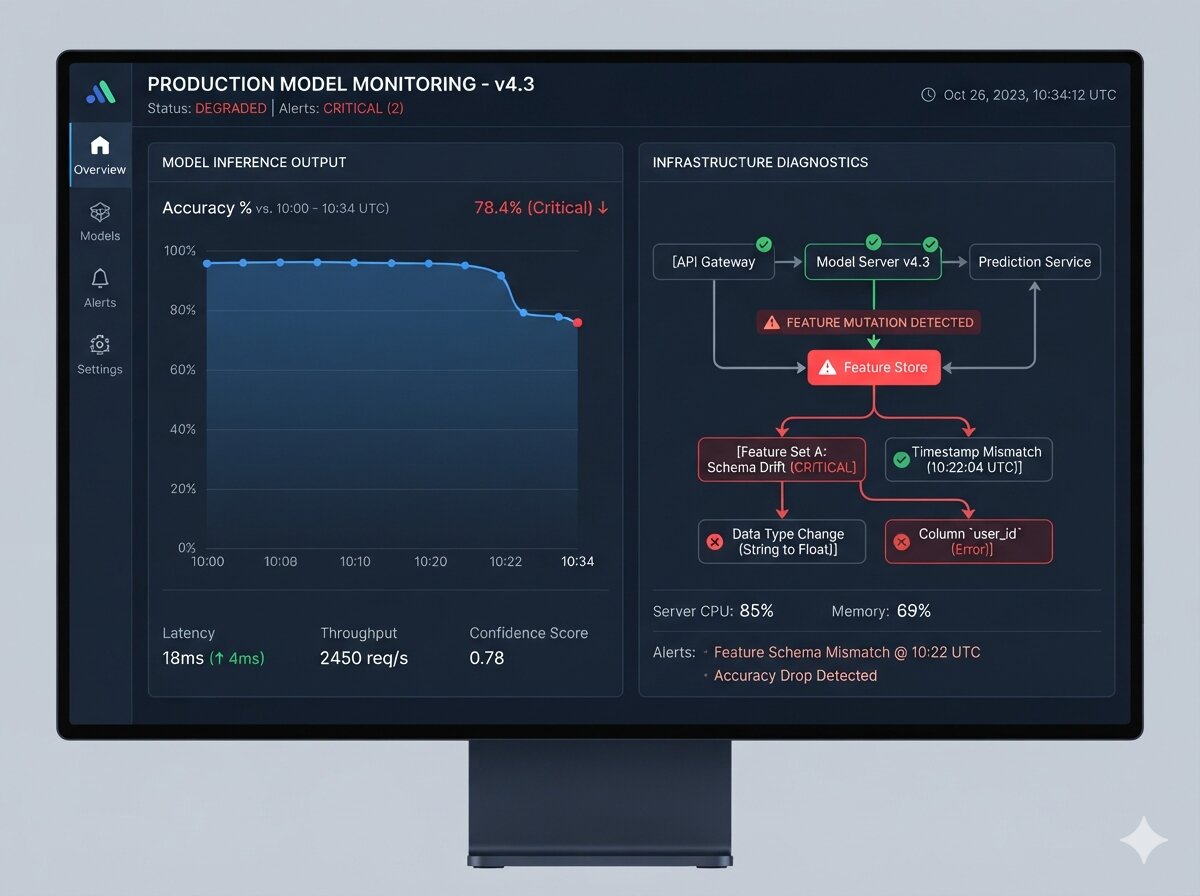
- The Soundbite: "I’ll have a principal engineer perform a deep data schema mapping. We need to analyze the payload delta. Do the coordinate structures, geolocation strings, or response headers match our legacy database formatting? Pinpointing these data payload differences early stops us from breaking downstream data processing services down the line."
5. N-etwork Traffic-Shifting Implementation
Shift live user traffic across vendor pipelines dynamically and safely.
- The Strategy: Use server-side routing flags to slowly dial up traffic to the new integration pipeline.
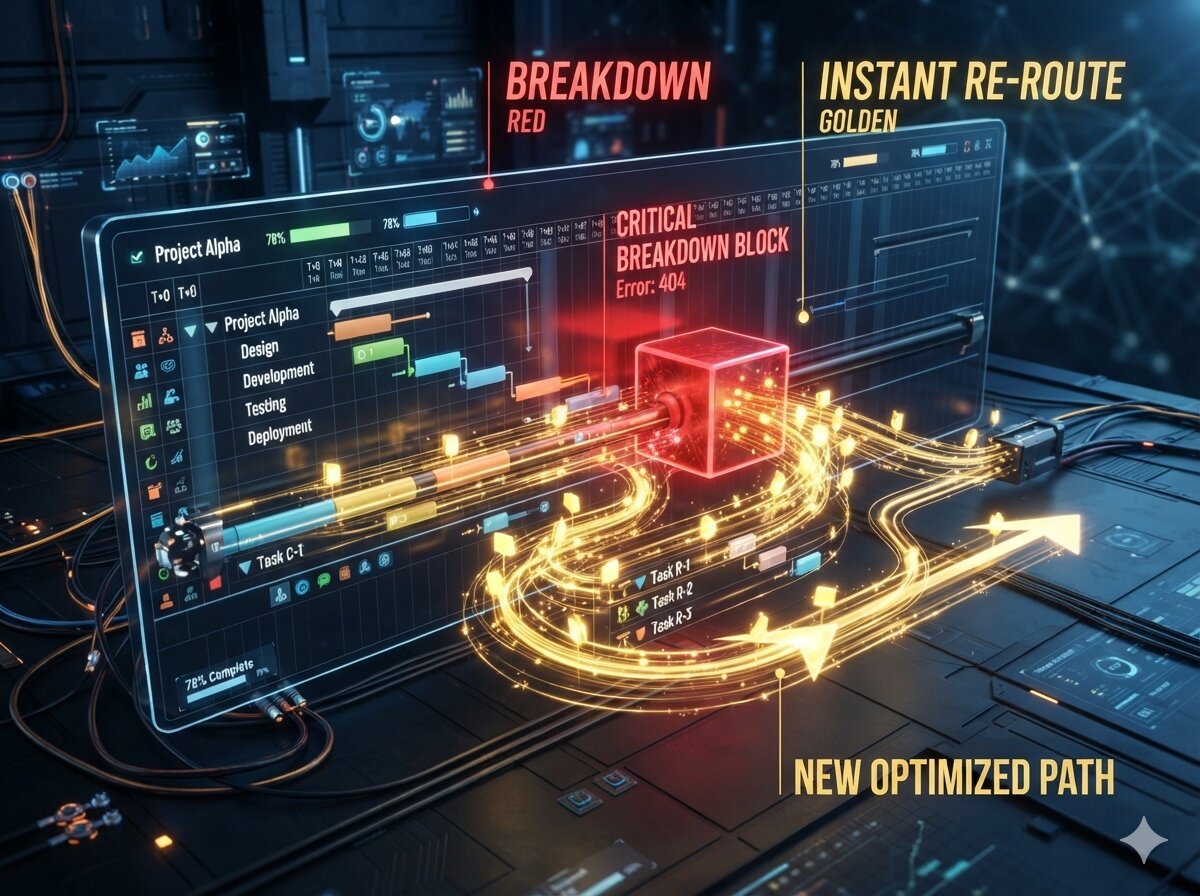
- The Soundbite: "We will deploy the new API integration behind an intelligent routing proxy. We won't cut over all our traffic at once. We’ll route 1% of live geo-routing requests to the new vendor endpoint, monitor performance indicators like latency and success rates, and gradually scale it up to 100% over a multi-stage rollout plan."
6. D-ata Failure Shadow-Testing
Validate vendor resilience under production conditions using synthetic or copied data.
- The Strategy: Shadow live user requests to the new endpoint in the background to monitor response variations without exposing users to risk.
- The Soundbite: "Before moving any live user traffic, we will use 'Traffic Shadowing.' When a user requests a route, the stable legacy system handles the request, but we asynchronously fork a copy of that exact payload to the new vendor pipeline in the background. This lets us verify real-world error rates and performance metrics without risking the customer experience."
The Comparison: Bad vs. Good
- Bad Answer: "I would pause all our current sprints, tell the developers to quickly swap out the old vendor API keys for the new version's keys in the code, and spend the next two months manually fixing whatever breaks during testing." (Highly reactive, brittle design, causes massive roadmap disruptions).
- Good Answer: "I will protect our product ecosystem by building an internal abstraction layer to isolate the vendor dependency, negotiating an enterprise grace extension, and executing an active-passive multi-vendor deployment strategy using traffic shadowing." (Architecturally mature, risk-managed, highly strategic).
Master the Technical Program Management Rounds
Managing volatile external technical dependencies requires a sharp mix of system architecture intuition and disciplined vendor governance. Proving that you can insulate your internal engineering teams from third-party disruptions demonstrates premium, high-leverage technical leadership. The DEPENDENCY-BUFFER protocol shows interview panels you design your technical programs to be robust, adaptable, and business-resilient.
The Kracd Prep Kits give you complete architectural blueprints covering system abstraction patterns, third-party SLA management, and dynamic traffic routing setups.
- For PMs: Protect your core product metrics and roadmap integrity against external platform drops with the PM Prep Guide.
- For TPMs: Master complex vendor API overhauls, high-availability microservice design, and multi-cloud infrastructure dependencies with the TPM Prep Kit.
FAQs
Q: What if the new vendor's API is significantly more expensive than the legacy one?A: This is where you leverage your multi-vendor options matrix. Present the business case to leadership: "Vendor A's upgrade increases our operational expenditure by 25%. However, our architectural abstraction layer allows us to seamlessly swap to Vendor B, which matches our budget goals. I recommend moving 80% of baseline traffic to Vendor B while retaining Vendor A as a premium fallback option."
Q: How do you handle a scenario where the third-party vendor breaches their uptime SLA during migration?A: Activate automated failover mechanisms. Your internal abstraction layer must monitor real-world vendor performance. If the primary vendor's error rates exceed your preset threshold, an automated fallback loop immediately routes traffic to your secondary vendor pipeline without manual developer intervention.
Q: Should we communicate this deep backend migration to our end customers?A: No, keep it entirely invisible. If your abstraction layer and data validation checks are designed correctly, the user experience will remain completely identical. Backend infrastructure migrations should only be communicated externally if they explicitly change data privacy terms or consumer pricing tiers.



















.jpg)