Introduction
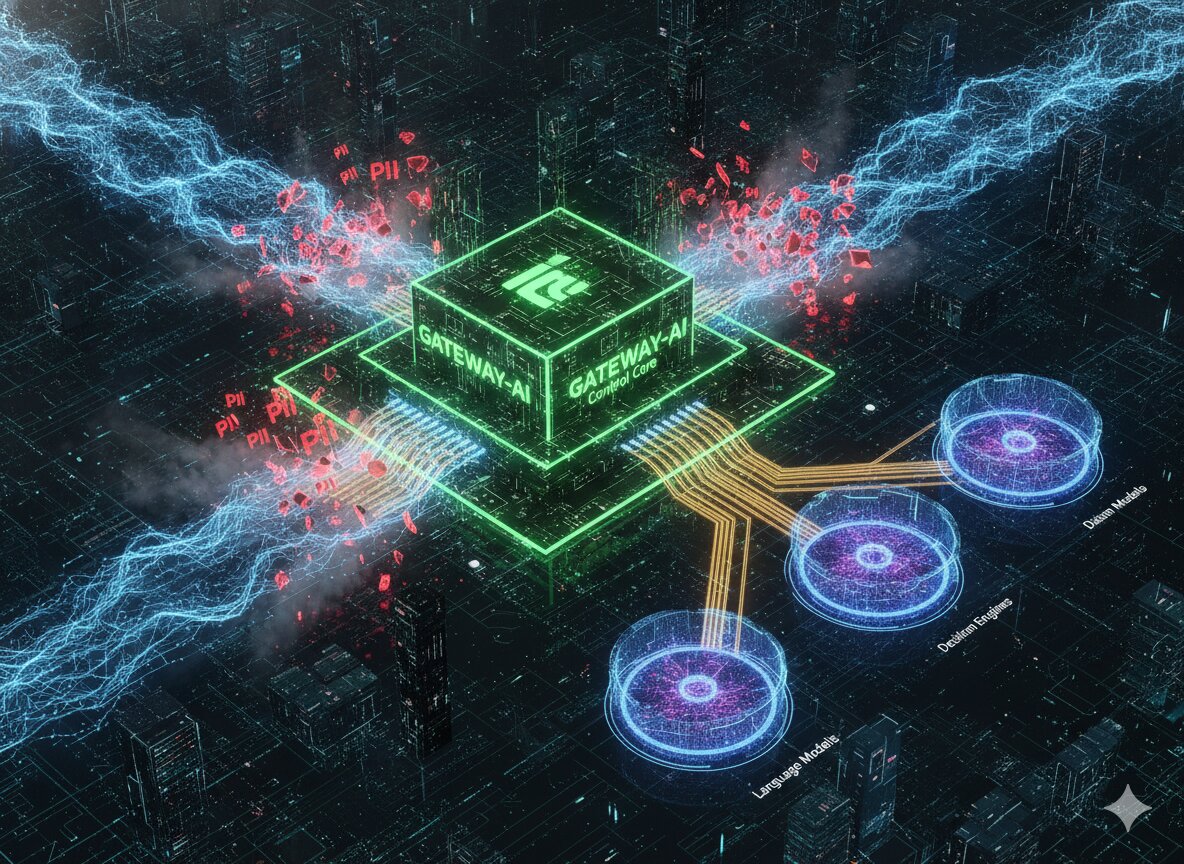
The platform engineering lead slides a system diagram across the table, looks you in the eye, and issues a critical challenge: "Our global social network has over 500 million active users. A world-famous celebrity with 80 million followers just posted a major update. Instantly, our system attempts to push millions of mobile alerts simultaneously. The massive traffic surge triggers an extreme database write bottleneck, our downstream notification workers run out of memory, and critical transaction alerts—like user password-reset tokens and payment confirmations—get trapped in a multi-hour backlogged queue. How do you re-architect our global notification engine to send high-priority alerts within 5 seconds while isolating system resources so that massive celebrity updates never block transactional workflows?"
Your pulse quickens. This is where average candidates fall into the "Monolithic Push Queue" trap.
They suggest basic, fragile updates: "I would just spin up a single large queue and add more compute instances," or "I would write a script to loop through all followers and execute direct mobile push APIs sequentially."
Stop treating all notification workloads equally. Forcing time-sensitive transactional data (like 2FA tokens) to share the same operational queues and worker pools as massive, low-priority marketing blasts or social media likes during a traffic surge is a structural flaw that guarantees cascading system failure. In elite FAANG PM and TPM platform infrastructure interviews, panels are rigorously judging your mastery of Asynchronous Fan-Out Strategies (Write-on-Read vs. Write-on-Write), Strict Priority Queue Sharding, Multi-Tenant Resource Isolation, Global Provider Rate-Limit Management, and Idempotency Tracing.
To pass this complex technical program round, you need a resilient, highly distributed ingestion pipeline. You need the FAN-OUT framework.
The Core Framework: The "FAN-OUT" Method
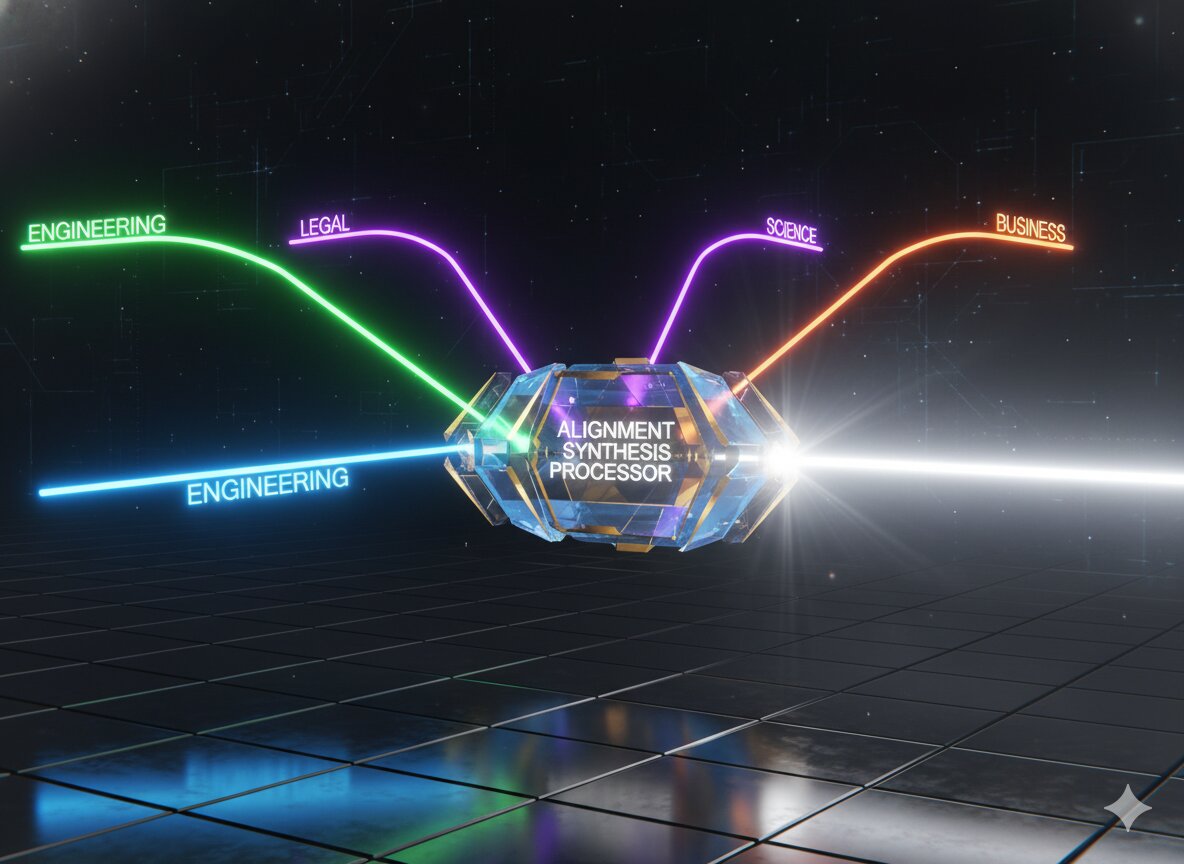
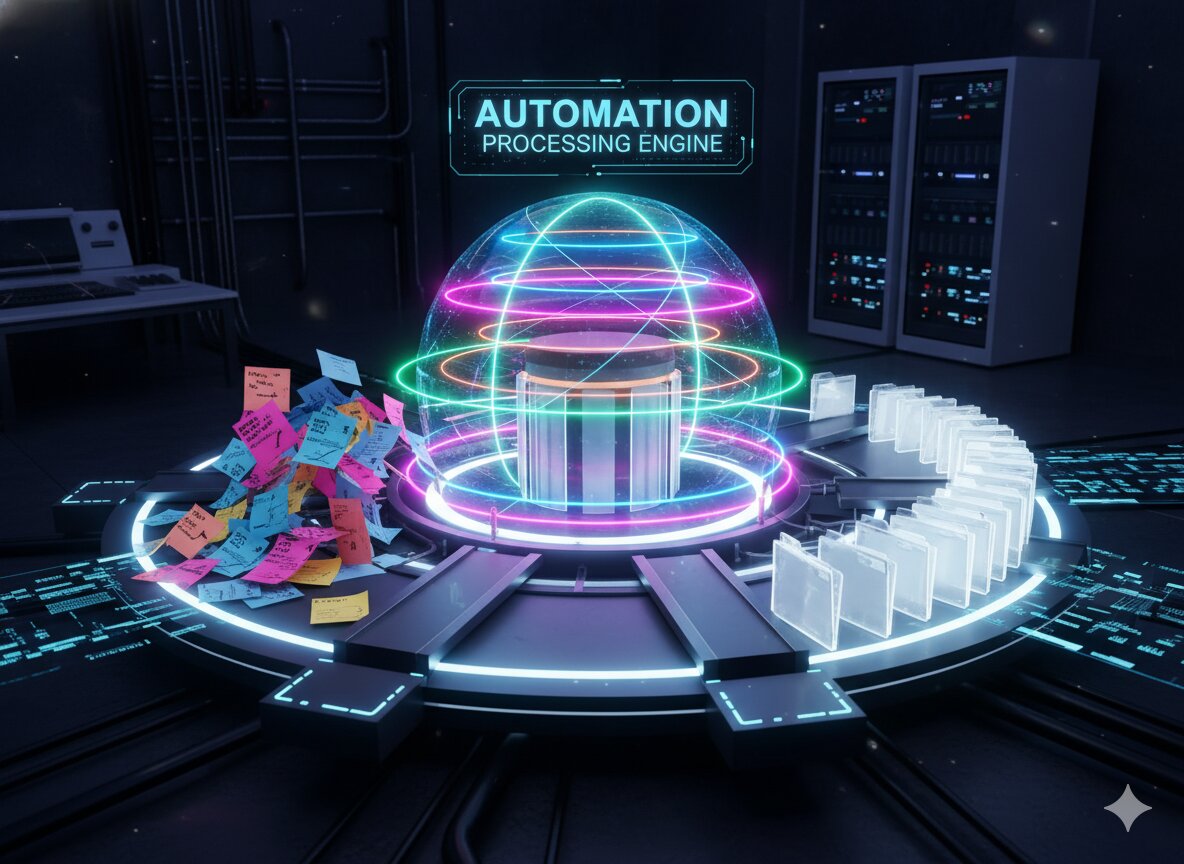
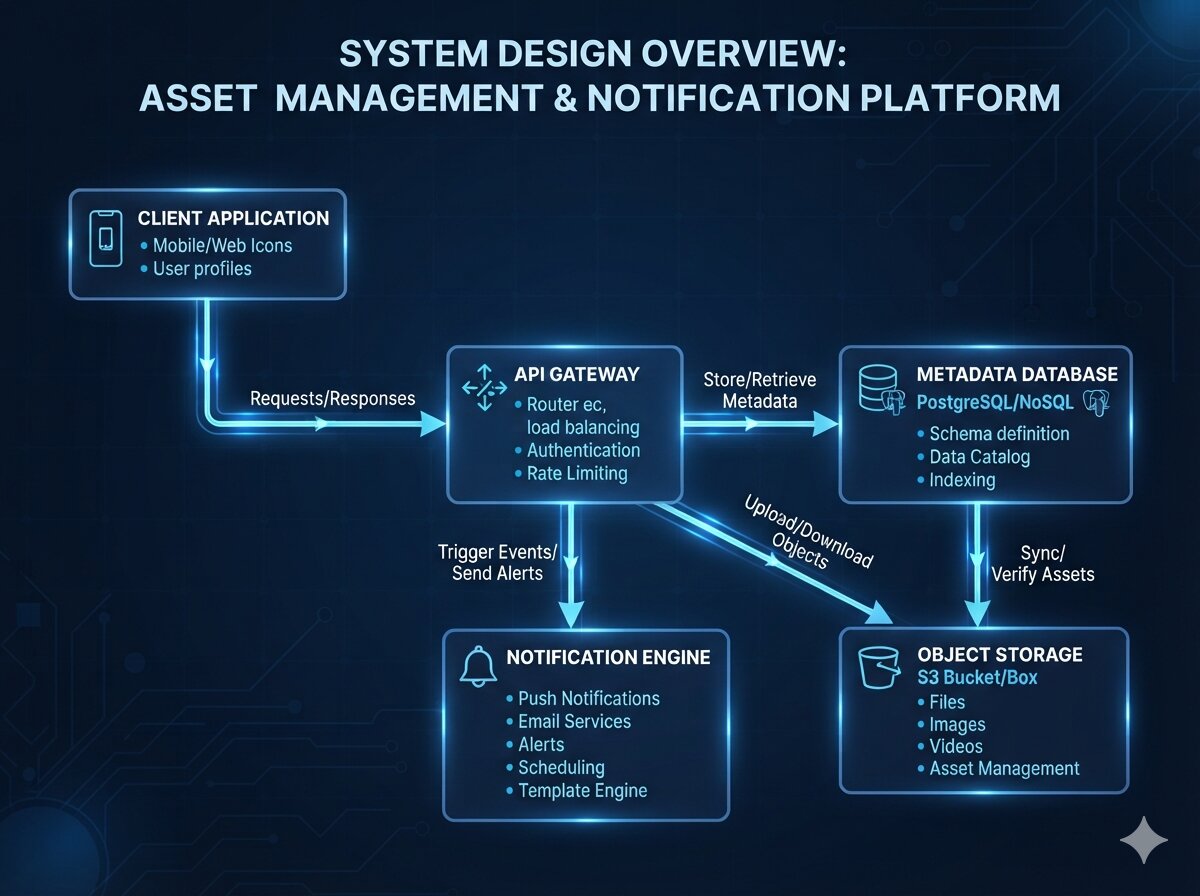
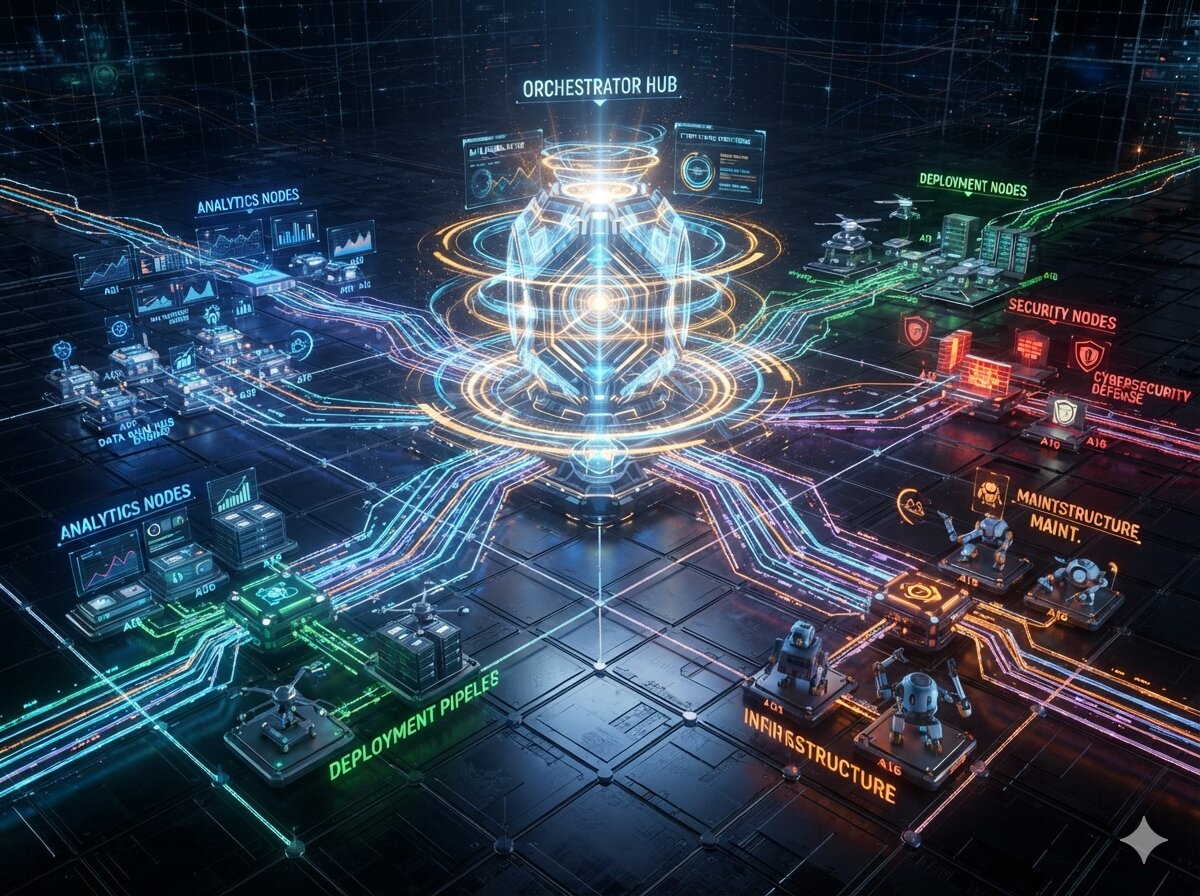
Elite infrastructure architects decouple notification generation from downstream network delivery. They segregate incoming traffic into dedicated, priority-sharded streams, run independent worker arrays, and safeguard external provider integrations using dynamic local rate limiters.
                  [ Multi-Sourced Notification Trigger Events ]
                                       │
                    ┌──────────────────┴──────────────────┐
                    ▼ (High Priority)                     ▼ (Low Priority)
       ┌───────────────────────────────┐     ┌───────────────────────────────┐
       │   F-AST TRANSACTION PIPELINE  │     │   A-GGREGATED BATCH STREAM    │
       │  * Dedicated isolated queues   │     │  * Throttled hybrid pull logs │
       │  * Sub-second 2FA / Payment   │     │  * Likes, social updates      │
       └───────────────┬───────────────┘     └───────────────┬───────────────┘
                       │                                     │
                       └──────────────────┬──────────────────┘
                                          │
                                          ▼
       ┌────────────────────────────────────────────────────────────────┐
       │               N-ETWORK ISOLATION WORKER ARRAYS                 │
       │  * Concurrent worker pools consume from sharded message buses   │
       └───────────────────────────────┬────────────────────────────────┘
                                          │
                                          ▼
       ┌────────────────────────────────────────────────────────────────┐
       │               O-UTBOUND PROVIDER RATE LIMITERS                 │
       │  * Dynamic sliding-window shields for APNS, FCM, and Twilio    │
       └───────────────────────────────┬────────────────────────────────┘
                                          │
                                          ▼
       ┌────────────────────────────────────────────────────────────────┐
       │               U-NIQUE IDEMPOTENCY REDIS CHECK                  │
       │  * Deduplicates retry blasts within 24-hour delivery limits    │
       └───────────────────────────────┬────────────────────────────────┘
                                          │
                                          ▼
       ┌────────────────────────────────────────────────────────────────┐
       │               T-RACEABLE FEEDBACK STATUS LOOPS                 │
       │  * Streams delivery success, bounce, and open metrics to Kafka │
       └────────────────────────────────────────────────────────────────┘
1. F-ast Transactional vs. A-ggregated Mass Streams
Segment all incoming alerting traffic at the system edge based on functional urgency to prevent massive marketing blasts from overwhelming business-critical messages.
- The Strategy: Separate traffic into two distinct lanes. Route high-priority transactional events (such as 2FA codes and fraud alerts) directly into isolated, high-throughput messaging channels. Divert mass-scale notification events (like a celebrity post with 80M followers) to a hybrid Write-on-Read (Fan-Out on Demand) caching structure, where the timeline is compiled dynamically only when active followers open their applications.
- Interview Script: "To protect our critical infrastructure from being choked by a celebrity update, we will implement strict priority stream segregation. High-priority transaction metrics bypass the mass delivery queues completely, moving through an isolated fast-track lane. For massive celebrity events with 80 million followers, we will deploy a hybrid fan-out model. Instead of copying 80 million individual records into database tables simultaneously—which would cause total write exhaustion—we write a single record to the celebrity’s activities feed. The timeline is assembled dynamically only when their followers open the app, cutting our peak write load by 99%."
2. N-etwork Isolation & Dedicated Worker Pools
Isolate your system compute threads so that a single downstream failure or slow network response never locks your entire architecture.
- The Strategy: Run dedicated consumer worker nodes allocated exclusively to specific priority queues. If an external mobile operating system proxy slows down, only that specific lower-priority queue worker pool backs up, leaving transaction execution nodes free to operate without interruption.
- Interview Script: "We will completely isolate our compute resource threads by mapping distinct worker pools to specific, sharded priority queues. Our high-priority queues will be consumed by dedicated worker instances that never touch social media notifications. If an external platform slows down or a low-priority social queue experiences a multi-million message backlog, those workers can scale down or back up independently. The transaction processing fleet remains untouched, continuing to process password resets in sub-seconds."
3. O-utbound Provider Smart Rate Limiters
Shield your system from being blacklisted or throttled by external mobile operating systems and text message networks.
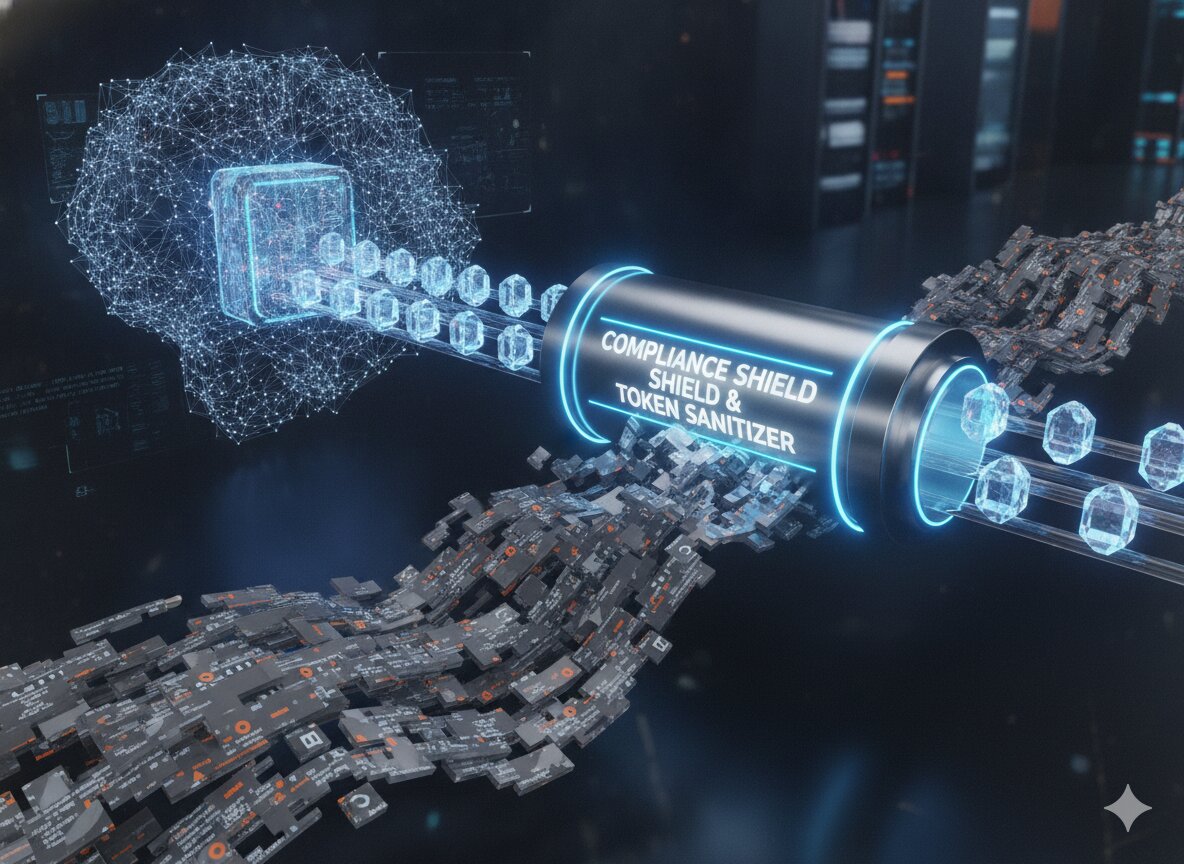
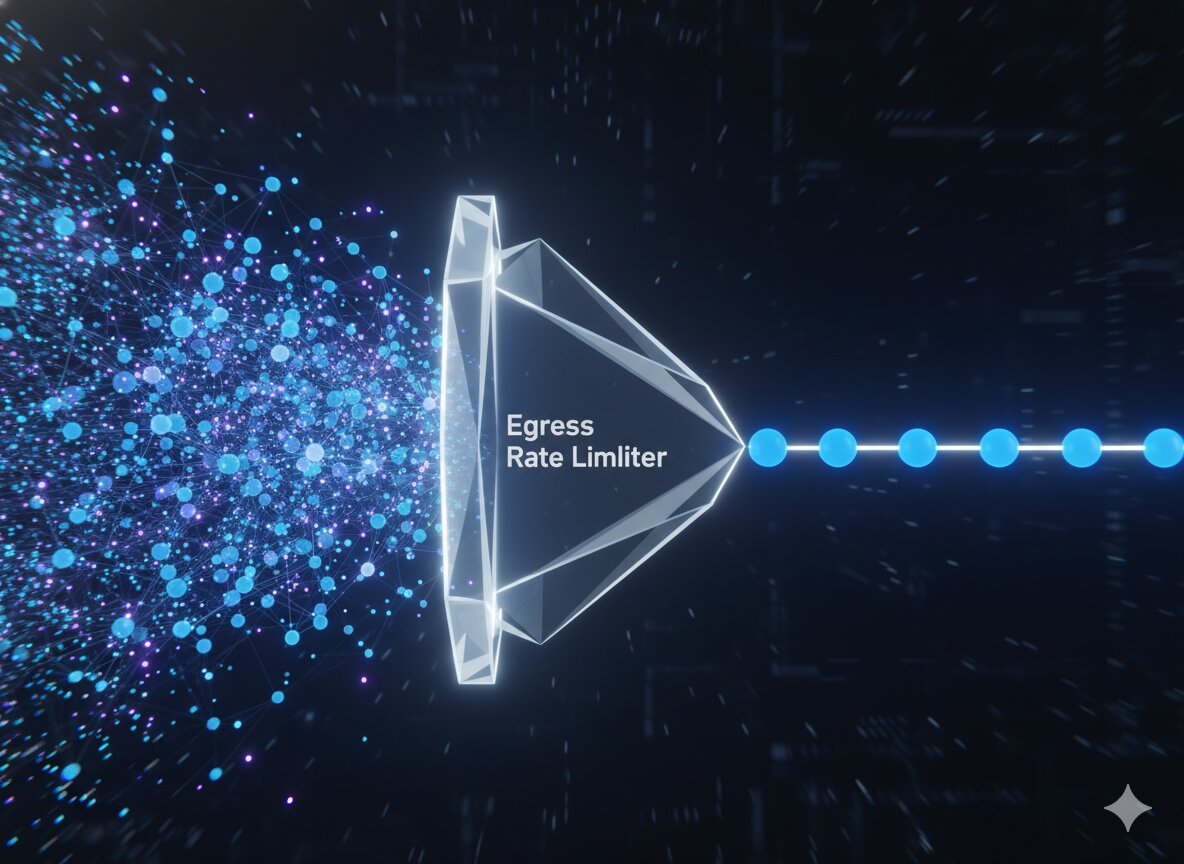
- The Strategy: Place a smart rate-limiting proxy built on a distributed Sliding-Window Log algorithm (backed by Redis) directly in front of external delivery integrations (like Apple APNS, Google FCM, or Twilio). This safely stacks outbound traffic at the edge if provider thresholds are breached.
- Interview Script: "External downstream platforms impose strict, fluctuating call caps per second. To prevent our clusters from triggering IP bans or hitting rigid rate blocks, we will implement an outbound sliding-window token limiter backed by a distributed Redis cache. The gateway continuously monitors our delivery throughput against provider thresholds. If a celebrity blast hits Apple or Google caps, our rate limiter automatically buffers the excess messages locally, smoothing the traffic spike without dropping records or breaking external API compliance rules."
4. U-nique Idempotency Deduplication Layers
Prevent users from receiving annoying duplicate alerts or repeated text messages when system networks experience transient errors.
- The Strategy: Generate a deterministic
$DeduplicationID$at the client or event origin (e.g., combininguser_id+action+timestamp_window). Before any worker passes a payload to external APIs, it executes an atomicSETNXoperation against an in-memory Redis cache grid to drop duplicate retries within a 24-hour window. - Interview Script: "Distributed microservices inevitably experience network retries, which can cause duplicate alerts. To eliminate duplicate push notifications, our gateway will employ an active idempotency verification layer. Every event receives a unique, deterministic tracking key generated from its source metrics. Before a worker initiates an external API call, it performs an atomic check against our Redis cluster. If the key exists, the request is flagged as a duplicate and discarded instantly, ensuring every user receives exactly one alert per event."
5. T-raceable Analytics & Closed Feedback Loops
Establish real-time, end-to-end visibility into delivery success rates, bounce logs, and device status flags.
- The Strategy: Capture asynchronous callback webhooks from upstream providers and channel them into an append-only analytics stream (like Apache Kafka). A specialized processing worker evaluates these events to update user delivery status tables and automatically flag dead or uninstalled device tokens to save future compute costs.
- Interview Script: "Our delivery tracking must operate completely out-of-band to maintain low latencies. Outbound workers emit tracing tokens into an Apache Kafka event stream at every phase of the lifecycle—from ingestion and dispatch to carrier acknowledgment. Upstream webhooks are processed asynchronously by a background service that updates our system tables and automatically purges inactive device tokens from our database, ensuring our index sizes remain highly optimized over time."
The Comparison: Bad vs. Good
Bad Answer (Monolithic Push Queues)Good Answer (FAN-OUT Priority Architecture)"I will write all notifications into a single database table, run a background cron job loop to query all rows, and hit the external push APIs sequentially using a standard server instance.""I will architect a decoupled FAN-OUT priority infrastructure that separates transactional fast paths from mass social streams, utilizes isolated worker pools, and enforces Redis-backed rate limits.""If our notification system lags during a celebrity update, we will increase our main application server instance counts and ask our downstream engineers to manually clear the database backlog logs.""I will protect our transactional workflows using a hybrid fan-out model and dedicated priority sharding, while implementing unique idempotency deduplication checks to eliminate duplicate alerts safely."
The Pitch/Transition
Architecting a bulletproof, high-concurrency notification platform demands a deep mastery of stream segregation patterns, high-volume queue sharding, and defensive edge protection models. The FAN-OUT framework provides a production-grade template to conquer these exact scenarios.
In competitive FAANG technical program and platform strategy interviews, design panels look past superficial overviews to test how you protect core operational performance under immense, unpredictable workloads. Don't leave your system design rounds to chance.
Arm yourself with the precise architectural blueprints, system vocabularies, and production metrics relied on by elite principal engineering leaders across the technology sector:
- Master your cross-functional strategy, metrics scaling, and business execution goals with the comprehensive PM Prep Guide.
- Dominate your system design deep dives, massive streaming topologies, and core data architecture rounds with the tactical TPM Prep Kit.
FAQs
Q: What is the mechanical difference between a Fan-Out-on-Write (Push) and a Fan-Out-on-Read (Pull) model?
A: In a Fan-Out-on-Write (Push) model, when a user publishes an event, the system instantly writes a copy of that notification to the inbox storage of every follower—which works great for small user bases but causes catastrophic write bottlenecks for high-profile accounts. In a Fan-Out-on-Read (Pull) model, the event is written just once to the creator's space, and individual follower feeds are compiled on-demand only when those followers log in.
Q: Why use a Redis Sliding-Window Log instead of a Fixed-Window Counter for rate limiting?
A: A Fixed-Window Counter resets at rigid time boundaries (e.g., max 1000 calls per minute starting at 12:00), allowing malicious actors to dump twice their safe limit right at the transition point (e.g., 1000 requests at 12:00:59 and another 1000 at 12:01:01). A Sliding-Window Log records every single timestamp in memory, ensuring that traffic volumes never exceed threshold limits across any moving time interval.
Q: How does the system handle dead or stale mobile push tokens returned by APNS or FCM?
A: When external providers attempt to deliver an alert to an expired or uninstalled mobile device, their API returns a 410 Gone or BadDeviceToken error payload. The outbound notification worker intercepts this error code, generates a system message, and routes it to a background cleanup queue. A worker then removes or deactivates the stale token string in the user's registry to avoid wasting future processing cycles.














.jpg)