The Interview Trap: The "Sovereignty Compliance" Roadblock
The interviewer presents a high-stakes regulatory challenge: "Your enterprise SaaS company is expanding its operations into Europe. Currently, all customer data—including highly sensitive personal identification information (PII)—is stored in a single, centralized AWS region in the US. The European legal team has just issued an ultimatum: to comply with strict GDPR data sovereignty mandates, you must immediately halt the un-encrypted transfer of EU citizen data to the US, or face fines of up to 4% of global annual revenue. Your engineering team is pushing back, claiming that split-region databases will introduce massive application latency and break data consistency. How do you lead this technical migration while preserving product performance?"
Most candidates fail this technical compliance round by treating it as a purely legal or administrative task: "I would set up a working group with the privacy attorneys, create a detailed data inventory spreadsheet, tell the infrastructure team to spin up an AWS region in Frankfurt, and put a banner on our website asking EU users to consent to data transfers." Stop. Managing cross-border compliance through spreadsheets or simple user-consent flags ignores the architectural reality of data isolation, local key management, and cryptographic engineering. In senior platform product management and enterprise privacy infrastructure loops at hyperscale tech giants like Apple, Google, and Stripe, panel judges are evaluating your understanding of Pseudonymization, Envelope Encryption via Localized Key Management Systems (KMS), Zero-Knowledge Compute Architectures, and Multi-Region Database Sharding Topologies.
The Core Framework: The "DATA-BOUNDARY" Method
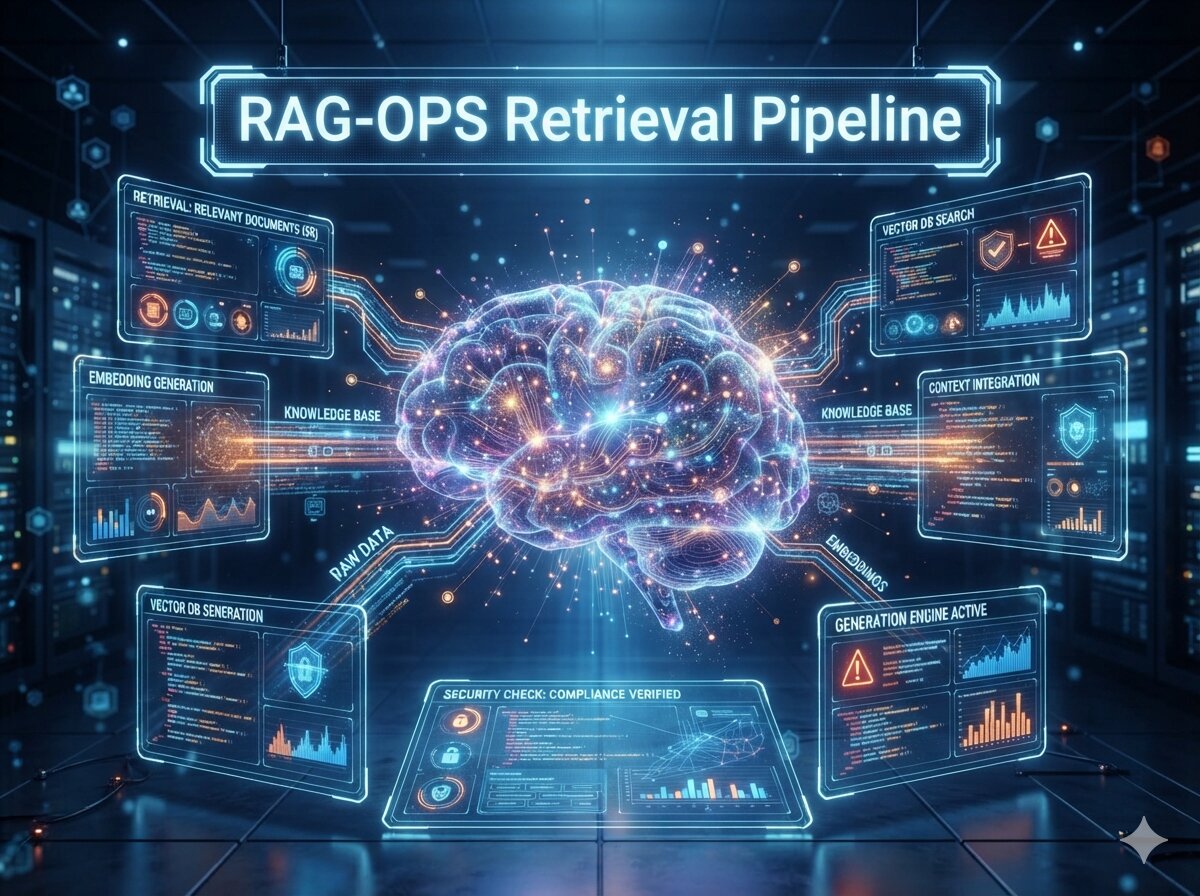
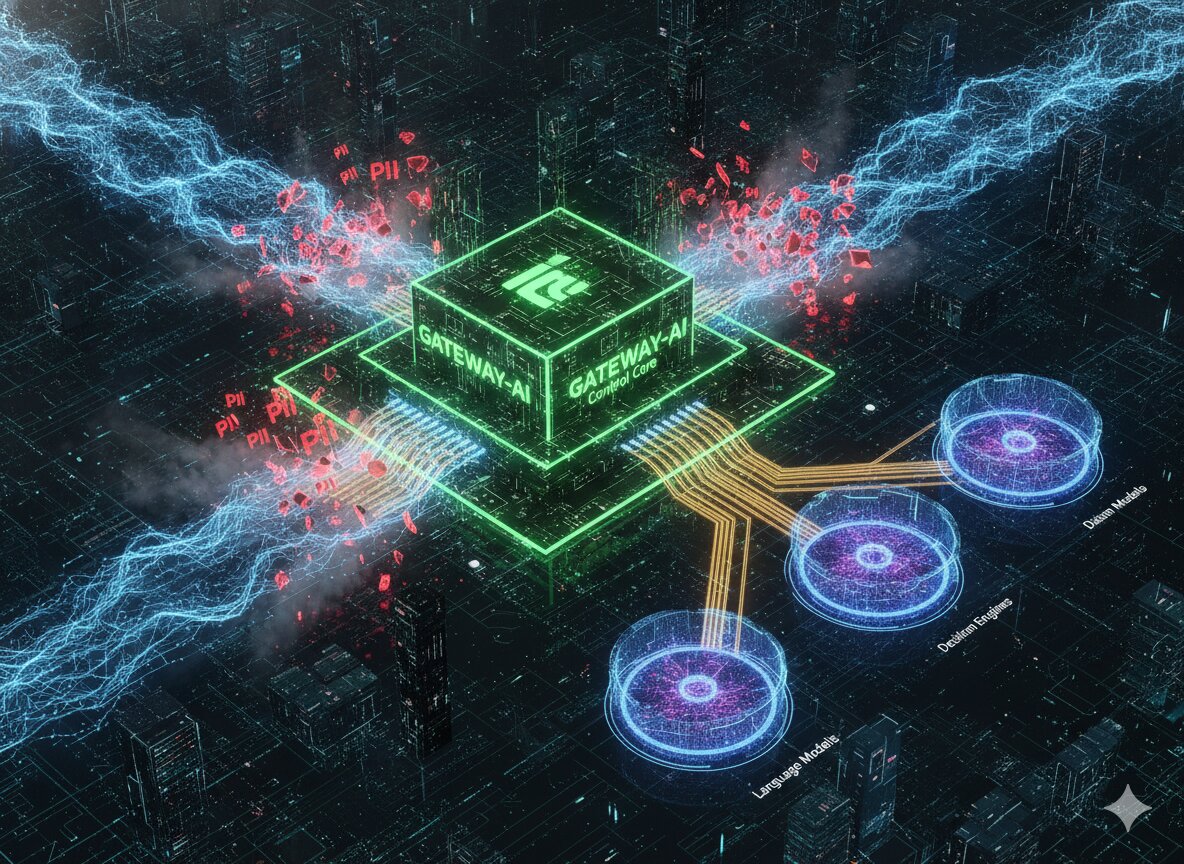
Elite PMs and TPMs do not treat data privacy as a bureaucratic checkbox. They treat it as a hard architectural constraint. They leverage Large Language Models alongside system architects to map data flows, build local tokenization proxies, and deploy cryptographic perimeters that keep sensitive fields entirely localized.
 [ EU User App Traffic ]
           │
           ▼ (Inbound HTTPS Payload)
 ┌────────────────────────────────────────┐
 │      EU REGIONAL TOKENIZATION EDGE     │
 │                                        │
 │  * Extracts & Redacts Sensitive PII     │
 │  * Stores Raw PII in EU Vault          │
 │  * Generates Non-Sovereign Tokens      │
 └─────────────────┬──────────────────────┘
                   │
                   ▼ (Anonymized Payload Transferred Cross-Border)
 ┌────────────────────────────────────────┐
 │        US PRIMARY COMPUTE CORE         │
 │                                        │
 │  * Processes Complex Business Logic   │
 │  * Stores No Sovereign Sovereign Data  │
 │  * Uses Safe Non-PII Tokens for Keys   │
 └────────────────────────────────────────┘
1. D-ata Discovery and Multi-Tier Classification
Ingest your application’s raw data schemas, API payload structures, and database column manifests into an automated intelligence workspace to classify data assets based on regulatory risk.
- The Strategy: Categorize fields into precise compliance tiers (e.g., Tier 1: Sovereign PII like passports or national IDs; Tier 2: Account metadata; Tier 3: Anonymous system logs) to limit your heavy engineering focus strictly to high-risk elements.
- The Script: "To execute a precise migration, I will avoid moving our entire data stack blindly. I will deploy automated data-discovery tools to parse our database catalogs and categorize our schemas into three risk tiers. Tier 1 Sovereign PII will be subjected to absolute regional localization, while Tier 3 anonymous system usage logs can remain freely aggregated in our core analytical warehouse."
2. A-rchitecting an Edge Tokenization Proxy Layer
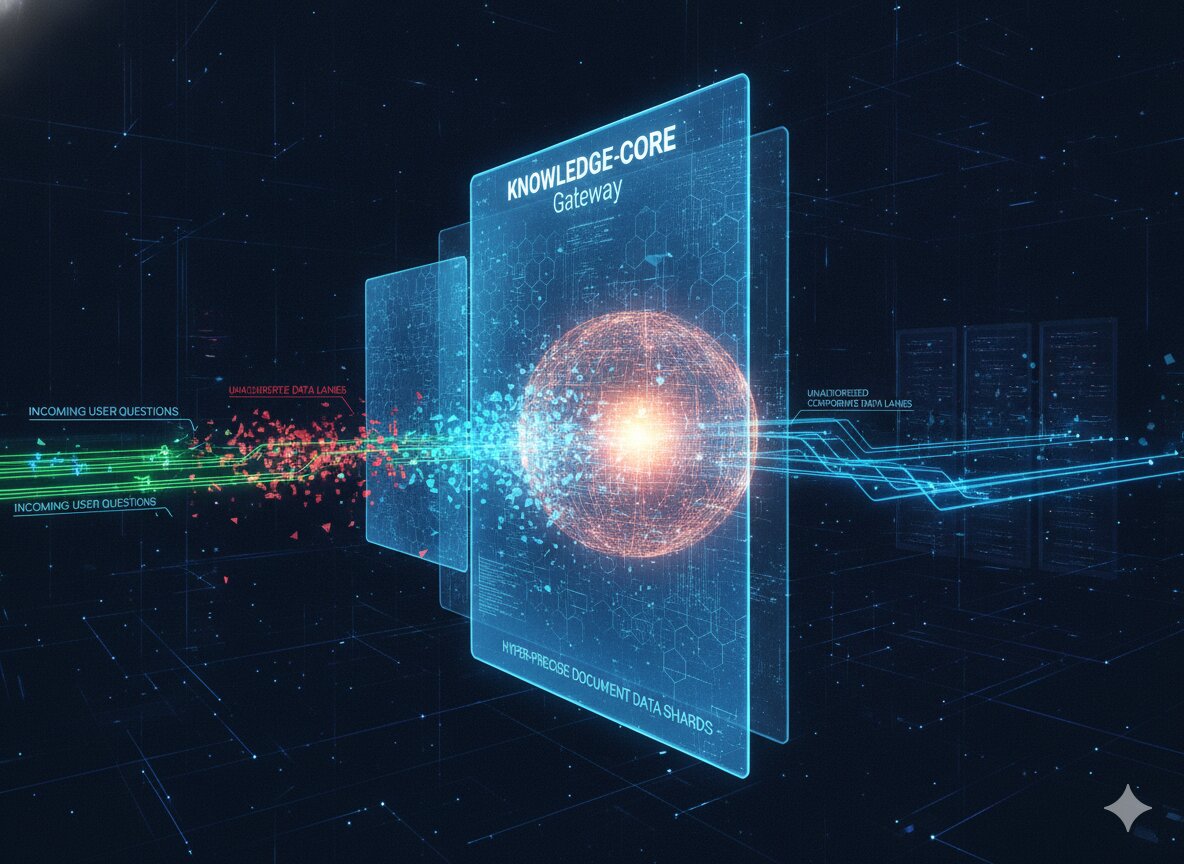
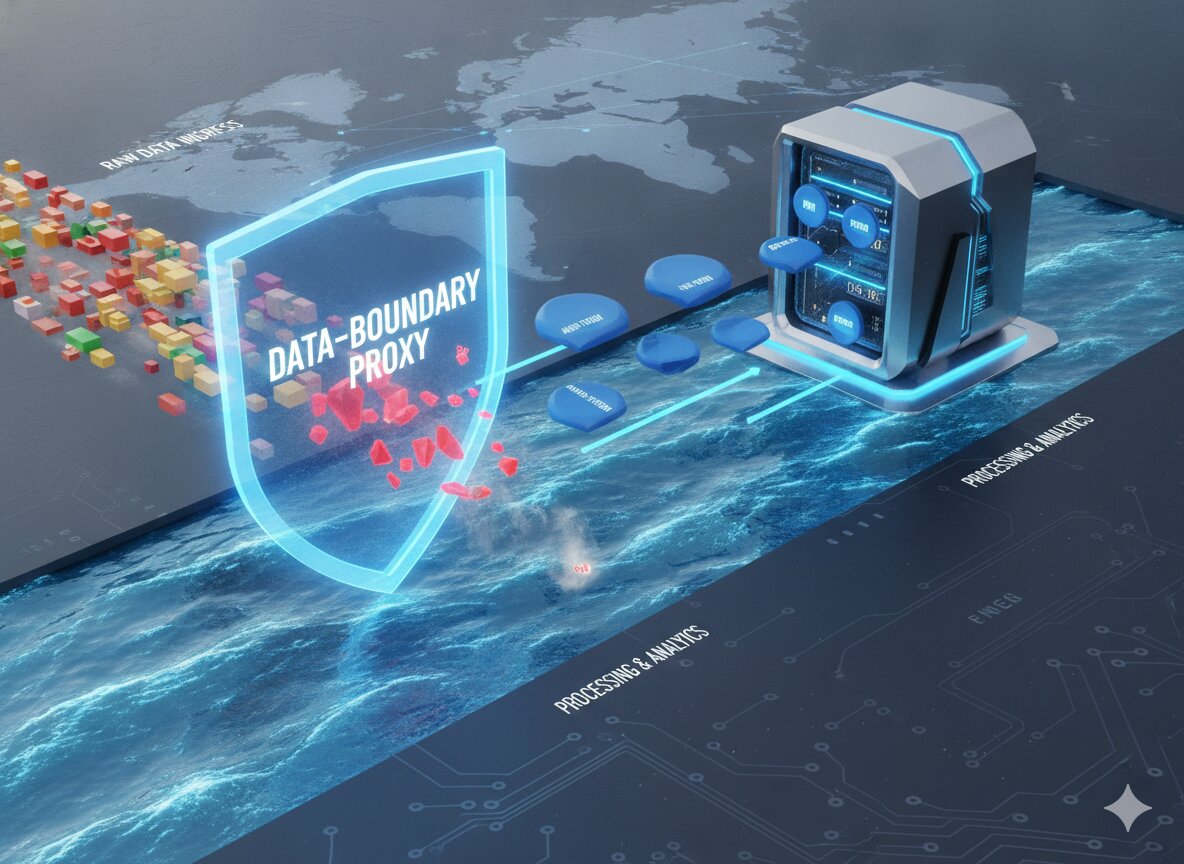
Deploy a stateless, local proxy at the European network perimeter to intercept inbound user payloads, stripping out raw PII and substituting it with anonymous cryptographic tokens before data ever leaves the region.
- The Strategy: Use an isolation pattern where raw sovereign data is immediately stored in a localized, compliant database vault within Europe, while the rest of your global system operates safely using non-sovereign reference strings.
- The Script: "We solve the multi-region database latency bottleneck by avoiding full database replication. We will deploy an edge tokenization proxy in our EU availability zone. When an EU user submits data, the proxy intercepts the payload, extracts the raw Tier 1 fields, writes them into an isolated local vault, and injects a synthetic token hash into the payload. The main US compute core processes the transaction using this safe token, completely neutralizing cross-border compliance risks without dragging down application performance."
3. T-rusted Execution Environments and Envelope Encryption
Secure localized storage nodes using localized hardware security modules and advanced multi-layer encryption keys controlled exclusively within the sovereign territory.
- The Strategy: Enforce Envelope Encryption patterns where your data payloads are encrypted using individual Data Encryption Keys ($DEKs$), which are subsequently wrapped by a regional Key Encryption Key ($KEK$) managed via a localized Key Management Service (KMS).
- The Script: "To prevent cross-border data leakage through root-access backdoors, all localized EU vaults will implement envelope encryption inside Trusted Execution Environments. The application database encrypts fields using an internal data key, which is instantly encrypted by a master key held exclusively in our localized EU cloud provider infrastructure. US systems have zero cryptographic access to the master key, meaning data cannot be subpoenaed or read outside the region."
4. A-utomated Compliance Telemetry and Drift Detection
Anchor your ongoing data privacy posture in live system monitoring and continuous integration (CI/CD) pipelines to catch compliance violations before code hits production.
- The Strategy: Configure automated linter rules and data pipeline sniffers to instantly flag developers who attempt to write un-encrypted customer data or log raw sensitive payloads into global analytics pools.
- The Play: "We secure our privacy program long-term by building automated compliance checks straight into our continuous deployment pipeline. Our static analysis engines evaluate every new backend pull request to ensure that no developer introduces un-tokenized PII schemas into cross-border payloads, automatically blocking any build that threatens our compliance boundaries."
The Comparison: Bad vs. Good
Bad Answer (Administrative & Manual)Good Answer (DATA-BOUNDARY Framework)"I would consult our legal team, build a spreadsheet mapping our user tables, set up an isolated replica database in Europe, and hope developers remember not to route sensitive data to the US.""I will implement a multi-tier data classification model and deploy a localized edge tokenization proxy layer to encrypt and strip raw PII at the European network perimeter before cross-border transfer.""If a developer needs to log data for debugging, I will ask them to manually double-check that they aren't copying European customer phone numbers or credit card details into their text logs.""I will integrate automated data telemetry and linter gates into our CI/CD pipelines to programmatically block any deployment that introduces un-tokenized sovereign data into global systems."Relies on human vigilance, manual tracking, and slow database replication patterns.Controls programmatic tokenization boundaries, localized envelope encryption, and automated code-level compliance enforcement.
The Pitch: Command Global Platform Infrastructure
Architecting highly performant, globally compliant data systems is a foundational requirement for modern enterprise leaders. If you treat data privacy as a simple legal policy problem instead of a deep system design and cryptographic architecture puzzle, senior interview panels at top-tier tech firms will pass on your profile.
Our platform engineering modules arm you with the precise structural architectures, cryptographic patterns, and systems design vocabularies required to break through complex international infrastructure rounds.
👉 Master enterprise scaling strategy and global data compliance: PM Prep Guide
👉 Master deep distributed infrastructure and multi-region cloud delivery: TPM Prep Kit
FAQs
Q1: Doesn't proxy-based tokenization introduce a single point of failure and processing latency for user requests?
A: To eliminate architectural fragility, the edge tokenization proxy is built as a stateless, horizontally autoscaling microservice cluster deployed behind a regional load balancer across multiple local availability zones. Because the tokenization vault operates on low-overhead key-value lookups (such as a localized, high-availability Redis or DynamoDB instance), the edge processing delay is limited to under 15ms—a negligible trade-off compared to the extreme latency and consistency penalties of running fully synchronized cross-border distributed relational databases.
Q2: How do you handle complex analytical reporting or machine learning models if the core US data pool only has tokens?
A: Aggregated business metrics and machine learning features rarely require raw individual PII (like a customer’s legal name or passport identifier). By ensuring your edge proxy strips specific identity strings while passing generalized demographic buckets, localized regions, or consistent anonymized cohort IDs to your centralized US analytics lake, your data science teams can continue running high-fidelity model training and operational reporting safely without violating sovereignty laws.
Q3: What happens if an EU customer exercises their GDPR "Right to be Forgotten" (Data Deletion Request)?
A: The tokenization architecture makes data deletion exceptionally simple and highly secure. Instead of executing complex, high-overhead cascading deletes across hundreds of distributed global application tables and backup logs to find scattered instances of a user's name, you simply delete that single user’s master identity record and cryptographic keys inside the localized sovereign vault. Once the local key is destroyed, the references and tokens scattered across your global systems instantly become meaningless, unreadable random strings, achieving clean cryptographic erasure across your entire architecture in seconds.





















.jpg)