The Agile Trap
Most PMs focus on Capacity (how many hours engineers work). Stop. Hours don't equal outcomes. If your engineers are "busy" but the feature doesn't launch, your velocity is zero. You must focus on Flow and the removal of Blockers.
The Core Framework: The "3-C" Execution Model
1. Clarity (The "Definition of Ready")
A sprint fails before it starts if the tickets are vague.
- The Strategy: Implement a strict DoR (Definition of Ready).
- The Soundbite: "I don't let a ticket enter a sprint unless it has clear acceptance criteria, a technical soul-mate (Engineer + PM alignment), and no external dependencies. If we spend the first 3 days of a sprint 'figuring out what to do,' we've already failed. We aim for 'Zero-Ambiguity' grooming."
2. Constraints (The "WIP" Limit)
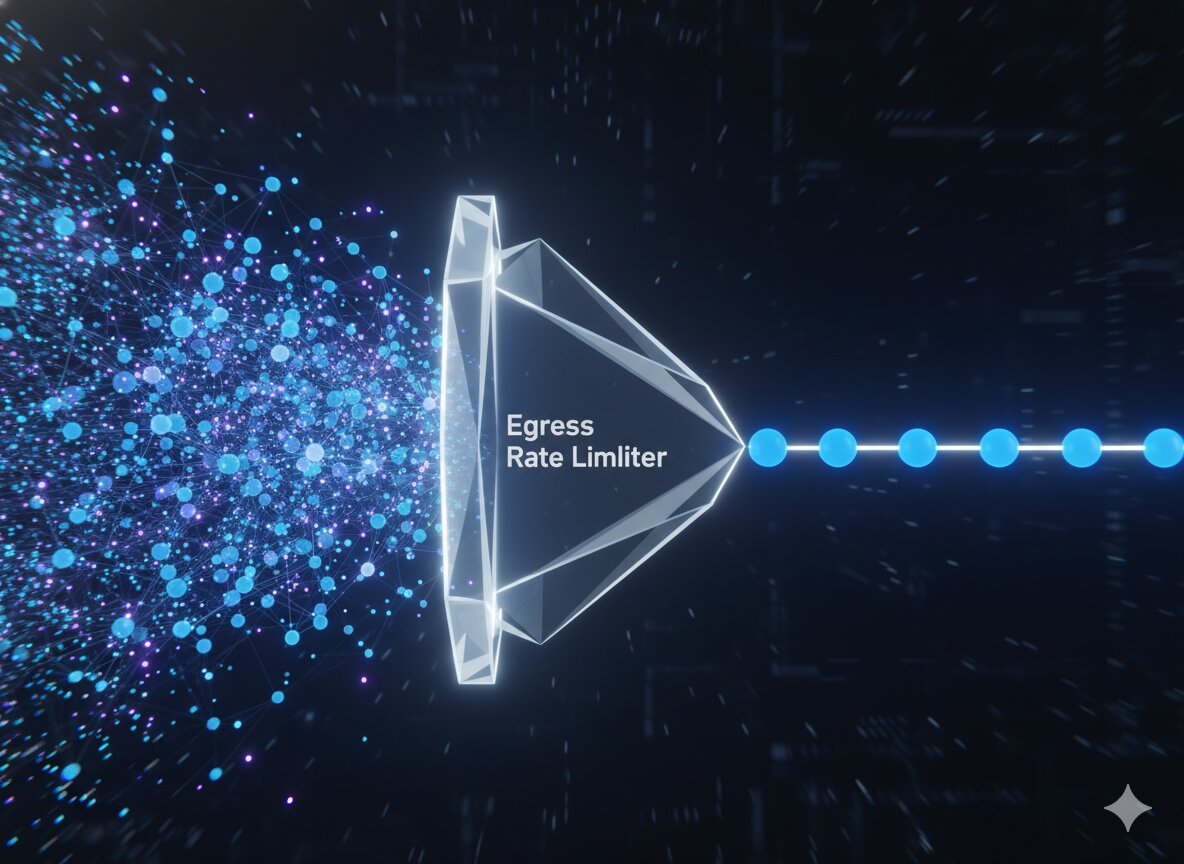
The biggest killer of velocity is Context Switching.
- The Tactics: Limit Work In Progress (WIP).
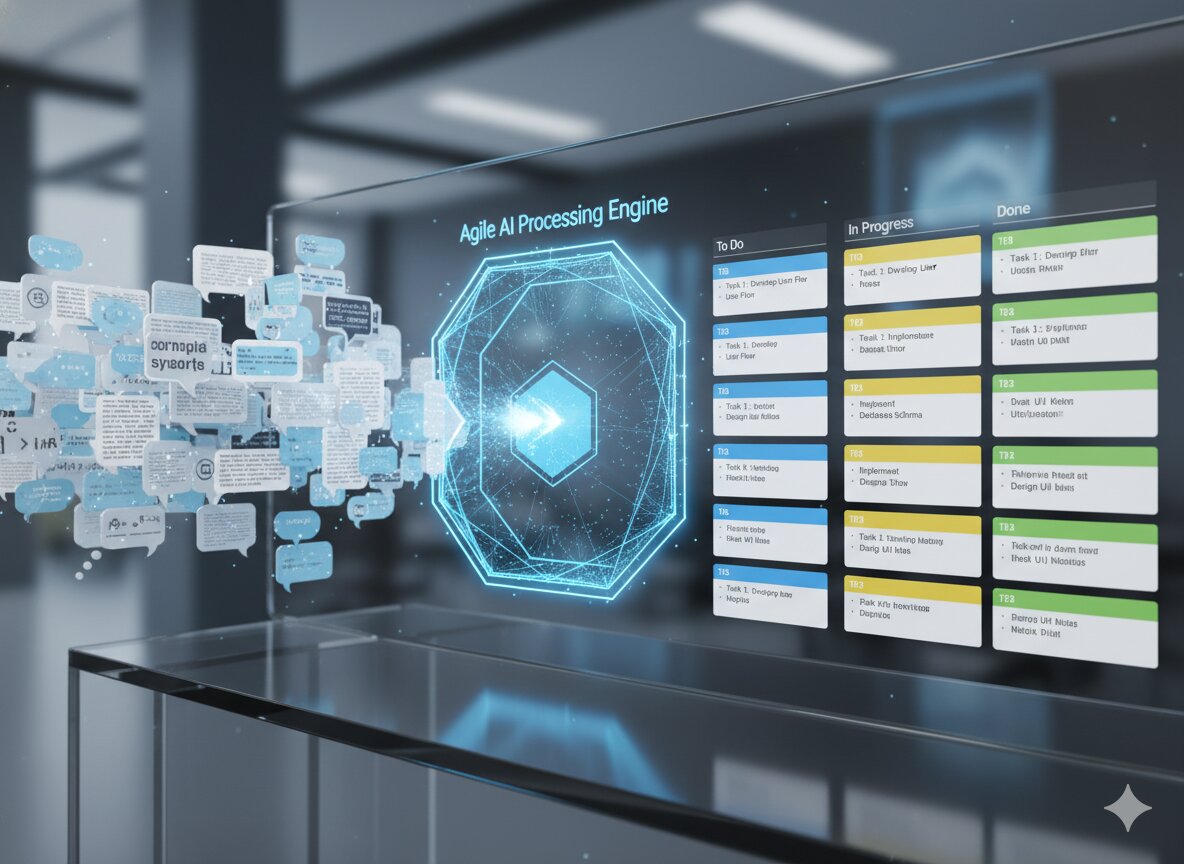
- The Soundbite: "I look for 'Bottlenecks' in our Kanban board. If we have 10 tickets 'In Progress' and 0 'In Review,' we aren't being productive; we're being busy. I'd rather have the team swarm on 2 tickets to get them to 'Done' than have 8 tickets 'almost finished.' Velocity is measured by 'Done,' not 'Started'."
3. Course-Correction (The "Retrospective" Loop)
A "Retro" isn't a venting session; it's a Process Audit.
- The Tactics: Use Velocity Charts and Burndown Accuracy.
- The Soundbite: "I use the Retro to identify 'Systemic Drag.' If we missed our goal because of a legacy code issue, we don't just 'try harder'; we allocate 20% of the next sprint to 'Technical Debt' to fix the root cause. We treat our 'Process' as a product that needs constant iteration."
The "Ticket-Taker" PMThe "Velocity" PMAdds more tickets to "help the team."Removes Blockers so the team can run.Measures "Story Points" (Effort).Measures "Cycle Time" (Speed to Market).Micromanages the "How."Clarifies the "Why" and the "What."
Turn Momentum into a Moat
Agile is about Predictability. When a PM can tell the CEO exactly when a feature will land because the "Engine" is tuned, they gain infinite trust. You need to prove you can manage the "Machine" as well as the "Vision."
Our kits provide "Sprint Ritual Templates" and "Prioritization Rubrics" used by high-velocity teams at Atlassian and Spotify.
- For PMs: Lead high-performing squads with the PM Prep Guide.
- For TPMs: Master system-level execution and release management with the TPM Prep Kit.
FAQs
Q: Should we use Scrum or Kanban?
A: Scrum is better for "Feature Development" (fixed goals). Kanban is better for "Maintenance/Support" (continuous flow). Most 2026 teams use a "Scrumban" hybrid—sprints for the big rocks, and a flow-based approach for the small tweaks.
Q: How do I handle "Scope Creep" mid-sprint?
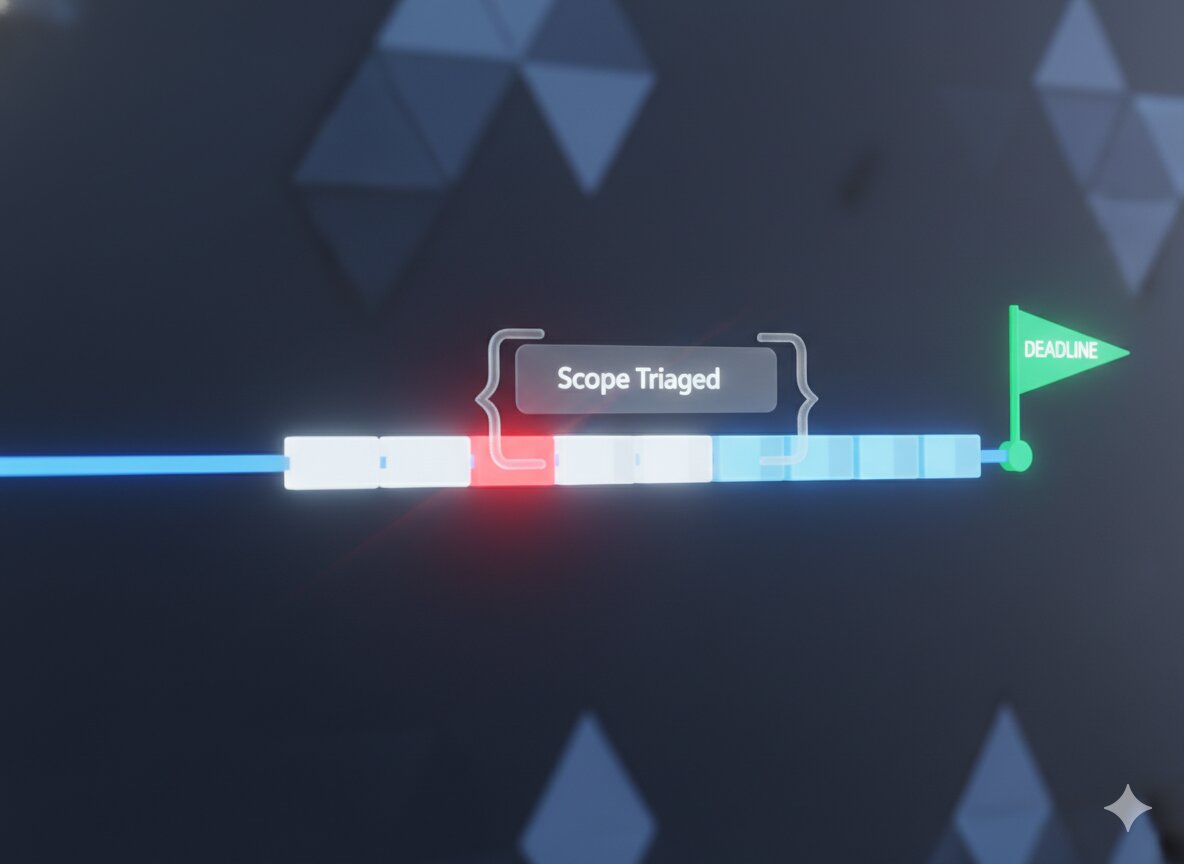
A: Use the "Swap" Rule. "We can add this new urgent request, but which current ticket are we moving out of the sprint to make room?" This forces stakeholders to realize that "Capacity" is a finite resource.
Q: What is the most important Agile metric?
A: Say-Do Ratio. If you commit to 10 points and finish 10 points consistently, your stakeholders can plan around you. Predictability is more valuable than raw speed.








.jpg)