The Interview Trap: The "Cascading Outage" Capitulation
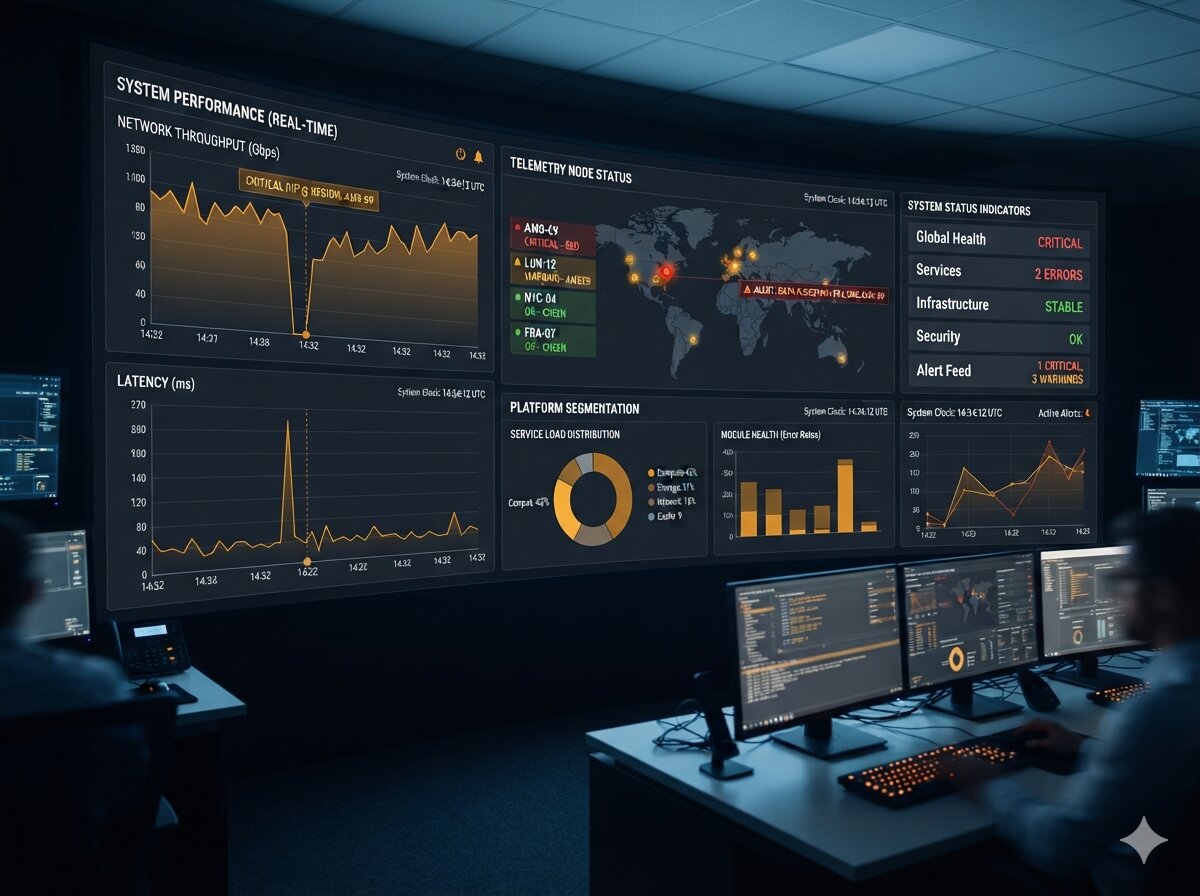
The interviewer drops you into an infrastructure nightmare scenario: "Your global consumer platform operates primarily out of an AWS us-east-1 data hub. At 10:00 AM on a high-traffic business day, an underground fiber cuts at the primary cloud data center, causing severe network packet drops and database connection timeouts. Your automated systems fail to trigger properly, and traffic starts backing up globally, crashing regional edge nodes. How do you lead your infrastructure team to execute a multi-region failover to us-west-2 without dropping active transactional states?"
Most candidates tank this technical operations round by acting as administrative message couriers: "I would immediately open a high-priority bridge line, gather the cloud engineers to manually spin up matching container clusters in the backup region, change our DNS routing records to point to the new data hub, and email a status update to senior leadership." Stop. Managing massive regional infrastructure failures using manual, reactive step-execution leads to split-brain data states, massive data loss (RPO violations), and prolonged outages (RTO failures). In senior infrastructure product management and global technical program execution loops at high-availability platforms like Netflix, Uber, and Meta, panel judges are evaluating your Active-Active Cross-Region Replication Topologies, Automated DNS Traffic Shedding, and Strategic Use of AI to Automate Disaster Recovery Runbooks.
The Core Framework: The "ZONE-DEFENSE" Method
Elite PMs and TPMs never run manual, ad-hoc infra migrations during a localized cloud disaster. They design resilient, self-healing Active-Active or automated Active-Passive multi-region systems. They leverage Large Language Models as site reliability co-pilots to evaluate cross-region replication lag, validate infrastructure-as-code configurations, and automatically synthesize post-incident forensic briefs.
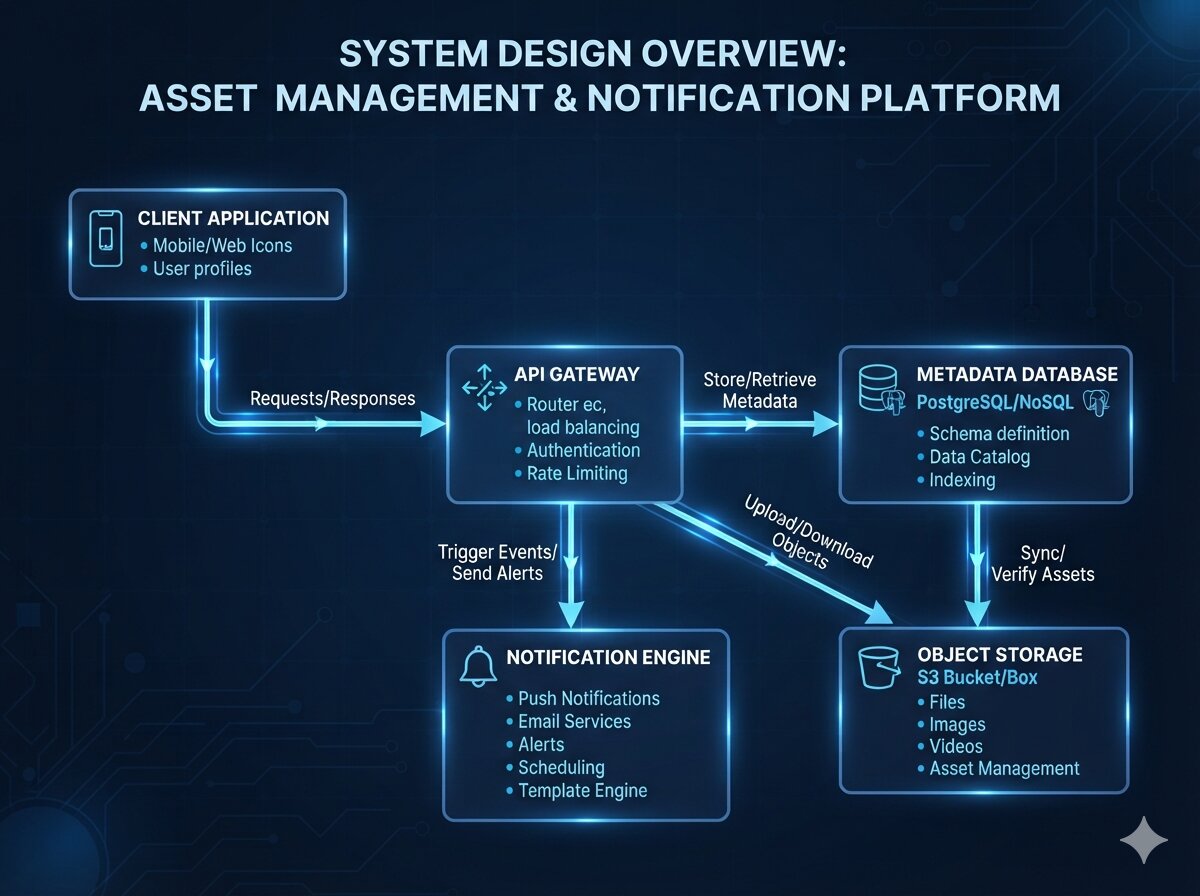
                      [ Global User Traffic ]
                                 │
                                 ▼
                     ┌───────────────────────┐
                     │ Route 53 DNS / Anycast│
                     └───────────┬───────────┘
                                 │
                 ┌───────────────┴───────────────┐
       99% Traffic (Healthy)            1% Traffic (Canary/Failover)
                 │                               │
                 ▼                               ▼
       ┌───────────────────┐           ┌───────────────────┐
       │ Primary Region    │           │ Secondary Region  │
       │    (us-east-1)    │           │    (us-west-2)    │
       └─────────┬─────────┘           └─────────┬─────────┘
                 │                               │
                 ▼       Cross-Region            ▼
       ┌───────────────────┐  Data Sync  ┌───────────────────┐
       │ Primary DB        ├────────────►│ Read Replica DB   │
       │ (System of Record)│   (Storage) │ (Promotable Engine│
       └───────────────────┘             └───────────────────┘
1. Z-ero-State Replica Infrastructure Verification
Ingest your production Terraform, CloudFormation, or Kubernetes configurations into your AI environment to verify that your secondary backup region contains identical cluster capacities and network architectures.
- The Strategy: Drop infrastructure-as-code (IaC) deployment manifests into an LLM context window to automatically discover missing security groups, unaligned container resource limits, or mismatched environment variables before an outage occurs.
- The Prompt Pattern: "Act as a Principal Infrastructure Architect. Analyze the attached primary region Terraform script: [Insert Primary IaC] and our secondary recovery region setup: [Insert Secondary IaC]. Identify all structural differences regarding compute instance types, auto-scaling thresholds, security group rules, or storage volume parameters that could cause a deployment bottleneck during an emergency failover."
2. O-ffset and Replication Lag Telemetry Sweep
Monitor and calculate data replication deltas between your active database clusters to determine potential Recovery Point Objective (RPO) data losses.
- The Strategy: Use programmatic intelligence prompts to parse live database replication logs (e.g., PostgreSQL WAL files, AWS Aurora global storage streams) to instantly detect sync drops.
- The Prompt Pattern: "Act as a Lead Database Reliability Engineer. Review the attached multi-region storage telemetry metrics stream: [Insert Live Database Metrics Log]. Write a data analysis report calculating our active cross-region replication lag. Explicitly flag if the current sync gap violates our corporate 5-second RPO threshold, and list the exact database nodes experiencing transmission throttling."
3. N-etwork Routing and Health-Check Configuration
Structure automated DNS or Anycast routing configurations to execute immediate health checks and traffic shedding at the internet edge.
- The Strategy: Use the AI to generate precise DNS routing policies (such as AWS Route 53 failover records or Cloudflare traffic steerings) that evaluate latency and health states automatically.
- The Prompt Pattern: "Act as a Senior Network Engineer. Write an AWS Route 53 Routing Policy configuration in JSON format that implements an active-passive failover strategy. The configuration must monitor an HTTP health check at
/healthon our primary application gateway, automatically steer 100% of global user traffic to our secondary backup region if the health check fails for 3 consecutive 10-second intervals, and enforce a 60-second TTL."
4. E-mergency Runbook and Script Generation
Co-pilot with the AI engine to draft automated, executable infrastructure-orchestration shell scripts to safely promote read-replicas to primary systems-of-record without human keyboard errors.
- The Strategy: Eliminate manual AWS/GCP console clicking during a high-stress incident by pre-generating exact, multi-stage infrastructure promotion sequences.
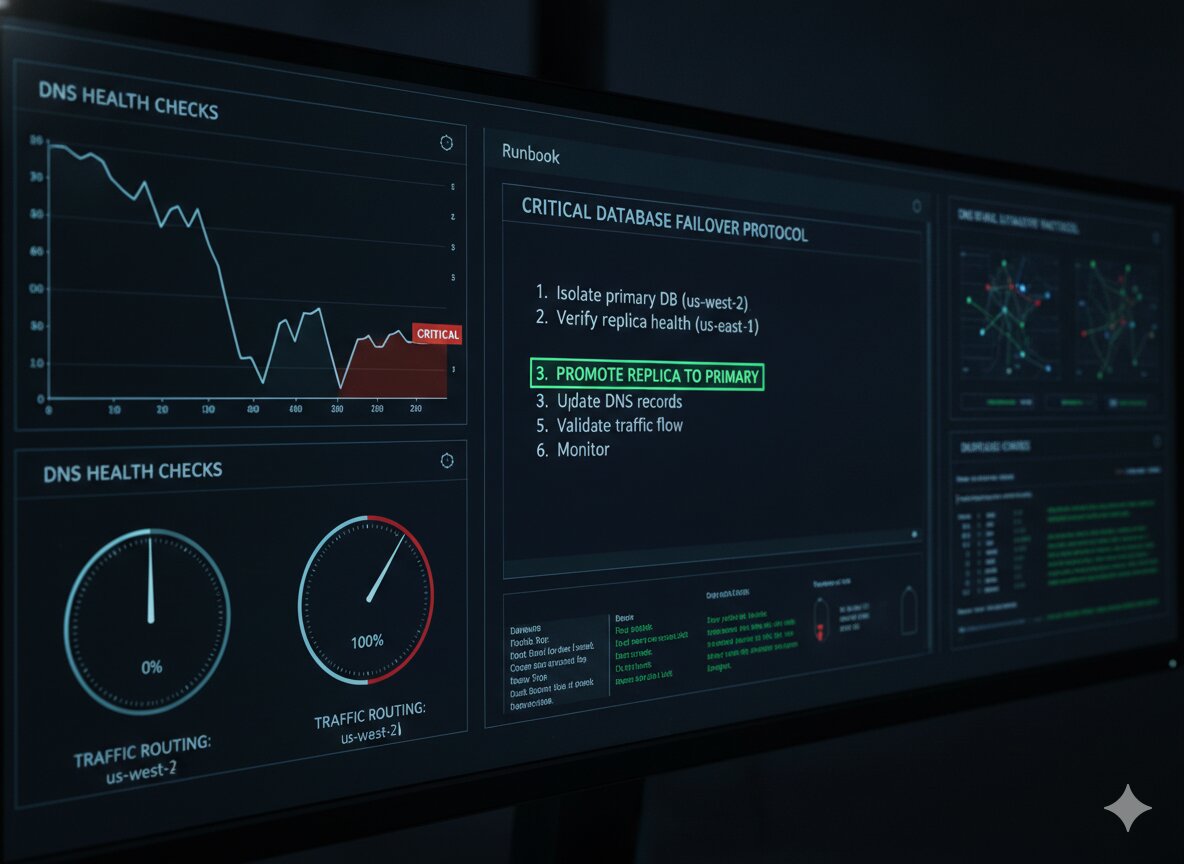
- The Prompt Pattern: "Act as a Staff Site Reliability Engineer. Write a production-grade Bash or Python automation script utilizing the AWS CLI. The script must safely isolate our degraded primary database instance in
us-east-1, promote the read-replica database inus-west-2to become the standalone write system of record, update our environment parameter stores, and verify write-read access health."
5. D-ata Split-Brain Prevention Guardrails
Incorporate programmatic safety interlocks into your failover sequences to guarantee that two regions never try to write to the same database simultaneously, preventing catastrophic data corruption.
- The Strategy: Enforce absolute fencing tokens and state locks within your automated orchestration pipelines to cleanly disconnect the failing data hub before spinning up the backup engine.
- The Play: "We eliminate data corruption risks by implementing a strict fencing mechanism. Before our secondary region script executes the database promotion command, an automated state-lock hook completely revokes all IAM network-write permissions from our legacy primary cluster, ensuring a clean zero-write boundary is enforced before the backup node takes ownership."
6. E-dge-Cach Warm-Up and Throttling Strategy
Design localized edge-caching policies and automated client rate-limiting rules to prevent the newly promoted secondary region from instantly buckling under a global wave of user traffic.
- The Strategy: Use the AI to calculate proper cache-warming schedules and draft Redis/Memcached configurations alongside progressive circuit-breaker thresholds.
- The Prompt Pattern: "Act as a Principal Performance Engineer. Our backup cluster is about to take on 50,000 concurrent requests per second from a failed region. Write an optimized Redis cache pre-warming plan and an accompanying NGINX rate-limiting script that implements a linear retry backoff and handles a 20% traffic shedding rule using HTTP 429 status returns."
7. F-orensic Log Ingestion and RCA Synthesis
Compile messy, distributed cross-region cloud log streams and chat histories into a polished Root-Cause Analysis (RCA) layout with one click post-incident.
- The Strategy: Drop system metrics, deployment records, and triage chats into the model's context window to construct a structured technical timeline.
- The Prompt Pattern: "Act as a Staff Site Reliability Engineer. Analyze the attached cloud infrastructure incident log dumps and engineering Slack conversation: [Insert System Error Logs and Engineering Chat Transcripts]. Synthesize this data into a comprehensive Root-Cause Analysis (RCA) document in clean Markdown. Include sections for:
# 1. Incident Metadata,# 2. Operational Timeline,# 3. Root-Cause Technical Hypothesis, and# 4. Preventive Action Items Matrix."
8. N-ative Compliance, Security, and Sovereignty Verification
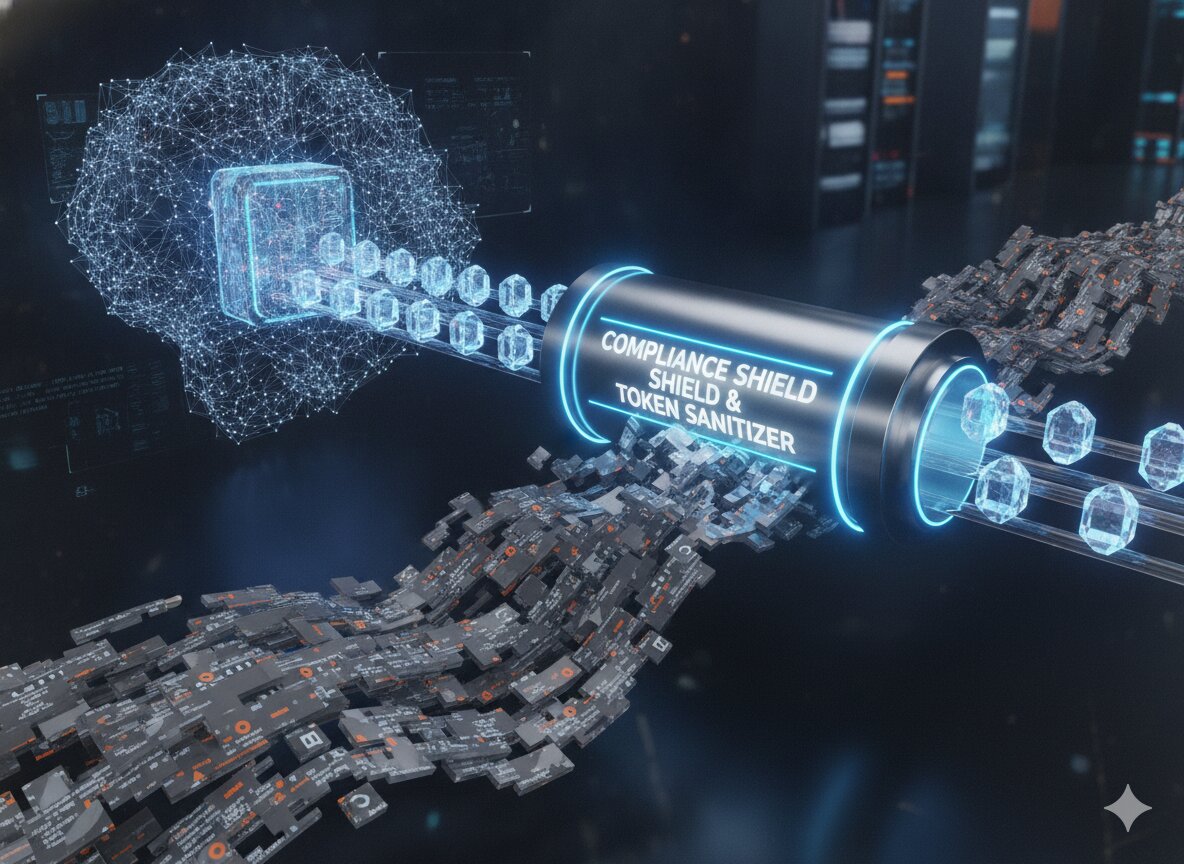
Audit the disaster recovery architecture to guarantee that routing data to an alternate geographic cloud zone does not violate international sovereignty parameters.
- The Strategy: Set programmatic verification rules to ensure backup architectures comply with regional data governance mandates like GDPR, HIPAA, or local financial data storage rules.
- The Play: "Regional failovers must respect data governance. Before any user payload is rerouted to a backup data zone, an automated compliance check confirms that the target storage bucket structures enforce identical customer data encryption standards and regional data isolation parameters, satisfying all strict SOC2 and GDPR residency criteria."
9. S-cale Performance and Traffic Load Testing
Establish automated chaos engineering and disaster simulation routines to validate system failover integrity under synthetic load before an actual crisis hits.
- The Strategy: Use the model to write configuration manifests for load-testing software (like Chaos Mesh, Gremlin, or Locust) to routinely verify regional backup scaling performance.
- The Play: "We secure system resilience by scheduling monthly automated chaos drills. Using a custom Locust testing script pre-configured by our AI engine, we synthetically simulate a total regional blackout during off-peak hours, validating that our automated edge routing steers 100% of mock user traffic across regions within our 30-second target SLA."
10. E-ntrepise Resiliency Library Proliferation
Document and store successful multi-region routing policies, database promotion scripts, and AI prompt workflows into an internal corporate platform library.
- The Strategy: Convert optimized failover patterns into plug-and-play templates, empowering every microservice team in the organization to configure regional disaster resilience independently.
- The Play: "We transform infrastructure resilience into an organization-wide platform standard. By compiling our validated Route 53 configurations, failover Bash scripts, and prompt frameworks into a shared internal architecture blueprint, we allow any engineering team in the company to integrate multi-region high availability into their systems, boosting corporate platform stability."
The Comparison: Bad vs. Good
- Bad Answer: "If a whole cloud region goes down, I would get all our core developers onto an emergency bridge call, have them log into the AWS console to manually spin up servers in a backup region, copy over database backups by hand, and change the DNS settings on our domain host while writing manual status reports to leadership." (Extremely high RTO, massive risk of data corruption, high potential for human error under stress, and lacks systemic engineering scale).
- Good Answer: "I mitigate regional cloud disasters by deploying the ZONE-DEFENSE framework—utilizing Active-Passive architecture with automated Route 53 edge health checks, leveraging Generative AI to pre-verify IaC structural parity across environments, using automated database fencing tokens to completely eliminate split-brain data corruption, and executing pre-scripted microservice cluster promotions with zero manual console intervention." (Highly strategic, technically robust, risk-mitigated, and centered on absolute platform resilience).


















.jpg)