Introduction
The Chief Technology Officer turns to you in a high-stakes technical strategy review and presents a critical architectural choice: "We are launching an AI-powered internal enterprise search and decision-support assistant for our 50,000 corporate employees. The assistant must query our massive, constantly updating internal documentation, proprietary codebase, and customer tickets. Should we build a Retrieval-Augmented Generation (RAG) system or Fine-Tune an open-source frontier LLM? How do you systematically evaluate the trade-offs across data freshness, latency, cost, domain adaptation, and hallucination bounds?"
Your stomach tightens. This is where average candidates fall into the "Fine-Tuning Binary" trap.
They offer simplistic, buzzword-heavy answers: "Fine-tuning is always better because it makes the model smarter," or "We should just fine-tune Llama 3 on our entire company database every night."
Stop suggesting expensive, ineffective retraining loops for dynamic knowledge retrieval. Fine-tuning a model to teach it fast-changing factual knowledge is like trying to rewrite a textbook every time a new news article is published—it is prohibitively expensive, prone to catastrophic forgetting, and mathematically incapable of guaranteeing zero factual hallucinations. In elite FAANG AI Product Management and TPM architecture loops, panels evaluate your ability to apply the Knowledge Type vs. Task Adaptation Matrix, Vector Search Indexing, Parametric vs. Non-Parametric Memory, Total Cost of Ownership ($TCO$), and Hybrid Architecture Patterns.
To pass this foundational AI strategy and platform design round, you need a structured, multi-variable decision model. You need the KNOWLEDGE-EVAL framework.
The Core Framework: The "KNOWLEDGE-EVAL" Method
Elite technology directors do not treat RAG and Fine-Tuning as mutually exclusive choices. They systematically analyze memory parameters, evaluate data volatility, calculate total inference economics, and deploy hybrid architectures where necessary.
                  [ AI Architecture Decision: RAG vs. Fine-Tuning ]
                                         │
                                         ▼
       ┌──────────────────────────────────────────────────────────────────┐
       │             K-NOWLEDGE DYNAMICS & VOLATILITY CHECK               │
       │  * High Update Velocity / Dynamic Data  ──> Default to RAG       │
       │  * Static Behavior / Custom Style/Format ──> Fine-Tuning Candidate│
       └────────────────────────────────┬─────────────────────────────────┘
                                        │
                                        ▼
       ┌──────────────────────────────────────────────────────────────────┐
       │             N-ON-PARAMETRIC VS. PARAMETRIC MEMORY PROFILE        │
       │  * RAG = External Vector DB (Non-Parametric / Verifiable Source)  │
       │  * Fine-Tuning = Weight Modifications (Parametric / Pattern-based)│
       └────────────────────────────────┬─────────────────────────────────┘
                                        │
                                        ▼
       ┌──────────────────────────────────────────────────────────────────┐
       │             O-PERATIONAL TOTAL COST OF OWNERSHIP (TCO)           │
       │  * RAG = Higher Context Tokens + Vector DB Storage Costs          │
       │  * Fine-Tuning = Heavy Training Compute + Dedicated GPU Serving │
       └────────────────────────────────┬─────────────────────────────────┘
                                        │
                                        ▼
       ┌──────────────────────────────────────────────────────────────────┐
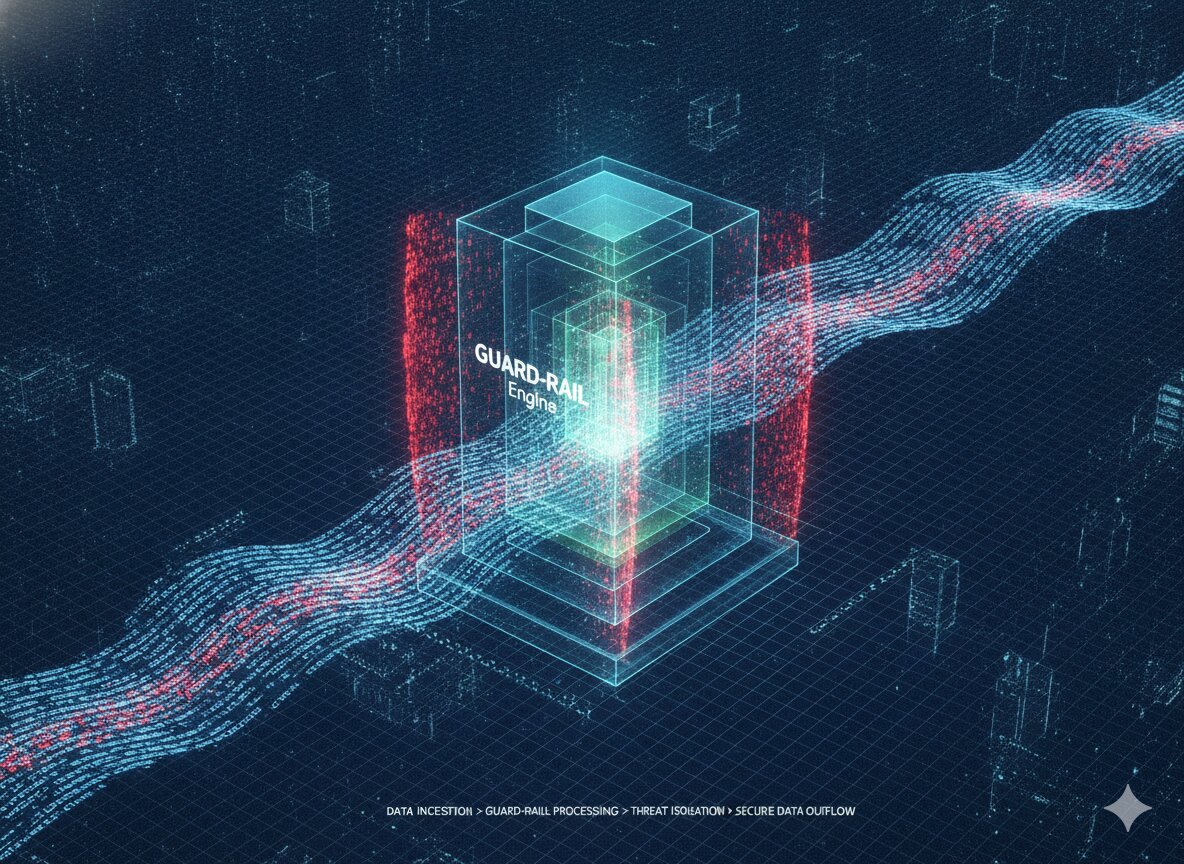
       │             W-RAPPING UP HYBRID RAG + FINE-TUNING                │
       │  * Combine Fine-Tuned Domain Reasoner with RAG Context Injection │
       └──────────────────────────────────────────────────────────────────┘
1. K-nowledge Dynamics & Volatility Check
Determine whether your application requires dynamic factual knowledge or static behavioral alignment.
- The Strategy: Evaluate the update velocity of the underlying data. If information changes hourly, daily, or weekly (e.g., customer tickets, policy updates), RAG is mandatory. Fine-tuning is designed for learning static patterns, tone, structure, and specialized syntax (e.g., medical dialect, custom code formatting)—not for serving fast-changing factual knowledge.
- Interview Script: "First, I will evaluate our knowledge volatility. If our enterprise documentation updates continuously, fine-tuning is the wrong tool for factual recall—it creates high retraining costs and risks catastrophic forgetting. We must use RAG for dynamic factual knowledge because we can update our vector database embeddings in real time without retraining a single weight in our LLM."
2. N-on-Parametric vs. Parametric Memory Profiling
Choose the correct memory architecture based on your auditability and hallucination constraints.
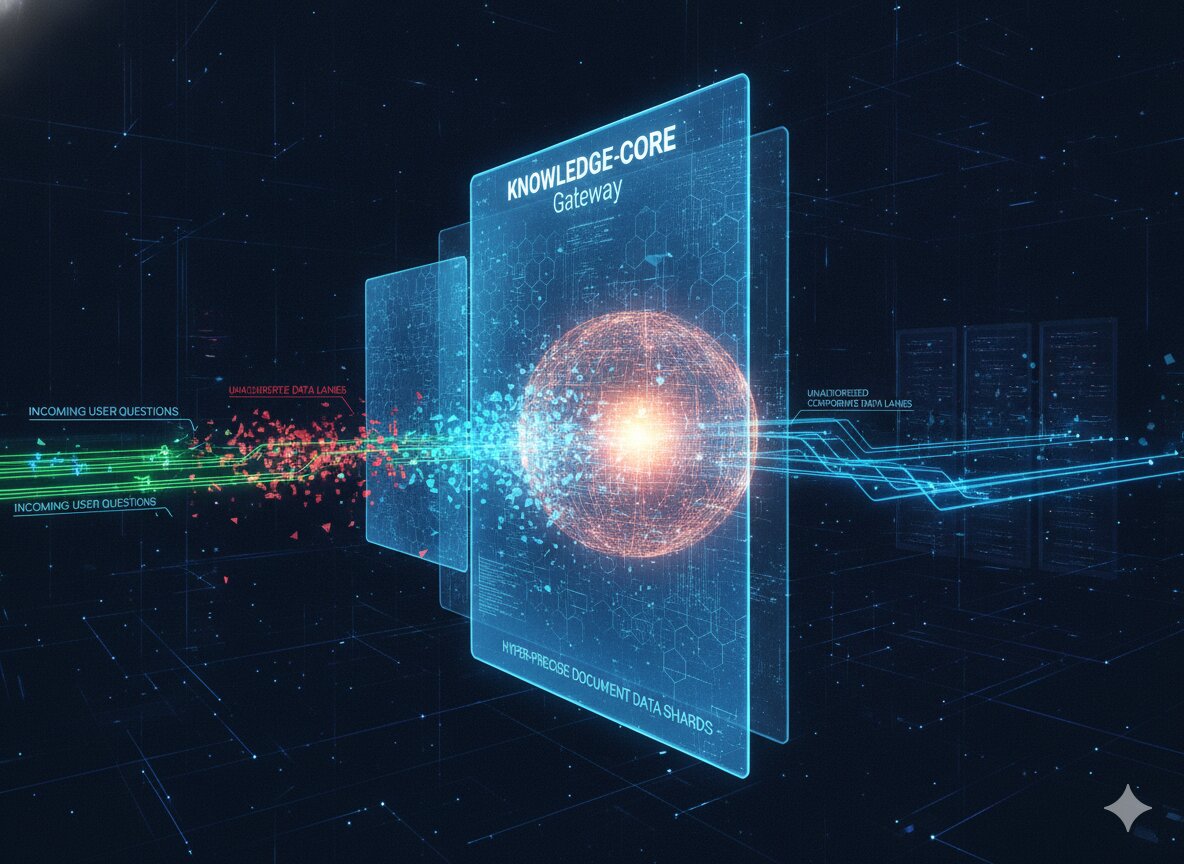
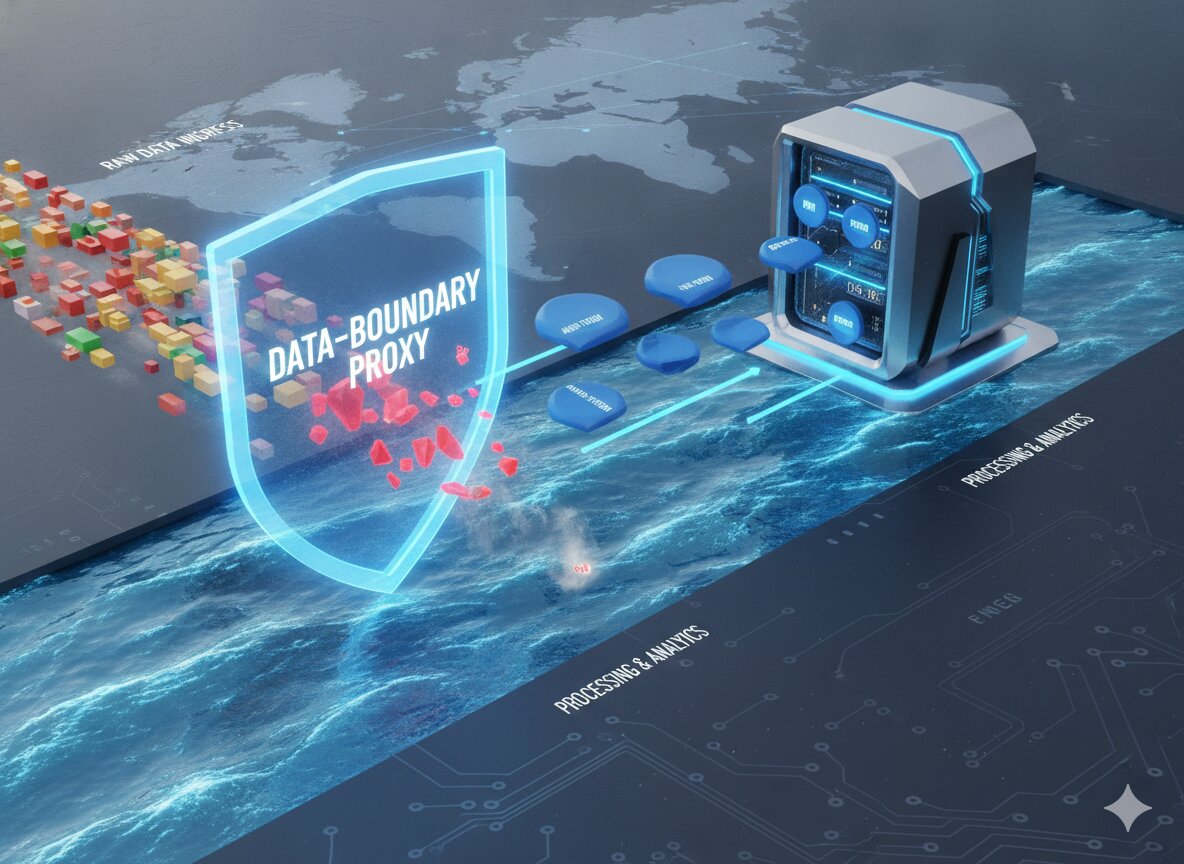
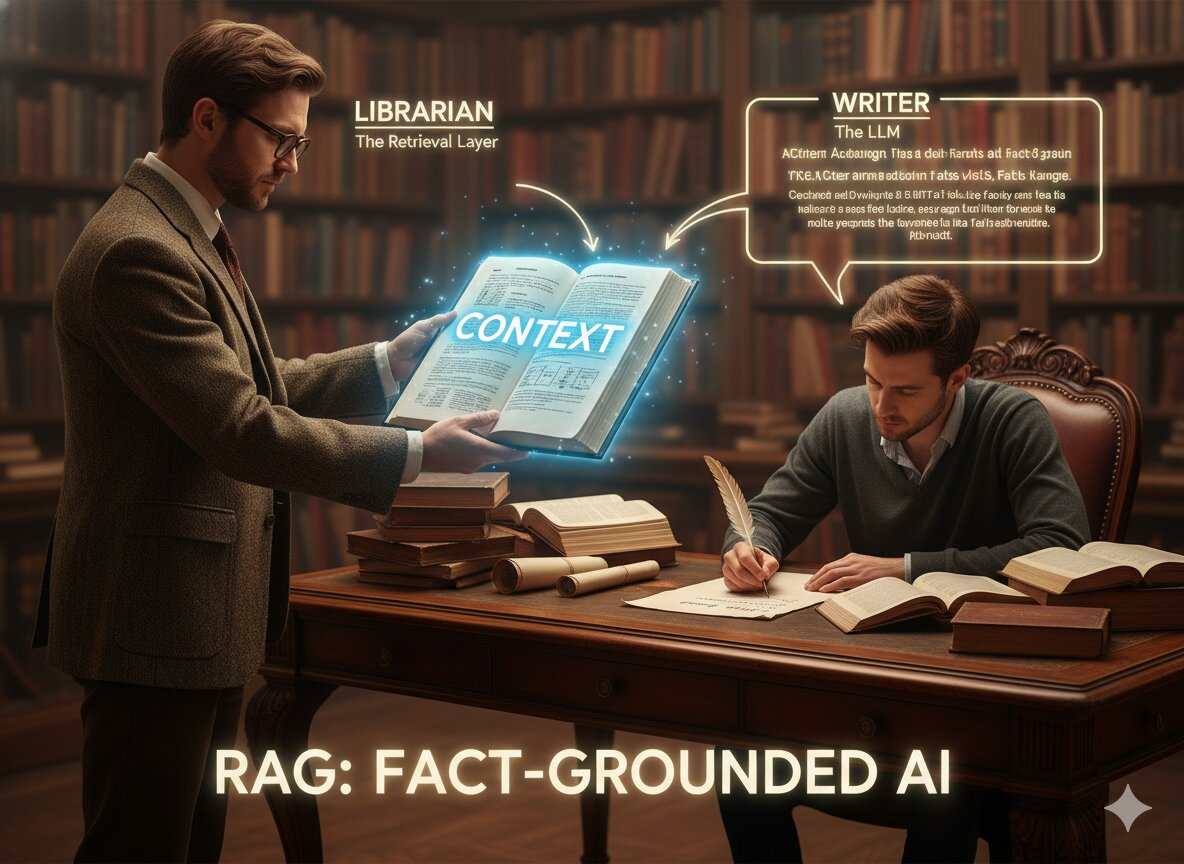
- The Strategy: Distinguish between Parametric Memory (knowledge stored inside the LLM’s neural weights via fine-tuning) and Non-Parametric Memory (knowledge retrieved from an external, indexable vector database like Pinecone, Qdrant, or Milvus via RAG).
- Interview Script: "We must evaluate our auditability requirements. RAG uses non-parametric memory, meaning every response generated by the model can be traced directly back to specific source chunk IDs and citations retrieved from our vector index. Fine-tuning bakes information into parametric memory, making source attribution impossible and dramatically increasing the risk of confident hallucinations."
3. O-perational Total Cost of Ownership (TCO) & Inference Latency
Map out the full financial and runtime economics across training and production serving.
- The Strategy: Compare the upfront training compute and dedicated GPU instance costs of fine-tuning against the recurring vector database storage, embedding generation, and large-context token costs of RAG.
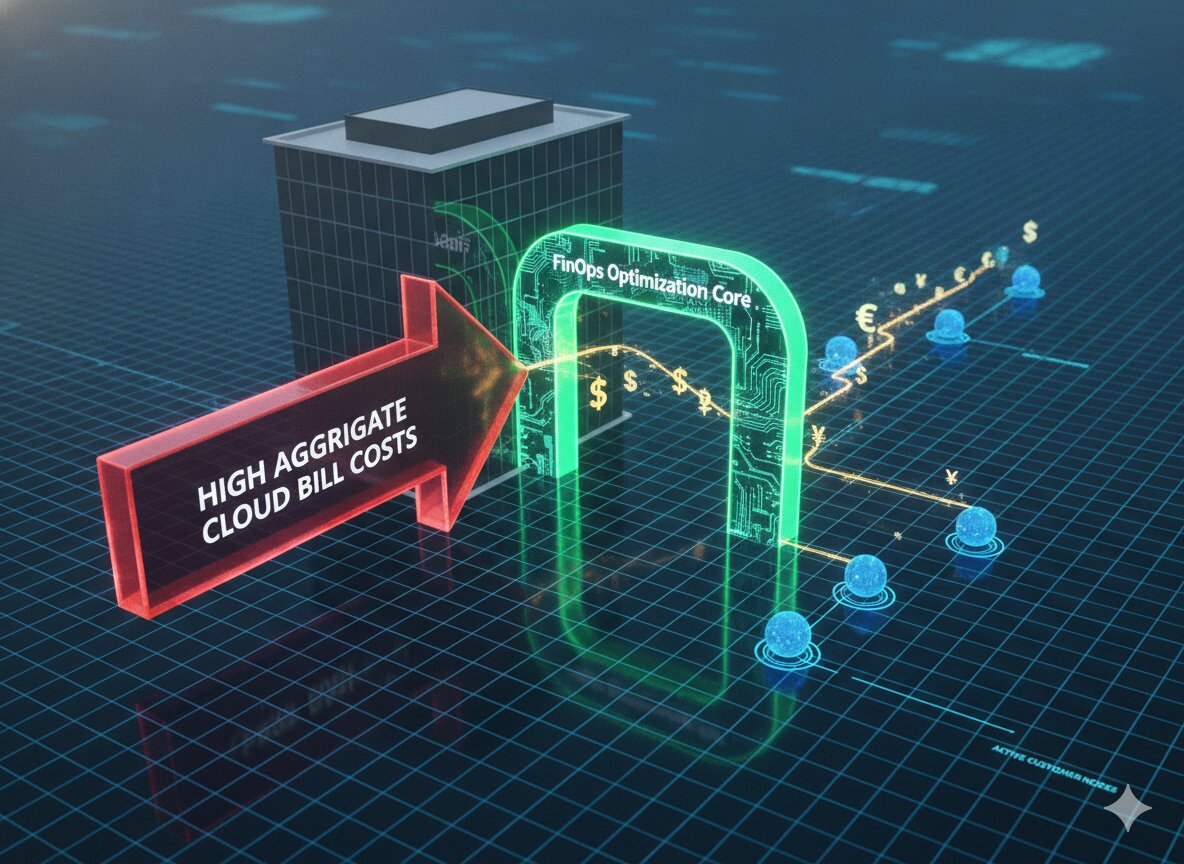
- Interview Script: "I will conduct a TCO analysis. Fine-tuning requires high upfront capital expenditure for GPU cluster training and dedicated model hosting instances. RAG has lower initial setup costs, but higher operational token costs due to expanding context windows with retrieved chunks. For our 50,000-user assistant, RAG provides a far lower operational TCO while keeping our latency predictable through hybrid vector search indexing."
4. W-rapping Up a Hybrid Architecture (RAG + Fine-Tuning)
Recognize that elite systems often combine both approaches to maximize performance.
- The Strategy: Use Fine-Tuning to teach the model domain-specific reasoning, custom JSON output formatting, or specialized jargon, and combine it with RAG to feed the fine-tuned model real-time, verifiable factual context at inference time.
- Interview Script: "For an enterprise-grade solution, the optimal architecture is often a hybrid pattern. We fine-tune a smaller, cost-effective open-source model (e.g., 8B/70B parameter) strictly to master our internal domain jargon, reasoning steps, and strict JSON output schemas. Then, we pair that fine-tuned reasoner with a high-throughput RAG pipeline that injects live factual context into its prompt window."
The Comparison: Bad vs. Good
Bad Answer (Fine-Tuning Binary)Good Answer (KNOWLEDGE-EVAL Framework)"We should fine-tune a model on all our company PDFs and customer support tickets so it learns everything about our business and never makes mistakes.""I will apply the KNOWLEDGE-EVAL framework. I will evaluate knowledge volatility, separate parametric from non-parametric memory, run a TCO analysis, and design a hybrid RAG + fine-tuning architecture.""RAG is always better than fine-tuning for everything because fine-tuning is too slow and expensive to set up in cloud infrastructure.""I will map knowledge needs against memory layers. We will use RAG for dynamic, auditable enterprise facts, and reserve fine-tuning strictly for custom output formatting and domain-specific reasoning."
The Pitch/Transition
Navigating complex trade-offs between RAG architectures, fine-tuning techniques (like LoRA and QLoRA), vector store mechanics, and inference economics is essential for modern AI leadership. The KNOWLEDGE-EVAL framework provides a clear, defensible blueprint for making high-concurrency enterprise platform choices.
In executive FAANG AI Product Management and TPM system design loops, panels look past buzzwords to see if you can balance deep technical realities with business economics and system safety constraints. Don't go into high-stakes AI strategy rounds without a battle-tested framework.
Equip yourself with the exact production-ready AI frameworks, enterprise architecture blueprints, and systems engineering vocabulary trusted by top-tier technology leaders:
- Command your AI product strategy, user metric alignment, and technical execution rounds with the comprehensive PM Prep Guide.
- Dominate your distributed system design, LLM infrastructure scaling, and cross-functional technology loops with the tactical TPM Prep Kit.
FAQs
Q: What is the core mechanical difference between PEFT/LoRA Fine-Tuning and Full-Parameter Fine-Tuning?
A: Full-parameter fine-tuning updates all weights in a large language model during training, requiring immense GPU memory ($VRAM$) and compute. PEFT (Parameter-Efficient Fine-Tuning) techniques like LoRA (Low-Rank Adaptation) freeze the original base model weights and insert small, trainable low-rank rank-decomposition matrices into specific attention layers. This reduces trainable parameters by over 99%, cutting GPU memory costs drastically while achieving comparable behavioral adaptation.
Q: How do you prevent Chunk Truncation and Context Loss in a RAG pipeline?
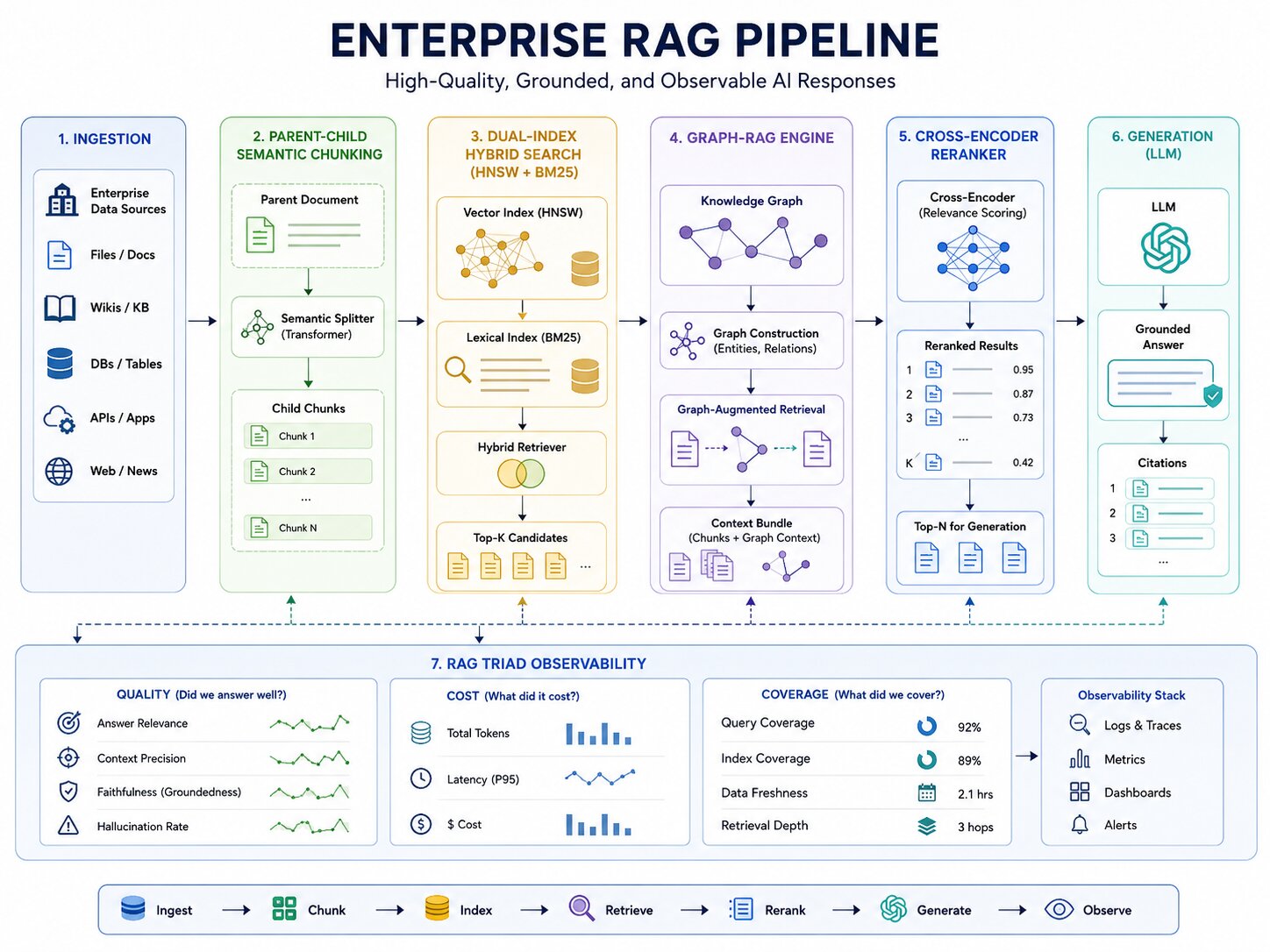
A: Implement a Parent-Document / Hierarchical Retriever or Semantic Chunking strategy. Instead of arbitrarily slicing text every 500 characters, semantic chunking splits documents based on natural linguistic boundaries (like headings or paragraph topic shifts). Parent-document retrieval indexes smaller, highly specific sub-chunks for precise vector similarity search, but passes the larger parent document context to the LLM during generation, ensuring no critical context is lost.
Q: When should you explicitly choose Fine-Tuning over RAG?
A: Choose fine-tuning when your primary objective is modifying the model's behavior, style, or structure, rather than teaching it new facts. Ideal use cases include: enforcing strict, complex output formats (like custom JSON or SQL schemas), learning specialized domain language/jargon that the base model fails to comprehend, or distilling a massive 70B+ model's reasoning capabilities into a fast, lightweight 8B model.

















.jpg)