Introduction
The Senior Vice President of Platform Engineering opens the architectural review with an ambitious challenge: "We are replacing our manual operational workflows with autonomous AI agent networks across supply chain, customer resolution, and financial operations. We expect millions of automated multi-step actions daily. How do you design an end-to-end, multi-agent orchestrator that handles dynamic task planning, tool execution with state rollback, long-term working memory, human-in-the-loop escalation, and deterministic safety bounds without falling into infinite execution loops?"
This is where candidates fall into the "Naive ReAct Loop" trap.
They offer fragile, textbook answers: "We'll just write a basic LangChain ReAct loop with a few tool bindings, let the LLM decide the next step in a while loop, and append history to the prompt."
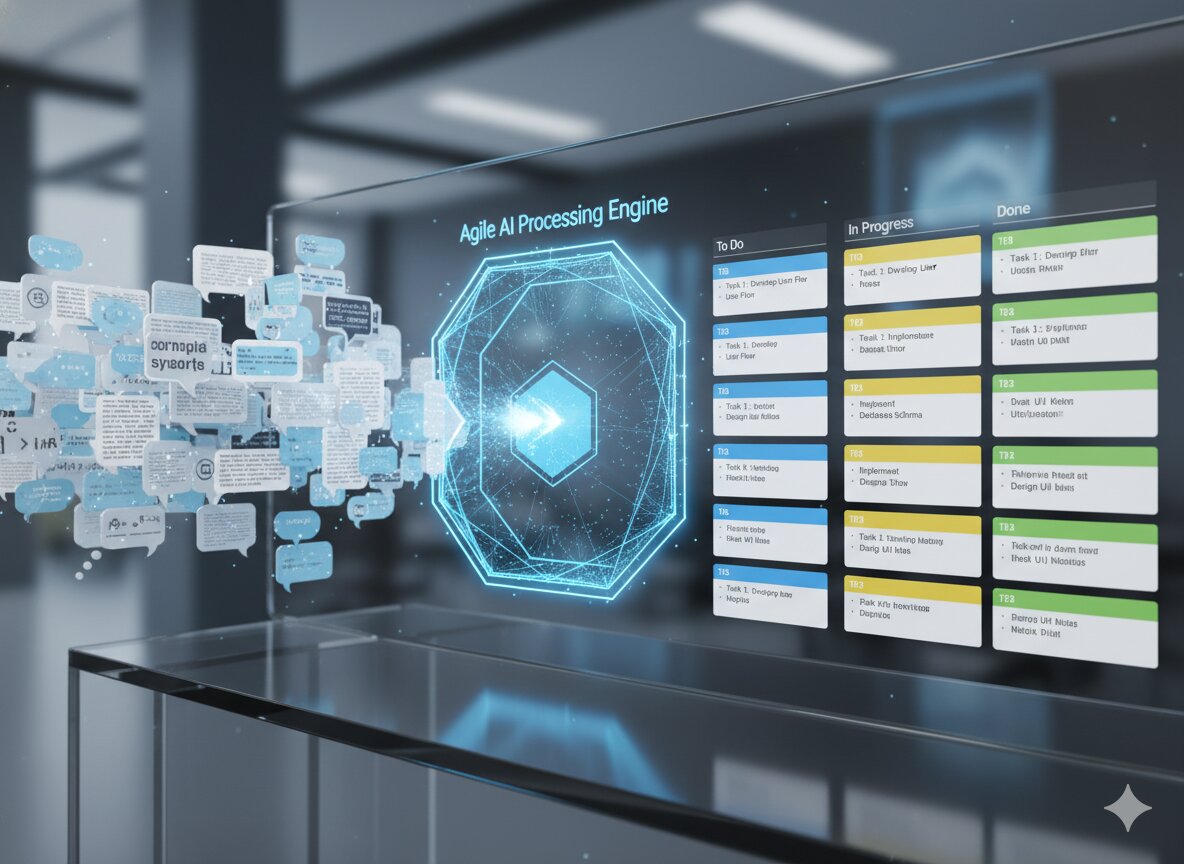
Stop relying on simple, single-prompt ReAct loops for mission-critical enterprise workflows. Open-ended while loops powered purely by LLMs suffer from infinite recursion, state corruption, high API costs, unrecoverable tool execution failures, and unpredictable non-deterministic behavior. In elite FAANG AI Product Management and TPM system design loops, panels evaluate your grasp of Hierarchical Multi-Agent Topologies, State-Chart Orchestration (LangGraph / Directed Acyclic Graphs), Transactional Tool Execution & Rollback, Dual-Layer Memory Architectures, Dynamic Re-Planning, and Deterministic Human-in-the-Loop (HITL) Guardrails.
To pass this advanced GenAI agent architecture and autonomous platform execution round, you need an enterprise-grade framework: the AGENT-FLOW method.
The Core Framework: The "AGENT-FLOW" Method
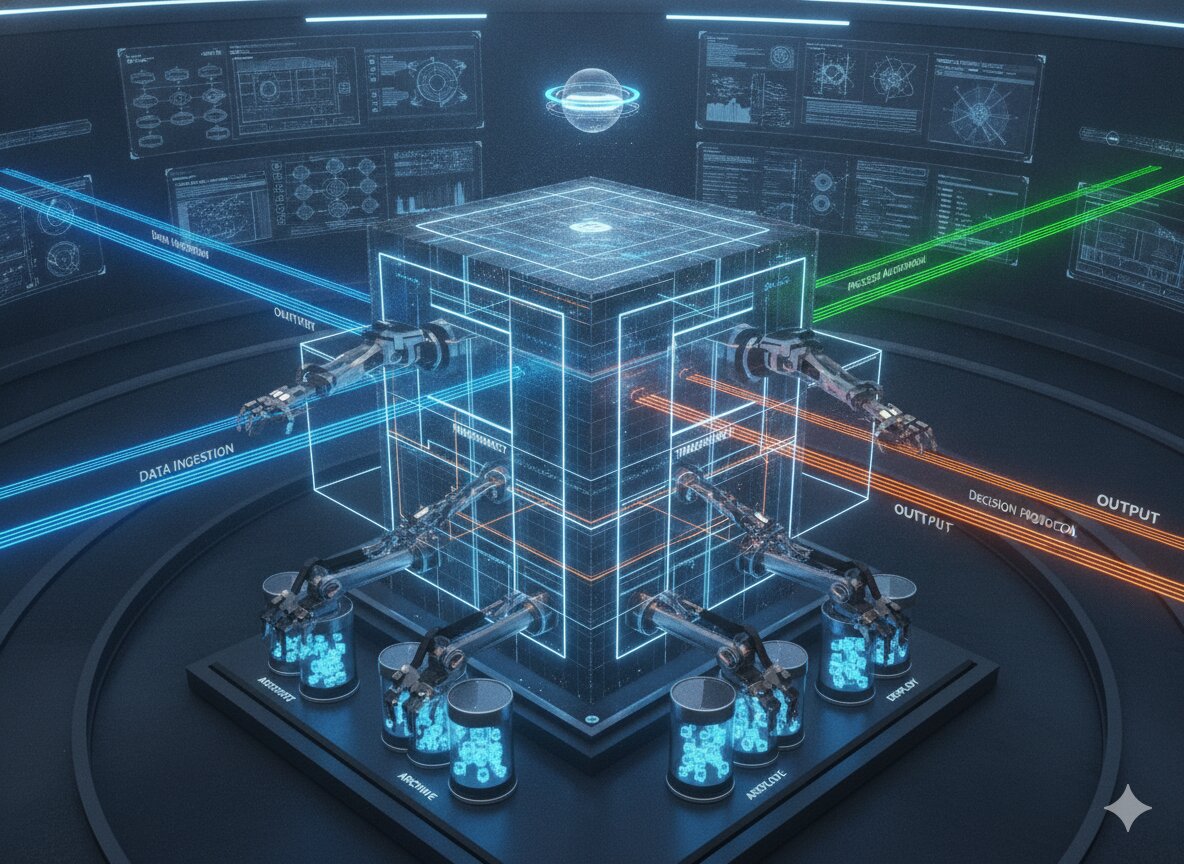
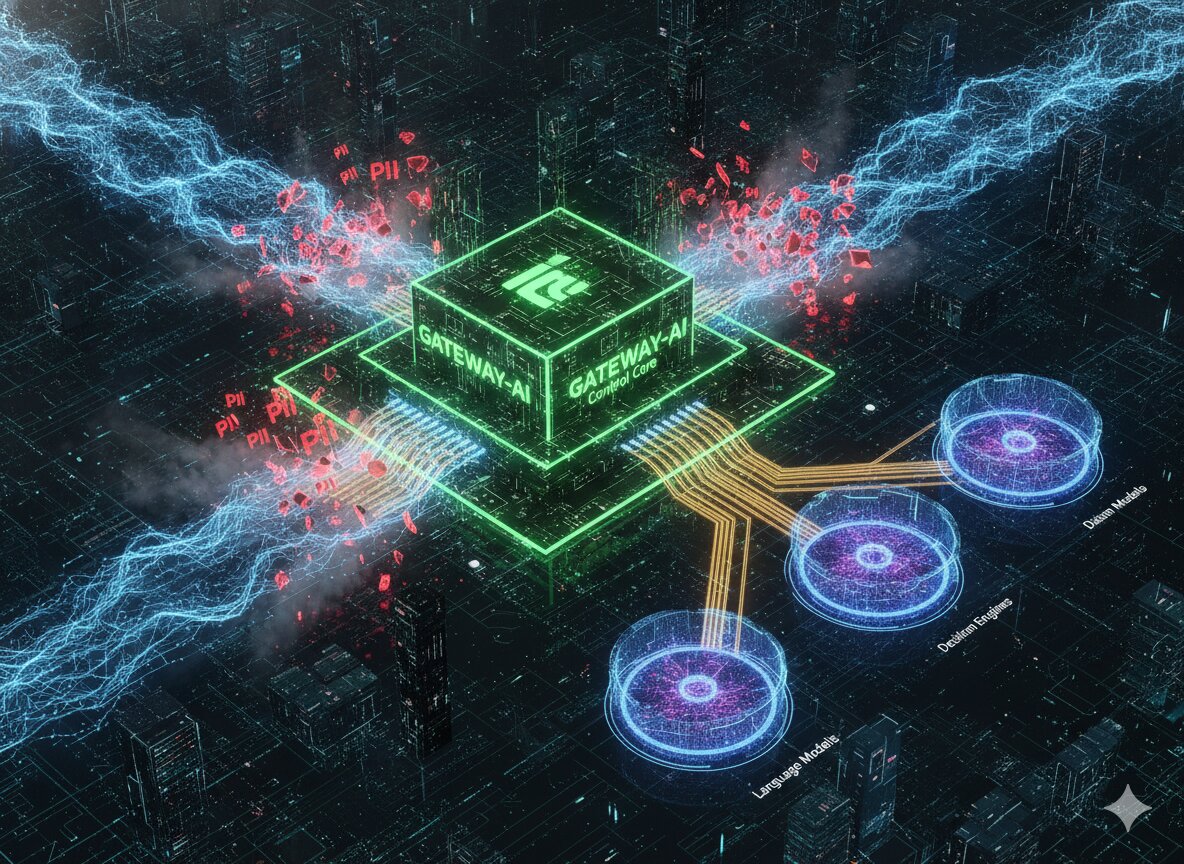
Elite AI platform leaders do not build unbounded, single-prompt agent loops. They build stateful, graph-based multi-agent topologies where deterministic state machines enforce boundaries around stochastic LLM reasoning.
                        [ Enterprise Operational Goal ]
                                       │
                                       ▼
       ┌───────────────────────────────────────────────────────────────┐
       │             A-RCHITECTURE OF GRAPH-BASED ORCHESTRATION         │
       │  * State-chart Directed Acyclic Graphs (DAGs), Supervisor Node │
       └───────────────────────────────┬───────────────────────────────┘
                                       │
                                       ▼
       ┌───────────────────────────────────────────────────────────────┐
       │             G-RANULAR SPECIALIZED AGENT TOPOLOGY              │
       │  * Domain Agents (Planner, Exec, Critic, Safeguard)            │
       └───────────────────────────────┬───────────────────────────────┘
                                       │
                                       ▼
       ┌───────────────────────────────────────────────────────────────┐
       │             E-XECUTION SAFETY & TRANSACTIONAL ROLLBACK        │
       │  * Idempotent Tool Interfaces, Two-Phase Commit, Compensation │
       └───────────────────────────────┬───────────────────────────────┘
                                       │
                                       ▼
       ┌───────────────────────────────────────────────────────────────┐
       │             N-AVIGATING DUAL-LAYER MEMORY                      │
       │  * Short-term State Checkpointing vs. Vector Working Memory   │
       └───────────────────────────────┬───────────────────────────────┘
                                       │
                                       ▼
       ┌───────────────────────────────────────────────────────────────┐
       │             T-ERMINATION BOUNDS & RE-PLANNING LOOPS           │
       │  * Maximum Recursion Depth, Dynamic Replanning on Failure      │
       └───────────────────────────────┬───────────────────────────────┘
                                       │
                                       ▼
       ┌───────────────────────────────────────────────────────────────┐
       │             F-AILSAFE HUMAN-IN-THE-LOOP (HITL) ROUTING         │
       │  * Risk-tier thresholding, Interrupt nodes, Approval UI     │
       └───────────────────────────────┬───────────────────────────────┘
                                       │
                                       ▼
       ┌───────────────────────────────────────────────────────────────┐
       │             L-OGGING, OBSERVABILITY & TRACEABILITY            │
       │  * Distributed tracing (OpenTelemetry), Step replay, Audits   │
       └───────────────────────────────┬───────────────────────────────┘
                                       │
                                       ▼
       ┌───────────────────────────────────────────────────────────────┐
       │             O-PTIMIZED AGENT-TO-AGENT COMMUNICATION           │
       │  * Structured Pydantic Schemas, Message Bus, Token Reduction  │
       └───────────────────────────────┬───────────────────────────────┘
                                       │
                                       ▼
       ┌───────────────────────────────────────────────────────────────┐
       │             W-ORST-CASE FALLBACK & SAFE RECOVERY              │
       │  * Deterministic script escalation, Safe state reversion      │
       └───────────────────────────────┬───────────────────────────────┘
                                       │
                                       ▼
                  [ Safe, Deterministic Operational Execution ]
1. A-rchitecture of Graph-Based Orchestration
Replace open-ended string loops with stateful state charts.
- The Strategy: Do not use unbounded
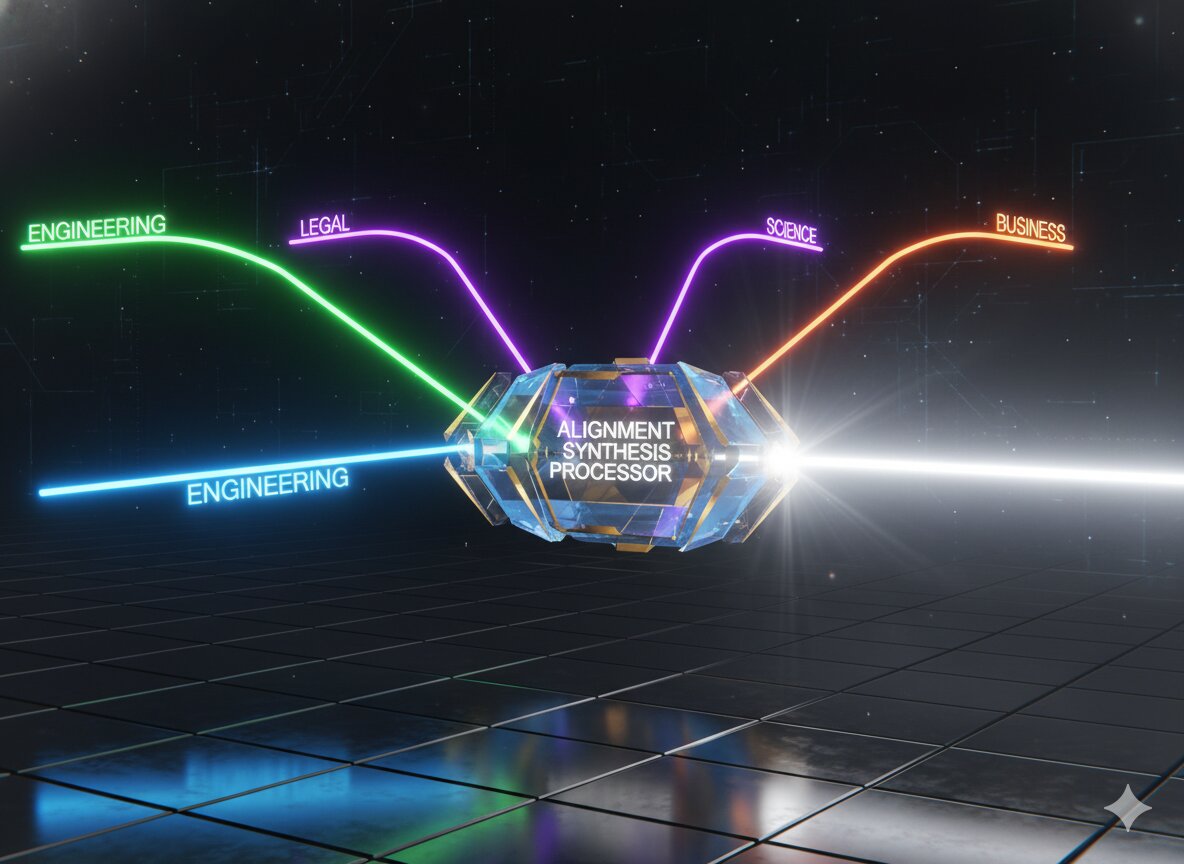
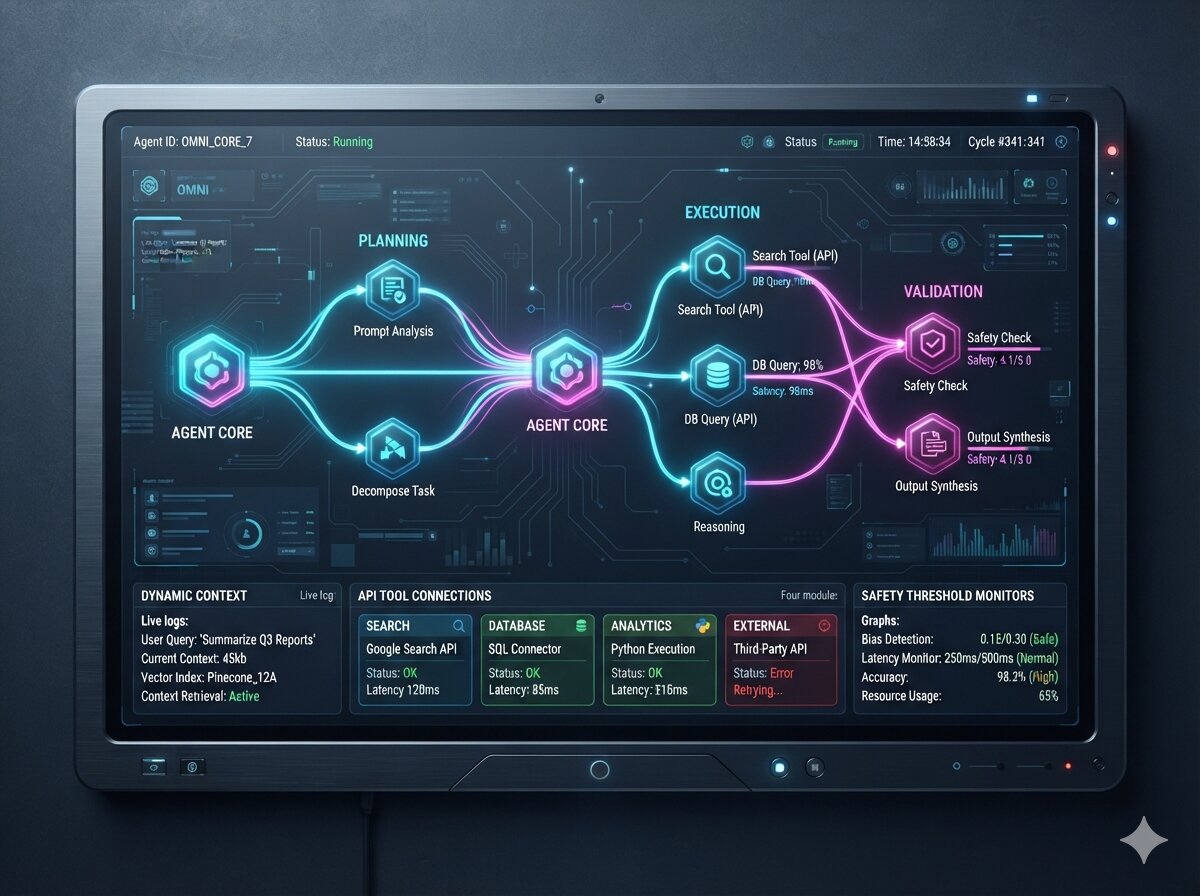
whileloops. Model autonomous workflows using State Graphs / Directed Acyclic Graphs (DAGs) (e.g., using frameworks like LangGraph). Define explicit nodes for agent reasoning, tool execution, and validation, with state transitions governed by deterministic conditional edges. - Interview Script: "First, we establish a State-Chart Orchestration framework using a Directed Acyclic Graph (DAG) model. Instead of an open-ended string-based loop, our system explicitly defines agent states, tool execution nodes, and conditional transition edges to guarantee predictable flow control."
2. G-ranular Specialized Agent Topology
Break monolithic agents into specialized, single-responsibility sub-agents.
- The Strategy: Avoid asking a single LLM to plan, code, run database queries, and critique its own work. Build a Hierarchical Multi-Agent Topology:
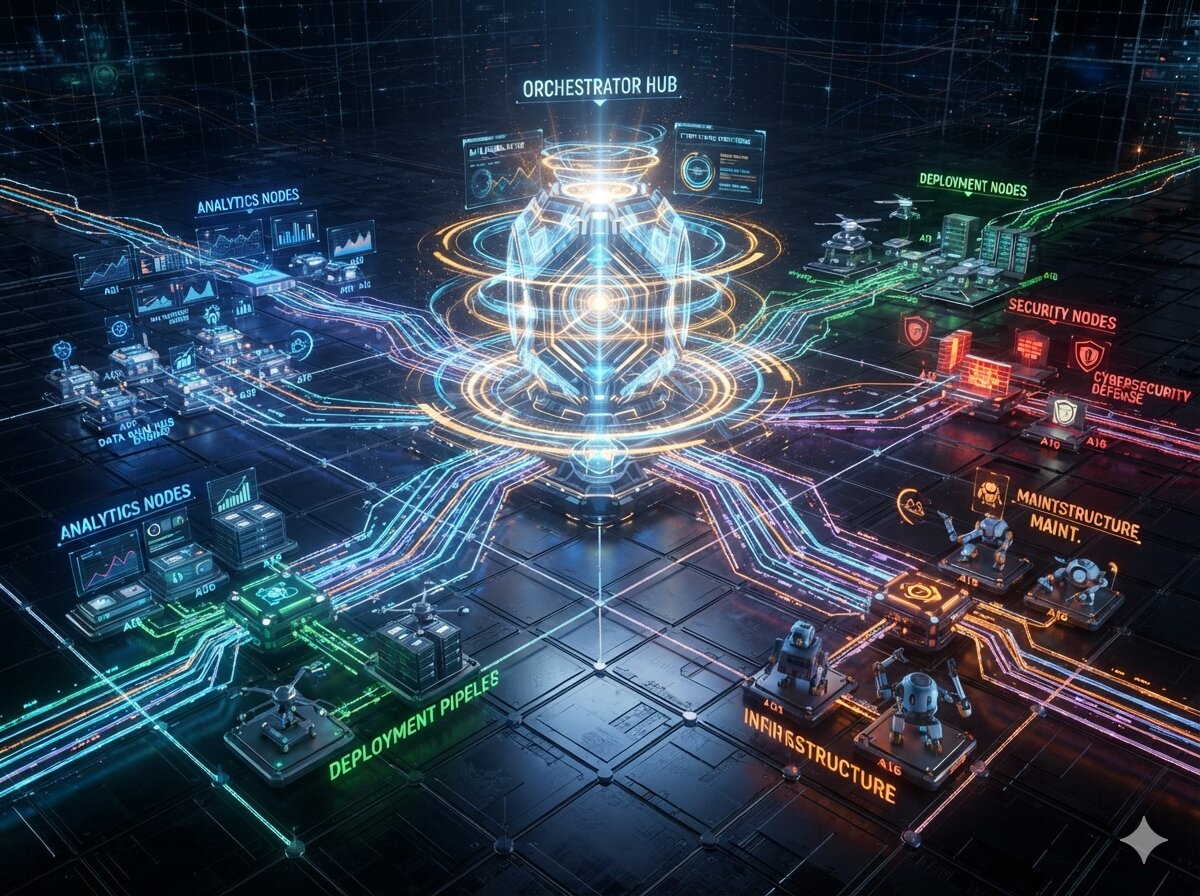
- Supervisor / Orchestrator Agent: Deconstructs goals into sub-tasks and delegates to worker nodes.
- Domain Execution Agents: Specialized units (e.g., SQL Agent, Logistics API Agent) bound to minimal, task-specific toolsets.
- Critic / Evaluator Agent: Validates worker node output quality before state commit.
- Interview Script: "We use a Hierarchical Agent Topology. A central Orchestrator decomposes complex requests into sub-goals and assigns them to specialized worker agents—such as a Data Retrieval Agent or Order Processing Agent—while a separate Critic Agent independently validates output precision before state progression."
3. E-xecution Safety & Transactional Rollback
Prevent irreversible real-world side effects from bad tool executions.
- The Strategy: Tools modifying external state (e.g., database writes, payment processing, sending emails) must implement Two-Phase Commit or Saga Compensation Patterns. All tool contracts must be strictly idempotent. If a downstream step fails, the system triggers compensating transactions (e.g., canceling a temporary booking) to revert system state safely.
- Interview Script: "To ensure operational safety, all external tool integrations follow the Saga Pattern with compensation actions. Tools are designed to be strictly idempotent, and if an agent chain fails midway through execution, compensating workflows trigger to roll back uncommitted external side effects."
4. N-avigating Dual-Layer Memory
Separate temporary execution context from long-term institutional knowledge.
- The Strategy: Structure agent memory into two distinct tiers:
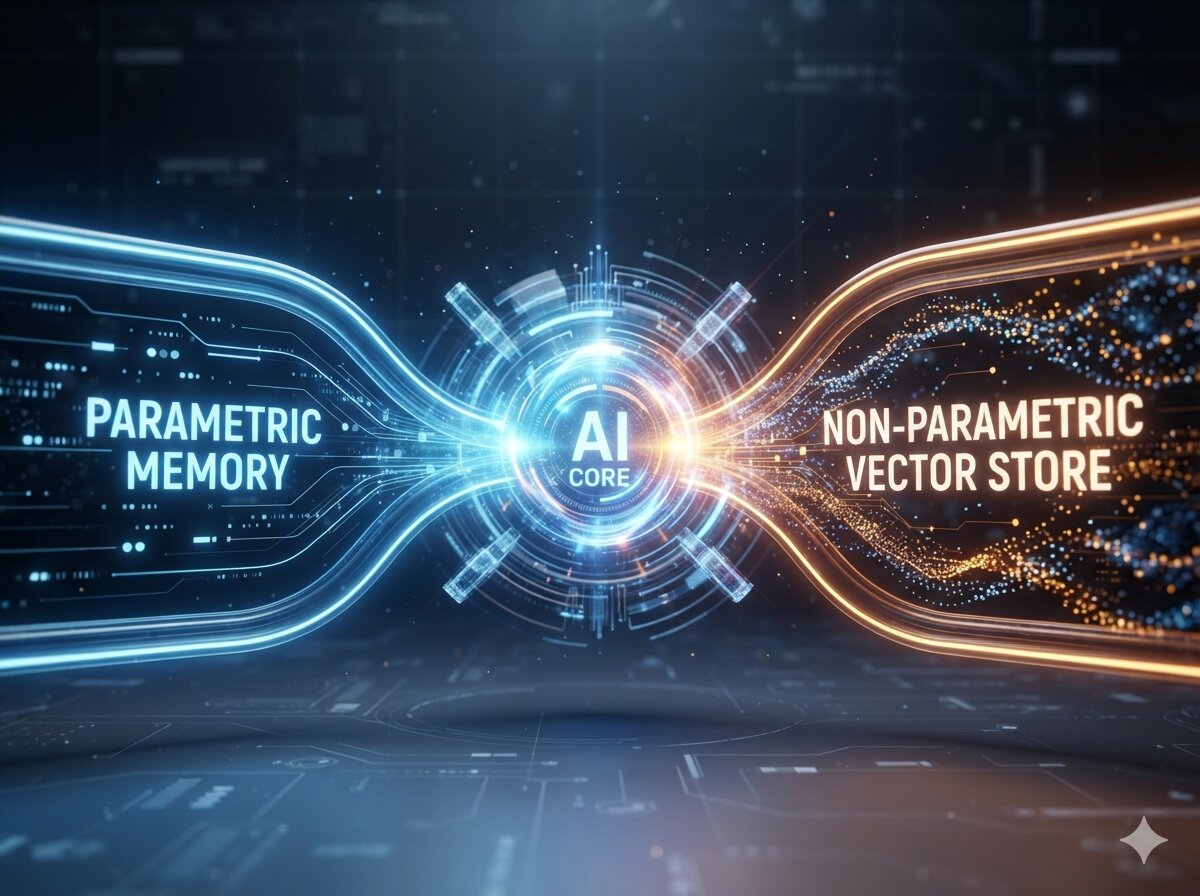
- Short-Term Context (State Checkpointing): Saved graph state containing current execution variables, step counts, and active plan states, stored in Redis/PostgreSQL.
- Long-Term Memory (Episodic/Semantic): Vector database stores past successful execution trajectories, user preferences, and enterprise domain context, queried via semantic retrieval.
- Interview Script: "We separate agent memory into two operational layers: Short-Term State Checkpointing via Redis to maintain exact execution step state across turns, and Long-Term Episodic Memory backed by a vector store to retrieve historical execution patterns and user preferences."
5. T-ermination Bounds & Re-Planning Loops
Prevent infinite reasoning loops and handle execution roadblocks intelligently.
- The Strategy: Define strict execution constraints:
- Set a hard Maximum Step Limit (e.g., max 15 tool execution turns).
- Set a Token/Cost Budget per execution ID.
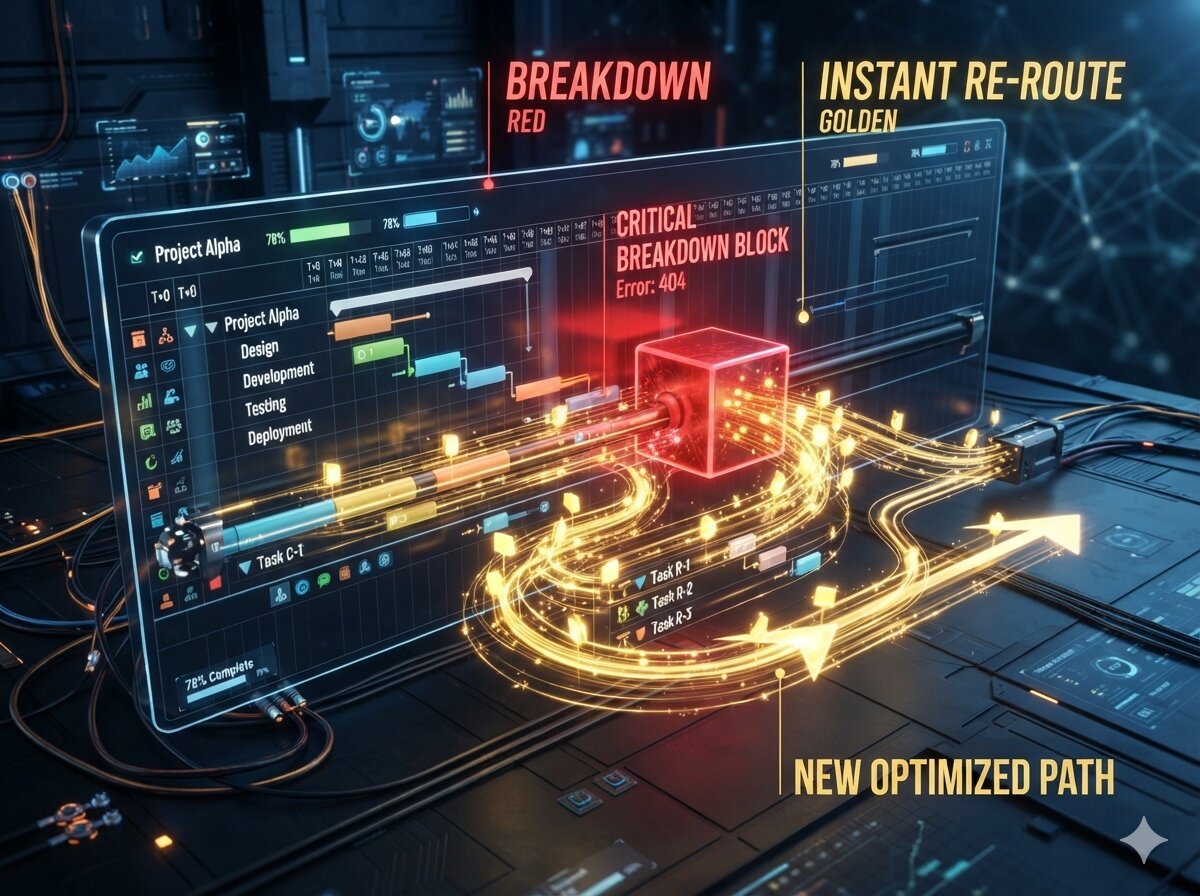
- Implement Dynamic Re-Planning: If a tool returns an error, pass the error payload back to a dedicated Replanning Node (up to 3 retries) rather than crashing the system or endlessly repeating the failing call.
- Interview Script: "To prevent runaway infinite loops and API cost spikes, we enforce strict termination bounds—limiting execution chains to a hard ceiling of 15 steps and setting explicit per-trace token budgets. If a tool execution fails, the state routes to a Replanning Node that dynamically restructures the execution graph."
6. F-ailsafe Human-in-the-Loop (HITL) Routing
Escalate high-risk, non-deterministic actions for human approval.
- The Strategy: Categorize tool calls by risk tier. Low-risk tools (e.g., fetching read-only data) run automatically. High-risk tools (e.g., executing a $50,000 refund, modifying firewall rules) pause the graph execution at an Interrupt Node, persist state, notify a human operator via a UI review queue, and resume execution only upon cryptographic signed approval.
- Interview Script: "We integrate deterministic Human-in-the-Loop breakpoints for sensitive actions. High-risk actions—such as financial transactions above set thresholds—trigger a state interrupt node, persisting graph execution state until a human operator approves or rejects the action through a review dashboard."
7. L-ogging, Observability & Traceability
Maintain complete auditability over non-deterministic decision pathways.
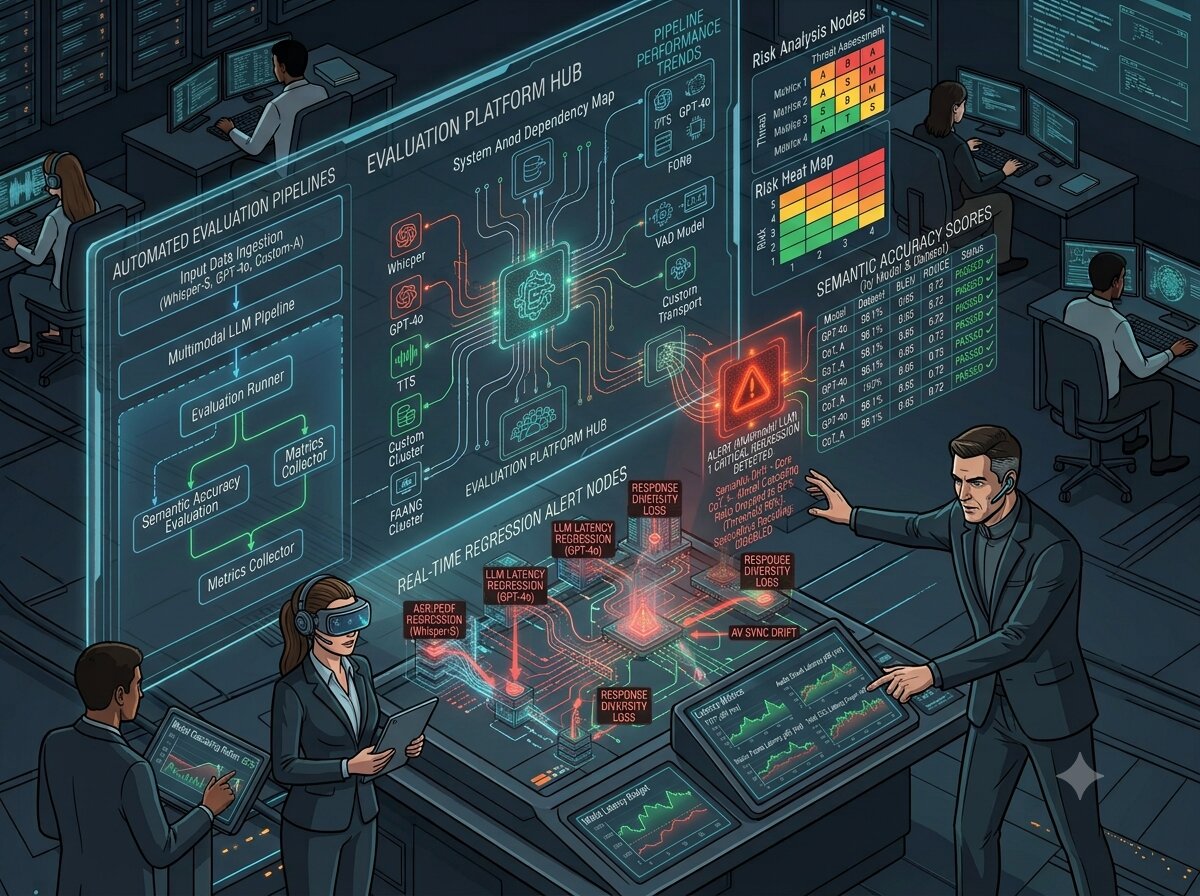
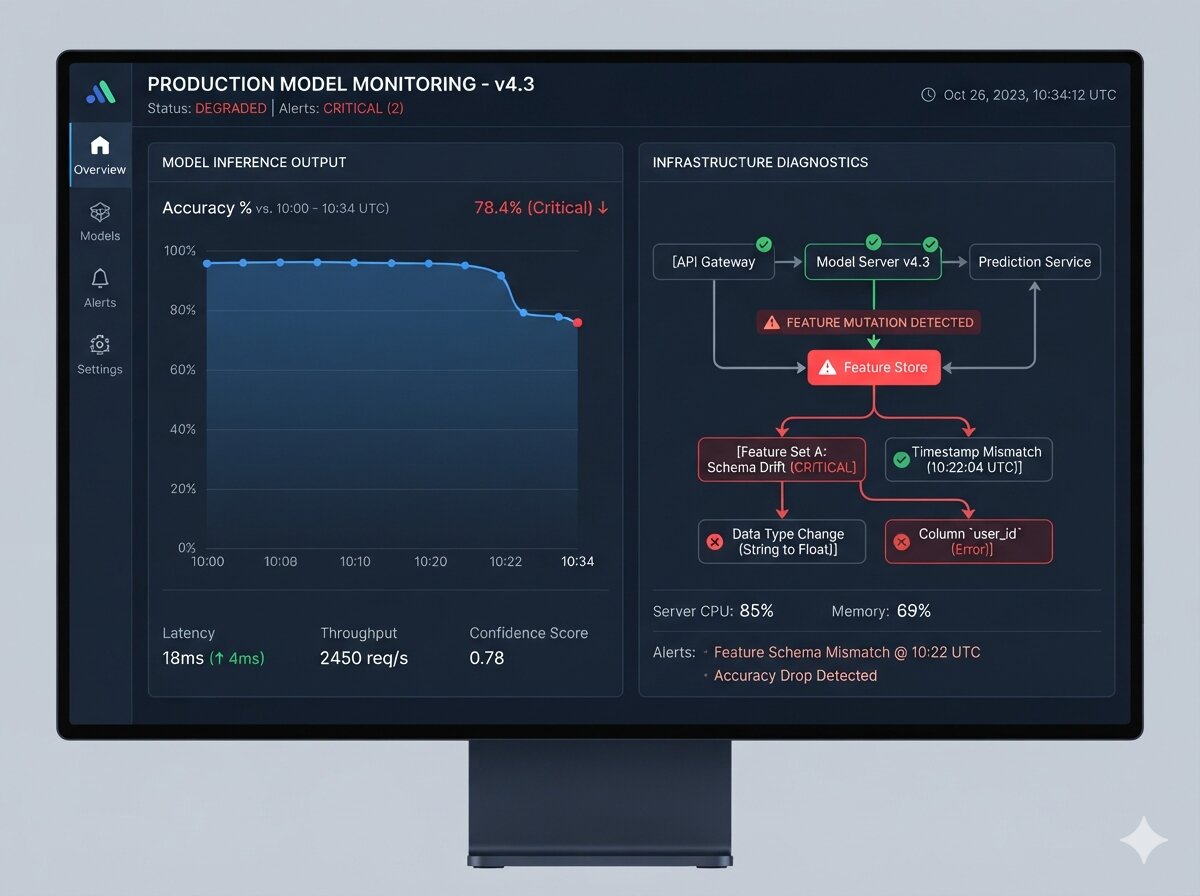
- The Strategy: Stream step-by-step agent thoughts, tool payloads, and intermediate state transitions into an observability tool (e.g., LangSmith, Phoenix, or OpenTelemetry tracing). Maintain immutable audit logs to replay, debug, or evaluate agent execution failures offline.
- Interview Script: "We achieve full platform observability by instrumenting every node with OpenTelemetry distributed tracing. Every agent thought step, tool input, output payload, and state mutation is logged to an immutable audit store, enabling deterministic replay and debugging of failed production runs."
8. O-ptimized Agent-to-Agent Communication
Minimize context window bloat and token waste across agent boundaries.
- The Strategy: Agents should not pass massive raw text conversational histories back and forth. Force agent-to-agent communication to use strictly typed, compact JSON schemas (e.g., Pydantic models). The Orchestrator receives only structured task summaries from worker agents, preserving prompt context.
- Interview Script: "To optimize context usage and reduce token cost, agent-to-agent message passing is strictly typed using Pydantic JSON schemas. Worker agents return only compressed execution summaries to the Orchestrator, avoiding context window bloat across multi-agent handoffs."
9. W-orst-Case Fallback & Safe Recovery
Ensure reliable system behavior when autonomous reasoning completely breaks down.
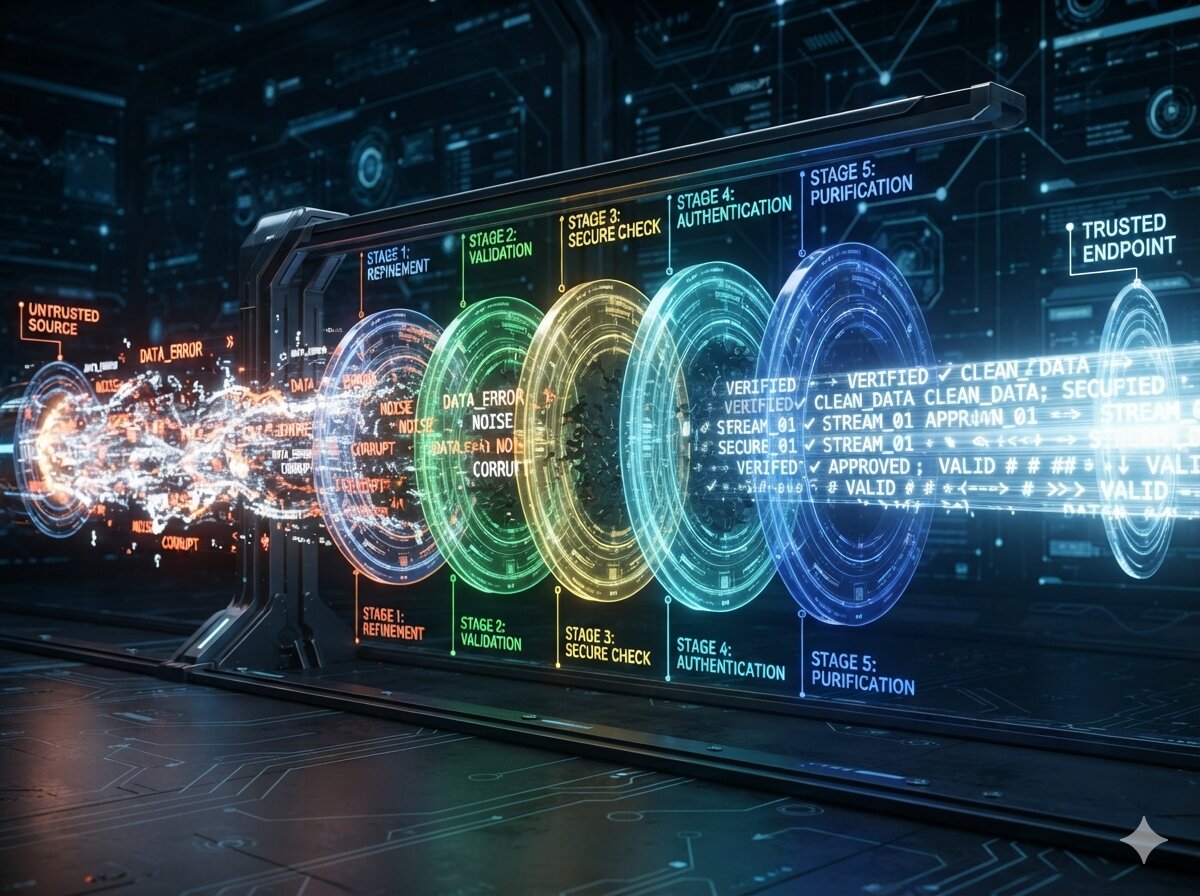
- The Strategy: When an execution chain hits maximum retries, encounters a unrecoverable policy violation, or suffers LLM API downtime, execute a deterministic Rule-Based Fallback Strategy. Transfer the ticket/task to a human queue with a summarized trace log and notify the client using a canned SLA payload.
- Interview Script: "If an agent chain exhausts its retry budget or hits an unrecoverable exception, our worst-case recovery protocol triggers. The system safely rolls back intermediate state, logs a structured failure telemetry report, and hands the complete context over to a human support queue."
The Comparison: Bad vs. Good
Bad Answer (Naive ReAct Loop)Good Answer (AGENT-FLOW Framework)"We will write a standard LangChain script with a while loop, pass all tools to one prompt, and let the model decide what to do until it finishes.""I will implement the AGENT-FLOW framework. I will construct a stateful DAG orchestrator, use specialized sub-agents, enforce Saga pattern compensation, manage short/long memory, and place HITL interrupts on high-risk tools.""If the agent gets stuck in a loop or fails a tool call, we will just increase the model temperature or write a stronger system prompt.""System prompts don't prevent recursion. We prevent loops using strict step limits, token budgets, explicit graph conditional edges, and dynamic replanning nodes that route execution to human escalation when retries fail."
The Pitch/Transition
Architecting production-grade autonomous agent systems requires moving beyond basic single-prompt scripts toward stateful graph topologies, transactional tool safety, dual-layer memory, and deterministic human-in-the-loop controls. The AGENT-FLOW framework provides a robust blueprint for deploying resilient, scalable AI agents in mission-critical environments.
In executive FAANG AI Product Management and TPM system design interviews, hiring panels evaluate candidates on their ability to manage the non-deterministic risks of autonomous systems while delivering high-throughput business automation.
Prepare with production-validated AI frameworks, enterprise system design blueprints, and authoritative infrastructure vocabulary:
- Command your AI product strategy, autonomous agent roadmap, and system metrics with the comprehensive PM Prep Guide.
- Dominate your system design, multi-agent orchestration, and platform execution loops with the tactical TPM Prep Kit.
FAQs
Q: Why are State Graph Orchestrators (e.g., LangGraph) superior to simple ReAct loops for enterprise agents?
A: Simple ReAct loops rely entirely on the LLM to decide state transitions via freeform text, making them susceptible to state drift, infinite recursion, and dropped tools. State Graphs enforce explicit state schemas, defined transition rules, and deterministic conditional paths. This ensures the system retains complete control over execution topology while using LLM reasoning only for specific node-level decisions.
Q: How do you prevent an AI agent from executing unintended or damaging real-world side effects?
A:
- Idempotent Tool Design: Ensure tools can be retried without duplicate side effects.
- Saga Pattern / Compensation Actions: Design every state-changing tool with a corresponding rollback action (e.g.,
reserve_inventoryhascancel_reservation). - Risk-Tiered Human-in-the-Loop (HITL): Require explicit human confirmation before executing high-risk, high-value, or destructive tool calls.
Q: How do you handle long execution traces without running out of LLM context window space?
A:
- Context Truncation & Summarization: Compress historical tool outputs into structured summaries before passing them to subsequent graph nodes.
- State Checkpointing: Retain full step history in a external database (e.g., Redis) while keeping only the minimal current working state in the active prompt context.
- Hierarchical Agent Handoffs: Worker agents run sub-tasks in isolated context windows and pass only structured final result schemas back to the primary Orchestrator.













.jpg)