The Interview Trap:
The "I Use My Gut" Mistake
The interviewer asks: "You have 50 feature requests and enough engineering capacity for five. How do you decide what to build?" Most candidates list a few criteria like "customer impact" or "revenue." Stop. Giving a laundry list of factors without a system makes you look like a "feature-taker," not a "product-strategist." Interviewers want to see that you can navigate competing interests and limited resources with a clinical, repeatable process.
The Core Framework: The "ROI-ALIGN" Method
To prioritize effectively, you must move from a "list of ideas" to a "portfolio of value."
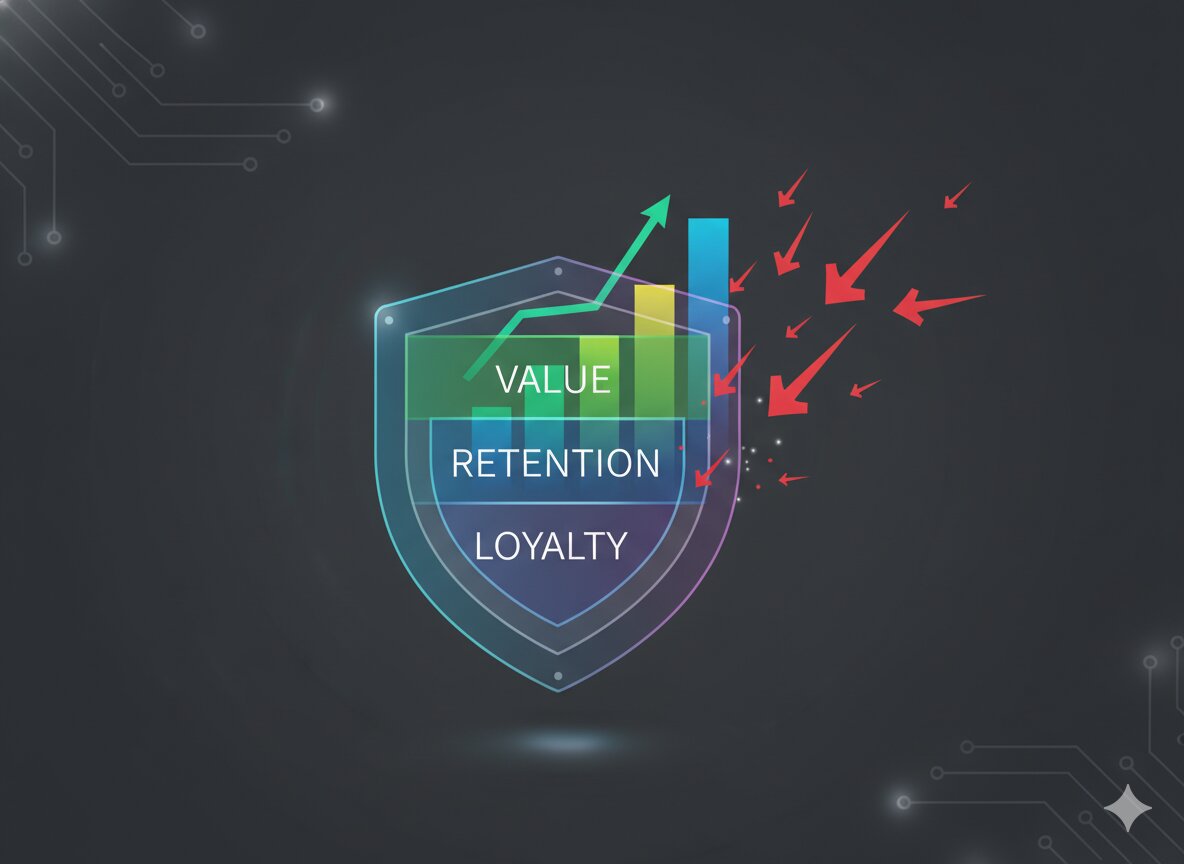
1. R-evenue & Impact (The "Value" Pillar)
Quantify the "Why." What happens if we build this?
- The Strategy: Use the RICE score (Reach, Impact, Confidence, Effort) to create an objective baseline.
- The Soundbite: "I start by scoring each initiative against its potential 'Reach'—how many users will this touch?—and 'Impact' on our North Star metric, whether that's conversion or retention. This prevents us from building 'loud' requests that only benefit a few users."
2. O-perational Effort (The "Cost" Pillar)
Be realistic about the "How."
- The Strategy: Partner with Engineering/TPMs to estimate T-shirt sizes (S, M, L, XL).
- The Soundbite: "I don't prioritize in a vacuum. I work with my TPM and Tech Leads to understand the 'Weight' of each task. A high-impact feature that takes 6 months of infrastructure work might be de-prioritized in favor of three 'Quick Wins' that drive similar total value."
3. I-dentify Strategic Fit (The "Vision" Pillar)
Does this move us toward our 3-year goal?
- The Strategy: Check against the Company Pillars.
- The Soundbite: "I filter the high-ROI items through our current strategic theme. If our theme for the year is 'Global Expansion,' a high-revenue feature that is 'Local Only' gets moved to the bottom. We don't just build for revenue; we build for the 'Future State' of the product."
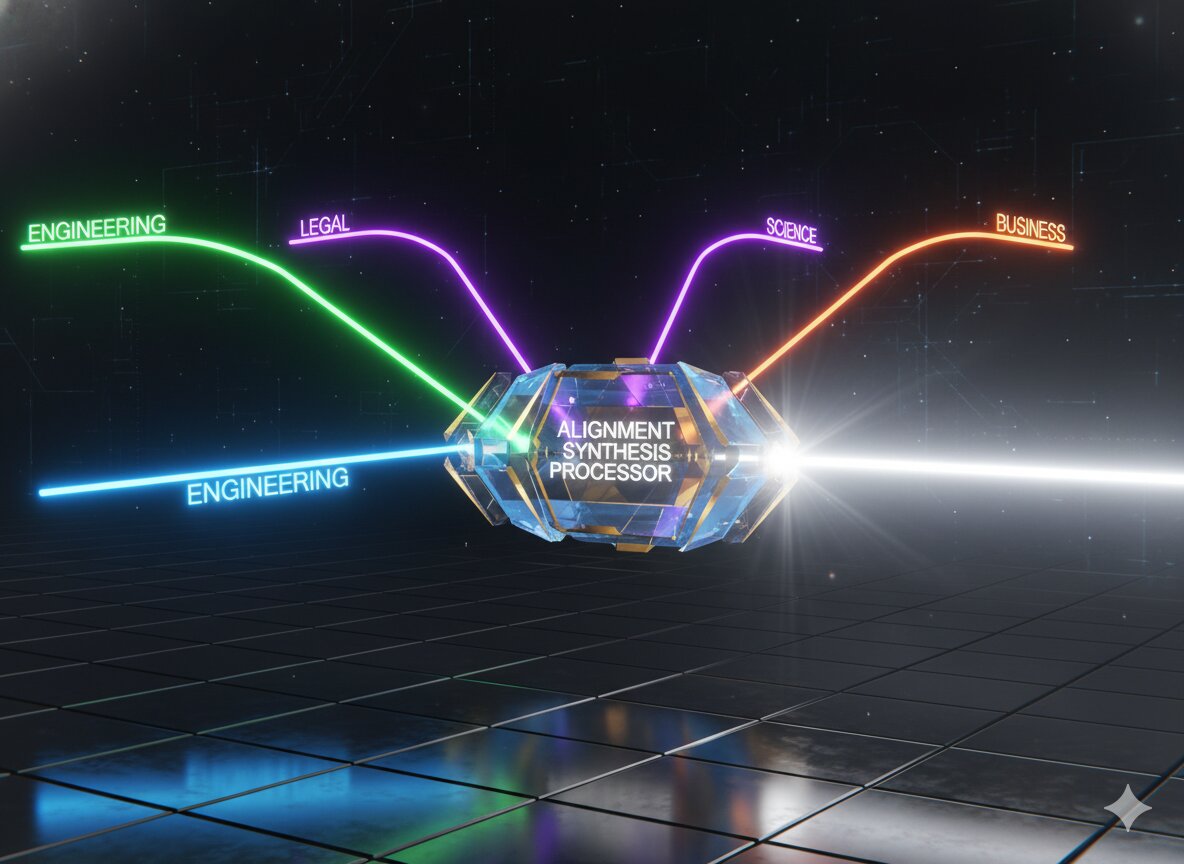
4. ALIGN-ment with Stakeholders (The "Buy-in" Layer)
Priority is nothing without consensus.
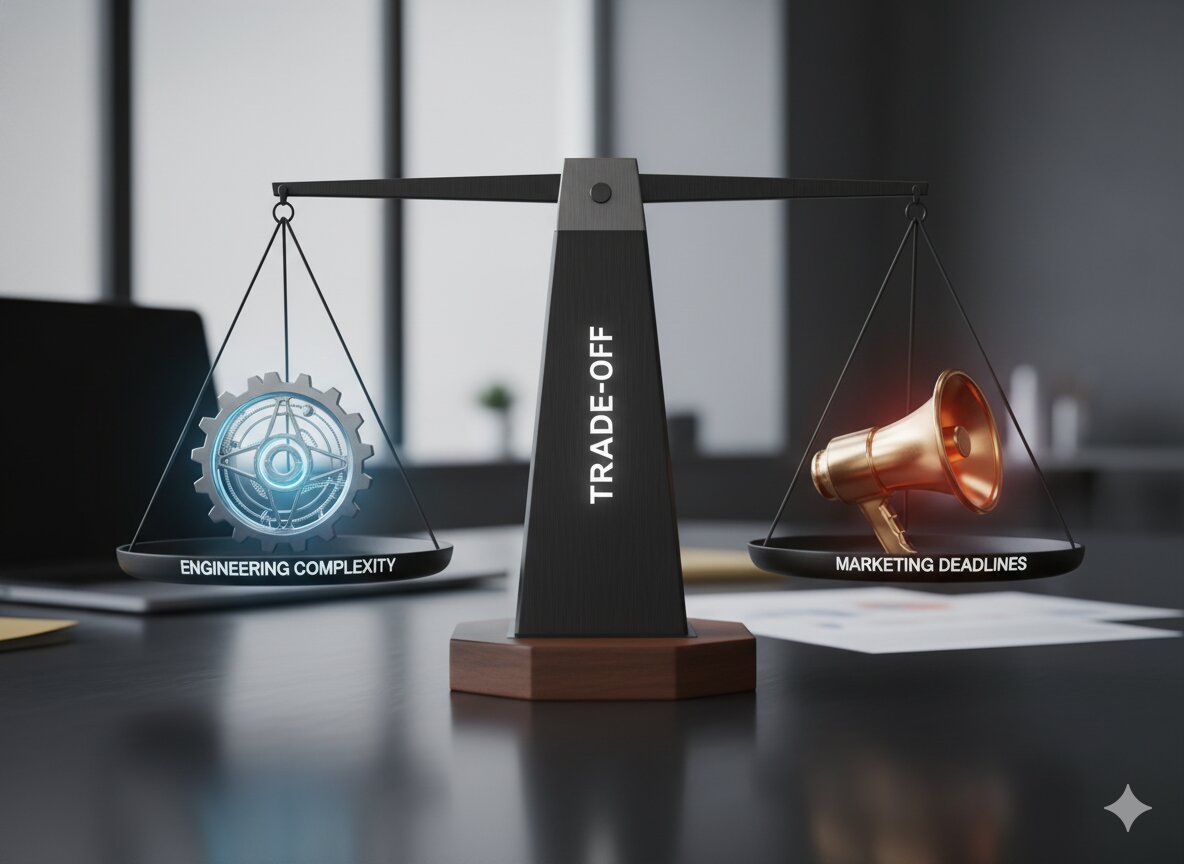
- The Strategy: Run a Trade-off Workshop.
- The Soundbite: "I present the 'Proposed Roadmap' alongside the 'Cut List.' I show stakeholders exactly what we are saying 'No' to in order to say 'Yes' to the top 5. This shifts the conversation from 'Why isn't my feature there?' to 'Do we agree these 5 are more important than these 10?'"
The "Feature Factory" PMThe "ROI-ALIGN" LeaderBuilds what the loudest stakeholder wants.Builds based on Quantifiable Impact.Focuses on "Clearing the Backlog."Focuses on Moving the North Star Metric.Views prioritization as a one-time event.Views it as a Living Trade-off.
Stop Guessing. Start Strategizing.
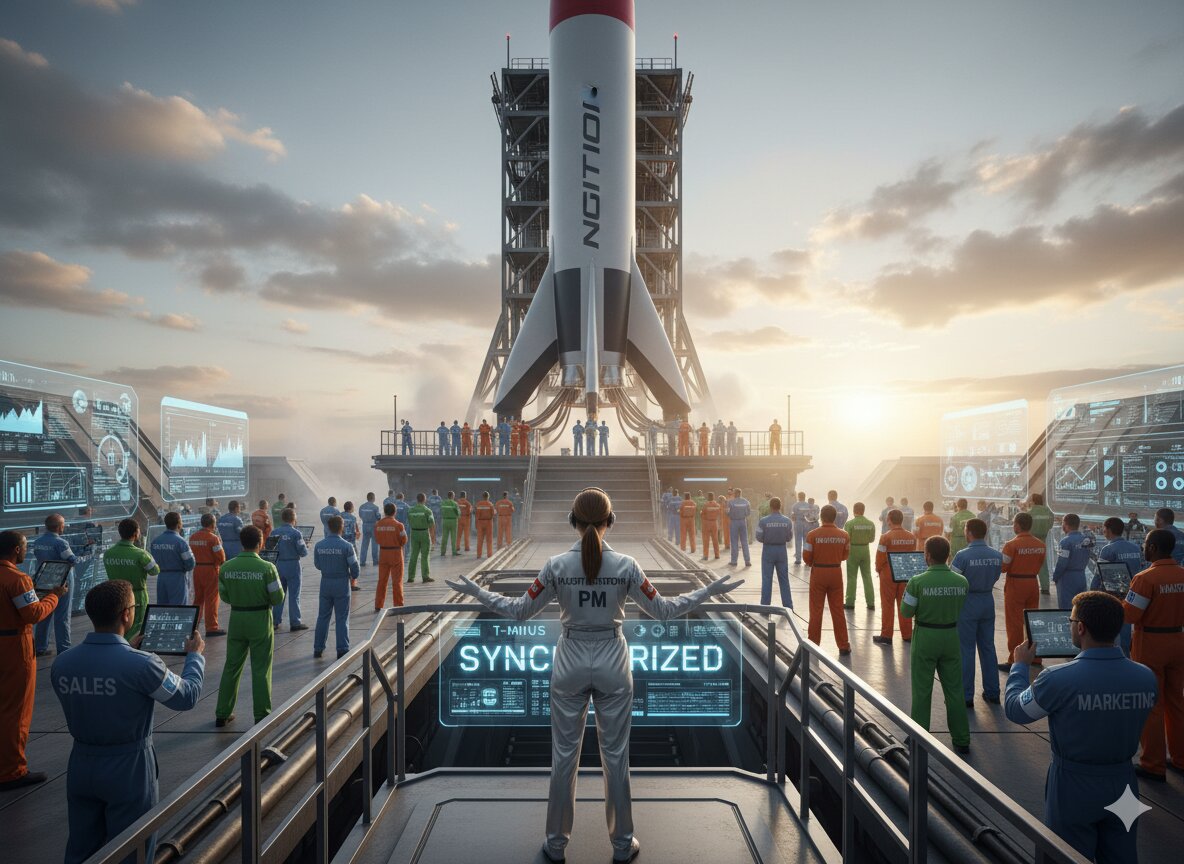
Prioritization is the "Heart" of the PM role and the "Backbone" of the TPM role. If you can’t defend your roadmap with logic, you won’t survive the executive review.
The Kracd Prep Kits give you the exact templates and rubrics used by Product Directors at Netflix and Amazon to manage billion-dollar roadmaps.
- For PMs: Learn to build high-impact roadmaps with the PM Prep Guide.
- For TPMs: Master capacity planning and technical execution with the TPM Prep Kit.
FAQs
Q: How do you handle "Technical Debt" in prioritization?
A: The 20% Rule. I advocate for dedicating 20% of every sprint to "Platform Health." It’s not a trade-off; it’s a tax we pay to ensure we can keep moving fast in the future.
Q: What if a "Big Customer" demands a specific feature?
A: Evaluate the "Generalizability." Will this help 100 other customers, or just this one? If it’s a "One-off," we look at the total contract value vs. the "Opportunity Cost" of what we'd have to delay.
Q: How often should you re-prioritize?
A: Quarterly for the Big Rocks, Bi-weekly for the Pebbles. You need enough stability for Engineering to build, but enough flexibility to react to "Market Shocks" or "Data Anomalies."

















.jpg)