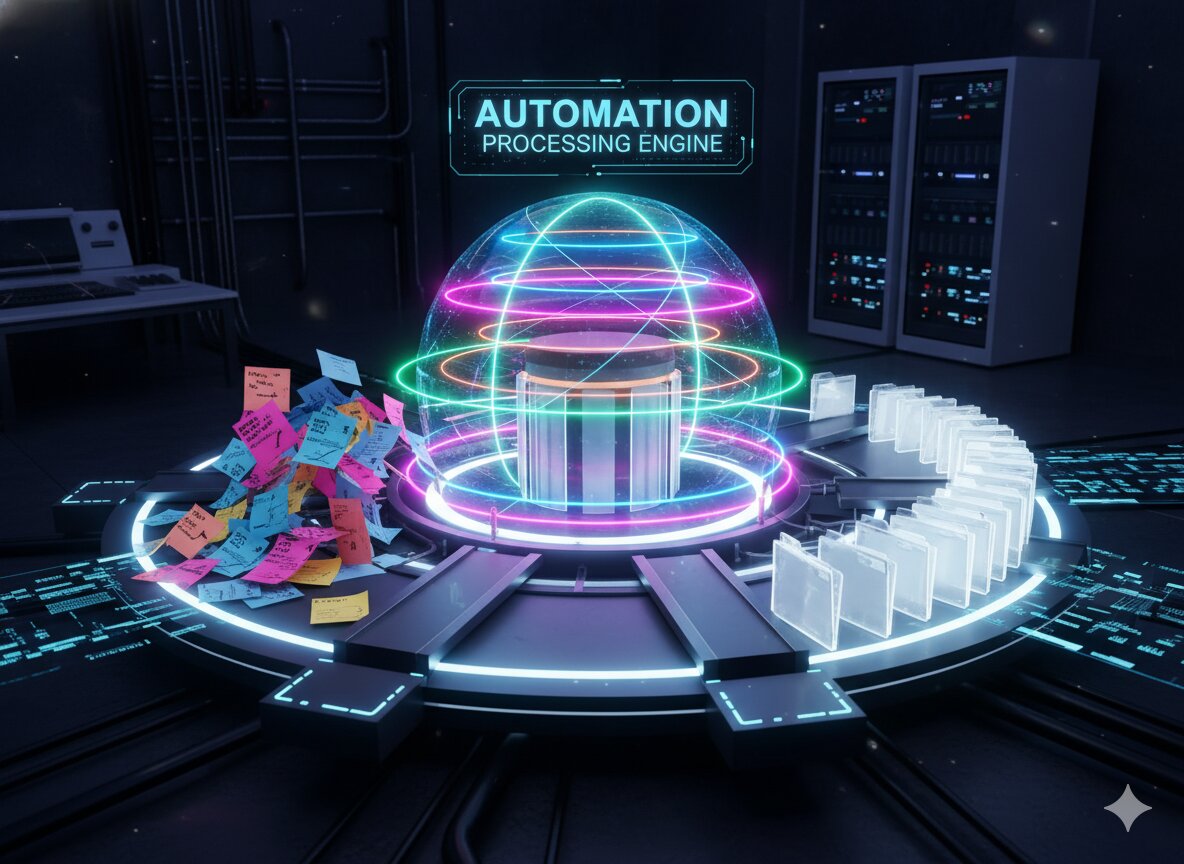
The Interview Trap: The "Sloppy API Token" Security Nightmare
The interviewer throws you straight into an enterprise platform scaling bottleneck: "Your company wants to integrate Generative AI capabilities across dozens of internal product teams and user-facing applications. Currently, development teams are directly calling external LLM providers (like OpenAI or Anthropic) using scattered, hard-coded API keys. This has caused a massive explosion in API token spend, zero caching efficiency, no uniform monitoring for hallucinations, and worst of all, an enterprise customer just caught an engineer passing un-sanitized, proprietary PII data directly into a public training model. How do you design and execute a centralized Enterprise AI Orchestration Gateway to solve this?"
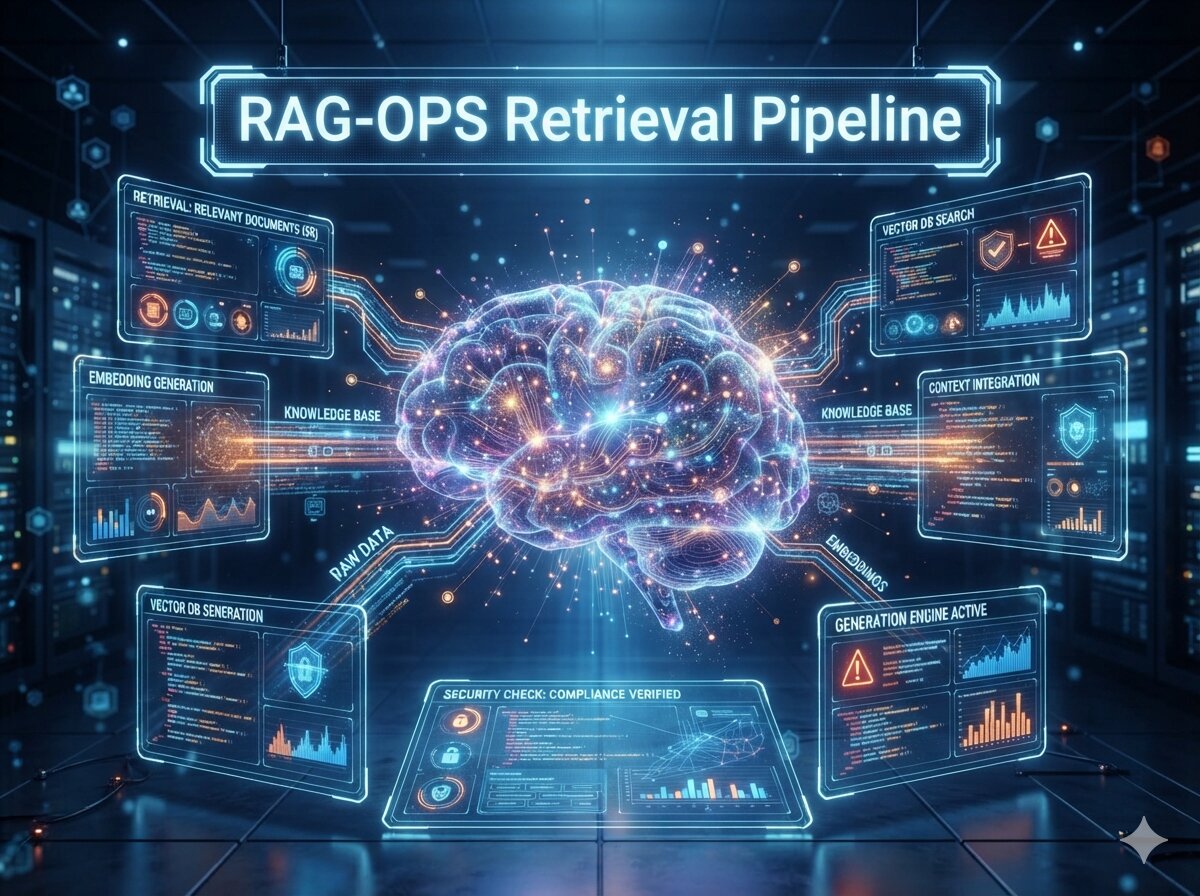
Most candidates tank this technical system round by acting as a basic product generalist: "I would create a strict AI safety policy document, mandate that all teams rotate their API keys, tell engineers to use an open-source library like LangChain in their codebases, and set up an executive review committee to monitor costs." Stop. Managing enterprise AI infrastructure with manual compliance checks or scattered client-side libraries introduces severe operational risks, performance latencies, and security vulnerabilities. In senior AI platform product management and technical program infrastructure loops at tech leaders like Amazon, Google, and Salesforce, panel judges are evaluating your understanding of Centralized Token Management, Enterprise Prompt Firewalls, Asynchronous Content Moderation Pipelines, Semantic Vector Caching, and Fallback Routing Topologies.
The Core Framework: The "GATEWAY-AI" Method
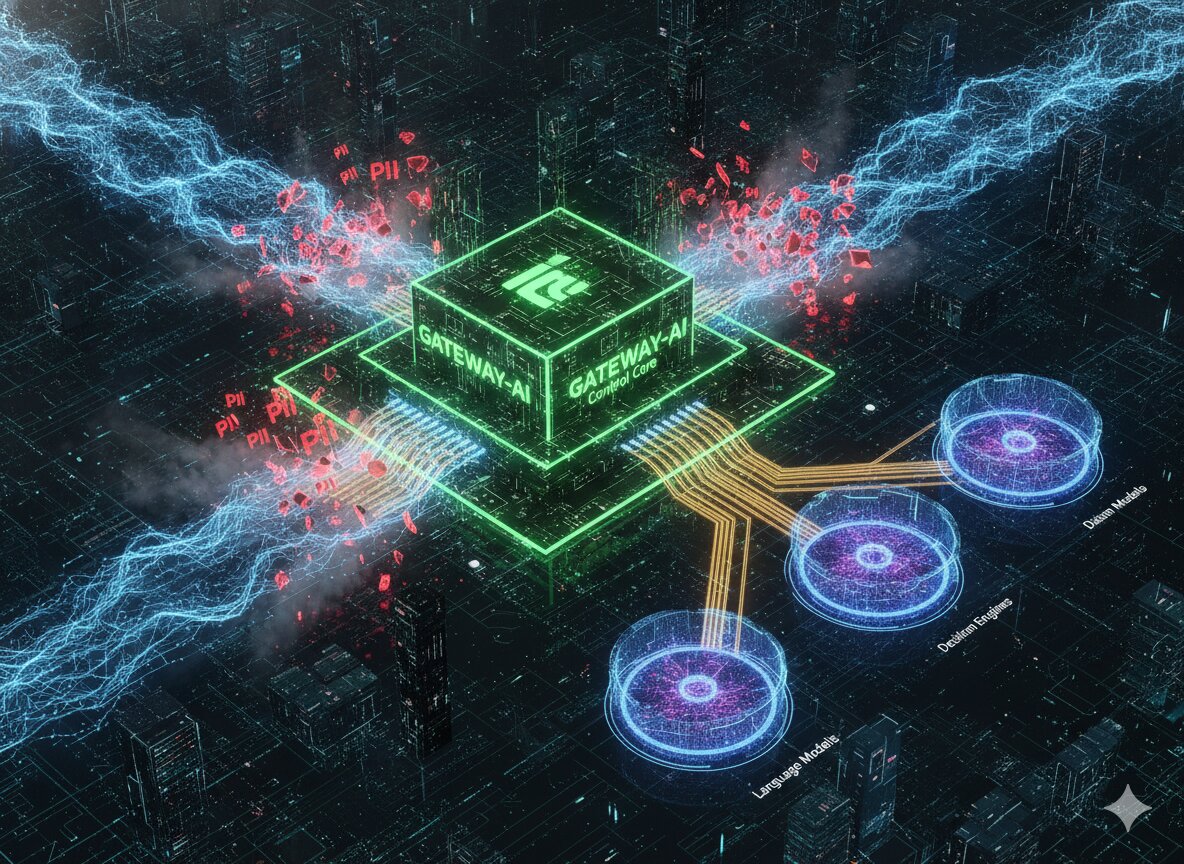
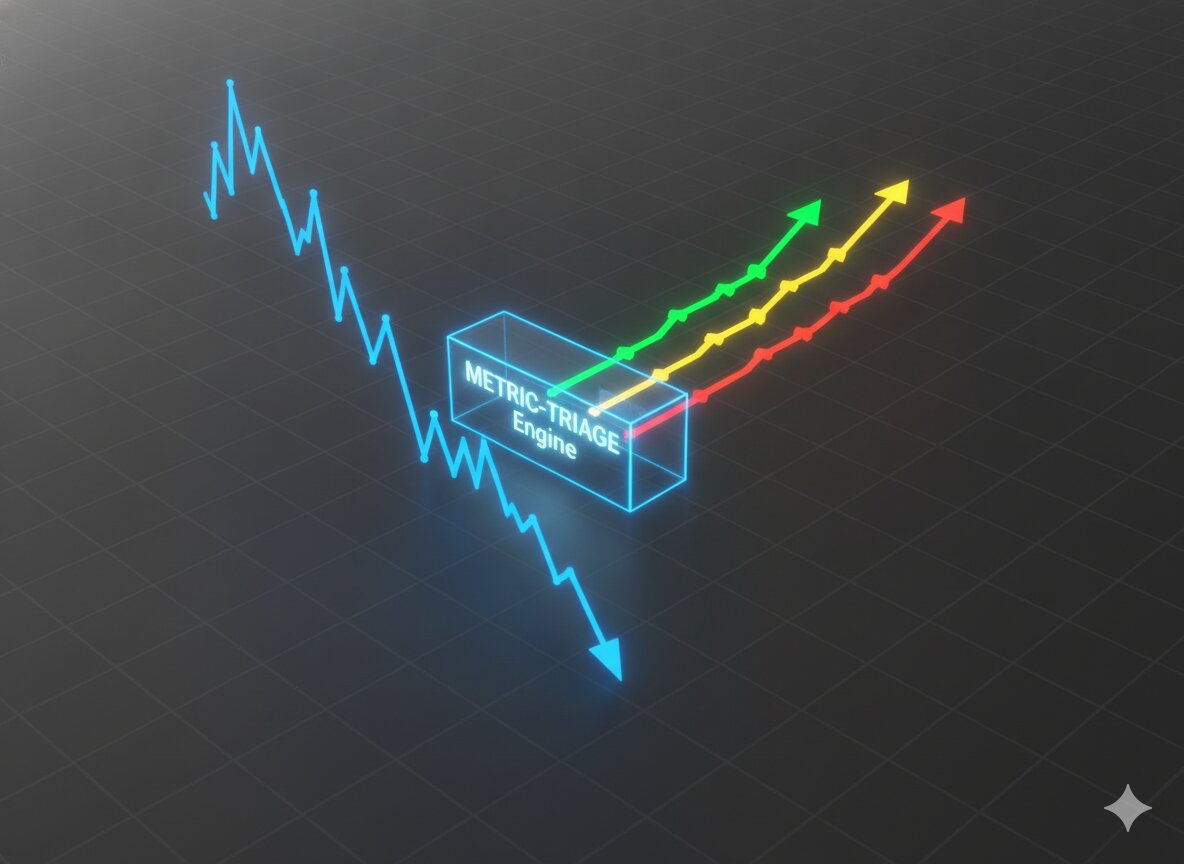
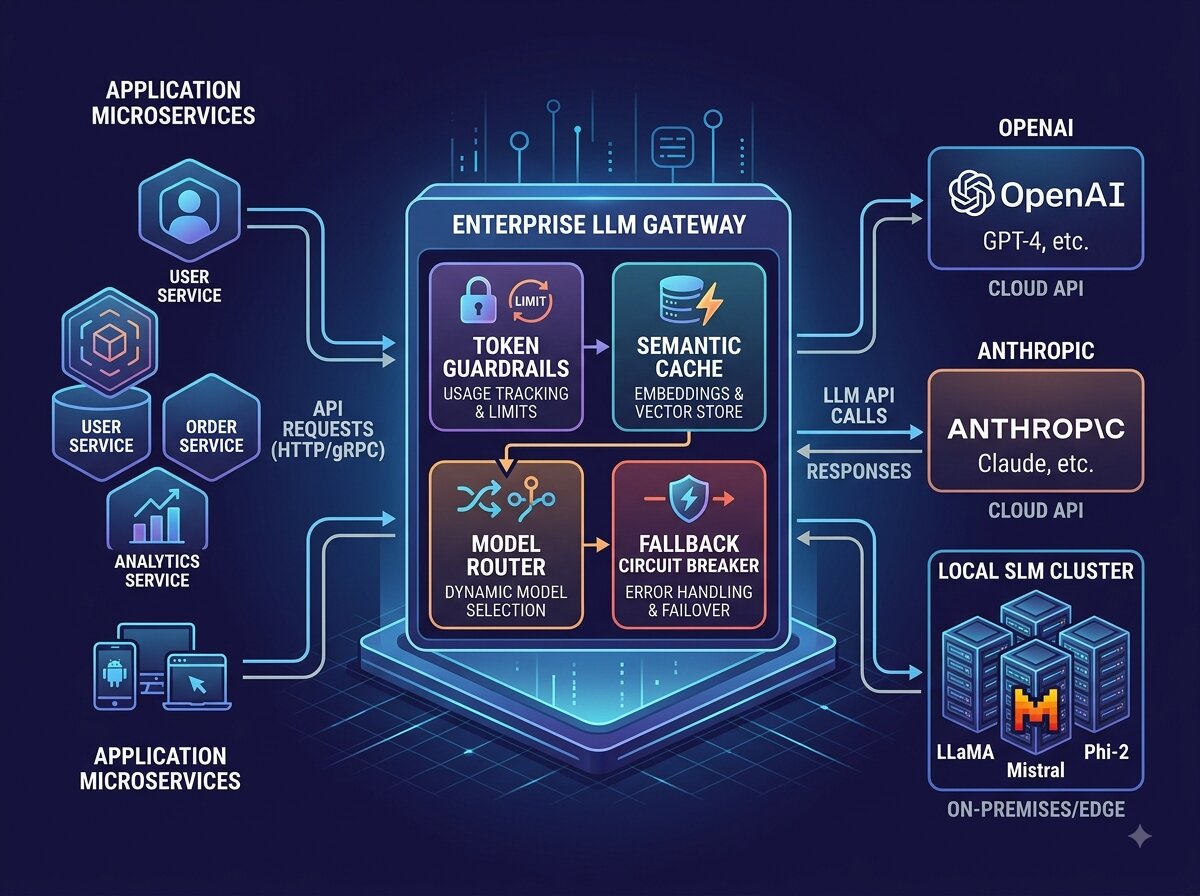
Elite PMs and TPMs do not let feature teams hit external AI APIs directly. They construct a stateless, high-throughput AI Orchestration Layer between internal software services and underlying foundation models to centralize data governance, maximize cost efficiency, and enforce security policies programmatically.
                  [ Internal Application Services ]
                                  │
                                  ▼ (Unified JSON GenAI Schema Request)
    ┌────────────────────────────────────────────────────────────┐
    │                ENTERPRISE AI GATEWAY LAYER                 │
    │                                                            │
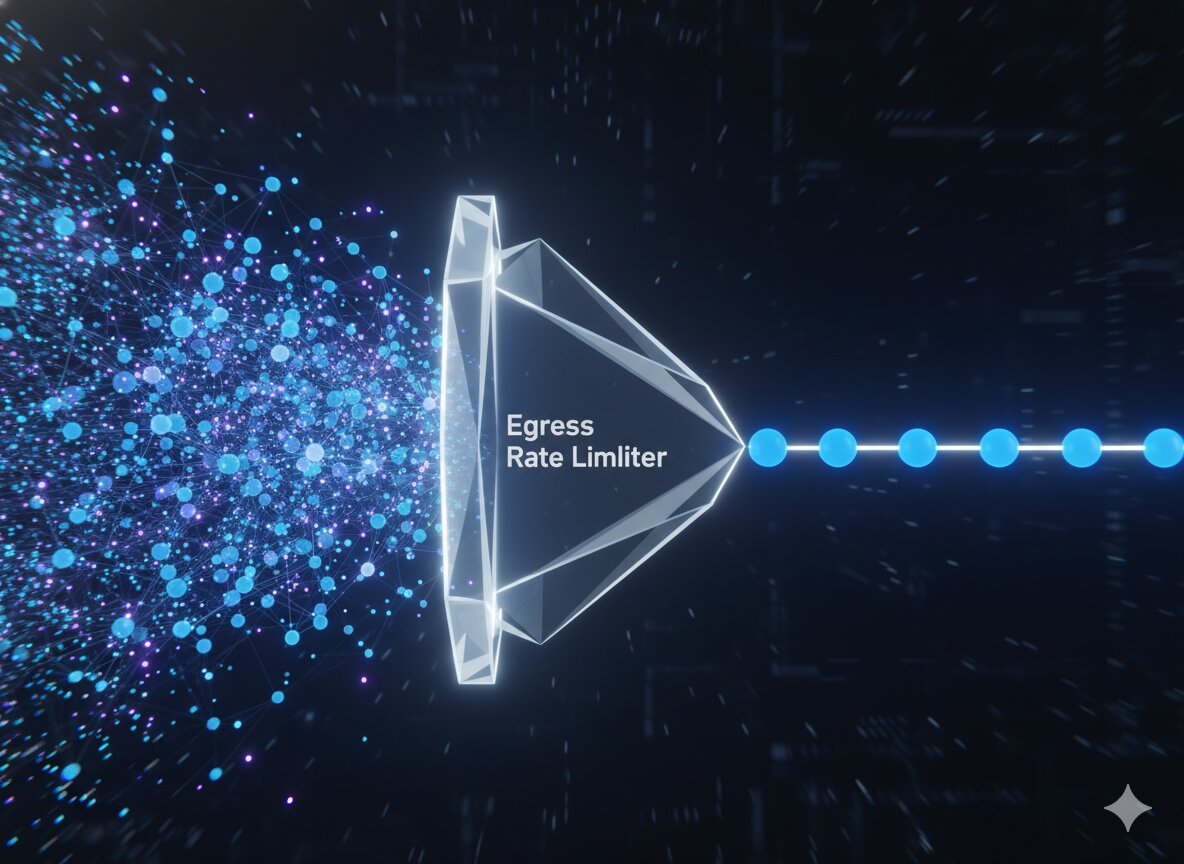
    │   * Inbound Token Bucket Rate Limiting                     │
    │   * Prompt Firewall (PII Scrubbing & Injection Defense)   │
    │   * Semantic Cache Inspection (Redis Vector DB Lookup)      │
    │   * Dynamic Model Router & Resiliency Fallback Engine      │
    └──────────────────────────────┬─────────────────────────────┘
                                   │
              ┌────────────────────┼────────────────────┐
              ▼                    ▼                    ▼ (Outbound Calls)
     ┌─────────────────┐  ┌─────────────────┐  ┌─────────────────┐
     │  Primary Model  │  │ Secondary Model │  │ Low-Cost Model  │
     │  (e.g., GPT-4o) │  │ (e.g., Claude)  │  │  (e.g., Llama)  │
     └─────────────────┘  └─────────────────┘  └─────────────────┘
1. G-overned Access and Inbound Token Rate Limiting
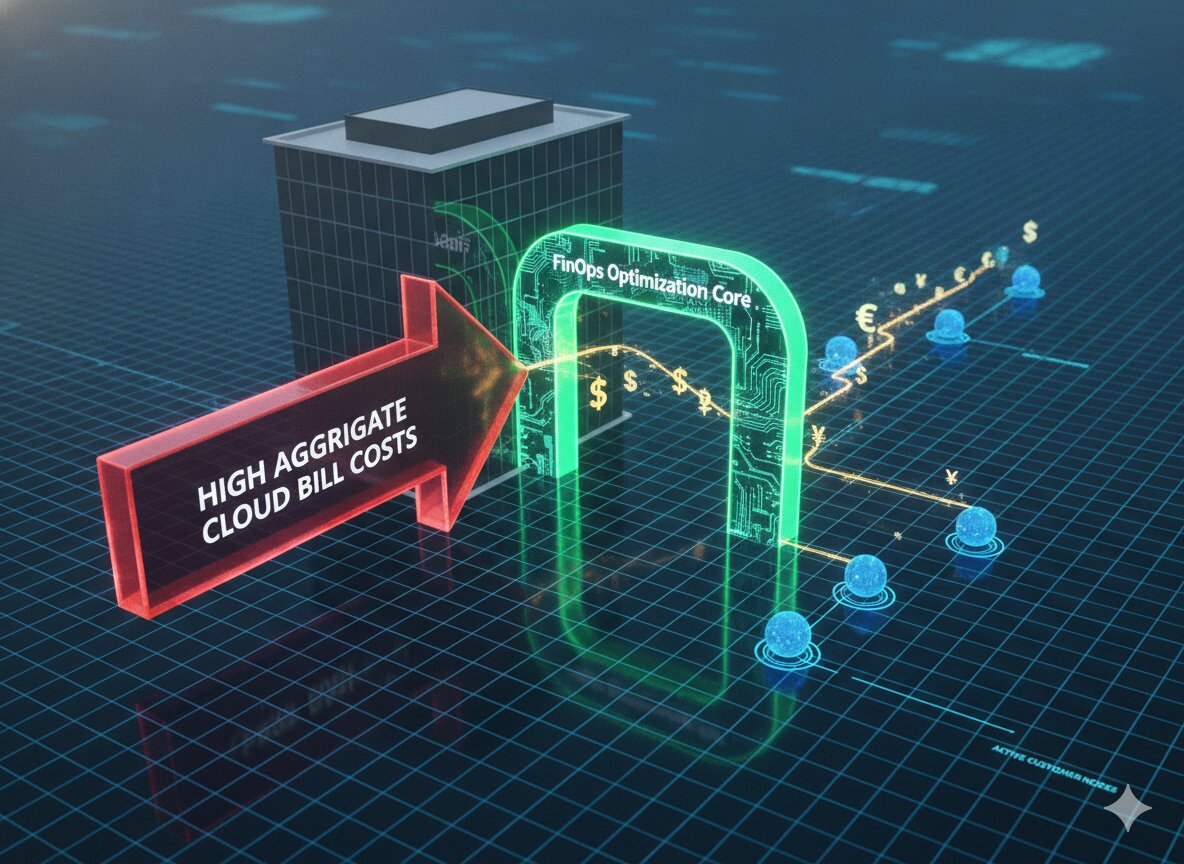
Consolidate all external provider credentials into a secure, centralized vault and enforce strict tenant-based usage quotas to stop rogue API billing spikes.
- The Strategy: Transition individual engineering squads away from handling raw provider keys. Force all microservices to use an internal API key tied to a centralized gateway that tracks corporate cost allocation.
- The Script: "To prevent uncoordinated cloud billing spend, I will abstract all upstream LLM credentials into a secure hardware security module (HSM) managed exclusively by our AI platform layer. Downstream applications will authenticate against our gateway using internal service tokens. The gateway will enforce strict, tenant-based Token-Bucket rate limiting, restricting non-critical microservices from exhausting our corporate API quotas."
2. A-utomatic PII Scrubbing and Prompt Firewall Validation
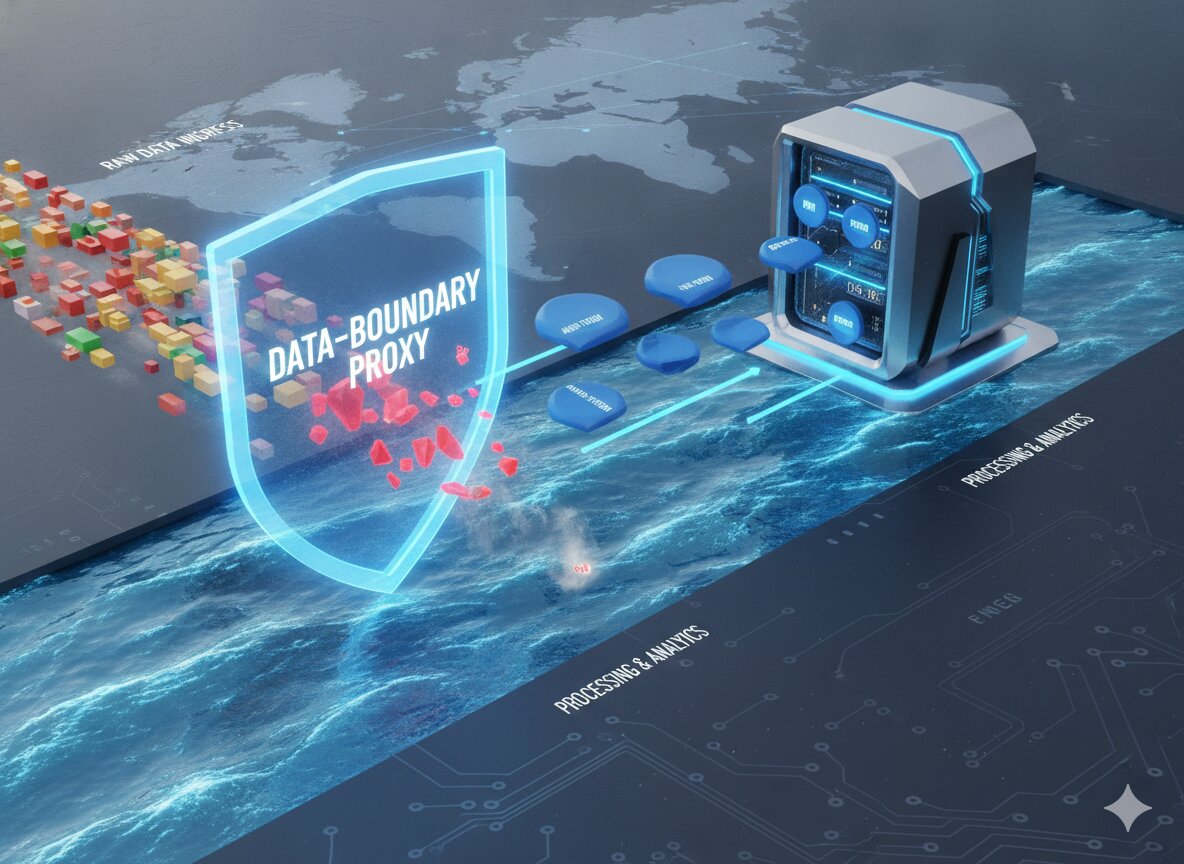
Interept all inbound prompt payloads at the network perimeter to scrub sensitive corporate data and intercept prompt-injection attacks before they reach external systems.
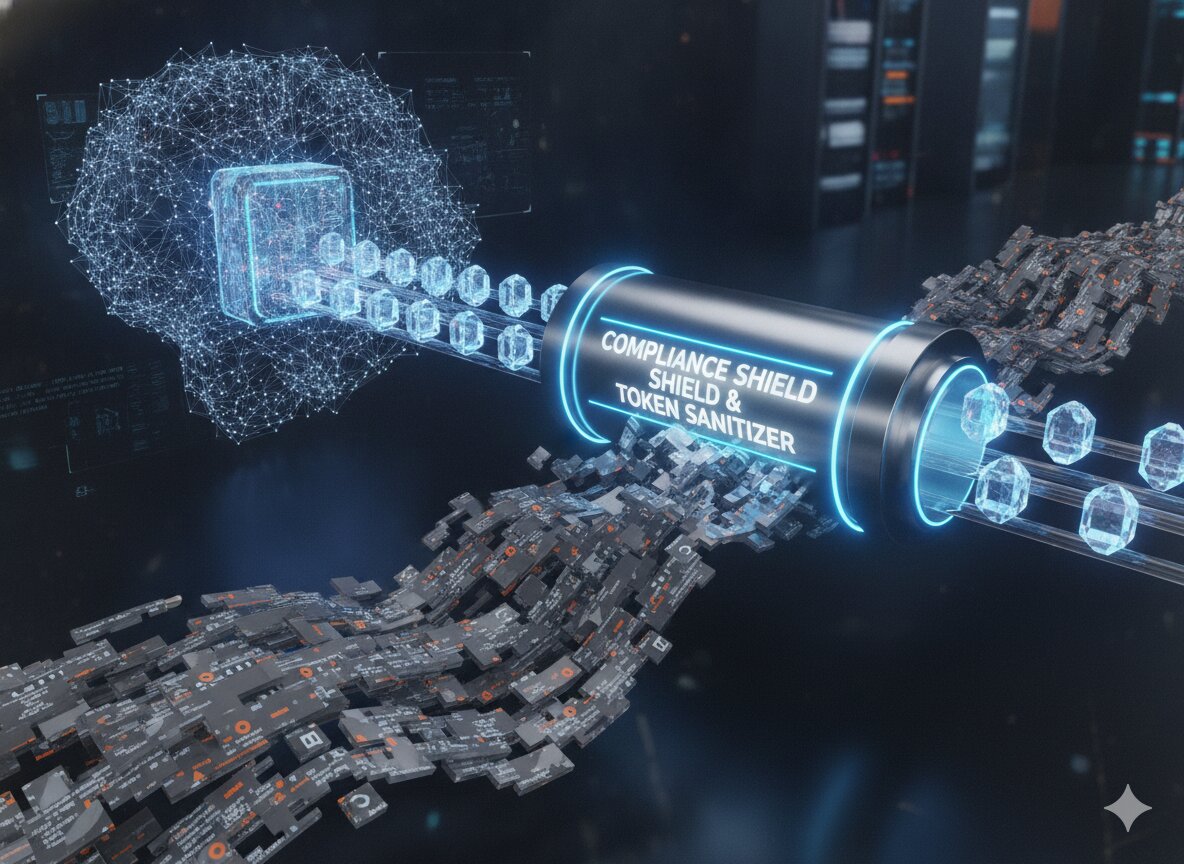
- The Strategy: Deploy lightweight, high-speed Regex and Named Entity Recognition (NER) models inside the proxy layer to automatically redact PII (passwords, credit cards, emails) and block malicious override strings.
- The Script: "We must build an absolute data boundary. The gateway will route every inbound prompt payload through an automated, inline Prompt Firewall. This firewall uses deterministic regex arrays and localized tokenizers to scrub customer PII—replacing sensitive fields with anonymous cryptographic tokens—and utilizes strict semantic filters to drop malicious injection strings before the payload leaves our corporate VPC."
3. T-ransit Tier Optimization and Semantic Vector Caching
Drastically slash API costs and p99 response latencies by checking incoming prompts against a high-performance vector database cache of identical historical queries.
- The Strategy: Instead of executing an expensive external LLM hit for every request, use a fast embedding model and a vector database (like Redis or Pinecone) to serve highly similar historical answers instantly.
- The Script: "LLM calls are notoriously slow and expensive. To optimize unit economics, the gateway will convert incoming prompts into vector embeddings and run a semantic similarity check against a Redis-backed vector cache. If a historical query matches the user’s true intent with a cosine similarity score above 0.98, the gateway immediately returns the cached response, reducing latency from 2,000ms to 15ms and completely bypassing external token costs."
4. E-mergency Fallback Routing and Resiliency Engineering
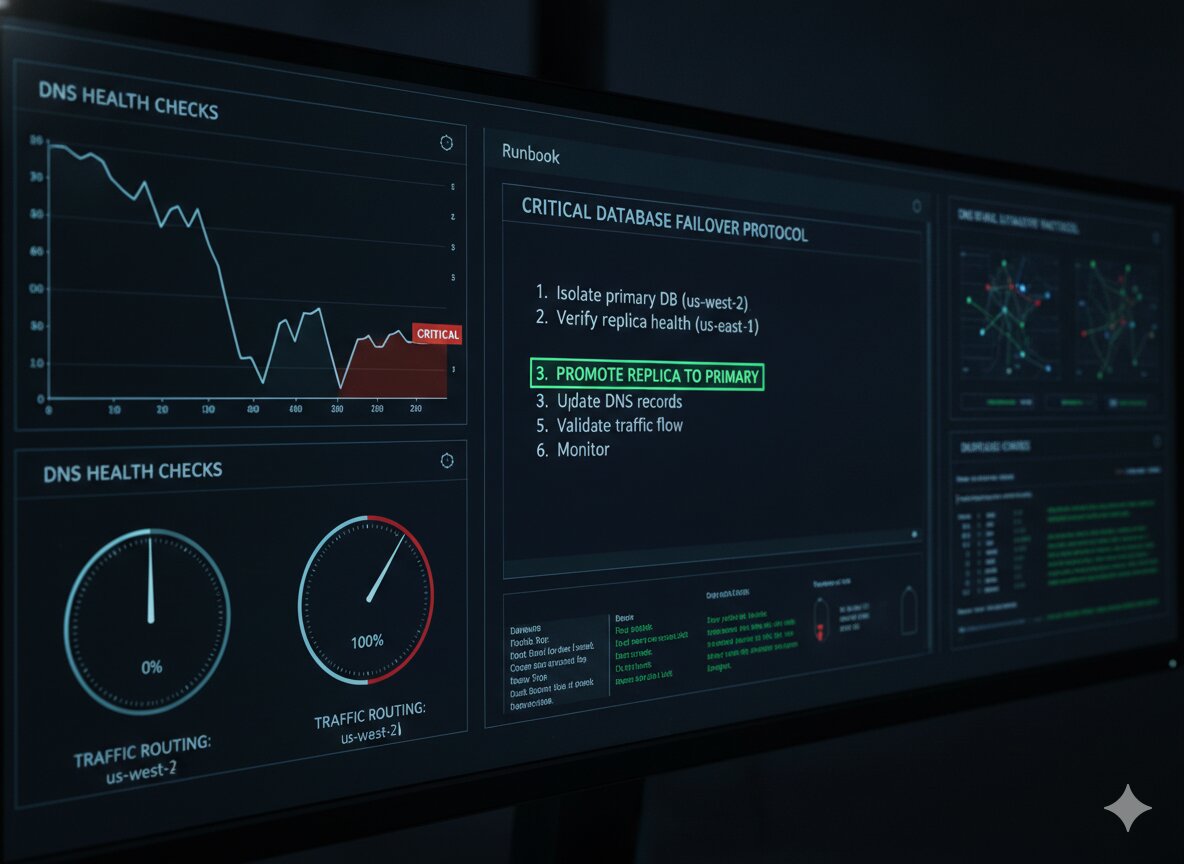
Architect an automated model routing and failover engine to keep AI features fully functional during upstream provider blackouts.
- The Strategy: Code dynamic routing rules into your gateway proxy that gracefully degrade or swap provider destinations (e.g., switching from OpenAI to Anthropic or an internal Llama cluster) if an upstream API returns an HTTP 5xx error.
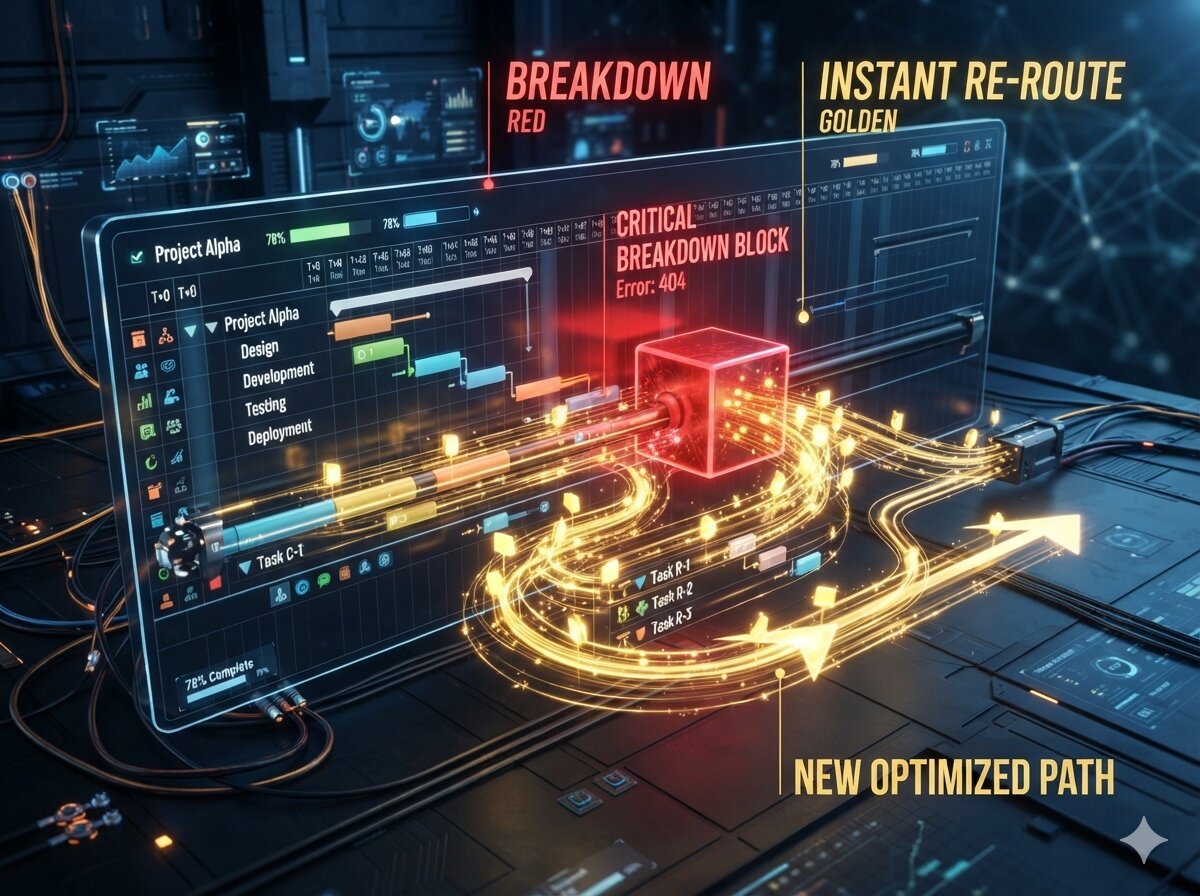
- The Script: "We eliminate single points of failure by embedding an automated resiliency router into our gateway core. If our primary foundation model experiences a localized outage or exhibits a prolonged latency spike, our circuit-breaker pattern triggers instantly. The gateway automatically rewrites the JSON payload schema mid-flight and redirects the request to our secondary backup provider model, ensuring absolute business continuity for our users."
The Comparison: Bad vs. Good
Bad Answer (Unstructured Hype)Good Answer (GATEWAY-AI Framework)"I would tell our developers to download LangChain, remind them not to paste customer data into the chat window, and buy an enterprise license for OpenAI to solve our team security issues.""I will architect a centralized, stateless AI Orchestration Gateway that enforces tenant rate limiting, deploys automated PII prompt scrubbing firewalls, and executes semantic vector caching at the edge.""If an AI provider goes down, we will have our engineering on-call rotation log into the console, generate a new set of keys for a different model, and push an emergency code hotfix.""I will integrate dynamic routing circuit breakers into the platform perimeter to automatically steer traffic to backup models mid-flight during an upstream 5xx outage."Treats AI implementation as a client-side library integration and a manual policy problem.Controls systemic network architecture, programmatic data scrubbing, cost optimization, and multi-model failover.
The Pitch: Command the AI Platform Era
Shipping shallow chat wrappers using hardcoded API tokens is a junior engineering anti-pattern. To design and scale mission-critical enterprise artificial intelligence applications at top-tier tech companies, you must understand how to construct bulletproof compliance, performance, and caching systems at scale.
Kracd interview kits arm you with the precise structural system design frameworks, production-ready AI infrastructure architectures, and authoritative vocabularies needed to dominate advanced technical platform rounds.
👉 Master enterprise product strategy and AI system design: PM Prep Guide
👉 Master LLMOps infrastructure and distributed cloud orchestration: TPM Prep Kit
FAQs
Q1: Doesn't inline PII scrubbing and semantic caching introduce high system latency?
A: If built using heavy models, yes. To maintain low overhead, the Prompt Firewall utilizes optimized, deterministic scanning utilities and compact local model pipelines (like small BERT variants) optimized for high-throughput stream processing. Furthermore, checking a localized semantic cache takes less than 20ms—meaning that whenever a cache hit occurs, you save thousands of milliseconds compared to an external LLM call, yielding an overall net-positive performance gain across your system.
Q2: How do you handle schema differences when dynamically switching between different AI models?
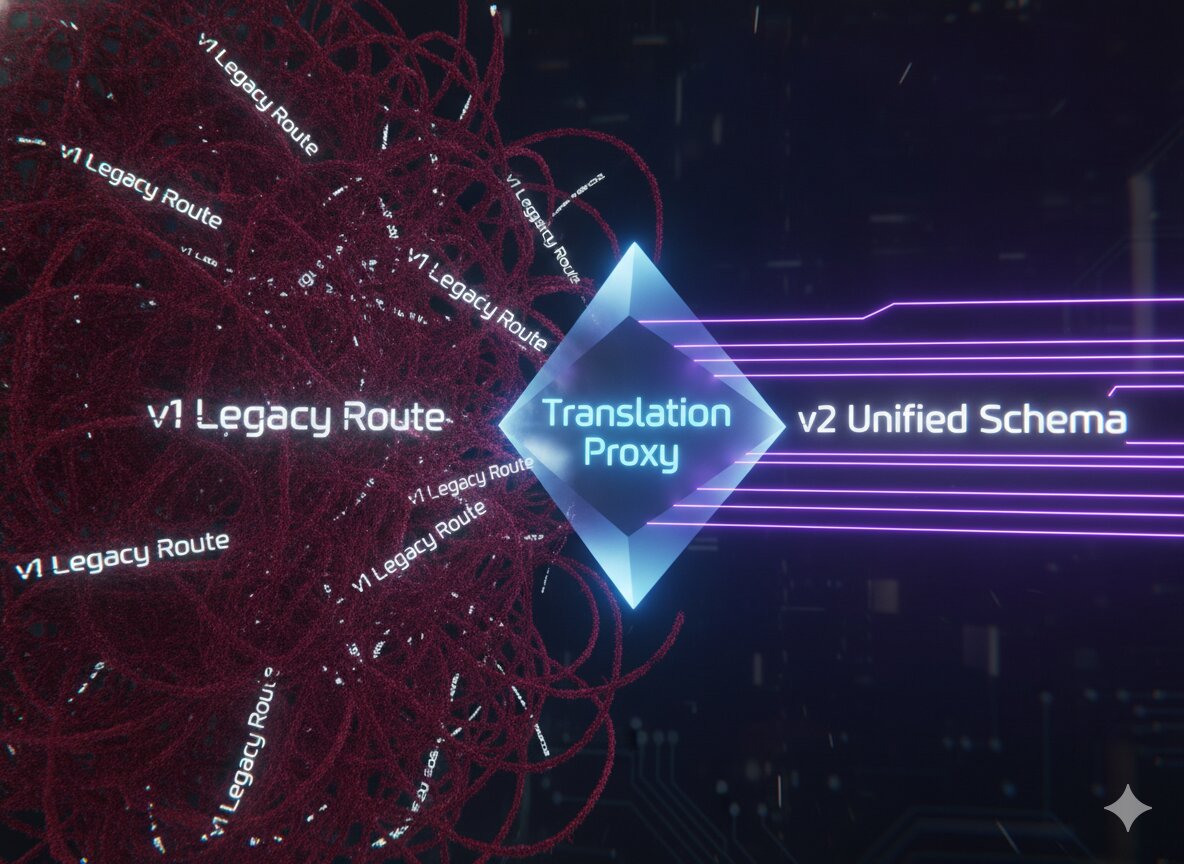
A: The orchestration layer acts as a standardized translation proxy. Internal microservices speak to our gateway using a single, unified corporate JSON schema payload format. The gateway’s routing engine contains mapping adapters that take this internal payload format and programmatically transform it into the specific parameter syntax expected by individual vendor endpoints (e.g., OpenAI’s messages array vs. Anthropic’s prompt parameters).
Q3: How do we track and audit model hallucinations or toxic outputs at this layer?
A: The gateway serves as the definitive evaluation hub for both input and output telemetry. By mirroring outbound model responses asynchronously to a decoupled evaluation service, you can run automated checks against known baseline parameters to flag toxic responses, structured formatting failures, or anomalies before logging the complete transactional data stream into your secure internal analytics warehouse.




















.jpg)