The Interview Trap:
The "Loudest Voice" Fallacy
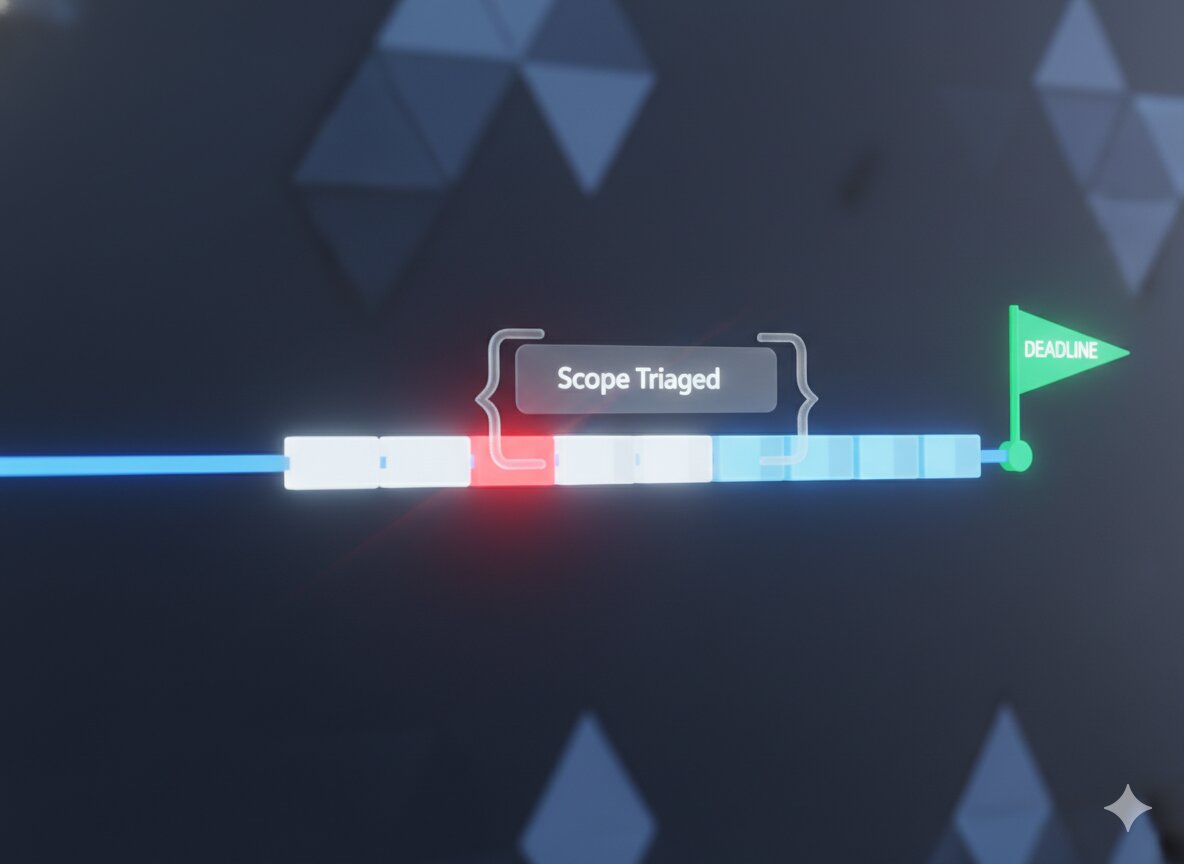
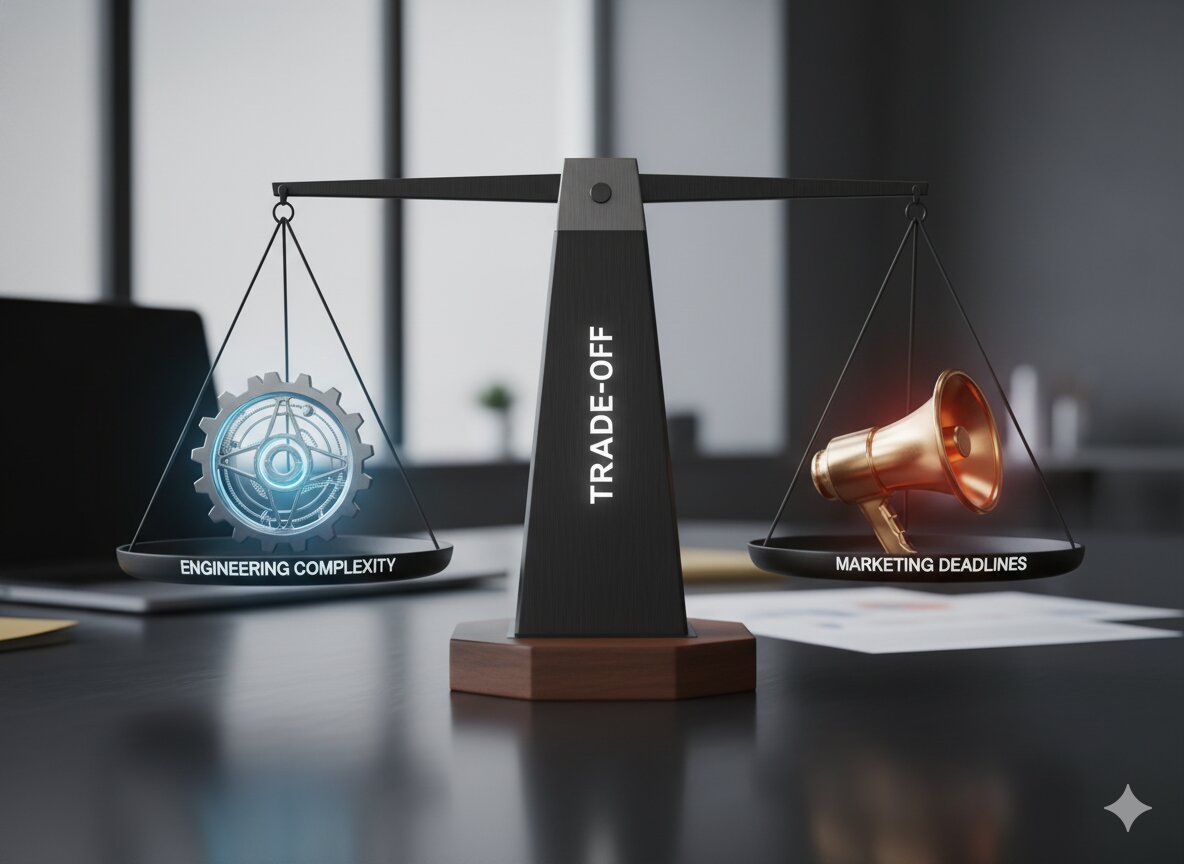
The interviewer hands you a list of 10 features and asks: "Your engineering team only has capacity for three. How do you decide which ones to build?" Most candidates say: "I’d talk to the stakeholders and see what the CEO wants," or "I’d pick the ones that sound the most innovative." Stop. Prioritization is not a popularity contest. In high-growth companies, every feature must be a calculated bet. If you can't show a Quantitative Framework, you aren't managing a product—you're managing a wishlist.
The Core Framework: The "RICE-VALUE" Method
To prioritize effectively, you must balance Reach, Impact, and Confidence against the Effort required to build it.
1. R-each (How many users?)
Don't build a masterpiece for 1% of your users if 90% are struggling with a basic bug.
- The Strategy: Use data to estimate the number of users affected in a specific timeframe (e.g., per quarter).
- The Soundbite: "I start with 'Reach.' If Feature A affects 100,000 monthly active users and Feature B only affects 5,000 power users, Feature A has a massive head start. We have to prioritize the 'Common Path' before the 'Edge Cases'."
2. I-mpact (How much better?)
Will this slightly delight them, or will it fundamentally change their lives?
- The Strategy: Use a scale (e.g., 3 for massive impact, 1 for medium, 0.25 for minimal).
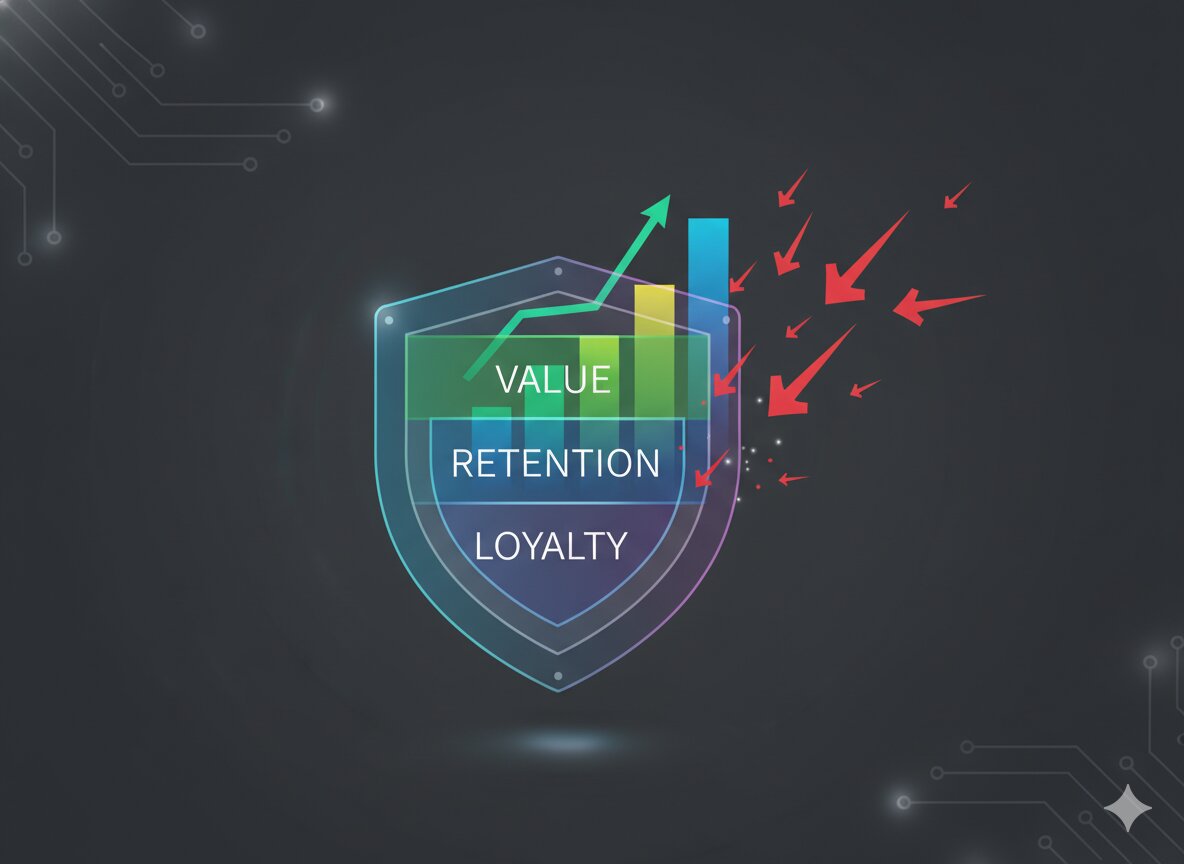
- The Soundbite: "I quantify 'Impact' by asking: 'Does this move our North Star Metric?' If our goal is retention, and this feature reduces churn by a projected 10%, that’s a 'High Impact' score. If it’s just a UI polish, it’s a 'Low Impact' score."
3. C-onfidence (How sure are we?)
Is this based on a "gut feeling" or 50 user interviews and a successful A/B test?
- The Strategy: Discount features that are purely speculative.
- The Soundbite: "I apply a 'Confidence' multiplier. If we have deep user research backing a feature, it gets 100%. If it’s a 'hunch' from a stakeholder, I might drop it to 50%. This prevents 'Shiny Object Syndrome' from derailing the roadmap."
4. E-ffort (The "Cost" of the Feature)
How many "Person-Months" will this take?
- The Strategy: Work with Engineering to estimate complexity.
- The Soundbite: "I divide the score by 'Effort.' A high-impact feature that takes 6 months might be less valuable than three medium-impact features that take 2 weeks each. My goal is to maximize the 'Value-to-Effort' ratio."
5. VALUE-Alignment (The Strategic Tie-break)
Sometimes the "Numbers" don't tell the whole story.
- The Strategy: Use Strategic Alignment as the final filter.
- The Soundbite: "If two features have the same RICE score, I look at our 'Strategic Pillars.' If our company’s theme for 2026 is 'AI-First,' I’ll prioritize the AI feature over the legacy fix. Data guides the decision, but Strategy makes the call."
The "Value vs. Effort" Matrix
For a quick visual at the start of a meeting, plot your features on a 2x2 matrix.
CategoryActionDescriptionQuick WinsDo NowHigh Value, Low Effort. The "low-hanging fruit."Big BetsPlan CarefullyHigh Value, High Effort. Your major roadmap items.Fill-insDo LaterLow Value, Low Effort. Do these when there's "slack" time.Money PitAvoidLow Value, High Effort. These will kill your product velocity.
Master the Roadmap
Prioritization is the most visible part of a PM or TPM's job. It requires the backbone to say "No" to important people and the data to back it up.
The Kracd Prep Kits provide the exact "Roadmap Templates" and "Prioritization Calculators" used by Lead PMs at Uber and Meta to defend their product choices.
- For PMs: Drive product strategy with the PM Prep Guide.
- For TPMs: Balance technical debt with feature delivery using the TPM Prep Kit.
FAQs
Q: How do you handle "Executive Pressure" to build a low-RICE feature?
A: Use the data as a shield. I’d show the RICE scores transparently. "I understand Feature X is a priority for you. However, our data shows that building Feature Y will impact 10x more users. If we move Feature X up, which of these three high-impact items should we drop?"
Q: Should "Technical Debt" be in the RICE model?
A: Yes. I treat Tech Debt as a "Stability" feature. The "Impact" is preventing a system outage, and the "Reach" is 100% of our users. If you don't prioritize Tech Debt, your "Effort" for every future feature will double.
Q: How often should we reprioritize?
A: Quarterly for Strategy, Bi-weekly for Execution. You shouldn't change your "Big Bets" every week, but you should be flexible enough to swap "Quick Wins" if new data emerges.


















.jpg)