How to Optimize Cloud Infrastructure Unit Economics: The PM & TPM "FIN-SCALE" Framework

Master the "FIN-SCALE" framework to leverage Generative AI for cloud cost and usage log parsing, automated infrastructure rightsizing, and elastic compute topology design in PM and TPM interviews.

The Interview Trap: The "Runaway Cloud Bill" Crisis

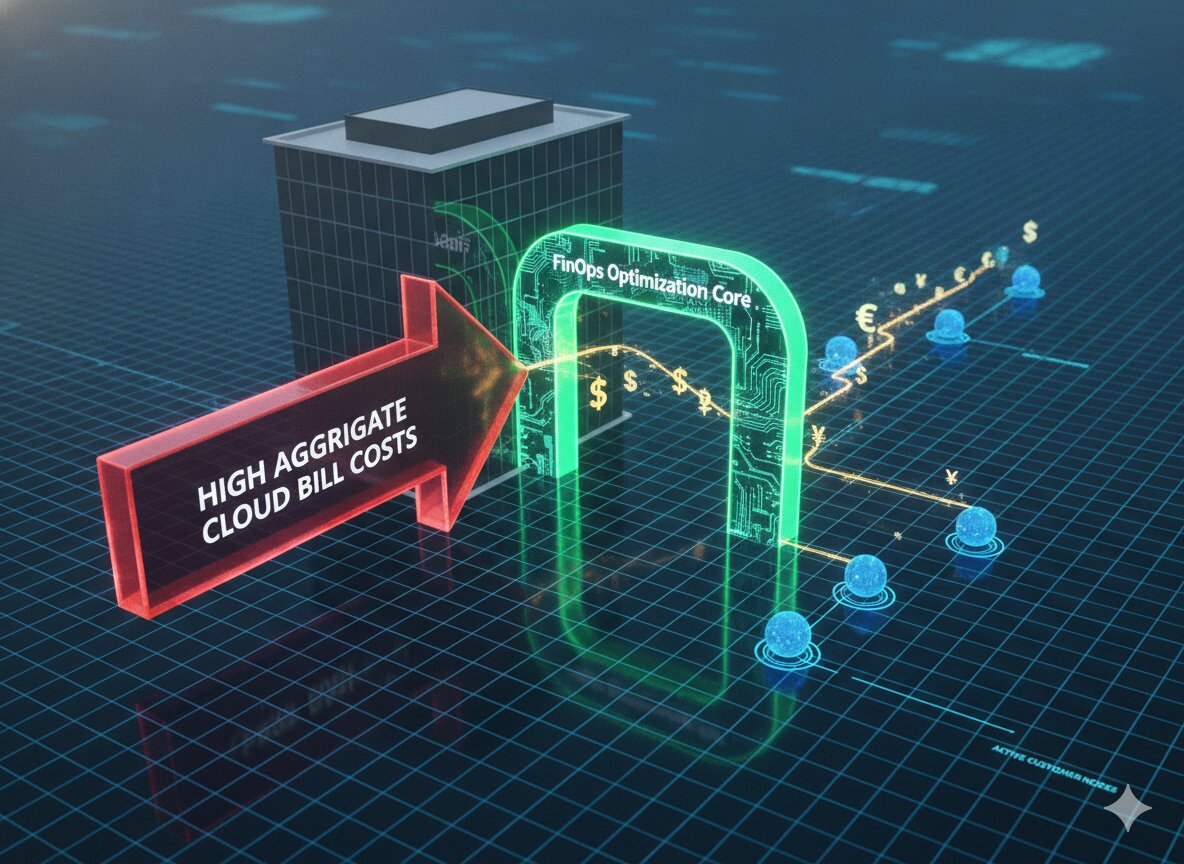
The interviewer puts you in charge of an operational cost crisis: "Your high-growth AI-powered SaaS platform has experienced a 300% surge in user traffic over the last two quarters. However, your AWS infrastructure bill has jumped by 600%, drastically compressing gross margins and alarming the board. The engineering team argues they need the massive compute overhead to prevent latency spikes, while the CFO is demanding an immediate 30% reduction in infrastructure spend. How do you reconcile this and optimize the platform's unit economics?"

Most candidates fail this technical program round by playing an administrative accountant role: "I would set up a cost review meeting with the engineering leads, tell everyone to shut down unused staging environments, tag their resources, and buy AWS Reserved Instances or Savings Plans." Stop. Relying entirely on surface-level cleanup, tagging, or financial commitments is a reactive, low-leverage play. In senior platform product management and technical program infrastructure loops at hyperscale companies like Netflix, Airbnb, and Stripe, panel judges are evaluating your understanding of Cloud Financial Operations (FinOps) Lifecycles, Elastic Compute Topologies, Data Ingress/Egress Architectures, and the Strategic Use of AI to Automate Cost Optimization.

The Core Framework: The "FIN-SCALE" Method

Elite PMs and TPMs do not look at cloud optimization as a simple cost-cutting exercise; they treat it as an architectural engineering metric linked to business unit economics (like Cost Per Active User or Cost Per Query). They co-pilot with Large Language Models to parse cloud utilization data, isolate architectural cost drivers, and generate automated rightsizing templates.

1. F-inOps Telemetry Ingestion and Line-Item Parsing

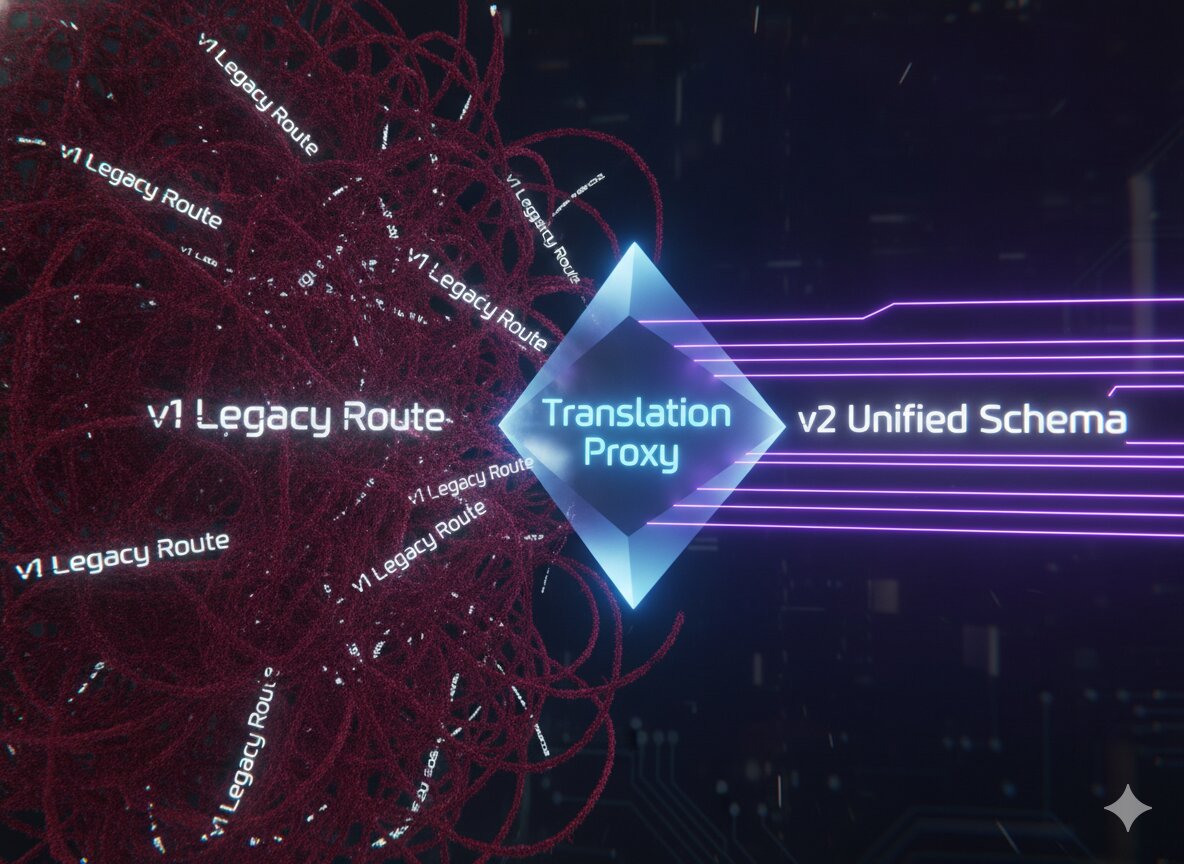
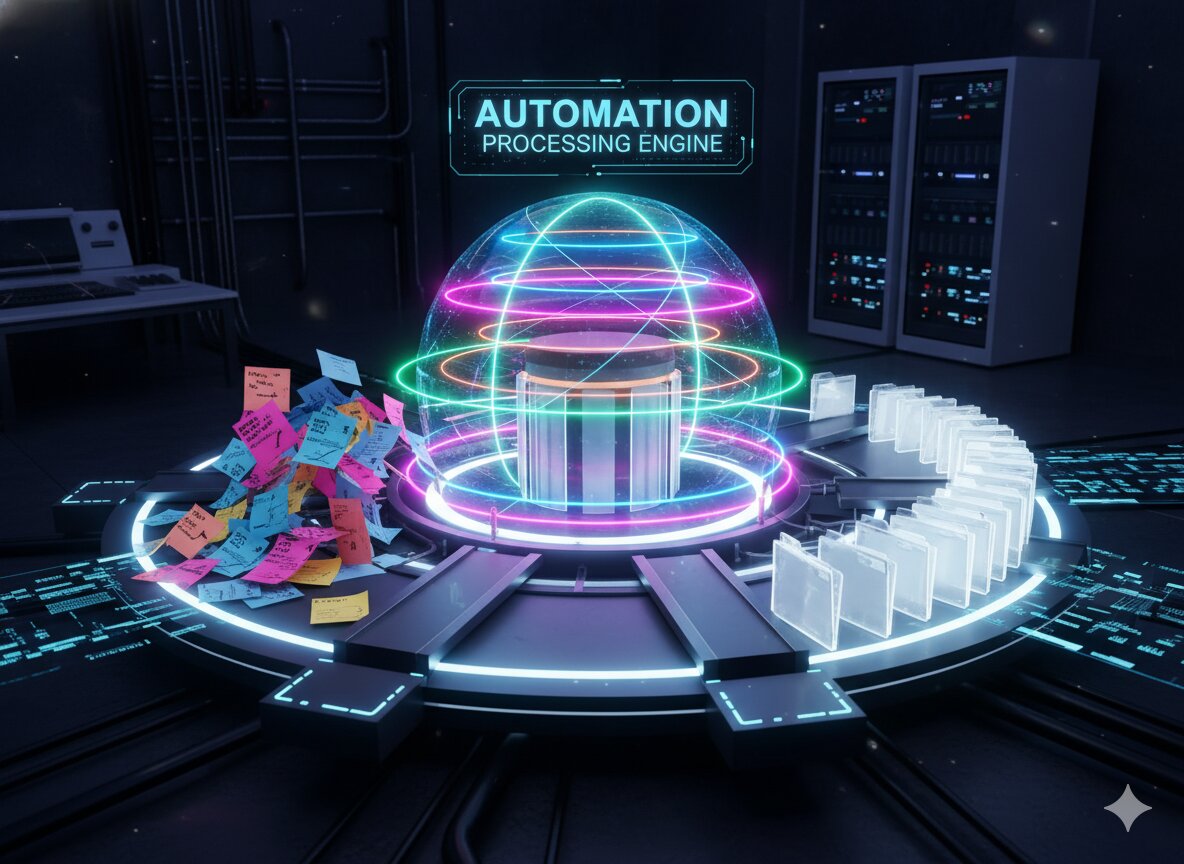
Drop massive, unstructured Cost and Usage Reports (CUR) or cloud billing data snapshots directly into your AI workspace to surface the exact architectural line items driving the cost spikes.

  • The Strategy: Avoid scrolling through massive CSV sheets blindly. Use structured prompts to instantly cross-reference cloud spend against real-world product usage metrics to find non-linear cost anomalies.
  • The Prompt Pattern: "Act as a Principal Cloud FinOps Architect. Analyze the attached AWS Cost and Usage Report (CUR) log sample: [Insert Billing Data Snippet] alongside our active user traffic logs. Identify the top 3 infrastructure services showing non-linear cost growth relative to traffic, and isolate the specific resource identifiers or regions driving the spend."

2. I-dle Resource and Orphaned Volume Detection

Locate and catalog unutilized or detached infrastructure assets that are draining the engineering budget without providing any platform value.

  • The Strategy: Use generative prompts to write automated scripts that scan your cloud environment for unattached storage volumes, idle compute instances, and redundant cross-zone data routes.
  • The Prompt Pattern: "Act as a Senior Systems Engineer. Write an automated Python script utilizing the AWS Boto3 SDK to scan our us-east-1 and us-west-2 environments. The script must detect all EBS volumes that have been detached for more than 7 days, EC2 instances with a maximum CPU utilization under 3% over the past two weeks, and unutilized Elastic IPs, formatting the output into a clean Markdown table."

3. N-etwork Topology and Data Egress Audit

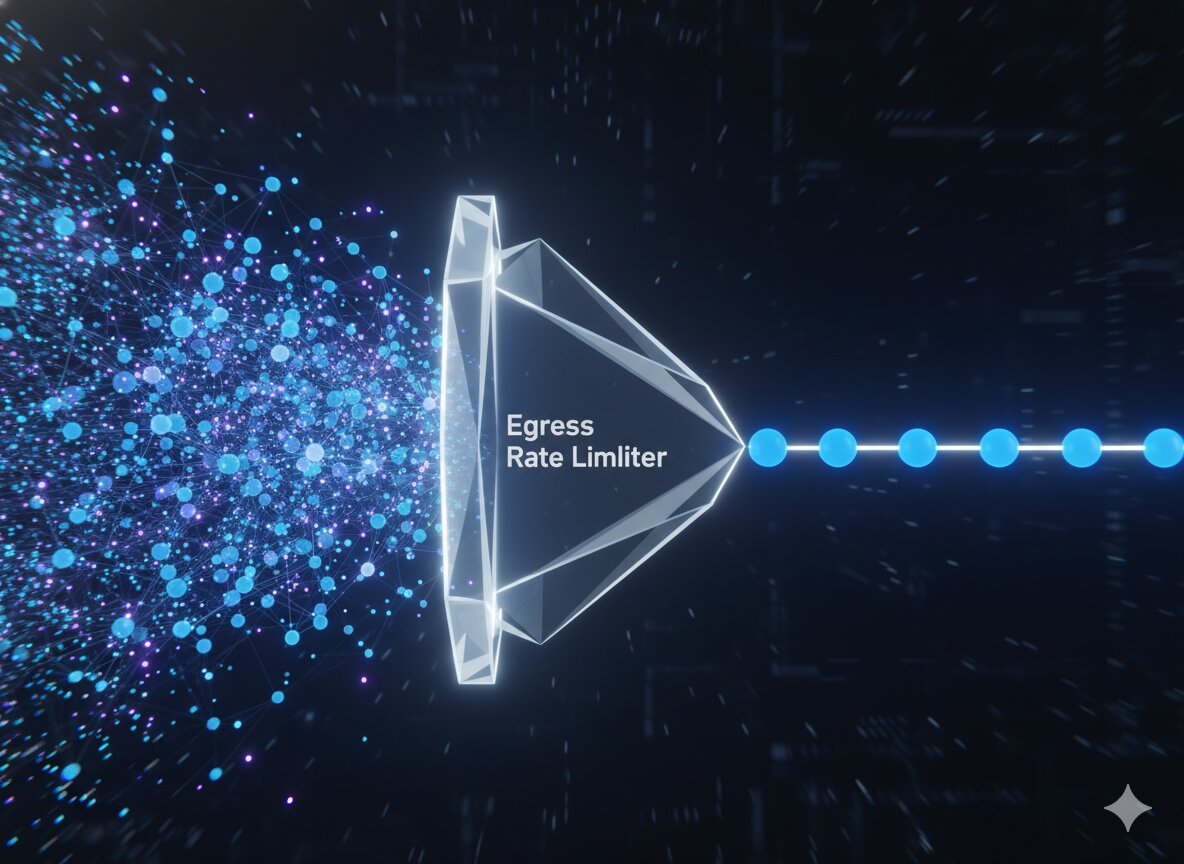
Analyze your platform's architectural data flows to eliminate hidden, expensive cross-Availability Zone (AZ) and international data transit fees.

  • The Strategy: Cross-AZ data transfer is a silent margin killer. Use the AI to evaluate your microservice network layouts and design localized routing structures to contain traffic within the same data zones.
  • The Play: "We eliminate network budget leaks by auditing our data topology. By passing our application network logs through an intelligence model, we isolate high-volume cross-AZ microservice traffic. We restructure our routing tables to prioritize localized intra-AZ data calls and deploy VPC Endpoints, instantly wiping out thousands in redundant data egress charges."

4. S-pot Instance and Auto-Scaling Elastic Topology

Transition your compute workloads from expensive, on-demand servers to highly elastic, self-healing architectures utilizing cheap Spot instances and predictive auto-scaling.

  • The Strategy: Use the AI to generate infrastructure-as-code manifests that split your application clusters—routing stateless, fault-tolerant worker nodes to Spot instances while preserving On-Demand reservations strictly for the transactional core.
  • The Prompt Pattern: "Act as a Principal DevOps Engineer. Write a Terraform configuration script for an AWS EKS (Elastic Kubernetes Service) node group that implements a cost-optimized compute topology. The configuration must utilize a 70% Spot Instance and 30% On-Demand Instance split mix, integrate a Cluster Autoscaler based on memory/CPU thresholds, and include fallback rules if Spot capacity is unavailable."

5. C-heckpoint and Storage Tiering Optimization

Re-architect your platform data lifecycle policies to ensure massive storage arrays automatically transition from expensive "hot" storage to ultra-low-cost cold archiving.

  • The Strategy: Do not pay premium rates for historical data. Instruct the model to construct explicit, automated lifecycle configurations for cloud object storage (like AWS S3 or Google Cloud Storage).
  • The Prompt Pattern: "Write an AWS S3 Lifecycle Policy configuration in JSON format for our platform application bucket. The policy must automatically transition objects prefixed with /logs/ or /analytics/ from S3 Standard to S3 Intelligent-Tiering after 30 days, move them to S3 Glacier Flexible Retrieval after 90 days, and permanently delete them after 365 days."

6. A-utomated Architectural Rightsizing Blueprints

Synthesize technical, data-backed optimization recommendations that downsize over-provisioned infrastructure instances based on real-world performance footprints.

  • The Strategy: Provide the AI with an instance specification alongside its active utilization trends, and have it output the exact, rightsized instance family alternative.
  • The Prompt Pattern: "Review the following application server profile: Current Instance: m5.4xlarge (64GB RAM, 16 vCPUs), Average CPU Utilization: 8%, Peak RAM Usage: 12GB. Suggest an optimized, alternative Graviton (ARM-based) instance type that matches this actual resource footprint, and calculate the percentage cost reduction of shifting to the new family."

7. L-ong-Term Commitment Financial Modeling

Calculate the optimal baseline of corporate cloud spend to safely purchase multi-year financial commitments like Reserved Instances (RIs) or Savings Plans.

  • The Strategy: Use the model to model your platform's absolute compute floor over a rolling 12-month window, ensuring you do not over-commit and lock the business into rigid, unutilized infrastructure liabilities.
  • The Play: "We secure long-term financial leverage without risking over-provisioning. By running our continuous 12-month compute metrics through an optimization model, we isolate our absolute baseline platform power floor. We commit to a 3-year Compute Savings Plan covering exactly 70% of that floor, maximizing our cost discounts while maintaining 30% flexibility to adapt to future architecture shifts."

8. E-nterprise Unit-Economic Dashboards

Anchor your cloud efficiency reports in meaningful business unit metrics rather than abstract aggregate cloud bills.

  • The Strategy: Connect your billing telemetry and user data into a unified business intelligence layout that calculates the true infrastructure efficiency of the product.
  • The Play: "We close the optimization loop by shifting our reporting from total dollar spend to infrastructure unit economics. By mapping cloud billing data directly against business usage metrics on a live dashboard, we track our 'Cloud Cost Per Active Transaction.' This gives both engineering and finance clear visibility into platform efficiency, transforming cost optimization from a yearly panic into a continuous operational standard."

The Comparison: Bad vs. Good

  • Bad Answer: "I would set up a meeting with the developers and ask them to go through the AWS console to delete old testing servers, make sure they tag their resources correctly, and then buy some Reserved Instances to get a quick discount on our monthly bill." (Reactive, manual, fails to fix underlying architectural inefficiencies, and doesn't tie cost to business growth).
  • Good Answer: "I will optimize our platform unit economics by deploying the FIN-SCALE framework—utilizing Generative AI to parse cost usage logs for non-linear spikes, re-architecting compute topologies to run on a cost-optimized 70% Spot instance mix, deploying automated object storage lifecycle tiering policies, and tracking infrastructure efficiency using an automated 'Cost Per Transaction' unit metric." (Highly strategic, technically mature, highly data-driven, and focused on architectural efficiency).
Read more blogs

How to Optimize Cloud Infrastructure Unit Economics: The PM & TPM "FIN-SCALE" Framework
How to Manage Technical Debt and Refactoring Backlogs: The PM & TPM "PAY-DOWN" Framework
How to Coordinate Multi-Region Cloud Failovers: The PM & TPM "ZONE-DEFENSE" Framework
How to Orchestrate Massive API Deprecations Without Breaking Ecosystems: The PM & TPM "DECOUPLE-FLOW" Framework
How to Lead Large-Scale Corporate AI Transformations: The PM & TPM "CORE-INTEGRATE" Framework
How to Scale Infrastructure Upgrades Without Downtime: The PM & TPM "LIVE-MIGRATE" Framework
How to Architect an AI-Powered Quality Assurance & Release Engine: The PM & TPM "BUG-SHIELD" Framework
How to Formulate the Ultimate "Product-to-Engineering" Spec Engine: The PM & TPM "TECH-TRANSLATE" Framework
How to Leverage AI for Cross-Functional Product Alignment: The PM & TPM "SYNCHRONIZE" Framework
How to Build a Complete AI-Powered Agile Workflow: The PM & TPM "CORE-VELOCITY" Framework
How to Automate High-Friction Dependency Mapping and Jira Tracking: The "AUTO-TRACK" TPM Workflow
How to Handle a Critical API Rate Limiting and Service Degradation Crisis: The "THROTTLE-GUARD" Resilience Framework
How to Handle a High-Scale Database Crash During Peak Traffic: The "FAILOVER-SHIELD" Recovery Framework
How to Handle an Algorithmic Model Bias Crisis: The "ETHICAL-AUDIT" ML Governance Framework
How to Handle a Major Cloud Migration Failure: The "CLOUD-SAFETY" Rollback Framework
How to Handle a Major Technical Program Delay: The "RE-BASELINE" Schedule Recovery Framework
How to Handle a Database Sharding Migration: The "DATA-BALANCE" Scale Framework
How to Handle a Critical Third-Party API Sunset: The "DEPENDENCY-BUFFER" Integration Framework
How to Handle a Pricing Tier Change: The "PRICING-SHIELD" Revenue Framework
next How to Handle a Post-Launch Crisis: The "ROLL-BACK" Incident Management Framework
How to Handle a Critical API Migration: The "DECOUPLE-SAFE" Architecture Framework
How to Handle a Major System Outage: The "TRIAGE-SCALE" Technical Execution Framework
How to Resolve Cross-Functional Gridlock: The "BRIDGE-ALIGN" Trade-off Framework
How to Handle a Dropping Metric: The "DIG-DEEP" Root Cause Framework
How to Master the Behavioral Interview: The "STAR-GROWTH" Method
How to Lead a Product Launch: The "GTM-VELOCITY" Framework
How to Design a Product for the Next Billion Users: The "ADAPT-LIGHT" Framework
How to Negotiate Your Senior Tech Offer: The "VALUE-ANCHOR" Method
How to Master the Behavioral Interview: The "STAR-GROWTH" Method
How to Lead a Product Launch: The "GTM-VELOCITY" Framework
How to Design a Product from Scratch: The "EMPATHY-SCALE" Framework
How to Prioritize Features: The "RICE-VALUE" Framework
How to Design for the Next Billion Users: The "ADAPT-LIGHT" Framework
How to Build an AI-First Feature: The "RAG-EVAL" Framework
Move from a Monolith to Microservices: The "STRANGLE-SHIELD" Framework
How Do You Decide When to Build vs. Buy?: The "MOAT-LEVER" Framework
How Do You Handle a Conflict Between Engineering and Design?: The "TRIANGLE-TRADE" Framework
How Do You Manage a Delayed Project?: The "REALIGN-RECOVER" Framework
How Do You Design an API?: The "CONTRACT-FIRST" Framework
How Do You Prioritise a Roadmap?: The "ROI-ALIGN" Framework
How to Answer "Tell Me About a Time You Failed": The "PIVOT-OWN" Framework
How to Handle a Dropping Metric: The "SEGMENT-DRILL" Framework
The "Incentive-Alignment" Framework: Building in Web3
The "Value-Tradeoff" Framework: Mastering the Art of "No"
The "Cycle-Velocity" Framework: Building Viral Loops
The "Agentic-Utility" Framework: Building AI-First Features
The "Proxy-Experience" Framework: Mastering the Career Pivot
The "Throughput-Engine" Framework: Elite Productivity
The "Pause-Pivot" Framework: Leading the Room
The "Curated-Authority" Framework: Building Your Tech Brand
The "Throughput-First" Framework: Managing the Sprint
The "Segment-Drill" Framework: Winning with Data
The "Identity-Loop" Framework: Building the Community Moat
The "TTV" Framework: Mastering the First 5 Minutes
The "Red-Team" Framework: Building Ethical AI
The "Extensibility-First" Framework: Building the Ecosystem
The "Glocalization" Framework: Scaling Across Borders
The "PQL-Conversion" Framework: From User to Revenue
The "Phased-Velocity" Framework: Mastering the GTM
The "Win-Loss" Framework: Closing the Product-Market Gap
The "Post-Mortem" Framework: Institutionalizing Failure
The "Cognitive-Utility" Framework: Building AI-First
The "Product Health-Check" Framework: The First 30 Days
The "Moat-Mapping" Framework: Defending the Castle
The "Growth-Loop" Framework: Beyond the Marketing Funnel
The "Radical Clarity" Framework: Managing Underperformance
The "Proof of Work" Framework: Building a Career Magnet
The "Insight-Mining" Framework: High-Impact User Interviews
The "Executive-Pulse" Framework: High-Stakes Communication
The "Technical-Empathy" Framework: The Art of the 1:1
The "Elastic-Scale" Framework: Scaling from 1 to 100
The "Venture-Validation" Framework: Building from 0 to 1
The "Anchor & Lever" Framework: Negotiating $400k+ Total Comp (TC)

The "Asynchronous-First" Framework: Leading Distributed Teams
The "Value-Bridge" Framework: From Specialist to Strategist
The "Value-First AI" Framework: Integrating Intelligence Without the Gimmicks
The FAANG Interview Mastery Checklist: 10 Frameworks to Rule the Loop
The "Blueprint" Framework: Designing Scalable Systems
The "Recovery & Transparency" Framework: Handling a Slipping Project
The "Translate-to-Value" Framework: Simplifying the Complex
The "Box-In" Framework: Solving the Impossible Estimate
The "Strategic Evolution" Framework: Improving Mature Products
The "Inclusive Design" Framework: Solving Complex UX Problems
The "Objective Filter" Framework: Mastering Roadmap Prioritisation
The "Gatekeeper" Framework: Deciding to Enter a New Market
The "Bridge-Builder" Framework: Resolving Technical Deadlock
Tell Me About a Time You Failed: The Post-Mortem Framework
My Metric Dropped 10%: The Rapid Diagnosis Framework for PMs and TPMs
YouTube Watch Time Dropped 10%. Why?": How to Ace the Root Cause Analysis Interview
"How Do You Manage a Team That Doesn't Report to You?": Mastering Influence Without Authority
"You Have 10 Features and Bandwidth for 3. How Do You Decide?": Mastering the Art of Ruthless Prioritization
"Tell Me About a Time You Failed": How to Turn Your Worst Moments into Your Best Interview Answers
"Design Instagram": How to Ace the System Design Interview Without Writing a Single Line of Code
"Analysis Paralysis" is Killing Your Program: How to Master 'Bias for Action' in Interviews and Real Life
What's Your Favorite Product?": Why Saying "The iPhone" Will Fail You (And What to Say Instead)
"How Would You Manage a Data Center Migration?": The 6-Step Framework for Acing the Program Sense Interview
"How Would You Measure the Success of Spotify's Discover Weekly?": Mastering the Metrics Interview with the GAME Framework
"How Many Gas Stations Are in the US?": The Introvert's Guide to Cracking Estimation Questions
"Design TikTok": A 5-Step Framework for Acing the System Design Interview (Even if You Don't Code)
"Should Amazon Enter the Food Delivery Market?": A 7-Step Framework for Acing Product Strategy

Transform Your Career with Our Complete Learning Solutions

Discover our diverse offerings, including expert-led courses, free training sessions, and personalized consultation services designed to help you master project management and advance your career with confidence.

FREE Training

Crack your next TPM Interview

From unravelling the intricacies of TPM/PM interview structures to mastering system design to discover the keys to navigating cross-functional collaboration, decoding top interview questions, and fine-tuning your resume and LinkedIn profile, including negotiation frameworks, networking strategies, and much more!

Register Now

Trusted by over 9,600 students

Course

30-Day TPM Masterclass

Expect early technical assessments, followed by a focus on strategic thinking, leadership capabilities, and a thorough evaluation of program management proficiency. From engaging self-guided exercises to comprehensive guides, frameworks, and sample answers, our TPM interview preparation covers it all, including practice lessons, updated content, and mock interviews.

Learn More

Trusted by over 9,600 students

Interview Prep Kit

Ultimate TPM Interview Prep Kit

Master TPM interview skills with this comprehensive guide covering system design, program management, and cross-functional collaboration.

Includes real-world scenarios, sample questions, and expert tips for success.

Learn More

Trusted by over 9,600 students

Interview Prep Guide

Complete PM Interview Guide

Master product design, strategy, and leadership with this all-in-one guide for Product Management interviews.

Gain confidence with actionable advice, real-world examples, and tailored mock questions to secure your next PM role.

Learn More

Trusted by over 9,600 students

Consulting

1-on-1 Interview Prep

1-on-1 Interview PreparationGet personalized guidance to ace your next interview with confidence. Our 1-on-1 interview preparation sessions focus on your unique strengths and areas for improvement. From tailored practice questions and feedback to mastering behavioral and technical responses, we ensure you're fully prepared to impress and secure your dream role.

Book a call

Trusted by over 9,600 students

Free Training

Unlock  Free Training

Get access to free training that reveals "How To crack your next TPM INTERVIEW In Just 30 Days!"

Gain exclusive access to expert-led training sessions designed to equip you with the skills, strategies, and confidence to excel in Technical Program Management.

Enroll now

Trusted by over 9,600 students