The Interview Trap: The "Stale Pricing" Cart Catastrophe
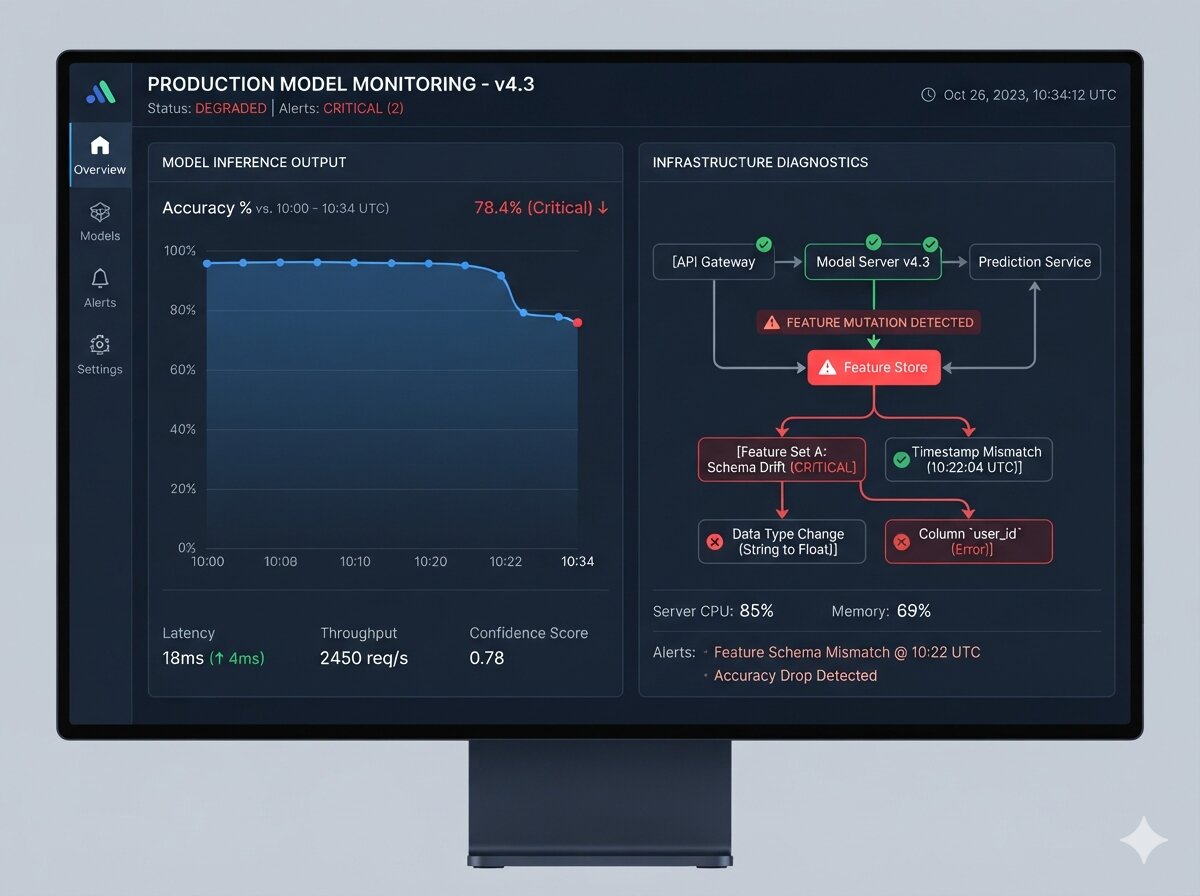
The interviewer presents a high-throughput systems failure: "Your e-commerce platform is experiencing a massive flash-sale event. To protect the core relational database from collapsing under millions of read requests, the engineering team deployed a distributed Redis caching layer in front of the product catalog. However, users are adding items to their carts showing a 50% discount price, only to hit a checkout failure because the underlying database had already updated the item to full price when the sale window closed. The database is throwing lock contention errors, and customers are flooding support channels with screenshots of broken checkout states. How do you re-architect the caching strategy to enforce eventual consistency without destroying read performance?"
Most candidates tank this technical system execution round by offering surface-level manual fixes: "I would have the developers set a low Time-To-Live (TTL) of 5 minutes on all Redis keys, and if a customer sees a wrong price, we can write an internal script that clears out the specific cache file manually." Stop. Relying on short TTLs or ad-hoc manual cache flushes is a dangerous anti-pattern that creates massive read spikes (cache stampedes) and fails to solve the race conditions that break data consistency. In senior platform product management and core infrastructure program loops at scale champions like Amazon, Shopify, and Netflix, panel judges are evaluating your understanding of Cache Eviction Policies, Cache-Aside vs. Write-Through Patterns, Change Data Capture (CDC) Streams, and the Mitigation of Cache Invalidation Race Conditions.
The Core Framework: The "CACHE-CLEAR" Method
Elite PMs and TPMs treat caching not as a secondary performance add-on, but as a critical distributed state synchronization puzzle. They model data mutation paths to balance read throughput against strict consistency boundaries.
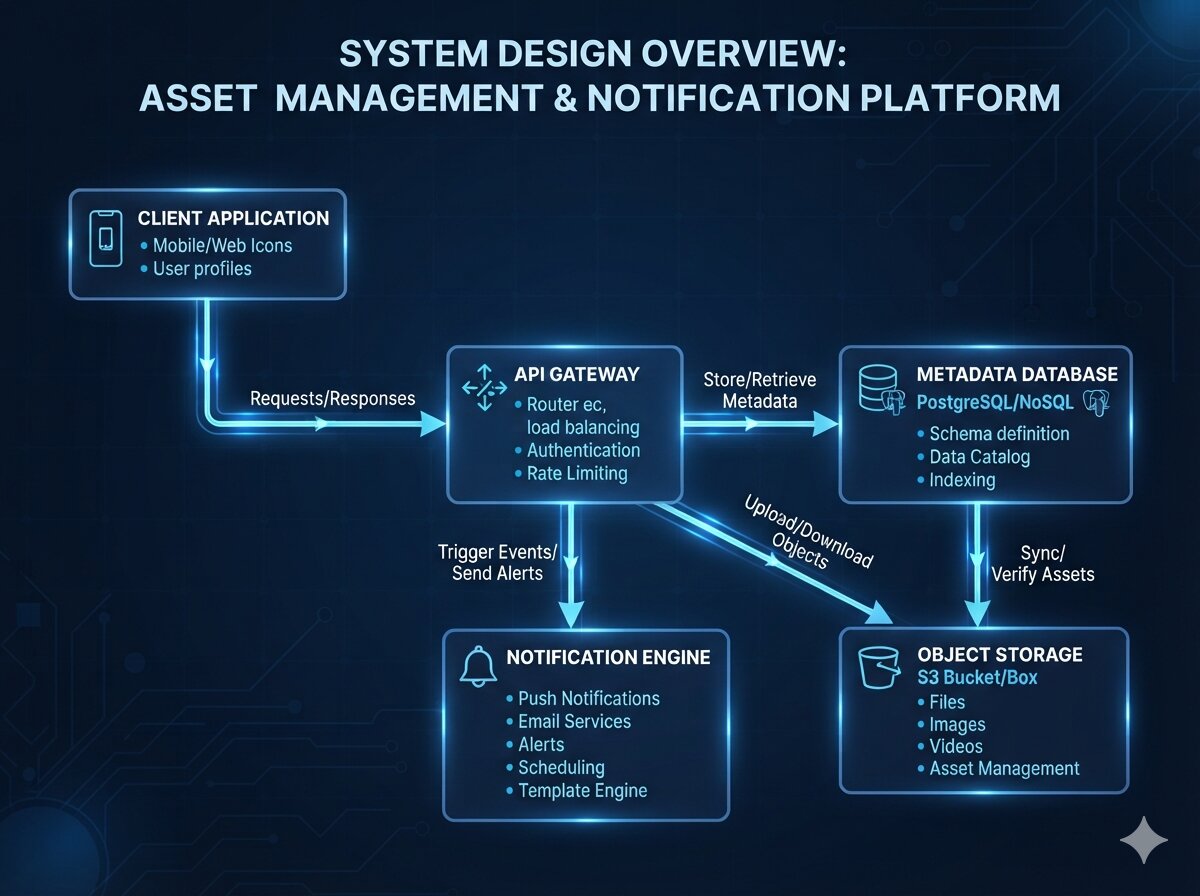
                  [ Product Catalog Mutation (Admin Update) ]
                                      │
                                      ▼
                        ┌───────────────────────────┐
                        │   PRIMARY SQL DATABASE    │
                        └─────────────┬─────────────┘
                                      │
                                      ▼ (Transactional Log Commit)
                        ┌───────────────────────────┐
                        │ CHANGE DATA CAPTURE (CDC) │
                        └─────────────┬─────────────┘
                                      │
                                      ▼ (Asynchronous Event Stream)
                        ┌───────────────────────────┐
                        │    DECOUPLED KAFKA BUS    │
                        └─────────────┬─────────────┘
                                      │
                                      ▼ (Programmatic Cache Purge)
                        ┌───────────────────────────┐
                        │  CACHE INVALIDATOR WORKER │
                        └─────────────┬─────────────┘
                                      │
                                      ▼ (Instant Eviction Command)
                        ┌───────────────────────────┐
                        │   DISTRIBUTED REDIS CLUSTER│
                        └───────────────────────────┘
1. C-hoice of Caching Strategy Pattern
Evaluate data read/write ratios to deploy the correct architectural pattern—such as Cache-Aside, Write-Through, or Write-Behind—matching your application's domain demands.
- The Strategy: For a highly dynamic flash-sale catalog, avoid blind client-side caching. Deploy a resilient Cache-Aside mechanism combined with an explicit event-driven eviction pipeline.
- The Script: "To resolve our stale pricing crisis, I will first formalize our caching pattern. We will implement an explicit Cache-Aside strategy for high-read components. The application tier will query the Redis cluster first; on a cache miss, it reads from the primary SQL database, populates the cache structure asynchronously, and returns the payload. However, we cannot rely on raw application writes to keep this cache fresh."
2. A-synchronous Invalidation via Change Data Capture (CDC)
Decouple cache invalidation loops completely from application business logic by tapping directly into database transaction logs.
- The Strategy: Deploy a streaming utility (like Debezium) to monitor the primary database transaction log ($Write-Ahead Log$). The moment a price row alters, emit an event to an asynchronous message broker (like Apache Kafka) to trigger an immediate cache eviction.
- The Script: "We will eliminate the stale price window by implementing an asynchronous Change Data Capture event loop. When a back-office system modifies an item price, a Debezium connector captures that raw database log mutation instantly. It broadcasts a high-priority eviction message over an internal Kafka topic, allowing dedicated worker threads to purge the corresponding Redis key within milliseconds of the database commit."
3. B-locking Cache Stampedes via Mutex Locking
Protect backing databases from being crushed by sudden massive traffic waves when a highly popular cache key is suddenly invalidated.
- The Strategy: Implement distributed mutual exclusion ($mutex$) locks inside your application routing code to ensure only a single worker thread can rebuild a missing high-traffic cache key at any given time.
- The Script: "When a high-volume product key is evicted during a flash sale, thousands of concurrent requests will experience a cache miss simultaneously. To prevent a catastrophic database crash—known as a cache stampede—I will enforce a distributed mutex lock in our application routing layer. The first thread to encounter the cache miss acquires a lightweight Redis lock, fetches the fresh price from the database, and repopulates the cache, while all other concurrent requests wait briefly and read safely from the newly refreshed cache node."
4. H-ardened Time-To-Live (TTL) with Jitter Injection
Incorporate secondary defensive boundaries by assigning strict, slightly randomized expiration windows to all cached elements to prevent simultaneous cache expirations.
- The Strategy: Supplement your event-driven evictions with predictable TTL windows, injecting a random 5% time variation ($jitter$) to stagger cache expirations across your global cluster.
- The Play: "While our event-driven CDC pipeline is our primary invalidator, we will embed an explicit TTL safety boundary of 24 hours on all catalog records. We will programmatically inject a 5% random jitter variation to these TTL values. This prevents millions of product keys from expiring simultaneously at the exact same second, eliminating artificial, system-induced performance cliffs."
5. E-viction Policy Calibration
Tune your cache cluster’s memory management layer to automatically discard low-value historical data when memory utilization floors are breached.
- The Strategy: Configure your cache instance to utilize a Volatile-LFU (Least Frequently Used) or Volatile-LRU (Least Recently Used) eviction rule, ensuring memory is strictly preserved for active transactional records.
- The Play: "To ensure our flash-sale catalog is never pushed out of memory by secondary data streams, I will calibrate our Redis eviction policy to
volatile-lfu. This explicitly tells the infrastructure to preserve high-demand product pricing items while automatically reclaiming memory from old, low-frequency historical search queries whenever memory caps are reached."
The Comparison: Bad vs. Good
Bad Answer (Manual & Short-Sighted)Good Answer (CACHE-CLEAR Framework)"I would just tell the team to set a short 1-minute TTL on everything and build a button in our admin dashboard so internal employees can manually clear the cache when prices change.""I will architect a real-time Change Data Capture event loop that programmatically invalidates Redis keys via Kafka streams within milliseconds of a database update.""If too many users hit the database at the same time after a cache clears out, we will just buy bigger database servers to handle the traffic spike.""I will implement a distributed mutex locking strategy at the application layer to intercept concurrent cache misses, entirely preventing cache stampedes."Relies on loose guesses, manual operational steps, and costly, inefficient database scaling.Establishes automated event-driven state syncing, defensive traffic locking, and optimized cluster memory controls.
The Pitch: Command Complex Distributed Systems
Mastering caching architectures and data consistency topologies separates entry-level product coordinators from elite infrastructure platform directors. If you solve data synchronization questions with manual tracking suggestions or basic TTL tweaks, senior engineering panels at top-tier firms will skip your profile.
Kracd preparation materials provide you with the explicit technical systems blueprints, transactional execution models, and precise vocabularies needed to command advanced core platform engineering rounds.
👉 Master enterprise execution and data lifecycle strategy: PM Prep Guide
👉 Master deep backend systems design and distributed cloud delivery: TPM Prep Kit
FAQs
Q1: Why prioritize Cache Eviction (purging keys) over Cache Updating (writing the new data directly to the cache)?
A: Cache updates are highly vulnerable to dangerous race conditions in distributed systems. If two separate system processes attempt to update the same cache key at roughly the same time, network latency variations can cause the older update to overwrite the newer update, locking a corrupt, stale state into your cache until the TTL expires. Executing a clean cache eviction completely bypasses this risk—it forces the very next user query to pull the undisputed, freshly committed ground truth straight from your primary database.
Q2: What is the difference between a cache stampede and a cache avalanche?
A: A cache stampede occurs when thousands of concurrent requests look for a single, highly popular key that has just expired or been evicted, causing a massive, concentrated read surge on the backing database. A cache avalanche happens when a massive volume of distinct keys expire at the exact same moment (often due to un-jittered uniform TTLs) or when an entire caching infrastructure node crashes, causing total traffic to flood the primary database simultaneously.
Q3: How do we handle transactions that require absolute, zero-exception accuracy (like a user's digital wallet balance)?
A: You do not cache them for transactional operations. Core account balances, financial ledger lines, and critical security access tokens should completely bypass read-caching models during mutating operations. These workflows must interface directly with your primary relational databases using strict ACID transactions and serialized isolation levels, prioritizing absolute consistency over raw system latency.


























.jpg)