The Interview Trap: The "Agile Ceremony Zombie"
The interviewer sets up a classic product delivery bottleneck: "Your product team is shifting focus to deploy a highly complex, personalization algorithm feature within your mobile application. Product Management has a stack of customer interviews, but zero technical requirements. Engineering is waiting for tickets, and the program schedule is slipping before coding even begins. How do you step in to accelerate execution?" Most Product Managers and Technical Program Managers fall back on the same old playbook: "I'd block out four hours on everyone's calendar to run a massive backlog grooming session, write out user stories by hand, and debate estimation sizes during our next Sprint Planning." Stop. Spending hours manually drafting dozens of Jira issues while highly paid developers sit around in endless alignment ceremonies is an operational resource drain. In senior product strategy and program execution loops, panels are testing your Systemic Delivery Velocity, Advanced AI Co-Piloting, and Modern Agile Governance.
The Core Framework: The "CORE-VELOCITY" Method
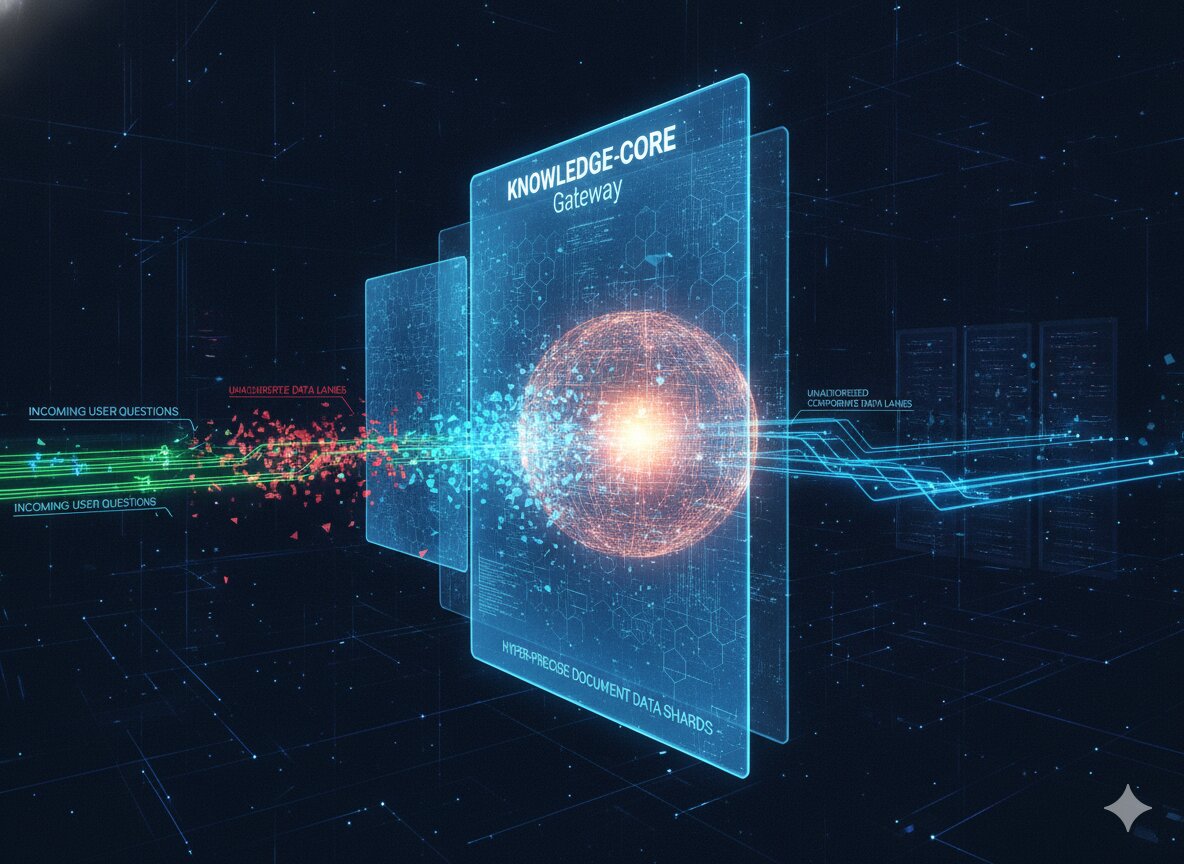
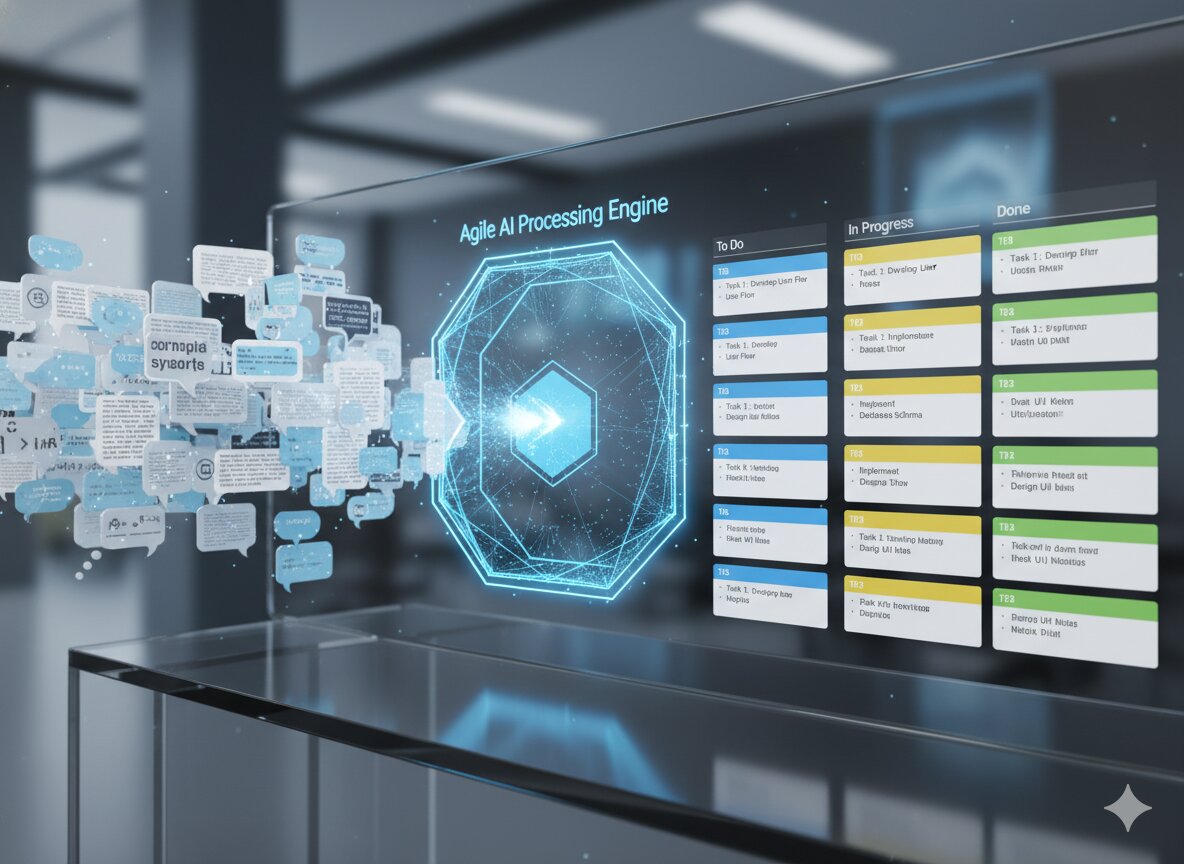
Elite PMs and TPMs don't write basic requirements line-by-line anymore; they co-pilot with Large Language Models to convert unstructured customer feedback into deployment-ready, highly technical user stories in seconds.
1. C-ustomer Insight Matrix Ingestion
Feed raw, qualitative discovery data straight into your AI environment to extract structural product themes.
- The Strategy: Drop unedited transcripts from user research, customer support logs, and sales notes into models with large context windows (like Claude 3.5 Sonnet or GPT-4o) to strip away the noise.
- The Prompt Pattern: "Analyze the attached raw user research transcripts: [Insert text]. Extract the top 3 core friction points related to our application's current search experience. Organize these friction points into explicit, high-level Product Feature Themes."
2. O-ptimized PRD-to-Epic Structural Generation
Transform your synthesized user themes into fully structured Product Requirement Documents (PRDs) and Jira Epics automatically.
- The Strategy: Use programmatic prompts to map feature goals directly to engineering epic frameworks, bypassing the blank-page phase.
- The Prompt Pattern: "Based on the extracted themes, generate a technical Product Requirement Document outline in Markdown. For each core feature, define an overarching Jira Epic containing a
## Business Objective,## Success Metrics (KPIs), and## System Scope Boundariesstructure."
3. R-efined Technical User Story Extraction
Break down your high-level epics into individual, developer-ready user stories that include clear acceptance criteria.
- The Strategy: Instruct the model to draft individual tickets using the standardized behavioral format (Given/When/Then), ensuring complete clarity for engineers.
- The Prompt Pattern: "Act as a Lead Product Owner. Break down the 'Personalization Filter' Epic into 5 distinct technical user stories. For each story, use the format: 'As a... I want to... So that...'. Every story must include 3 explicit, non-negotiable
### Acceptance Criteriawritten in standard Gherkin Given/When/Then syntax."
4. E-ngineering Schema and API Mapping Co-Pilot
Bridge the gap between product requirements and system engineering by utilizing the AI to map basic backend requirements.
- The Strategy: Ask the model to generate draft JSON payloads, API endpoint structures, or database schema mockups matching your user stories.
- The Prompt Pattern: "Act as a Staff Systems Engineer. For the user story covering 'Save User Preferences', generate a sample REST API request/response JSON payload and map out the required PostgreSQL database schema modifications needed to support these parameters."
5. V-elocity-Driven Automated Estimation Modeling
Run algorithmic complexity baselines against your newly created user stories to establish a starting point for sprint sizing.
- The Strategy: Provide the AI with your team's historical sprint velocity and story point distributions to generate an automated baseline estimate.
- The Prompt Pattern: "Review our team's historical sprint data: [Insert past ticket sizes and velocity metrics]. Based on this complexity profile, assign an initial recommended story point value (using the Fibonacci sequence) to each of the 5 new user stories. Highlight which story represents the highest architectural risk."
6. E-ge-Case and Technical Debt Analysis
Force the model to act as an adversarial Quality Assurance lead to expose hidden blind spots before sprint execution begins.
- The Strategy: Uncover security holes, missing error handles, or compliance risks by running an automated edge-case validation prompt.
- The Prompt Pattern: "Act as a Senior QA Automation Engineer and Security Architect. Audit the user stories written above. Identify 4 critical edge cases, race conditions, or security vulnerabilities (such as input injection risks or API timeout handling) that our engineering team must account for in the implementation tickets."
7. L-ive Backlog Automated Ticket Formatting
Format your complete, verified technical backlog directly into clean markdown files or API strings optimized for instant ingestion.
- The Strategy: Strip out all conversational AI filler text and format your output so it can be copy-pasted or programmatically pushed directly into Jira or Asana.
- The Prompt Pattern: "Output the finalized epic, user stories, API mockups, and edge-case tickets into a single, clean Markdown code block. Ensure there is no introductory or concluding conversational prose. The format must be immediately readable by a standard project management API gateway."
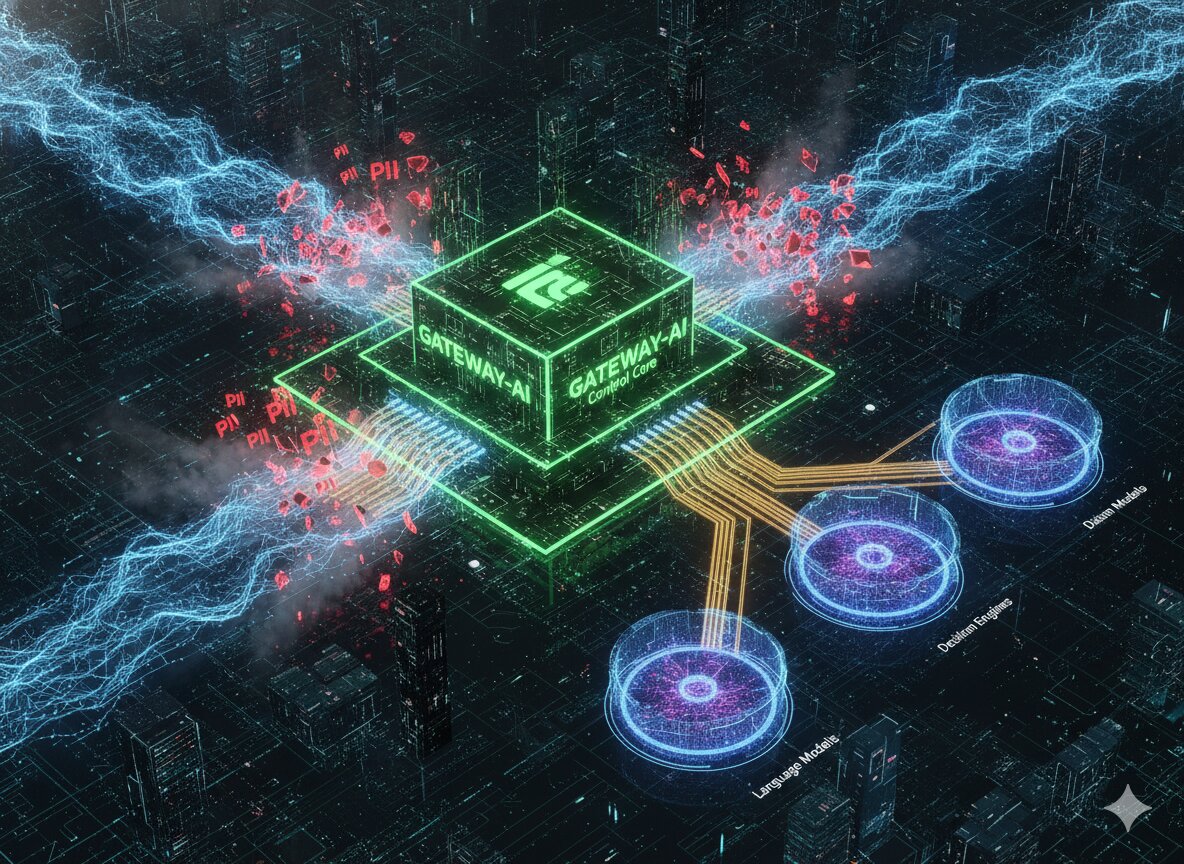
8. O-rganizational Governance and Security Enforcer
Ensure all AI-assisted artifact generation complies with your enterprise security, privacy, and regulatory policies.
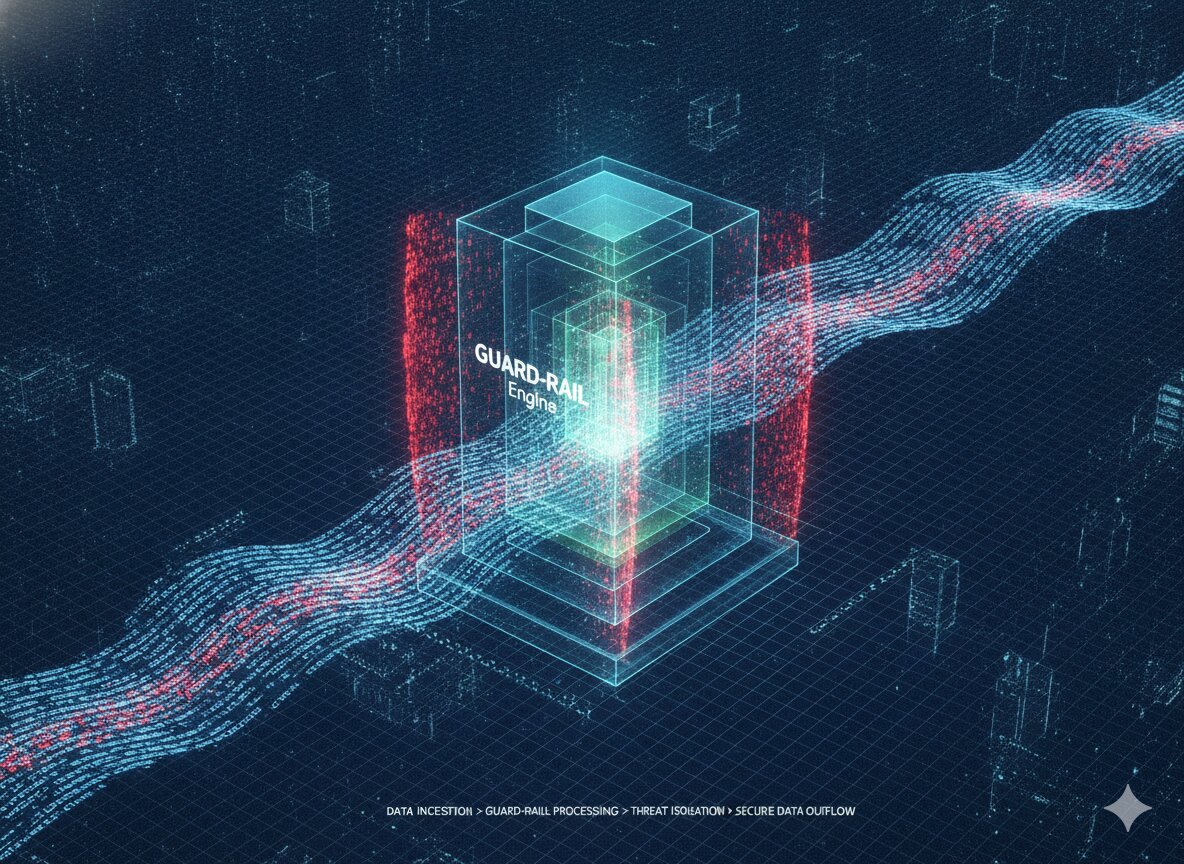
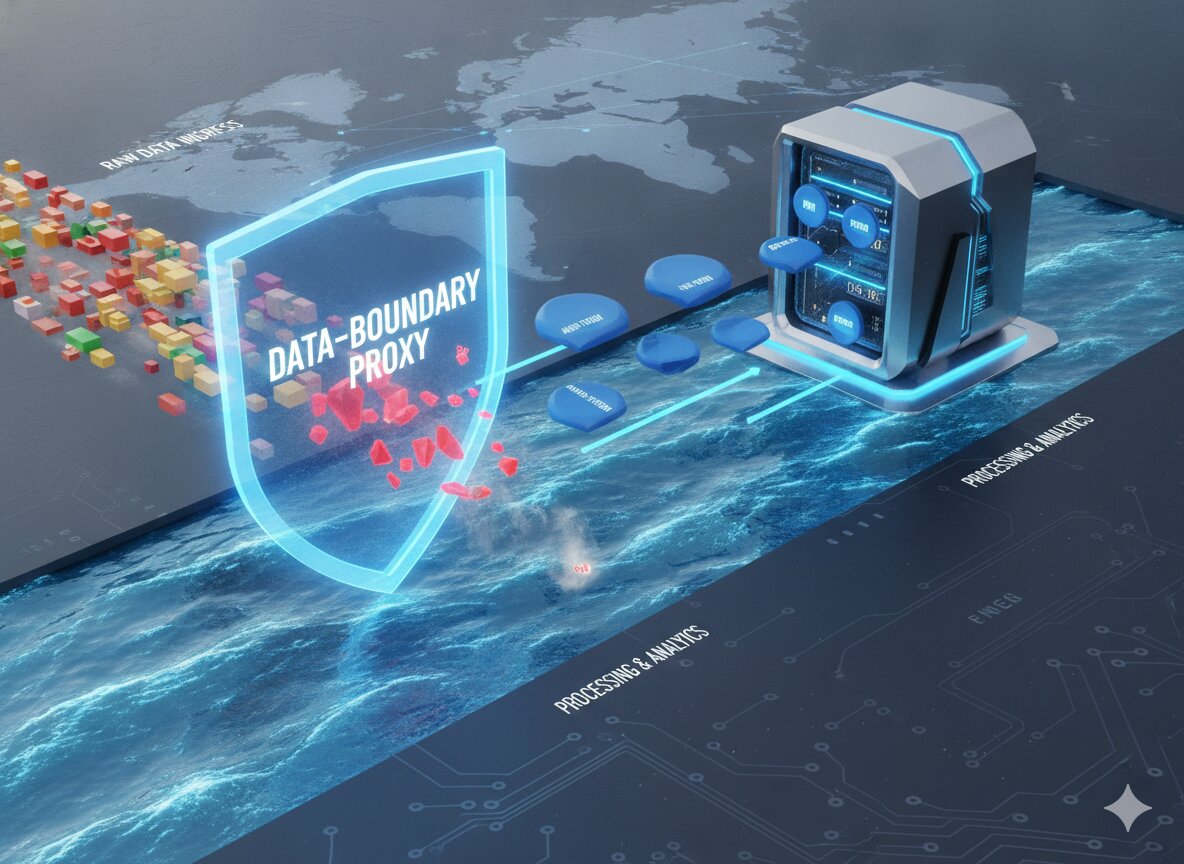
- The Strategy: Validate that no proprietary codebase strings, internal customer data, or restricted corporate secrets are exposed during the prompt engineering process.
- The Play: "Maintain a strict security sandbox. When using LLM pipelines to assist in PRD and user story generation, always strip out specific code repos, real customer names, and internal API keys. Route all data through enterprise-cleared models that protect company IP and adhere to absolute compliance guardrails."
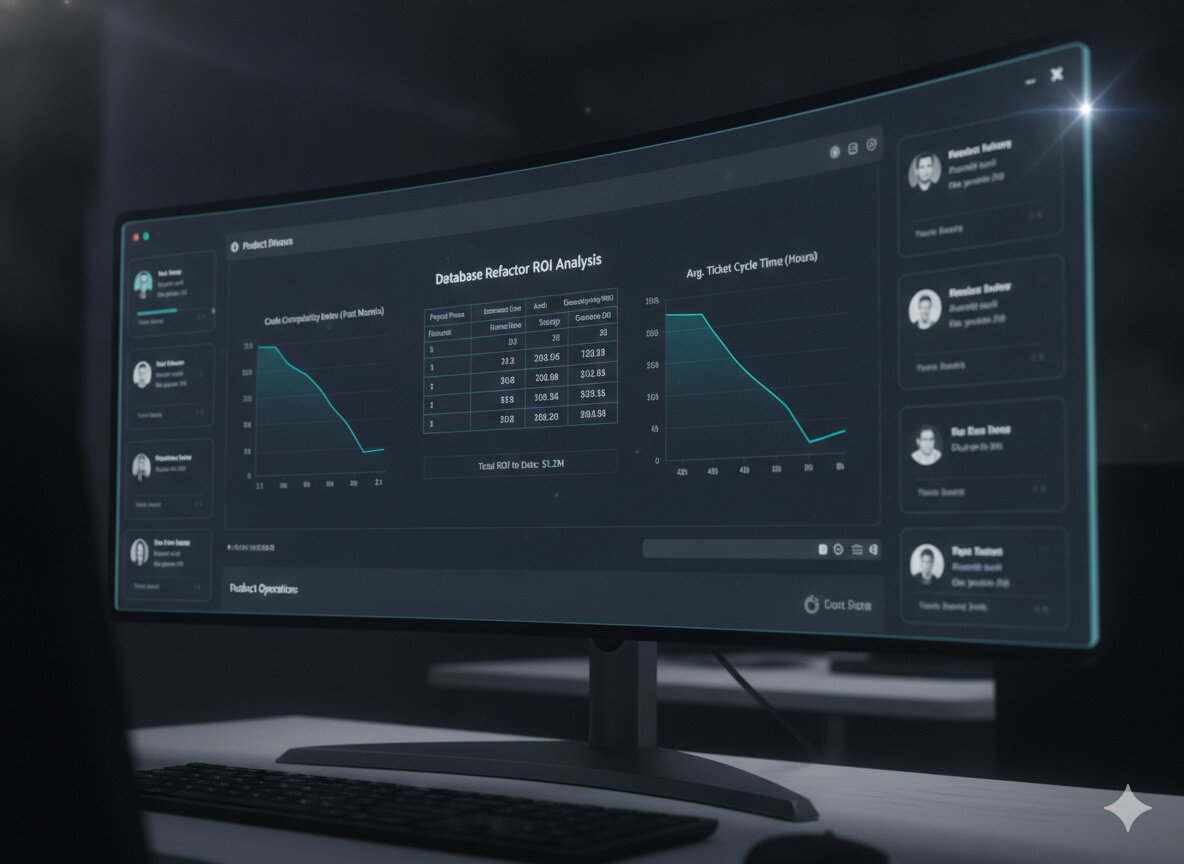
9. C-ontinuous Sprint Telemetry Tracking
Connect your agile backlog metrics directly to production deployment timelines to track true business impact.
- The Strategy: Feed post-sprint burndown data and release logs back into your AI system to continuously optimize future estimation accuracy.
- The Play: "We complete the loop by connecting planning directly to production telemetry. Post-release, we ingest our actual sprint completion velocity and live bug rates back into our AI models. This continuously trains our scoping prompts, allowing the system to become more accurate at predicting engineering effort and timeline risks with every subsequent product cycle."
10. I-terative Retrospective Intelligence Generation
Automate the aggregation of sprint feedback to discover structural optimization insights across your product teams.
- The Strategy: Feed unstructured retrospective notes from Slack channels and sprint surveys into an intelligence layer to track long-term team performance trends.
- The Play: "At the conclusion of our feature launch, I will run our team's raw retrospective comments and sprint metrics through an analysis prompt. Rather than simply listing generic complaints, the AI tracks long-term systemic themes—such as code review lag times or deployment pipeline bottlenecks—giving us actionable workflow optimizations to implement next quarter."
The Comparison: Bad vs. Good
- Bad Answer: "I would set up a multi-hour meeting with our engineering team, write user stories live on a shared screen, ask ChatGPT to write generic feature templates, and copy-paste them into Jira without adding any team-specific technical context or backend schemas." (Administrative, time-consuming, introduces generic requirements that confuse developers).
- Good Answer: "I will maximize team velocity by deploying the CORE-VELOCITY framework—using Generative AI to ingest raw user research, automatically generating highly structured technical PRDs and user stories containing explicit Gherkin acceptance criteria, and mapping initial database schemas and edge cases before our sprint planning ever begins." (Highly strategic, leverage-driven, technially sound, dramatically shortens delivery timelines).
Scale Product Delivery with AI Optimization
The intersection of Product Management and Technical Program Management demands high-velocity execution. Spending your time manually writing standard ticket templates or running inefficient, manual agile ceremonies is a massive misuse of your cognitive capacity. Demonstrating to an interview panel that you know exactly how to leverage modern artificial intelligence platforms to ingest unstructured data, map deep technical constraints, and programmatically generate delivery-ready agile backlogs marks you as a modern, high-leverage product leader.
The Kracd Prep Kits provide comprehensive agile automation templates, advanced prompt design repositories, and AI-powered product development blueprints built for scale.
- For PMs: Learn how to co-pilot with Generative AI tools to write hyper-precise PRDs, analyze customer feedback datasets at scale, and map technical requirements seamlessly with the PM Prep Guide.
- For TPMs: Master advanced AI-driven program scoping, prompt engineering for complex system migrations, automated dependency parsing, and high-velocity schedule modeling with the TPM Prep Kit.
FAQs
Q: Doesn't using AI to write user stories and technical specs take away from a PM or TPM's core product ownership?A: No, it shifts your focus from manual drafting to critical editing and strategic validation. Writing the structural framework of an agile story—formatting headings, applying standardized ticket syntax, and typing out clear acceptance criteria formulas—is an administrative task. The real value of a PM or TPM lies in reviewing the generated outputs, identifying nuanced architectural risks, and ensuring the features line up perfectly with the broader business strategy. AI handles the construction; you handle the direction.
Q: What if the AI generates user stories or code schemas that are technically inaccurate or unrealistic for our stack?A: This is why human engineering oversight is mandatory. AI models operate on pattern matching and probabilistic calculations, meaning they can produce technical inaccuracies if left unchecked. You must always run your AI-generated backlogs and technical requirements through a quick structural review loop with your Engineering Lead or Tech Architect before locking them into a sprint backlog. Treat the AI's output as a highly detailed first draft that saves you 80% of your starting effort.
Q: Can we connect these AI prompt sequences directly into our corporate Jira instance to automate ticket creation entirely?A: Yes, by leveraging native automation hooks or API integrations. Modern project tracking suites (such as Jira Advanced Roadmaps, ClickUp, and Linear) feature built-in artificial intelligence layers designed to automatically expand high-level project epics into individual sub-tasks and user stories. Additionally, you can utilize simple workflow tools or direct Python scripts to seamlessly pipe your structured markdown prompts right from your LLM workspace straight into your project management backlog.















.jpg)