The Interview Trap: The "Hallucinating Corporate Data" Meltdown
The interviewer throws you into a production-level AI infrastructure crisis: "Your enterprise customer support platform just launched an AI assistant built on a fine-tuned LLM. However, corporate clients are threatening legal action because the bot is completely hallucinating outdated pricing tiers, mixing up confidential product documentation between separate client accounts, and exposing restricted internal HR policies to public-facing users. The data team claims the model is 'hallucinating' because fine-tuning doesn't guarantee factual ground-truth retrieval, and security teams want to yank the product entirely due to data leakage across tenant boundaries. How do you re-architect this system into a secure, enterprise-grade RAG pipeline?"
Most candidates tank this technical AI platform round by operating as high-level generalists: "I would stop fine-tuning, implement an open-source vector search tool like Chroma or Pinecone, write a prompt telling the LLM to only look at the document we give it, and ask engineers to add a metadata tag for security." Stop. Managing enterprise-scale cognitive architecture with basic text-chunking strategies or generic prompts introduces severe factual errors, massive vector retrieval latencies, and critical data isolation compliance failures. In senior AI platform product management and LLMOps infrastructure loops at industry giants like Microsoft, Amazon, and Snowflake, panel judges are evaluating your understanding of Document Parsing Pipelines, Hierarchical Chunking Topologies, Hybrid Dense-Sparse Retrieval, Vector Access Control Lists (ACLs), and Cross-Encoder Re-ranking Layers.
The Core Framework: The "KNOWLEDGE-CORE" Method
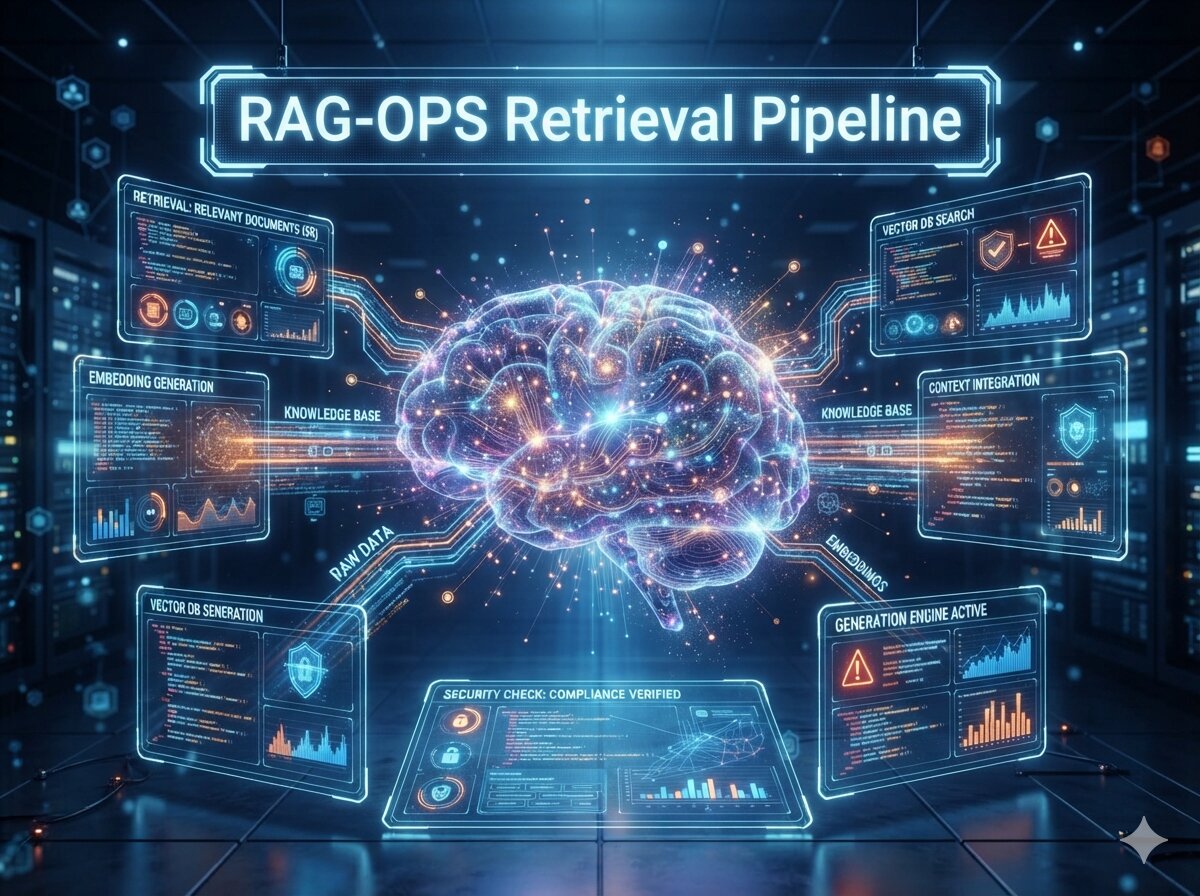
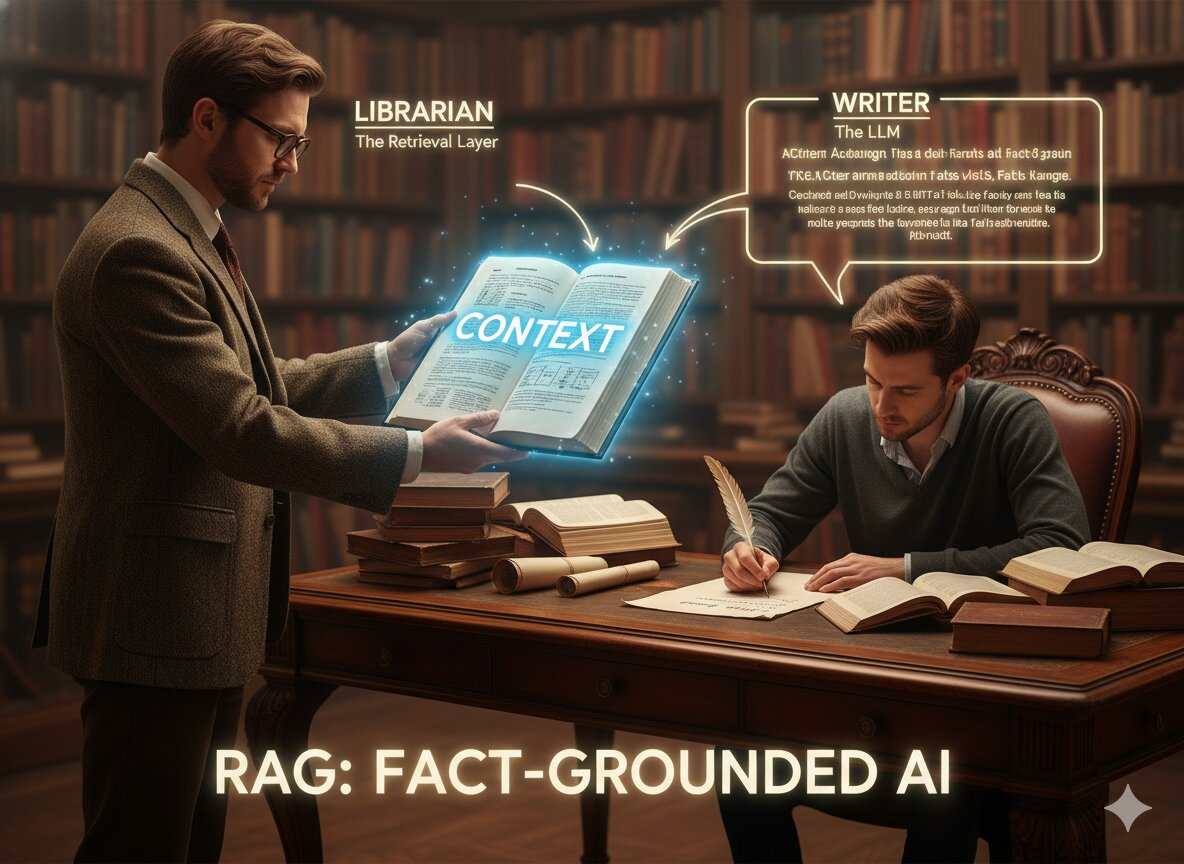
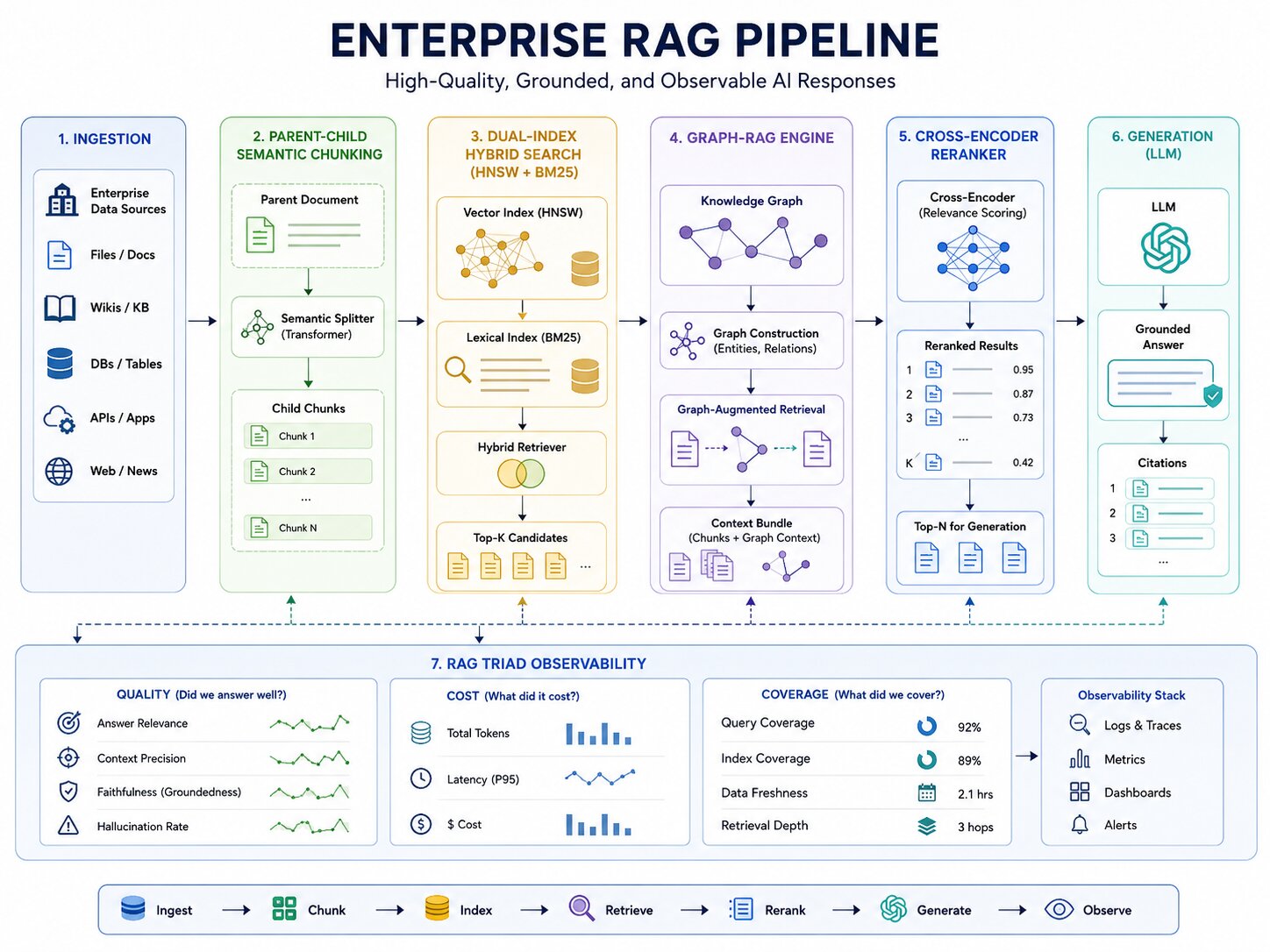
Elite AI PMs and TPMs do not dump raw PDFs directly into an LLM context window. They construct a highly structured Retrieval-Augmented Generation (RAG) Data Engine that guarantees document security, maximizes factual accuracy via structured semantic retrieval, and filters out hallucinations before the model responds.
                   [ Enterprise Document Repositories ]
                                    │
                                    ▼
       ┌────────────────────────────────────────────────────────┐
       │             KNOWLEDGE-CORE INGESTION ENGINE            │
       │                                                        │
       │  * Hierarchical Chunking (Parent-Child Strategy)       │
       │  * Text Embedding Models & Metadata Enrichment         │
       │  * Vector Access Control List (ACL) Injection          │
       └────────────────────────────┬───────────────────────────┘
                                    │
                                    ▼ (Enriched Vector Store Indices)
       ┌────────────────────────────────────────────────────────┐
       │       HYBRID DENSE-SPARSE MULTI-TENANT VECTOR DB       │
       └────────────────────────────┬───────────────────────────┘
                                    │
    [ Inbound User Query ] ─────────┼─► (Tenant Security Filter Match)
                                    │
                                    ▼ (Extract Top 50 Context Nodes)
       ┌────────────────────────────────────────────────────────┐
       │            CROSS-ENCODER RE-RANKING ENGINE             │
       │  * Compresses Context to Top 5 High-Relevance Nodes    │
       └────────────────────────────┬───────────────────────────┘
                                    │
                                    ▼ (Pruned Context + System Prompt)
       ┌────────────────────────────────────────────────────────┐
       │              FOUNDATION LLM ENGINE RUNTIME             │
       │  * Factual Synthesis Validation & Hallucination Guard  │
       └────────────────────────────┬───────────────────────────┘
                                    │
                                    ▼ (Secure, Verified Response)
                         [ Authenticated User ]
1. K-nowledge Parsing and Hierarchical Parent-Child Chunking
Stop cutting text into arbitrary 500-token blocks that destroy tables, slice sentences in half, and strip away vital document context.
- The Strategy: Implement a hierarchical chunking approach. Parse documents into large, context-rich "parent blocks" (e.g., full sections or pages) but generate vector embeddings for small, precise "child chunks" (e.g., individual paragraphs or sentences) that reference back to their parent structure.
- The Script: "To preserve semantic continuity, our ingestion engine will entirely abandon naive fixed-length chunking. We will implement an advanced hierarchical chunking paradigm using vision-based layout parsers. Documents will be structured into large parent blocks to preserve overall context, while vector embeddings are generated on small, localized child chunks. When a user asks a highly specific question, the child chunk triggers the hit, but the system pulls the broader parent block into the LLM context window, ensuring the model sees the complete semantic picture."
2. O-rganized Multi-Tenant Security and Metadata-Driven ACL Filters
Prevent catastrophic internal data leaks by embedding ironclad enterprise user access permissions straight into your data retrieval engine.
- The Strategy: Every document vector must be indexed with strict metadata payloads detailing ownership, organization tags, and Access Control Lists ($ACLs$). Force your retrieval layer to execute a hard metadata filter at query time, guaranteeing that a user can only search chunks they have explicit file permissions to read.
- The Script: "Data privacy is a non-negotiable architectural boundary. During the embedding phase, our orchestration layer will inject cryptographic metadata tags—containing Tenant ID and specific user security role ACLs—directly into every single vector document node. When a user executes a search, the vector database applies a hard pre-filtering query layer. This mathematically isolates the search space to that user's specific authorization clear zone, ensuring that confidential cross-tenant document chunks are never exposed to the retrieval array, let alone the LLM."
3. R-etrieval Engineering via Hybrid Dense-Sparse Search
Overcome standard semantic vector blind spots where keyword accuracy, model serial numbers, or exact product codes are completely missed by basic semantic models.
- The Strategy: Fuse traditional keyword-matching algorithms ($BM25$ sparse retrieval) with semantic neural network embeddings (dense retrieval) using Reciprocal Rank Fusion ($RRF$) to pull the absolute highest-fidelity data pools.
- The Script: "Dense vector embeddings excel at capturing abstract meaning, but they fail completely at locating exact alphanumeric codes, like serial numbers or legal clause IDs. To guarantee enterprise precision, we will deploy a hybrid retrieval architecture. Every user query will run concurrently across an inverted sparse index via BM25 matching and a dense vector index. We will merge these data pipelines using Reciprocal Rank Fusion, yielding a balanced context payload that captures both deep semantic concepts and exact text matches."
4. E-valuation Reranking and Context Pruning
Protect your LLM from processing vast walls of irrelevant noise, which degrades processing speed, skyrockets token spend, and triggers "lost-in-the-middle" context hallucinations.
- The Strategy: Pull a broad set of historical matches (e.g., top 50 documents) from the vector core, then run them through a localized, high-speed Cross-Encoder Re-ranking model (like BGE-Reranker) to select the absolute top 5 records before prompting the LLM.
- The Play: "Vector database distance scores are insufficient for raw prompt optimization. Our gateway will retrieve the top 50 potential context hits and pass them directly to a specialized, localized Cross-Encoder Re-ranking engine. This layer scores the actual deep relevance of the question against the retrieved chunks, instantly pruning out noise and shrinking our payload to the top 5 hyper-relevant fragments. This maximizes prompt density, minimizes our token consumption, and completely prevents the LLM from hallucinating due to context confusion."
The Comparison: Bad vs. Good
Bad Answer (Naive Vector Dump)Good Answer (KNOWLEDGE-CORE Framework)"I will dump all our company PDFs into a Pinecone vector database, use a default LangChain script to cut them into blocks, and write a prompt telling the chatbot to be polite and secure.""I will implement a hierarchical parent-child chunking topology, inject metadata-driven ACL security parameters for strict multi-tenant isolation, and execute a hybrid dense-sparse retrieval strategy.""If the AI hallucinates bad data or quotes old pricing, we will have an engineer manually write a prompt telling it to stop looking at that specific document folder.""I will integrate a localized Cross-Encoder Re-ranking layer to strip out context noise, followed by an automated real-time hallucination check to validate factual alignment before output delivery."Treats AI data retrieval as an unstructured file search, relying heavily on prompt adjustments to maintain privacy and logic.Controls strict ingestion pipelines, mathematical metadata security access layers, multi-strategy ranking fusions, and strict context compression.
The Pitch: Master the AI Platform Layer
Building a functional, compliant AI framework within a sprawling enterprise enterprise infrastructure requires looking past conversational interface layer aesthetics. To direct AI infrastructure programs successfully at tech leaders, you must understand how to engineer highly performant, secure data parsing, ingestion, and validation fabrics.
Our technical execution toolkits provide the precise system blueprints, data lifecycle architectures, and engineering vocabularies required to lead complex artificial intelligence system rounds with complete authority.
👉 Master enterprise product strategy and AI system architecture: PM Prep Guide
👉 Master LLMOps data engineering and distributed cloud orchestration: TPM Prep Kit
FAQs
Q1: Why use Hybrid Search (Dense + Sparse) instead of just relying on modern LLM long context windows?
A: Shoving an entire database of thousands of files straight into a massive 1-million-token LLM context window is an architectural anti-pattern. First, it introduces severe response latency, frequently taking over 30 seconds for a single generation. Second, it drastically balloons API operating costs. Finally, extensive empirical evaluations demonstrate that models suffer from "lost-in-the-middle" anomalies, routinely missing critical facts buried deep inside massive prompts. Hybrid search keeps systems lean, sub-second, and highly cost-optimized.
Q2: What is the mechanical difference between Pre-Filtering and Post-Filtering in Multi-Tenant Vector DBs?
A: Post-filtering executes a standard semantic vector search first, grabs the top 100 closest chunks globally, and then filters out any results the user isn't allowed to see based on security permissions. This is dangerous because if the top 100 hits belong to other corporate accounts, the system will discard them all, returning an empty result to the user. Pre-filtering applies the metadata ACL constraint before the vector search occurs—restricting the mathematical vector search strictly to the user’s authorized files, ensuring accurate and secure results.
Q3: How do you handle document updates or file deletions across deep vector arrays?
A: You maintain a deterministic document-to-chunk index mapping database. When an internal corporate document is updated or deleted, a downstream worker query identifies all unique chunk IDs ($UUIDs$) associated with that original parent document hash. The ingestion engine purges those historical nodes from the vector store index, processes the new file content through the hierarchical chunking pipeline, and inserts the fresh nodes smoothly without taking the system offline.























.jpg)