The Interview Trap: The "Hand-off and Hope" Disconnect
The interviewer sets up a notorious product delivery friction point: "Your product team is designing a high-throughput, real-time activity feed for an enterprise SaaS platform. Product Management delivers a visually stunning Figma prototype and a clear list of business use cases, but Frontend and Backend Engineering are immediately pushing back. They claim the spec is completely lacking 'technical depth,' while PM feels Engineering is overcomplicating a simple feature. Delivery velocity drops to zero. How do you intervene?"
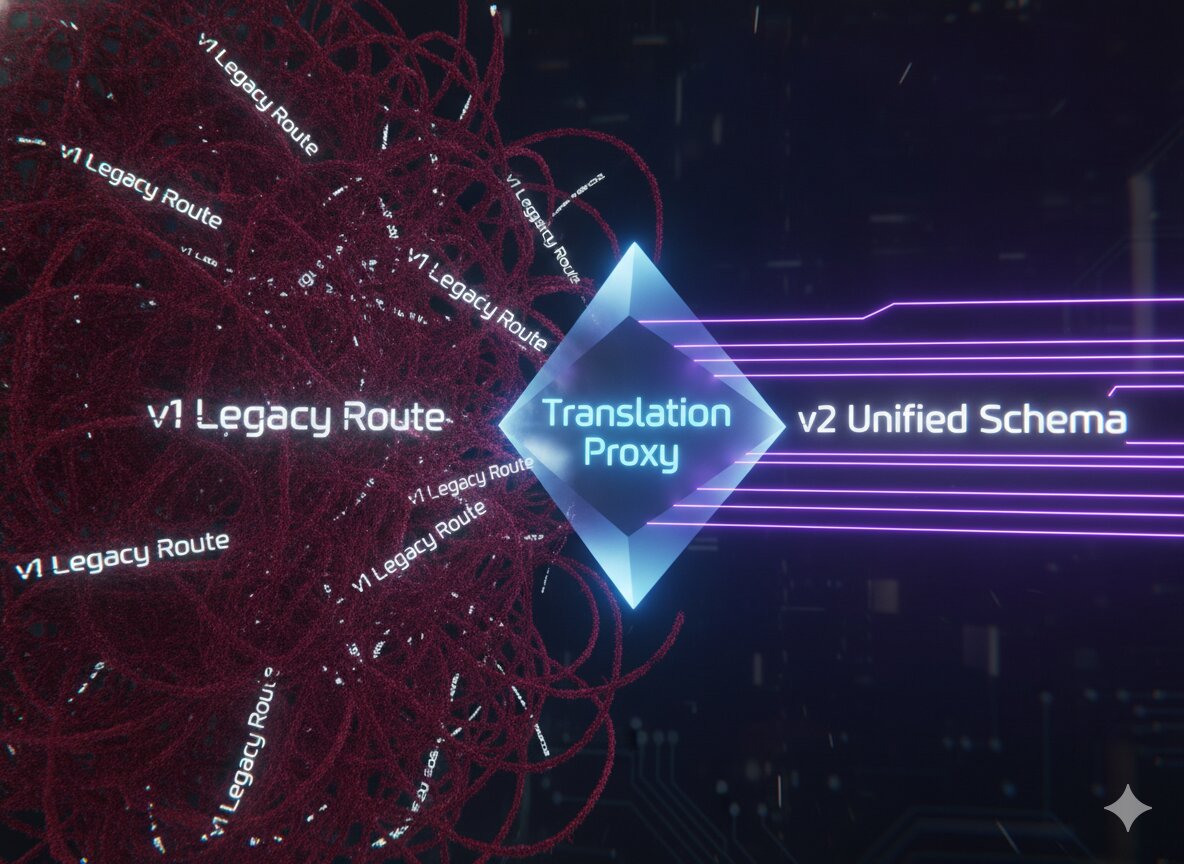
Most candidates tank this by suggesting deeper manual mediation: "I would set up an emergency alignment meeting, pull up the Figma files, walk through the screens step-by-step with the tech leads, and manually take notes on what technical details they need me to add to the PRD." Stop. Playing the middleman in an endless game of translation between static product designs and abstract system architectures is an operational drain. In top-tier system execution and product operations loops, panels are evaluating your Technical Schema Articulation, Architectural Translation Velocity, and Strategic Use of Generative AI to Standardize the Product-to-Engineering Interface.
The Core Framework: The "TECH-TRANSLATE" Method
Elite PMs and TPMs don't just hand over high-level feature summaries and mockups. They use Large Language Models as deep system translation layers, converting unstructured product feature criteria into structured, engineer-ready system specifications, interface definitions, and edge-case criteria in seconds.
1. T-ranslation Persona Priming
Establish an authoritative AI persona that understands both user-centric product strategy and low-level system design constraints.
- The Strategy: Explicitly configure the LLM to think like an expert Technical Product Manager and Principal Systems Architect.
- The Prompt Pattern: "Act as a Principal Systems Architect and a Lead Technical Program Manager. Your specialty is translating high-level product functional requirements into highly structured, unambiguous technical specifications for distributed, microservice-based software engineering teams."
2. E-ntry of Raw Product Goals and Assets
Ingest the unstructured product requirement parameters, functional flows, and business KPIs directly into the AI environment.
- The Strategy: Paste the text of your rough PRD draft, functional user stories, or feature descriptions straight into the model's context window.
- The Prompt Pattern: "Analyze the following raw product requirement data: [Insert PRD Draft / User Flows]. Identify the core user interactions that require state changes, data persistence, or real-time event broadcasting."
3. C-omponent and Interface Contract Generation
Transform your high-level product descriptions into concrete, production-ready technical schemas and API specifications.
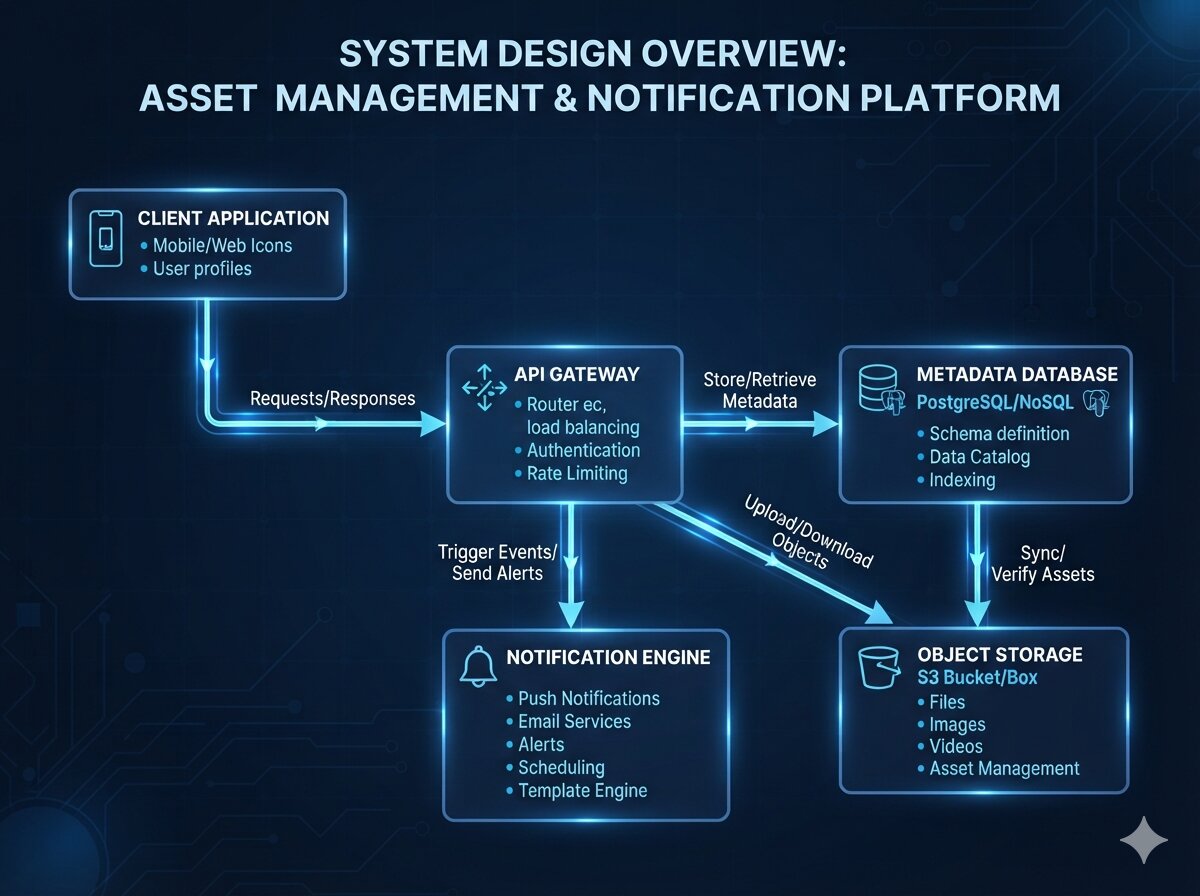
- The Strategy: Instruct the model to generate draft data models and API endpoint architectures (like REST or GraphQL) that map directly to the feature's user flows.
- The Prompt Pattern: "For the user flows identified above, generate a draft OpenAPI 3.0 compliant REST API specification in YAML for the core endpoints. Include required request bodies, query parameters, response schemas, and standard HTTP error status codes (400, 401, 403, 404, 500)."
4. H-igh-Availability and Performance Bounds Definition
Translate vague product performance goals (like "the page needs to load fast") into strict, measurable architectural Service Level Objectives (SLOs).
- The Strategy: Use the AI to convert business expectations into explicit non-functional requirements covering throughput, latency boundaries, and caching policies.
- The Prompt Pattern: "Convert the product expectation of 'real-time, sub-second global updates' into a detailed Non-Functional Requirements (NFR) matrix. Define specific target metrics for: p99 read/write latency, maximum concurrent transactions per second (TPS), and an optimized Redis caching strategy for the read path."
5. T-raceability and State Transition Modeling
Map out how the system handles complex business logic and state changes behind the scenes using structured data tables.
- The Strategy: Have the model construct an explicit state-machine matrix to guarantee that frontend states map cleanly to backend data mutations.
- The Prompt Pattern: "Generate a structural Markdown table modeling the state transitions for this feature (e.g., Active, Suspended, Archived). The columns must be:
| Current State | Triggering Event | Target State | Required API Mutation | UI Representation | Data Validation Rules |."
6. R-isk and Boundary Edge-Case Analysis
Uncover system vulnerabilities, data race conditions, and error-handling paths before developers write a single line of code.
- The Strategy: Prompt the AI to act as an adversarial Principal Quality Assurance Architect to identify hidden logical gaps in the spec.
- The Prompt Pattern: "Act as an adversarial Principal QA Architect. Review the API specs and state models generated above. Identify 4 critical edge cases, network partitioning scenarios, database constraint violations, or race conditions that the engineering team must explicitly build error-handling overrides for."
7. A-rchitectural Blueprint and Markdown Assembly
Consolidate the generated API designs, performance targets, state maps, and edge cases into a unified, highly scannable technical specification document.
- The Strategy: Enforce a strict markdown hierarchy that strips out conversational AI filler, creating a doc that can be pushed straight to your team's wiki or repository.
- The Prompt Pattern: "Compile all the finalized technical components into a single, cohesive Technical Specification Document in clean Markdown. Use strict structural sections:
# 1. Functional System Bounds,# 2. Interface Contracts & API Schemas,# 3. State Transition Matrix, and# 4. Non-Functional Requirements & Edge-Case Guardrails. Exclude any conversational introductory or concluding text."
8. N-ative Compliance and Enterprise Guardrails Enforcement
Audit the technical specification to guarantee it respects data privacy mandates, security standards, and corporate governance compliance.
- The Strategy: Set programmatic rules to ensure the technical layout accounts for regulations like GDPR, CCPA, or SOC2 right at the architectural design phase.
- The Play: "Maintain a strict security posture. When using AI models to map data contracts, verify that all personal data storage paths include explicit anonymization layers, encryption-at-rest definitions, and access control audit logs that strictly satisfy our enterprise security and privacy governance parameters."
9. S-print Backlog Slice and Task Automation
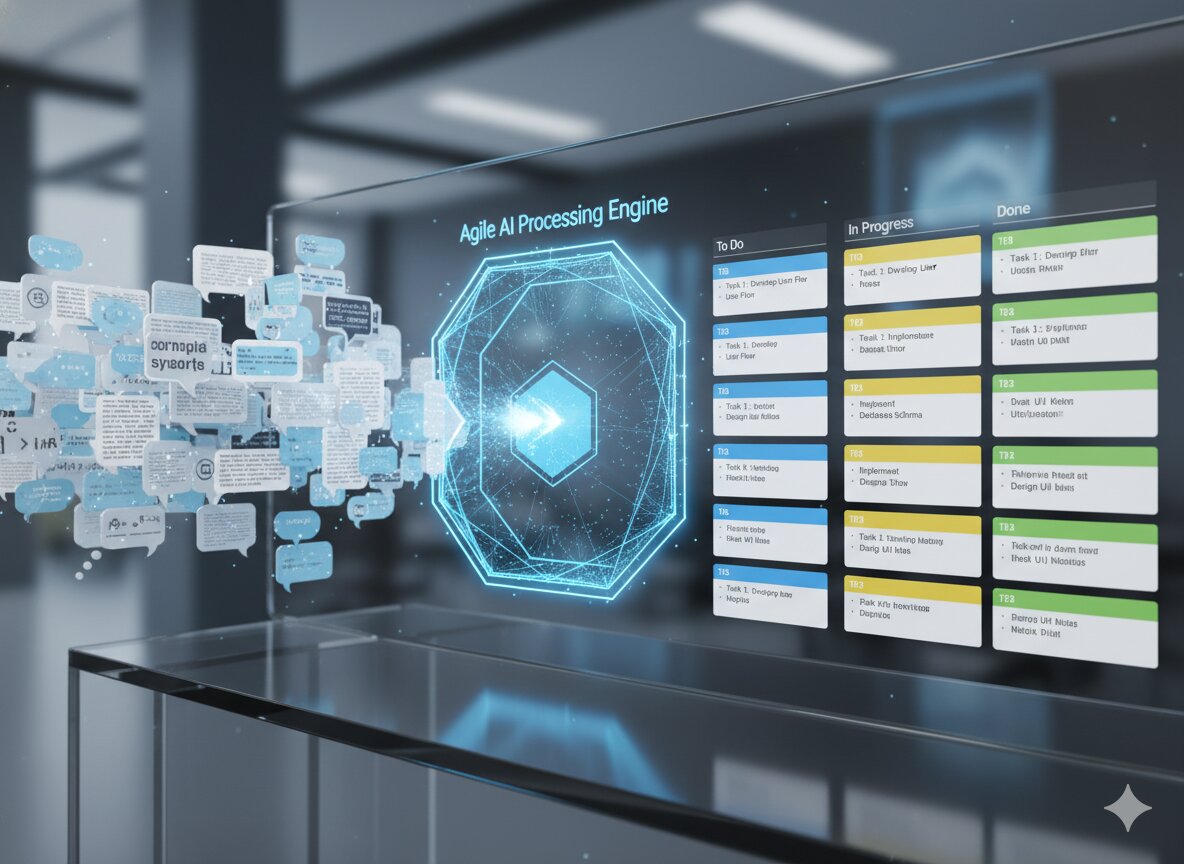
Deconstruct the comprehensive technical document into distinct, implementation-ready engineering tickets categorized by component.
- The Strategy: Programmatically slice the system spec into decoupled tasks for backend, frontend, and infrastructure engineers, complete with technical definitions.
- The Prompt Pattern: "Slice the compiled Technical Specification Document into a set of 6 distinct, implementable engineering sub-tasks. Categorize them explicitly by track:
[Backend Engine],[Frontend UI], or[DevOps/Infra]. For each task, provide a### Technical Definition of Doneand paste the specific section of the API or data model they need to implement."
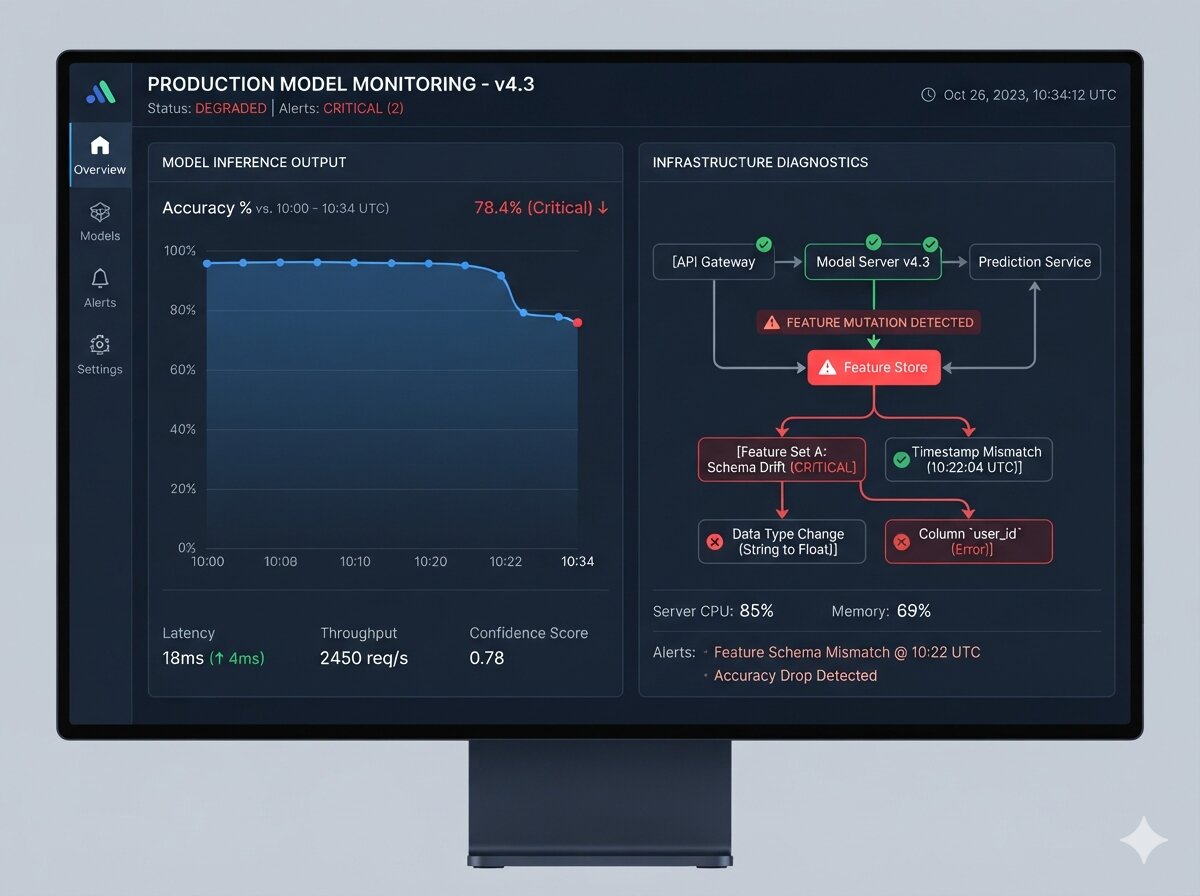
10. L-oop Telemetry Integration
Bridge planning and execution by mapping the final technical spec straight to automated production monitoring metrics.
- The Strategy: Use the model to define the precise telemetry, log fields, and alerting thresholds needed to monitor the feature's health post-launch.
- The Play: "We close the translation loop by defining monitoring requirements directly in the spec. We instruct the model to output the exact Datadog or Prometheus metrics, log alerts, and trace parameters required to monitor our new endpoints, ensuring our engineering teams have day-one visibility into performance the moment the code goes live."
11. A-nalytic Optimization and Iteration
Continuously refine your AI spec engine by feeding real-world production performance metrics and developer feedback back into your prompt pipeline.
- The Strategy: Run a post-launch delta analysis to discover where your initial specifications deviated from actual engineering delivery realities.
- The Play: "Following the feature release, we ingest any post-launch bugs, unexpected architectural adjustments, or developer friction notes back into our prompt optimization pipeline. This systematically improves our prompt templates, ensuring our AI system models future backend data structures and interface contracts with increasing accuracy with every product cycle."
The Comparison: Bad vs. Good
- Bad Answer: "I would schedule an emergency sync meeting with everyone, walk through the Figma prototype live on the screen, take notes on what parameters the engineers say are missing, and try to look up standard API templates on the internet to copy-paste into my text document." (Highly manual, low leverage, slows down delivery speed, and fails to provide production-ready technical schemas).
- Good Answer: "I will bridge the product-to-engineering gap by deploying the TECH-TRANSLATE framework—using Generative AI to ingest rough functional criteria, automatically generating OpenAPI-compliant REST schemas, structuring explicit state-transition tables, and programming decoupled engineering tickets containing clear Definitions of Done before engineering sprint grooming even begins." (Highly strategic, technologically mature, highly efficient, and outcomes-oriented).
Command the Interface of Product and Engineering
The ability to translate abstract human business requirements into precise, structured computing system parameters is what distinguishes elite technical program leaders from standard project trackers. As software systems grow in complexity, you cannot rely on loose, prose-heavy text files to guide engineering teams. Demonstrating to an interview panel that you possess a programmatic, AI-powered framework to automatically map data contracts, specify system performance bounds, and structure developer-ready backlogs marks you as a modern, high-leverage technology executive.
The Kracd Prep Kits provide comprehensive system design patterns, production-ready OpenAPI prompt templates, and high-velocity backend scoping playbooks engineered specifically for forward-thinking technology managers.
- For PMs: Learn how to co-pilot with Generative AI tools to write hyper-precise PRDs, analyze customer feedback datasets at scale, and map technical requirements seamlessly with the PM Prep Guide.
- For TPMs: Master advanced AI-driven program scoping, prompt engineering for complex system migrations, automated dependency parsing, and high-velocity schedule modeling with the TPM Prep Kit
FAQs
Q: What if the AI generates an OpenAPI spec or schema that uses legacy design patterns or conflicts with our existing codebase conventions?A: You must inject your organization's specific coding guidelines directly into the AI context window. If your engineering organization enforces specific schema standards (e.g., strict camelCase naming conventions, specific header parameters, or explicit error-wrapping arrays), you must add those constraints right into your initial prompt priming phase. Treat the AI as an incredibly fast software draftsman: the cleaner and more detailed the architectural style constraints you feed it, the more precise and production-ready its output will be.
Q: Product Managers often lack the deep backend engineering expertise to evaluate whether the AI-generated API spec is truly optimal. How do we manage this?A: The AI is used to create a comprehensive structural baseline, which you then bring to the Engineering Lead for collaborative optimization. You are not bypassing the engineer; you are saving them from the tedious process of writing the initial documentation boilerplate from scratch. By presenting an Engineering Director with a fully articulated OpenAPI schema, a clear state-transition table, and explicit SLO targets on day one, you pivot the conversation from an ambiguous brainstorming session to a highly precise architectural review.
Q: Can we automate this framework so that updating a PRD document automatically regenerates and syncs our technical spec sheets?A: Yes, by leveraging modern DevOps CI/CD webhook pipelines. You can configure simple script workflows where pushing an updated markdown file to an enterprise-secured workspace triggers an automated API call to an LLM processing node. The model processes the diff, updates the corresponding interface contract repository, and automatically updates the technical dependencies across your engineering team's planning boards with zero manual copying required.
















.jpg)