The Interview Trap: The "Double-Spend & Phantom Balance" Nightmare
The interviewer throws you straight into an operational and regulatory nightmare: "Your global fintech platform processes multi-currency peer-to-peer payments for 100 million active users. During a massive shopping holiday, a network partition isolates your primary database cluster. Users click the 'Send Money' button multiple times due to application timeouts, leading to race conditions where a single account balance is debited simultaneously across split nodes. This results in negative account balances, duplicate money transfers, and catastrophic ledger discrepancies that violate standard regulatory compliance rules. How do you re-architect this core financial system to guarantee absolute transactional consistency, zero data corruption, and high availability?"
Most candidates tank this technical platform round by offering surface-level banking generalities: "I would use a relational database like MySQL or PostgreSQL, turn on standard ACID transactions, use a traditional distributed locking mechanism like Redis to lock the user's account ID during a transfer, and log the results to an audit table." Stop. Relying on simple database row locking or distributed locks across high-volume networks to preserve balance integrity is an architectural anti-pattern. Distributed locks introduce severe performance bottlenecks, introduce deadlock risks, and fail catastrophically during network splits. In senior core banking and transactional platform loops at tech giants like Stripe, PayPal, and Uber Money, panel judges are evaluating your understanding of Immutable Append-Only Ledgers, Double-Entry Bookkeeping Primitives, Single-Threaded Partition Workers, Two-Phase Commit (2PC) vs. Saga Patterns, and Optimistic Concurrency Control (OCC).
The Core Framework: The "LEDGER-BALANCE" Method
Elite core banking product leaders do not handle transactional updates via destructive balance mutators (e.g., UPDATE accounts SET balance = balance - 100). They treat financial data as an un-splinterable, immutable log of sequential entries, ensuring balance calculations are derived through deterministic mathematical aggregation.
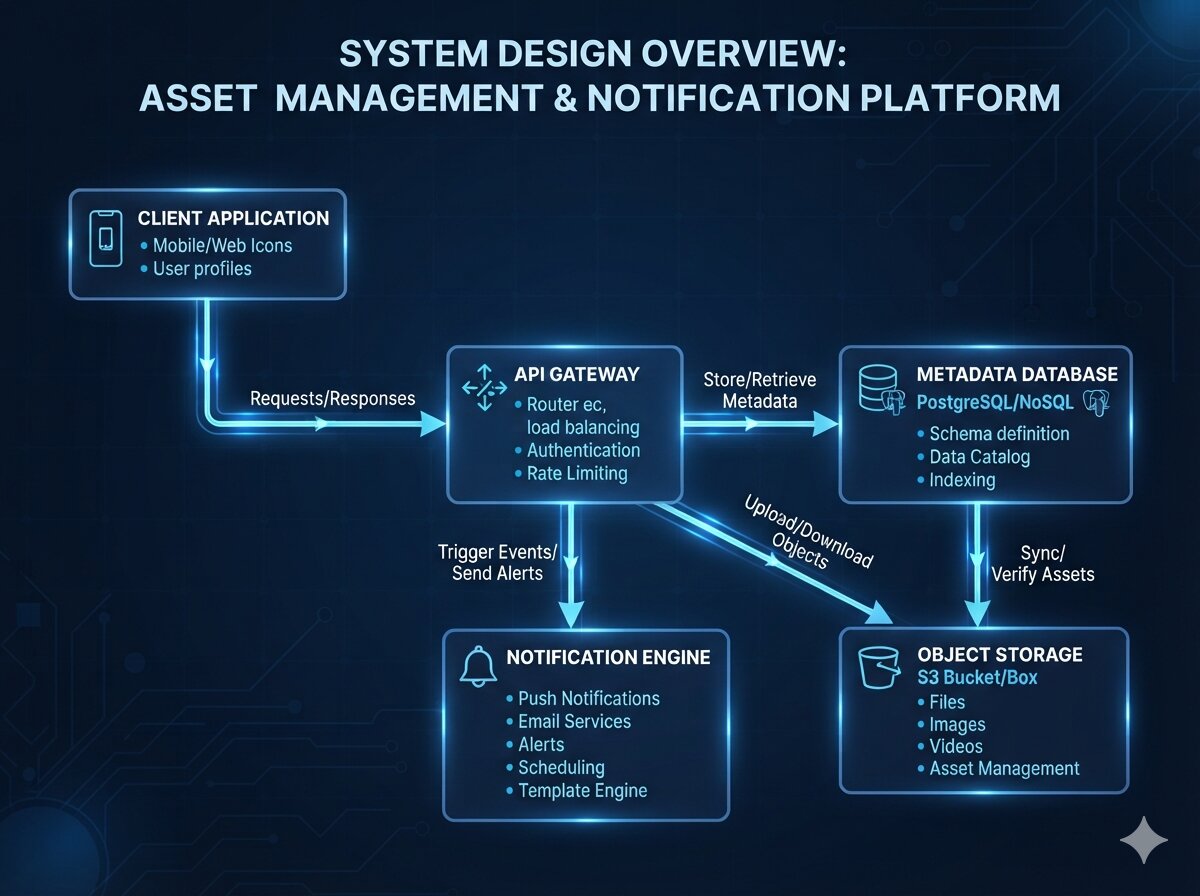
                    [ Inbound Fund Transfer Request ]
                                   │
                                   ▼
       ┌───────────────────────────────────────────────────────┐
       │             IDEMPOTENT GATEWAY VERIFICATION           │
       │  * Validates Cryptographic Request Transaction Token  │
       └───────────────────────────┬───────────────────────────┘
                                   │
                                   ▼ (Routes via Hashed Account ID)
       ┌───────────────────────────────────────────────────────┐
       │         SINGLE-THREADED ACCOUNT PARTITION WORKER      │
       │  * Isolates Memory State to Prevent Parallel Races    │
       │  * Validates Balance via Optimistic Concurrency (OCC) │
       └───────────────────────────┬───────────────────────────┘
                                   │
                                   ▼ (原子性 Double-Entry Check)
       ┌───────────────────────────────────────────────────────┐
       │             IMMUTABLE APPEND-ONLY LEDGER              │
       │  * Debit Entry Account A  │  Credit Entry Account B   │
       │  * Structural Invariance: Sum(Debits) == Sum(Credits) │
       └───────────────────────────┬───────────────────────────┘
                                   │
               ┌───────────────────┴───────────────────┐
               ▼ (Immediate Response)                  ▼ (Asynchronous)
       ┌───────────────────────────────┐       ┌───────────────────────────────┐
       │   TRANSACTION SUCCESS COMPUTE  │       │  CQRS ASYNC MATERIALIZED VIEW │
       │ * Return Signed Receipt to UI │       │ * Updates Read-Only Cache DB  │
       └───────────────────────────────┘       └───────────────────────────────┘
1. L-og-Structured Immutable Journaling
Never alter an account balance directly inside a database table row. Financial state changes must be recorded as discrete, un-deletable transaction blocks.
- The Strategy: Implement a strict double-entry bookkeeping architecture where every transaction consists of an un-mutable entry containing at least one debit and one credit. Balance states are historical computations derived by calculating the net sum of all logged changes.
- The Script: "To ensure financial tracking compliance, our ledger system will completely eliminate destructive value overwrites. We will build a log-structured, append-only bookkeeping registry. If a user transfers funds, the engine records an un-changeable record: debiting the sender's sub-account and crediting the receiver's entry within a single atomic batch transaction. To reverse an error, we never modify historical entries; we write a distinct compensating entry, maintaining a complete audit history."
2. E-xecution Isolation via Single-Threaded Partition Pinning
Eliminate database row contention and multi-thread race hazards by funneling identical account numbers through a dedicated serial stream.
- The Strategy: Partition your ledger cluster using a hash key centered on the unique
account_id. Route all sequential transaction messages for a given account into a single-threaded execution partition worker (e.g., Kafka Partition or LMAX Disruptor design), translating parallel hazards into an ordered execution queue. - The Script: "To scale horizontally without introducing distributed deadlocks, we will isolate execution lines using account partition pinning. We partition our ledger framework by hashing the primary
account_id. All inbound transaction requests for a specific entity land in the exact same serial message stream, managed by a single-threaded internal process engine. This converts highly erratic concurrent operations into a perfectly ordered sequence, eliminating race windows by design."
3. D-ouble-Spend Immunity through Optimistic Concurrency Controls
Protect systems from processing duplicate withdrawals by checking transaction sequence numbers right at the write boundary.
- The Strategy: Instead of implementing heavy, slow pessimist locks across database engines, append a progressive version tracking number ($Sequence ID$) to every account entity record. The engine executes a update write strictly if the database version field matches the version read at the start of the transaction.
- The Play: "Pessimistic locking kills transaction throughput during flash sales. We will deploy Optimistic Concurrency Control ($OCC$). Every ledger account profile includes an incrementing sequence token. When the single-threaded worker reads the record, it notes the current sequence index. The transaction write strictly executes if the underlying sequence index remains un-changed, discarding stale parallel attempts and safeguarding against double-spend risks."
4. G-ateway Idempotency Invariance
Stop network timeout retries from creating duplicate financial transfers inside downstream core modules.
- The Strategy: Force all client mutation requests to supply a unique, cryptographically signed transaction token ($Idempotency Key$). Store this token in an in-memory key-value cache cluster right at the edge of the API infrastructure layer before processing any operational updates.
- The Play: "Network dropouts make duplicate client retries inevitable. Our edge framework enforces strict idempotency guardrails by requiring a cryptographic transaction validation token with every incoming payment. Before passing a payload to our core accounting service, the edge gateway executes an atomic check-and-set command inside a high-availability Redis cache layer. If the tracking token already exists, the engine safely skips processing and returns the cached transaction receipt, protecting the ledger from duplicate runs."
5. E-ventual Consistency Separation via CQRS Data Topologies
Isolate your mission-critical transaction write engines from intensive dashboard lookup and data querying stress.
- The Strategy: Deploy a Command Query Responsibility Segregation ($CQRS$) pattern. The core write engine strictly focuses on appending new ledger blocks, while an asynchronous message consumer syncs state changes downstream into an optimized read-only data warehouse (such as Elasticsearch or a read-replica cache) to handle user lookup queries.
- The Play: "We cannot let complex user dashboard search queries degrade the performance of our transactional core. We will split these concerns using a CQRS model. The core ledger database handles write commands exclusively. As entries pass verification, a non-blocking background stream consumer updates a distributed read-only database cluster. User applications load their tracking screens from this cached layer, ensuring heavy analytical reads never consume the CPU threads needed by our payment processor."
The Comparison: Bad vs. Good
Bad Answer (Fragile Row Updaters)Good Answer (LEDGER-BALANCE Framework)"I will run a basic SQL script to subtract money from Row A, add it to Row B, and lock the table rows using Redis so nobody else can touch them at the same time.""I will deploy an immutable append-only double-entry ledger, route requests through a single-threaded partition infrastructure, and utilize optimistic concurrency check parameters.""If our database disconnects during a network partition, we will let nodes process transactions independently and run a clean-up script later to balance everything out.""I will reject un-verified transactions across split networks by enforcing strict consistency barriers, using edge-layer idempotency tokens to handle connection timeouts."Treats financial balances as a simple, mutable field variable, creating high risks of data drift, double-spends, and regulatory non-compliance.Coordinates structured accounting principles, isolated single-threaded state queues, programmatic idempotency constraints, and split read-write data architectures.



















.jpg)