The Interview Trap: The "Big Bang" Overhaul Blunder
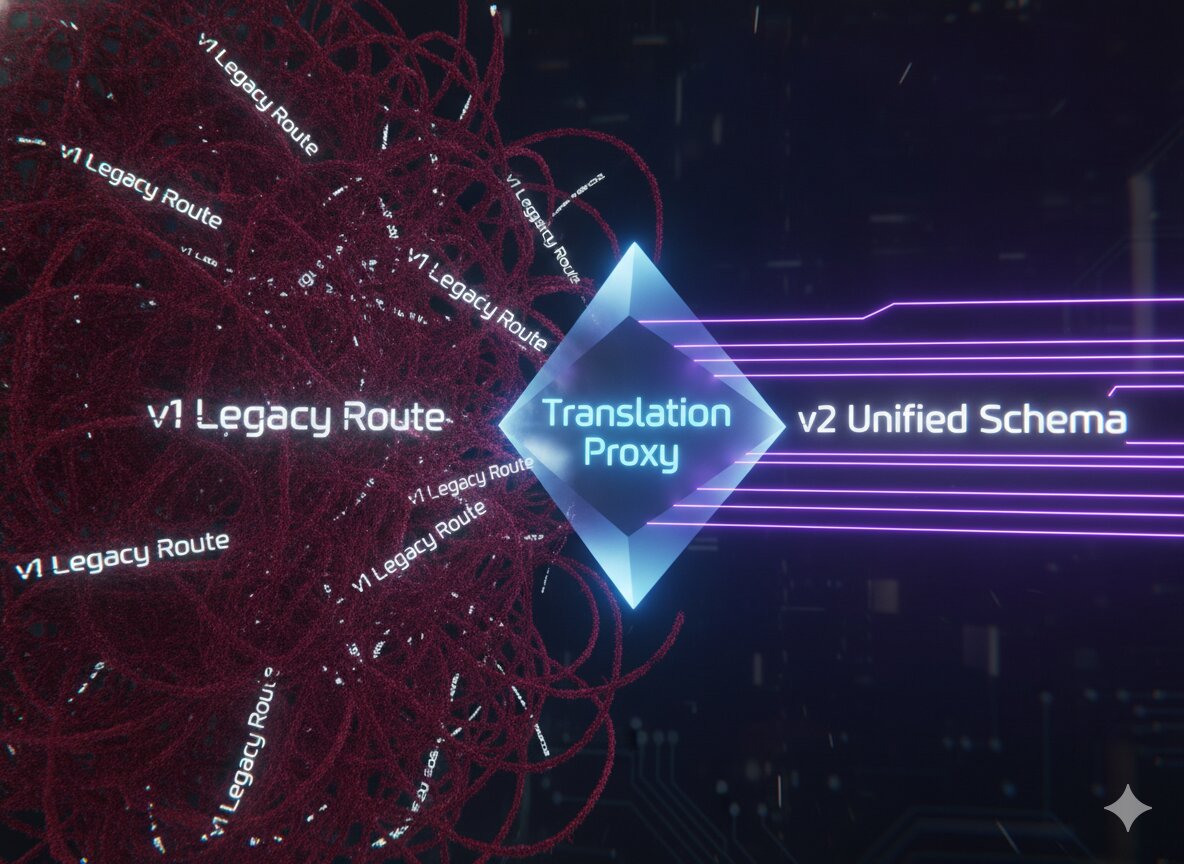
The interviewer presents a high-stakes migration challenge: "We are migrating our core payment processing engine from a legacy monolithic API to a new, distributed microservices API. This system handles hundreds of millions of dollars daily. How do you lead this migration without losing data or causing user downtime?" Most candidates stumble into the "Big Bang" trap: "I’d schedule a maintenance window over the weekend, flip the switch to the new API, and test it live." Stop. At global scale, there is no such thing as a maintenance window. A single minute of downtime or a dropped transaction means millions in lost revenue and broken user trust. In a FAANG panel, they are testing your System Architecture Intuition, Risk Mitigation Strategies, and Zero-Downtime Deployment Mechanics.
The Core Framework: The "DECOUPLE-SAFE" Method
A complex technical migration is successful only when it is entirely invisible to the end user. You must decouple the migration phases so you can validate performance and roll back instantly if a failure occurs.
1. D-ual Write Implementation
Never switch traffic to a new system before it has seen real data.
- The Strategy: Modify the application layer to write incoming data to both the legacy database and the new microservices database concurrently.
- The Soundbite: "I'll initiate the migration by setting up a dual-write architecture. The client-facing application will write data to the legacy system as the primary source of truth, but simultaneously send an asynchronous copy of that write payload to the new API. This lets us stress-test the new database with live production volumes without relying on its output yet."
2. E-ndpoint Shadowing (Dark Launching)
Test the read performance of the new infrastructure under real-world traffic patterns.
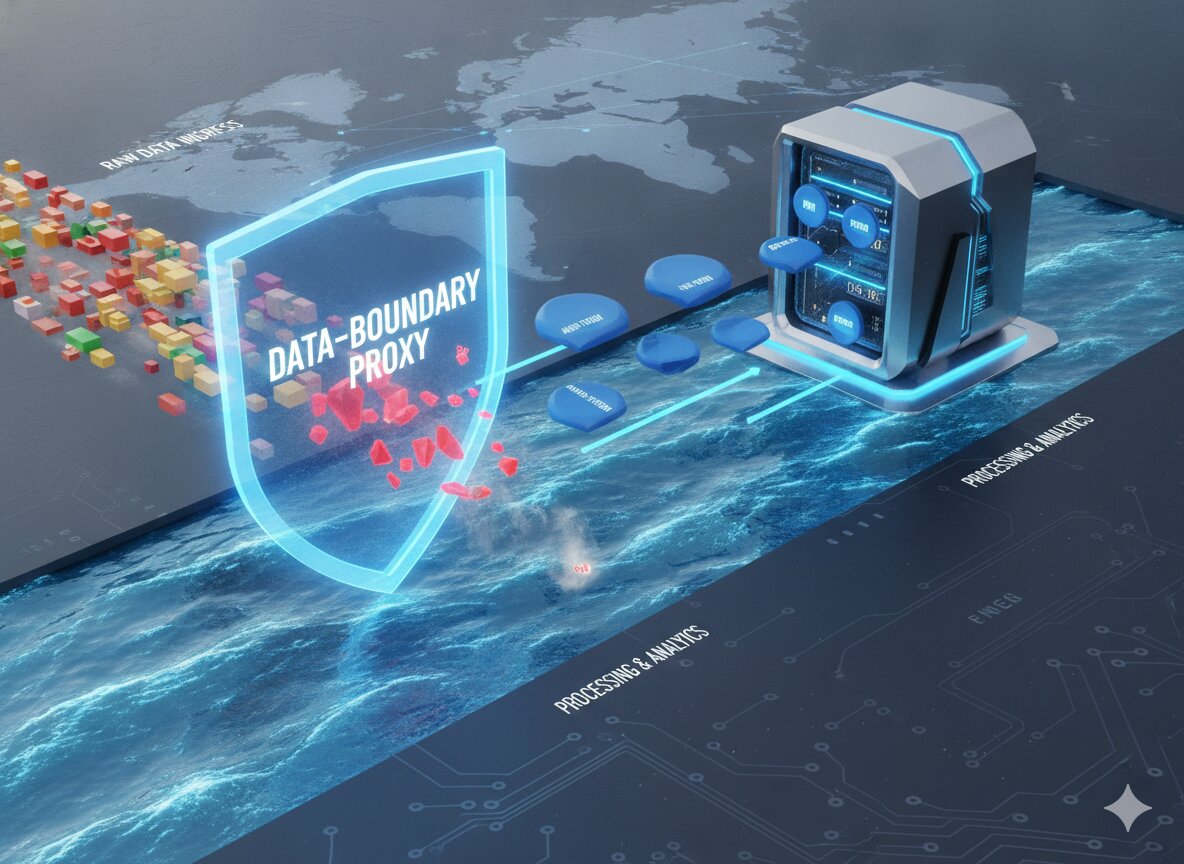
- The Strategy: Use a reverse proxy or load balancer to mirror 100% of read traffic to the new API in the background.
- The Soundbite: "Next, I’ll leverage traffic shadowing. We will fork live read requests at the load balancer level. The user gets their response from the stable legacy system, but a copy of the request hits the new API in the background. We discard the new API's response but monitor its latency, error rates, and resource utilization under real load."
3. C-onsistency and Reconciliation Checks
Ensure the new system accurately processes data before trusting it.
- The Strategy: Run continuous, asynchronous background worker jobs to compare data structures between both systems.
- The Soundbite: "I will establish an automated reconciliation engine. This background service will continuously compare records between the legacy and new databases. If it detects a single data mismatch or data drift, it fires an alert. We iterate on fixing these sync bugs until our data consistency metrics reach a flawless 100%."
4. O-ptional Feature Flags & Canary Rollouts
Shift the live business logic incrementally, not all at once.
- The Strategy: Use dynamic feature flags to route a tiny percentage of real-world transactions to the new API.
- The Soundbite: "Once data parity is proven, we begin a Canary rollout managed by feature flags. We route exactly 1% of live traffic to read and write exclusively from the new API. If our health metrics remain completely stable over a 48-hour window, we scale the flag up to 5%, 10%, 25%, and eventually 100%."
5. U-nified Fallback & Circuit Breakers
Always design an automated exit strategy for when things go wrong.
- The Strategy: Keep a real-time backwards-compatibility sync open so you can flip back instantly.
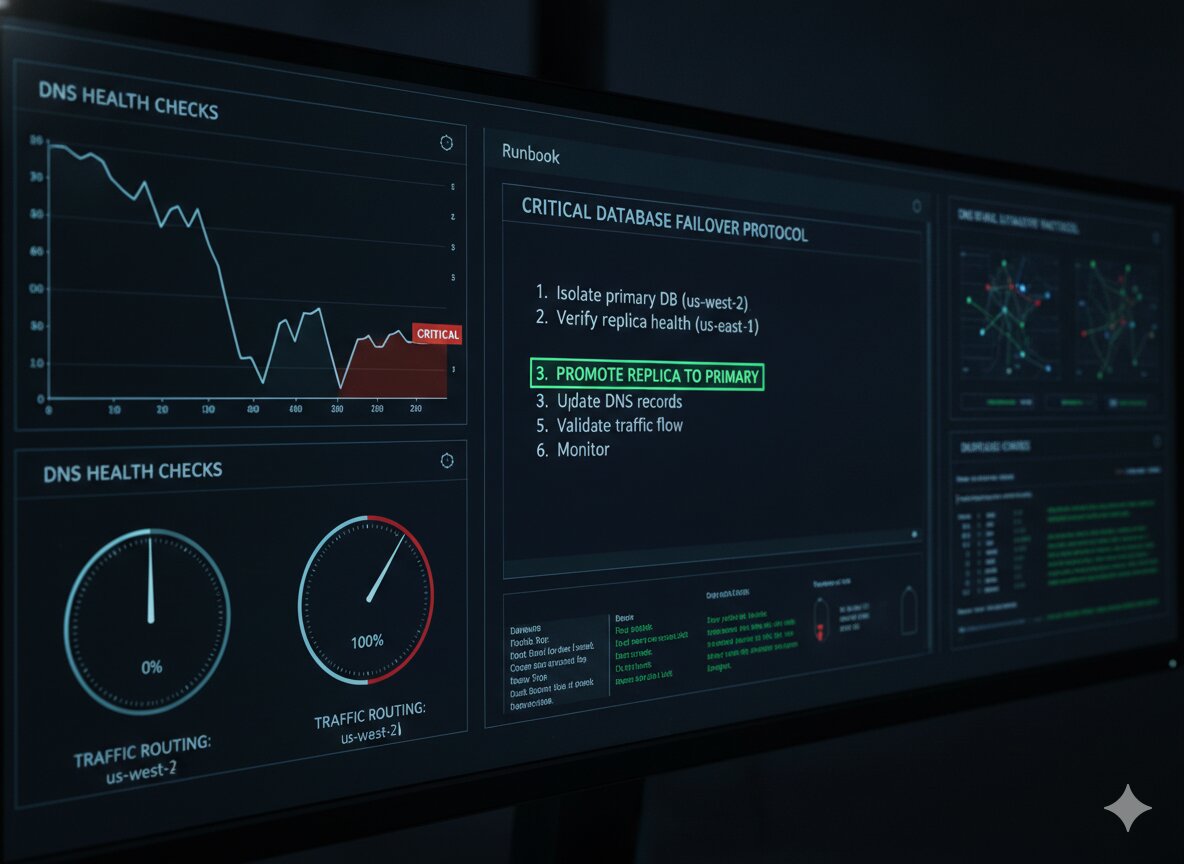
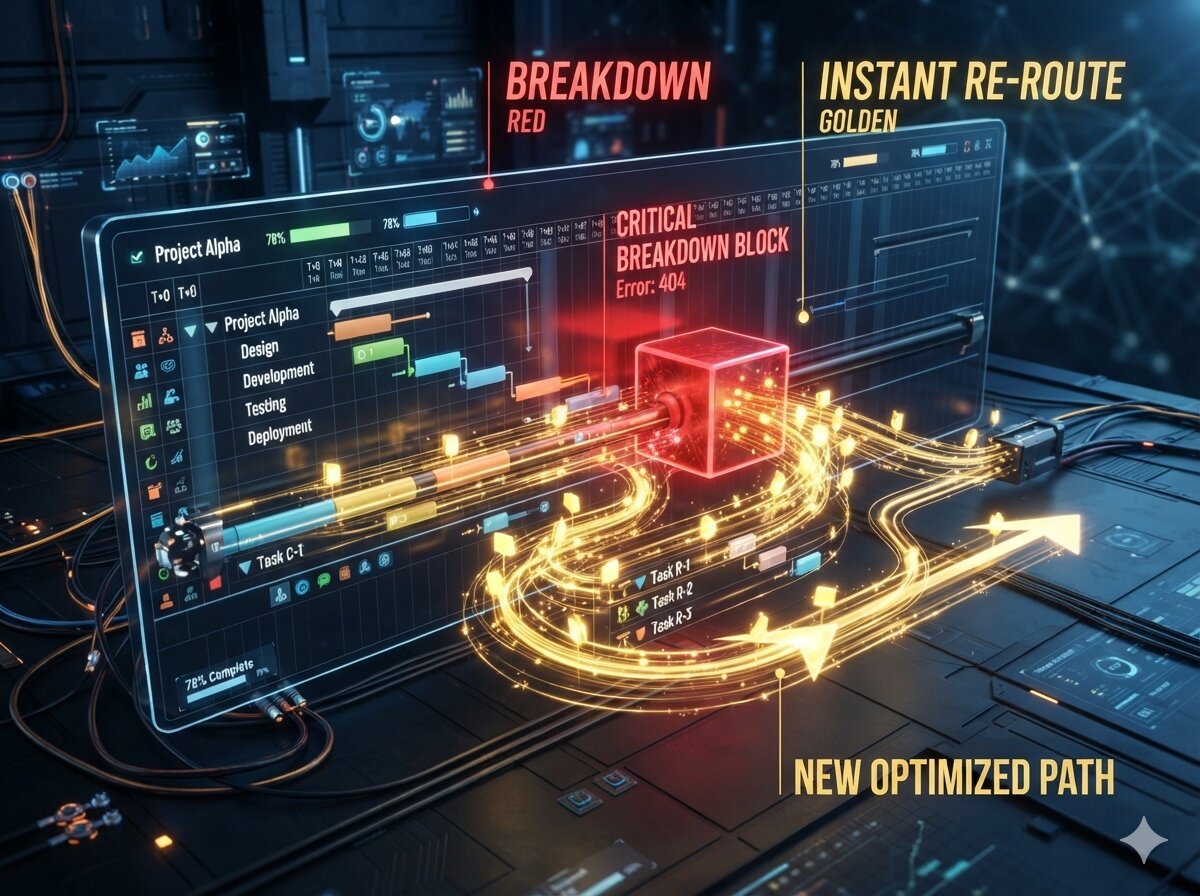
- The Soundbite: "During the phased rollout, our rollback plan must be instant. If our monitoring dashboards catch a spike in HTTP 500 errors or a drop in transaction throughput on the new API, an automated circuit breaker trips. The system immediately routes 100% of traffic back to the legacy engine without requiring a code redeployment."
6. P-ost-Migration Clean-Up & Deprecation
The migration isn't finished when the new system hits 100%.
- The Strategy: Safely sunset the old infrastructure to prevent technical debt.
- The Soundbite: "After running 100% of traffic on the new microservice for a full billing cycle with zero anomalies, we enter the clean-up phase. We stop the dual-writes, remove the legacy branching logic from the codebase, archive the old database, and officially deprecate the monolithic endpoints so engineering isn't supporting two code paths."
The Comparison: Bad vs. Good
- Bad Answer: "I’d have the engineers write the new API, test it thoroughly in a staging environment, and then push it to production during an off-peak hour to see if it works." (Extremely high-risk, fails to account for production-scale data variations).
- Good Answer: "I will lead a zero-downtime, phased migration by establishing an initial dual-write and shadowed read pipeline, running automated data reconciliation asynchronously, and leveraging canary feature flags with an instant fallback circuit breaker." (Highly strategic, deeply technical, risk-averse).
Conquer System Architecture Execution Rounds
Leading an API overhaul is a highly valued skill at the senior and staff levels. Showing that you can cleanly design an infrastructure migration without interrupting business continuity highlights true technical maturity. The DECOUPLE-SAFE protocol proves you know how to build stable, scalable systems that protect corporate revenue.
The Kracd Prep Kits give you complete architectural blueprints covering database sharding, data sync patterns, and blue-green deployment strategies.
- For PMs: Learn to bridge complex back-end migrations with product roadmap planning using the PM Prep Guide.
- For TPMs: Master massive technical dependencies, architectural rollouts, and infrastructure scale with the TPM Prep Kit.
FAQs
Q: How do we handle data that changes in the legacy system during the migration?A: That is why we use dual-writes and data backfills. Before turning on any live traffic, you run a background script to migrate historical data up to a specific timestamp. The live dual-writes handle any ongoing mutations, ensuring the new database is completely up to date before traffic routing begins.
Q: Staging environments catch bugs. Why isn't that enough?A: Staging environments lack production reality. They don't replicate the sheer volume, concurrent connection spikes, network latency variance, or messy, malformed data payloads that happen in the real world. Shadowing and Canary rollouts are the only ways to guarantee stability at scale.
Q: How long should a phased rollout take?A: It depends on the complexity and transaction volume. For a low-risk internal tool, it could take a few days. For a critical payments or billing API processing millions daily, the rollout should span across 1 to 2 weeks to safely observe edge cases across different business cycles.

















.jpg)