Introduction
Enterprise LLM consumption has reached a critical inflection point. While token prices drop year-over-year, total AI infrastructure bills are exploding as multi-agent workflows, autonomous execution loops, and high-frequency RAG pipelines hit production scale.
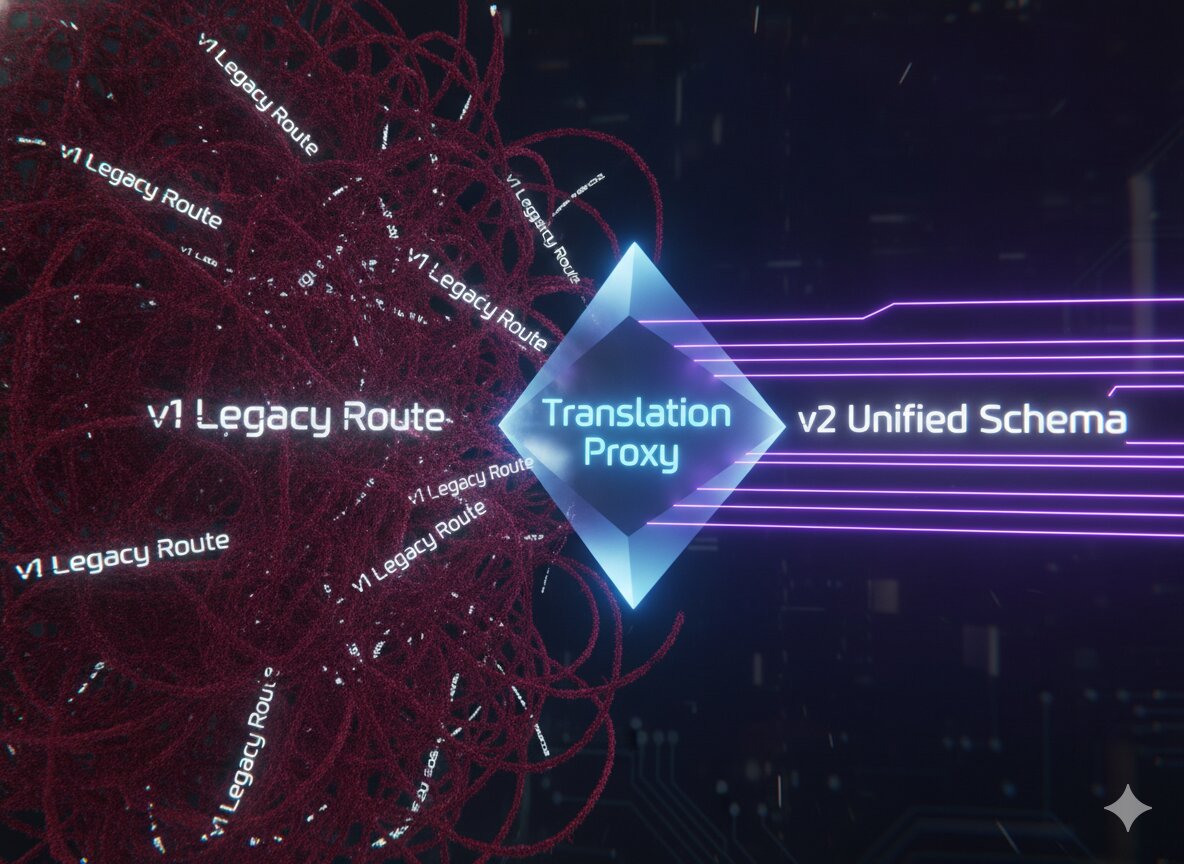
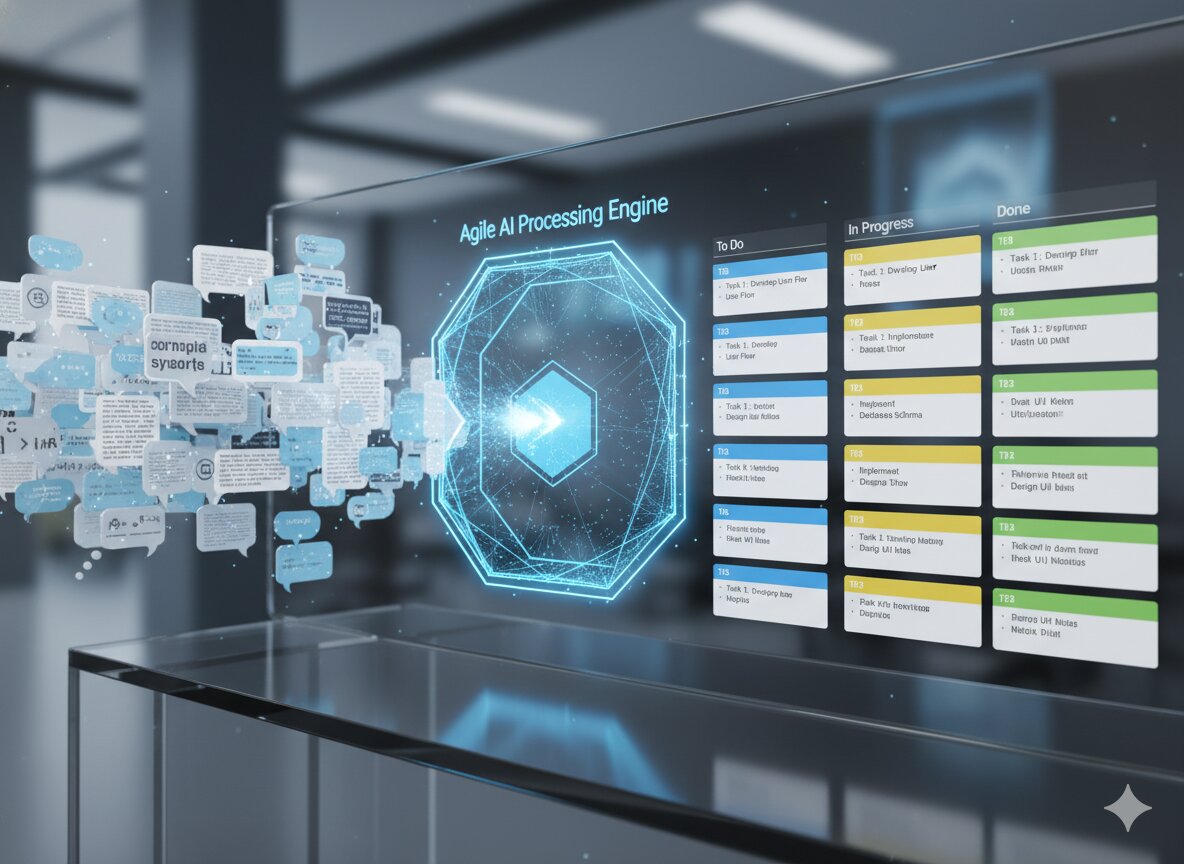
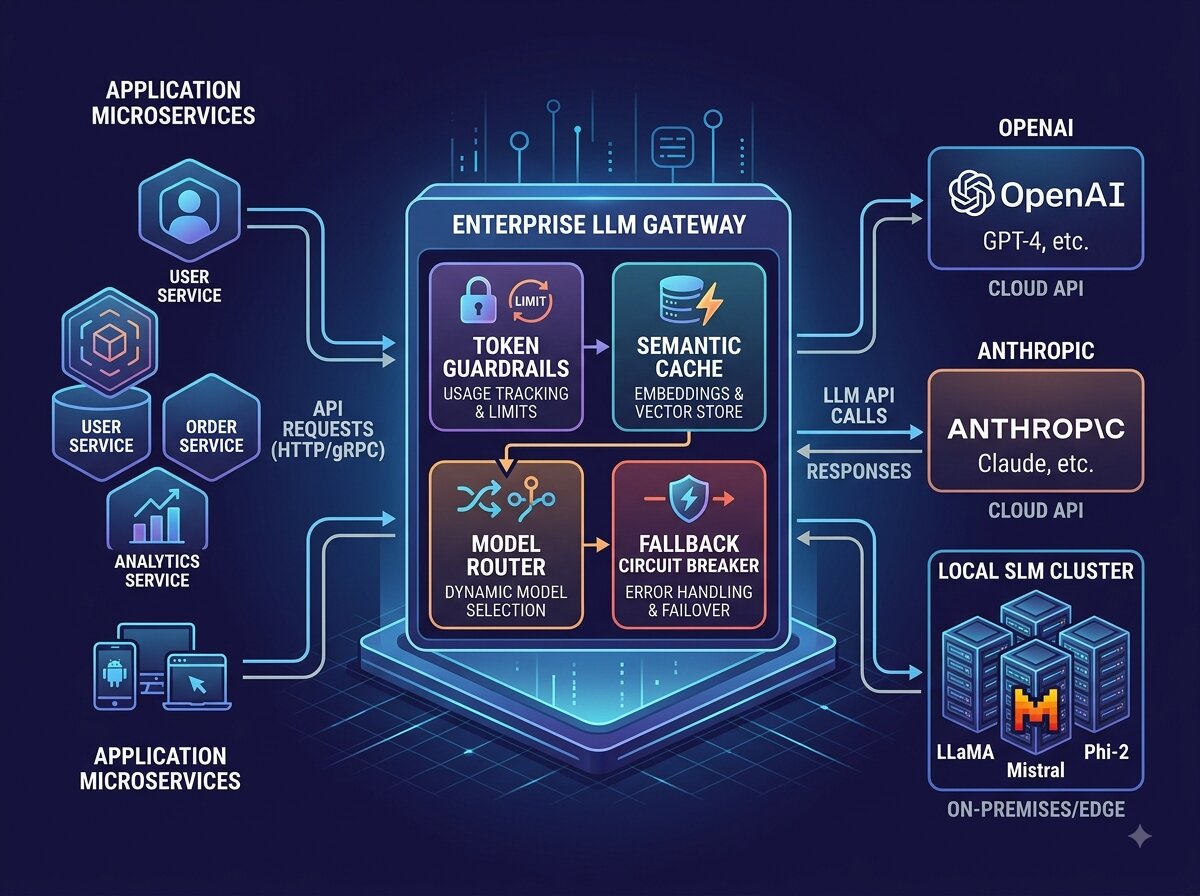
When interviewing for Senior PM or TPM roles at FAANG or high-growth tech companies, system design questions are no longer limited to "How do you design a traditional REST API Gateway?" Interviewers now expect you to articulate how to architect an Enterprise AI Gateway—a centralized proxy layer sitting between product services and LLM providers that manages cost, latency, reliability, and security.
Below is the definitive GATEWAY Framework to help PMs and TPMs structure system design answers for enterprise AI token and latency optimization.
The GATEWAY Framework for Enterprise AI Optimization
G — Governance & Attribution
Before optimizing model spend, you must establish complete observability and ownership down to the feature and user level.
- Metadata Tagging: Mandate header parameters on every request (
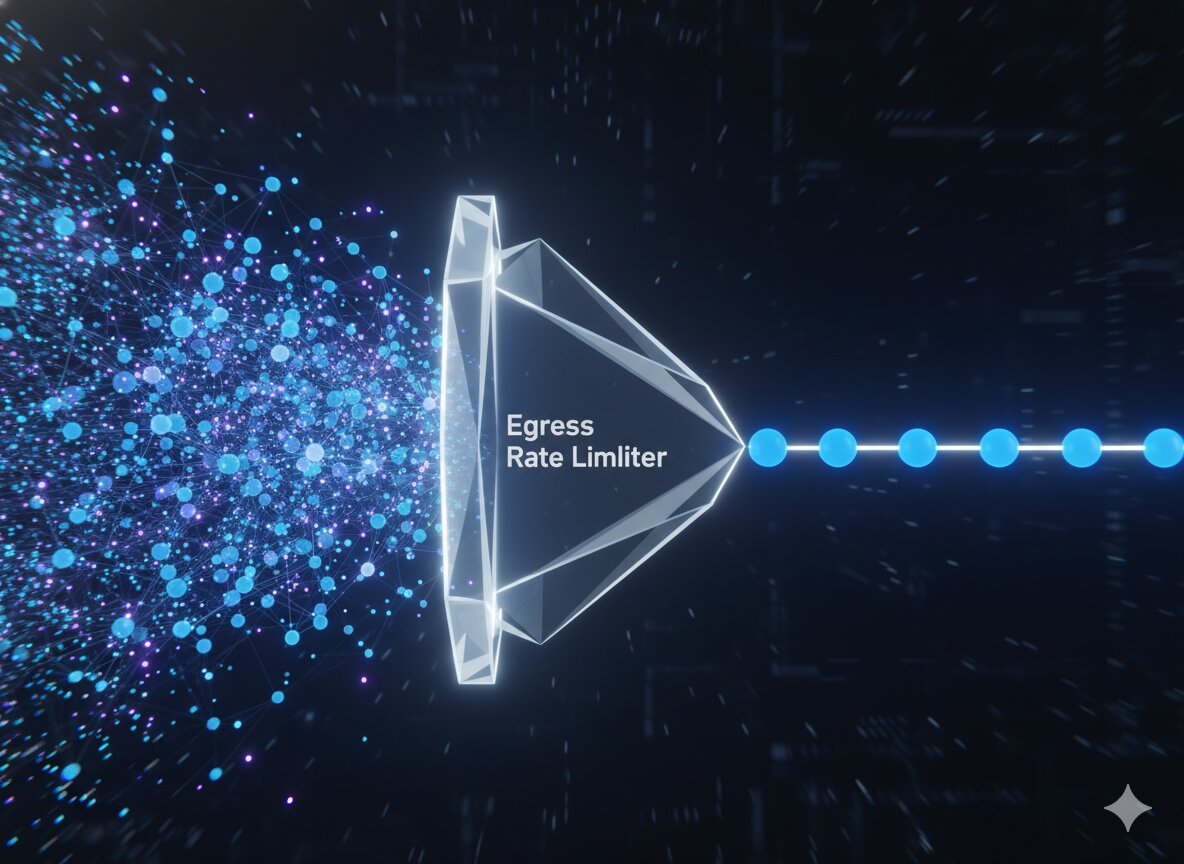
team_id,feature_id,user_tier,environment). Without attribution, cost spikes cannot be isolated. - Rate Limits & Budgets: Enforce strict token-per-minute (TPM) and request-per-minute (RPM) limits at the gateway layer. Implement automated hard-stops and 80% budget alerts per tenant.
A — Adaptive Model Routing
Not every query requires a top-tier frontier model. Adaptive routing dynamically selects the cheapest model capable of completing the task.
- Capability & Tier Routing: Simple classification or extraction tasks are routed to Small Language Models (SLMs). Complex reasoning tasks route to frontier models.
- Latency & SLA Routing: Time-sensitive interactive chat routes to streaming fast-provider nodes, whereas background summary tasks route to slower, discounted endpoints or batch APIs.
T — Token & Prompt Optimization
Token reduction directly cuts compute costs and reduces time-to-first-token (TTFT) latency.
- Semantic Caching: Maintain a vector cache of recent prompt-completion pairs. If incoming intent similarity exceeds $95\%$, return the cached response immediately without calling the LLM provider.
- Provider Prompt Caching: Standardize static system prompt prefixes across requests to take advantage of provider-level prompt caching (cutting input token costs by up to $90\%$).
- Context Truncation & Compression: Dynamically strip redundant whitespace, conversation history fluff, and redundant JSON formatting from input payloads.
E — Eval & Quality Guardrails
Optimizing cost cannot come at the expense of output quality or regulatory compliance.
- Schema Enforcement: Enforce JSON schema validation at the gateway boundary using structured outputs (Pydantic models).
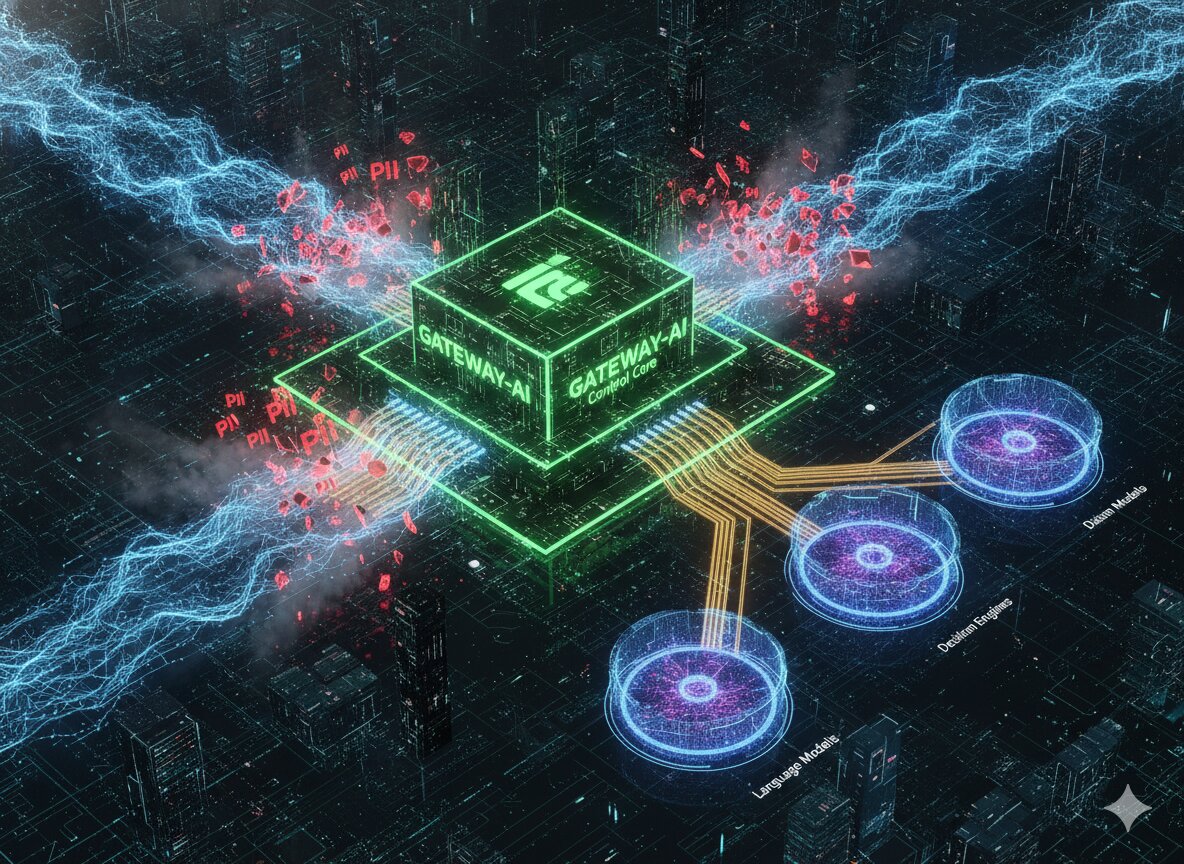
- In-Flight Quality Checks: Run lightweight, guardrail models in parallel to scan inputs for prompt injection and outputs for hallucination or sensitive data leakage.
W — Workload Isolation & Circuit Breakers
Generative AI APIs experience frequent rate-limit exceptions ($429$) and provider capacity overloads ($529$).
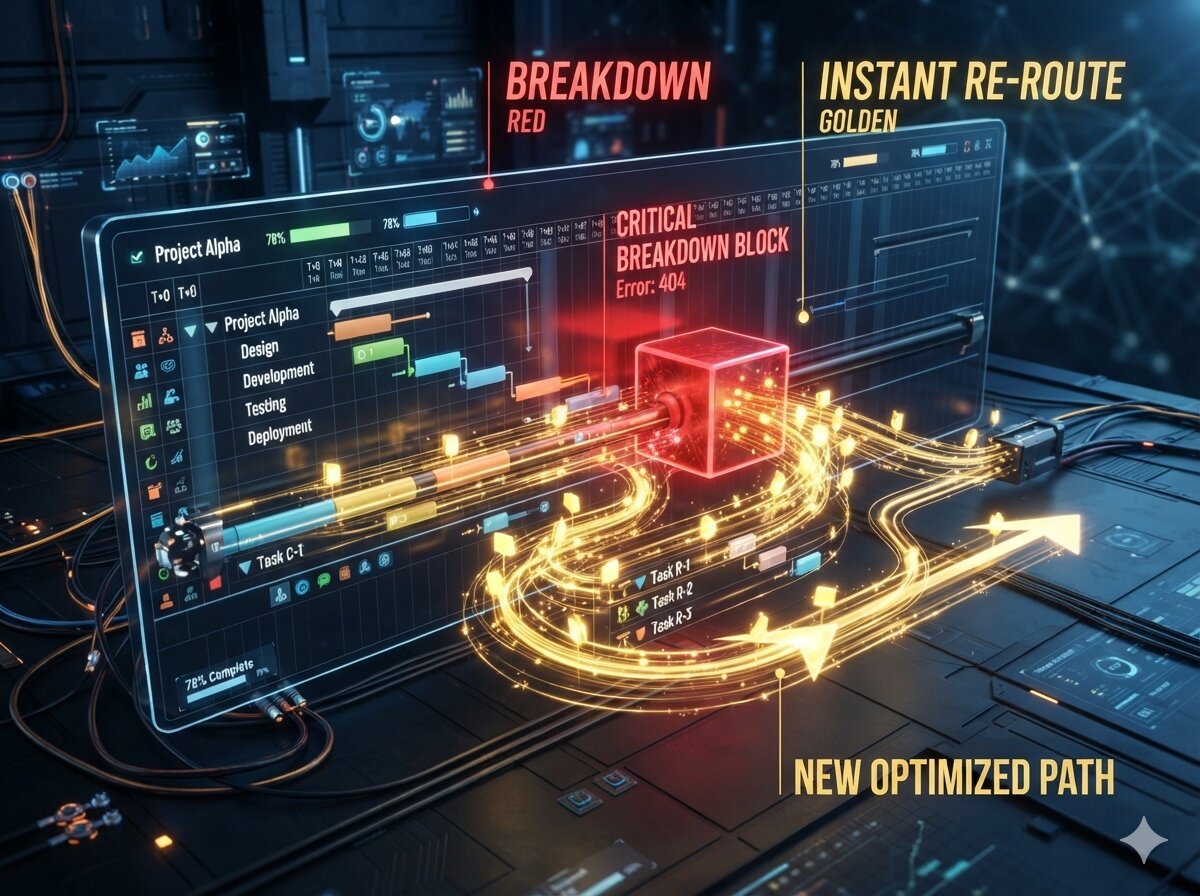
- Automated Fallbacks: If the primary model provider returns a rate-limit or timeout error, the gateway automatically retries on a secondary provider or regional endpoint without dropping client connection state.
- Circuit Breakers: Temporarily trip routing away from degraded model providers based on rolling time-decayed error rates.
A — Analytics & Financial Telemetry
Transform raw token logs into actionable product and financial metrics.
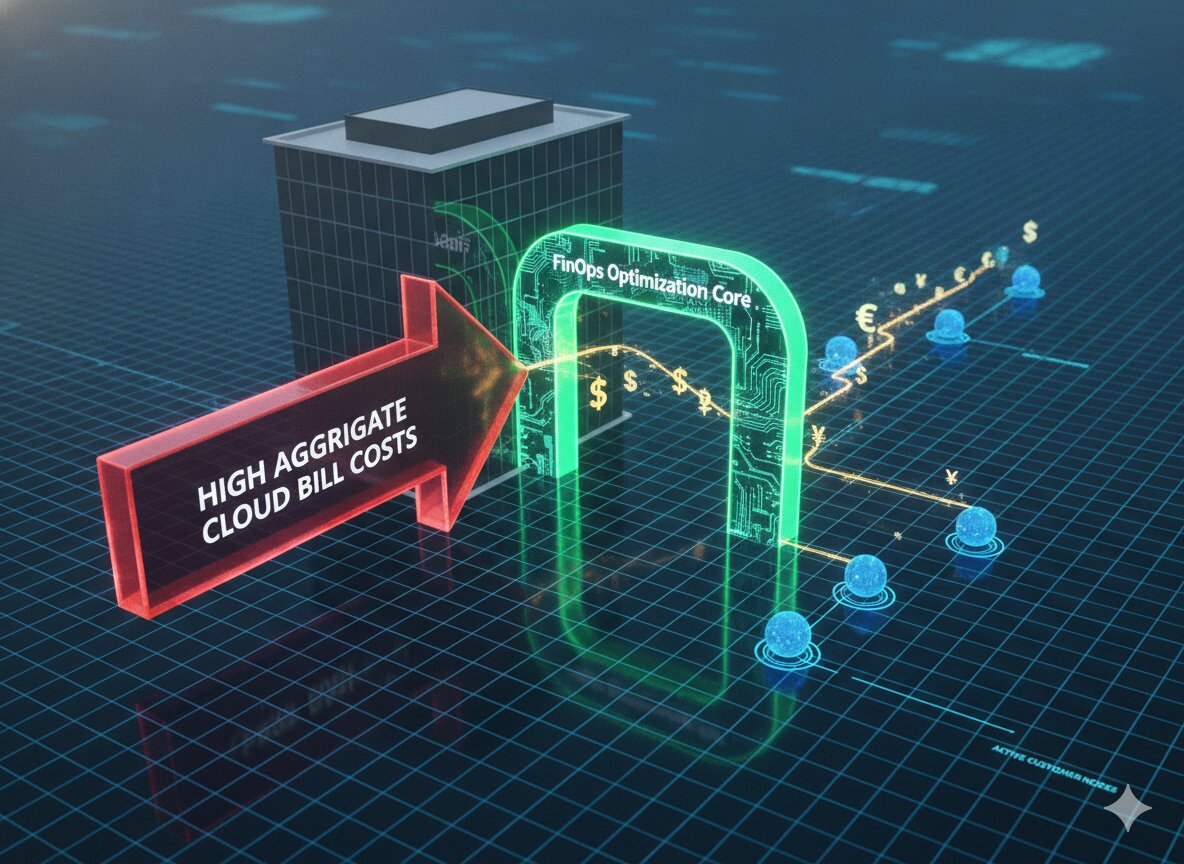
- Unit Economics: Calculate cost-per-active-user (CPAU), cost-per-successful-task, and latency p95/p99 across all AI features.
- Regression Dashboards: Surface anomalies such as unexpected retry loops or runaway agentic execution cycles in real time.
Y — Yield Optimization & Async Batching
Maximize infrastructure throughput through request scheduling.
- Batch Request Queuing: Route non-real-time agent jobs (e.g., nightly report summaries or offline vector embeddings) to asynchronous batch queues, unlocking up to $50\%$ pricing discounts.
Ace Your Next System Design Interview with Kracd
System design interviews for AI PMs and TPMs require balancing technical trade-offs (cost vs. latency vs. accuracy) with business outcomes. Master every framework and real-world system architecture:
- Master AI product strategy and metric trade-offs with the PM Prep Guide.
- Level up your system design, technical architecture, and execution skills with the TPM Prep Kit.
Frequently Asked Questions (FAQs)
How does an LLM Gateway differ from a standard API Gateway?
A standard API Gateway routes REST/gRPC traffic based on URI paths and manages standard authentication. An LLM Gateway handles token-based billing, streaming chunk responses, dynamic prompt caching, model fallback loops, and semantic payload inspection.
Should enterprises build an in-house LLM Gateway or buy a commercial solution?
Early-stage teams often start with lightweight open-source proxies (like LiteLLM). Mid-to-large enterprises usually standardize on centralized self-hosted or managed gateway infrastructure to ensure strict data compliance, tenant isolation, and custom cost attribution.






















.jpg)